Sie möchten, dass Ihr Edelstahltisch mit Ablage makellos aussieht und jahrelang hält. Regelmäßiges Reinigen und Desinfizieren schützen Ihren Arbeitstisch vor Keimen und Flecken. Wenn Sie Ihren Arbeitstisch täglich reinigen, fördern Sie gute Hygiene und sorgen für eine sichere Küche. Mit den richtigen Reinigungsmitteln geht die Reinigung Ihres Arbeitstisches einfacher und schneller. Sauberkeit ist wichtig für jeder Vorbereitungstisch Ob zu Hause oder im Betrieb: Mit einfachen Pflegemaßnahmen können Sie Ihren Edelstahl-Arbeitstisch mit Ablagen reinigen und desinfizieren, damit er lange wie neu aussieht. So verlängern Sie die Lebensdauer Ihres Tisches und sorgen gleichzeitig für einen sicheren und hygienischen Arbeitsplatz. Dieser Ratgeber enthält praktische Tipps zur Reinigung, Desinfektion, Korrosionsvorbeugung, Pflege der Ablagen und zur Vermeidung häufiger Fehler. Bei regelmäßiger Pflege bleibt Ihr Edelstahltisch viele Jahre lang funktional, attraktiv und zuverlässig.
Inhaltsverzeichnis
Tägliche Reinigungstipps für Edelstahltische mit Ablagen

Reinigen Sie Ihren Edelstahltisch mit Ablagen täglich, damit er hygienisch bleibt, lange hält und für alle Speisen, die Sie zubereiten, bereit ist. Entfernen Sie regelmäßig Staub, Speisereste und andere Verunreinigungen. Wischen Sie immer in Richtung der Maserung, um Kratzer zu vermeiden und die Oberfläche zu schonen. Trocknen Sie nach der Reinigung und Desinfektion alle Oberflächen gründlich ab, um Wasserflecken, Rost und langfristige Schäden zu verhindern.
Empfohlen für Ihr Projekt
Staub, Schmutz und Speisereste entfernen
Reinigen Sie die Arbeitsfläche von Staub, Krümeln und Speiseresten. Wischen Sie die untere Ablage des robusten Edelstahltisches mit einem Mikrofasertuch ab, um alle Oberflächen gründlich zu reinigen. Dies verhindert die Verbreitung von Keimen und sorgt dafür, dass Ihr Edelstahltisch mit Ablagefläche stets einsatzbereit ist. In Großküchen ist die Einhaltung von Reinigungsregeln unerlässlich für Sauberkeit und Hygiene. Durch die Entfernung von leicht entfernbarem Staub und Speiseresten wird das Wachstum von Bakterien und Keimen erschwert. Insekten- und Schädlingsbefall ist überall dort ein großes Problem, wo Lebensmittel zubereitet, gelagert oder verzehrt werden – auch auf Oberflächen mit Speiseresten. Ein leicht zu reinigender Tisch mit einfacher Ablagefläche trägt zu einem hygienischen und sicheren Arbeitsbereich bei.
Verwenden Sie milde Reinigungsmittel für die routinemäßige Reinigung.
Verwenden Sie einen milden Reiniger zur täglichen Reinigung und Desinfektion. Erwärmen Sie Wasser mit etwas Spülmittel oder einer geeigneten Desinfektionslösung für Lebensmittelbereiche. Verwenden Sie keine scharfen Desinfektionsmittel, da diese Edelstahl beschädigen können. Sprühen Sie den Reiniger auf die Edelstahlplatte mit Ablagefläche in der Küche und wischen Sie sie mit einem sauberen Tuch ab. Spülen Sie nach der Verwendung von Spülmittel oder Desinfektionsmittel unbedingt mit klarem Wasser nach. Diese Methode eignet sich sowohl für den privaten als auch für den gewerblichen Gebrauch. Sie ist besonders praktisch für die tägliche Reinigung. Milde Reiniger sind in der Regel einfache Produkte wie mit Wasser verdünntes Spülmittel oder milde, für die Küche geeignete Reiniger. Diese Lösungen entfernen effektiv gängige Verschmutzungen wie Fett, Krümel und Flecken. Es sind keine besonderen Kenntnisse oder teure Reinigungsmittel erforderlich. Normalerweise reichen eine milde Lösung und ein weiches Tuch oder ein Schwamm aus, um die Reinigung schnell und einfach durchzuführen.
In Richtung der Maserung wischen
Betrachten Sie den Edelstahltisch und das Regal. Die Linien werden als Maserung bezeichnet. Wischen und reinigen Sie immer entlang dieser Linien. Dadurch wird verhindert, dass... den Tisch vom Erhalten Kratzer werden vermieden und die Oberfläche bleibt glatt. Diese Reinigungsart ist zudem effektiver. Wischen in Richtung der Maserung entfernt Schmutz, Fett und Speisereste besser. Abkratzen hingegen dringt Schmutz nur in die Rillen ein, nicht heraus. Durch das Wischen in Maserungsrichtung wird die Oberfläche gründlicher gereinigt, und zwar mit weniger Durchgängen, was Zeit und Mühe spart. Ein weiterer Vorteil ist die Vermeidung von Kratzern und Flecken. Edelstahl ist zwar sehr robust, kann aber bei unsachgemäßer Reinigung dennoch feine Kratzer bekommen.
Nach der Reinigung die Oberflächen gründlich trocknen.
Reinigen und desinfizieren Sie alle Teile und trocknen Sie sie mit einem weichen Tuch ab. Wasser, das auf einem Edelstahl-Restauranttisch mit Ablage in der Restaurantküche zurückbleibt, verursacht Flecken oder Rost. Durch das Trocknen wird zudem die optimale Wirkung der Desinfektionslösung erzielt. Achten Sie besonders auf Ecken und Ablagen, um Wasseransammlungen zu vermeiden. Dies ist wichtig für die Sauberkeit Ihres Arbeitstisches und die Einhaltung der Hygienevorschriften. Lässt man das Wasser einfach auf dem Edelstahl trocknen, bleiben oft Flecken und trübe Stellen zurück. Diese Flecken können den Eindruck erwecken, der Tisch sei schmutzig, selbst wenn er fleckenfrei ist. Eine gut getrocknete Oberfläche bleibt nach der Reinigung glatt, glänzend und fleckenfrei. Dies ist besonders wichtig in Küchen und Bereichen, in denen Lebensmittel zubereitet werden und Hygiene oberste Priorität hat.
Die besten Reinigungsprodukte für Edelstahltische mit Ablagefläche

Damit ein Edelstahltisch lange schön bleibt, ist die Verwendung der richtigen Reinigungsmittel wichtig. Spezielle Edelstahlreiniger und milde, natürliche Alternativen eignen sich am besten zur Entfernung von Fett, Fingerabdrücken und Flecken. Vermeiden Sie aggressive Produkte wie Bleichmittel, chlorhaltige Reiniger und Scheuermittel. Durch gründliches Desinfizieren nach der Reinigung mit geeigneten Reinigungsmitteln bleibt Ihr Edelstahltisch sauber, glänzend und lebensmittelecht.
Empfohlene Edelstahlreiniger
Sie möchten, dass Ihr Vorbereitungstisch glänzt und hygienisch ist. Verwenden Sie dafür spezielle Edelstahlreiniger. Diese Reiniger helfen Ihnen, Ihren Vorbereitungstisch zu reinigen und zu desinfizieren. Sie eignen sich sowohl für den privaten als auch für den gewerblichen Gebrauch. Es gibt Sprays und Tücher, die Fett und Fingerabdrücke von vielen Oberflächen abweisen. Beachten Sie stets die Anweisungen auf dem Etikett; Edelstahltisch mit Ablagefläche zur Zubereitung und Aufbewahrung von Lebensmitteln. Vermeiden Sie die Verwendung normaler Tücher, um Kratzer auf der Oberfläche zu vermeiden. Reinigen, abspülen und trocken tupfen. So bleibt Ihr Vorbereitungstisch sauber und sieht wie neu aus. Sie sparen sich das mühsame Schrubben – einfach den passenden Reiniger auftragen und den Schmutz schnell entfernen. Das erleichtert die tägliche Reinigung erheblich, insbesondere in Unternehmen mit hohem Arbeitsaufkommen, wo Zeit ein entscheidender Faktor ist.
Natürliche Reinigungslösungen, die Sie verwenden können
Für die Reinigung Ihrer Arbeitsfläche eignen sich natürliche Produkte. Reinigen Sie sie mit Essig und Wasser. Diese Mischung reinigt und desinfiziert effektiv. Sprühen Sie die Mischung auf die Arbeitsfläche, wischen Sie sie mit einem Tuch ab und spülen Sie sie anschließend mit Wasser ab. Flecken lassen sich mit Backpulver entfernen. Streuen Sie es auf die Oberfläche, reiben Sie es leicht ein und wischen Sie es ab. Ihre preisgünstige Edelstahl-Arbeitsfläche mit Ablage ist inklusive, und Sie haben immer eine Desinfektionslösung zur Hand, um sie sauber zu halten. Die meisten privaten und gewerblichen Küchen lassen sich durch diese Methoden hygienischer gestalten. Scharfe chemische Reiniger können die Schutzschicht von Edelstahl mit der Zeit angreifen und zu Mattheit oder Verfärbungen führen. Natürliche Reinigungsmittel sind schonender und erhalten den ursprünglichen Glanz und die glatte Oberfläche der Arbeitsfläche. So bleibt Ihre Arbeitsfläche auch bei täglichem Gebrauch wie neu und professionell.
Zu vermeidende Reinigungsmittel
Bestimmte Produkte können Ihrem Gerät schaden Vorbereitungstisch aus EdelstahlVerwenden Sie keine Bleichmittel oder aggressive Desinfektionsmittel. Diese können die Oberfläche beschädigen und die Reinigung erschweren. Verwenden Sie niemals Stahlwolle oder raue Scheuerschwämme. Sie zerkratzen die Oberfläche und erschweren die Desinfektion. Vermeiden Sie Reiniger mit Chlor oder anderen starken Chemikalien. Halten Sie sich stets an sichere Reinigungsverfahren. Verwenden Sie nur Produkte, die sicher in der Anwendung und Desinfektion sind. Ein weiterer Vorteil ist, dass Kratzer und Abnutzung vermieden werden. Es gibt Reinigungsmittel mit Schleifpartikeln oder solche, die für starke Verschmutzungen entwickelt wurden. Diese können die glatte Edelstahloberfläche zerkratzen. Sichere Reinigungs- und Desinfektionsmethoden erhalten die Unversehrtheit Ihres Edelstahl-Arbeitstisches mit Ablage und ermöglichen Ihnen die Einhaltung aller Vorschriften.
Empfohlen für Ihr Projekt
Wie man Rost und Korrosion an Edelstahltischen verhindert
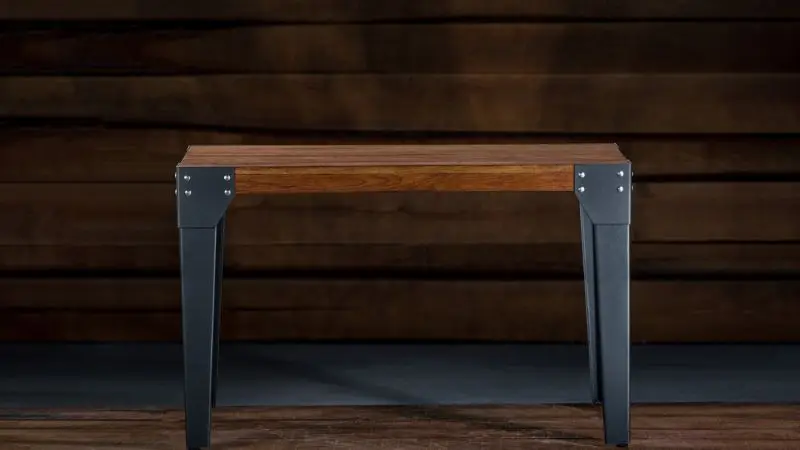
Um Rost und Korrosion an Edelstahltischen zu vermeiden, sollten die Oberflächen trocken gehalten, aggressive Chemikalien vermieden und verschüttete Flüssigkeiten umgehend aufgewischt werden. Regelmäßiges Entfernen von stehendem Wasser, Minimierung des Kontakts mit Salz und Feuchtigkeit sowie die Verwendung von für Edelstahl geeigneten Reinigungsmitteln tragen zum Erhalt der Tischoberfläche bei. Regelmäßige Pflege sorgt dafür, dass Ihr Edelstahltisch in Top-Zustand bleibt, hygienisch ist und lange hält.
Stehendes Wasser sofort beseitigen
Ein Edelstahl-Arbeitstisch in einer Restaurantküche benötigt eine Ablage, um ihn trocken zu halten und Rostbildung zu verhindern. Jegliches Wasser auf dem Tisch kann den Edelstahl beschädigen. Trocknen Sie den Arbeitstisch nach der Reinigung mit einem Handtuch ab. Prüfen Sie die Ablage und die Ränder auf Wassertropfen. Entfernen Sie vorhandenes Wasser sofort. Dies hilft Ihnen, die Reinigungsvorschriften einzuhalten und eine hygienische Küche zu gewährleisten. Antrocknendes Wasser auf Edelstahl hinterlässt häufig Flecken und Trübungen. Diese Flecken können den Tisch selbst nach der Reinigung unsauber erscheinen lassen. Benutzer verwenden die Ablage außerdem, um die Oberfläche stets glänzend und glatt zu halten und die Bildung von stehendem Wasser zu verhindern. Dies ist auch für die Lebensmittelsicherheit und Hygiene unerlässlich. Schützen Sie Ihren Arbeitstisch nach der Reinigung, indem Sie ihn ausschließlich mit einem trockenen Mikrofasertuch abwischen.
Vermeiden Sie den Kontakt mit aggressiven Chemikalien
Die Verwendung aggressiver Reinigungsmittel kann Ihre Arbeitsplatte beschädigen. Vermeiden Sie Bleichmittel und aggressive Reinigungschemikalien. Diese Chemikalien können die Oberfläche angreifen und Rost verursachen. Verwenden Sie stattdessen sichere Reinigungs- und Desinfektionsmittel, die den Lebensmittelhygienevorschriften entsprechen. Die robuste Edelstahl-Arbeitsplatte sollte nach jeder Reinigung mit Wasser abgewaschen werden. So bleibt Ihre Arbeitsplatte sauber und die Verbreitung von Keimen wird verhindert. Die Schutzschicht von Edelstahl kann durch aggressive Reinigungsmittel mit der Zeit angegriffen werden. Ist diese Schutzschicht beschädigt, kann die Oberfläche anfällig für Korrosion, Fleckenbildung oder andere Schäden werden. Dies trägt nicht nur zur Langlebigkeit der Arbeitsplatte bei, sondern minimiert auch Reparatur- und Ersatzkosten.
Oberflächen vor Salz und Feuchtigkeit schützen
Wenn Sie Ihren Vorbereitungstisch im Regen stehen lassen, kann er durch Salz und Wasser rosten. Bewahren Sie salzige Lebensmittel daher immer in geschlossenen Behältern auf. Vermeiden Sie es, Flüssigkeiten auf dem Tisch oder der Ablage liegen zu lassen. Wischen Sie Verschüttetes sofort auf und spülen Sie die Oberflächen mit Wasser ab. Reinigen Sie die Oberflächen des Edelstahl-Vorbereitungstisches und der Ablage in der Restaurantküche. Diese Reinigungsmaßnahmen tragen dazu bei, die Sauberkeit und den guten Zustand Ihres Vorbereitungstisches zu erhalten.
-
- Vermeiden Sie es, Salz oder Säuren auf dem Zubereitungstisch zu platzieren.
-
- Verschüttete Flüssigkeiten sollten sofort beseitigt werden, sobald sie sichtbar werden.
-
- Zum Abschluss des Vorgangs mit einer Desinfektionslösung reinigen.
Planen Sie regelmäßige Inspektionen
Kontrollieren Sie Ihren Arbeitstisch regelmäßig. Achten Sie auf Rost, Flecken oder Beschädigungen. Ziehen Sie alle lockeren Schrauben am Regal fest. Überprüfen Sie Ihre Tabelle Es ist wichtig, Probleme frühzeitig zu erkennen. So können Sie Ihren Arbeitstisch schonen. Notieren Sie die Inspektionsdaten, um die Einhaltung der Regeln und die Sauberkeit zu gewährleisten. Regelmäßige Kontrollen helfen, unvorhergesehene Schäden zu vermeiden. Obwohl Edelstahl robust und langlebig ist, können nach jahrelangem Gebrauch kleinere Mängel auftreten. Kleine Dellen, verbogene Regalträger, lockere Schrauben oder Kratzer können sich schleichend entwickeln. Kontrollieren Sie den Tisch regelmäßig, um diese Mängel frühzeitig zu erkennen und zu beheben, bevor sie sich verschlimmern.
Pflege der Edelstahlregale für maximale Haltbarkeit
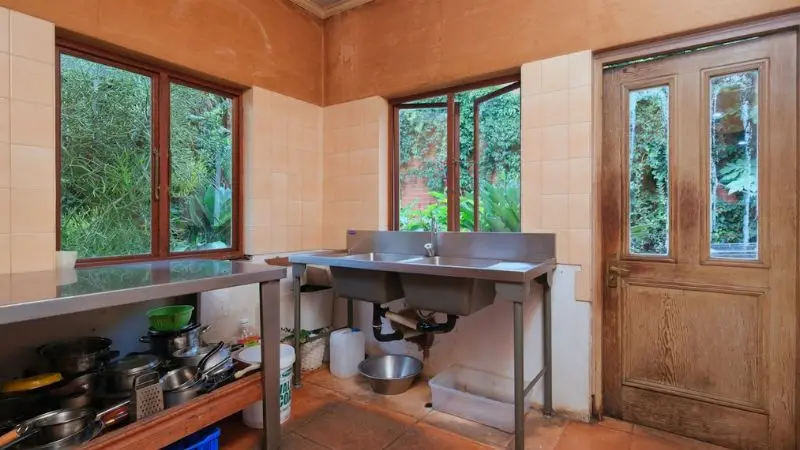
Eine sorgfältige Pflege des Regals trägt zur Langlebigkeit und Sicherheit des Edelstahltisches bei. Achten Sie auf ausreichende Beladung (Gewichtsgrenzen beachten und Gegenstände ordentlich lagern). Überprüfen Sie regelmäßig die Regalträger, Halterungen und Befestigungselemente, um lose Teile zu erkennen. Regelmäßiges Ordnen, Reinigen und Pflegen der Regale sorgt für deren Stabilität und Langlebigkeit.
Überladung der Regale vermeiden
Schwere Gegenstände sollten nicht auf Regalen platziert werden. Zu viel Gewicht kann dazu führen, dass sich die Regale verbiegen oder sogar brechen. Beachten Sie stets die Herstellerangaben zur Tragfähigkeit der einzelnen Regale. Überladen Sie weder Arbeitsflächen noch Regale oder andere harte Oberflächen. Zu hohes Gewicht kann zu Unfällen führen und den Verschleiß Ihres Edelstahl-Vorbereitungstisches mit Regal in der Restaurantküche beschleunigen. Ordnung und ausreichend Abstand verringern das Risiko von Unfällen und Kreuzkontaminationen.
-
- Obersten Regal: Hält bis zu 50 Pfund für leichtere Gegenstände.
-
- Mittleres Regal: – Kann bis zu 75 Pfund tragen und eignet sich hervorragend für mittelschwere Gegenstände.
-
- Unterstes Regal: Schwerlastregal, das bis zu 100 Pfund tragen kann.
Ordnen Sie die Gegenstände so an, dass der Oberflächenverschleiß reduziert wird.
Richten Sie Ihre Edelstahl-Arbeitsfläche mit einem Regal und einem weiteren Regal daneben ordentlich ein. Stellen Sie Utensilien und Behälter so hin, dass sie nicht im Weg sind und das Regal nicht zerkratzen. Reinigen und desinfizieren Sie das Regal, bevor Sie Gegenstände wieder daraufstellen. So vermeiden Sie Beschädigungen und halten die Reinigungsrichtlinien ein. Vermeiden Sie Kreuzkontaminationen, indem Sie rohe und gekochte Lebensmittel getrennt aufbewahren. Verwenden Sie Behälter oder Tabletts, um Ordnung zu halten. Wischen Sie Verschüttetes sofort auf, um Flecken zu vermeiden.
-
- Platziere die gleichen Gegenstände vor ihnen.
-
- Verwenden Sie Tabletts, um die Regalböden zu schützen.
-
- Nach jedem Gebrauch waschen und desinfizieren.
Regalträger und Befestigungselemente regelmäßig prüfen
Überprüfen Sie regelmäßig die Regalträger und -befestigungen. Lose Schrauben oder Halterungen können dazu führen, dass das Regal herunterfällt. Kontrollieren Sie Ihren Vorbereitungstisch und sichern Sie alle losen Gegenstände. So bleibt Ihr robuster Edelstahltisch mit Ablagefach sicher und funktionsfähig. Reinigen Sie alle Träger und Befestigungen von Fett und Schmutz. Verwenden Sie Desinfektionsmittel und Reinigungsmittel, um alles sauber zu halten. Diese Maßnahmen beugen Reparaturen vor und stellen sicher, dass Ihr Vorbereitungstisch jederzeit einsatzbereit ist. Wenn alle Teile fest verbunden und ausbalanciert sind, ist ein Edelstahltisch die beste Wahl. Regalböden können unter schwerer Last wackeln oder verrutschen. Diese Instabilität kann zu Problemen im täglichen Gebrauch und geringerer Effizienz führen. Durch regelmäßiges Reinigen, Desinfizieren und Überprüfen Ihres Vorbereitungstisches gewährleisten Sie Sicherheit und die Einhaltung aller Vorschriften.
Entfernen von Flecken, Fingerabdrücken und Kratzern von Edelstahl
Entfernen Sie Flecken, Fingerabdrücke und Kratzer umgehend, um das Aussehen zu erhalten. Verwenden Sie milde Reinigungsmittel und vermeiden Sie Scheuermittel, um weitere Kratzer zu verhindern. Tragen Sie bei Bedarf Edelstahlreiniger oder Kratzerentferner auf, um vorhandene Kratzer zu beseitigen. Glatte, glänzende Edelstahltische bleiben durch regelmäßige Reinigung und Desinfektion sowie die richtige Pflege erhalten.
Wie man Wasserflecken und -verunreinigungen entfernt
Selbst Ihr hochwertigster Edelstahltisch mit Ablagefläche kann durch Wasserflecken und andere Verschmutzungen schnell unansehnlich werden. Diese Flecken sollten umgehend entfernt werden. Geben Sie etwas warmes Wasser und mildes Spülmittel auf ein weiches Tuch und reiben Sie die Flecken vorsichtig ab. Bei hartnäckigen Flecken kann eine Paste aus Backpulver und Wasser verwendet werden. Paste auftragen, einige Minuten einwirken lassen und anschließend abreiben. Nach Gebrauch die Oberfläche gründlich abspülen. Trocknen Sie den Tisch anschließend mit einem Handtuch, um die Entstehung neuer Flecken zu vermeiden. In Großküchen sollte der Tisch nach der Fleckenentfernung gründlich gereinigt und desinfiziert werden. Dies ist besonders wichtig in Bereichen mit Kundenkontakt, wo Sauberkeit einen positiven Eindruck vermittelt. Die Desinfektion ist auf einer sauberen Edelstahloberfläche einfacher und verringert das Risiko der Ansammlung von Verunreinigungen, die die Lebensmittelsicherheit oder die Hygiene am Arbeitsplatz beeinträchtigen könnten.
Wirksame Methoden zur Beseitigung von Fingerabdrücken
Edelstahl ist anfällig für Fingerabdrücke. Diese lassen sich mit einem Mikrofasertuch entfernen. Sauberer Vorbereitungstisch In Richtung der Maserung wischen. Falls sich der Abdruck nur schwer entfernen lässt, etwas Essig auf ein Tuch sprühen und die Oberfläche damit abwischen. Essig reinigt den Tisch und verleiht ihm Glanz. Nach der Reinigung den Vorbereitungstisch mit einer Desinfektionslösung desinfizieren. Um Streifen auf dem Edelstahl-Vorbereitungstisch zu vermeiden, diesen auf einem Ablagebrett trocknen. Ihr Vorbereitungstisch sieht in der Regel wie neu aus, wenn Sie ihn regelmäßig reinigen und desinfizieren.
-
- Zum Reinigen ein trockenes Mikrofasertuch verwenden.
-
- Bei hartnäckigen Fingerabdrücken hilft Essig.
-
- Reinigen, dann desinfizieren.
Oberflächenkratzer minimieren und reparieren
Bei täglicher Nutzung Ihres Arbeitstisches können Kratzer entstehen. Um Kratzer zu vermeiden, reinigen Sie ihn mit weichen Tüchern und nicht mit rauen Scheuerschwämmen. Leichte Kratzer können Sie mit einem Edelstahlreiniger behandeln. Wischen Sie den Reiniger in Richtung der Maserung über die Oberflächen. Bei tieferen Kratzern kann ein Kratzerentferner-Set für Edelstahl hilfreich sein. Bitte lesen und befolgen Sie die Anweisungen sorgfältig. Wischen und desinfizieren Sie den Edelstahltisch nach Gebrauch für die Zubereitung und Lagerung von Lebensmitteln. Regelmäßige Reinigung und Desinfektion gewährleisten, dass Ihr Tisch sicher und einsatzbereit ist.
-
- Leichter Kratzer: Verwenden Sie einen Edelstahlreiniger, um es zu entfernen, und reinigen und desinfizieren Sie anschließend die Oberfläche.
-
- Tiefkratzen: Kratzen Sie die Stelle mit einem Kratzerentferner ab und reinigen und desinfizieren Sie sie anschließend.
Häufige Fehler, die Sie beim Reinigen von Edelstahltischen vermeiden sollten
Um das Aussehen zu erhalten, ist es wichtig, häufige Reinigungsfehler zu vermeiden. Scheuermittel, Stahlwolle und chlorhaltige Reiniger können die Oberfläche zerkratzen, verfärben oder schwächen. Zusätzlich ist eine regelmäßige Pflege wichtig, die tägliche Reinigung, periodische Grundreinigungen und routinemäßige Kontrollen umfasst. Regelmäßige Pflege beugt Rost vor, hält alles sauber und verlängert die Lebensdauer Ihres Edelstahltisches.
Verwendung von Scheuerschwämmen und Stahlwolle
Manche glauben, der Fleck sei ein hartnäckiger Schmutzfleck, der mit einem groben Werkzeug entfernt werden müsse. Scheuerschwämme oder Stahlwolle können jedoch Ihre Arbeitsfläche beschädigen. Kratzer sind schwer zu reinigen und bieten Keimen einen idealen Nährboden. Sie möchten sicher, dass Ihr Edelstahl glatt und leicht zu reinigen bleibt. Verwenden Sie stattdessen weiche Mikrofasertücher oder Schwämme. So schützen Sie Ihre hochwertige Edelstahl-Arbeitsfläche und sorgen für eine hygienische Küche. Ein optimaler Edelstahl-Arbeitstisch mit Ablagefläche für die Küche zeichnet sich durch eine glatte Oberfläche aus, die die Reinigung und Pflege erleichtert. Grobe Reinigungsmittel können Kratzer auf der Oberfläche hinterlassen. Diese Kratzer sind anfangs oft schwer zu erkennen, können aber mit der Zeit die Optik und Funktionalität des Tisches beeinträchtigen. Kratzer können zu Rost führen, was die Reinigung zusätzlich erschwert. Um Beschädigungen zu vermeiden, verwenden Sie daher immer weiche Tücher.
Anwendung von chlorhaltigen Reinigern
Chlorhaltige Reiniger können Flecken auf Ihrer Arbeitsfläche hinterlassen. Sie können die Oberfläche außerdem angreifen und dadurch beschädigen. Verwenden Sie sie nicht, wenn Sie Wert auf ein gepflegtes Erscheinungsbild legen. Reinigen Sie Ihre Arbeitsfläche stattdessen mit milden, lebensmittelechten Reinigern. So bleibt Ihre preisgünstige Edelstahl-Arbeitsfläche mit Ablage in gutem Zustand und die Verbreitung von Keimen wird verhindert. Lesen Sie vor der Reinigung immer das Etikett.
-
- Verwenden Sie Reinigungsmittel, die als „geeignet für Edelstahl“ gekennzeichnet sind.
-
- Nach der Reinigung des Tisches spülen Sie den Tisch gründlich ab.
-
- Den Vorbereitungstisch trocken halten, um ihn vor Chemikalien zu schützen.
Ignorieren von routinemäßigen Wartungsplänen
Wenn Sie nicht regelmäßig reinigen, können größere Probleme entstehen. Ungepflegte Oberflächen können Flecken und Rost verursachen. Erstellen Sie einen Reinigungsplan für Ihre Arbeitsfläche. Notieren Sie die Reinigungs- und Kontrollzeiten. So beugen Sie der Verbreitung von Keimen vor und sorgen für eine hygienische Küche. Eine gut vorbereitete Arbeitsfläche hält länger, wenn Sie sie regelmäßig reinigen. Durch tägliches Reinigen und Desinfizieren Ihrer Edelstahl-Arbeitsfläche und -Ablagen bleiben diese in einwandfreiem Zustand. Reinigen und desinfizieren Sie Ihre Edelstahl-Arbeitsfläche mit Ablage nach jeder Benutzung, um Flecken und Rost zu vermeiden. Hier sind einige Tipps für eine gründliche Reinigung Ihrer Arbeitsfläche. Der Vorbereitungstisch hält länger. Alle Küchen müssen sauber sein! Durch die Desinfektion von Oberflächen kann die Ausbreitung von Keimen verhindert werden. Die Desinfektion der Regale trägt zur Lebensmittelsicherheit bei. Der Einsatz von Desinfektionsgeräten verhindert Verunreinigungen. Regelmäßiges Reinigen und Desinfizieren sorgt für glänzende Edelstahlflächen und eine hygienischere Küche.
Einpacken
Um die Sicherheit von Edelstahltischen mit Ablagen im täglichen Gebrauch zu gewährleisten, ist eine sorgfältige Pflege unerlässlich. Regelmäßiges Reinigen und Desinfizieren reduziert die Ansammlung von Schmutz, Bakterien, Flecken und Speiseresten. Durch das Vermeiden von Staunässe und aggressiven Chemikalien bleibt die Edelstahloberfläche in gutem Zustand und Rost wird vorgebeugt. Ablagen, Träger und Befestigungselemente werden regelmäßig überprüft, um kleinere Probleme frühzeitig zu erkennen und größere Schäden zu vermeiden. Durch das schnelle Entfernen von Flecken, Fingerabdrücken und Kratzern behält der Tisch sein professionelles und sauberes Aussehen. Mit diesen grundlegenden Pflegemaßnahmen und der Vermeidung häufiger Reinigungsfehler wird Ihr Edelstahltisch mit Ablagen viele Jahre lang zuverlässig, schön und nützlich sein.
Häufig gestellte Fragen
Wie oft pro Woche sollten Sie Ihren Edelstahltisch und Ihre Edelstahlregale abwischen?
Die Tischreinigung sollte täglich erfolgen. Wischen Sie die Oberflächen nach jeder Benutzung ab. So bleibt Ihre Küche sauber und ordentlich, und Ihr Tisch sieht immer noch aus wie neu.
Wie entfernt man hartnäckige Flecken von Edelstahl?
Backpulver mit etwas Wasser zu einer Paste verrühren. Die Paste mit einem weichen Tuch auf den Fleck auftragen. Anschließend abspülen und die Stelle trocken tupfen.
Eignet sich Essig zur Reinigung von Edelstahltischen?
Ja, Essig ist in Ordnung. Einfach mit Essig besprühen und mit einem Mikrofasertuch abwischen. Essig poliert und entfernt Fingerabdrücke.
Was ist das Problem mit Stahlwolle und Edelstahl?
Die Oberfläche wird durch Stahlwolle zerkratzt. In den Kratzern setzen sich Schmutz und Keime fest. Verwenden Sie stattdessen weiche Tücher oder Schwämme.
Wie lässt sich das Rosten von Edelstahlregalen am besten verhindern?
Regale trocken halten. Wasser nach der Reinigung sofort aufwischen. Verschüttetes sofort entfernen.
-
- Verwenden Sie Handtücher zum Trocknen von Oberflächen.
-
- Regale regelmäßig kontrollieren