Imagine a new driveway cracking within just a few months. Why? The soil was not packed well enough. The ground settled underneath the pavement, and your investment would crumble. This guide groups soil compaction equipment by type, explains their applications, and offers guidance on choosing the right compactor. Different compactors suit different grounds. A vibratory plate handles light-duty jobs, while heavy clay soil demands powerful roller compactors. Your choice of soil compaction equipment for a construction project depends on soil analysis, project size, and site conditions. Construction projects fail when equipment is mismatched with the ground.
What is soil compaction equipment? Understanding soil compaction equipment prevents costly mistakes. The machine you select determines the project’s success. Bodenverdichtung equipment must be perfectly matched to the task for the best results. This guide explains the main types and applications of soil compaction equipment. It also helps you choose the right machine for safe, reliable, and long-lasting results.
Understanding Soil Compaction and Equipment
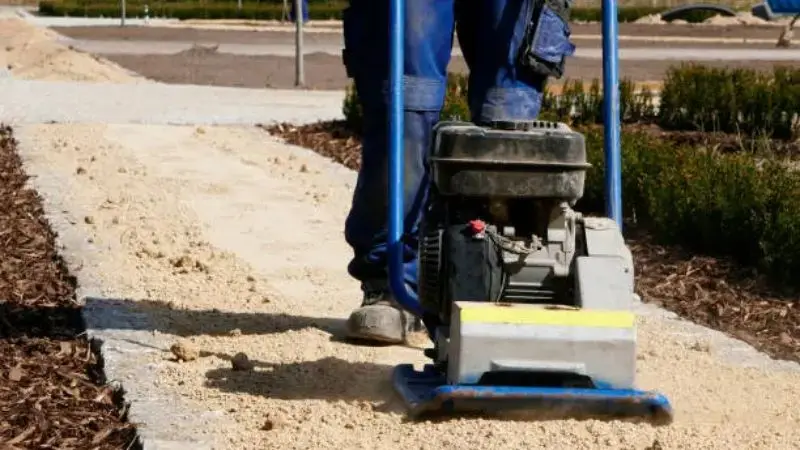
Bodenverdichtung equipment compacts the soil, eliminating air spaces for construction use. The types of soil and the size of the project determine which tool is used: vibratory plates, smooth rollers, and sheeps foot rollers. To select the appropriate equipment, soil type, compaction depth, and site conditions must be considered. Proper use of equipment minimizes settling, cracks, structural damage, and expensive repairs.
What Is Soil Compaction Equipment?
Soil compaction equipment expels air from soil. This results in the earth becoming denser and more stable before road, driveway, or foundation construction. The ground should be compacted properly; otherwise, it will settle later. These cracks and disruptions occur as that motion takes place. This can’t be solved post-construction. How does soil compaction equipment work? The principal objective of this equipment is to kompakter Boden by applying force. You are squeezing ground particles into the space between them. This reduces the empty spaces. The more compact the ground, the greater the load it can support. It also prevents water from being absorbed. Loose ground moves when pressure is applied. Compacted earth remains solid for years and years. Good vs bad compaction can be seen within the first year. Each type of compactor is used for a specific purpose. Some use vibration. Some people employ static weight. A third group uses both methods. This will depend on the type of ground and the scale of the project. Another factor to consider is the depth to which ground needs to be compacted.
Types of Soil Compaction Tools
Several compaction tools are available for purchase. Walk-behind plates are suitable for small areas. For big sites, ride-on rollers are used. Sheepsfoot rollers work best on clay soil. A smooth drum roller can process granular materials such as sand or gravel. What is soil compaction equipment? Every tool has a particular function. It depends on the size of your project which one you need. Compaction science is a simple process. It involves the solids, water, and air in the ground. The air is expelled from the Verdichtungsgeräte. This makes the particles more closely packed together. This ensures that your structure will be stable. Well-compacted ground will prevent further settling. The right machine will ensure the correct soil density without consuming time, fuel,l or effort. These are usually vibratory plate compactors, smooth-wheel rollers, sheepfoot rollers, or impact compactors.
Matching Equipment to Your Project
You must match the machine to the type of ground you’re in. Sand is not like clay. Gravel is a completely different kind of case. How is soil compaction done? Save time and money by testing whether the ground will support the test. A geotechnical report will let you know what you need to know. Good compaction is a necessary step to avoid costly errors down the road; every construction project benefits from it. It’s required for driveways, parking lots, and building pads. The quality of equipment you use has a bearing on the outcome. Selecting an incorrect compactor wastes resources. It also has the potential to fail. Be sure to pick carefully, ly and your structure will last. The first step in selecting the appropriate Verdichtungsgeräte is to determine your project’s requirements. Don’t choose a machine just for its power or convenience.
Common Types of Soil Compaction Equipment Explained
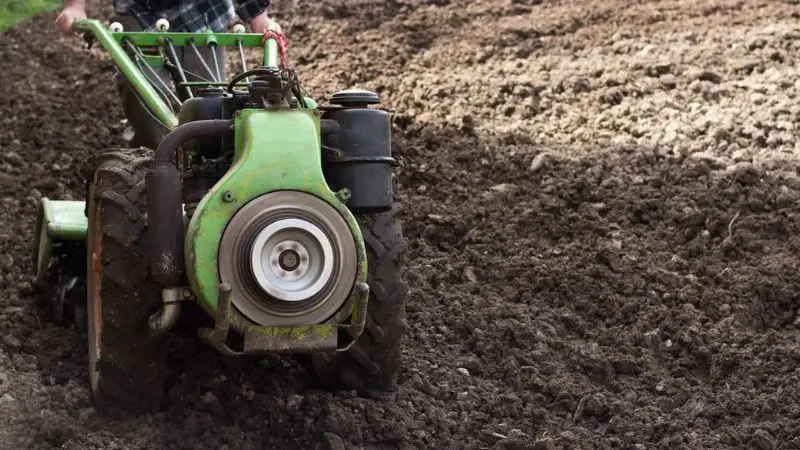
Vor der Auswahl a compactor, you should be familiar with the different types available. Each machine has a design for a specific purpose. The wrong kind results in inadequate ground density. You make the wrong decision and lose time and money. The right types of compaction equipment give you stable ground. This knowledge enables you to make a correct decision. The correct equipment is the first step to proper compaction.
Smooth Wheel Rollers
A smooth wheel roller uses a large steel drum. The drum rolls down the ground. It is heavy, so it presses down on the ground. How does soil compaction equipment work? This type of equipment is most effective in soils with a granular texture such as sand and gravel. They are found on road construction sites. A smooth drum produces a smooth surface. This is great for completing tasks. There are various sizes of these rollers. The light compactors are used for small jobs. Heavy compactors are used for big highway projects. Many smooth-wheel rollers are vibratory compactors. They mix the particles in the earth. This type of vibration enhances compaction efficiency. The vibration can be set for various ground conditions. Smooth-wheel rollers are not suitable for compacting clay. The smooth drum does not stick to the clay. A different compactor is required for clay. It is a crucial compaction machine to consider.
Schaffußrollen
Sheep foot rollers are drums with numerous feet. These feet look like a sheep’s foot. The feet are flat against the ground. This action is a kneading of the ground from the bottom up. Sheepfoot rollers are most effective for clay soils. The feet go into the ground and pack it down. These are heavy compactors. The weight is borne on the feet. This puts pressure on both feet. Pressure expels air from clay. This is a mechanical process that increases soil density. Clay requires this mixing. This cannot be done with a soil compactor that uses smooth rollers. What is a soil compactor? They are a special type of soil compaction machine. They are used in the construction of foundations. Some sheep foot rollers employ vibration action. The vibration makes it easier for the feet to penetrate hard ground. You wouldn’t use impact compactors for this type of work. That’s not true for impact compactors. The feet leave a textured surface. This is a rough surface, which allows the next layer to bond well. You need to match the compactor to your ground type. These kinds of compactors are money and time savers. The right choice is the key to good compaction.
Applications of Soil Compaction Equipment
Boden Verdichtungsgeräte is crucial for ensuring a firm foundation for roads, foundations, and other construction projects. The number of applications determines which compactor to use, depending on soil type, soil depth, and project size. When properly compacted, it will not settle, crack, develop weak areas, or cause damage to the structure. Selecting the right machine and properly compacting each layer contribute to achieving good long-term performance.
Straßenbauarbeiten
Compaction is critical to the road construction process at each layer. This begins at the subgrade, the natural ground beneath the road surface. This layer should support everything on top of it. Here, a sheepfoot Verdichter can be used with good effect,t particularly when the subgrade is clay. The feet penetrate the soil and aerate it, eliminating air pockets from the deepest reaches. Crushed stone or gravel is placed on top of the subgrade. Smooth wheel rollers accomplish this task nicely. Their powerful drums compact the aggregate into a firm and stable mass. Vibratory compactors used by many contractors typically compact this layer. The vibration brings small particles closer together, which leads to better compaction. Each layer needs to be compacted before putting another layer on top of it. This is a gradual approach that avoids vulnerabilities. Ruts and cracks will appear in a road built on poorly compacted ground within months. How to use a soil compactor? Heavy compactors are used to apply compaction force to the deep foundations of the highway. Compactors are good for residential driveways and parking lots. The size of your road construction project is crucial in determining the machine you require.
Fundamente bauen
The foundations of the buildings must be supported evenly throughout. Differential settling occurs due to uneven compaction. One corner of the building is depressed, and another remains at the same level. This motion can break walls and block doors. Sheepfoot rollers are useful for preparing the foundation on clayey soils. A Bodenverdichtung machine is a piece of equipment used to compact soil. What is soil compaction equipment and how does it work? It may take more than one pass to achieve the desired density. The feet are driven deeper into the ground with each pass. When using granular fill material, smooth drum rollers or vibratory plates are better. The fill is applied in thin layers – typically 6 – 12″ thick. Then you’ll roll each layer and form the next one on top of the previous one. This approach ensures uniform density in the entire foundation depth.
Uses of Compaction Equipment in Construction
These are just a couple of examples of the uses of compaction equipment. Good ground prep is essential for retaining walls, utility trenches, and sports fields. There are specific ways to use each one. Understanding some of these uses will enable you to choose the appropriate equipment for your project. How does soil compaction work? Verdichtung is still one of the most critical operations in construction. Failure to use the correct compaction method or compaction machine will result in structural failure. Once built, these problems can only be rectified with difficulty. Spend time comparing soil requirements and project needs to the machine. The very decisions that you are about to make have an impact on all the constructions you undertake. The type of soil, the size of the project, the desired degree of compaction, and the working conditions all influence which compactor is most suitable. Gravel can be handled successfully by one type of machine, but not by another in clay. Matching the equipment to the ground helps to provide the proper density in fewer passes.
How to Choose the Right Compactor
The process for selecting a compactor is three steps. Step 1: Determine the soil type. Then, calculate compaction depth and project size. Last but not least, evaluate site conditions. This is a basic structure that applies to any project. It is impossible to match the machine with the appropriate soil. Using a vibratory plate on clay is a waste of time and expensive. How to use a soil compactor? Costly structural failure due to improper compaction can be avoided. It helps to lengthen the life of your project. Always refer to equipment specification charts. Have rental experts or geotechnical engineers advise you on complex projects. Learning about the types and uses makes it easier to prevent errors. Care must be taken when purchasing equipment for heavy construction projects. There are various kinds of compactors. Stable ground is provided by good compaction equipment.
Einpacken
The selection of appropriate soil compaction equipment plays a vital role in ensuring good quality and stability of the soil. The various compaction depths, project size, and soil-type requirements dictate the use of different types of compactors. Sheep-foot rollers are suitable for clay soils, and smooth-wheel rollers for granular soils. Vibratory plates can be used in smaller spaces such as driveways and patios, and for repair work. Soil compaction equipment is designed to compact soil. What is soil compaction equipment? Good compaction prevents settling, cracking, ruts, and other issues. Good compaction prevents settling, cracks,s and ruts. Before installing a machine, always take into account soil conditions and site requirements. Soil testing can prevent the wrong equipment and resources from being used. Proper compaction methods ensure a bond, strength, and longevity of your project. The right equipment and methodology can help you achieve consistent results and avoid expensive repairs.
FAQ
Which compactor should I use with my soil?
Always get a soil test first. Sheepfoot rollers or impact compactors are needed when working with clay soils. Sandy or gravelly soils do well with smooth drum rollers. A geotechnical report provides you with definite answers. This report will prevent you from wasting your time and money on the wrong machine.
If you’re looking to rent compaction equipment for a small project, you can find the right equipment.
Absolutely, there are light and heavy choices of rental yards. Walk-behind vibratory plates are ideal for small driveways and patios. Ride-on rollers are used for larger areas. You can get some good advice from rental specialists about what will be needed for your ground conditions. Contact the operator for training before you depart from the yard.
How Many Compactor Passes?
This varies depending on different soil types and machine weight. Typically requires 4 to 6 passes with a vibratory compactor. Discuss the ground cover after each sweep. Stop when soil stops settling. The extra passes are redundant and do not yield additional benefits.
What happens if you don’t get proper compaction?
Your structure will be unevenly settled. Within months, hs cracks are revealed in foundations and pavement. Water accumulates in the low areas, further reducing the base. The cost of the repair exceeds the cost of good compaction. Bad compaction cannot be corrected after construction is completed.
Are Vibratory Compactors effective on all soils?
No, vibratory compactors work best on granular soils like sand and gravel. Clay soils do not compact under vibrations. Kneading action is required, however, from sheep foot rollers. For best results, use a machine that is appropriate for the soil. The decision you make in this step determines how long your project will be stable.