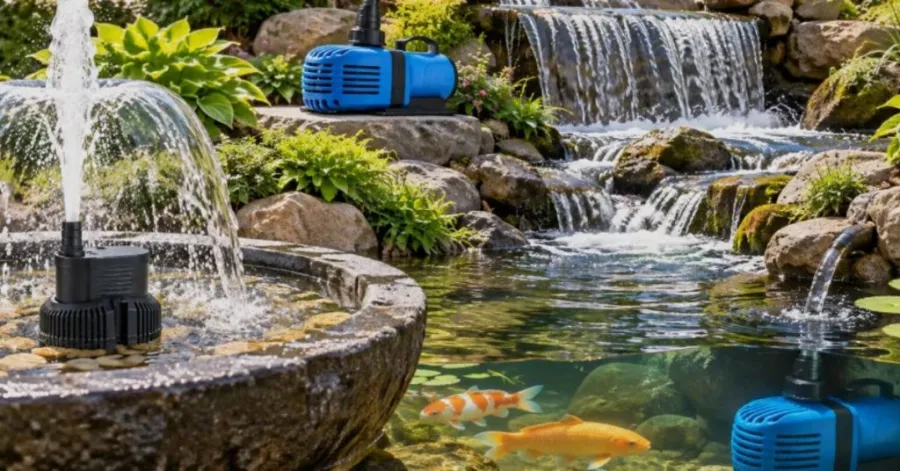
Die Wahl des richtigen recirculating pond pump helps keep water moving, supports pond health, and creates a pleasant waterfall. Choosing the right model requires more than checking its maximum flow rate. Consider the waterfall width, vertical lift, pipe resistance, filtration, and energy requirements. Whether you have a small garden pond or a larger Koi pond, the right pump must meet your water-function requirements without wasting electricity. Knowing how to select a recirculating pond pump makes it easier to compare options, plan installation, and maintain reliable water circulation year-round.
How to Calculate the Required Flow Rate and Pump Head
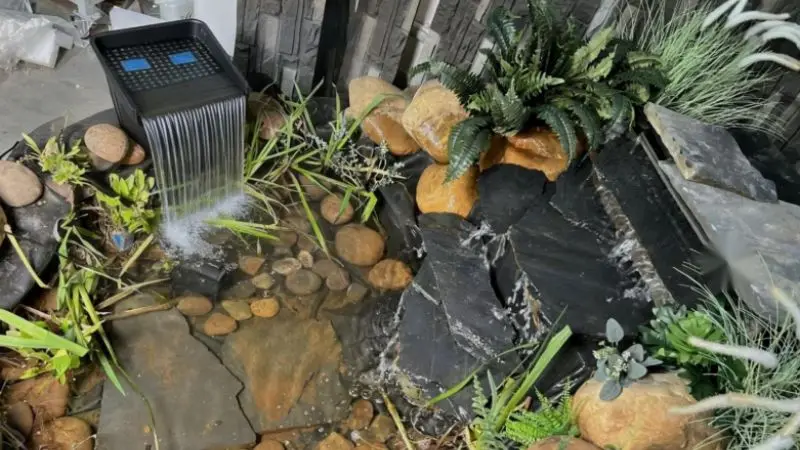
Die Auswahl der right recirculating pond pump begins by understanding the flow of water and height requirements of your waterfall. The two factors indicate a pump’s effectiveness in transporting water from a pond to a waterfall. When selecting a recirculating pond pump, consider the width of the waterfall, the desired appearance, vertical lift, and pipe resistance in order to maintain the water circulation sequence.
Empfohlen für Ihr Projekt
Measure the Waterfall Width
The width of your waterfall determines how much water you will need in order to create an even flow over the Spillway. A wide, sheet-like waterfall typically requires a larger flow rate than a narrow cascade. In selecting a recirculating pond pump, the spillway width shall be measured, and the recommended gallons per hour (GPH) shall be checked with the manufacturer. This makes it possible to choose a pump that distributes water evenly without producing dry spots or excess flow. Also consider a recirculating pond pump to see how waterfall flow affects water circulation and oxygen exchange in fish ponds.
Choose the Desired Waterfall Effect
Consider the appearance you would like before you choose a recirculating pond pump. A gentle drop normally requires less water than a solid river or a mighty waterfall. Each effect requires a different flow rate, so you match the performance of the pump with your design. You avoid selecting a model that delivers much more water than you need, as it can waste electricity when you select an energy-efficient recirculating pond pump. To confirm the pump can deliver the desired GPH at your installation height, check the pump’s flow table instead of relying solely on the advertised maximum flow rate.
Calculate the Vertical Lift
Vertical lift refers to the distance between the water surface of the pond and the highest outlet of the waterfall. Measure this height in advance of the recirculating pond pump choice because the pump has to overcome the gravity force to move water up. The maximum head capacity of a pump shows the maximum height it can raise water. But its flow rate typically drops when the lift rises. You should choose a recirculating pond pump model for Koi ponds that, in the case of sufficient circulation, remains at the required level while at the same time supporting the entire water movement of the pond. Always check the manufacturer’s flow chart to demonstrate that the pump can deliver your target flow rate on the measuring lift.
Account for Pipe Length and Resistance
Water loses pressure when pipes, curves, elbows, and fittings are used. Long running pipes and narrow pipes can decrease the water that reaches the waterfall even if the pump is sufficiently high in discharge. Consider these limitations, besides the vertical lift, while installing a recirculating pond pump to assess the actual flow rate. Choosing the right tube size and minimizing unnecessary bends can help to improve performance. If you prefer a quiet recirculating pond pump for outdoor ponds, correct pipe size and installation can also help to reduce the noise due to excessive flow resistance and vibrations.
Choose the Right Pump Type and Check Energy Efficiency
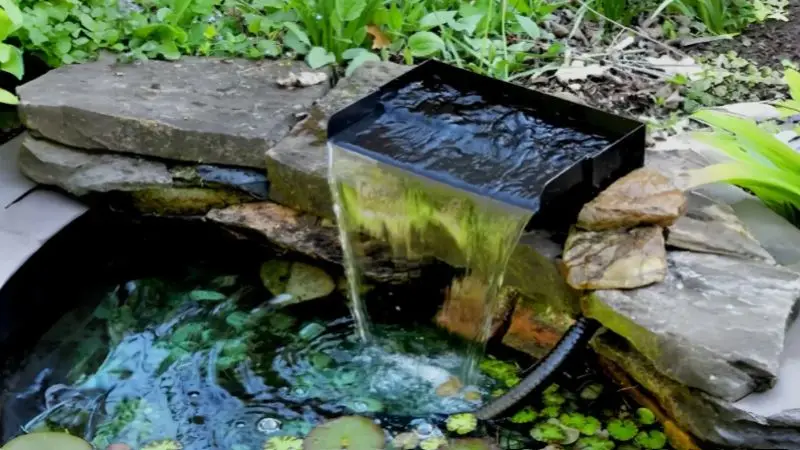
The pump type you select affects installation, maintenance, noise, and overall efficiency. A recirculating pond pump should match the size of your pond, the waterfall requirements, and the space that’s available. Consider whether a submersible or external model fits better to your setup in comparison to the options. You should also evaluate the long-term use of electricity and make sure that the pump is able to work safely for the hours required by your waterfall.
When to Choose a Submersible Pump
A submersible recirculating pond pump is underwater, typically close to the bottom of the pond. As it requires fewer visible sanitary facilities and is relatively easy to install, it is often a handy option for small and medium-sized garden ponds. Search for a continuous-use model in the pond with an adequate debris-handling capacity and sufficient flow to deliver your waterfall. If you require a recirculating pond pump with an integrated filter, check whether the filtration system can handle the debris load and water volume of the pond—regular cleaning and correct placement help to achieve reliable performance.
When to Choose an External Pump
An external recirculating pond pump sits outside the pond, moving water through the adjacent sanitary facilities. It can be suitable for larger ponds and sophisticated water characteristics, where greater flow capacity and convenient access to equipment are priorities. Before buying, check the initial pump requirements, sanitary compatibility, place of installation, and noise levels. A recirculating pond pump for koi ponds shall also ensure sufficient circulation for the size and filter system of the pond. Make sure that the chosen model can process the required flow at the actual pump head, and that its installation follows the manufacturer’s instructions.
Vergleich des Stromverbrauchs
Bei der Auswahl eines energy-efficient recirculating pond pump, electricity consumption is an important element, particularly when your waterfall is running throughout the day. Monitor the pump performance and power consumption of the pump by estimating daily consumption by multiplying watts by operating hours, and dividing the result by 1,000. For 24 hours, for instance, a 100-watt recirculating pond pump will consume about 2.4 kilowatt-hours (kWh) daily. Now, multiply that number by your electricity rate to estimate daily cost. Compare pumps that are based both on energy consumption and the flow provided to find an appropriate balance between operating costs and waterfall performance.
Look for Continuous-Duty Features
When you need to run your waterfall over long periods of time, choose a recirculating pond pump specifically for continuous operation. Features such as thermal protection, durable construction, and accessible cleaning components may facilitate routine maintenance. Check the manufacturer’s recommendations in relation to operating conditions, cleaning schedule, and electrical safety. A quiet recirculating pond pump for an outdoor pond can be worthwhile when the waterfall is next to a patio, bedroom window, or sitting area. Proper installation, secure connections, and smart pump placement can reduce vibration and unwanted noise while still ensuring even water circulation.
Consider Filtration, Debris Handling, and Waterfall Design
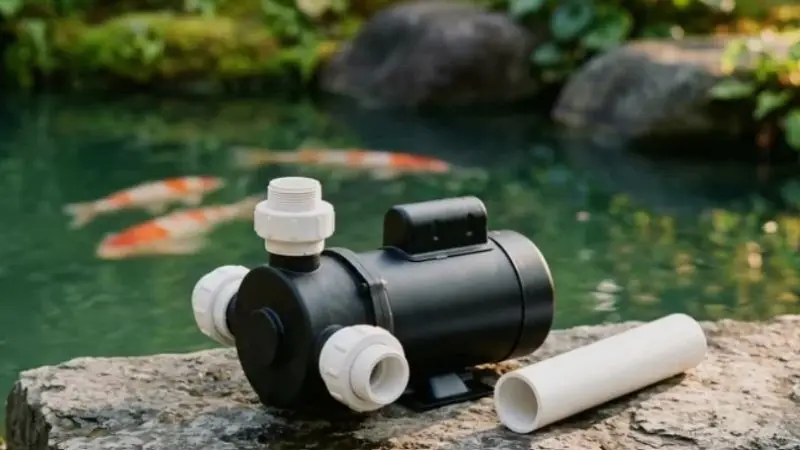
A recirculating pond pump shall support both your waterfall and water circulation requirements of the pond. If your installation includes fish, water plants, or filtering, check whether a pump can produce the required flow without overloading the filter. The shape and construction of your waterfall also influence the way water moves over its surface. Understanding these factors helps you select a pump that keeps a stable circulation, processes outdoor debris, and creates the water effect you wish.
Check Filter Compatibility
If your pond uses a filtration system, select a recirculating pond pump that fulfills the recommended flow range of the filter. Some filters create additional resistance as water flows through their media, pipes, and fittings, which can reduce the flow to your waterfall. A built-in filter recirculating pond pump can simplify the installation by combining the movement of water and the collection of waste in a single unit. However, check the filtering capacity and flow properties so that they comply with your pond. Ensure that a pump and a filter for fish ponds are operated together in order to ensure that circulation is constant and water quality is adequate.
Choose the Right Debris-Handling Capacity
Leaves, algae, little twigs, and other debris can block intake and reduce the performance of a recirculating pond pump. If your pond is under trees or near garden plants, look for a suitable intake screen or pre-filter that prevents clogging. A recirculating pond pump for fish ponds should also be suitable for the type and quantity of water debris. Check the manufacturer’s guidance for solids and regularly clean the intake and pre-filter. These easy maintenance steps will help maintain stable water circulation and minimize the risk of unexpected waterfall interruptions.
Consider Waterfall Width and Spillway Design
The shape of the waterfall influences the amount of water needed and how evenly it spreads across the surface. A wide spillway usually takes a higher flow rate than a narrow cascade of rocks to create a smooth water surface. Before choosing a recirculating pond pump, you will examine the recommended flow rate of the spillway manufacturer, and you will remember how rocks, grooves, and uneven surfaces may affect the ultimate appearance. You must select a model for an energy-efficient recirculating pond pump that provides enough water at the desired height without unnecessary overcapacity. This helps you achieve the desired effect of the waterfall while managing the use of electricity.
Allow for Adjustable Flow
An adjustable recirculating pond pump gives you more control over the appearance of the waterfall and the water movement. You can fine-tune the output to create a soft dropper, stable stream, or stronger cascade depending on the design. A compatible flow control valve can also help you adjust the water supply if required. If you select a recirculating pond pump Quiet for the outer pond, please ensure that the selected model can operate in the selected flow settings normally. In order to adjust the output power, the installation shall always comply with the manufacturer’s instructions and avoid discharge limitations that could result in excessive heat or damage to the pump.
Common Mistakes to Avoid When Choosing a Waterfall Pump
If it does not match its installation, a good quality pump would probably not work properly. Check these common mistakes before purchase.
- Choosing a pump solely based on the advertised maximum GPH.
- Ignoring vertical lifts and resistance in the water supply.
- Selecting a flow rate too low for the width of the waterfall.
- Using tubes that are too narrow for proper flow.
- Overlooking filter flow limit and debris accumulation.
- Ignoring energy consumption and continuous-duty ratings.
Einpacken
Die Wahl eines suitable recirculating pond pump becomes easier when you understand your waterfall requirements for flow rate, altitude, pipe running, and filtering. Consider whether a submersible or external model is better suited for your pond and compare power consumption before you make your choice. If you keep fish, select a pump that supports the correct circulation and works well with your filtration system. An energy-efficient recirculating pond pump can help manage operating costs and deliver the water flow that is required by your function. Finally, you should follow the installation and maintenance instructions of the manufacturer and regularly clean the pump and check its performance to ensure that your waterfall is functioning smoothly.
Häufig gestellte Fragen
Which water garden pumps are the quietest for use near a patio or deck?
Quiet water garden pumps typically feature efficient motors, vibration-reducing designs, and smooth operation. Submersible models can reduce noticeable noise. Compare decibel ratings, installation methods, and flow capacity before choosing a pump for patios.
Welche sind die energieeffizientesten Gartenpumpen und wie viel Strom können sie einsparen?
Energy-efficient water garden pumps maintain circulation while using less electricity. Compare wattage, flow rate, and efficiency ratings. Estimate savings by calculating operating hours, electricity rates, and the difference between existing and replacement pump consumption.
Welche Gartenpumpen eignen sich am besten für Koiteiche und warum?
Koi ponds need reliable circulation, suitable filtration, and adequate oxygenation. Choose pumps designed for continuous operation, with flow capacity matched to pond volume and filter requirements. Check compatibility with biological filters and manufacturer recommendations.
Welche Wasserpumpen eignen sich am besten für den Betrieb eines Wasserfalls oder Bachlaufs im Garten?
Waterfall pumps require sufficient flow at the desired elevation. Compare gallons per hour, maximum head height, tubing diameter, and filter compatibility. Select a model that delivers the required flow after accounting for friction losses.
Welche Gartenwasserpumpen eignen sich am besten für Teiche mit viel Schmutz oder Laub?
Ponds with leaves and debris benefit from pumps with large intakes, accessible prefilters, and suitable solids-handling capabilities. Check the maximum particle size, cleaning requirements, and compatibility with filtration systems to reduce clogging.