If your lawn looks dull and turns brown the day after you mow, you probably have dull plæneklipperblade. Before you replace a dull blade with a sharp one, you need to understand the difference between a sharp lawn mower blade and a dull one. How both will treat your lawn grass tells you the biggest difference. This guide explains the key differences between dull and sharp mower blades and when you need to sharpen them.
Anbefalet til dit projekt
What is a Sharp Lawn Mower Blade?
Definition
A lawn mower’s blade is a skarpt skæreværktøj that slices through grass cleanly with a single swift movement. It does not crush or smash the grass plant. The sharp edge cuts grass stems cleanly. The clean cut creates tiny wounds that heal quickly.
How a Sharp Lawn Mower Blade Slices Your Lawn Grass
Her er hvordan en sharp mower blade for lawn slices your grass;
- The mower engine spins the sharp blade super fast. It makes the grass stand completely straight.
- The blade’s thin cutting edge chops the grass first, just like a sharp kitchen knife.
- This sharp edge focuses all of the engine’s power onto one tiny spot on the grass.
- The focused power slices right through the grass in one quick chop without smashing it.
This clean cut heals within two days, locks in water, and keeps the lawn bright green.
What is a Dull Lawn Mower Blade?
Definition
As you use a lawn mower, its blade wears down and loses its sharp edge over time, and that’s what’s called a dull lawn mower blade. It becomes flat and rounded, working just like a blunt butter knife. Because it cannot slice anymore, it uses pure engine speed to violently smash, rip, and tear the grass apart.
How a Dull Lawn Mower Blade Slices Your Lawn Grass
The overall process is the same, but a dull lawn mower blade does the opposite of a sharp blade. Here’s how a dull lawn mower blade works;
- As the mower engine spins the dull blade super fast. Still the rounded edge of the dull blade can’t cut the grass cleanly.
- The blade’s thick, blunt edge hits the grass first, just like a flat butter knife.
- Because the edge is not sharp, it cannot focus the power. The dull blade just presses heavily down on the grass.
- The engine uses raw speed to smash, rip, and aggressively tear the grass fibers.
This rough impact leaves behind shredded, bruised wounds that quickly dry out, turning your entire lawn into a patchy yellow yard.
Sharp Lawn Mower Blade vs Dull Lawn Mower Blade
| Feature | Sharp Blade | Sløve klinge |
|---|---|---|
| Skærekvalitet | Slices each stem clean in a single pass | Rips and shreds the grass instead of cutting it |
| Grass tips | Leaves a smooth tip that seals and heals fast | Leaves frayed, brown tips that let disease in |
| Motor og brændstof | Glides through the grass, so fuel use stays normal | Bogs the engine down and drinks more fuel |
| Lawn health | Roots stay strong, and the turf grows thick | Turf thins out, and weeds move into the bare spots |
| Mower vibration | Spins balanced and runs smoothly | Rattles the deck and shakes bolts loose |
What’s the Real Difference Between a Sharp and a Dull Lawn Mower Blade?
When we talk about the real difference between a sharp and dull blade, there is one straightforward gap: a sharp blade cuts, while dull blade rips. That distinction affects how your lawn looks and how your mower runs. This is where it really shows.
How Does a Dull Blade Affect Your Lawn’s Health?
The damage starts right at the tip. So how does a dull blade damage the grass tips? A dull blade tears them instead of slicing. It simply means each cut ends up ragged and open. Within a day, those torn tips dry out and turn a sickly brown. Since each one is an exposed wound, it heals slowly and leaves the lawn open to bugs, fungus, and disease. A grass cutter blade does the opposite. It actually seals each tip with a clean cut. It also keeps the grass healthy and bright green.
Can a Dull Lawn Mower Blade Harm the Mower Itself?
Did you know a dull blade may also ruin your mower from the inside out? The edge is dull, so it has to beat its way through the grass. This doubles the amount of work the engine has to do to keep spinning.
The added load causes the motor to heat up a lot. This raises a question: Does a sharp mower blade actually save fuel? The answer is yes. A sharp edge lets the engine run at normal speed, so a gas mower uses less fuel, while an electric one uses its battery more slowly.
A dull blade does the opposite: it makes the engine work harder and run hotter, which wears down the bearings and causes vibrations that loosen bolts over time. A sharp blade protects your mower and saves you money.
What a Dull Blade Costs You
god lawn mower blade care is the easiest way to keep your bills low. The hidden costs of a dull blade split between your machine and your grass, but neither shows up all at once. Week after week, a blunt blade forces your engine to fight hard and gulp down more fuel. It rips your grass and turns it an ugly brown. By the way, these costs don’t hit you all at once, but they add up quickly. That’s the real difference in cost between using a sharp lawn mower blade versus a dull one over a full season.
What Are the Signs of a Dull Lawn Mower Blade?
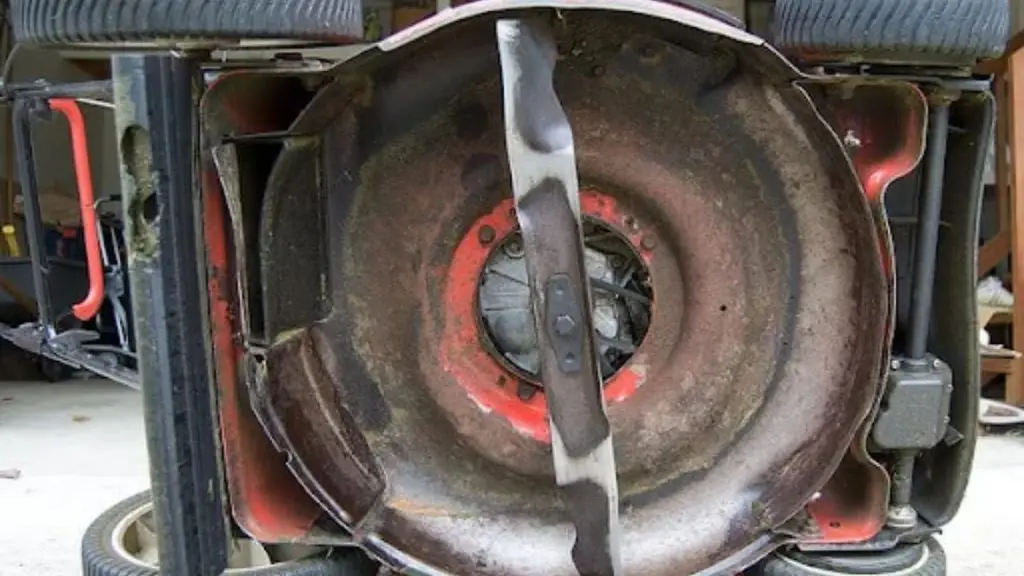
Your lawn and your mower both tell you when the edge is going. The grass shows it in the cut, and the mower shows it in how it runs. Catch those signs early, sharpen your lawn mower blade, and you’ll fix the problem. Miss them, and dull lawn mower blades do real damage.
How Can You Tell If Your Blade Is Sharp Enough to Mow?
Look for shredded tips, a yellow-brown haze, an uneven cut, or heavy clumping the day after you klippe græsset; these signs indicate the blade is tearing. Two brief tests confirm it:
- The paper test involves pushing the edge through a piece of paper. A sharp lawn mower blade slices it, while a dull one folds or tears it.
- The fingernail test involves dragging the edge over a fingernail. A dull mower blade glides off; a sharp edge bites.
Checking for Vibration
god græsslåmaskine blade balance keeps a sharp blade spinning smoothly and spares the bearings. A dull or bent lawn mower blade rattles the deck and shakes the handlebars. Strong or new vibrations mean you should stop and check the blade, since the shaking wears down bearings and loosens fasteners.
The Stages From Sharp to Worn
A blade doesn’t go straight from sharp to scrap; instead, it goes through phases, and you can tell what to do next by identifying the stage.
| Stage | Hvad du ser | Hvad skal man gøre |
| Factory sharp | Clean, flat cuts and green tips | Mow and enjoy |
| Lidt kedelig | Occasional frayed tip, light clumping | Sharpen at the next 20–25 hour mark |
| Clearly dull | Brown haze, ragged stripes, more vibration | Sharpen now, before damage spreads |
| Slidt ud | Oval center hole, too thin to hold an edge | Replace the worn lawn mower blade |
When the steel gets too thin, it can no longer hold an edge. At this final stage, the blade is completely worn out, and you must buy a new one. It is best to take action while your blade is only “slightly dull.” Do not wait until it becomes totally blunt. A heavily worn blade will only damage your grass and strain your mower’s engine.
When a Dull Blade Does the Most Damage
sharp lawn mower blade vs dull gap is not the same on every lawn. You can determine when to be strict about sharpening by knowing where it widens.
Tough Grass vs Soft Grass
For example, consider the difference between tough and soft grass. Hard grasses like Bermuda, zoysia, and tall fescue rarely cut well on a dull mower blade, and browning and tearing will show soon. A dull edge drags longer on soft grasses, such as fine fescue, lulling you into a false sense of security. On tougher grass, the gap between a sharp blade and a dull one is bigger, so a sharp blade pays off more.
Mulching, Wet Grass, and Fast Mowing
Similarly, this gap becomes even more noticeable during mulching. Dull lawn mower blades tend to clump when mulching since the blade has to cut the clippings twice; sharp blades still cut neatly. Wet grass and fast mowing place extra stress on the edge. A dull lawn mower blade smears and skips. A sharp blade keeps cutting neatly.
Sharpen or Replace a Dull Blade
Closing the gap between a sharp lawn mower blade and a dull one comes down to two choices. A slightly dull edge just needs sharpening with a good mower blade sharpener. A bent, cracked, or worn out lawn mower blade needs replacing instead. This section shows how to tell which one you have.
When to Sharpen and When to Replace
Regular lawn mower blade sharpening at the factory angle keeps the edge keen. If a blade has small nicks or is dull, sharpen it; a file or sturdy bench grinder can restore it in 15 to 30 minutes at the factory angle. After three to five sharpenings, replace the blade if it is bent, cracked, or too thin. Those worn out lawn mower blades won’t ever cost you a mowing day if you have an extra set. Our advice on how often to sharpen covers the 20-to-25-hour rule. For both tasks, VEVOR offers slibere til plæneklipperknive, replacement sets, balancers, and sharpener tools.
Konklusion
Routine lawn mower blade maintenance is the one habit that makes the sharp vs dull plæneklipperblad decision a no-brainer. A sharp blade maintains your lawn healthy and your mower powerful, while a dull lawn mower blade tears grass, stresses the motor, and wastes gasoline. Run the paper or fingernail test, look for shredded tips, a brown haze, and vibration, and catch the edge when it is just a little dull. If the lawn mower blades are cracked or bent, replace them instead of grinding them thin. A few minutes of care now means every cut will be clean for that fresh lawn look.
Ofte Stillede Spørgsmål
Can I sharpen a lawn mower blade without removing it?
No, you really shouldn’t. To sharpen it evenly and safely, you have to remove the blade. Always disconnect the spark plug first, then remove the blade and secure it tightly before you touch the edge.
How do I tell a sharp blade from a dull one?
You can use the fingernail and paper tests. A dull blade will just fold a piece of paper and slide right off your nail, but a sharp one will cut the paper and lightly bite your nail. Out in the yard, shredded grass tips are a dead giveaway that your blade is dull.
Can a dull blade damage my mower’s engine?
Yes, it can. Dull blades force the engine to work way harder than it should. This extra strain builds up heat, wears down the bearings, and the heavy vibrations can even loosen bolts over time. Keeping the edge sharp protects your engine and saves you from having to repair lawn mower blades.
Does a dull blade really spread lawn disease?
It definitely can. A dull blade leaves ragged, torn wounds on the grass, which basically rolls out the red carpet for fungus to get inside. A stressed lawn like that is much more likely to develop ugly brown patches compared to a cleanly mowed one.
How many times can I sharpen before replacing?
Usually about three to five times. Once the metal gets too thin, it’s no longer safe. It’s much better to replace a worn-out blade than grind it down until it’s dangerously thin.