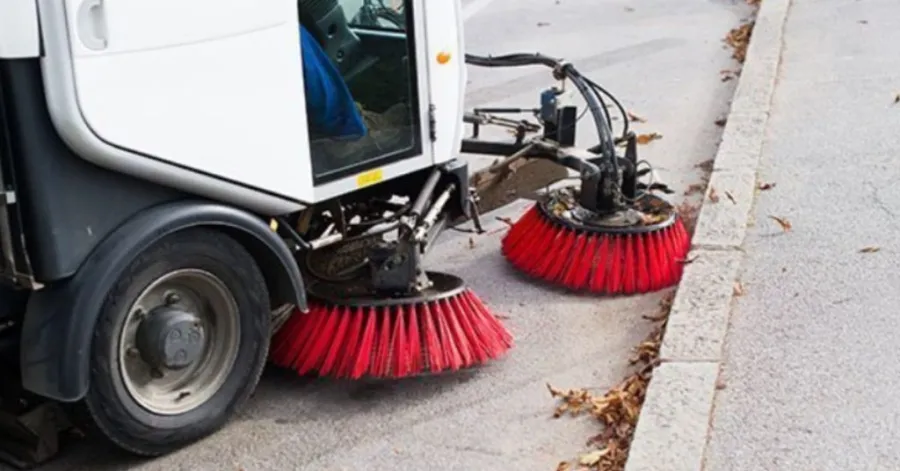
gadefejere er afgørende for at sikre renlighed, sikkerhed og skønhed på byens veje. Disse er specialiserede maskiner, der fjerner støv, blade, affald og andet affald, der fjernes fra gaderne dagligt. At lære, hvordan en gadefejer fungerer, er én måde at forklare den højteknologi, der er involveret i moderne vejvedligeholdelse. Fra roterende børster og kraftige støvsugersystemer til vandsprøjt og affaldsbeholdere bruges alle aspekter i effektive rengøringsprocesser. Uanset typen af mekanisk, støvsuger- eller regenerativt luftsystem kan gadefejere hjælpe med at sikre trafiksikkerheden, forhindre tilstoppede afløb og bidrage til renligheden af bymiljøet. Deres hyppige brug gør deres miljøer sundere og byernes infrastruktur velholdt.
Hvordan fungerer en gadefejer?
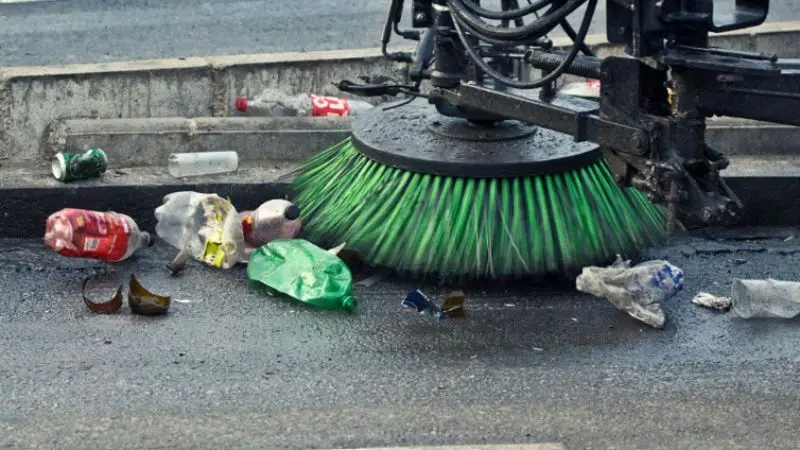
At vide, hvordan en gadefejer fungerer, vil gøre det muligt for folk, der bor i byen, at forstå den teknologi, der bruges til at rengøre vejene dagligt. Moderne gadefejere har en kombination af børster, sugekop, vandspray og opbevaringsrum til nemt at rengøre gader og fjerne affaldsbunker.
For at forstå, hvordan en gadefejer rengør veje, er det meget nyttigt at overveje rengøringsprocessen trin for trin. Alle disse elementer er vigtige for at holde gaderne sikre, rene og fri for affald.
Trin 1: Roterende børster løsner snavs og affald
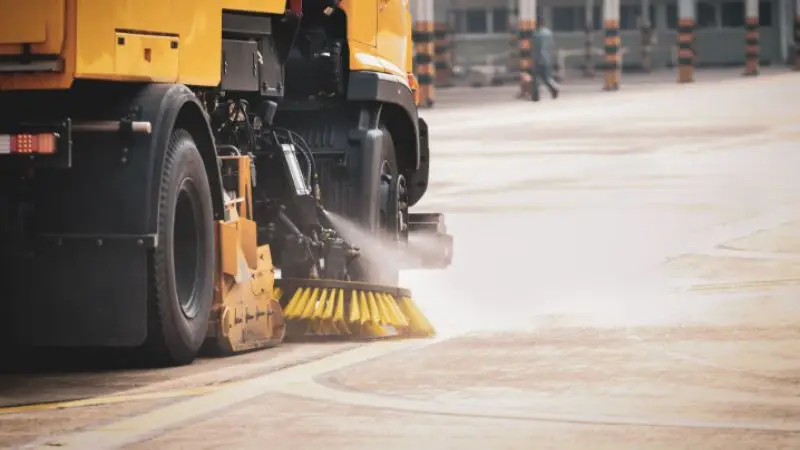
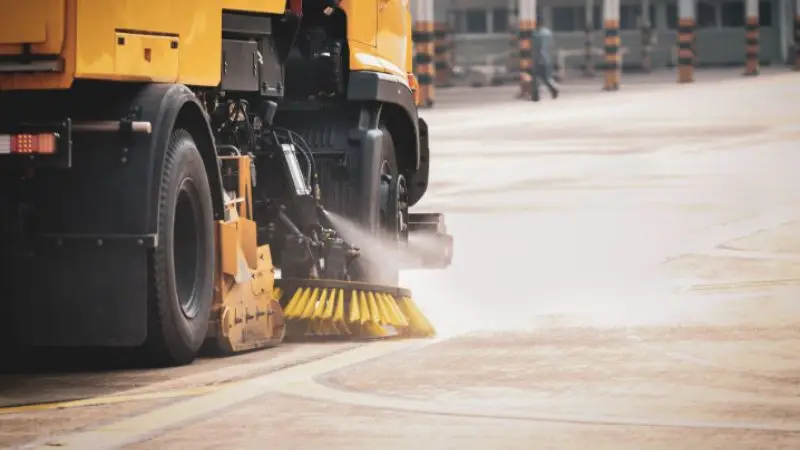
Den trinvise vejledning i, hvordan en gadefejer fungerer, starter med roterende børster som det første trin. Gadefejere har sidebørster, der roterer hurtigt og fejer affald langs vejkanten mod midten af maskinen. Disse børster gør et fantastisk stykke arbejde med at feje blade, sand, støv og små affaldspartikler, der normalt dannes langs vejkanten.
Når affaldet når midten, erstattes det af en større cylindrisk kost, normalt omtalt som hovedkosten. Hovedkosten bærer større affald, herunder grus, papir og små grene, mod opsamlingsstedet. En sådan rengøringsaktivitet beskriver driften af en mekanisk gadefejer, der samler affald og derefter hejser det op i udstyret til opbevaring.
Trin 2: Vakuum- eller transportbåndssystem opsamler affald
Når affaldet er blevet opsamlet af børsterne, trækker opsamlingssystemet det væk fra vejoverfladen. De fleste moderne gaderensemaskiner bruger højstøvsugere, der genererer en høj sugekraft for at opsamle støv, snavs og let affald i støvsugeren. Dette er en af hovedårsagerne til, at byveje kan rengøres hurtigt og effektivt.
Der findes gadefejemaskiner, der ikke bruger sugning, men mekaniske transportbåndssystemer. Kernekosten bruges i disse maskiner til at skubbe affald til et transportbånd, der flytter det opsamlede materiale ind i opbevaringsbeholderen. At lære om betjeningen af gadefejebørster og vakuumsystemer kan give en idé om den sofistikerede teknologi, der gør det muligt for de forskellige fejemaskinemodeller at udføre forskellige opgaver inden for rengøring af veje.
Trin 3: Affald opbevares i beholderen
Alt affald, når det er indsamlet, dumpes i et opbevaringsrum kaldet en tragt. Tragtens struktur er designet til at sikre sikker opbevaring af snavs, blade, affald og andet affald, mens fejemaskinen fejer langs sin bane. Den tid, det tager en maskine at rengøre, afhænger af tragtens størrelse.
En komplet tragt bortskaffes normalt på specifikke affaldsdeponeringssteder eller affaldshåndteringsanlæg. Operatøren løfter tragten og tømmer det opsamlede affald sikkert og effektivt. Dette er et nødvendigt trin i en gadefejers arbejdsprincip, der sikrer, at det fjernede affald ikke ender tilbage på vejen.
Trin 4: Vandspray kontrollerer støv
Gadefejemaskiner har også vandsprøjtesystemer til at reducere støv under deres drift. Under rengøring af vejbelægninger sprøjter vanddyser en fin tåge omkring børsterne og opsamlingsområdet for at forhindre støvpartikler i at trænge ind i luften.
Støvkontrol har en række miljømæssige og sundhedsmæssige fordele. Det forbedrer udsynet for både bilister og fodgængere og hjælper med at sikre bedre luftkvalitet i byer. Effektiviteten af en gaderensemaskine i brugen af vandspray eksemplificerer også, hvordan vandspray kan bruges til at rengøre veje effektivt med minimal spredning af fint støv og forurenende stoffer.
Hoveddele af en gadefejer
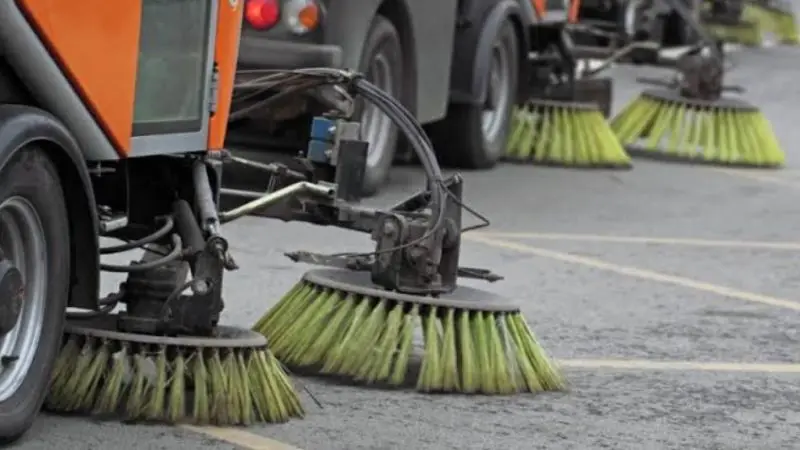
For at få et fuldstændigt billede af, hvordan en gadefejer fungerer, skal man være bekendt med de vigtigste elementer, der gør det muligt for maskinen at arbejde effektivt. Alle komponenterne i en gadefejer spiller en bestemt rolle i rengøringsprocessen, såsom at løsne snavs, opsamle og opbevare affald.
Alle disse elementer er en del af et system, der sikrer, at vejene er rene og sikre. Disse forklaringer tydeliggør også funktionsprincippet for en gadefejer, og hvordan moderne fejemaskiner holder byens gader rene og ryddelige.
Sidebørster flytter snavs mod midten
En af de mest åbenlyse komponenter i en gade fejemaskine er sidebørsterne. Disse roterende børster er normalt monteret på hver side af maskinen og er indstillet til at feje snavs væk fra kantsten og vejkanter. Da snavs og affald ofte ophobes langs fortovenes kanter, er sidebørster vigtige for at feje dette materiale ind mod midten af fejemaskinen.
Børsterne roterer med høj hastighed og blæser blade, støv, sand og små stykker affald ind i midten af hovedkosten. Trinene i forbindelse med at feje gaden er ufuldstændige uden muligheden for at samle affald op i de områder, der ikke let kan nås, så vejkanterne ikke overses.
Hovedkosten samler stort affald
Den cylindrisk formede hovedkost er placeret under gadefejeren. Sidebørsterne skubber affaldet mod hovedkosten, som samler de større materialer og skubber dem mod opsamlingssystemet. Denne del er beregnet til at håndtere større affald, herunder grus, små grene og vejsnavs.
Hovedkostens roterende bevægelse sikrer, at affaldet holdes i opsamlingsområdet hele tiden. Hovedkosten er synkroniseret med transportbånd eller sugesystemer på flere maskiner, hvilket viser, hvordan en mekanisk gadefejer effektivt opsamler affald.
Støvsugersystemet fjerner fint støv og affald.
Støvsugersystemet er ansvarligt for at fjerne løst snavs og let affald fra vejoverfladen. Gennem kraftig sugning fjerner dette system fint støv, blade, papir og andre små partikler, der muligvis ikke opsamles fuldstændigt af børster. De moderne regenerative luft- og støvsugere er afhængige af teknologien til at udføre deres rengøring.
Et godt sugesystem kan bruges til at forbedre rengøringsydelsen og minimere mængden af affald, der efterlades på vejene. Forståelse af betjeningsmekanismerne for gadefejebørster og støvsugersystemer understreger vigtigheden af at integrere mekanisk fejning med avanceret luftstrømsteknologi for at opnå optimal gadevedligeholdelse.
Hopper Stores indsamlede affald
Opbevaringsrummet, der indeholder alt det opsamlede affald under drift, er beholderen. Fejemaskinen opsamler alt snavs, blade, affald og andet affald, og mens fejemaskinen bevæger sig langs sin bane, fejes materialerne ind i beholderen, hvor de opbevares midlertidigt. Beholderens størrelse afhænger af gadefejemaskinens type og kapacitet.
Når beholderen er fuld, tager operatøren det indsamlede affald til et godkendt bortskaffelsesanlæg. Beholderen har den fordel, at den rengøres konstant i stedet for hyppige afbrydelser, og er en nøglefaktor i spørgsmålet om, hvordan en gadefejemaskine rengør veje effektivt.
Vandtank og sprøjtedyser kontrollerer støv
Vandtanken indeholder vand, der skal bruges til at bekæmpe støv under fejning af gader. Sprøjtedyserne er forbundet og sprøjter en ultrafin tåge ud i nærheden af børsterne og opsamlingsområdet, når maskinen kører. Dette system sikrer, at støvpartikler ikke udsættes for luften og ikke spredes til det omgivende miljø.
Denne støvdæmpning er særligt relevant i store byer, hvor luftforurening er et problem. Vandsprøjtesystemer fremmer sundere og renere gader ved at reducere mængden af luftbårne partikler og spiller også en rolle i, hvad der svarer til funktionsprincippet for en gadefejer i moderne vejrengøringsindsatser.
Filtreringssystem indfanger fine partikler
Filtreringssystemet opfanger fint støv og mikroskopiske partikler, der genereres under fejningsprocessen. Når luft passerer gennem maskinen, opfanger filtrene forurenende stoffer, hvorefter ren luft returneres til miljøet. Dette forhindrer støv i at slippe ud under processen.
Avancerede filtreringssystemer forbedrer miljøpræstationen og opfylder luftkvalitetsstandarder. De øger også rengøringseffektiviteten, da de ikke tillader meget støv at ophobe sig i de indre dele. Disse aspekter gør filtreringssystemer til en væsentlig del af den nuværende gadefejeteknologi.
Førerkabine hjælper med at styre fejemaskinen
gade fejemaskine styres fra førerkabinen. Den indeholder alle nødvendige betjeningselementer, displays og overvågningssystemer til at betjene maskinen sikkert og effektivt. Operatørerne kan styre børstehastighed, vandsprøjt, beholderkapacitet og andre rengøringshandlinger i førerkabinen.
Moderne førerkabiner er komfortable og sikre. De fleste af dem har ergonomiske sæder, aircondition og forbedret udsyn for at øge produktiviteten ved lange arbejdsdage. En korrekt planlagt førerkabine giver føreren mulighed for at kontrollere hele rengøringsproceduren og stadig have sikker vejkørsel.
Typer af gadefejemaskiner, der bruges på byens veje
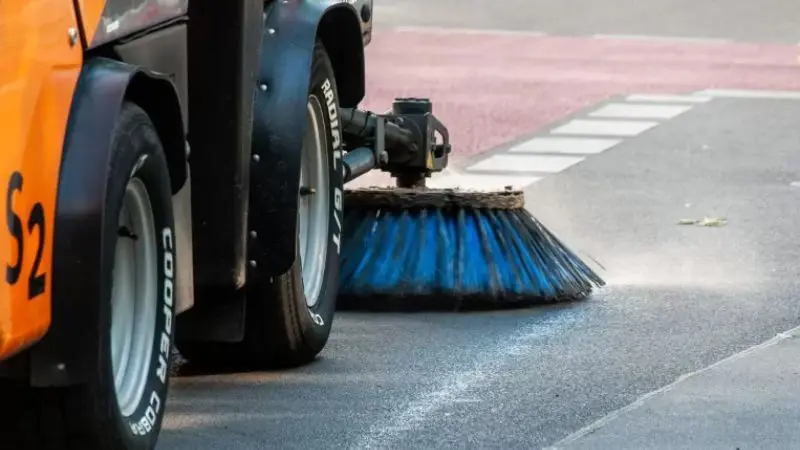
Gadefejemaskiner er designet på forskellige måder for at imødekomme forskellige krav til rengøring af veje. Begge typer bruger forskellige rengøringsteknikker, hvilket gør hver enkelt gunstig for bestemte miljøforhold og affald. Valget af den passende fejemaskine er baseret på vejtypen, trafikken og mængden af affald.
Kendskab til de forskellige typer gadefejemaskiner hjælper også en med at forstå, hvordan en gadefejemaskine nemt rengør veje i forskellige situationer. De mest almindelige typer gadefejemaskiner, der bruges på byveje og bygader, er anført nedenfor.
Mekaniske koster Gadefejere bruger roterende børster til at opsamle affald
En af de ældste og mest almindeligt anvendte vejrengøringsmaskiner er den mekaniske kost eller gadefejer. Disse fejemaskiner er afhængige af roterende sidebørster og en stor primærkost til at skubbe snavs, grus, blade og affald ind i et transportbåndssystem. Transportbåndet samler derefter det opsamlede affald op i beholderen for at opbevare det. Dette er en god illustration af, hvordan en mekanisk gadefejer samler affald under regelmæssige rengøringsopgaver.
Brugen af mekaniske fejemaskiner er meget effektiv til at fjerne tunge materialer som sand, grus, byggeaffald og massivt affald. De anvendes normalt på motorveje, industriområder, byggepladser og kommunale veje, hvor der normalt er tydelig ophobning af tungt affald. De er robuste og kan bruges til krævende rengøringsopgaver.
Regenerative luftfejemaskiner rengør veje ved hjælp af cirkulerende luft
I stedet for primært at bruge mekaniske børster, bruger regenerative luftfejemaskiner et kraftfuldt luftcirkulationssystem. Disse maskiner bruges til at sprøjte højtryksluft på vejoverfladen for at løsne snavs, og et støvsugerindtag opsamler hurtigt materialet. Luften recirkuleres også i systemet, hvilket skaber en effektiv rengøringsproces med minimal frigivelse af støv.
Regenerative luftfejemaskiners evne til at rense fint støv og små partikler er en af deres største fordele. De mindsker også slid på børsterne, da de er mere afhængige af luftbevægelsen end direkte kontakt med vejen. Kendskab til denne rengøringsproces vil hjælpe med at forklare princippet om, hvordan en gadefejemaskine fungerer med luftbaseret fejeteknologi.
Gadefejemaskiner med støvsuger bruger kraftig sugekraft til dybdegående rengøring
Gadesugere er kraftige sugemaskiner, der bruges til at rengøre veje for snavs, støv, blade og let snavs. Sådanne maskiner har normalt roterende børster og kraftig støvsugerteknologi for at give effektiv rengøring. Sugesystemet trækker snavs direkte ind i beholderen, og maskinen er meget effektiv, når den bruges i bymiljøer.
Disse fejemaskiner findes oftest i bycentre, boligområder, parkeringspladser og andre følsomme områder, der er følsomme over for miljøet, og hvor støv skal kontrolleres. Forståelse af funktionaliteten af gadefejebørster og støvsugersystemer vil vise, hvorfor støvsugere er almindelige til at holde gaderne rene og forbedre luftkvaliteten i byer.
Faktorer der påvirker effektiviteten af en gadefejer
Outputtet af en gade fejemaskine er baseret på forskellige faktorer. Selv de mest sofistikerede maskiner kan mislykkes med at give de bedste resultater, hvis driftsforholdene ikke er passende. Kendskab til disse faktorer gør det muligt for kommuner og rengøringsentreprenører at forbedre fejeydelsen og holde vejene renere.
En række forhold påvirker driften af en gadefejer i virkelige situationer. Disse faktorer, der starter med vejbelægninger og inkluderer vejrforhold, har betydning for en gadefejers effektivitet i forbindelse med rydning af et givet område.
Vejoverfladeforhold kan påvirke rengøringsevnen
Vejbelægningens tilstand påvirker i høj grad fejeeffektiviteten. Velholdte og glatte veje er typisk lettere at rengøre, da affald kan fjernes hurtigt og fuldstændigt. Men vejen er normalt beskidt og fyldt med revner, huller og ujævne overflader, hvilket komplicerer rengøringsprocessen.
Mudderdækkede eller vådbladede veje, eller veje med meget byggeaffald, kan også kræve mere end én rengøringskørsel. Sidstnævnte overfladeforhold har en direkte indflydelse på rengøringsprocessen af veje med en gadefejemaskine, fordi fejemaskiner bør ændre deres rengøringsstrategier afhængigt af arten og mængden af affald.
Type af gadefejer bestemmer rengøringsresultaterne
Der findes forskellige typer gadefejemaskiner, der er fremstillet til at udføre forskellige rengøringsopgaver. Mekaniske kostefejemaskiner er meget velegnede til at opsamle tunge materialer som grus og byggeaffald, hvorimod støvsuger- og regenerative luftfejemaskiner er bedre til at opsamle fint støv og små partikler.
Den maskine, der skal bruges til jobbet, bør vælges passende for at opnå effektivitet. Kendskab til, hvordan en gadefejer fungerer, kan hjælpe førere med at vælge den mest passende type fejemaskine afhængigt af vejenes og affaldets beskaffenhed.
@wickedwayne777 Slut med koste eller fejebakker🔥🔥 Se denne gulvfejer fra Vevor, man kan gå bagved!!!! #feje #kost #konstruktion #ren #smuds #savsmuld #vevor
♬ original lyd – wickedwayne777
Driftshastighed påvirker effektiviteten af affaldsopsamling
Den hastighed, hvormed en gadefejer bevæger sig, kan have en enorm indflydelse på dens rengøringsevne. Hvis maskinen er for hurtig, kan børsterne og støvsugersystemerne muligvis ikke opsamle snavs effektivt. Dette kan efterlade snavs og affald på vejoverfladen.
Børsterne, sugesystemet og transportbåndsmekanismerne kan arbejde effektivt med den rette hastighed. Hastighedsstyring er et nøgleaspekt af den sekventielle drift af en gadefejer, der sikrer, at den største mængde affald opsamles ved hver kørsel.
Vejrforhold påvirker fejningseffektiviteten
Vejrforholdene kan have betydelig indflydelse på gadefejningsaktiviteterne. Kraftig regn kan føre affald ned i afløb eller forårsage, at affald sætter sig fast på vejen, og stærk vind kan blæse affald rundt og dermed forsinke rengøringsprocessen. Meget tørre klimaer kan også bidrage til støv i luften under fejning.
Vandsprøjtesystemer bruges på moderne fejemaskiner for at minimere støv, selvom vejrforholdene påvirker den samlede ydeevne. Kendskab til, hvordan gadefejemaskiners børster og støvsugersystemet fungerer under forskellige vejrforhold, hjælper operatører med at justere deres rengøringsteknikker for at holde gaderne velholdte.
Regelmæssig fejning forbedrer den generelle renlighed
Den anden væsentlige faktor, der påvirker effektiviteten, er hyppigheden af gadefejning. Rensede veje har en tendens til at have mindre affald, har større effektivitet i fejemaskinernes arbejde og er i stand til at bevæge sig hurtigere på ruter. Omvendt kan det tage mere tid og kræfter at rydde op i tunge aflejringer af affald på veje med lav frekvens.
Planlagt vedligeholdelse forhindrer også snavs, blade og affald i at vokse i afløbssystemer. Regelmæssig fejning kan gøre gaderne renere, forbedre den langsigtede vejvedligeholdelse og understøtte effektive kommunale rengøringspraksisser.
Almindelige udfordringer for gadefejere på byens veje
Gadefejere spiller en betydelig rolle i at holde byveje rene, selvom deres arbejde ikke altid er let. Der er en række udfordringer, som operatører kan støde på, hvilket kan mindske rengøringseffektiviteten og forsinke driften. Disse vanskeligheder kan påvirke, i hvilken grad mængden af affald opsamles, og rengøringsprocessens varighed.
Disse typiske problemer hjælper med at se, hvordan en gadefejer fungerer i praksis på en bedre måde. Det understreger også vigtigheden af korrekt planlægning og tidsstyring for at gøre gaderengøringsarbejdet vellykket.
Tung trafik kan forsinke gadefejningsarbejdet
Det største problem for gadefejere i byer med tæt trafik er den tunge trafik. Et stort antal biler kan forsinke fejningen og dermed forsinke den tid, der skal bruges til at rydde op på dele af vejen. Dette kan kræve, at operatørerne sænker hastigheden eller endda stopper med at feje for at undgå trafikpropper.
Fejemaskiner kan ikke få adgang til affald, der ligger tæt på kantsten og kryds på grund af trafikpropper. Derfor har nogle kommuner en tendens til at planlægge fejning uden for arbejdstiden eller om natten for at forbedre effektiviteten samt sikre mere sikker drift.
Parkerede køretøjer kan blokere adgang til vejkanter
Parkerede biler har tendens til at blokere gadefejere fra rengøring af kantstenen. Da snavs, løv og affald har tendens til at ophobe sig langs vejkanterne, kan forhindringer forårsage, at store mængder affald bliver liggende på vejbanen efter fejemaskinen.
Disse områder kræver muligvis, at operatørerne besøger dem igen eller passerer dem flere gange for at rengøre dem. Problemet påvirker i høj grad, hvordan en gadefejer kan rengøre veje, da børsterne og støvsugersystemerne skal kunne nå de områder, hvor der ophobes affald.
Vådt snavs er vanskeligere at fjerne
Gadefejere kan have sværere ved at samle vådt affald, såsom fugtige blade og mudder, op. Våde stoffer vil sandsynligvis hænge fast på vejen, hvilket reducerer effektiviteten af børster og sugesystemer. I andre tilfælde kan operatører være tvunget til at sætte farten ned eller gentage processen for at opnå gode rengøringsresultater.
Spørgsmålet om, hvordan en mekanisk gadefejer opsamler affald, er særligt vigtigt i tilfælde af våde materialer, fordi mekaniske systemer muligvis skal gøre en ekstra indsats for at fjerne tungt eller klæbrigt materiale fra vejen.
Smalle gader kan begrænse fejemaskinernes bevægelse
De fleste gamle byer har smalle gader, der udgør et problem for gadefejemaskiner. Pladsen kan være en begrænsning, og større fejemaskiner fungerer muligvis ikke effektivt i trange rum. Vendinger, vejkantsbarrierer og minimal frihøjde kan også komplicere rengøringsaktiviteter.
For at afbøde disse problemer har byer en tendens til at anvende kompakte fejemaskiner, der er specielt designet til trange bymiljøer. Mindre maskiner kan køre på smalle veje, samtidig med at de leverer effektiv rengøring.
Sæsonbestemt bladophobning øger rengøringsbehovet
Om efteråret, med årstidernes skiften, kan bunker af nedfaldne blade nemt hobe sig op på gaderne i byen. For meget blad kan dække afløbssystemet, gøre vejene glatte og overbelaste gadefejere.
Det sæsonbestemte affald kræver en højere hyppighed af fejning og specialudstyr i visse tilfælde. Dette scenarie illustrerer behovet for at vide, hvordan gadefejebørster og støvsugersystemer fungerer, og effektiv børste- og sugeevne er afgørende for at håndtere de store mængder blade og organisk affald.
Wrap Up
Gadefejemaskiner er vigtigt udstyr til rengøring og sikkerhed i byer. Når vi kender funktionsprincippet bag en gadefejemaskine, vil det være nemmere at forstå, hvordan forskellige dele samarbejder med hinanden for at rengøre vejen effektivt. Børster, støvsugersystemer, vandsprøjter og opbevaringsbeholdere er alle vigtige i rengøringsprocessen. Ikke desto mindre kan den samlede ydeevne påvirkes af trafik, vejr, vejforhold og typen af affald. Ikke desto mindre forbedrer moderne gaderensemaskiner stadig renligheden og luftkvaliteten i byer. Konstant rengøring af gaderne er et vigtigt aspekt af effektiv kommunal pleje og bæredygtig byforvaltning.
Ofte stillede spørgsmål
Hvad er hyppigheden af rengøring af gader i byer?
Hyppigheden varierer med trafikmængden, vejret og lokale regler. Byveje, der er travle, skal muligvis fejes ugentligt, og beboelsesgader fejes normalt en eller to gange om måneden.
Kan gadefejere samle store stykker affald op?
Ja, mekaniske gadefejere kan feje større genstande som grus, blade, grene og affald. Ikke desto mindre skal meget store genstande muligvis fjernes i hånden, inden de fejes.
Er der gadefejere, der arbejder i regnvejr?
Gadefejere kan arbejde i let regn, selvom kraftig regn kan forringe rengøringseffektiviteten. Det våde affald har tendens til at sætte sig fast på vejbelægningen og bliver derfor vanskeligt at feje væk.
Hvad er grundene til, at gadefejere bruger vandsprøjt?
Gadefejere sprøjter vand for at holde støvet nede under rengøring. Dette forbedrer ikke kun luftkvaliteten, men reducerer også luftbårne partikler, hvilket gør miljøet mere sikkert for både fodgængere og bilister.
Hvad sker der med affaldet, som gadefejere samler op?
Det opsamlede affald opbevares i beholderen og flyttes senere til bortskaffelses- eller genbrugsstationer, hvor det bortskaffes eller genbruges korrekt i overensstemmelse med lokale affaldslove.