Har du nogensinde arbejdet på et gør-det-selv-projekt, kun for at opdage, at den solide base, du har lavet, er vaklende, som om den mangler nogle tænder? Der er ingen værre følelse end at se din omhyggeligt monterede hylde eller andet tungt maskineri vælte, fordi bare én lille del går i stykker.
I denne guide vil vi undersøge, hvad ankerbolte er, og hvordan man genkender forskellige typer ankerbolte, hvordan man vælger en passende en, og installationsprocessen for at holde alt, hvor det skal være. For at være sikker på, at alle boltene forbliver sikkert låst på plads, skal du bruge en 90-delt skraldeværktøjssæt At installere dem.
Hvad er ankerbolte?
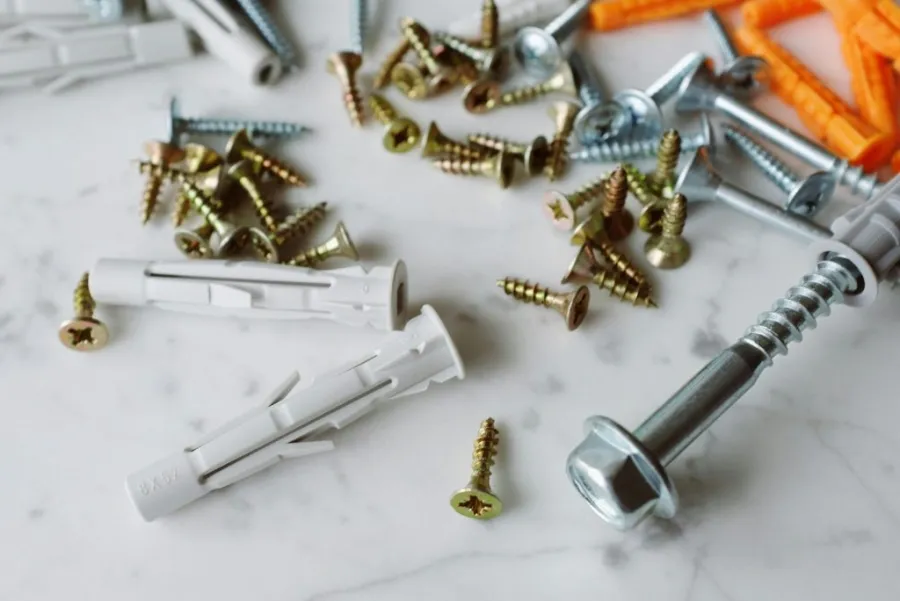
I bund og grund er disse robuste fastgørelsessystemer, der bruges til at fastgøre strukturelle og ikke-strukturelle komponenter til beton- eller murværksmaterialer. Mens en skrue fungerer ved at grave sig ind i træfibrene, fungerer disse bolte ved at udvide sig eller kemisk binde sig til materialet.
Disse bolte er den skjulte rygraden i ethvert byggeprojekt, fra stadionsæderne til hylderne i din garage. Fysikken bag, hvordan disse bolte fungerer, giver os mulighed for at forstå, hvorfor vi ikke kan bruge almindelige bolte.
Når du bruger ankerbolte til beton, skaber du en mekanisk binding. Når bolten strammes, udvider den sig mod hullets vægge, hvilket skaber massiv friktion. Denne friktion er det, der gør det muligt for et relativt lille stykke stål at holde tusindvis af kilo.
Uden disse fastgørelseselementer ville vi ikke have sikre gelændere, stabile lysmaster eller sikre fundamenter til hjemmet. De bygger bro mellem at "hvile på en overflade" og at "blive en del af overfladen".
4 almindelige typer ankerbolte
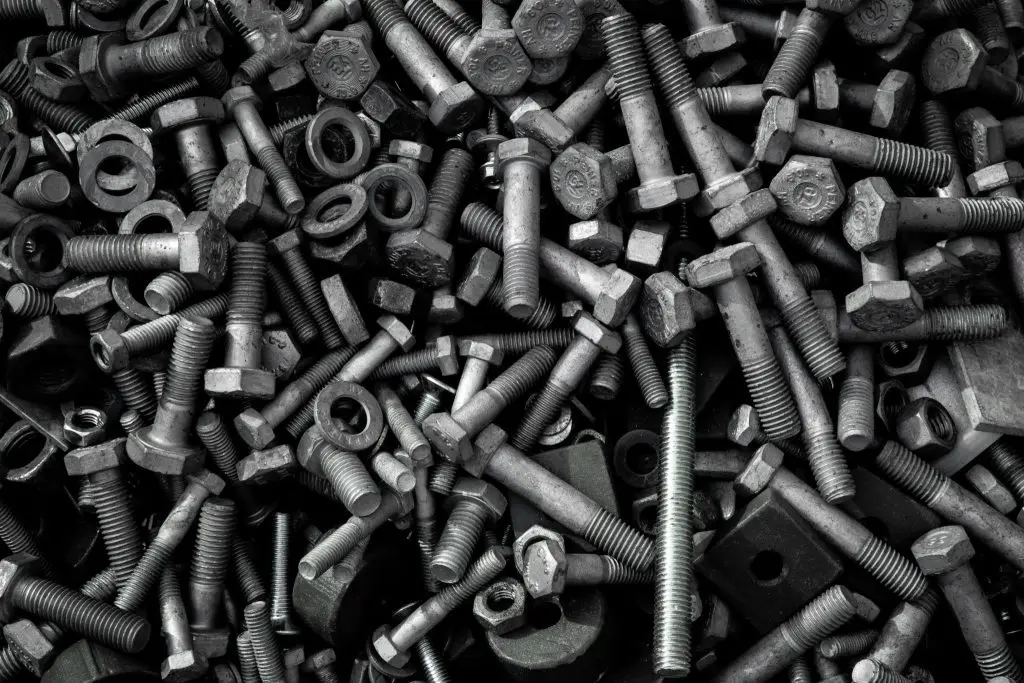
Ikke alle fastgørelseselementer er skabt lige. Afhængigt af dit basismateriale og vægten af din genstand skal du vælge mellem specifikke typer ankerbolte for at sikre sikkerhed og stabilitet. At vælge den forkerte type kan føre til materialefejl eller en svækket struktur.
Kileankere
Disse betragtes som guldstandarden for montering i massiv beton. Jo mere du drejer møtrikken, desto mere udvider en mekanisk kile, der er placeret i den nederste del, sig inde i hullet og skubber op mod siderne. De tilbyder et exceptionelt greb og må aldrig bruges i mursten eller blokke.
Kileankeret beskrives som "permanent". Når du udvider det inde i hullet og fastgør det på plads, bliver det ekstremt vanskeligt at trække det ud uden at ødelægge betonen.
Ærmeankre
Disse er de alsidige fætre til kileankeret. De har en muffe, der udvider sig langs hele boltens længde. Dette fordeler trykket mere jævnt, hvilket er nyttigt, hvis betonen er ældre eller mindre tæt.
Fordi de fordeler trykket, foretrækkes de ofte til ankerbolte til mursten eller betonblokke. De giver et mere tilgivende greb end det aggressive "bid" fra et kileanker.
L-bolte (J-bolte)
De vil hovedsageligt blive fundet i våd beton under opførelsen af fundamentet. Det "L"-formede anker vil hænge fast under tilslaget eller armeringsjernet; derfor vil det være meget svært at fjerne ankeret, når betonen er hærdet.
Disse er afgørende ved montering af dørtrin på nye fundamenter. De fungerer som…
Drop-in ankre
Disse er fantastiske til installationer over jorden, eller hvor du har brug for en pæn overfladefinish. Du "sænker" et indvendigt gevindanker ned i et hul, bruger derefter et monteringsværktøj til at få det til at udvide sig, hvorefter du kan bolte dit armatur fast til det.
Hvis du har brug for at afmontere armaturet og samtidig bevare et pænt gulv, vil disse fungere perfekt for dig, da du blot skal skrue bolten af ankeret.
Sådan monteres ankerbolte til beton
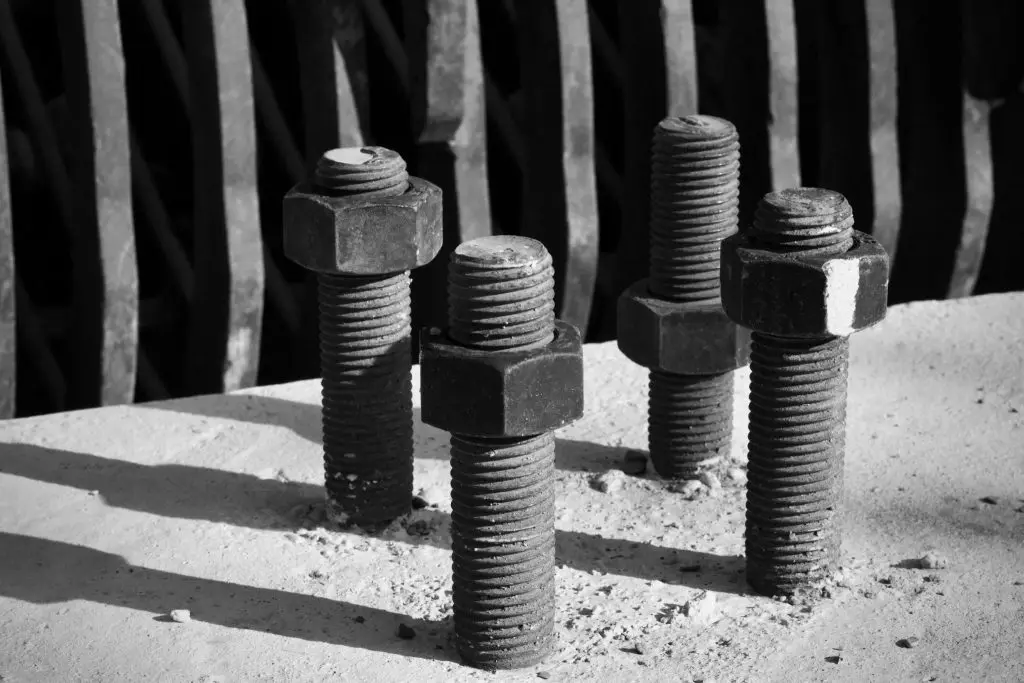
Hvis du ønsker en binding, der ikke rokker sig, er din installationsteknik vigtigere end selve bolten. Her er den godkendte metode til at montere ankerbolte til beton, så de aldrig svigter.
Trin 1: Markering af dit borepunkt
Præcision er afgørende, når man arbejder med murværk. Brug din skabelonbeslag til at foretage præcise målinger af de huller, der skal bores. I tilfælde af et større projekt, såsom installation af en automatisk lift i en garageVær ekstra forsigtig, når du foretager disse målinger før boring.
Hvis selv en kvart tomme er "afskåret", vil din bolt ikke justeres korrekt med hullerne i dit maskineri. Brug en centerkørner til at skabe et udgangspunkt for dit bor.
Trin 2: Bor det perfekte hul
Du skal bruge en slagboremaskine til denne opgave. Hvis du ikke er sikker på, hvilket elværktøj du skal vælge, er her vores praktiske guide til at vælge mellem en borehammer og en slagboremaskine.
Sørg for, at dit bor har præcis den diameter, der kræves af din bolt. Et for stort hul er den hyppigste årsag til, at ankeret svigter. Hold dit bor i en perfekt lodret position.
Trin 3: Rengøringstrikset med "blæsebørste og blæse"
Det springes normalt over af de fleste gør-det-selv-husejere, selvom det er den mest kritiske fase af proceduren. Støv fungerer som et smøremiddel, så boltene kan glide. Brug hjælp fra 48-delt skraldeværktøjssæt når man blæser støv ud med luft.
Blæs støv ud af det borede hul, brug en stålbørste til at rense væggene for støv, og blæs igen. Sørg for, at metallet på dit anker har kontakt med betonen i stedet for pulveret.
Trin 4: Indstilling af ankeret
Bank bolten ned i hullet med en hammer. Lad møtrikken sidde på gevindet, mens du gør dette for at beskytte dem mod skader. Hvis du først borer gennem meget hårde fliser, er det vigtigt at lære hvordan man bruger et diamantkernebor effektivt kan hjælpe.
Ankeret skal gå ind med en smule modstand. Hvis det går løst i, er hullet for stort. Sæt det i, indtil skiven flugter med overfladen af dit armatur.
Trin 5: Stramning for styrke
Brug 34-delt metrisk slagsæt at stramme møtrikken til det anbefalede moment.
Når du drejer møtrikken, trækkes bolten opad, hvilket tvinger ekspansionsclipsen til at udvide sig. Det er her, magien sker. Du vil mærke modstanden øges, når bolten "bider" sig fast i betonen.
Specialiserede løsninger til træ og mursten
Nogle gange er dit basismateriale ikke massiv beton. Når du arbejder med blødere eller hule materialer, skal din tilgang til bolte ændres for at forhindre skader på konstruktionen.
Sådan bruger du ankerbolte til træ
Fastgørelse af metaller til træ kræver et andet greb. I sådanne scenarier anvendes lagbolte og gennemgående bolte med store skiver. På tungt træarbejde, såsom en DIY rør gelænder, der har en 65-delt fatningssæt kommer i handy.
Når man bruger ankerbolte til træ, er det vigtigt at være opmærksom på, at træ har tendens til at udvide sig og trække sig sammen med vejrforholdene. Brede skiver er nyttige til at fordele belastningen og forhindre bolten i at trække sig ud.
Sådan bruger du ankerbolte til mursten
Mursten er sprøde og ofte hule. Brug af ankerbolte til mursten kræver normalt muffeankre eller klæbesystemer. Brug aldrig et kileanker her, da ekspansionskraften bogstaveligt talt kan knække en mursten midt over.
For mursten, prøv at sigte mod mørtelfugerne, hvis belastningen er let, eller brug et klæbeanker, hvis belastningen er tung. Mursten er meget mindre tætte end beton, så en blid berøring er nødvendig under installationen.
Kemiske vs. mekaniske ankre
Mekaniske fastgørelseselementer er afhængige af friktion og ekspansionskræfter. Disse fastgørelseselementer har den fordel, at de er hurtige at installere og belastbare. Men betonen udsættes for belastning, som kan forårsage problemer i kantområder.
De kemiske fastgørelsesmidler består af en tokomponent epoxyharpiks. Denne blanding binder fastgørelsesmidlet på plads i det borede hul. Det kemiske alternativ fungerer godt i områder med tætte kantafstande.
Til tunge industrielle applikationer kan du have brug for en 3/4-tommer drev sæt med 29 dele til at håndtere de massive bolte. Disse giver en vandtæt forsegling og fordeler belastningen mere jævnt over materialet.
Vedligeholdelses- og sikkerhedstips
Selv de bedste ankerbolte kræver et lejlighedsvis eftersyn. Med tiden kan vibrationer og temperaturændringer forårsage et mindre spændingstab. Sikkerhed bør altid være din højeste prioritet, når du håndterer tunge belastninger.
- Årlig kontrol: Brug 33-delt slagsæt for at verificere tæthed.
- Rustinspektion: Kig efter rød rust, som signalerer et tab af strukturel integritet. Hvis du ser dybe gruber, skal du straks udskifte bolten.
- Undgå overbelastning: Kontroller producentens vægtklassificering for forskydningsstyrke. Overskrid aldrig grænsen, især ikke ved montering over hovedhøjde.
- Hold værktøjerne klar: Opbevar a 23-delt sæt til hurtige justeringer.
- Dyb rækkevidde: Brug et sæt med 26 dele og 1-2 drev til bolte med overskydende gevind.
- Trange pladser: A 19-delt forlængerstangsæt hjælper dig med at nå bolte bag tungt udstyr.
- Dyb adgang: Brug 19-delt dybt længdesæt eller 9-delt dybt topnøglesæt til forsænkede ankre.
Vedligeholdelse af dine fastgørelseselementer er lige så vigtigt som den første installation. En bolt, der er løsnet blot et par millimeter, kan skabe et løftepunkt, der med tiden kan revne betonen omkring den. Regelmæssige inspektioner forhindrer, at mindre problemer udvikler sig til farlige fejl.
Ofte Stillede Spørgsmål
Hvad sker der, hvis jeg borer hullet for dybt?
For de fleste ankerbolte er et dybere hul ikke et problem, så længe du stadig kan nå møtrikken. For drop-in ankre skal dybden dog være præcis, ellers vil monteringsværktøjet ikke være i stand til at udvide ankeret korrekt.
Kan jeg genbruge ankerbolte?
Generelt nej. Mekaniske ankre deformerer metallet for at skabe et greb. Når de er fjernet, er det "bid" væk. Brug altid nyt hardware til en ny installation for at sikre din sikkerhed og strukturelle integritet.
Hvilke ankerbolte til beton er bedst til udendørs brug?
Vælg altid varmgalvaniseret eller rustfrit stål. Standardforzinkede bolte ruster hurtigt, når de udsættes for fugt, hvilket i sidste ende kan føre til "betonkræft" og revner i strukturen.
Har jeg brug for en momentnøgle?
Selvom mange professionelle bruger en slagnøgle for at opnå hurtigere arbejde, er en momentnøgle den eneste måde at være 100 % sikker på, at du har opfyldt ingeniørens specifikationer. Hvis projektet er strukturelt, som f.eks. en terrasseplanke, skal du bruge en momentnøgle.
Hvordan fjerner jeg en gammel ankerbolt?
Hvis du ikke kan trække den ud, er den bedste metode at skære den i niveau med en sliber. Hvis du skal fjerne den helt, skal du muligvis bore rundt om den, hvilket normalt beskadiger den omgivende beton betydeligt.
Konklusion
Kendskab til, hvordan ankerbolte fungerer, er et vigtigt aspekt af dit projekt, fordi det vil bidrage til at gøre din konstruktion klippefast uden behov for bekymring om løse tænder, som beskrevet ovenfor. Du skal vælge det rigtige fastgørelseselement og bruge de korrekte procedurer til rengøring og skruning for at sikre, at din konstruktion forbliver på plads.
Vigtigheden af at bruge det korrekte udstyr til din konstruktion kan ikke undervurderes, som fremhævet i vores introduktion. Med ovenstående information om typer og procedure kan du nu forankre hvad som helst med lethed!