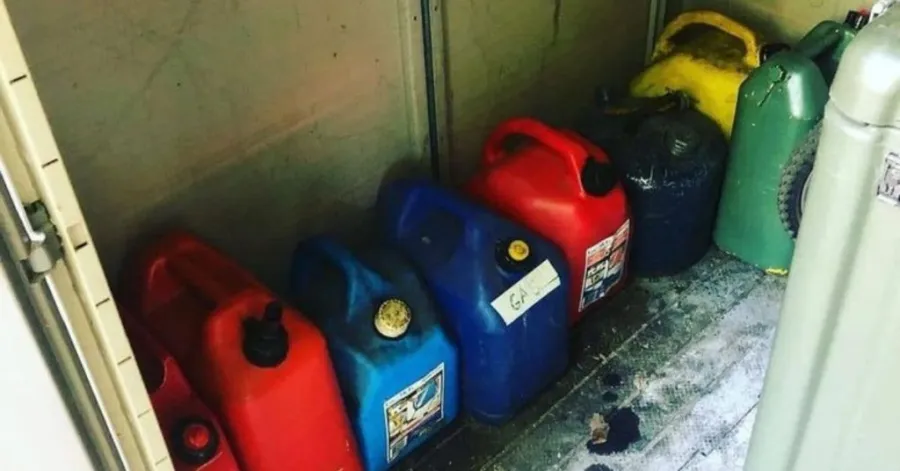
Har du nogensinde tænkt på alger i en diesel tankNogle mennesker forveksler dette med grønne planter, såsom alger, der vokser inde i tanken. Men dette gælder ikke for brændstofalger, hvilket betyder, at mikroberne også er kendt som dieselbakterier. De udvikler sig oftest, når du ved et uheld blander vand i diesel. Disse mikrober påvirker brændstoftankens ydeevne. De kan let opdages ved at se på dit brændstof. Hvis du ignorerer alger i en dieseltank, risikerer du dyre reparationer. For at beskytte dit brændstofudstyr skal du handle hurtigt.
Hvad der forårsager Algevækst i dieseltanke?
Tilstedeværelse af vand i brændstoftanken
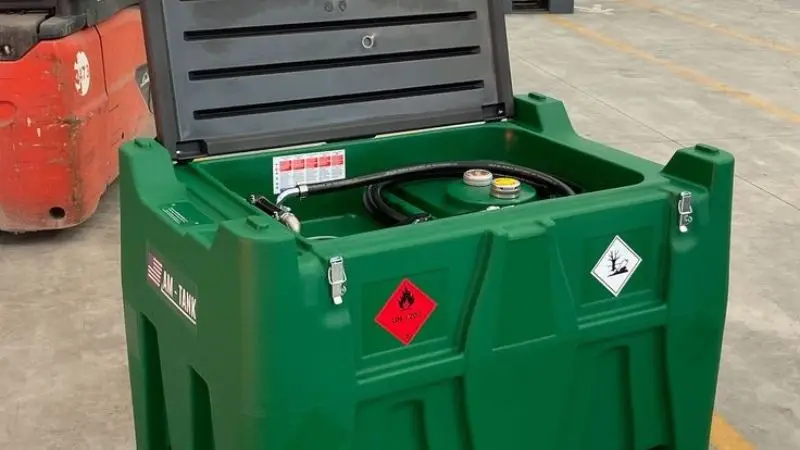
Du ser det måske ikke, men vand i brændstoftanke skaber det perfekte sted for alger i dieselolie at vokse. Når vand blandes med diesel, danner det et lag, hvor dieselbakterier kan leve og formere sig. Disse dieselbakterier lever af næringsstofferne i brændstoffet og bruger vandet til at overleve. Hvis du lader vand blive i din tank, giver du alger en chance for at sprede sig. Du bør altid kontrollere din dieseltank for vand for at forhindre alger i at starte. Sørg for, at din brændstoftank er korrekt forseglet for at forhindre vand i at trænge ind. Tankens kvalitet er vigtig. Så hvis du har en perfekt brændstoftank, er du beskyttet.
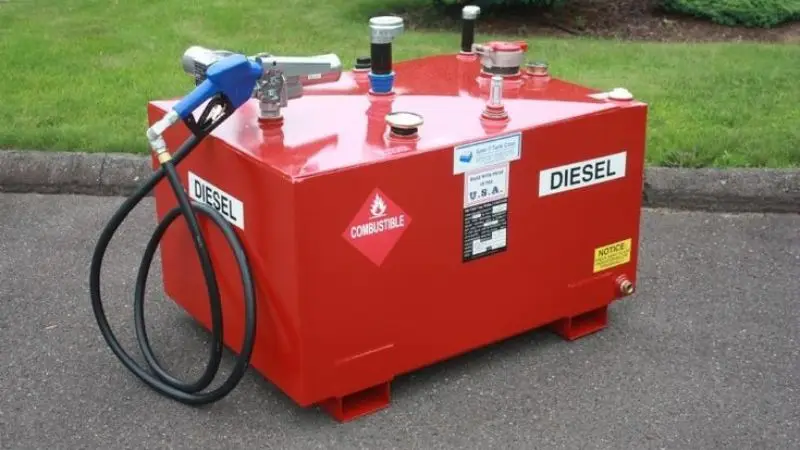
@jeromy_henson_bfss VEVOR 116 GALLON BÆRBAR BRÆNDSTOFTANK MED PUMPE, SLANGE OG DYSE, FOLDBART LÅG MED LÅS, 10 GPM PUMPE, 12V, 13.1 FOT GUMMISLANGE, FILTER OG HUS. #brændstoftank #draguptank #tank #dieseltank #brændstoftanke #pumpe #slange #dyse #tanke #fyp #viral #tiktok #fypage #fypシ゚viral #vevorproducts #transportabel #vevordieseltank #dieseltanke #brændstof #påfyldning #lavedemitår #ttsdelightnow #gaveguide #spotlightfund #skattefund #julesalg #julesalg #juletilbud #opsparing #se #tiktokshopsidstechance #kigge på #tiktokshopnytårnyaura #tiktokshop #tiktokshopping #trending2024 #viralvideoer #udsalg #flashsalg #gaveideer #gaveidé #tiktokshopfinds #tiktokmademebuyit #for dig #foryoupage #trending #wow #tiktokmademedoit #fådin #i dag #tiktokfinds #tiktokfind #tiktokviralt #tiktokviralvideo #tiktokviraltrending #ttsacl @Vevor_US @HAIDEE_Vevor @vevor butik
♬ original lyd – JEROMY HENSON-BFSS☑️
Kondens- og fugtighedsfaktorer
Kondens opstår, når varm luft møder en kold overflade inde i din dieseltank. Denne proces forårsager dannelse af vanddråber. Høj luftfugtighed forværrer problemet. Selv en lille mængde vand fra kondens kan føre til alger i dieselbrændstoffet. Du bemærker måske ikke vandet, men det kan fremme væksten af dieselbakterier og føre til brændstofforurening. At holde din tank fuld hjælper med at reducere luftrummet, hvor kondens dannes.
Dårlig praksis for opbevaring af brændstof
Dårlig opbevaringspraksis kan øge risikoen for alger i en dieseltank. Hvis du efterlader din dieseltank Hvis du åbner eller ikke forsegler den ordentligt, lukker du fugt og snavs ind. Disse ting kan føre til kontaminering og hjælpe dieselbakterier med at vokse. Du bør altid opbevare diesel i rene, tørre tanke. Brug ordentlige låg og kontroller for lækager. God opbevaring forhindrer alger og dieselalger i at overtage dit brændstof.
Forurenet brændstofforsyning
Nogle gange kommer alger i dieselolie fra selve brændstofforsyningen. Hvis du køber diesel fra en kilde med dårlig kvalitetskontrol, kan du få brændstof, der allerede indeholder dieselbakterier eller alger. Denne type forurening kan sprede sig hurtigt i din tank. Køb altid diesel fra pålidelige leverandører. Spørg om deres brændstofkvalitetskontroller for at undgå brændstofforurening og problemer med dieselalger.
Tegn af Alger i dieseltank
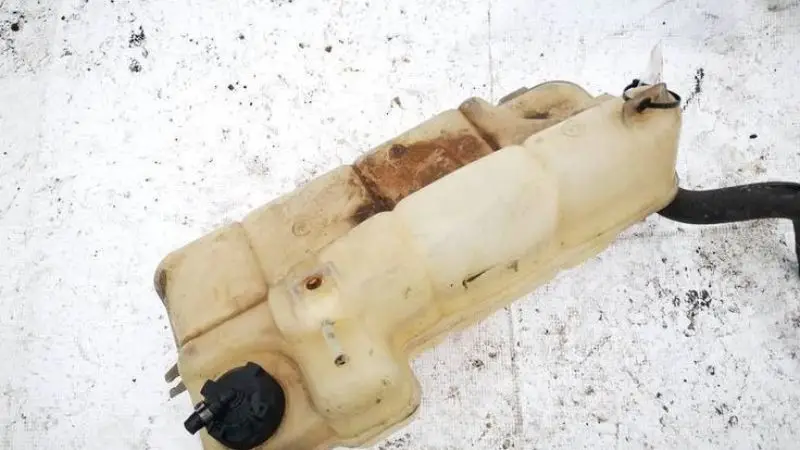
Du skal kende symptomerne på alger i dieselolie for at beskytte din motor. Hvis du opdager disse tegn på alger tidligt, kan du undgå store problemer. Hold øje med disse tegn på alger i dieselolie:
Slam eller mørke aflejringer i brændstof
Du kan muligvis se slam i din diesel. Dette slam ser ofte mørkt og tykt ud. Det kan sætte sig i bunden af din tank. Slam i bunden af tanken er en klar advarsel. Alger i dieselolie skaber dette slam, når de vokser. Hvis du bemærker slam, bør du kontrollere for andre symptomer på dieselinfektion. Slam kan blokere dine brændstofslanger og forårsage motorproblemer.
Tilstoppede brændstoffiltre
Tilstoppede filtre er et almindeligt symptom på dieselalger. Alger og dieselalger kan ophobe sig på dine brændstoffiltre. Du skal muligvis skifte filtre oftere. Hvis du ser sorte eller slimede ting på dine filtre, har du sandsynligvis alger i din dieselbrændstof. Tilstoppede filtre forhindrer brændstof i at nå din motor. Dette er et af de mest åbenlyse symptomer på dieselalger.
Problemer med motorens ydelse
Du vil måske bemærke, at din motor kører ujævnt eller mister kraft. Disse symptomer tyder ofte på alger i dieselbrændstoffet. Motoren kan gå i stå eller slet ikke starte. Dieselbakterier og slam kan blokere brændstoftilførslen. Dårlig motorydelse er et vigtigt tegn på alger. Tjek altid for andre symptomer på dieselbakterier, hvis din motor ikke fungerer.
Usædvanlige lugte fra brændstoftanken
Et andet symptom er en mærkelig lugt fra din tank. Alger i dieselolie kan få din diesel til at lugte surt eller råddent. Hvis du bemærker mærkelige lugte, skal du tjekke for andre symptomer. Dårlig lugt betyder ofte, at du har dieselbakterier eller alger. Dette er et af de første tegn på alger i dit brændstof.
Problemer forårsaget af alger i dieselbrændstof
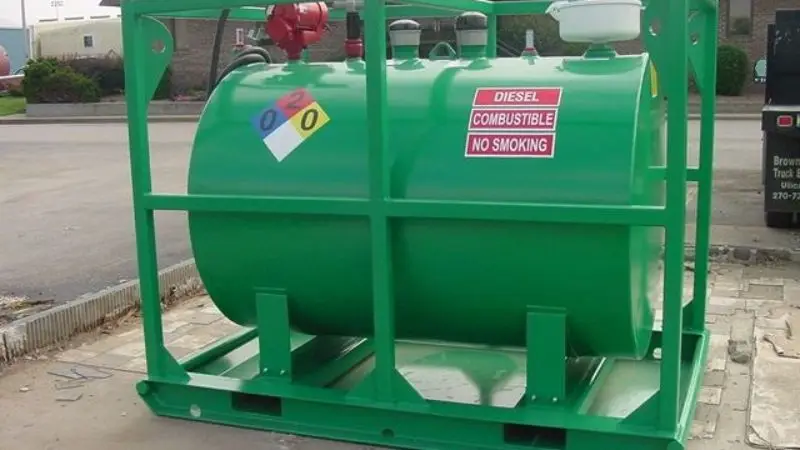
Reduceret motoreffektivitet
Du vil bemærke, at alger i dieselolie kan sænke din motors effekt. Når alger og dieselbakterier vokser, skaber de slam, der blokerer brændstofledningerne. Dette slam forhindrer brændstoffet i at flyde jævnt. Din motor vil bruge mere diesel til at udføre det samme arbejde. Du kan opleve dårlig motorydelse og højere brændstofforbrug. Hvis du ignorerer disse tegn, vil dit udstyr ikke køre så godt, som det burde.
Korrosion i brændstofsystemet
Alger i dieselolie gør mere end blot at blokere slanger. Det kan også forårsage korrosion i dit brændstofsystem. Når alger og dieselbakterier nedbrydes, producerer de syrer. Syrer kan påvirke metaldelene og dermed også brændstoftanken. Korrosion kan beskadige din tank, brændstofslanger og injektorer. Du kan se lækager eller rust. Denne type forurening kan føre til dyre reparationer.
Øgede vedligeholdelsesomkostninger
Du vil bruge flere penge på vedligeholdelse, hvis du har alger i dieselbrændstoffet. Slam fra alger og dieselinsekter vil tilstoppe filtre og brændstofindsprøjtningsdyser. Du skal skifte filtre oftere. Rengøring af tanken og udbedring af skader vil koste dig tid og penge. Forurening fra dieselalger betyder, at du skal kontrollere dit brændstofsystem oftere. Følg standardmetoderne til rengøring af dieseltanken for at forhindre snavs i at sætte sig i tanken.
Risiko for motorfejl
Når algerne først er produceret i tanken, vil de fortsætte med at vokse. Så undgå altid alger, men hvis de dannes, skal du rense dem for at forhindre deres vækst. Alger kan også blokere din motor og beskadige dele af dit køretøj. Nogle gange kan det være nødvendigt at skifte motor. Så den eneste løsning er at bruge rent brændstof. Du kan også sikre rent brændstof ved at bruge et filter på dækslet til brændstoftanken.
Sådan fjerner du alger fra en dieseltank
Alger i dieselolie kan forårsage store problemer, men du kan løse det med de rigtige trin. Du skal handle hurtigt for at fjerne alger og stoppe yderligere forurening. Følg disse trin for effektiv brændstoftank rengøring og behandling.
Trin 1: Tøm og rengør tanken
Start med at tømme al diesel fra din tank. Dette trin fjerner det meste af algerne og det beskidte brændstof. Brug en passende beholder til at opsamle den gamle diesel. Efter tømning skal du skrubbe tankens inderside for at fjerne eventuelle resterende alger. Du kan bruge børster eller specialværktøj til at brændstoftank rengøring. Sørg for at fjerne alger fra alle hjørner. Dette trin hjælper med at forhindre fremtidig kontaminering.
Trin 2: Udskift brændstoffiltre
Alger i dieselbrændstof tilstopper ofte dine filtre. Tag de gamle filtre ud og sæt nye i. Dette trin holder dit brændstofsystem rent og hjælper din motor med at køre bedre. Kontroller altid dine filtre for tegn på alger eller slam. Udskift dem med det samme, hvis du ser nogen form for forurening.
Trin 3: Brug en dieselbiocidbehandling
Du har brug for en kraftig behandling for at dræbe eventuelle resterende alger i dieselbrændstof. Tilsæt et dieselbiocid til din rene tank. De bedste biocider til behandling af dieselbrændstof vil ødelægge alger og forhindre dem i at komme tilbage. Følg instruktionerne på produktetiketten for den rigtige mængde. Dieselbiocid virker hurtigt og holder dit brændstof sikkert.
Trin 4: Skyl brændstofsystemet
Efter behandlingen skal du skylle dit brændstofsystem med frisk diesel. Dette trin fjerner eventuelle rester af alger, biocider eller forurening. Lad motoren køre i kort tid for at sikre, at rent brændstof når alle dele af motoren. Kontroller for lækager eller mærkelige lugte. Hvis du stadig bemærker problemer, skal du gentage processen. brændstoftank rengøringsproces.
Konklusion
Vand er det største problem med algevækst i brændstoftanken. Derfor er regelmæssig rengøring nødvendig. Tjek for vand, og fjern det ofte. Hver dieseltank har en forskellig rengøringsprocedure; du skal følge den korrekte til din tank. Ved at følge de tips og tricks, der er forklaret ovenfor, kan du undgå pludselige motorblokeringer og langvarig skade på køretøjets vigtigste dele.
Ofte stillede spørgsmål
Hvad forårsager algevækst i min dieseltank?
Du skaber et godt miljø for alger, når vand kommer ind i dit akvarium. Varme temperaturer og dårlig opbevaring hjælper også algevækst. Du bør holde dit akvarium tørt og rent for at forhindre dette problem.
Hvor ofte skal jeg tjekke min brændstoftank for alger?
Du bør tjekke din tank hver måned. Kig efter vand, slam eller mørke pletter. Tidlige kontroller hjælper dig med at opdage problemer, før de beskadiger din motor.
Kan jeg bruge almindelige tilsætningsstoffer til at fjerne alger?
Nej, almindelige tilsætningsstoffer dræber ikke alger. Du har brug for en særlig biocidbehandling. Dette produkt målretter og fjerner alger fra dit system.
Er alger i diesel farlige for min motor?
Ja, alger kan blokere filtre og brændstofledninger. Din motor kan miste kraft eller holde op med at virke. Hurtig handling beskytter dit udstyr mod skader.
Hvordan forhindrer jeg alger i at komme tilbage?
Du bør holde dit akvarium fyldt, bruge vandudskillere og inspicere det regelmæssigt. God opbevaring og regelmæssig vedligeholdelse forhindrer alger i at vende tilbage.