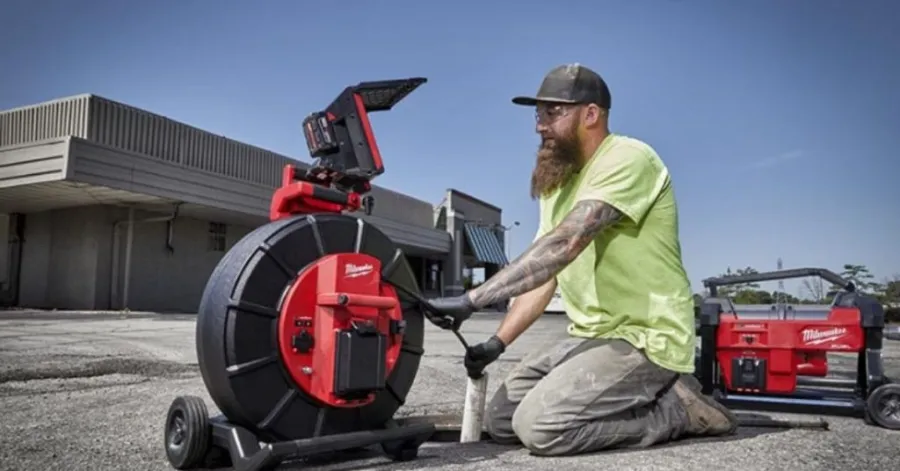
تقوم بتشغيل معدات فحص خطوط الأنابيب لضمان سلامتها ونظافتها وحسن حالتها التشغيلية. تساعدك هذه الأجهزة على مراقبة ما يحدث داخل الأنابيب دون قطعها أو إتلافها، مما يُمكّنك من اكتشاف المشكلات مثل التسريبات والتشققات والتآكل والانسدادات في مراحلها المبكرة. هذا التشخيص المبكر يمنع حدوث أضرار جسيمة، ويقلل تكاليف الإصلاح، ويحول دون تعطل النظام. تتوفر الأدوات بمجموعة واسعة، بدءًا من الأدوات اليدوية البسيطة وصولًا إلى الأدوات الآلية المتطورة للغاية. وتشمل تقنيات الفحص الحديثة... كاميرا الصرف الصحيتُمكّن هذه التقنية من إجراء عمليات الفحص بشكل أسرع وأسهل وأكثر دقة. لذا، احرص دائمًا على فحص خطوط الأنابيب والمواد ومتطلبات الفحص قبل اتخاذ قرار بشأن أي أداة.
ما هي أدوات فحص خطوط الأنابيب؟
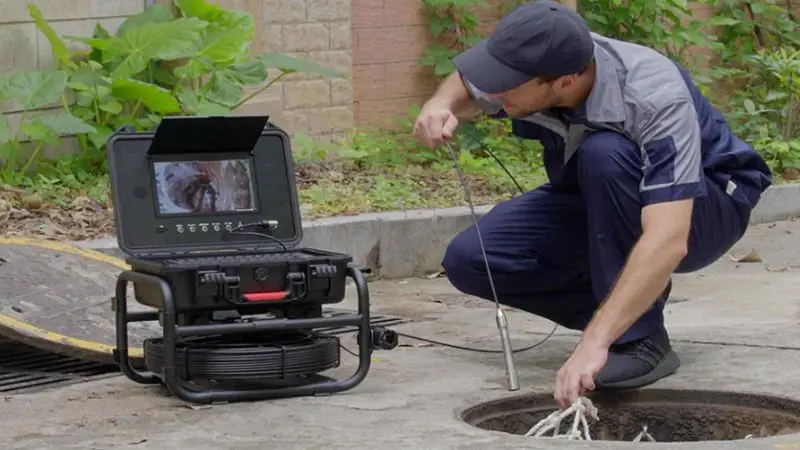
تنقل أنظمة الأنابيب المياه والنفط والغاز لمسافات طويلة، وأي تلف بسيط قد يؤدي إلى مشاكل خطيرة. أجهزة فحص الأنابيب هي أدوات مصممة خصيصًا لمساعدتك في فحص الأنابيب من الداخل والخارج. فهي تسهل اكتشاف التلف الأولي وتضمن الصيانة السليمة والآمنة للنظام.
تحظى هذه التقنيات بشعبية واسعة في الصناعات التي تُعتبر فيها السلامة والموثوقية من أهم المعايير. فهي تُمكّن الفنيين من معرفة حالة خط الأنابيب دون الحاجة إلى الحفر أو الهدم.
هنا، ستتعرف على كيفية استخدامها وكيف يمكنها مساعدة الهواة والمحترفين.
فوائد للمبتدئين والمحترفين
صُممت معدات فحص خطوط الأنابيب لدعم كل من المستخدمين المبتدئين والمهندسين ذوي الخبرة. فهي تُبسط عملية تقييم خطوط الأنابيب، مما يجعلها أكثر دقة وكفاءة.
وذلك لأن هذه الأدوات قد تكون مفيدة للمبتدئين، إذ توفر نتائج سهلة الفهم. لا تحتاج إلى مهارات تقنية متقدمة لفهم ظروف خط الأنابيب بسهولة.
تتمثل المزايا الرئيسية للمبتدئين فيما يلي:
- قراءات مبسطة وصور سهلة القراءة.
- سهل التركيب ولا يتطلب سوى تدريب بسيط.
- زيادة المعرفة بصحة خطوط الأنابيب.
تتيح هذه الأدوات للممارسين خيارات أكثر تطوراً تساعدهم على إجراء تحليلات معمقة واتخاذ القرارات. كما تمكّن المحترفين من رصد حتى المشكلات الصغيرة مبكراً قبل أن تتفاقم إلى مشكلات حرجة.
تشمل المزايا المهنية ما يلي:
- التآكل المبكر والتشققات الدقيقة.
- بشكل عام، تخطيط الصيانة.
- تسرب في الحماية من خلال أنظمة فحص خطوط الأنابيب المعقدة.
حتى الأدوات المستوحاة من عمليات فحص المنازل تُعدّل لتناسب خطوط الأنابيب، مما يزيد من سلامة ودقة عمليات فحصها في البيئات الصناعية. هذا المزيج بين البساطة والتكنولوجيا المتقدمة يجعل من فحص خطوط الأنابيب أداةً مفيدةً لجميع مستويات الخبرة.
أنواع أدوات فحص خطوط الأنابيب
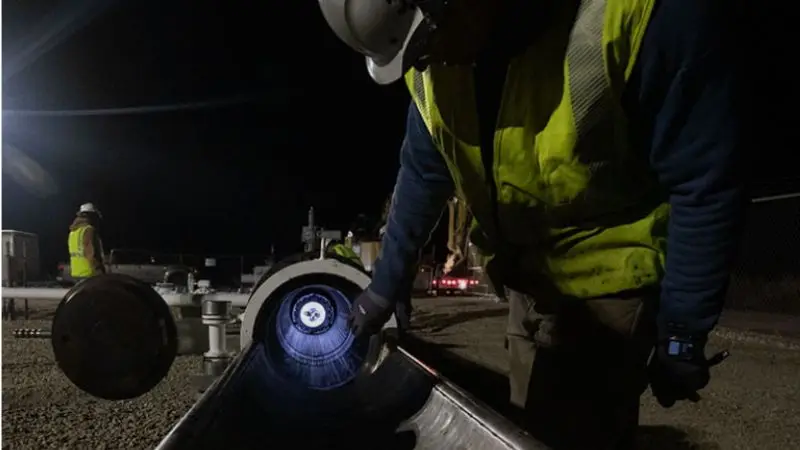
تتطلب الظروف المختلفة في خطوط الأنابيب إجراءات فحص متباينة. وتوجد أنواع عديدة من أدوات فحص خطوط الأنابيب، كل منها مصمم لظروف ومواد وأهداف فحص محددة. بعضها بسيط ويعمل يدويًا، بينما توجد أدوات آلية متطورة تُستخدم في الصناعة.
تعتمد الأداة التي ستستخدمها على حجم خط الأنابيب وموقعه ومستوى التفاصيل المطلوبة. تشمل الأنواع الرئيسية في هذا المجال ما يلي.
أدوات ميكانيكية
الأدوات الميكانيكية هي أدوات فحص بدائية تعتمد على الحركة الفيزيائية والاتصال المباشر بالأنابيب. تُستخدم عادةً لتنظيف الأنابيب، وإزالة الانسدادات، أو فحص المشاكل الهيكلية البسيطة فيها. كما تُستخدم على نطاق واسع في مجال الصيانة، حيث يكون الفحص الفيزيائي مطلوبًا في غضون فترة زمنية قصيرة.
تُعدّ هذه الأنظمة مفيدة بشكل خاص في الحالات التي تكون فيها الأنظمة الإلكترونية غير ضرورية أو غير عملية.
تشمل الاستخدامات الشائعة ما يلي:
- تنظيف الحطام والعوائق.
- فحص الانبعاجات أو الانحناء أو التشوه في الأنابيب.
- تنظيف الجدران الداخلية للأنابيب.
الأدوات الإلكترونية
تستخدم الأدوات الإلكترونية الكاميرات وأجهزة الاستشعار وأنظمة الإضاءة لفحص خطوط الأنابيب بصريًا وتقنيًا. تُمكّنك هذه الأجهزة من رؤية الصور والبيانات في الوقت الفعلي للكشف عن الشقوق والتسريبات والصدأ أو الأضرار الداخلية بدقة أكبر.
تُستخدم عادةً في أنظمة خطوط المياه والغاز والنفط عندما يكون التحقق البصري أولوية.
وتشمل السمات الرئيسية:
- كابلات كاميرا مرنة لأنابيب صغيرة.
- تسجيل فيديو عالي الدقة
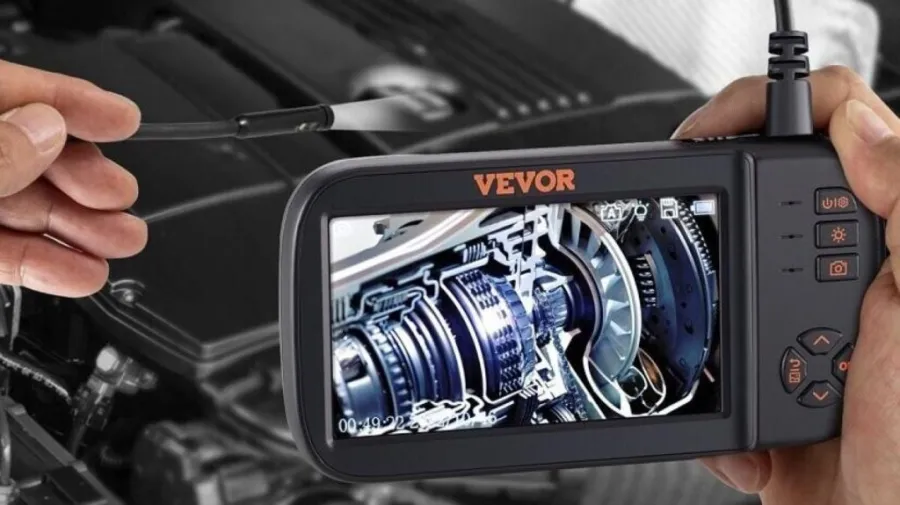
تُستخدم تقنية VEVOR عادةً لفحص خطوط الأنابيب الصغيرة أو المنحنية أنظمة كاميرات الصرف الصحيفهي توفر فيديو مباشرًا واضحًا داخل المناطق الضيقة أو التي يصعب الوصول إليها. وتسهل هذه الأدوات اكتشاف الانسدادات والشقوق والتسريبات دون الحاجة إلى الحفر أو تفكيك الأنابيب.
تتيح لك الأدوات الإلكترونية أيضاً حفظ الصور والفيديوهات لأغراض إعداد التقارير وتخطيط الصيانة. وهي تُدمج عادةً في أنظمة فحص خطوط الأنابيب الحديثة والمتطورة للكشف عن التسربات في البنية التحتية الحيوية.
الخنازير الذكية والأدوات الذكية
تُعدّ "الخنازير الذكية" أدوات متطورة لفحص خطوط الأنابيب، تُرسل عبر خطوط الأنابيب الطويلة لجمع معلومات شاملة. وتُستخدم هذه الأدوات على نطاق واسع في قطاعي النفط والغاز، حيث تكون خطوط الأنابيب ضخمة ويصعب الوصول إليها. وتستطيع هذه الأدوات تحديد سُمك الأنابيب، والكشف عن التآكل، وتحديد مواطن الضعف الهيكلية.
إنها مثالية لمراقبة خطوط الأنابيب لمسافات طويلة.
تشمل الفوائد الرئيسية ما يلي:
- تحديد الضرر الداخلي الخفي.
- قطر وشكل خط الأنابيب.
- إعداد تقارير فحص مفصلة خطوة بخطوة.
تُنتج أنظمة ذكية مثل GeoSense من قبل علامات تجارية متخصصة في العمل بكفاءة في خطوط أنابيب الصلب. أما أجهزة التنظيف الذكية (Smart Pigs)، فهي لا تُستخدم إلا في خطوط الأنابيب المجهزة خصيصًا لعمليات التنظيف، إذ تتطلب محطات إطلاق واستقبال خاصة.
الأدوات اليدوية مقابل الأدوات الآلية
يمكن تصنيف الأنظمة اليدوية والآلية كأدوات لفحص خطوط الأنابيب بناءً على طريقة تشغيلها. تتطلب الأدوات اليدوية وجود مشغل بشري، بينما تؤدي الأدوات الآلية مهامها بشكل مستقل داخل خط الأنابيب.
تُجرى عمليات فحص خطوط الأنابيب الصغيرة أو القصيرة بشكل أفضل باستخدام الأدوات اليدوية، في حين يتم فحص الشبكات الصناعية الكبيرة باستخدام الأنظمة الآلية.
مقارنة:
- الأدوات اليدوية: كاميرات محمولة باليد أو قضبان يتم التحكم بها مباشرة.
- المعدات الآلية: الخنازير الذكية والروبوتات ذاتية التشغيل.
توفر الأدوات اليدوية تحكماً كاملاً، بينما توفر الأدوات الآلية الوقت وتقلل المخاطر في خطوط الأنابيب المعقدة. وتُعدّ تطبيقاتها مناسبة بشكل خاص في الأنظمة تحت الأرض أو الأنظمة طويلة المدى حيث لا يمكن فحصها يدوياً.
كاميرا المجاري (أداة الفحص الرئيسية)
تُعد كاميرا الصرف الصحي من أهم أدوات فحص خطوط الأنابيب، حيث تُستخدم لفحص خطوط الصرف الصحي. وهي مُصممة لحمل كاميرا مقاومة للماء، وموصولة بكابل مرن يمر عبر الأنابيب، ويعرض فيديو مباشرًا على شاشة. تُمكّنك هذه الكاميرا من رؤية الانسدادات أو الشقوق أو الأضرار داخل أنظمة الصرف الصحي بسهولة دون الحاجة إلى الحفر.
يتم تطبيقها على نطاق واسع في مسح الصرف الصحي السكني والتجاري والصناعي.
كيف يساعد ذلك في عمليات التفتيش الفعلية:
- يعرض صور فيديو مباشرة من داخل الأنابيب.
- يحدد الانسدادات والتسريبات والأضرار الهيكلية.
- يؤدي أداءً جيداً في خطوط الأنابيب المنحنية والضيقة.
تُعد إحدى أهم أدوات فحص خطوط الأنابيب للكشف عن التآكل هي كاميرا الصرف الصحيإذ يمكنه الكشف المبكر عن التآكل في الأنابيب الناتج عن تعرضها للماء وتراكم النفايات. كما يُستخدم عادةً إلى جانب أدوات فحص المنازل أثناء عمليات صيانة العقارات للتأكد من سلامة عمل أنظمة الصرف.
كيفية عمل أدوات فحص خطوط الأنابيب بخطوات بسيطة
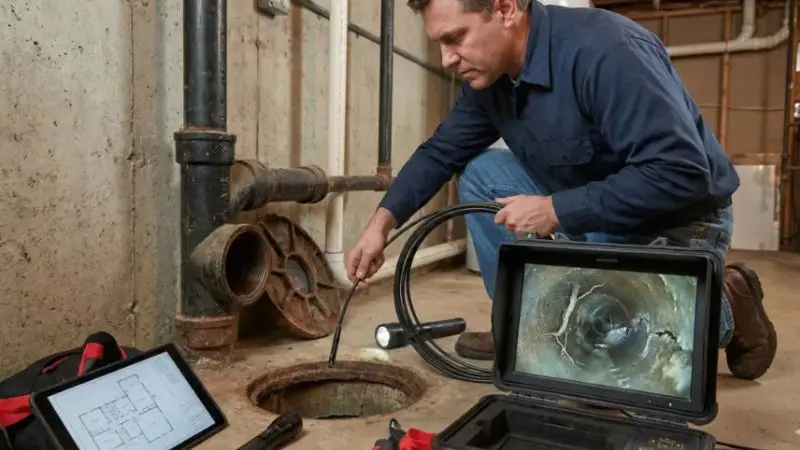
يمكن تقسيم عملية فحص خطوط الأنابيب إلى مراحل متميزة، مما يُسهّل فهم كيفية عمل أدوات الفحص. تهدف هذه الأدوات إلى فحص خطوط الأنابيب خطوة بخطوة لضمان عدم إغفال أي تلف أو عيب. من الإعداد إلى مراجعة البيانات النهائية، تُعدّ كل مرحلة بالغة الأهمية للحفاظ على سلامة خطوط الأنابيب وموثوقيتها.
شرح مفصل لكيفية استخدام أدوات فحص خطوط الأنابيب
التحضير هو نقطة البداية في عملية الفحص. أول ما يجب فعله هو فحص أدوات فحص خط الأنابيب للتأكد من سلامتها وكفاءتها بالنسبة لحجم ونوع الأنبوب. يضمن هذا الإجراء الحصول على نتائج سليمة وأداءً مثالياً.
يتم إدخال الأداة في الأنبوب بعد تجهيزه. عند استخدام جهاز مزود بكاميرا أو مستشعر، يتم توجيهه بحذر داخل الأنبوب. تتيح هذه الأدوات رؤية الحالة الداخلية في الوقت الفعلي، وتُعرض الصور أو القراءات على الشاشة مباشرةً. وهذا يمكّن من رصد المشاكل الظاهرة، مثل الشقوق أو الانسدادات، في وقت قصير.
تُعدّ هذه الأنظمة المتطورة، مثل "الخنازير الذكية"، أنظمة آلية بالكامل. فهي لا تخضع للتحكم اليدوي، وتقوم بمسح السطح الداخلي باستمرار، وتجمع المعلومات أثناء مرورها عبر خط الأنابيب. وتُناسب هذه الأنظمة خطوط الأنابيب الطويلة والمعقدة التي يصعب فيها الفحص اليدوي.
بعد الفحص، تُزال الأداة من خط الأنابيب. ثم تُحلل المعلومات التي جُمعت لتحديد حالة النظام وجدولة الصيانة أو الإصلاحات.
كيفية اكتشاف مشاكل خطوط الأنابيب داخل الأنابيب
تستخدم معدات فحص خطوط الأنابيب المختلفة تقنيات متنوعة لتحديد المشاكل داخلها. وتركز كلتا التقنيتين على تحديد أنواع محددة من التلف بناءً على تصميم الأداة واستخدامها.
يتم إجراء الفحص البصري باستخدام أنظمة تعتمد على الكاميرات. فهي تساعدك على رؤية الحالة الداخلية واكتشاف الشقوق أو التسريبات أو العوائق في الوقت الفعلي. تُستخدم هذه التقنية عادةً لإجراء عمليات فحص سريعة ومباشرة.
تُستخدم أدوات الاستشعار المغناطيسي للكشف عن التآكل وفقدان المعدن. وتُعد هذه الأدوات بالغة الأهمية في خطوط الأنابيب الصناعية، حيث تتعرض الأسطح المعدنية للتآكل بمرور الوقت. وعادةً ما تُدمج هذه المستشعرات في أنظمة التنظيف الذكية (Smart Pig) لتعزيز دقة الفحص.
تُستخدم أدوات تعتمد على الهندسة لتحديد التغيرات الفيزيائية في بنية الأنابيب. فهي قادرة على كشف الانبعاجات والانحناءات والانحرافات الشكلية التي قد تؤثر على أداء خط الأنابيب. هذه هي الأدوات اللازمة لتقييم استقرار خط الأنابيب.
تُعدّ الأجهزة الإلكترونية عالية التقنية، بما في ذلك تلك المستخدمة في معدات فحص خطوط الأنابيب لتحديد التآكل، واختبار سُمك الجدار، والكشف عن العيوب داخل الجدار التي لا تُرى بالعين المجردة، من العوامل التي تجعلها فعّالة للغاية في ضمان السلامة الصناعية.
كيفية جمع بيانات التفتيش واستخدامها
تقوم أدوات فحص خطوط الأنابيب، والتي تأتي على شكل قراءات من أجهزة الاستشعار ومقاطع فيديو وصور، بجمع البيانات باستمرار أثناء عملية الفحص. ويمكن لهذه المعلومات أن توفر فهمًا شاملاً لحالة الأنبوب.
أثناء مرور البيانات عبر النظام، يتم حفظها تلقائيًا في أجهزة Smart Pigs وGeoSense. ويمكن بعد ذلك تنزيل هذه المعلومات ومعالجتها، واستخدامها لوضع خطط الصيانة بعد إجراء الفحص.
تساعد هذه المعلومات المهندسين على تحديد الأجزاء المتضررة ومواقع الإصلاح. وفي بعض الأحيان، يكون من المفيد أيضاً مقارنة البيانات لمتابعة حالة خط الأنابيب والتنبؤ بالمشاكل المستقبلية.
يُعدّ جمع البيانات بشكل صحيح ضرورياً لإدارة خطوط الأنابيب بطريقة آمنة وفعّالة. فهو يضمن اكتشاف المشاكل مبكراً ويساعد في جعل النظام مستقراً على المدى الطويل.
كيفية اختيار أدوات فحص خطوط الأنابيب المناسبة
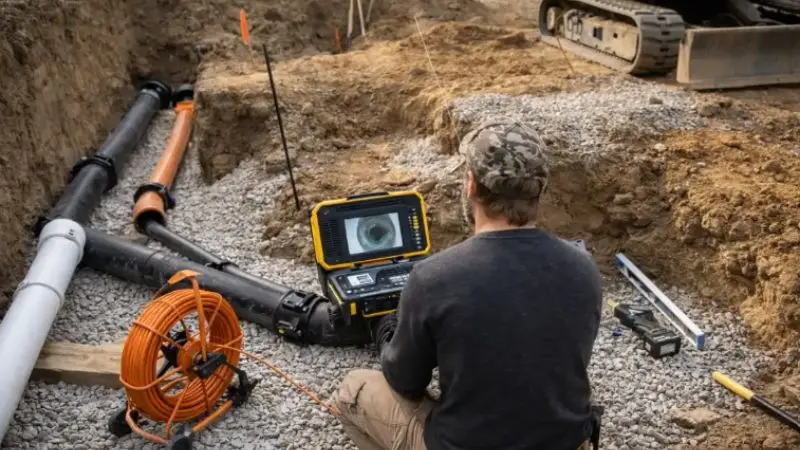
يُعدّ اختيار أدوات فحص خطوط الأنابيب المناسبة أمرًا بالغ الأهمية، إذ يؤثر على دقة الفحص والسلامة والكفاءة. تختلف خطوط الأنابيب في حجمها وموادها وحالتها، لذا يجب اختيار الأداة بعناية. سيساعدك القرار الصائب على تحديد المشكلات مبكرًا وتجنب الخسائر المكلفة على المدى البعيد.
لتبسيط العملية، ركز على ثلاثة جوانب رئيسية: مادة الأنبوب وحجمه، والغرض من الفحص، والميزانية.
1. اختر الأدوات بناءً على مادة الأنبوب وحجمه
أولاً، يجب فهم محتويات الأنابيب وحجمها. تختلف سلوكيات المواد المختلفة أثناء الفحص؛ لذا، تتطلب كل مادة أداة مناسبة لضمان الحصول على نتائج دقيقة.
تشمل جميع أنواع خطوط الأنابيب خطوط الأنابيب الفولاذية والبلاستيكية والخرسانية، ولكل منها بنيتها المميزة ومشاكلها الشائعة. لذا، يجب أن تتناسب طريقة الفحص مع نوع المادة لضمان الدقة.
A كاميرا الصرف الصحي يُعد هذا الجهاز مناسبًا بشكل خاص للأنابيب الصغيرة وأنظمة الصرف الصحي. وهو عبارة عن كابل مرن يمر عبر الأنبوب ويعرض فيديو مباشرًا، مما يُمكّنك من رؤية الانسدادات أو التسريبات أو التراكمات بسهولة دون الحاجة إلى الحفر أو إتلاف الأنبوب.
تتطلب خطوط الأنابيب الفولاذية عادةً معدات متطورة، مثل أجهزة التنظيف الذكية أو الأجهزة المغناطيسية، لفعاليتها في الكشف عن التآكل والأضرار الداخلية. أما كاميرات المجاري أو الأدوات اليدوية فهي الأكثر فعالية لفحص خطوط الأنابيب البلاستيكية، لأنها تتيح فحصًا دقيقًا للانسدادات والتسريبات. بينما تتطلب خطوط الأنابيب الخرسانية معدات مزودة بكاميرات وأجهزة استشعار لتحديد الشقوق ومواطن الضعف الهيكلية.
يُعدّ حجم الأنابيب عاملاً مهماً أيضاً. يجب أن تتناسب الأداة تماماً مع خط الأنابيب. فإذا كانت كبيرة جداً، فقد تعلق، وإذا كانت صغيرة جداً، فقد لا تتمكن من جمع معلومات كافية لإجراء فحص دقيق.
2. اختيار الأدوات بناءً على غرض الفحص
قبل اختيار أداة فحص خطوط الأنابيب المناسبة، يجب أولاً تحديد الهدف من الفحص بدقة. تشمل أهداف الفحص أنواعًا مختلفة من الأدوات، ويضمن اختيار الأداة المناسبة تحقيق نتائج مرضية.
تُعدّ كاميرا المجاري الخيار الأمثل لتحديد مواقع التسريبات أو الانسدادات، إذ تتيح لك رؤية ما بداخل الأنابيب مباشرةً، مما يمكّنك من تحديد مكان المشكلة بدقة دون الحاجة إلى تجربة.
تُعدّ الأدوات القائمة على أجهزة الاستشعار أو أنظمة التنظيف الذكية خيارًا أنسب عند الرغبة في الكشف عن التآكل أو التلف الداخلي، إذ تُتيح الحصول على معلومات تقنية إضافية غير مرئية. وتُستخدم هذه الأدوات على نطاق واسع في خطوط الأنابيب في الصناعات التي تُولي السلامة أهمية قصوى.
يمكن استخدام أدوات القياس الهندسي لتحديد المنحنيات أو الانبعاجات أو غيرها من التغييرات الهيكلية في خط الأنابيب لتحديد شكله أو موقعه، مما قد يؤثر على نعومته.
يُمكن الكشف عن تسربات أنظمة الصرف الصحي بشكل أكثر فعالية باستخدام كاميرات المجاري: حيث تُساعد أجهزة الكشف الذكية أو المعدات القائمة على أجهزة الاستشعار في رصد التآكل بشكل أفضل. ولا يُمكن قياس أشكال الأنابيب دون استخدام أجهزة قياس هندسية.
3. اختيار الأدوات بناءً على الميزانية
تُعد الميزانية عاملاً مهماً في اختيار أدوات فحص خطوط الأنابيب، حيث تختلف الأسعار باختلاف الميزات والتكنولوجيا.
تُعد الأدوات اليدوية هي الأرخص ويمكن استخدامها للفحص البسيط أو في أنظمة الأنابيب الصغيرة. كاميرات الصرف الصحي تندرج هذه الأنظمة ضمن الفئة المتوسطة، وتحقق توازناً جيداً بين السعر والأداء، وتوفر فحصاً بصرياً واضحاً. أما أنظمة "سمارت بيج" فهي الأغلى ثمناً، وتُستخدم في خطوط الأنابيب الكبيرة والمعقدة التي تتطلب دقة عالية وأتمتة كاملة.
يكفي إجراء فحص بسيط، ويتم العمل يدويًا. تُستخدم كاميرات المجاري عند الحاجة إلى وضوح الرؤية، ولكنها ليست باهظة الثمن. أما أجهزة التنظيف الذكية فتُستخدم في الصناعات ذات خطوط الأنابيب الطويلة التي تتطلب مراقبة دقيقة.
قد تكون تكلفة الأداة المناسبة مرتفعة في البداية، لكنها يمكن أن توفر في تكاليف الصيانة والإصلاح على المدى الطويل.
4. إرشادات بسيطة لاختيار الأداة المناسبة
عندما يفكر المرء بوضوح، يسهل عليه اختيار أدوات فحص الأنابيب المناسبة. أولًا، يجب دائمًا التحقق من مادة الأنبوب وحجمه للتأكد من توافقهما. ثانيًا، يجب محاذاة الأداة مع هدف الفحص للحصول على نتائج دقيقة ومفيدة.
تُعدّ كاميرات المجاري من بين الخيارات الأنسب لأنظمة الصرف الصحي وخطوط الأنابيب الصغيرة، إذ توفر صورًا واضحة ومباشرة دون الحاجة إلى الحفر. أما في حالة خطوط الأنابيب الصناعية، فتُعدّ الأنظمة القائمة على أجهزة الاستشعار و"الخنازير الذكية" أكثر ملاءمةً لقدرتها على إجراء تحليل داخلي معمق. ويجب مراعاة السلامة دائمًا، بما في ذلك أثناء العمل في خطوط الأنابيب تحت الأرض أو في الأماكن المغلقة.
في حال وجود أي لبس، قد يكون من الممكن اتخاذ القرار الصحيح من خلال مراجعة المواصفات الفنية أو طلب المساعدة من خبير.
إن اختيار أداة مناسبة يعزز الدقة، ويضيف الأمان، ويبسط عملية الفحص الشاملة، ويرفع من كفاءتها وموثوقيتها.
أين تُستخدم أدوات فحص خطوط الأنابيب في الحياة الواقعية
في معظم الصناعات التي يُعد فيها التدفق السلس والآمن للسوائل أو الغازات أمرًا بالغ الأهمية، تُستخدم أدوات فحص خطوط الأنابيب. تُفيد هذه الأدوات في تحديد المشكلات مُسبقًا، والحد من المخاطر، وتحسين أداء النظام. وفي حقول النفط، وكذلك في البنية التحتية للمدن، يُعد الفحص ضروريًا لمنع الأعطال وضمان السلامة.
فيما يلي الاستخدامات الرئيسية لهذه الأدوات في العالم الحقيقي.
1. فحص خطوط أنابيب النفط والغاز
تتميز خطوط أنابيب صناعة النفط والغاز بطولها وتعقيدها، كما أنها تنقل منتجات قيّمة للغاية، بل وخطيرة أحياناً. ولذلك، من الأهمية بمكان إجراء عمليات تفتيش دورية.
في هذا القطاع، تُستخدم أجهزة فحص خطوط الأنابيب للكشف عن التآكل والتشققات والتسريبات قبل أن تتفاقم. ويُعدّ استخدام أجهزة الفحص الذكية وأنظمة الاستشعار عالية التقنية شائعًا نظرًا لقدرتها على اختراق خطوط الأنابيب الطويلة وتوفير معلومات داخلية شاملة.
تُعدّ هذه الأدوات قابلة للتطبيق في كلٍّ من المنشآت الجديدة وشبكة خطوط الأنابيب القديمة. وسيساهم الكشف المبكر في تجنّب انسكاب النفط، وتقليل تكاليف الإصلاح، ومعالجة المخاوف المتعلقة بالسلامة.
أهم التطبيقات في هذه الصناعة هي أدوات فحص خطوط الأنابيب التي تستخدم للكشف عن التآكل، وتستخدم لمنع التآكل الداخلي لخطوط الأنابيب المعدنية بسبب الضغط والتعرض للمواد الكيميائية.
2. فحص خطوط أنابيب المياه والصرف الصحي
لا يجوز إيقاف تشغيل أنظمة المياه والصرف الصحي لأنها تشكل مخاطر صحية على الناس وتسبب تدهوراً بيئياً. ولهذا السبب يجب فحصها بشكل دوري.
تُعدّ أجهزة فحص خطوط الأنابيب، مثل كاميرات المجاري والفحص اليدوي، أدوات تُستخدم عادةً في فحص أنابيب الصرف الصحي للكشف عن الانسدادات والتسريبات وتغلغل جذور الأشجار. وتُعتبر أنظمة الكاميرات فعّالة بشكل خاص، إذ تُوفّر صورة واضحة لما بداخل الأنابيب دون الحاجة إلى الحفر.
يمكن أيضاً استخدام أجهزة الاستشعار الإلكترونية للكشف عن الشقوق الخفية أو ضعف جدار الأنابيب، خاصةً في الأنابيب القديمة. ستساعد هذه الأدوات فرق الصيانة على معالجة المشكلات قبل أن تؤثر على جودة المياه أو تعيق تدفقها.
من بين المشاكل الشائعة التي توجد في أنابيب المياه والصرف الصحي: التسرب في الأنابيب القديمة، وانسداد المياه بسبب الحطام أو جذور الأشجار، والتشققات في الأنابيب البلاستيكية أو الخرسانية.
3. فحص خطوط الأنابيب الصناعية
تمتلئ أنابيب المصانع الصناعية بالمواد الكيميائية والبخار والزيت وما إلى ذلك. وهي أنظمة ذات ضغط عالٍ تتطلب عمليات فحص متكررة لمنع حدوث أعطال.
تُستخدم معدات فحص خطوط الأنابيب في البيئات الصناعية لتحديد التآكل والتراكمات والتسريبات التي قد تؤثر على الإنتاج. وتُستخدم الأنظمة القائمة على أجهزة الاستشعار ووحدات التنظيف الذكية على نطاق واسع في خطوط الأنابيب المعدنية الكبيرة نظرًا لقدرتها على الحصول على قراءات داخلية دقيقة.
تُستخدم أدوات تعتمد على الكاميرات لمراقبة الأجزاء التي يصعب الوصول إليها من خطوط الأنابيب الصغيرة أو المعقدة. ويضمن هذا المزيج من الأدوات تغطية شاملة للنظام.
تُستخدم أجهزة الكشف الذكية بشكل متكرر للكشف عن التآكل في خطوط المواد الكيميائية، بينما تُستخدم أدوات الكاميرا للكشف عن التسريبات في خطوط البخار. تساهم عمليات الفحص الدورية في تجنب المفاجآت أثناء عمليات الإغلاق، وتعزيز سير العمليات الصناعية بسلاسة ودون انقطاع.
4. أنظمة خطوط الأنابيب في المدن والبلديات
تعتمد المدن على خطوط الأنابيب لتوصيل المياه والصرف الصحي والغاز. يجب أن تكون هذه الأنظمة آمنة وموثوقة في جميع الأوقات، لأنها تؤثر بشكل مباشر على صحة الناس وحياتهم اليومية.
تمتلك الأنظمة البلدية أدوات فحص خطوط الأنابيب للكشف عن الانسدادات والتسريبات والمشاكل الهيكلية قبل أن تؤدي إلى حالات طوارئ. كاميرات الصرف الصحي تُستخدم هذه الأدوات في عمليات فحص خطوط الصرف الصحي لتحديد الانسدادات بسهولة دون الحاجة إلى الحفر أو هدم الطرق والبنية التحتية.
تحتوي خطوط أنابيب الغاز على أجهزة استشعار إلكترونية للكشف عن تسربات الغاز وتوفير السلامة في المناطق السكنية والتجارية. كما تساعد عمليات التفتيش الدورية سلطات المدينة في التخطيط ومنع الأعطال غير المتوقعة في الأنظمة.
إن الحفاظ على أنابيب المياه البلدية في حالة جيدة يضمن إمدادات مياه نظيفة، وإدارة سليمة للنفايات، والسلامة العامة للمجتمع.
يتم إحتوائه
تُعدّ شبكات الأنابيب عنصرًا أساسيًا في الصناعات والمدن والحياة اليومية، ومن الضروري ضمان سلامتها. يُمكن تحقيق ذلك باستخدام أدوات فحص الأنابيب التي تكشف التسريبات والتآكل والانسدادات والأضرار الهيكلية في مراحلها المبكرة. كاميرات الصرف الصحي المستخدمة في أنظمة الصرف، وأجهزة التنظيف الذكية المستخدمة في خطوط أنابيب النفط والغاز، مُصممة خصيصًا لأغراضها. تُستخدم هذه الأدوات لتحسين السلامة، وتقليل تكاليف الصيانة، وإطالة عمر الأنابيب عند استخدامها بشكل صحيح. يضمن اختيار الأداة المناسبة للمادة والحجم والغرض من الفحص الحصول على نتائج دقيقة، ويُسهم في تجنب الأعطال المفاجئة في الأنظمة الصناعية والبلدية.
الأسئلة الشائعة
ما هي أفضل أداة فحص يمكن استخدامها على الأنابيب الصغيرة؟
يمكن القيام بذلك باستخدام كاميرا مثل M-Spector. فهي قادرة على الوصول إلى الأماكن الضيقة، وتوفر صورًا واضحة. استخدم كاميرا مرنة عند المنعطفات والزوايا.
كم مرة يجب عليك زيارة خطوط الأنابيب؟
يُنصح بفحص خطوط الأنابيب سنويًا تقريبًا. ويمكن فحص خطوط الأنابيب عالية الخطورة كل بضعة أشهر. تُمكّنك عمليات الفحص المنفصلة من منع التسربات والأضرار.
هل ستحتاج إلى تدريب على كيفية استخدام أداة الفحص؟
أنت بحاجة إلى تدريب أساسي على استخدام الأدوات اليدوية. هناك أدوات متطورة أخرى، مثل "الخنازير الذكية"، والتي تتطلب شهادة أو تدريبًا. سيضمن لك التدريب سلامتك ويُمكّنك من تحقيق النتائج المرجوة.
ماذا يجب أن تفعل عندما تعلق أداتك في الأنبوب؟
يجب سحب الأداة للخلف بحذر. استخدم أداة أصغر عند الحاجة. ادفع الأداة دائمًا. اطلب المساعدة إذا لم تتمكن من إنزالها.