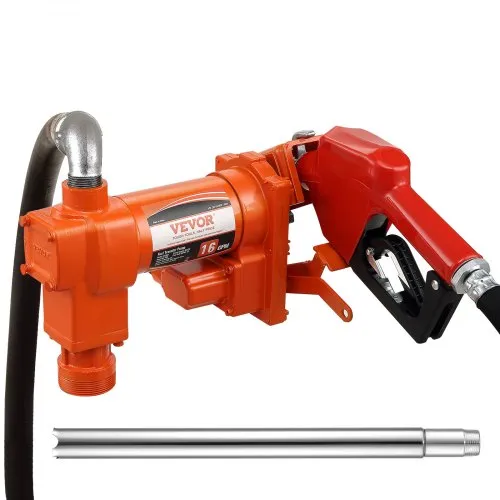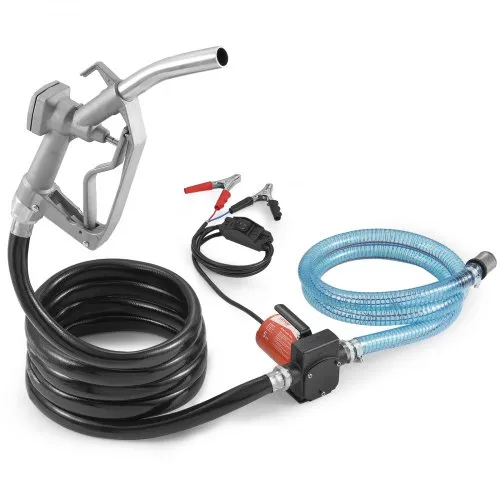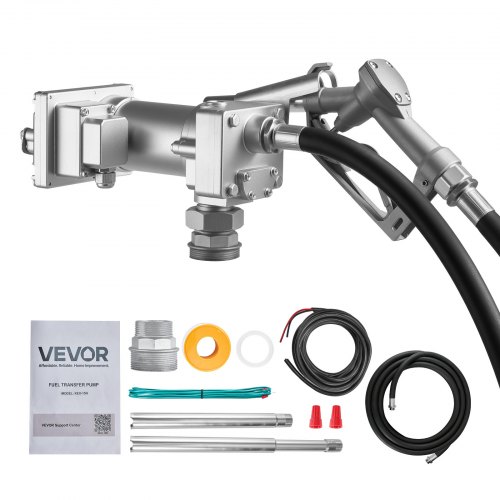



To safely and efficiently move fuel, oil, or DEF requires the right pump for the job, not just any pump that happens to be on hand. VEVOR’s fluid transfer pumps cover the entire range, from DC- and AC-powered pumps, diaphragm and pneumatic pumps, to manual pumps and specialized pumps for waste oil, urea, and petrol extraction. Wherever you're working, refueling equipment in the field or managing DEF at a fleet facility, this collection gives you the power type and flow rate to match the fluid and the job, no guesswork.
Are you looking for a DC fuel transfer pump for field applications or a stationary AC-powered unit for shop work? Fluid type, power access, and frequency of use all change what works best. VEVOR’s line of fluid transfer pumps is designed around these real-world applications, so you can choose the right pump for the fluid you’re transferring, rather than guessing flow rate or compatibility. This lineup covers nearly every fluid-handling scenario a shop or field crew encounters, from portable diesel transfer pumps to pneumatic diaphragm pumps designed for continuous duty.
The two most important considerations for selecting the right fluid transfer pump for your application are how the pump is powered and which fluid it transfers. Here’s a breakdown of VEVOR’s fluid transfer pumps by power type and application:
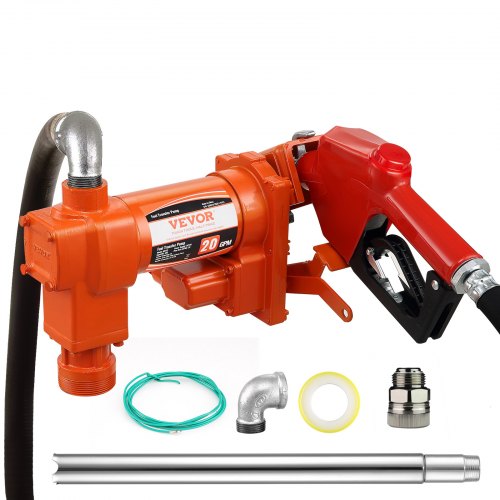
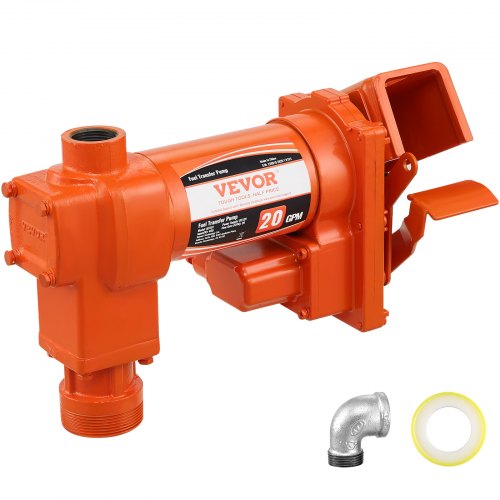
DC fuel transfer pumps run directly on a 12V or 24V vehicle battery, making them ideal for refueling equipment, trucks, or tanks in the field when no wall outlet is available. VEVOR DC fuel transfer pumps are popular on farms, job sites, and fleet operations where diesel or petrol needs to be transferred from a bulk tank into individual vehicles throughout the day. These fluid transfer pumps are powered by an existing battery source, so they do not need a generator or nearby electrical hookup, which is a big deal for remote refueling stations.
DC fuel transfer pumps typically flow at around 10 to 25 gallons per minute, depending on the model. Matching that flow rate to the volume of fuel you really need to transfer will save you the time and money of purchasing a pump with more capacity than you will ever need. Portable diesel transfer pumps also fall into this DC category, built compact enough to mount on a truck bed or trailer for on-the-go fuel transfer between job sites. A DC-powered fluid transfer pump remains one of the most practical solutions for fleet operators who need regular refueling away from a fixed station.
AC fuel transfer pumps plug into standard or heavy-duty electrical outlets and are a good choice for fixed installations like shop bays, warehouses, or fuelling stations with reliable power. VEVOR AC fuel transfer pumps can often provide higher sustained flow rates than battery-powered counterparts, since a vehicle battery's output doesn't limit them and they can run continuously without draining a secondary power source. That makes AC-powered fluid transfer pumps a great choice for facilities that have to move large volumes of fuel on a regular schedule.”
The downside to AC fuel transfer pumps is that they are not mobile. These units must be plugged into an outlet and aren't typically built to move from location to location as a DC pump can. If you have a shop with a dedicated fuelling area or bulk tank setup, this isn’t a real limitation. But if you have field crews that need to move a pump from site to site, a DC or manual option usually makes more sense. Most of the time, the choice between AC and DC depends on whether the pump will stay put or move with the job.
Diaphragm pumps use a flexible membrane to move fluid, making them ideal for pumping thicker, more viscous liquids that struggle through a standard impeller-style pump. VEVOR’s diaphragm pumps can handle a wider range of fluids than dedicated fuel pumps and therefore tend to be popular in environments where a single fluid transfer pump has to move more than just petrol or diesel during its working life. This versatility means fewer moving parts that abrasive or chemically aggressive fluids may damage.
Pneumatic diaphragm pumps take this a step further by using compressed air instead of electricity, which is a major benefit where sparking electrical components pose a safety risk around flammable vapors. These fluid transfer pumps are common in industrial environments because they can utilize existing compressed air lines, eliminating the need for a separate electrical circuit. Pneumatic diaphragm pumps also tend to run cooler than some electric motors when used heavily over long periods. Pneumatic diaphragm pumps are a good choice for facilities that run fluid transfer operations for long periods of time each day.
Manual fuel transfer pumps are electrically independent and use a hand crank or lever action to move fluid from one container to another. These fluid transfer pumps make sense for infrequent use, emergency backup situations, or anyone who doesn’t want to be at the mercy of battery charge or outlet access for occasional fuel transfer. While usually you’ll be using a powered pump to transfer your fuel, VEVOR’s manual fuel transfer pumps are small, cheap, and require virtually no maintenance, so they’re a smart addition to your truck or shop.
Petrol extractor pumps fulfill a similar but more specialized purpose and are designed to suck petrol from a tank rather than push it into one. These are ideal for draining old or contaminated fuel, transferring petrol from one vehicle to another, or emptying small-engine tanks before putting them away or working on them. Petrol extractor pumps are usually manual or simple electric types, making them a comparatively inexpensive piece of equipment that makes good sense to have on hand for shops that primarily use larger DC or AC fluid transfer pumps for everyday fuelling needs.
Beyond power type and fluid use, flow rate and specific features also affect how well a pump works for your exact use case.
One of the first specs you’ll check on any fluid transfer pump is flow rate. Too small a pump, and a quick fill-up becomes a long wait; too big a pump, and you waste money on capacity you rarely need. Be careful with DEF pumps and urea dosing pumps. Diesel exhaust fluid is corrosive to standard pump materials and requires parts rated for urea compatibility. VEVOR DEF pumps and urea transfer pumps are constructed from stainless steel and other compatible materials to prevent the corrosion problems that a conventional fuel pump would experience over time.
Waste oil transfer pumps serve a different purpose: they handle thicker, dirtier liquids during oil changes or when removing large quantities of waste oil, without clogging like a standard fuel pump might. Electric high-pressure fuel pumps and fuel pump module assemblies are more specialized vehicle applications, usually for direct fuel system replacement or upgrade work, rather than general bulk transfer. Checking fluid compatibility against your specific pump matters more than almost any other spec, since using the wrong fluid transfer pump with an incompatible liquid can quickly damage seals and internal components.
Material construction plays a big part in a fluid transfer pump's lifespan in regular operation, particularly for pumps used to transfer corrosive or abrasive fluids such as DEF, urea, or waste oil. Stainless steel and chemically resistant polymer parts resist repeated exposure to these fluids much better than basic metal parts. Checking material compatibility against your specific application will prevent early pump failure. If you run fluid transfer pumps every day in a commercial or fleet application, check material compatibility ahead of time to save real money over the pump's working life.
Be honest with yourself before you buy about how much you will use it, what sort of fluid it will handle, and whether power is available at the point of use. A rugged DC fuel transfer pump is best suited for a field crew that refuels trucks on a daily basis, while the AC powered unit that delivers a higher sustained flow is better suited for a fixed shop location with consistent volume. For occasional or backup use, a manual pump or a petrol extractor kept in reserve is usually sufficient. Making the upfront investment and the ongoing maintenance more palatable is choosing the right pump for your actual usage pattern, not the biggest and baddest model.
VEVOR’s fluid transfer pumps cover field, shop, and fleet applications, from DC and AC fuel transfer pumps to diaphragm, DEF, and waste oil pumps, without the inflated pricing other brands attach to reliable fluid-handling equipment. Reliable after-sales support keeps you covered long after you buy each pump. Don’t wrestle with the wrong pump for the job. Shop VEVOR’s fluid transfer pumps today and find the perfect fit for your power source and application.
No. DEF will corrode standard pump materials. Always use a stainless steel or compatible material DEF or urea transfer pump to prevent damage.
DC pumps run on vehicle batteries for field and mobile use. AC pumps plug into an outlet and provide higher sustained flow for a fixed shop or facility location.
Yes. Pneumatic diaphragm pumps are powered by compressed air rather than electricity, so they do not pose the same spark risk as electrical pumps when used in the presence of flammable vapors.
Yes. Diaphragm pumps are much more versatile than pumps designed for petrol or diesel alone. They can pump a greater variety of fluids, including thicker or more viscous liquids.
Yes, for occasional use. DC, AC, or pneumatic-powered pumps move fluid faster than manual pumps, but manual pumps don't require a power source and need little maintenance.