Elledningar är avgörande för att säkerställa säkerheten i hem, kontor, fabriker och elektroniska apparater. Oavsett om du installerar ny belysning, nya apparater eller arbetar med ett byggprojekt måste du välja rätt typ av elkabel. Det finns en en mängd olika elektriska ledningar som du kan hitta i hem eller butiker. Varje tråd fyller ett viktigt syfte. Ström levereras till uttag via vissa trådar. Andra trådar länkar samman enheter eller lampor. När du känner till typerna av elkablar och deras användningsområden är du säker från olyckor. Du iakttar också säkerhetsåtgärder vid kabeldragning. När du väljer rätt tråd är människor säkra. Den skyddar också byggnader och sånt. Ditt projekt blir säkrare och fungerar bättre. Du lär dig om de vanligaste typerna av elkablar i den här omfattande guiden. Den täcker också viktiga begrepp som trådtjocklek, strömstyrka, säkerhetsklassning och vanliga fallgropar att undvika när du väljer rätt elkablar.
- Huvudtyper av elektriska ledningar som används i hem och industrier
- Typer av elektriska ledningar baserat på spänningsklassificering
- Elektriska trådtyper baserade på isoleringsmaterial
- Förstå specialelektriska ledningar: Användningsområden och fördelar
- Hur man väljer rätt typ av elektrisk ledning
- Vanliga misstag att undvika när man väljer elektriska ledningar
Huvudtyper av elektriska ledningar som används i hem och industrier
Om du arbetar med elarbeten är det viktigt att förstå de viktigaste typerna av elektriska ledningar. Dessa kablar kan hittas i både hushålls- och kommersiella projekt. Det finns några specifika användningsområden för varje. Säker och pålitlig service kräver att du väljer rätt kabel.
Solid tråd vs. tvinnad tråd
Solid tråd och fåtrådig tråd kan hittas på många ställen. Solid tråd är en stor, tjock tråd. Den är lämplig för användning i elinstallationer i bostadshus. Den används för allmänna elinstallationer i väggar. Fjädrad tråd innehåller många tunna trådar som är tvinnade ihop och är flexibel. Den används i kommersiella maskiner eller områden som rör sig. Tjockleken på båda typerna av elektriska ledningar i heminstallationer måste kontrolleras. Tjockleken används för att beskriva trådens tjocklek. Ju tjockare tjockleken är, desto större effektflöde. Matcha alltid tjänster med tjockleken. Om tjockleken är för liten kommer värme och fara att uppstå. Funktionen är utformad för att förklara skillnader på ett lättförståeligt sätt, så att användare kan fatta bättre informerade och försiktiga beslut när de arbetar med sina projekt. Den gör också livet enklare för användaren genom att effektivisera trådvalsprocessen.
Icke-metalliskt mantlad kabel (NM-kabel)
Du kommer att se att NM-kabel är en av de vanligaste typerna av elektriska ledningar i bostadsinstallationer. Två eller flera ledningar är inneslutna i plast i denna kabel. Den har en yttre mantel som hjälper till att förhindra skador på ledningarna av ljus. Den upprätthåller också korrekt organisation av de elektriska ledarna. Säker i torra utrymmen. Den används för uttag, lampor och allmänna ledningsapplikationer. NM-kabel kan enkelt kapas och installeras inuti väggar. Tjockleken och antalet ledningar måste kontrolleras. NM-kabeln fungerar inte för underjordisk förbindelse. Den används ofta för sin enkla installation och överkomliga pris, och den är säker när den installeras korrekt. Den här funktionen förklarar vad NM-kabel är och varför den är viktig. Den hjälper användare att fatta bättre beslut om elprojekt för sina hem. Den gör det också möjligt för användare att snabbt förstå hur man använder den här kabeln och förstå dess syfte.
Underjordisk matarkabel (UF)
Om du vill dra en tjänst under jord bör du använda UF-kabel. Denna kabel är välisolerad och vattentät, vilket håller vatten och smuts borta. Den används för underjordisk ledningsdragning till utomhusbelysning, skjul eller garage. UF-kablar kan användas i bostäder eller kommersiella applikationer. Vissa typer av elkablar och deras användningsområden, till exempel att göra utomhuselinstallationer enklare och bekvämare. Kontrollera belastningen på mätaren och använd inte NM-kabel i underjordiska applikationer. Funktionen kommunicerar tydligt UF-kabelns funktion till användaren och hjälper dem att välja lämplig lösning för sina ledningsprojekt, underjordiska och utomhusuttag. Hjälper användarna att få förtroende och känna sig mer bekväma med att planera elarbeten utomhus.
kOAXIAL~~POS=TRUNC
Du använder en koaxialkabel för TV och internet. Den här kabeln har en mitttråd, isolering och en metallskärm som blockerar externa signaler. Det innebär att användarna kan njuta av tydligare TV-bilder, stabilare internetanslutningar och bättre ljudkvalitet. Denna typ av elkablar används i hus, bostäder och kommersiella byggnader. Koaxialkabeln har ingen ström till uttag. Den är speciellt utformad för att minska signalförlust och externa störningar. Du måste kontrollera mätaren för rätt signalstyrka. Den här funktionen hjälper användarna att förstå vikten av att välja rätt typ av koaxialkabel för sin miljö. Det sparar också tid vid felsökning av anslutningsproblem.
Kabel med tvinnat par
Du använder partvinnad kabel för telefon- och nätverkstjänster. Denna kabel har två eller flera trådar tvinnade ihop. Den stoppar ljud utifrån. Du ser den i både bostads- och kommersiella tjänster. Du måste kontrollera tjockleken för att säkerställa rätt datahastighet. Tvinnad partvinnad kabel fungerar för både inomhus- och markanvändning. Du måste alltid använda rätt kabel för jobbet. Fel kabel kan orsaka dålig service eller till och med brand. Nu känner du till de viktigaste typerna av elkablar för byggnadskonstruktion. Du kan välja rätt kabel för ditt bostads- eller kommersiella projekt. Du bör alltid kontrollera tjockleken, användningen och tjänstetypen. Denna funktion hjälper användarna att förstå att kabeln är speciellt utformad för att bära datasignaler tydligt och tillförlitligt.
Typer av elektriska ledningar baserat på spänningsklassificering
När du beställer elektrisk kabel, var noga med att kontrollera spänningsklassificeringen. Spänningsklassificeringen är den maximala spänning som kabeln tål. Amperevärdena bör också kontrolleras. Mängden ström en kabel säkert kan bära kallas dess amperevärde. Att använda fel kabel kan göra att den blir varm och starta en brand.
Lågspänningskablar
Lågspänningskablar är till för dörrklockor, termostater och trädgårdsbelysning. Dessa kablar fungerar med system som arbetar på 50 volt eller mindre. De flesta lågspänningskablar har tunn isolering. Du ser dem i många hem. Du kontrollerar alltid strömstyrkan innan du använder dessa kablar. Lågspänningskablar har lägre strömstyrka, så överbelasta dem inte. Du får endast använda lågspänningskablar för små saker. Använd dem inte för uttag eller stora apparater. Dessa typer av elkablar används i hem, kontor, trädgårdar och elektroniska enheter. De används för saker som dörrklockor, säkerhetssystem, internetkablar, trädgårdsbelysning, termostater, högtalare och smarta hemenheter. De flesta lågspänningssystem arbetar på 50 volt eller mindre, vilket gör dem säkrare att hantera och enklare att installera för många vardagliga tillämpningar.
Mellanspänningskablar
Mellanspänningskablar fungerar vid 600 volt till 35 000 volt. De är utformade för större elsystem som kräver mer effekt än vad vanliga bostadskablar klarar av. Du hittar dessa typer av elkablar i hem, fabriker, skolor och stora byggnader. Du måste kontrollera strömstyrkatabellen för varje kabel. Mellanspänningskablar har tjock isolering. Detta skyddar kabeln från värme och skador. Använd inte mellanspänningskablar i ett vanligt hem. Funktionen förklarar att korrekt isolering och kabelkonstruktion hjälper till att minska risken för överhettning, elfel eller kortslutning. Den hjälper användarna att förstå varför specialiserade kablar är nödvändiga för större kraftsystem. Den förklarar också hur mellanspänningskablar fungerar och varför de är viktiga.
Högspänningskablar
Högspänningskablar har mer än 35 000 volt. Du ser dessa kablar på kraftledningar och i elverk. Högspänningskablar har den högsta strömstyrkan. Endast utbildade arbetare bör vidröra dessa kablar. Du måste använda specialverktyg och säkerhetsutrustning. Du måste aldrig använda högspänningskablar i något hem. Dessa kablar används i system som flyttar elektrisk kraft från kraftverk till städer, fabriker, kommersiella byggnader och grannskap. Du måste alltid matcha strömstyrkan med ditt projekt. Att använda fel strömstyrka kan orsaka allvarliga olyckor. Nu vet du hur spänningsklassning och strömstyrka hjälper dig att välja kabel. Kontrollera alltid etiketten och diagrammet innan du påbörjar något elarbete.
Elektriska trådtyper baserade på isoleringsmaterial
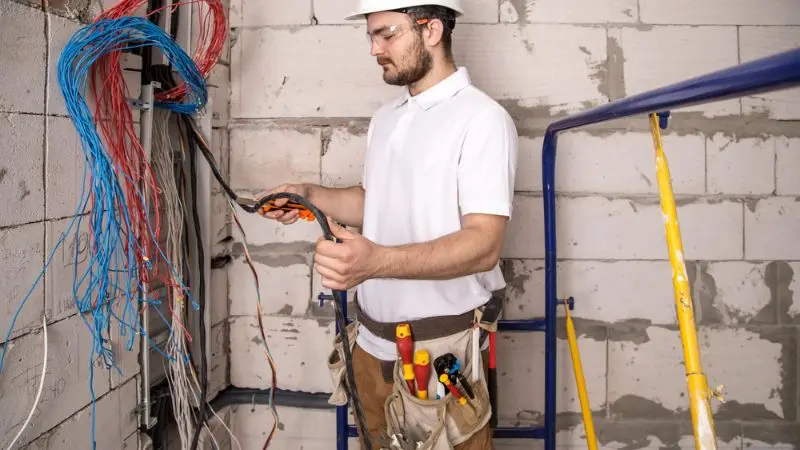
Det är viktigt att känna till isoleringen på olika typer av elektriska ledningar som används i hus. Isolering skyddar dig mot elektriska stötar. Den skyddar också ledningar från värme, vatten och kemikalier. Du bör välja rätt isolering för ditt projekt. Varje isoleringsmaterial har sina egna speciella egenskaper.
PVC-isolerade ledningar
Många ledningar i hem och kontor har PVC-isolering. PVC-isolering fungerar som ett skyddande lager runt metallledaren inuti tråden. Metalldelen leder elektricitet, medan PVC-höljet hjälper till att förhindra elektriska stötar, kortslutningar, fuktskador och kabelslitage. Du ser dessa ledningar i lampor, uttag och apparater. PVC står för polyvinylklorid; denna isolering håller vatten och kemikalier ute. Du kan böja PVC-isolerad tråd utan problem; den är bra att använda inuti byggnader. Använd inte PVC-isolering där den blir mycket varm – dessa vanliga typer av elkablar i bostadsledningar har isolering som smälter om de blir för varma. Du använder PVC-isolerade ledningar för de flesta ledningsjobb; de är billiga och håller länge på torra platser. Denna funktion hjälper användarna genom att förbättra medvetenheten om elsäkerhet.
Gummisolerade ledningar
Gummiisolering ger extra säkerhet; dessa kablar har en gummibeläggning runt metallledaren som leder den elektriska strömmen. Detta gummilager fungerar som en skyddande sköld som hjälper till att förhindra elektriska stötar, ledningsskador och kortslutningar. Du hittar gummiisolerade kablar i varma eller våta miljöer. Gummiisoleringen förblir mjuk och går inte sönder när den böjs. Denna typ av elektriska kablar används i hus, kök, badrum och utomhus. Denna isolering håller vatten och olja borta från kabeln. Du måste alltid kontrollera etiketten för rätt temperaturklassning. Denna funktion hjälper användarna att förstå att denna flexibilitet gör gummiisolerade kablar idealiska för många krävande tillämpningar.
Teflontrådar (PTFE)
Teflonisolering ger starkt skydd. PTFE står för polytetrafluoreten. Du använder teflonisolerad tråd i laboratorier, fabriker och andra kemikaliehanteringsmiljöer. Teflonisolering tål hög värme och starka kemikalier. Du kan använda teflonisolerad tråd i tuffa utrymmen. Denna isolering smälter eller bränns inte lätt. Använd teflonisolering för bästa säkerhet. Teflonisolerade trådar kostar mer men erbjuder bättre skydd och håller längre. Nu vet du hur isolering påverkar de typer av elektrisk tråd som används i byggnadskonstruktioner. Välj rätt isolering för ditt projekt. Kontrollera alltid etiketten och säkerhetsklassificeringen innan du börjar. Denna punkt förklarar hur PTFE-trådar fungerar och varför de är värdefulla, vilket hjälper användare att välja säkrare och mer hållbara elektriska lösningar.
Förstå specialelektriska ledningar: Användningsområden och fördelar
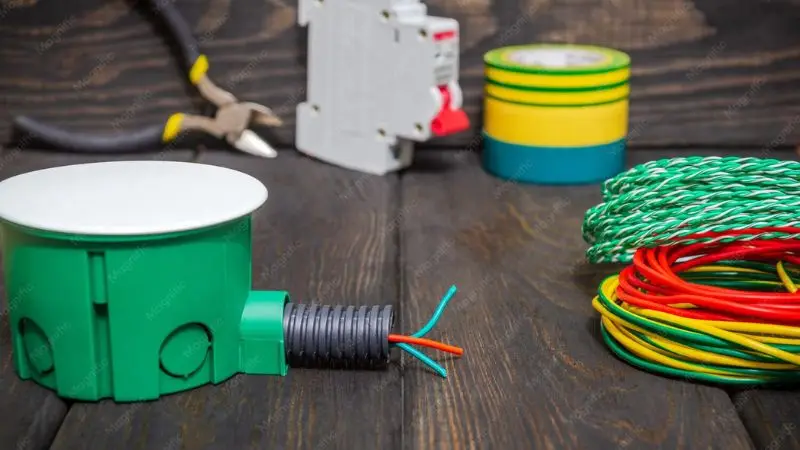
Specialkablar används i situationer som kräver specifika egenskaper som inte uppfylls av vanliga elektriska kablar. De används för att få vanliga kablar att fungera. Varje typ är säkrare eller gör att kabeln kan böjas för specialapplikationer. Generellt sett, med korrekt användning, erbjuder specialkablar bättre säkerhet, hållbarhet och prestanda.
Brandsäkra ledningar
Vilka speciella typer av elkablar finns det och deras användningsområden? Brandsäkra kablar skyddar människor och saker vid brand. Du ser kablar i larm, brandpumpar och nödutgångar. Isoleringen brinner inte snabbt. Den fortsätter att fungera även när den blir mycket varm. Du bör använda brandsäker tråd där säkerhet är som viktigast. Dessa kablar är tillverkade av material som motstår flammor och fortsätter att fungera under en viss period, även under en brand. Till skillnad från vanliga kablar, som kan smälta snabbt under extrem värme, är brandsäkra kablar utformade för att fortsätta bära elektricitet under nödsituationer. Denna funktion hjälper användarna genom att förbättra den övergripande brandsäkerhetsmedvetenheten. Du bör alltid kontrollera dina lokala regler innan du installerar brandsäker tråd. Vissa byggnader måste ha det enligt lag.
Pansrade kablar
Armerade kablar skyddar kablar från att skadas. Dessa kablar har ett metallhölje runt kabeln. Metallen förhindrar att vassa föremål skär av de olika typerna av elektriska kablar som används i hemelektronik. Armerade kablar används i garage, fabriker och utomhus. De är bra för platser där människor kan trampa på eller slå i kabeln. Armerade kablar minskar denna risk genom att lägga till ett extra skyddslager runt kablarna. Den här funktionen förklarar hur armerade kablar fungerar och varför de är användbara. Den hjälper användare att välja säkrare och mer hållbara kabellösningar för bostads-, kommersiella och industriella projekt. Den hjälper också användare att förstå när man ska använda armerade kablar.
Flexibla sladdar
Flexibla sladdar kopplar ihop saker som rör sig. Du ser dessa sladdar på lampor, apparater och elverktyg. Tråden inuti böjs och går inte av. Flexibla sladdar hjälper dig att flytta eller förvara dina saker. Du bör inte använda en flexibel sladd som en permanent sladd i en byggnad. Du kontrollerar alltid etiketten för att säkerställa att den flexibla sladden uppfyller din enhets strömkrav. Nu vet du om tre typer av elkablar för specialjobb. När du väljer rätt specialkabel kommer ditt projekt att vara säkert och fungera bra. Dessa sladdar är utformade för att böjas lätt utan att gå av, vilket gör dem idealiska för utrustning som behöver flyttas eller omplaceras ofta.
Hur man väljer rätt typ av elektrisk ledning
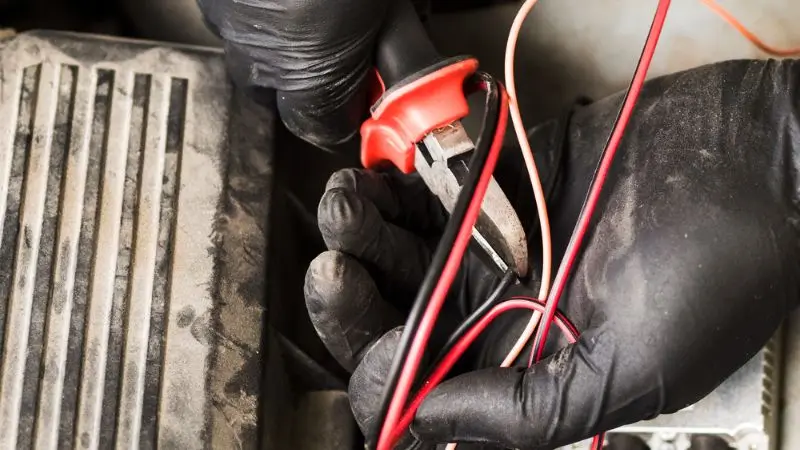
Det finns flera faktorer att beakta när du väljer den bästa elektriska kabeln, inklusive lastkapacitet, spänning och trådtjocklek. Det är viktigt att välja rätt kabelstorlek för att klara den elektriska belastningen den ska bära, för att hålla den säker och förhindra överhettning. Sist men inte minst, att beakta kostnad och hållbarhet hjälper dig att välja kablar som inte bara är budgetvänliga utan också lämpliga för dina projektkrav.
Med tanke på lastkapacitet och spänning
När du väljer en kabel är det viktigt att först testa dess belastnings- och spänningsklassificering. Belastningskapaciteten är den mängd elektricitet som kan flöda genom kabeln. Elektricitetens tryck indikeras av spänningen. Den kan överhettas och orsaka brand om fel kabel används. Använd alltid kabeltjocklek och strömstyrka. Denna tabell visar sambandet mellan kabelstorlek och projektet. Till exempel är en tjockare kabel kraftfullare. Tjockare typer av elkablar används i byggnadskonstruktioner och för stora apparater. Mindre kablar används för små apparater och små lampor. Så du vet att när det gäller vilken typ av kabel som ska användas måste du ta hänsyn till strömmen och spänningen i systemet. En etikett på kabeln MÅSTE kontrolleras hela tiden – en identifierare för spänningsklassificering och strömstyrka.
Miljöfaktorer (inomhus vs utomhusbruk)
Platsen där kabeln ska installeras måste beaktas. Inomhuskretsen är vanligtvis utformad för ett sovrum, kök, kontor, vardagsrum eller annat torrt, skyddat område. De typer av elkablar som används i hus och för utomhusbruk kräver stark isolering mot vatten och solljus. Inomhus försämras kablar snabbt när de utsätts för utomhusbruk. För användning under jord, använd en kabel med härdad isolering. Om du utför elarbeten i ditt hem kommer du att hantera inomhusel, men om du arbetar med elprojekt utomhus behöver du speciell elkablar. Detta hjälper till att säkerställa att användaren inte gör misstag som kan skada elsystemet eller utgöra en säkerhetsrisk.
Säkerhetsstandarder och certifieringar
Alla säkerhetsstandarder och certifieringar måste kontrolleras hela tiden. Certifierade kablar omfattas av höga säkerhetsstandarder och kommer att bära en säkerhetscertifieringsmärkning som UL eller CSA. Märkena anger resultaten av brand- och stöttester och visar att kabeln är motståndskraftig mot dessa förhållanden. Certifierad kablage säkerställer säkerheten för din egendom hemma och på ditt företag. Undvik att använda certifierad kabel. Om kabeln inte är säker att använda under normala elektriska belastningar kan certifieringarna rapportera den som osäker. Om kabeln inte är säker att använda under normala elektriska belastningar kan certifieringarna rapportera den som osäker. Det är därför dessa säkerhetsstandarder finns här för att hålla dig och din egendom säkra.
Kostnad kontra hållbarhetsfaktorer
Tänk på både budget och hållbarhet. Billigare kablar är mer ekonomiska för tillfället, men kommer inte att hålla länge. De starkaste kablarna kommer att kosta mer, men de kommer inte att skadas av värme, vatten eller skador. I större projekt kommer du sannolikt att välja hållbara, lämpliga elkablar för heminstallationer. Använd en billigare typ av kabel om du behöver använda en kabel tillfälligt. Tänk på hur länge du vill att kabeln ska hålla.
- Använd högkvalitativ tråd för långvariga installationer.
- Använd billigare tråd om det är under en kort period.
Nu vet du hur du väljer rätt tråd för ditt projekt. Tråden kan anpassas till belastning, miljö, säkerhet och budget.
Vanliga misstag att undvika när man väljer elektriska ledningar
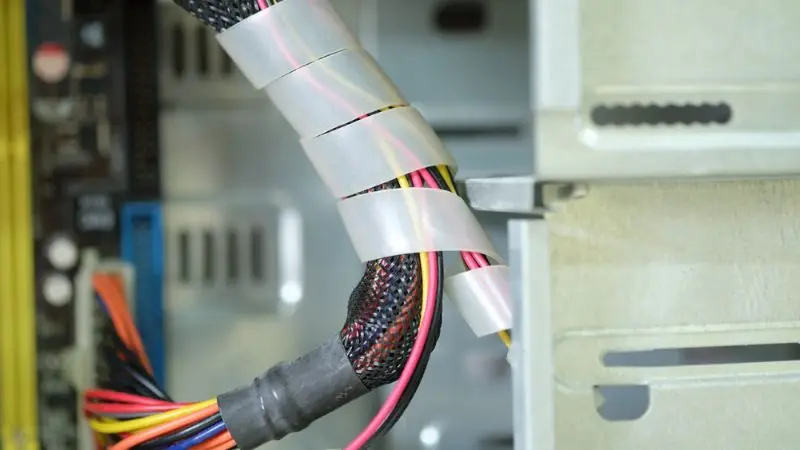
När du väljer elektriska ledningar vill du undvika vanliga fel. Dessa fel kan leda till säkerhetsproblem, ekonomiska förluster eller till och med brand. Ta reda på vad dessa fel är och fatta välgrundade beslut för ditt framtida projekt. Användare kan få säkrare, mer tillförlitliga och mer hållbara elektriska installationer genom att undvika misstag.
Ignorera kraven på trådtjocklek
Många glömmer att kontrollera trådtjockleken. Trådens tjocklek kallas gauge. Om du väljer en vanlig typ av elektrisk tråd i bostadsinstallationer som är för tunn kan den överhettas. Trådar kan bli varma och orsaka brand. Använd alltid rätt trådstorlek för enhetens elektriska krav. Använd en tabell för att bestämma rätt storlek. En köksugn kräver till exempel en tjockare tråd än en lampa. Läs etiketten på trådförpackningen. Etiketten anger trådens tjocklek och bärförmåga. När användaren är bekant med detta ämne kan de fatta mer medvetna beslut när de använder elektricitet och undvika allvarliga faror.
Använda inomhuskablar utomhus
Alla kablar är inte likadana. Inomhuskablar är inte välisolerade. Dessa används huvudsakligen i torra och skyddade områden i byggnader och hem. Utomhuskablar kan skadas av regn, sol och smuts om de används utomhus. Felaktiga kablar kan vara icke-funktionella eller orsaka elektriska stötar. Det är alltid bättre att använda en utomhusklassad elkabel när man drar el i ett hus, en trädgård, ett garage eller ett skjul. Förhållandena under vilka inomhus- och utomhuskablar används skiljer sig avsevärt åt. Detta hjälper användare att inse att olika miljöer kräver olika typer av elkablar som används i hem.
Bortsett från isoleringskvaliteten
Isolering skyddar dig från elektriska stötar. Andra väljer en sämre kvalitet på ledningen med dålig isolering. Dålig isolering kan spricka eller smälta. Detta kan leda till att metallen inuti exponeras och olyckor uppstår. Det är alltid bäst att kontrollera typen och kvaliteten på den isolering du köper. Långvarig isolering är en säker isolator. Om du kan undvika dessa fallgropar blir ditt elarbete säkrare och mer pålitligt. Ta dig alltid tid att kontrollera vilka typer av elledningar och deras användningsområden som är lämpliga för platsen, och välj bra isolering. Bra isolering kan vara dyrt, men det håller ditt hem och din familj säkra.
Sammanfatta
Det är viktigt att förstå vilka typer av elkablar som är säkra och effektiva att använda i ett jobb. Om du väljer lämpliga typer av elkablar för användning i byggnadskonstruktioner skyddar du inte bara ditt projekt utan även ditt hem. Säkerhetsregler följs och varje kabel måste kontrolleras innan den installeras i ett bostadsjobb. Vid tveksamhet, rådfråga en fackman eller lokala föreskrifter. Varje kabeltyp har en specifik användning, och varje tillämpning bör använda rätt typ av kabel. Att fatta rätt beslut om val av elkablar handlar om mer än bara funktion; det handlar om säkerhet för människor, egendom och utrustning. Den här guiden gör det möjligt för användare att fatta välgrundade beslut för att säkerställa säkrare och mer effektiva elektriska installationer. Om du arbetar med ett nytt projekt kan du använda den som referens.
FAQ
Vilken av trådarna är säkrast att använda hemma?
Störst möjliga användning inomhus i hemmet bör göras med NM-kabel. Denna kabel är hårdisolerad och har klarat säkerhetstestet. Se alltid etiketten för certifieringsmärken.
Vilken storlek på tråd behöver du?
Kabeln måste ha samma tjocklek som enheten behöver. Hitta rätt storlek med hjälp av tabellen. Ju tjockare kabeln är, desto mer ström kan den bära.
Får man använda utomhuskabel inomhus?
Kan använda utomhuskabel inomhus, men det kan vara dyrare. Extra skydd ges för utomhuskabel. Fungerar bra i våta och tuffa utrymmen.
Varför är elektriska ledningar isolerade?
Isolering skyddar dig mot elektriska stötar. Den förhindrar också att värme och fukt når kabeln. Ju längre kabelns livslängd, desto bättre är isoleringen.
Vad händer om fel tråd används?
Att använda fel kabel kan orsaka överhettning, brand eller skador på enheten. Kontrollera alltid kabeltyp och tjocklek innan du påbörjar något projekt.