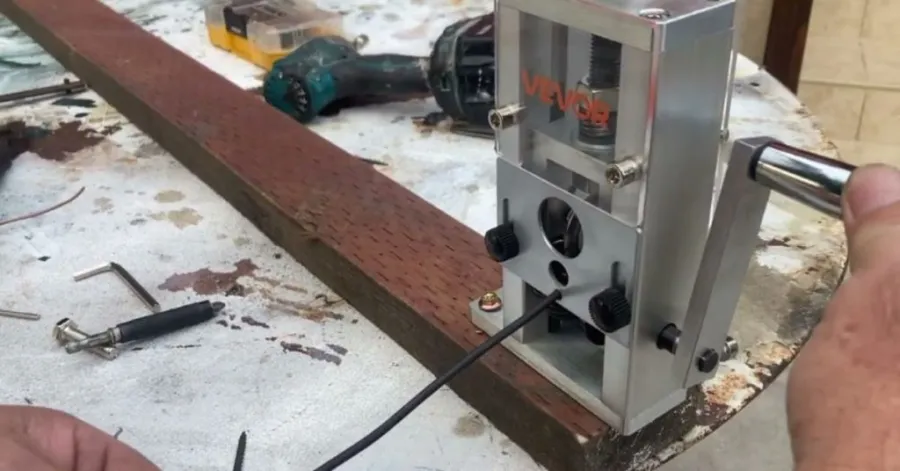
Att skala av elektriska ledningar är en enkel procedur, men felaktig skalning kan skada kopparledningarna och försämra prestandan och säkerheten hos dina elektriska anslutningar. Även mindre hack eller avbrutna ledningar kan öka resistansen, orsaka överhettning och förkorta ledningens livslängd. Och om du är osäker på hur du undviker att skada koppar vid skalning av ledningar är det bäst att förstå rätt metoder.
Den här manualen ger de mest lämpliga metoderna, verktygen och teknikerna för att skydda koppar vid avisolering av ledningar. Oavsett om du är nybörjare eller expert på gör-det-själv-arbete, är rätt trådavlägsnare och rätt tekniker hjälper till att hålla kopparen intakt, förbättra ledningsförmågan och göra dina elektriska installationer tillförlitliga, effektiva och säkra för långvarig användning.
Innehållsförteckning
Varför det är viktigt att skydda koppar vid avisolering av ledningar
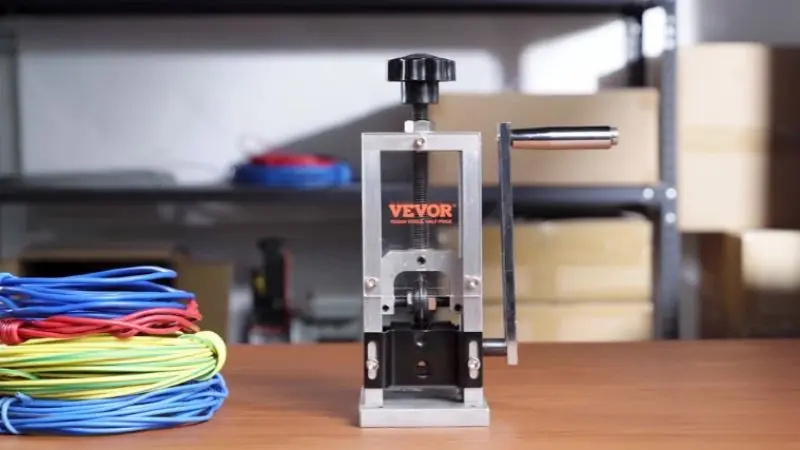
Att ta bort en kabel kan verka som en enkel uppgift, men det måste göras exakt och korrekt. Isoleringen bör inte tas bort på fel sätt, eftersom det kan skada kopparledaren inuti och försvaga den, vilket påverkar den elektriska prestandan. Att veta hur man undviker att skada koppar vid avisolering av ledningar hjälper dig att göra säkrare och mer tillförlitliga elektriska anslutningar och säkerställer att ledningarna håller längre.
Oavsett din uppgift, vare sig det gäller reparationer i hemmet, bilkablar eller elinstallationer, är det alltid lämpligt att skydda koppartrådarna. Att lära sig orsakerna till skador på ledningar gör det möjligt att välja lämplig avisoleringsmetod och förhindra onödiga misstag.
Hur skadad koppar påverkar elektrisk prestanda
Elledningar görs med koppar eftersom det erbjuder hög ledningsförmåga och flexibilitet. Men även mindre skärsår eller hack kan skada ledaren och minska dess förmåga att leda elektrisk ström effektivt. Brott ökar också det elektriska motståndet vilket leder till överhettning, spänningsfall och opålitliga anslutningar på lång sikt. I andra fall kan de drabbade ledningarna skadas allvarligt och antingen sluta fungera eller utgöra säkerhetsrisker.
När du lär dig att avisolera koppartråd utan att kapa trådarna, koncentrera dig på isoleringen, men inte koppartrådarna. Detta säkerställer att tråden behåller sin ursprungliga strömförande kapacitet och ger en säker anslutning till terminaler, kontakter eller trådmuttrar. Att bevara ledare förenklar också framtida underhåll och hjälper elektriska system att fungera säkert under årens lopp.
Vanliga orsaker till kopparskador vid avisolering
Majoriteten av kopparskadorna är resultatet av felaktig teknik eller användning av fel verktyg för jobbet. För högt tryck, användning av felaktigt avisoleringshål eller borttagning av isoleringen i fel vinkel kan lätt skära ledaren. Dessa är några av de vanligaste misstagen vid avisolering som drabbar nybörjare och även avancerade gör-det-självare.
För att veta hur man undviker att skära i koppartråden är det första man behöver göra att avskalaren passar en specifik trådtjocklek och applicera långsamt, konstant tryck istället för kraft. Du behöver också vara extra försiktig för att undvika att skära i kopparn om du inte har en speciell... avisoleringsverktygAnnars blir det svårt att lära sig att avisolera elektriska ledningar för hand med en universalkniv. Att skjuta upp inspektionen av ledaren efter avisoleringen kan eliminera skador som kan vara dolda och som kan påverka den långsiktiga elektriska prestandan.
Rekommenderas för ditt projekt
Välj rätt avisoleringsmetod
En ledare som är konstruerad för att vara säker är kopparledaren, vilken bäst skyddas genom korrekt metod för att avmantla kabeln och skapa säkra elektriska anslutningar. Den korrekta metoden varierar beroende på kabelstorlek, isoleringstyp och verktyg som används. Att skynda på proceduren eller trycka på knapparna för hårt resulterar vanligtvis i trasiga trådar och mindre än idealisk elektrisk prestanda.
Oavsett om det gäller hushållsledningar eller arbete i bilar är korrekt avisolering viktig för att hålla kabeln stark och ledande. Med rätt verktyg, rätt tryck och isolering är det enkelt att avisoleringa kablar utan att skada kopparn inuti.
Välj rätt avisoleringstång för trådstorleken
Ett av de viktigaste stegen att vidta för att eliminera ledarskador är att välja det bästa trådavlägsnare att använda vid hantering av koppartråd. Kvalitetsavisoleringstänger har flera öppningar i olika tjocklekar som motsvarar trådens olika diametrar. Genom att placera bladen i rätt spår kan man skära av isoleringen och inte träffa koppartrådarna nedanför.
När springan som används för att skala av är för smal kan den skada eller skära av ledaren. Om den är för stor kan det vara svårt att ta bort isoleringen, och du måste lägga ner mer ansträngning, vilket bara kan skada den. Se till att kontrollera trådtjockleken innan du skär och välj motsvarande hål på skalaren. Detta är en enkel åtgärd för att säkerställa att koppar inte går till spillo, förbättra anslutningskvaliteten och göra arbetet på elektriska system säkert och tillförlitligt.
Att skala av elektriska ledningar är en enkel procedur, men felaktig skalning kan skada kopparledningarna och försämra prestandan och säkerheten hos dina elektriska anslutningar. Även mindre hack eller avbrutna ledningar kan öka resistansen, orsaka överhettning och förkorta ledningens livslängd. Och om du är osäker på hur du undviker att skada koppar vid skalning av ledningar är det bäst att förstå rätt metoder.
Den här manualen ger de mest lämpliga metoderna, verktygen och teknikerna för att skydda koppar vid avisolering av ledningar. Oavsett om du är nybörjare eller expert på gör-det-själv-arbete, är rätt trådavlägsnare och rätt tekniker hjälper till att hålla kopparen intakt, förbättra ledningsförmågan och göra dina elektriska installationer tillförlitliga, effektiva och säkra för långvarig användning.
Varför det är viktigt att skydda koppar vid avisolering av ledningar
Att ta bort en kabel kan verka som en enkel uppgift, men det måste göras exakt och korrekt. Isoleringen bör inte tas bort på fel sätt, eftersom det kan skada kopparledaren inuti och försvaga den, vilket påverkar den elektriska prestandan. Att veta hur man undviker att skada koppar vid avisolering av ledningar hjälper dig att göra säkrare och mer tillförlitliga elektriska anslutningar och säkerställer att ledningarna håller längre.
Oavsett din uppgift, vare sig det gäller reparationer i hemmet, bilkablar eller elinstallationer, är det alltid lämpligt att skydda koppartrådarna. Att lära sig orsakerna till skador på ledningar gör det möjligt att välja lämplig avisoleringsmetod och förhindra onödiga misstag.
Hur skadad koppar påverkar elektrisk prestanda
Elledningar görs med koppar eftersom det erbjuder hög ledningsförmåga och flexibilitet. Men även mindre skärsår eller hack kan skada ledaren och minska dess förmåga att leda elektrisk ström effektivt. Brott ökar också det elektriska motståndet vilket leder till överhettning, spänningsfall och opålitliga anslutningar på lång sikt. I andra fall kan de drabbade ledningarna skadas allvarligt och antingen sluta fungera eller utgöra säkerhetsrisker.
När du lär dig att avisolera koppartråd utan att kapa trådarna, koncentrera dig på isoleringen, men inte koppartrådarna. Detta säkerställer att tråden behåller sin ursprungliga strömförande kapacitet och ger en säker anslutning till terminaler, kontakter eller trådmuttrar. Att bevara ledare förenklar också framtida underhåll och hjälper elektriska system att fungera säkert under årens lopp.
Vanliga orsaker till kopparskador vid avisolering
Majoriteten av kopparskadorna är resultatet av felaktig teknik eller användning av fel verktyg för jobbet. För högt tryck, användning av felaktigt avisoleringshål eller borttagning av isoleringen i fel vinkel kan lätt skära ledaren. Dessa är några av de vanligaste misstagen vid avisolering som drabbar nybörjare och även avancerade gör-det-självare.
För att veta hur man undviker att skära i koppartråden är det första man behöver göra att avskalaren passar en specifik trådtjocklek och applicera långsamt, konstant tryck istället för kraft. Du behöver också vara extra försiktig för att undvika att skära i kopparn om du inte har en speciell... avisoleringsverktygAnnars blir det svårt att lära sig att avisolera elektriska ledningar för hand med en universalkniv. Att skjuta upp inspektionen av ledaren efter avisoleringen kan eliminera skador som kan vara dolda och som kan påverka den långsiktiga elektriska prestandan.
Välj rätt avisoleringsmetod
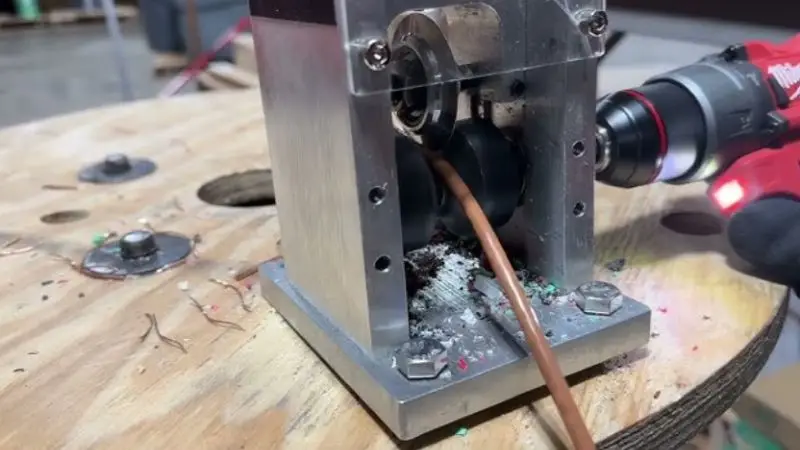
En ledare som är konstruerad för att vara säker är kopparledaren, vilken bäst skyddas genom korrekt metod för att avmantla kabeln och skapa säkra elektriska anslutningar. Den korrekta metoden varierar beroende på kabelstorlek, isoleringstyp och verktyg som används. Att skynda på proceduren eller trycka på knapparna för hårt resulterar vanligtvis i trasiga trådar och mindre än idealisk elektrisk prestanda.
Oavsett om det gäller hushållsledningar eller arbete i bilar är korrekt avisolering viktig för att hålla kabeln stark och ledande. Med rätt verktyg, rätt tryck och isolering är det enkelt att avisoleringa kablar utan att skada kopparn inuti.
Välj rätt avisoleringstång för trådstorleken
Ett av de viktigaste stegen att vidta för att eliminera ledarskador är att välja det bästa trådavlägsnare att använda vid hantering av koppartråd. Kvalitetsavisoleringstänger har flera öppningar i olika tjocklekar som motsvarar trådens olika diametrar. Genom att placera bladen i rätt spår kan man skära av isoleringen och inte träffa koppartrådarna nedanför.
När springan som används för att skala av är för smal kan den skada eller skära av ledaren. Om den är för stor kan det vara svårt att ta bort isoleringen, och du måste lägga ner mer ansträngning, vilket bara kan skada den. Se till att kontrollera trådtjockleken innan du skär och välj motsvarande hål på skalaren. Detta är en enkel åtgärd för att säkerställa att koppar inte går till spillo, förbättra anslutningskvaliteten och göra arbetet på elektriska system säkert och tillförlitligt.
Justera skärtrycket korrekt
Rätt skärtryck är lika viktigt som lämpligt verktyg. Bladen ska vara tillräckligt hårda för att skära igenom isoleringen, men inte så hårda att de skär igenom kopparledaren. En av de vanligaste orsakerna till svårigheter att undvika att koppartråden skadas är för högt tryck, och när man använder mindre trådtjocklekar är problemet ännu mer uttalat.
Tryck försiktigt med en kontrollerad gest, vrid avisoleringstången lite runt isoleringen och dra sedan av den. Om isoleringen inte lossnar, tryck inte hårdare. Se istället till att du har rätt avisoleringshål. Att applicera jämnt tryck skyddar kabeln, minskar spill och skapar snygga, professionella elektriska anslutningar varje gång.
Ta bort isoleringen utan att dra för hårt
Efter att du har skurit igenom isoleringen, ta bort den med en långsam, jämn rörelse istället för att dra med kraft. För mycket drag kan töja, böja eller bryta koppartrådarna, särskilt i flexibel fåtrådig tråd. Att lära sig avisolera koppartråd utan att kapa trådarna kräver tålamod och varsam hantering snarare än snabbhet.
Man bör också vara medveten om hur mycket isolering som måste tas bort innan en anslutning görs. Ta bort precis tillräckligt med isolering för att passa in i terminalen eller kontakten, utan att lämna någon extra, bar koppar. När du inte har någon speciell avisoleringstång och du arbetar är det också möjligt att lära sig att avisoleringa elektriska ledningar för hand så att du kan undvika att skada ledningen när du inte har de nödvändiga verktygen.
Misstag att undvika vid avisolering av ledningar
Små fel vid avisolering kan förstöra kopparledaren och försämra kvaliteten på dina elektriska anslutningar, även med rätt utrustning. Många problem uppstår på grund av brådskan med att få jobbet gjort, fel verktyg och överdriven kraftanvändning. Att tänka på tekniken är ett viktigt sätt att skydda kabeln och förbättra säkerhet och prestanda.
Att bekanta sig med de vanligaste felen vid avisolering hjälper till att förhindra dyra reparationer och slöseri. Genom att identifiera dessa misstag tidigt kan du avisoleringa ledningarna utan att lämna kopparn svag, spröd och olämplig för att skapa en säker elektrisk kontakt.
Använda fel verktyg
Bland de största orsakerna till kopparskador är användningen av verktyg som inte avisolerar elektriska ledningar. Ledaren kan lätt kapas med tänger, sidoavbitare, universalknivar och saxar, eftersom de inte erbjuder kontrollerat skärdjup. Även om dessa verktyg kan verka praktiska, ökar de risken för ojämn trådavtagning och trasiga trådar.
Det bästa trådavlägsnare för koppartråd skulle vara mycket mer exakt eftersom den är avsedd att passa olika trådtjocklekar. En elektrisk kabelskalare är ett användbart verktyg som skalar av trådisolering utan att skära av ledaren, vilket möjliggör snabbare, säkrare och mer pålitligt elarbete. Rätt verktyg sparar också tid genom att minska avfall och förlänga livslängden på dina ledningar.
Skär för djupt in i ledaren
Ett av de mest skadliga misstagen att göra är att använda för hårt tryck vid avisolering av isolering. När knivarna penetrerar isoleringen skär eller drar de bort koppartrådar, vilket skadar tråden och försämrar dess förmåga att leda elektrisk ström. Även en liten skada kan öka resistansen, generera värme och minska anslutningens livslängd.
För att veta hur man undviker att skada koppar vid avisolering av ledningar måste man alltid applicera samma tjocklek på avisoleringsspåret på ledningen och applicera ett försiktigt, kontrollerat tryck. Efter att ha tagit bort isoleringen är det också en bra idé att kontrollera ledaren för eventuella dolda skärskador innan den elektriska anslutningen slutförs. En oskadad och ren ledare är mer ledande och är generellt säkrare.
Att vrida eller böja kopparn för mycket
Koppartråd är böjlig; men upprepad vridning eller kraftig böjning kan leda till att trådarna går sönder i längden. Detta gäller särskilt för fåtrådig tråd, där varje tråd ökar trådens totala styrka och konduktivitet. Överhantering kan göra det svårt att få tråden att passa in i kontakten och minska tillförlitligheten hos den färdiga anslutningen.
För att tråden inte ska gå sönder i onödan är det bäst att hålla i tråden och ta bort isoleringen, och att inte vrida isoleringen mer än nödvändigt. När man övar på att avisolera koppartråd utan att kapa trådar är det viktigt att hålla ledaren rak så mycket som möjligt under aktiviteten. Ljusbehandling bibehåller kopparns renhet, och dina elektriska anslutningar blir starkare, säkrare och mer motståndskraftiga.
Kontrollera kopparn efter avisolering
Efter att du tagit bort isoleringen, ta lite tid att inspektera den exponerade kopparn och fortsätt sedan med att göra eventuella elektriska anslutningar. Detta beror på att en snabb inspektion gör att du kan upptäcka små defekter som kanske inte är särskilt synliga men kan påverka konduktiviteten och den långsiktiga tillförlitligheten. Underlåtenhet att slutföra detta steg kan orsaka lösa anslutningar, överhettning eller för tidigt kabelhaveri.
Genom att noggrant inspektera ledaren kan du avgöra om din avisoleringsmetod har skadat kabeln. När du observerar några skärskador eller trasiga trådar är det bäst att åtgärda situationen omedelbart istället för att riskera framtida elektriska problem. Ett par extra sekunders kontroll kan säkerställa att din installation blir mycket säkrare och mer tillförlitlig.
Kontrollera för hack, skärsår och trasiga trådar
När isoleringen har tagits bort, inspektera den bara kopparn noggrant och kontrollera om det finns repor, hack eller saknade trådar. Ledaren ska vara ren och slät, utan djupa märken från ledaren. avisoleringsverktygÄven om detta gäller särskilt för fåtrådiga kablar, där varje sträng bidrar stegvis till den totala prestandan, kan även små avbrott påverka tråden negativt och minska dess strömbärande kapacitet.
Att veta hur man undviker att skada koppartråden innebär också att kontrollera sitt arbete efter varje skalning. Om koppartråden uppvisar några skador, justera då avisoleringsmetoden eller applicera ett större skalningshål och fortsätt. Regelbundna inspektioner kan hjälpa dig att identifiera problem tidigt och säkerställa att alla elektriska anslutningar är solida, stabila och hållbara.
Vet när du ska omavliva eller byta ut kabeln
Alla avskalade trådar kan inte användas. Vid djupa skärskador, flera trasiga trådar eller observerbar deformation är det bästa att kapa det skadade området och avisolera tråden igen. Den korta sektionen avisoleras ofta snabbare och mer tillförlitligt än att använda en försvagad ledare som kan gå sönder senare.
I de fall där skadan är för omfattande eller när kabeln är för kort efter kapning är det bäst att byta ut den mot en ny. Korrekta avisoleringsmetoder från början sparar tid och låter dig lära dig hur du undviker framtida misstag. Genom att lära dig hur du undviker att skada koppar vid avisolering av kablar kommer du att kunna göra bra och tillförlitliga elektriska anslutningar samt minska antalet nödvändiga reparationer och utbyten av kablar.
Sammanfatta
Att avskala kopparledaren under avisolering är nyckeln till att skapa robusta, säkra och hållbara elektriska anslutningar. Valet av rätt avisoleringstång, rätt mängd tryck och kontroll av tråden efter avisoleringen med avisoleringstången syftar alla till att undvika onödiga skador. Att förebygga vanliga avisoleringsfel minskar också risken för överhettning, låg konduktivitet och framtida elektriska haverier. Med en professionell avisoleringstång eller hur man avisoleringar elektriska ledningar för hand är det alltid bäst att göra det försiktigt. Med rätt metoder kommer du att kunna bibehålla kopparns integritet och kunna slutföra alla dina ledningsprojekt med tillförsikt och tillförlitlighet.
FAQ
Är det möjligt att använda den skadade koppartråden?
Grundare ytmärken kan tolereras; kraftigt skadad eller skadad koppar kan dock inte det. För att säkerställa att den elektriska anslutningen är säker och tillförlitlig, kapa av den skadade delen av kabeln och avisolera kabeln igen.
Vilket är det minst skadliga verktyget för att avisolera kablar?
Den bästa avisoleringstången för koppartråd är en som är utformad för rätt tjocklek. Den ger rena, jämna elektriska anslutningar, eliminerar isolering exakt och skyddar koppartrådar.
I vilken utsträckning bör man ta bort isoleringen?
Mängden isolering som ska tas bort från kabeln beror på kontakten. När du tar bort isoleringen, ta bort precis tillräckligt med den så att ledaren kan passa säkert, vanligtvis 1,25 mm, utan att lämna mycket bar koppar kvar.
Varför ska min avisoleringstång skära av kopparn?
Avisoleringstången för koppartråden som används på din kabel kan skära av kopparn på grund av felaktigt spår eller högt tryck. Justera verktyget ordentligt och avisoleringa med försiktig och kontrollerad kraft.
Kommer det att vara möjligt att avisolera kablar utan avisoleringstång?
Ja, att avmantla elektriska ledningar för hand kan innebära att man använder en universalkniv med försiktighet. Rita bara isoleringen, skär inte för djupt och dra av den för att undvika att skada kopparledaren.