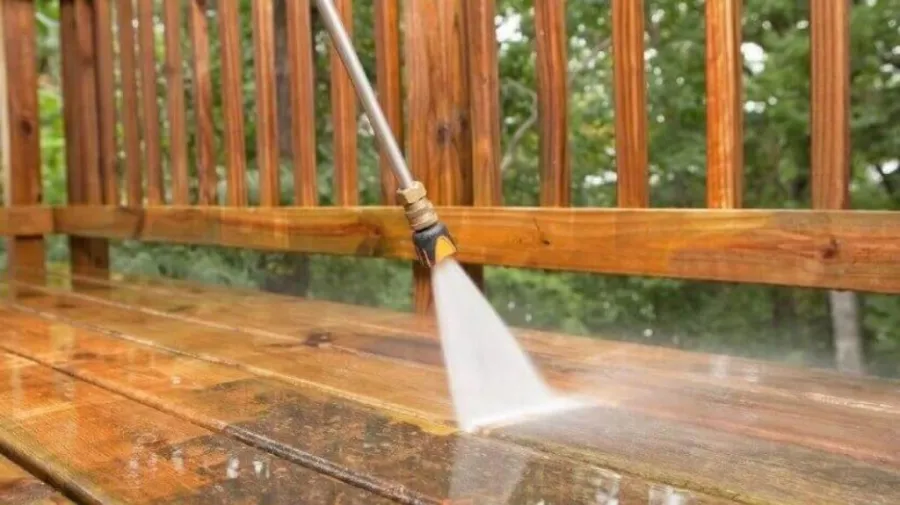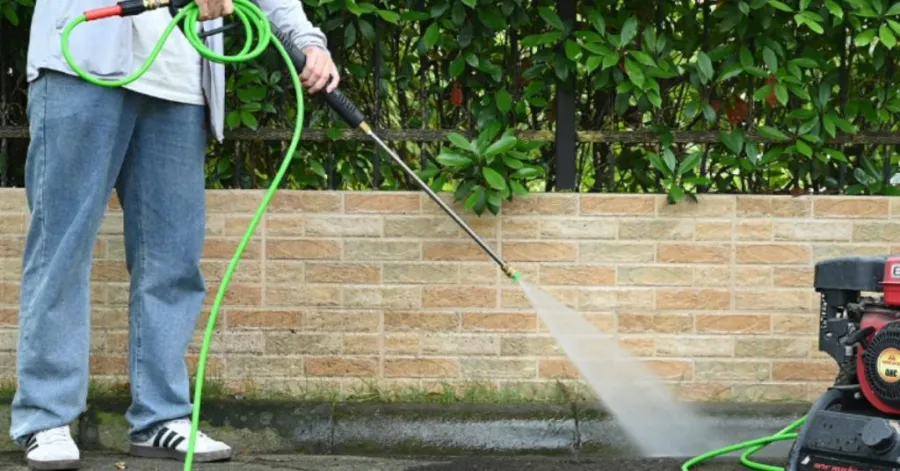
Tryckbrickor är effektiva rengöringsanordningar som säkerställer att utomhusrengöring utförs snabbare och mer effektivt än med en vanlig trädgårdsslang. De rengör uppfarter, uteplatser, fordon, altaner och fler ytor med lätthet. Har du någonsin undrat hur högtryckstvättar fungerar? För att välja rätt modell och använda den på ett säkert sätt är det viktigt att förstå delarna av högtryckstvättar och hur de fungerar. Den här guiden beskriver hur en högtryckstvätt genererar tryck, hur pumpen fungerar, faktorer som påverkar rengöringsprestanda och skillnaderna mellan elektriska och bensindrivna högtryckstvättar.
Hur huvudkomponenterna i en högtryckstvätt fungerar tillsammans
Alla högtryckstvättar är beroende av flera faktorer som tillsammans ger kraftfulla och jämna rengöringsresultat. Även om delarna spelar olika roller, hjälper de alla till att flytta vatten genom maskinen, öka trycket och rikta det mot rengöringsytan. Att känna till dessa komponenter gör det lättare att förstå hur högtryckstvättar fungerar och varför de behöver underhållas väl för långvarig användning.
Oavsett om du har en eldriven eller bensindriven modell är grunddelarna mestadels lika. Den enda skillnaden är hur maskinen drivs, men rengöringsprocessen är baserad på samma princip.
Hur vatteninlopps- och vattentillförselslangen matar maskinen
Rengöringsprocessen börjar vid vatteninloppet, där en vanlig trädgårdsslang är ansluten till högtryckstvätten. Färskt vatten kommer in i maskinen genom tillförselslangen och filtreras av ett inbyggt filter som fångar upp smuts och annat skräp innan det når pumpen. Denna filtrering hjälper till att förhindra skador på inre delar och upprätthålla ett jämnt vattenflöde. En konstant vattentillförsel krävs, eftersom pumpen inte kan fungera effektivt utan den. Att ha ett rent filter och ett obehindrat vattenflöde är också viktigt för att lära sig hur högtryckstvättar fungerar och hur man håller maskinen igång med optimal prestanda.
Hur motorn eller bensinmotorn driver högtryckstvätten
Detta tillhandahålls av motorn, som tillhandahåller den energi som krävs för att driva högtryckstvättens pump. Elektriska modeller har en elmotor som startar direkt, är tyst och kräver väldigt lite underhåll. Så frågan du kan ha är, hur fungerar en elektrisk högtryckstvätt? Motorn omvandlar elektrisk kraft till mekanisk rörelse, som sedan driver pumpen. Bensindrivna modeller har en bensinmotor som används för att ge bättre prestanda vid krävande utomhusrengöring. Kunskapen om hur en bensindriven högtryckstvätt fungerar hjälper dig att välja rätt maskin beroende på storleken på ditt rengöringsjobb och den mängd kraft du behöver.
Hur högtryckspumpen skapar rengöringskraft
Pumpen är den viktigaste delen, eftersom den omvandlar vanligt vatten till en ström av högtryckstvättvatten. Har du någonsin undrat hur en högtryckstvättspump fungerar? Den fungerar genom att använda en snabbt rörlig kolv eller kolv för att komprimera vatten och tvinga det genom en liten öppning. Detta är mekanismen genom vilken en högtryckstvätt genererar tryck utan att komprimera vatten i maskinen. Pumpen fortsätter att pumpa trycksatt vatten så länge motorn eller motorn är igång, vilket gör att högtryckstvätten kan rengöra effektivt och kontinuerligt.
Hur högtrycksslangen levererar tryckvatten
Efter att pumpen höjt vattentrycket transporteras det till sprutpistolen med hjälp av högtrycksslangen, vilket är säkert. Denna förstärkta slang är robustare än en vanlig trädgårdsslang eftersom den tål tusentals kilo tryck utan att sträckas eller rivas sönder. Den minskar också tryckförlusten för att säkerställa att maskinen kan arbeta med samma rengöringsprestanda. Regelbunden inspektion av slangen för läckor, sprickor eller slitage hjälper till att förhindra tryckfall och öka säkerheten. En väl underhållen slang säkerställer att vatten levereras effektivt under varje rengöringsuppdrag.
Hur sprutpistolen, skaftet och avtryckaren styr vattenflödet
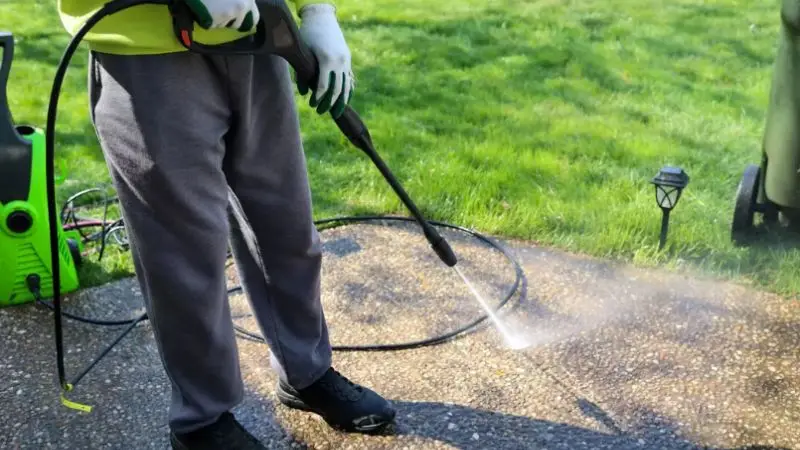
Med sprutpistolen kan du kontrollera hur länge högtrycksvattnet sprutas ut. När avtryckaren trycks in öppnas en intern ventil, vilket gör att vattnet kan strömma genom förlängningsröret till munstycket. Avtryckaren kan släppas för att stoppa sprutningen, och pumpen kan vridas inåt för att förhindra att pumpen bygger upp för mycket tryck. Sprutröret ökar också räckvidden, vilket gör det lättare att rengöra väggar, fordon, tak, uteplatser och andra svåråtkomliga platser. En kombination av dessa element definierar effektiviteten hos en högtryckstvätt vid rengöring av ytor genom att rikta det koncentrerade vattnet till de specifika platser det behövs.
Hur sprutmunstycken påverkar rengöringsprestanda
Sprutmönstret bestäms av munstyckets bredd och styrka. Olika munstycksvinklar ger varierande rengöringseffekter, vilket gör att du kan justera vattentrycket efter ytan som ska rengöras. De smala sprutvinklarna ger en fokuserad stråle för envisa fläckar, medan bredare vinklar ger skonsammare rengöring för ömtåliga ytor. Trycket från tvålmunstyckena är lägre för att spruta tvättmedlet och sedan skölja. Att använda rätt munstycke ökar rengöringseffektiviteten, minimerar risken för ytskador och hjälper dig att uppnå professionella resultat med minimal ansträngning.
Hur rengöringssystemet tar bort tuff smuts
De flesta högtryckstvättar har en rengöringsmedelsbehållare eller ett system för att injicera tvål för att förbättra rengöringseffektiviteten. Maskinen använder inte allt vattentryck; istället använder den bara hälften av vattenstrålens tryck. Den tillsätter rengöringsmedel i vattenstrålen för att lossa fett, olja, mögel och svårrengjord smuts. När rengöringsmedlet har fått verka används ett högtrycksmunstycke för att avlägsna resterna. Denna blandning av rengöringsmedel och trycksatt vatten är det som gör en högtryckstvätt effektiv, särskilt när det gäller att rengöra extremt smutsiga utomhusområden.
Hur en högtryckstvätt fungerar steg för steg
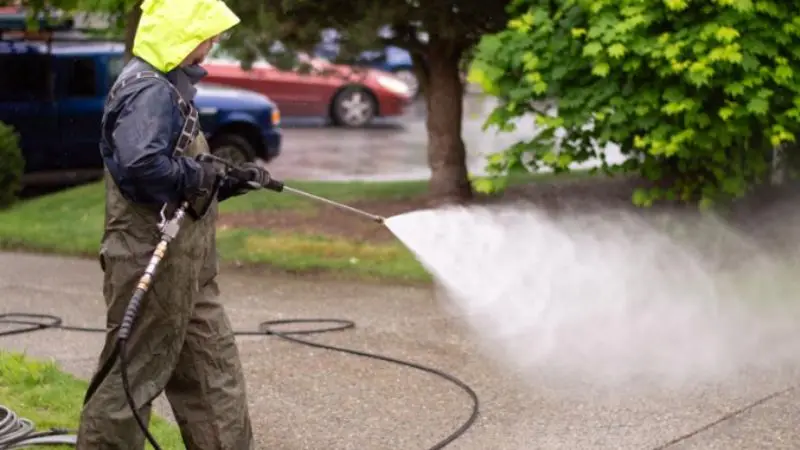
Att lära sig hela städproceduren kommer att göra dig mer effektiv i att använda en högtryckstvättVarje steg, inklusive att tillsätta vatten i maskinen och spraya det på en yta, är avgörande för att uppnå högkvalitativa rengöringsresultat. När du förstår hur man använder varje steg är det mycket enklare att använda maskinen.
Även om högtryckstvättar kan finnas i olika storlekar och effektnivåer, har de alla en generell funktionsordning. Hur fungerar högtryckstvättar genom denna process, och varför är de mer effektiva på rengöring än en vanlig trädgårdsslang?
Steg 1: Vatten rinner in i högtryckstvätten
Detta börjar när vatten kommer in i högtryckstvätten genom tillförselslangen. Vattnet filtreras sedan genom ett litet inloppsfilter som förhindrar att smuts och skräp kommer in i pumpen. Det är också nödvändigt att ha en konstant vattentillförsel, eftersom pumpen är beroende av den för att upprätthålla trycket utan risk. Att använda maskinen utan tillräckligt med vatten kan överhetta den eller skada dess inre delar. Denna lilla inledande åtgärd förutsätter att systemet fungerar effektivt och att högtryckstvätten är tillförlitlig under rengöringsprocessen.
Steg 2: Pumpen bygger högt vattentryck
När vatten kommer in i pumpen trycksätts det snabbt av mycket snabba kolvar och trycks sedan ut genom ett mindre hål med mycket högt tryck. Och om du undrar hur en högtryckstvättspump fungerar, drivs den av en kolv för att producera den kraftfulla sprayen som används i rengöringsprocessen. Istället för att komprimera vattnet och lagra det, ackumulerar pumpen kontinuerligt tryck medan vattnet flödar genom maskinen. Det är därför en högtryckstvätt genererar tryck samtidigt som den bibehåller en jämn ström, vilket säkerställer att rengöring kan göras på samma nivå.
Steg 3: Tryckvatten strömmar genom slangen
Högtrycksvattnet lämnar sedan pumpen och passerar genom en förstärkt slang som säkert hanterar högt tryck. Vattnet transporteras till sprutpistolen genom slangen med minimal tryckförlust. Maskinen kan ge en jämn rengöringsström under arbetets gång tack vare sin hållbara konstruktion. Eventuella läckor eller skador på slangen kan minska rengöringsprestanda, och regelbunden inspektion kan bidra till att hålla utrustningen effektiv och förlänga dess livslängd.
Steg 4: Munstycket formar vattenstrålen
När vattnet når änden av skaftet passerar det ut genom det valda munstycket. Koncentrationsgraden, eller bredden, på vattenstrålen bestäms av munstyckets storlek och sprutvinkel. Smala munstycken används för att öka intensiteten på svårborttagna fläckar, medan bredare munstycken sprider trycket mer skonsamt över större ytor. Rätt munstycke gör att du kan rengöra utan att skada färg, trä eller andra ömtåliga material. Detta är den sista modifieringen som är viktig för hur en högtryckstvätt rengör ytorna effektivt.
Steg 5: Högtrycksvatten tar bort smuts och damm
Den koncentrerade strålen lossar kopplingen mellan smuts och det underliggande materialet när den träffar ytan. Lera, alger, mögel, fett och andra föroreningar lossas och tvättas lätt bort. Högtryckstvätten är också ansluten till en slang, till skillnad från en vanlig slang, och använder en kombination av vattenhastighet och fokuserad kraft för att rengöra snabbare och mer grundligt. Detta är en av anledningarna till att högtryckstvättar är populära för rengöring av uppfarter, uteplatser, altaner, fasader, fordon och utemöbler. Det visar också varför en högtryckstvätt är tillräckligt kraftfull för att hantera krävande rengöringsjobb.
Steg 6: Tvättmedel hjälper till att bryta ner svåra fläckar
På mycket förorenade ytor används rengöringsmedel för att förstärka rengöringsprocessen. Högtryckstvätten sprayar lågtryckstvätt, som tränger in i fett, olja, mögel och tuffa fläckar, och sköljer sedan bort dem. Efter att rengöringsmedlet har löst upp ansamlingarna används en högtrycksspruta för att avlägsna återstående rester med minimal ansträngning. Sådan kemisk verkan, i kombination med tryckvatten, ger bättre resultat än att använda enbart vatten och gör rengöringen mer effektiv, snabbare och enklare.
Vad påverkar en högtryckstvätts prestanda?
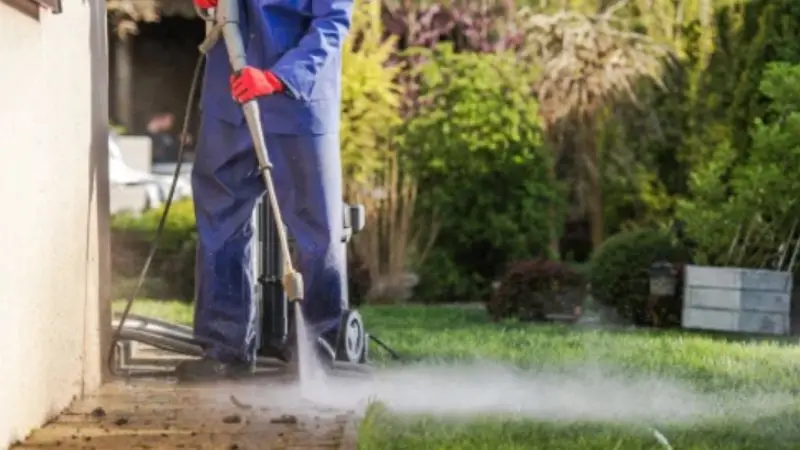
Prestanda av en högtryckstvätt Hur bra det går för olika rengöringsuppgifter beror på ett antal faktorer. Maskiner med liknande specifikationer kan ge olika resultat beroende på hur de används. Att vara medveten om dessa aspekter gör att du kan rengöra mer effektivt och skona de ytor du rengör.
Rengöringsprestanda beror på tryck, vattenflöde, val av munstycke och driftsätt. Att förstå hur de kombineras hjälper också till att förklara vad som gör en högtryckstvätt kraftfull i verkliga situationer.
Hur PSI påverkar rengöringskraften
PSI (pounds per square inch) används för att bestämma kraften på vattnet som kommer ut ur munstycket. Den ökade PSI ger hög rengöringseffektivitet vid borttagning av envis smuts, färg och svåra fläckar. Övertryck kan dock skada svagare material som trä, målade ytor eller fordon. Rätt val av PSI per uppgift förbättrar renligheten samtidigt som ytan skyddas. Ett av de första stegen i att lära sig använda högtryckstvättar och vilken typ av maskin man ska skaffa är att förstå PSI.
Varför GPM är viktigt för snabbare rengöring
GPM, eller gallon per minut: Detta används för att mäta vattenflödet som passerar genom högtryckstvätten. Medan PSI anger rengöringskraften, anger GPM hastigheten med vilken lös smuts avlägsnas. I maskiner gäller att ju större GPM de har, desto snabbare kan de rengöra ett stort område, eftersom de kan ta bort skräp mer effektivt. Högtryckstvätten balanserar PSI och GPM snarare än att koncentrera sig på någon av specifikationerna. Dessa mätningar bidrar alla betydande till högtryckstvättens kraft och produktivitet.
Att välja rätt munstycke och sprutvinkel
Valet av munstycke är lika viktigt som rätt tryckinställning. Sprutvinklarna är smala för att fokusera vattnet till en kraftfull stråle för att eliminera envisa fläckar, och vida för att sprida trycket över ett större område. Fel munstycke kan minska rengöringseffektiviteten eller skada ömtåliga ytor. Att anpassa munstycket till rengöringsuppgiften ger bättre prestanda, sparar vatten och förbättrar hur en högtryckstvätt rengör ytor säkert och effektivt.
@ashtonbrown007 Vevors elektriska högtryckstvätt #trycktvätt #powerwasher #elektriskhögtryckstvätt #trycktvätt #verktyg #vevortools #högtryckstvätthus #vårstädning #vår
♬ originalljud - AshtonBrown007
Hur vattentemperaturen förbättrar rengöringsresultaten
Vattnets temperatur avgör hur lätt smuts, fett och olja kan tvättas bort. Högtryckstvättarna som används för de flesta städuppgifter i hemmet är kallvattenmodeller och kan användas på uteplatser, fordon, staket och trottoarer. Varmvattenmodeller fungerar bättre på feta eller oljiga ytor eftersom värme kan användas för att lösa upp envisa rester snabbare. Kombinationen av lämplig temperatur med lämpligt tryck och vattenflöde förbättrar också den totala rengöringsförmågan och sparar tid som behövs för att utföra krävande uppgifter.
Varför sprutavståndet är viktigt vid högtryckstvätt
Vattnets kraft är direkt proportionell mot avståndet mellan munstycket och rengöringsytan. Att stå för nära munstycket kan skada trä, färg eller mjukt material, och att stå för långt ifrån kommer att resultera i sämre rengöring. Vid rengöring är det bäst att börja på ett säkert avstånd och sedan långsamt närma sig för att uppnå optimal rengöringskraft och skydda ytan. Att ha ett stabilt sprutavstånd ger också mer enhetliga rengöringsresultat på hela ytan.
Att välja rätt tryck för olika ytor
Olika material kräver olika tryckinställningar för att rengöra säkert och effektivt. Trycket kan generellt appliceras högre på betong, tegel och sten, men lägre tryck bör appliceras på målade ytor, fordon, trädäck och vinylfasader. Att använda rätt PSI och munstycke kan bidra till att man inte orsakar onödiga skador samtidigt som man uppnår bra resultat. Rätt inställningar garanterar en hög rengöringsnivå, förlänger ytans livslängd och gör att din högtryckstvätt kan prestera sitt bästa.
Sammanfatta
Att veta hur man använder högtryckstvättar gör att du kan använda maskinerna mer effektivt och skydda ytorna du rengör. Från vatteninloppet och högtryckspumpen spelar alla element en viktig roll för att leverera kraftfulla rengöringsresultat, ända upp till sprutmunstycket och rengöringssystemet. Att förstå hur en högtryckstvättspump fungerar, välja rätt munstycke och ställa in rätt tryck kan förbättra prestandan och förlänga maskinens livslängd. Oavsett om du köper en eldriven eller bensindriven modell, med korrekt användning och frekvent underhåll, kommer du att uppnå renare ytor, spara tid som läggs på rengöringsprocessen och få din högtryckstvätt att fungera bra under årens lopp.
FAQ
Vilken mekanism har en högtryckstvätt för att generera tryck?
En högtryckstvätt är en anordning som genererar tryck genom att pumpa inkommande vatten in i en kammare, där kolvar komprimerar det och leder det genom en liten öppning för att producera en extremt kraftfull vattenström med hög hastighet.
Hur fungerar en elektrisk högtryckstvätt?
Pumpen drivs av en elmotor, trycksätter vattnet och tvingar det sedan genom slangen och munstycket. Elektriska modeller är tysta, lätta och bör användas för rengöring av hemmet.
Hur fungerar en gasdriven högtryckstvätt?
Tryckpumpen drivs av en bensinmotor snarare än en elmotor. Dessa modeller erbjuder högre tryck och är bättre lämpade för stora utomhus- och kommersiella rengöringsjobb.
Vad är det som är kraftfullt med en högtryckstvätt?
Rengöringskraften beror på kombinationer av PSI, GPM, pumpkvalitet, val av munstycke och korrekt drift. Ökat tryck och tillräckligt vattenflöde resulterar i högre prestanda.
Fungerar det med alla högtryckstvättar med rengöringsmedel?
De flesta högtryckstvättar tillåter användning av rengöringsmedel antingen via en inbyggd tank eller ett tvålinjektionssystem. Använd alltid högtryckstvättsäkra rengöringsmedel och följ tillverkarens rekommendationer för bästa resultat.