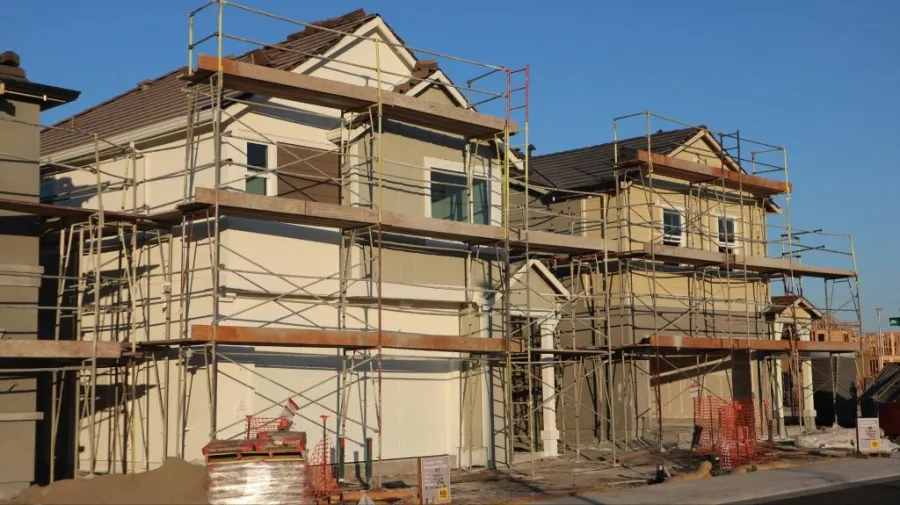
Začať stavebný projekt bez úplného zoznamu materiálov je najistejší spôsob, ako prekročiť rozpočet a oddialiť dokončenie. Ak sa ocitnete uprostred projektu kvôli oneskoreniam spôsobeným tým, že nemáte na sklade všetky potrebné položky, ako sú kotviace skrutky, kým čakáte na betonársky tím alebo máte dokončenú rámovú konštrukciu, ale nie... parozábrany, strávite čakaním viac času, ako by ste strávili nákupom týchto materiálov.
Tento článok pojednáva o poctivom zozname materiálov potrebných na stavbu domov vrátane často zanedbávaných materiálov, ktoré nie sú zahrnuté v jednoduchých zoznamoch, materiáloch potrebných na stavbu budov a ich odhadovaných nákladoch.
Ako používať zoznam stavebných materiálov
Zoznam stavebných materiálov je zbytočný, pokiaľ nie je koordinovaný so samotným stavebným procesom. Materiály prichádzajúce príliš skoro sa stávajú problémom pri skladovaní a bezpečnosti. Materiály prichádzajúce príliš neskoro zastavujú celú operáciu. Rozdeľte si zoznam materiálov do etáp:
- Príprava miesta a položenie základov
- Rámovanie konštrukcie
- Konštrukcia strechy a obvodového plášťa
- Inštalácia siete
- Izolácia a parozábrany
- Práce s obkladmi a interiérmi
- Dokončovacie práce a terénne úpravy
Každá etapa má svoje vlastné materiály, ktoré by mali doraziť v deň začiatku etapy.
Zoznam stavebných materiálov pre domácnosti podľa fázy
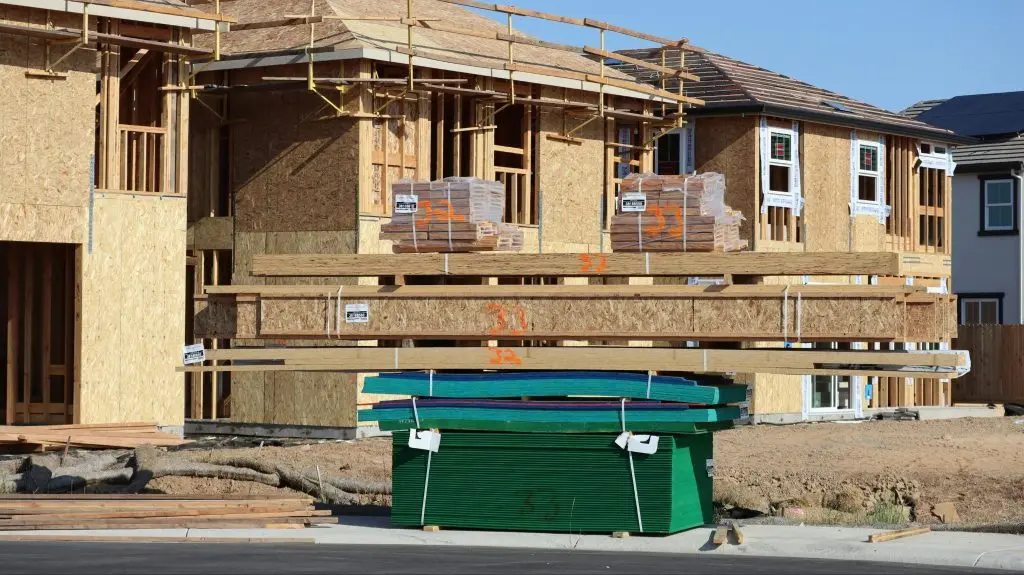
Fáza 1: Príprava lokality a základy
- Ornica a zásypový materiál na úpravu terénu
- Betón (vrecia alebo hotová zmes, v závislosti od objemu nalievania)
- Výstuž a drôtené pletivo na vystuženie dosiek
- Základové debnenie, rezivo alebo prefabrikované formy
- Kotviace skrutky pre pripojenie prahovej dosky
- Drenážny agregát a perforovaná rúra na odvodnenie základov
- Parozábrana na reguláciu vlhkosti pod doskou
Parozábrana pod doskou môže byť často nedostatočne navrhnutá. Betón je pórovitý a vlhkosť stúpajúca spod dosky vedie k problémom s podlahami, kvalitou vnútorného vzduchu a dokonca aj so štrukturálnou integritou. Minimálna hrúbka parozábrany pod doskou je vo všeobecnosti 10 mil polyetylénu, s požiadavkou 15 mil v oblastiach s vysokou vlhkosťou.
Pre reguláciu pary nad doskou a reguláciu vlhkosti v priestore pod podlahou, Plastová fólia VEVOR s hrúbkou 10 mil, 10 x 100 stôp, čisto pokrýva časti dosky s dostatočnou hrúbkou, aby odolal prepichnutiu počas následnej stavebnej dopravy.
Fáza 2: Nosná konštrukcia
- Parapetná doska s tlakovou úpravou (štandard 2×6)
- Rámové rezivo rozmerovo narezané (2×4 pre interiéry, 2×6 pre exteriéry vo väčšine klimatických podmienok)
- LVL alebo technické rezivo na materiál pre záhlavie a nosníky
- Železiarsky tovar: závesy na trámy, kotvy na ťažné zariadenia, podstavce stĺpikov, konštrukčné skrutky a klince
- Podkladové materiály na opláštenie (3/4-palcová OSB doska s perom a drážkou alebo preglejka)
- Obloženie stien a strechy (OSB dosky s hrúbkou 1/2 palca alebo 5/8 palca alebo preglejka)
Rezivo na rámovanie by sa nemalo objednávať viac ako dva týždne pred montážou. Rezivo na rámovanie, ktoré leží na mieste, sa zdeformuje a navlhčí, čo spôsobuje problémy v procese rámovania.
Fáza 3: Strecha a vonkajší plášť
Toto je fáza, v ktorej sú materiály na ochranu pred poveternostnými vplyvmi najdôležitejšie a kde sa zoznam stavebných materiálov domu najčastejšie zanedbáva.
- Podkladová vrstva pod strešnú krytinu (filcový papier alebo syntetický materiál)
- Strešný materiál: asfaltové šindle, kovové panely, škridly alebo membrána, v závislosti od prevedenia
- Strešné lemovanie (úžobné, schodové a protiľahlé lemovanie)
- Hrebeňové vetracie otvory a odkvapové vetracie otvory
- Fólia na dom alebo stavebný papier na ochranu stien
- Lemovacia páska na okná a dvere
- Drevo a spojovacie prvky pre vonkajšie obklady
Do tohto zoznamu stavebných materiálov patrí aj dočasná ochrana pred poveternostnými vplyvmi. Po položení strešného plášťa, ale pred inštaláciou strešnej krytiny, je konštrukcia odkrytá. Počas tohto obdobia udrží rám suchý odolný plastový kryt.
Plastová fólia VEVOR s hrúbkou 6 mil, 24 x 100 stôp, pokryje štandardnú časť strechy obytného domu v menšom počte ťahov ako užšia rolka. Ak ju máte po ruke pred fázou opláštenia, znamená to, že ste pripravení okamžite pokryť, ak vás poveternostné podmienky prinútia prerušiť prácu pred dokončením strechy.
Fáza 4: Hrubé mechanické spracovanie
- PVC alebo PEX vodovodné potrubia, tvarovky a vešiaky
- Elektrické vodiče (NM-B pre interiér, UF-B pre exteriér a zem), krabice a panely
- Potrubie HVAC, vzduchotechnická jednotka a kondenzačné potrubia
- Sálavá bariéra alebo izolačný obal potrubia
- Tmel na prenikanie vodovodných potrubí a protipožiarna izolácia
Fáza 5: Izolácia a parozábrana
- Izolácia z vlákien alebo fúkaná na steny a podkrovie (hodnota R podľa klimatickej zóny)
- Pevná penová doska na steny suterénu a pod dosky
- Parozábrana v plazivom priestore, ak je to relevantné
- Polyetylénová fólia medzi rámovými rámami, ak to vyžaduje predpis
Plastová fólia VEVOR s hrúbkou 6 mil, 10 x 100 stôp funguje pre aplikácie parozábrany na steny a podlahy vo fáze rámovania – je to štandardná špecifikácia 6 mil, na ktorú sa odvoláva väčšina stavebných predpisov pre obytné budovy pre vnútornú parozábranu.
Fáza 6: Povrchové úpravy interiéru
- Sadrokartónové panely, škárovacia hmota, páska a rohová lišta
- Základný náter a farba
- Interiérové dvere, obloženie a kovanie
- Podlahový materiál a podkladová vrstva
- Dlaždice, škárovacia hmota a hydroizolačná membrána v kúpeľni a kuchyni
- Skrinky a pracovné dosky
Fáza 7: Vonkajšie úpravy
- Obkladový materiál: vinyl, vláknocement, drevo alebo technické drevo
- Vonkajší tmel a farba alebo moridlo
- Terénne úpravy a konečné terénne úpravy
- Betón alebo dlažba pre príjazdové cesty a chodníky
- Tkanina proti burine pod mulčovacími a štrkovými plochami
Pri záhradných záhonoch, príjazdových cestách a chodníkoch, ktoré používajú štrk alebo mulč na pôde, zabraňuje tkanina proti burine rastu vegetácie a zároveň umožňuje odvodnenie. VEVOR PE tkanina proti burine hodí sa do fázy vonkajšej úpravy akéhokoľvek projektu, ktorý zahŕňa úpravu krajiny ako súčasť kompletnej výstavby.
Zoznam stavebných materiálov: Na čo sa zabúda
Najčastejšie chýbajúce položky v zoznamoch materiálov prvého návrhu:
- Dočasné opláštenie a ochrana pred poveternostnými vplyvmi počas výstavby
- Parozábrany v priestore pod podlahou a pod doskou
- Tesniaca páska na všetky hrubé otvory okien a dverí
- Blokovacie drevo na podloženie za sadrokartónom pri madlách, držiakoch televízora a skrinkách
- Tesnenia prahov pod vonkajšími prahovými lištami
- Pokrytie pôdy a kontrola erózie narušenej pôdy počas výstavby
Každá z nich je lacná v porovnaní s nákladmi na riešenie problému, ktorému predchádzajú.
Často kladené otázky
Ako vypočítam, koľko reziva na rámovanie potrebujem?
Na určenie počtu stĺpikov vo vzdialenosti 16 palcov od stredu sa vydelí lineárne meranie všetkých častí steny číslom 1.33. Potom sa pripočíta 10 % na odpad a rôzne predmety v rohoch a otvoroch.
Aká je najväčšia chyba v rozpočte pri zozname stavebných materiálov na dom?
Podceňovanie materiálov súvisiacich s prácou: spojovacie prvky, lepidlá, lemovanie, tmely a dočasná ochrana. Tieto položky sú síce samostatne malé, ale predstavujú 8 až 12 percent z celkových nákladov na materiál a takmer vždy sa objednáva menej.
Potrebujem parozábranu v každom podnebí?
V horúcom a vlhkom podnebí sa umiestnenie parozábrany mení – často sa umiestňuje na vonkajšiu stranu izolácie, a nie na vnútornú stranu. V suchom podnebí niektorí stavební vedci tvrdia, že parozábrana je menej dôležitá. Požiadavku určujú miestne predpisy. V prípade pochybností ju nainštalujte.
Aká hrúbka plastovej fólie v mil je potrebná na použitie pod doskou?
Minimálne 10 mil podľa väčšiny súčasných stavebných predpisov, pričom 15 mil sa stáva čoraz štandardnejším v oblastiach náchylných na vlhkosť. V niektorých jurisdikciách je povolená tenšia fólia, ale považuje sa to skôr za minimum ako za osvedčený postup.
Ako dlho vopred je potrebné objednávať materiály?
Rezivo na mieru a bežné kovanie: jeden až dva týždne vopred. Technické rezivo, priehradové nosníky a rámy na mieru: štyri až šesť týždňov. Dvere, okná a skrinky: šesť až dvanásť týždňov. Materiály objednávajte naraz, iba ak je k dispozícii krytý skladovací priestor.
Záver
Úplný zoznam všetkých stavebných materiálov, ktoré sa majú použiť v procese výstavby, kategorizovaných podľa rôznych fáz procesu, patrí medzi najužitočnejšie plánovacie nástroje, ktoré každá budova má. Takýto zoznam zabráni zbytočnému plytvaniu časom, peniazmi a materiálmi spôsobenému ich reaktívnym, a nie proaktívnym získavaním. Všetky hydroizolácie a parozábrany by mali byť zahrnuté v počiatočnom pláne. Pre fázu dočasnej ochrany pred poveternostnými vplyvmi, Plastová fólia VEVOR s hrúbkou 6 mil, 24 x 100 stôp efektívne pokrýva veľké strešné a podlahové plochy a Plastová fólia VEVOR s hrúbkou 10 mil, 10 x 100 stôp spĺňa požiadavky na hrúbku pre parozábranu pod doskou.