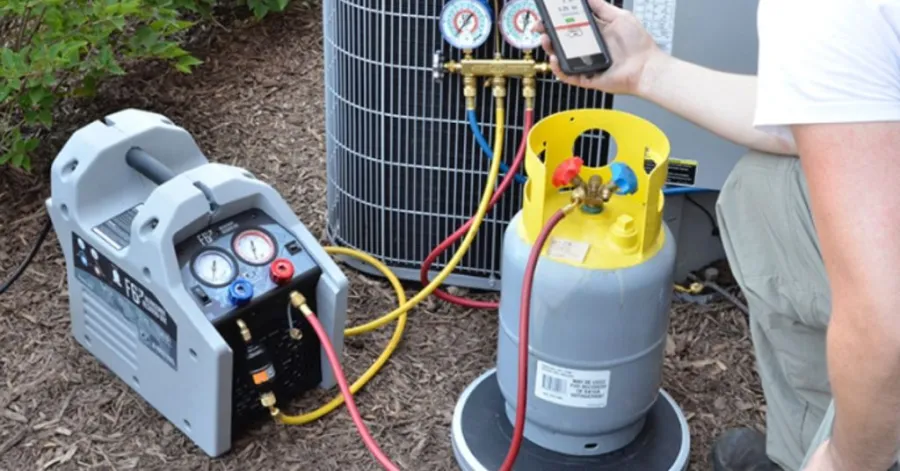
Rekuperačná nádrž klimatizácie je kľúčové zariadenie, ktoré sa používa na bezpečné odstránenie a uskladnenie chladiva počas servisu vykurovania, vetrania a klimatizácie a chladenia. V spolupráci s Stroj na rekuperáciu klimatizácie, umožňuje technikom regenerovať chladivo bez jeho uvoľnenia do atmosféry. Technici nevypúšťajú chladivo do životného prostredia; namiesto toho Stroj na rekuperáciu klimatizácie prečerpáva chladivo do certifikovanej regeneračnej nádrže, aby sa chránilo životné prostredie a splnili priemyselné predpisy.
Bez ohľadu na to, aký ste nový alebo skúsený technik, znalosť toho, čo je regeneračná nádrž klimatizácie, ako funguje a aký druh si vybrať, je dôležitá pre bezpečnú a efektívnu prácu s chladivami. Nasledujúca príručka definuje účel, komponenty, typy a fungovanie regeneračných nádrží a umožní vám pochopiť, prečo sú dôležité pri údržbe klimatizácie a chladenia v modernom svete.
Obsah
Čo je to rekuperačná nádrž na klimatizáciu?
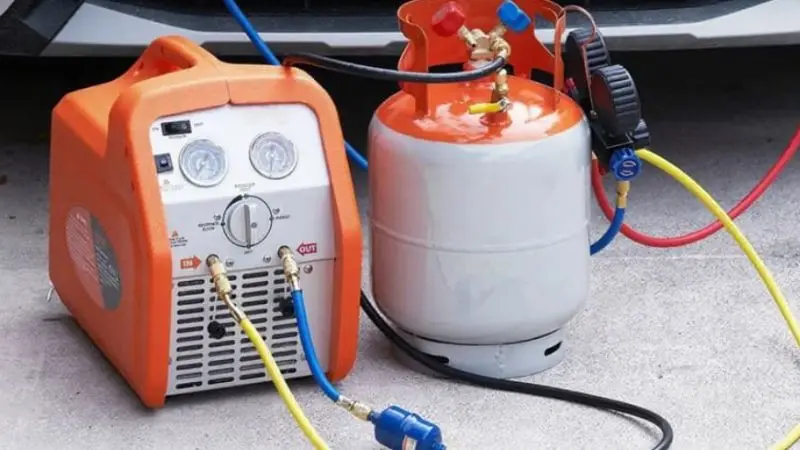
Ak pracujete s klimatizačnými/chladiacimi systémami, často budete počuť o regeneračných nádržiach. Tieto nádrže zohrávajú významnú úlohu pri regenerácii chladiva, pretože poskytujú bezpečné prostredie na uskladnenie chladiva odstráneného zo systému. Vedomie toho, čo je regeneračná nádrž klimatizácie, vám môže pomôcť bezpečne pracovať v systémoch HVAC, chrániť životné prostredie a spĺňať požiadavky odvetvia.
Odporúčané pre váš projekt
Či už ste majiteľ domu, ktorý hľadá údržbu HVAC, alebo profesionálny technik, vedieť, čo... Nádrž na regeneráciu klimatizácie a aký je jeho účel a použitie, vďaka tomu bude manipulácia s chladivom oveľa jednoduchšia a bezpečnejšia.
Definícia rekuperačnej nádrže klimatizácie
Regeneračná nádrž na klimatizáciu je znovu naplniteľná fľaša špeciálne navrhnutá na zhromažďovanie a dočasné uskladnenie chladiva odstráneného počas servisu alebo opráv klimatizačného alebo chladiaceho systému. Tieto nádrže sú navrhnuté tak, aby uchovávali regenerované chladivo pod tlakom, na rozdiel od bežných plynových fliaš. Sú vyrobené z robustnej ocele a majú určité bezpečnostné opatrenia, ako sú pretlakové ventily a robustné armatúry.
Hlavným účelom regeneračnej nádrže je skladovať použité chladivo, kým sa nedá recyklovať, regenerovať alebo správne zlikvidovať. Nie je určená na dlhodobé skladovanie ani na prepravu nového chladiva. Keďže regenerované chladivo môže byť vlhké, olejovité alebo inak kontaminované, regeneračné nádrže nie sú vyrobené rovnakým spôsobom ako štandardné fľaše s chladivom, aby sa predišlo nehodám.
Prečo sa používajú rekuperačné nádrže na klimatizáciu
Rekuperačná nádrž klimatizácie pre technikov HVAC je veľmi dôležitým nástrojom v procese údržby klimatizácií a chladiacich systémov. Technici recyklujú chladivo do schválenej nádrže namiesto jeho vypúšťania do atmosféry a potom opravujú alebo vymieňajú časti systému. Tento proces podporuje bezpečné pracovné podmienky a dodržiavanie environmentálnych predpisov.
Regeneračné nádrže sa používajú na dočasné uskladnenie chladiva, kým sa chladivo nerecykluje, nezrecykluje alebo nezlikviduje podľa miestnych predpisov. Taktiež minimalizujú riziko úniku chladiva a kontaminácie počas prevádzky. Regeneračná nádrž pomáha chrániť zariadenia, zlepšovať bezpečnosť na pracovisku a predchádzať škodlivým emisiám, ktoré spôsobujú škody na životnom prostredí.
Ako sa nádrž na regeneráciu klimatizácie líši od iných valcov
Regeneračné nádrže sa často zamieňajú so štandardnými tlakovými fľašami s chladivom, ktoré sú určené na iné účely. Regeneračné nádrže sú určené na uchovávanie použitého chladiva, ktoré bolo vypustené zo systému HVAC alebo chladiaceho systému. Nové tlakové fľaše s chladivom sú naopak naplnené čistým chladivom, ktoré sa má naplniť do zariadenia. Regeneračné nádrže majú tiež žltý vrch a sivé telo, aby ich technici ľahko rozpoznali.
Jednorazové fľaše nie sú ani regeneračné nádrže. Jednorazové fľaše sú určené na jednorazové použitie s čerstvým chladivom a nemali by sa používať na skladovanie regenerovaného chladiva. Regeneračné nádrže sú tlakovo testované, znovu naplniteľné a určené na viacnásobné použitie, vďaka čomu sú správnou voľbou pre bezpečné regenerovanie chladiva.
Odvetvia, ktoré používajú rekuperačné nádrže na klimatizáciu
Rekuperačná nádrž na klimatizáciu je veľmi obľúbená v rôznych odvetviach, kde sa inštalujú, udržiavajú alebo menia chladiace médiá. Rekuperačné nádrže používajú technici HVAC v domácnostiach na opravu domácich klimatizácií, tepelných čerpadiel a delených systémov. Používajú ich technici HVAC v komerčných prevádzkach pri servise veľkých chladiacich systémov nasadených v kanceláriách, nemocniciach, školách a nákupných centrách.
Zohrávajú tiež dôležitú úlohu v klimatizácii vozidiel, kde by sa chladivo malo získať pred opravou klimatizácie vozidla. V komerčných chladiacich zariadeniach technici servisujú chladiace boxy, mrazničky, chladiace vitríny a priemyselné chladiace zariadenia pomocou regeneračných nádrží. Keďže množstvo chladiva v rôznych systémoch je odlišné, odborníci zvyčajne majú rôzne veľkosti regeneračných nádrží na chladivo, aby si mohli vybrať najefektívnejšiu a najbezpečnejšiu veľkosť v súlade s prácou, ktorú vykonávajú.
Ako funguje rekuperačná nádrž klimatizácie?
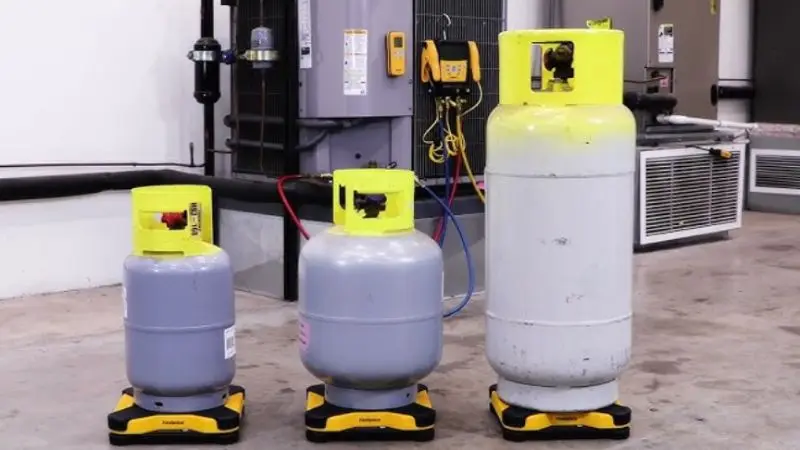
Vedieť, ako obsluhovať regeneračnú nádrž klimatizácie, je nevyhnutné pre každého pracovníka so systémom HVAC alebo chladenia. Regeneračná nádrž neodstraňuje chladivo. Namiesto toho funguje s... obnovovací stroj bezpečne zregenerovať chladivo odstránené počas údržby alebo opráv v klimatizačnom systéme. Tento proces zabezpečuje, že chladivo sa neuvoľní do atmosféry a že technici dodržiavajú environmentálne predpisy.
Či už ste začiatočník v oblasti HVAC alebo odborník, pochopenie fungovania rekuperačnej nádrže klimatizácie vám pomôže bezpečne a efektívne manipulovať s chladivami.
Pochopenie procesu regenerácie chladiva
Proces regenerácie chladiva sa začína pred akoukoľvek opravou systému HVAC. Technik pripojí obnovovací stroj, servisnú hadicu a zbernú nádrž ku klimatizačnej jednotke. Po inštalácii zariadenia obnovovací stroj začne odsávať chladivo zo systému bez toho, aby ho nechalo uniknúť do okolitého prostredia.
Keď chladivo opúšťa systém, prečerpá sa do regeneračnej nádrže klimatizácie, ktorá chladivo uchováva, kým ho nie je možné opätovne použiť, zrecyklovať alebo zlikvidovať bezpečným a vhodným spôsobom. Tento proces chráni životné prostredie, minimalizuje plytvanie chladivom a zaisťuje bezpečný servis technikmi. Je to tiež dôležitý proces profesionálnej údržby HVAC, pretože umožňuje predĺžiť životnosť chladiacich zariadení.
Ako sa chladivo presúva do regeneračnej nádrže
Chladivo vstupuje do regeneračnej nádrže v dôsledku tlaku vytvoreného obnovovací stroj, stroj nasáva chladivo obsiahnuté v systéme HVAC a presúva ho pomocou servisnej hadice do nádrže. Chladivo môže byť do nádrže privádzané ako kvapalina, para alebo zmes oboch, v závislosti od typu regeneračného systému a podmienok v danom systéme.
Regeneračná nádrž je špeciálne navrhnutá nádrž, ktorá je schopná bezpečne udržať chladivo pod tlakom počas procesu. Armatúry, tesnosť a správna inštalácia zariadenia prispievajú k plynulému prenosu chladiva. Správne používanie regeneračnej nádrže klimatizácie pomáha predchádzať únikom, chrániť zariadenie a vo všeobecnosti zlepšuje účinnosť regenerácie chladiva počas servisu.
Úloha zariadenia na obnovu klimatizácie
AC obnovovací stroj je zariadenie používané na odstránenie chladiva z klimatizačného alebo chladiaceho systému. Chladivo sa skladuje v regeneračnej nádrži, ale stroj extrahuje a prenáša ho do nádrže s chladivom čo najbezpečnejším spôsobom. Bez obnovovací stroj, chladivo nie je možné účinne odstrániť podľa priemyselných štandardov.
Mnoho odborníkov na HVAC kombinuje spoľahlivé zariadenie na regeneráciu s vynikajúcou regeneračnou nádržou klimatizácie, aby dosiahli rýchlejšie doby regenerácie a spoľahlivý výkon. Tieto nástroje spolu tvoria kompletný systém regenerácie, ktorý pomáha zabezpečiť bezpečnú manipuláciu s chladivom, chráni cenné chladivá a podporuje technikov pri vykonávaní servisných prác.
Prečo sa regeneračné nádrže nikdy nesmú prepĺňať
Každá regeneračná nádrž má maximálnu plniacu kapacitu, ktorá sa nesmie preplniť. Chladivo sa prirodzene rozpína spolu s teplotou, preto je v nádrži potrebný ďalší priestor na zabezpečenie bezpečnej expanzie. V preplnenej nádrži sa môže vytvoriť nadmerný vnútorný tlak, čo zvyšuje riziko aktivácie poistného ventilu alebo poškodenia zariadenia.
Aby sa predišlo takýmto rizikám, technici pri vyberaní nádrže venujú veľkú pozornosť hmotnosti nádrže a vyberajú správne veľkosti nádrží na regeneráciu chladiva podľa množstva chladiva, ktoré sa regeneruje. Vhodný výber nádrže a správny postup jej plnenia môžu zabrániť poruchám zariadení a nádrží na regeneráciu klimatizácie v rukách pracovníkov HVAC, čím sa zabezpečí stabilita pri práci a bezpečné používanie chladiva.
Hlavné časti rekuperačnej nádrže klimatizácie
Rekuperačná nádrž na klimatizáciu je viac než len skladovacia fľaša. Je skonštruovaná z niekoľkých kľúčových komponentov, ktoré spolu zabezpečujú bezpečné a efektívne spätné získavanie chladiva. Každý komponent má svoju úlohu, ako je regulácia prietoku chladiva alebo zabránenie pretlaku v nádrži. Znalosť týchto častí pomáha technikom správne obsluhovať nádrž a zabezpečiť spoľahlivú prevádzku pri každej servisnej úlohe.
Neviete, čo je rekuperačná nádrž na klimatizáciu alebo ktorá je najlepšia rekuperačná nádrž na klimatizáciu; znalosť jej kľúčových komponentov vám pomôže pri správnych rozhodnutiach a bezpečnej práci s chladivami.
Odolná oceľová karoséria nádrže
Nádrž je vyrobená z odolnej ocele, ktorá je dostatočne pevná, aby odolala vysokému vnútornému tlaku a tvorí hlavné teleso regeneračnej nádrže klimatizácie. Recyklované chladivo sa skladuje pod tlakom, a preto by nádrž mala byť vyrobená z pevného materiálu, ktorý dokáže odolať každodennej prevádzke bez ohrozenia jej štrukturálnej integrity. Oceľová konštrukcia tiež chráni chladivo počas prepravy a skladovania.
Trvanlivosť je nevyhnutná, pretože regeneračné nádrže sa používajú mnohokrát. Technici musia pravidelne kontrolovať nádrž, či nie je preliačina, hrdza, praskliny alebo iné poškodenie. Správne udržiavaná oceľová fľaša ponúka spoľahlivý výkon a pomáha zabezpečiť bezpečné regenerovanie chladiva počas jej životnosti.
Čo robí kvapalinový ventil
Kvapalný ventil reguluje prietok kvapalného chladiva do a z regeneračnej nádrže. Tento ventil je pripojený k obnovovací stroj počas regenerácie chladiva, kde je možné kvapalné chladivo bezpečne prečerpať do nádrže. Dobre fungujúci ventil podporuje efektívny proces regenerácie a minimalizuje riziko úniku chladiva.
Ventil tiež vytvára tesné utesnenie, keď je zatvorený, takže v prípade nehôd neuniká chladivo. Technici musia pred každou prácou na odsávaní skontrolovať ventil, aby sa uistili, že sa bez problémov otvára a zatvára. Táto zložka je dôležitým aspektom vzdelávania o správnom a bezpečnom používaní regeneračnej nádrže klimatizácie.
Čo robí parný ventil
Výparný ventil je zodpovedný za riadenie chladiva v jeho plynnej forme. Para chladiva prúdi cez tento ventil počas procesu prenosu v závislosti od použitej metódy regenerácie. Pomáha udržiavať správny tlak v nádrži a uľahčuje tok chladiva v systéme HVAC.
Správne používanie odparovacieho ventilu zvyšuje účinnosť regenerácie a môže minimalizovať stratu chladiva. Rovnako ako kvapalinový ventil, aj tento sa musí pred použitím skontrolovať, či nie je poškodený alebo netesní. Správne používanie ventilu môže pomôcť technikom bezpečne vykonávať regeneračné práce a šetriť cenné chladivo.
Ako pretlakový ventil udržiava nádrž v bezpečí
Jedným z najdôležitejších bezpečnostných prvkov rekuperačnej nádrže klimatizácie je pretlakový ventil. Je namontovaný tak, aby automaticky uvoľnil tlak, keď sa v nádrži vytvorí neprirodzený tlak. Toto bezpečnostné opatrenie pomáha predchádzať poškodeniu v dôsledku rozpínania chladiva v dôsledku vysokých teplôt alebo náhodného preplnenia.
Aj keď pretlakový ventil ponúka dodatočnú bezpečnosť, nikdy nesmie nahradiť účinné opatrenia na obnovenie. Aj technici by mali dbať na objem nádrže a nemali by ju napĺňať po odporúčaný limit. Časté kontroly sú tiež užitočné na zabezpečenie toho, aby bol ventil čistý a funkčný a aby bol v prípade potreby funkčný.
Pochopenie štítkov a farebného kódovania nádrží
Každá regeneračná nádrž má štítky s cennými informáciami o jej špecifikáciách a bezpečnej prevádzke. Štítky zvyčajne uvádzajú menovitý tlak, kapacitu nádrže, dátumy kontrol, informácie o certifikácii a ďalšie identifikačné znaky. Tieto štítky je možné prečítať, aby sa zabezpečilo, že technici pracujú na správnej nádrži na regeneráciu konkrétneho chladiva.
Regeneračné nádrže sú tiež v bežnej farebnej schéme so sivým telom a žltým vrchom. Tento systém farebného kódovania ich umožňuje ľahko identifikovať a znižuje riziko zámeny s fľašami, ktoré obsahujú nové chladivo. Správna identifikácia podporuje bezpečnú manipuláciu a pomáha technikom spĺňať priemyselné štandardy.
Prečo je rukoväť na prenášanie a ochranný obojok dôležitý
Recyklačné nádrže je možné premiestňovať medzi rôznymi servisnými miestami, a preto musia mať vlastnosti, ktoré zvyšujú bezpečnosť aj pohodlie. Rukoväť umožňuje technikom jednoduchú prepravu nádrže a ochranný golier chráni ventily pred náhodnými nárazmi počas prepravy a skladovania.
Ventily by mali byť tiež chránené, pretože chybné ventily môžu viesť k úniku chladiva alebo zlým prevádzkovým podmienkam. Tieto vlastnosti v kombinácii predlžujú životnosť nádrže a zvyšujú jej spoľahlivosť pri každodennom používaní. V prípade rekuperačnej nádrže klimatizácie používanej technikmi HVAC sa takéto ochranné prvky používajú na zaručenie dlhodobej prevádzky v náročných prevádzkových podmienkach.
Rôzne typy rekuperačných nádrží klimatizácie
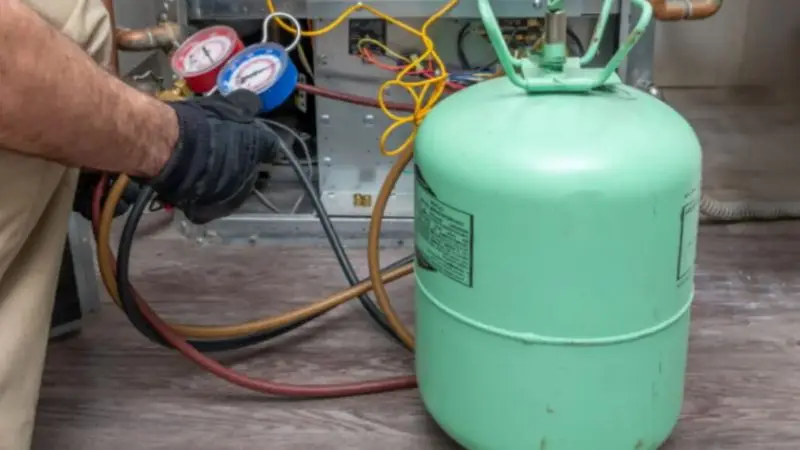
Regeneračné nádrže majú rôzne prevedenia, aby vyhovovali rôznym požiadavkám na služby HVAC. Správna nádrž vyžaduje znalosť typu chladiva, metódy regenerácie a množstva zachytávaného chladiva. Tieto znalosti pomáhajú technikom vybrať zariadenie, ktoré umožňuje bezpečné a efektívne regenerovanie chladiva.
Pri výbere najefektívnejšieho Nádrž na regeneráciu klimatizácie, je potrebné sa riadiť certifikáciami, konštrukciou ventilov, dopĺňateľnosťou a kompatibilitou s inými druhmi chladív. Výber správnej nádrže zvyšuje bezpečnosť a zvyšuje účinnosť regenerácie chladiva.
Štandardné nádrže na regeneráciu klimatizácie
Najbežnejšie používaným typom regeneračnej nádrže je štandardná regeneračná nádrž, ktorá sa používa v rezidenčných a komerčných systémoch HVAC. Dočasne uskladňujú chladivo, keď sa odoberie pri servise, oprave alebo výmene systému. Tieto nádrže sú vyrobené tak, aby zvládali vysoký tlak a časté používanie za bežných prevádzkových podmienok.
Tieto sú dostupné v rôznych veľkostiach a technici sa môžu ľahko rozhodnúť o vhodnej kapacite pre danú prácu. Výber správnej veľkosti nádrže zvýši účinnosť regenerácie a zabráni preplneniu nádrže pri zbere chladiva.
Doplniteľné nádrže na regeneráciu klimatizácie
Znovu naplniteľné regeneračné nádrže sú určené na niekoľkonásobné použitie pri rôznych servisných prácach. Po recyklácii, regenerácii alebo likvidácii regenerovaného chladiva je možné nádrž skontrolovať a znova použiť na ďalší proces regenerácie. Vďaka tomu sú znovu naplniteľné nádrže nákladovo efektívnym a ekologickým riešením.
Tieto nádrže sú vyrobené z odolných materiálov, ktoré odolávajú tlakovým cyklom. Znovu naplniteľné regeneračné nádrže ponúkajú pri správnej starostlivosti a pravidelnej kontrole dlhodobý výkon, čo umožňuje bezpečnú správu chladiva.
Nádrže na regeneráciu klimatizácie schválené DOT
Regeneračné nádrže sú vysokej kvality a schválené Ministerstvom dopravy USA (DOT) z hľadiska prepravy a bezpečnosti pri manipulácii s tlakovými chladivami. Tieto certifikáty slúžia na zabezpečenie toho, aby bola nádrž skontrolovaná z hľadiska jej pevnosti, tlaku a bezpečnej prevádzky. Schválená nádrž môže pomôcť technikom dodržiavať požiadavky stanovené v danom odvetví, ako aj chrániť seba a životné prostredie.
Pred akoukoľvek prácou na odčerpávaní by sa technici mali uistiť, že dátumy certifikácie a kontroly nádrže sú aktuálne. Použitie certifikovaného zariadenia poskytne informácie o tom, že rekuperačnú nádrž možno použiť v profesionálnych aplikáciách HVAC.
Jednoventilové vs. dvojventilové rekuperačné nádrže klimatizácie
K dispozícii sú aj jednoventilové a dvojventilové regeneračné nádrže. Jednoventilové nádrže sa jednoducho používajú a možno ich použiť pri jednoduchých regeneračných operáciách, ktoré vyžadujú iba jedno pripojenie. Zvyčajne sú určené na prácu pri menších alebo menej náročných službách. Dvojventilové nádrže sú vybavené dvoma ventilmi (jeden kvapalinový, jeden parný), ktoré sú flexibilnejšie, pretože technikom poskytujú viac možností pri oprave chladiva. Táto konštrukcia umožňuje efektívnejší prenos chladiva a zvyčajne ju uprednostňujú tí, ktorí sa živia údržbou rôznych systémov HVAC a chladenia.
Nádrže na regeneráciu klimatizácie pre rôzne chladiace médiá
Nie všetky chladivá pracujú s rovnakým tlakom, preto je potrebné vybrať kompatibilnú regeneračnú nádrž. Väčšina súčasných regeneračných nádrží je vyrobená tak, aby bola kompatibilná s niekoľkými typmi chladív; aj pri dopĺňaní nádrže je vždy dôležité zabezpečiť, aby bola nádrž kompatibilná so špecifikáciami výrobcu.
Výber práva Nádrž na regeneráciu klimatizácie pomáha zlepšiť účinnosť regenerácie, chrániť zariadenia a zaistiť bezpečné pracovné podmienky. Či už ide o klimatizačné systémy pre domácnosti, komerčné systémy HVAC, automobilové klimatizačné jednotky alebo chladiace jednotky, odporúča sa použiť vhodnú regeneračnú nádrž na podporu kvalitnej manipulácie s chladivom a profesionálnych výsledkov.
Zabaliť
Výber vhodnej regeneračnej nádrže klimatizácie je kľúčom k bezpečnej regenerácii chladiva a profesionálnemu servisu HVAC. Každý detail, či už ide o znalosť kľúčových prvkov, ktoré treba zvážiť, alebo o výber správnej veľkosti regeneračných nádrží chladiva, pomáha pri efektívnom a spĺňajúcom predpisy procese manipulácie s chladivom. Regeneračná nádrž certifikovaná so spoľahlivým certifikátom obnovovací stroj pomôže predchádzať úniku chladiva, chrániť životné prostredie a zvyšovať bezpečnosť na pracovisku. Či už servisujete klimatizácie v domácnostiach, komerčné systémy HVAC alebo chladiace zariadenia, investícia do najlepšej rekuperačnej nádrže klimatizácie zaručí spoľahlivú prevádzku a dlhodobú životnosť. Správna manipulácia a pravidelné kontroly tiež predlžujú životnosť nádrže a zabezpečujú bezpečnú prevádzku.
Často kladené otázky
Aký je účel rekuperačnej nádrže klimatizácie?
Regeneračná nádrž na klimatizáciu je bezpečná nádoba, ktorá dočasne uskladňuje chladivo, ktoré bolo extrahované z HVAC alebo chladiaceho systému počas údržby alebo opráv, alebo počas výmeny zariadenia, ktoré sa bude recyklovať alebo vhodne zlikvidovať.
Je možné trvalé skladovanie chladiva v rekuperačnej nádrži klimatizácie?
Nie. Regeneračné nádrže sú určené na dočasné skladovanie chladív. Regenerované chladivo sa neskôr recykluje, regeneruje alebo likviduje v súlade s miestnymi environmentálnymi predpismi.
Aká je správna veľkosť nádrže na regeneráciu chladiva?
V závislosti od množstva chladiva, ktoré chcete regenerovať, vyberte nádrž. Vhodná veľkosť nádrže na regeneráciu chladiva pomáha predchádzať preplneniu a zvyšuje účinnosť regenerácie.
Prečo sa nádrž na regeneráciu klimatizácie nemôže preplniť?
S rastúcou teplotou sa chladivo rozpína. Preplnenie spôsobuje, že nie je priestor na jeho rozpínanie, a preto je vnútorný tlak vysoký a môže predstavovať bezpečnostné riziko počas skladovania alebo prepravy.
Aké vybavenie je potrebné s rekuperačnou nádržou klimatizácie?
Rekuperačná nádrž klimatizácie sa používa s Stroj na rekuperáciu klimatizácie, autorizované hadice, meradlá a armatúry na bezpečné odsávanie a prenos chladiva v systémoch HVAC a chladenia.