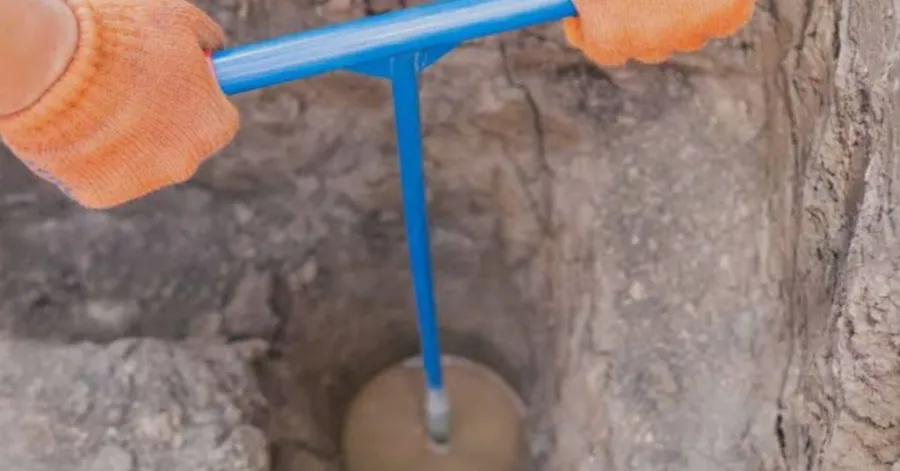
Selectarea și utilizarea echipamentelor adecvate de foraj sunt sarcini importante în orice dezvoltare a unui puț de apă. Fie că este vorba de o locație rezidențială, agricolă sau industrială, eficacitatea selecției echipamentelor influențează direct viteza de foraj, siguranța și calitatea pe termen lung a alimentării cu apă. Diversele condiții și adâncimi ale terenului necesită diferite unelte, mașini și sisteme de asistență pentru a asigura o funcționare fără probleme.
Aceste noțiuni de bază îi vor ajuta pe începători să evite erorile și să îmbunătățească planificarea proiectelor în general. Acest ghid simplu pentru începători, dedicat tuturor echipamentelor importante de foraj, caracteristicilor, tipurilor și modului de funcționare, va fi explicat într-un mod simplu, cu ajutorul unor echipamente de asistență, cum ar fi... burghiu magnetic, pentru a lua decizii solide și practice atunci când lucrează la proiecte de foraj de sonde de succes.
Care sunt cerințele proiectului de foraj
Trebuie să aveți o idee despre nevoile proiectului dumneavoastră înainte de a începe orice lucrare de foraj. Acest lucru vă ajută să îl planificați mai eficient. Atunci când cerințele sunt îndeplinite, întregul proces va fi mai ușor și mai precis. De asemenea, vă ajută la selectarea uneltelor adecvate și previne apariția unor probleme suplimentare în viitor.
Acum, va fi mult mai ușor să alegeți echipamentul potrivit pentru foraj, deoarece știți deja de ce aveți nevoie. O planificare inițială bună va duce întotdeauna la rezultate mai bune și la mai puține complicații la efectuarea lucrărilor de foraj.
Alegeți tipul potrivit de puț de apă pentru nevoile dumneavoastră
Primul pas este să determinați tipul de fântână de care aveți nevoie. Casele, fermele și scopurile industriale au fântâni diferite, fiecare cu funcții variate. O fântână casnică furnizează de obicei apă potabilă și menajeră zilnic, în timp ce fântânile agricole necesită mult mai multă apă. Fântânile industriale sunt proiectate pentru utilizare intensă și continuă.
Cunoașterea scopului proiectului vă ajută să faceți alegerea corectă a configurării și vă ajută la planificare. De asemenea, este direct legată de tipurile de echipamente și aplicații pentru forarea puțurilor de apă, deoarece există multe tipuri de puțuri care necesită diverse echipamente și proceduri. Odată ce intenția este făcută, toate celelalte părți ale proiectului vor fi foarte ușor de gestionat și de înțeles.
Verificați condițiile solului și terenului înainte de semănat
Condițiile solului și terenului sunt de mare importanță pentru lucrările de foraj. Există foraje din sol moale, iar altele pot fi, de asemenea, din rocă dură. Toate acestea afectează viteza și adâncimea forajului. Studiul necorespunzătoare al terenului poate duce la întârzieri sau dificultăți legate de echipament în timpul lucrărilor.
Verificarea rudimentară a terenului vă poate oferi o idee despre tipul de tehnică de foraj potrivită în locația dumneavoastră. De asemenea, este relevantă pentru selectarea celui mai potrivit echipament de foraj pentru puțurile de apă rezidențiale, deoarece sunt necesare unelte diferite pentru diferite soluri. Cunoașterea adecvată a terenului asigură că procesul de foraj este mai sigur, mai rapid și mai eficient pe tot parcursul procesului.
Decideți cât de adâncă ar trebui să fie fântâna dvs. de apă
Problema este că trebuie să fii conștient de adâncimea puțului înainte de a începe forajul. Există surse de apă care se află la o adâncime mică, iar altele se găsesc la un nivel foarte adânc. Adâncimea variază în funcție de amplasamentele cu ape subterane și de sursa de apă din zona ta.
Când sonda este puțin adâncă, procesul este de obicei simplu și rapid. Sondele adânci necesită mașini mai puternice și tehnici sofisticate. Aici, este util să știți cum sunt aplicate instalațiile și uneltele de foraj rotative în sondele de apă, în special în operațiunile de foraj mai adânci și mai dificile. Planificarea corectă a adâncimii va oferi o alimentare stabilă și asigurată cu apă pe termen lung.
Estimați câtă apă veți avea nevoie zilnic
Un alt factor de planificat este necesarul de apă. Fiecare proiect va varia în ceea ce privește necesarul de apă în funcție de aplicația sa. O casă ar putea necesita o cantitate mică și constantă de apă, în timp ce fermele și industriile ar putea necesita una mult mai mare.
Înțelegerea nevoilor dumneavoastră de apă vă va ajuta să proiectați un sistem care poate gestiona sarcina. De asemenea, vă asigură că puțul dumneavoastră nu este epuizat sau plin până la refuz. Aici este crucial aspectul echipamentului de foraj corect, deoarece acesta trebuie să îndeplinească atât cerințele privind adâncimea apei, cât și cele privind debitul. Cu o planificare eficientă a utilizării apei, întregul sistem de foraj va fi mai fiabil și mai eficient pe termen lung.
Principalele tipuri de echipamente de foraj
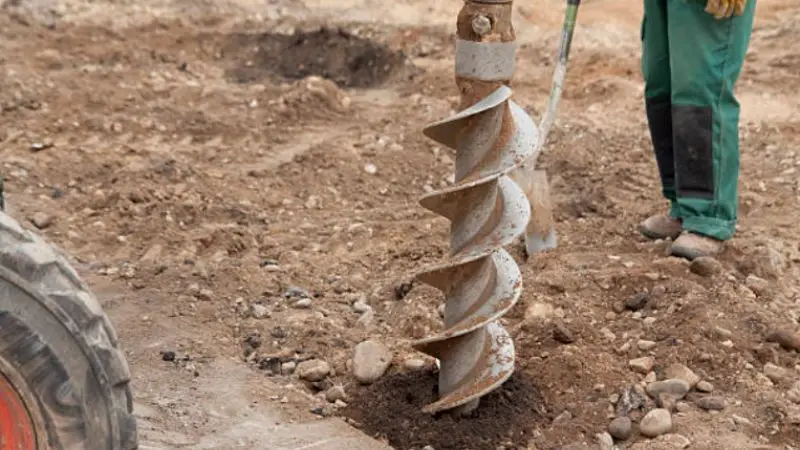
Înainte de a iniția orice proiect de foraj cu apă, este esențial să înțelegeți diferitele mașini de foraj. Toate tipurile de echipamente diferă și sunt concepute pentru a face față unor condiții specifice de teren, adâncimi și nevoi de foraj. Odată ce aveți o imagine clară a modului în care funcționează fiecare sistem, va fi mult mai simplu să selectați sistemul și echipamentul potrivite care se potrivesc cel mai bine locației dumneavoastră.
Aceste informații sunt deosebit de utile atunci când alegeți echipamente de foraj, deoarece fiecare proiect necesită o configurație diferită în funcție de tipul de sol, nivelul de adâncime și necesarul de apă. Cunoașterea tipurilor de echipamente vă va permite să faceți mai puține erori, să fiți mai productivi și să luați decizii mai bune în ceea ce privește siguranța forajului.
Aici intervine o alegere potrivită a echipamentelor, cum ar fi platformele rotative, spiralele și chiar dispozitive auxiliare, cum ar fi burghiu magnetic, devine crucial pentru o funcționare stabilă și lină.
Instalații de foraj rotative
Unul dintre cele mai utilizate sisteme în proiectele actuale de foraj cu puțuri de apă este instalația de foraj rotativă. Acestea sunt acționate prin rotirea unui burghiu pentru a săpa straturile de sol și rocă. Această rotație constantă permite un foraj mai rapid și mai profund decât tehnicile vechi. Aceste instalații sunt utilizate în condiții de teren moale și dur, fiind astfel foarte adaptabile la diverse proiecte.
Acestea sunt foarte frecvente în puțurile mai adânci, unde viteza și eficiența sunt o preocupare. Sistemul este, de asemenea, strâns legat de aplicarea instalațiilor și uneltelor de foraj rotative în puțurile de apă, deoarece descrie modul de funcționare al exercițiilor de foraj la mare adâncime. Instalațiile rotative sunt considerate fiabile, robuste și potrivite pentru proiecte de extracție a apei la scară largă.
Sisteme de găurire cu scule prin cablu
Una dintre cele mai vechi tehnici de foraj utilizate în construcția unei puțuri este sistemul de foraj cu cablu. Acestea funcționează prin ridicarea și coborârea repetată a unui burghiu greu pe pământ pentru a-l sparge în bucăți mai mici. În timp, acest proces formează o gaură de sondă care poate ajunge la sursele de apă subterane. Sunt mai lente decât sistemele moderne, dar sunt totuși utile în anumite circumstanțe.
Acest proces este deosebit de eficient atunci când vine vorba de regiuni cu rocă dură, unde alte mașini ar putea să nu fie eficiente. Este răbdător și produce puțuri puternice și stabile. Sistemele de scule cu cablu sunt, de asemenea, ușor de întreținut și de operat, ceea ce le face o opțiune viabilă în locații îndepărtate. Acestea continuă să joace un rol semnificativ în echipamentele de foraj puțuri de apă și aplicațiile acestora, în special în proiectele de foraj convenționale.
Echipament de foraj cu spirală
Mașinile de forat cu spirală sunt de obicei utilizate în puțuri puțin adânci și în sol moale. Funcționează cu ajutorul unui burghiu în formă de spirală care răzuiește solul în timp ce se rotește. Acest lucru le face potrivite pentru operațiuni de foraj rapide și ușoare unde nu este nevoie de ape adânci. Sunt utilizate în mod obișnuit în aplicații rezidențiale și agricole la scară mică.
Este rapid și economic, în special pe sol afânat sau nisipos. Cu toate acestea, nu poate fi utilizat în foraje adânci sau în rocă dură. Sistemele de foraj cu spirală sunt o parte importantă a celor mai bune echipamente de foraj pentru puțuri de apă rezidențiale, deoarece oferă o soluție ușoară pentru sistemele mici de alimentare cu apă. Sunt ușor de utilizat și potrivite pentru proiecte de foraj la nivel de începător.
Instalații de foraj în gaură (DTH)
Instalațiile de foraj „down-the-hole” (DTH) sunt instalații utilizate pentru forare în rocă adâncă și dură. Ciocanul din acest sistem se află la baza găurii forezei, iar impactul se produce direct pe suprafața rocii. Acest lucru asigură că forajul în formațiuni geologice dificile este mai rapid și mai eficient. Sunt utilizate în mod obișnuit în puțuri de apă adâncă.
Instalațiile de foraj DTH sunt caracterizate de precizie ridicată și performanțe bune în condiții extreme. Acestea sunt utilizate în mod normal atunci când alte sisteme nu reușesc să penetreze straturile de rocă dură. Echipamentul joacă un rol semnificativ în funcționarea instalațiilor de foraj rotative la forarea puțurilor de apă, în special acolo unde este necesară o forare adâncă și precisă. Acesta garantează o penetrare și o construcție îmbunătățite a puțurilor.
Echipament de foraj rotativ cu noroi
Mașinile de foraj rotative propulsează noroiul cu ajutorul unui fluid de foraj special, cunoscut sub numele de noroi. Acest fluid este utilizat pentru a răci sapa de foraj, a îndepărta deșeurile și a stabiliza marginile găurii de sondă. De asemenea, este foarte eficient în condiții de sol adânc și instabil, unde structura solului este o problemă.
Acest sistem permite forarea continuă, menținând în același timp gaura curată și stabilă. Se aplică în mod normal în proiecte mari de puțuri de apă, ceea ce înseamnă că este mai frecvent utilizat în foraje mai adânci și controlate. Sistemele rotative cu noroi sunt un tip mai avansat de echipament de foraj de puțuri, care este mai eficient și mai sigur de utilizat în condiții de teren complicate. De asemenea, sunt o opțiune bună atunci când vine vorba de operațiuni profesionale de foraj datorită capacității lor de a lucra în straturi dure de sol.
Caracteristici cheie înainte de a alege echipamentul de forajt
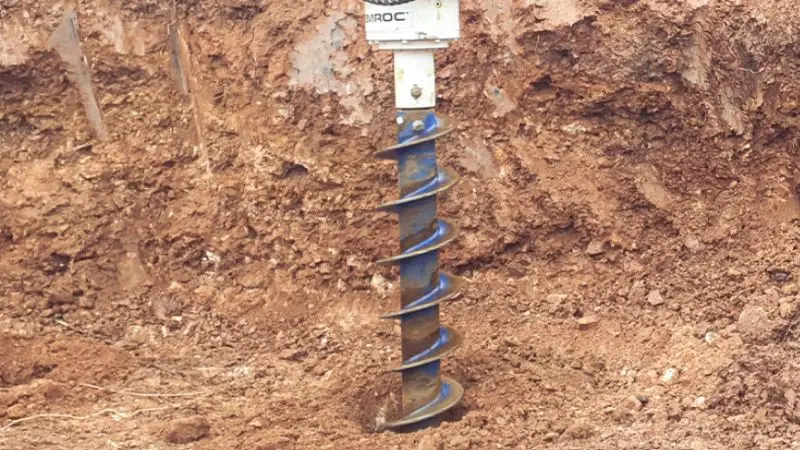
Alegerea echipamentului potrivit nu este doar o chestiune de tip, ci și de caracteristicile oferite de acesta. Fiecare proiect de foraj este unic prin cerințele sale și, prin urmare, vă va ajuta să luați o decizie mai bună și mai credibilă cunoscând aceste caracteristici. De asemenea, asigură performanțe îmbunătățite în activitățile reale de foraj.
Prin analiza critică a caracteristicilor, veți putea alege cel mai bun echipament de foraj pentru proiectul dumneavoastră. Acest lucru minimizează riscurile, crește eficiența și vă permite să obțineți rezultate superioare pe termen lung în construcția de puțuri de apă.
Capacitate și performanță de foraj
Unii dintre factorii cheie în alegerea echipamentelor includ capacitatea și performanța de foraj. Capacitatea descrie adâncimea și viteza la care o mașină poate fora, iar performanța descrie eficacitatea unei mașini în diverse condiții de teren. Puțurile mai dificile sau solurile mai dificile tind să necesite o mașină cu o capacitate mai mare.
Performanța de calitate va asigura o forare lină, cu defecțiuni și întârzieri minime. De asemenea, sporește precizia și minimizează problemele operaționale. Cunoașterea capacității vă poate ajuta să potriviți echipamentul cu cerințele proiectului, în special în ceea ce privește tipurile de echipamente de foraj pentru puțuri de apă și aplicațiile acestora. Selectarea nivelului adecvat de performanță face ca proiectul să se desfășoare eficient până la finalizare.
Opțiuni sursă de alimentare
O altă considerație este sursa de alimentare, deoarece aceasta va influența funcționarea echipamentului pe teren. Există unele care sunt alimentate de motoare diesel, iar altele pot fi electrice sau hidraulice. Ambele alternative au avantajele lor în funcție de locație și dimensiunea proiectului.
Zonele îndepărtate au de obicei sisteme care funcționează pe motorină, deoarece nu depind de electricitate. Sistemele electrice sunt, de asemenea, curate și liniștite, prin urmare, potrivite pentru un mediu controlat. Alegerea celui mai bun echipament de foraj aplicabil în puțurile de apă rezidențiale este un aspect semnificativ în care alegerea unei surse de alimentare este crucială, în special acolo unde alimentarea cu energie electrică poate fluctua. Decizia corectă garantează lucrări de foraj stabile și continue.
Mobilitate și transportabilitate
Ușurința cu care echipamentele de foraj sunt transportabile între locații este cunoscută sub numele de mobilitate. Aceasta este o caracteristică esențială atunci când se lucrează la proiecte în care forajul va avea loc în mai multe locații. Mașinile mai mici sunt mai ușoare și pot fi transportate și instalate cu ușurință, în timp ce platformele mai mari pot necesita vehicule și echipamente specializate.
Transportabilitatea este bună, economisește timp și minimizează efortul de instalare la fața locului. De asemenea, facilitează accesul la locații îndepărtate sau dificile fără dificultăți semnificative. Mobilitatea este deosebit de importantă atunci când există unelte de forare în proiecte rurale sau agricole la scară largă. Echipamentul se poate muta cu ușurință, sporind eficiența și accelerând finalizarea proiectelor.
Durabilitate și calitate a construcției
Durata de viață a echipamentului în condiții dure de lucru este determinată de durabilitate și calitatea construcției. Mașinile de găurit sunt supuse unor sarcini mari, presiuni și condiții dure, ceea ce implică faptul că trebuie să fie construite robust. Se utilizează materiale de calitate pentru a garanta rezistența la uzură și deteriorare.
Echipamentele puternice economisesc cheltuielile de întreținere și sporesc fiabilitatea pe termen lung. De asemenea, asigură o muncă mai sigură în timpul utilizării continue pe teren. Durabilitatea este deosebit de relevantă atunci când se utilizează instalații de foraj rotative și unelte în puțuri de apă, deoarece aceste mașini trebuie să funcționeze în medii dure și severe. O calitate bună a construcției asigură stabilitatea performanței.
Caracteristici de siguranță și standarde de conformitate
Orice operațiune de foraj trebuie să aibă caracteristici de siguranță datorită utilizării utilajelor grele și a excavațiilor adânci. Echipamentele moderne au mecanisme de protecție care minimizează riscurile în timpul funcționării. Acestea pot fi sisteme de oprire de urgență, controlul presiunii și caracteristici de protecție a operatorului.
Standardele de conformitate ajută la stabilirea cerințelor de siguranță și calitate pentru echipamentele din industrie. Acestea pot fi utilizate pentru a evita accidentele și a spori siguranța operațiunilor în general. Echipamentele eficiente de foraj includ o proiectare adecvată a siguranței, în special în proiectele profesionale și de mare amploare. Orientările de siguranță permit procese de foraj sigure și gestionate în orice circumstanțe.
Un eficient burghiu magnetic ar putea ajuta, de asemenea, la lucrările de fabricație și întreținere în siguranță la fața locului în cazul operațiunilor de foraj, îmbunătățind fluxul de lucru general.
Cum să alegi echipamentul potrivit în funcție de condițiile solului
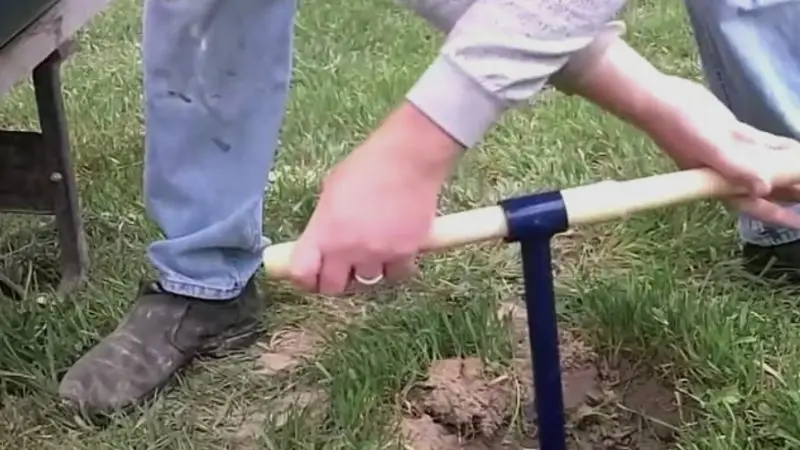
Toate locațiile de foraj au condiții subterane variate care influențează direct performanța echipamentelor de foraj. Tipul de sol, duritatea rocii și nivelul de umiditate sunt factori importanți în determinarea instrumentelor și tehnicilor adecvate. Neglijarea condițiilor solului poate duce la foraje consumatoare de timp, costisitoare sau chiar nereușite.
De aceea este necesar să se înțeleagă geologia amplasamentului înainte de alegerea echipamentului de foraj. Odată ce echipamentul este conectat la teren, forajul va fi mai ușor, mai puțin periculos și mai eficient pe tot parcursul procesului.
Echipamente pentru sol moale și nisip
Solul este în general moale, nisipos și este mai ușor de forat decât alte formațiuni. În astfel de condiții, sunt de obicei dorite sisteme de forare ușoare și rapide. Sistemele rotative cu burghiu și cele cu suprafață mică sunt eficiente deoarece pot îndepărta rapid materialul liber fără a necesita o forță excesivă.
Stabilitatea este însă de dorit, deoarece solul nisipos este predispus la prăbușire dacă nu este gestionat corespunzător. Structura găurii este menținută printr-o carcasă adecvată și o viteză de foraj controlată. Alegerea instrumentelor de foraj adecvate în puțurile de apă rezidențiale din astfel de medii garantează o construcție curată și stabilă a puțurilor. Ideea este de a găsi un echilibru între viteză și siguranță, fără a crea mai multe complicații decât este necesar în procesul de foraj.
Echipament pentru teren argilos și mixt
Solurile argiloase și mixte necesită tehnici de foraj mai restricționate și echilibrate. Argila este lipicioasă și poate încetini procesul de foraj, în timp ce terenul mixt poate fi format din straturi de sol, pietriș și roci mici. Această diferență face ca alegerea echipamentului să fie mai semnificativă.
Sistemele rotative MUD sunt utilizate pe scară largă deoarece ajută la stabilizarea găurii de sondă și la eliminarea eficientă a materialului adeziv. Aceste sisteme formează o componentă cheie a acestor echipamente de foraj pentru puțuri de apă, iar aplicațiile lor sunt în special în condiții de teren cu dificultate medie. Rata la care se utilizează forajul și circulația fluidului trebuie ajustată cu atenție pentru a preveni orice deteriorare a structurii și echipamentului găurii de sondă.
Echipamente pentru formațiuni de rocă dură
Unul dintre cele mai dificile medii în care se poate desfășura operațiunea de foraj sunt formațiunile de rocă dură. Astfel de straturi necesită echipamente puternice, care pot tăia materialul solid. Astfel de medii sunt în mod normal forate folosind instalații de foraj down-the-hole (DTH) și sisteme rotative sofisticate.
Aceste mașini oferă energie de impact ridicată și penetrare eficientă, fiind astfel aplicabile în straturi de rocă adânci și dure. Aici, aplicarea instalațiilor și uneltelor de foraj rotative în puțurile de apă intră în centrul atenției, deoarece descrie modul în care sistemele robuste pot face față condițiilor extreme. Alegerea corectă a echipamentului va garanta un proces de foraj mai rapid și o uzură mai mică a echipamentelor în regiunile geologice dificile.
Adaptarea echipamentelor pentru medii dificile
Circumstanțele din unele dintre siturile de foraj sunt imprevizibile sau dificile, cum ar fi formațiunile libere, presiunea apei subterane sau geologia mixtă. Flexibilitatea în utilizarea echipamentelor este crucială în aceste situații. Sistemele multifuncționale și instalațiile reglabile sunt de obicei preferate, deoarece sunt capabile să se adapteze la orice condiții noi în timpul procesului de foraj.
În funcție de răspunsul terenului în timp real, operatorii ar putea fi nevoiți să își modifice metodele sau să modifice setările. Această flexibilitate sporește productivitatea și minimizează șansele de defecțiuni. Echipamentul adecvat pentru forarea puțurilor în astfel de condiții garantează un control sporit și performanțe constante chiar și în condiții dificile. Acesta poate fora în siguranță în zone problematice datorită ajustării și monitorizării adecvate.
Unelte de asistență utilizate cu echipamentele de foraj de puțuri
Forarea sondelor nu se rezumă doar la utilizarea platformelor și utilajelor principale. Procesul necesită, de asemenea, numeroase instrumente de asistență pentru a asigura o funcționare lină, sigură și eficientă. Instrumentele sunt folosite pentru a îmbunătăți rata de foraj, stabilitatea și construcția corectă a sondelor pe tot parcursul procesului.
Toate instrumentele de asistență, în combinație cu echipamentul de foraj, fac ca întregul proces de foraj să fie mai controlat și mai fiabil. Fiecare instrument joacă un rol specific în asistarea diferitelor faze ale forajului și instalării.
Burghie și scule de tăiere pentru diferite formațiuni
Principalul punct de contact dintre mașină și sol îl reprezintă burghiele și uneltele de tăiere. Acestea sunt responsabile pentru spargerea și tăierea straturilor de sol, argilă, nisip sau rocă. Diversele formațiuni folosesc diverse tipuri de burghie, cum ar fi burghiele pentru sol moale, care sunt burghie ascuțite, în timp ce în condiții de rocă dură sunt necesare burghie mai puternice și mai ranforsate.
Utilizarea sculei de tăiere adecvate îmbunătățește viteza de foraj și minimizează uzura echipamentului. Acestea sunt utilizate în aproape toate instalațiile de foraj și sunt o componentă a altor categorii de echipamente și aplicații de foraj pentru puțuri de apă. O selecție eficientă va asigura o penetrare mai ușoară și o performanță generală îmbunătățită în procesele de foraj.
Pompe de noroi și compresoare de aer pentru foraj eficient
Compresoarele de aer și pompele de noroi sunt esențiale pentru menținerea eficienței și stabilității procesului de foraj. Fluidul de foraj este circulat de pompele de noroi și este utilizat pentru răcirea sapei de foraj și a deșeurilor, precum și pentru menținerea pereților găurii la locul lor. Forajul uscat sau în rocă dură este adesea alimentat de compresoare de aer pentru a acționa sistemele pneumatice și pentru a îndepărta resturile din gaură.
Acestea ajută la creșterea ratei de foraj și asigură un mediu de lucru curat în interiorul găurii de sondă. Sunt utilizate pe scară largă în sisteme sofisticate, utilizând instalații de foraj rotative și echipamente în puțuri de apă. În absența lor, eficiența forajului ar fi redusă semnificativ, în special în formațiuni adânci sau complicate.
Echipamente de carcasă și manipulare pentru construcția de puțuri
Gaura care a fost forată este susținută și stabilizată folosind echipamente de tubaj și manipulare. Țevile de tubaj sunt introduse în gaură pentru a preveni prăbușirea acesteia și pentru a menține calitatea apei, evitând pătrunderea materialelor nedorite în ea. Uneltele sunt folosite pentru a ajuta la manipularea acestor țevi, ridicarea, poziționarea și fixarea lor în timpul procesului de instalare.
Acesta este un pas esențial către stabilitatea pe termen lung a sondei și a performanței acesteia. O carcasă adecvată va face structura rezistentă în ciuda condițiilor instabile de sol. De asemenea, este esențială în cazul celor mai bune echipamente de foraj pentru puțuri rezidențiale, unde o alimentare cu apă curată și sigură este o prioritate pentru gospodării.
Burghie magnetice pentru fabricarea și întreținerea oțelului la fața locului
Burghie magnetice sunt echipamente specializate utilizate pentru a găuri cu precizie structurile de oțel în timpul instalării sau întreținerii. Sunt utilizate pe scară largă pe instalații de foraj, cadre de susținere și alte piese metalice care necesită modificări precise. Fundația lor magnetică bună le permite să funcționeze în siguranță și ferm pe suprafețele metalice.
Acestea sunt deosebit de utile pe teren, unde sunt necesare fixări sau ajustări rapide. Acestea sporesc flexibilitatea în configurarea și repararea echipamentelor. Burghiele magnetice contribuie, de asemenea, la performanța generală a echipamentelor de foraj, asigurându-se că componentele structurale sunt bine montate și funcționale pe parcursul întregului proces de foraj.
@beasleysfamily #vevor #vevortools #vevorttshop #vevormagneticdrill #vevormagbasedrill #drillbazatpe mag #bormașinămagnetică #burghiu magnetic #set de burghie magnetice #bură de metal #metal #burghiu #presădegăuritvevor #prese de găurit magnetice #burghie #instrumente #instrumentepentrucomerț #tiktokshopbacktoschool #cumpărăturiînapoilașcoală #ofertăzimunci #gadgetstouse #ghiddecadouri #cadoudetata #idei de cadouri #metalurgie #alegericreatoriidetiktokshop #Ziua Muncii #oferte pentru zilele voastre #înapoi la școală
♬ Western - Joystock
Burghie cu carotă și scule auxiliare de găurire
Eșantionarea și susținerea diferitelor faze ale lucrărilor de foraj se efectuează cu ajutorul carotelor și instrumentelor de rezervă. Carotele sunt utilizate pentru a extrage probe cilindrice din formațiunile subterane în scopul studierii structurii solului și a rocii. Informațiile sunt esențiale atunci când se planifică foraje mai aprofundate sau chiar foraje mai complicate.
Uneltele auxiliare sunt stabilizatoare, alezoare și alte echipamente de susținere care ajută la menținerea dreptei găurii și la îmbunătățirea preciziei forajului. Acestea sunt deosebit de eficiente în proiectele care pot include tipuri de echipamente de foraj pentru puțuri de apă și aplicațiile acestora, unde sunt necesare precizie și cunoștințe geologice. Combinația sporește eficiența, siguranța și succesul general al forajului.
Învelire
Pe scurt, pentru a construi un sistem de puțuri de apă sigur, eficient și durabil, este necesar să se selecteze echipamentul de foraj adecvat. Pe baza cunoașterii condițiilor solului și a adâncimii de foraj, precum și a selecției mașinilor și echipamentelor de asistență adecvate, fiecare pas contribuie la succesul per ansamblu.
Tipurile de platforme precum platformele rotative, forajele cu spirală și sistemele DTH sunt adaptate condițiilor specifice de teren și cerințelor proiectului. Potrivirea corectă a tuturor componentelor face ca forajul să fie mai precis și mai rentabil. Acest ghid de echipamente pentru foraj va simplifica conceptele complexe și va facilita planificarea și implementarea proiectelor de puțuri de apă cu mai multă încredere și eficiență, deoarece ghidul este conceput pentru a ajuta începătorii să navigheze prin conceptele complexe ale forajului de puțuri.
Întrebări frecvente
Care sunt utilizările echipamentelor de foraj de puțuri?
Sursele de apă subterană sunt accesibile prin forarea de puțuri în pământ folosind echipamente de foraj. Acestea cuprind mașini, unelte și sisteme care sunt utilizate în diferite condiții de sol și adâncimi de foraj.
Care este cel mai valoros echipament de forat puțuri de utilizat la forarea puțurilor de apă rezidențiale?
Alternativa cea mai preferabilă se bazează pe tipul și adâncimea solului; cu toate acestea, un sistem de foraj cu spirală și o instalație rotativă mică pot fi aplicate în mod obișnuit pentru a fora puțuri rezidențiale, deoarece sunt eficiente și rentabile și pot fi aplicate la adâncimi mici și medii.
Care sunt principalele tipuri de echipamente de foraj pentru puțuri de apă și utilizările lor?
Acestea constau în sisteme de scule cu cablu, principalele tipuri de platforme rotative, foreze cu spirală, platforme DTH și echipamente rotative pentru nămol. Toate sunt fabricate în anumite condiții de teren, adâncimi și cerințe de extracție a apei.
Cum se utilizează instalațiile și uneltele de foraj rotativ în puțurile de apă?
Instalațiile de foraj rotative utilizează un burghiu rotativ pentru a tăia solul și roca. Burghiul, uneltele și fluidul de foraj ajută la îndepărtarea deșeurilor, la răcirea burghiului și la stabilitatea găurilor de sondă în timpul proceselor de foraj la mare adâncime.
Care este importanța alegerii echipamentului de foraj potrivit?
Alegerea corectă a echipamentelor garantează eficiența forajului, costuri reduse de operare și siguranță sporită. De asemenea, contribuie la obținerea unui randament adecvat al apei și la stabilitatea pe termen lung a sistemului de sonde în diverse condiții ale terenului.