În timpul proceselor de producție, mașinile industriale generează o cantitate semnificativă de căldură care trebuie răcită eficient și eficace pentru a asigura eficiența operațională și calitatea produsului. Un răcitor de procese elimină căldura nedorită din utilaje și sistemele de producție pentru a evita supraîncălzirea, a minimiza timpii de nefuncționare și a prelungi durata de viață a echipamentelor. Răcitoare de proces sunt importante în industriile contemporane, nu doar în producția de plastic și tăierea cu laser, ci și în procesarea alimentelor și a produselor farmaceutice. Indiferent dacă vă întrebați ce este un răcitor de proces sau cum funcționează, acest ghid vă va explica elementele fundamentale, componentele principale, cele mai comune utilizări și considerațiile de care trebuie să țineți cont atunci când selectați sistemul de răcire potrivit pentru instalația dumneavoastră.
Ce este un răcitor de proces?
În multe procese industriale, se generează o cantitate semnificativă de căldură care poate afecta performanța echipamentelor și calitatea produsului. Disiparea acestei călduri este vitală pentru eficiență, prevenirea deteriorării mașinii și menținerea unei producții uniforme.
Dacă v-ați întrebat vreodată ce este un răcitor de proces, acesta este unul dintre cele mai importante sisteme de răcire din industria prelucrătoare. Acesta ajută la controlul temperaturilor din proces, permițând mașinilor să funcționeze în siguranță și eficient în condiții industriale dure.
Înțelegerea definiției unui răcitor de proces
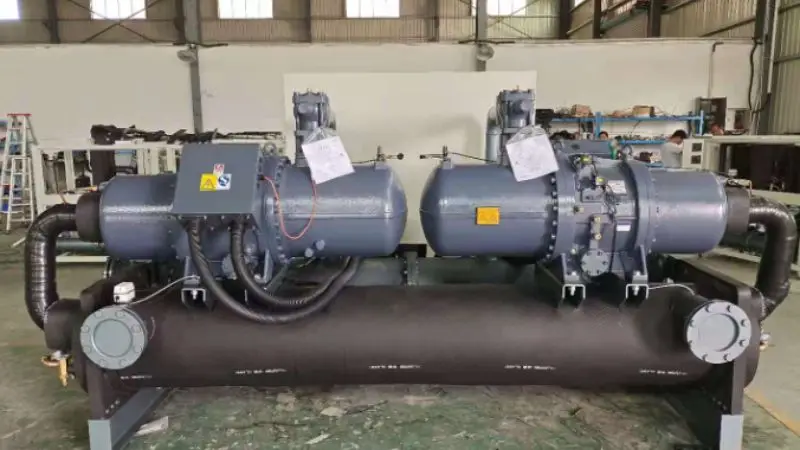
Un chiller de proces este un aparat de răcire utilizat în industrie pentru răcirea mașinilor, echipamentelor sau proceselor de producție. Funcționează prin pomparea apei răcite sau a altui mediu de răcire prin echipament pentru a genera căldură și extragerea căldurii folosind echipamente ieftine. Ulterior, agentul de răcire este răcit din nou înainte de a fi pompat înapoi. Chillerul de proces este de obicei utilizat pentru a furniza o temperatură precisă industriei, iar aerul condiționat de confort este utilizat pentru răcirea zonelor interioare. Această răcire fiabilă ajută la îmbunătățirea funcționării echipamentelor, la minimizarea timpilor de nefuncționare, la prelungirea duratei de viață a mașinilor și la menținerea unei calități uniforme în orice mediu de fabricație.
De ce industriile se bazează pe chillere de proces pentru răcire
Echipamentele industriale sunt de obicei continue, generând multă căldură care poate reduce eficiența și poate duce la defectarea echipamentelor. Procesul de fabricație: Un răcitor de proces ajută la menținerea unor temperaturi de funcționare stabile, la prevenirea supraîncălzirii și la menținerea producției în funcțiune. Răcirea regulată îmbunătățește calitatea produsului, protejează echipamentele delicate și economisește cheltuielile de întreținere pe termen lung. Importanța acestor sisteme în multe industrii constă în faptul că până și mici schimbări de temperatură pot afecta precizia, proprietățile materialelor și rata de producție. Răcitoarele de proces permit companiilor să crească productivitatea și să reducă risipa de energie și întreruperile inutile, care sunt costisitoare în operațiunile zilnice, prin controlul eficient al căldurii.
Industrii comune care utilizează răcitoare de proces
Răcitoarele de proces își găsesc aplicații în multe industrii în care este necesar controlul temperaturii în procesele de producție și siguranța echipamentelor. Turnarea prin injecție a plasticului în producția de materiale plastice necesită utilizarea unui răcitor de proces care este utilizat pentru a răci matrița, a reduce timpul ciclului și a îmbunătăți uniformitatea produselor. Un răcitor de proces este, de asemenea, utilizat de producători pentru a răci laserele mașinilor, a evita supraîncălzirea și a menține precizia tăierii. Alte industrii comune sunt prelucrarea alimentelor și a băuturilor, produsele farmaceutice, producția chimică, producția electronică, tipărirea, producția de echipamente medicale și fabricarea metalelor. Toate industriile trebuie să fie răcite constant pentru a îmbunătăți eficiența, a oferi protecție dispozitivelor valoroase și a se asigura că nivelurile de producție nu sunt reduse.
Cum funcționează un răcitor de proces?
Cunoașterea mecanismului de funcționare al unui răcitor de proces vă va face să înțelegeți de ce este o componentă vitală a unui sistem de răcire industrială. Majoritatea chillerelor de proces utilizează același ciclu de refrigerare, deși variază în ceea ce privește designul datorită diferențelor dintre modele, astfel încât pot elimina căldura nedorită și pot menține temperaturile de funcționare.
Fiecare componentă lucrează împreună pentru a răci fluidul circulant, care este apoi pompat înapoi în echipament. Acest ciclu asigură funcționarea mașinilor la o eficiență ridicată, îmbunătățește calitatea produsului și previne supraîncălzirea în timpul proceselor industriale intense.
Pasul 1: Fluidul de răcire absoarbe căldura din proces
Procesul de răcire începe cu răcirea apei sau a oricărui alt agent de răcire care circulă în utilajele industriale care sunt încălzite. Fluidul este alimentat de o mașină și absoarbe excesul de căldură în timpul procesului. Acest lichid fierbinte este pompat înapoi în chiller-ul de proces, unde căldura este eliminată din echipament. Îndepărtarea căldurii în această etapă este utilă pentru a elimina orice fluctuație de temperatură, care poate cauza o producție slabă sau poate defecta utilaje delicate. Încălzirea continuă va garanta că echipamentul rămâne în intervalul de temperatură necesar pentru a fi un echipament fiabil și va crește eficiența în timpul procesului de fabricație.
Pasul 2: Agentul frigorific elimină căldura din fluidul de răcire
În evaporator, căldura fluidului de răcire fierbinte este preluată de agentul frigorific. Agentul frigorific se va transforma într-un gaz de joasă presiune pe măsură ce absoarbe căldura. Acest schimb de căldură răcește apa circulantă, iar această apă poate fi reciclată către echipamentele de producție. Agentul frigorific preia apoi căldura obținută de sistemul de refrigerare pentru a fi eliminată. Această acțiune este esențială, deoarece elimină căldura și fluidul de răcire fără a amesteca agentul frigorific cu apa și, astfel, produce o răcire eficientă, eficientă și de lungă durată în industrii.
Pasul 3: Compresorul crește presiunea și temperatura agentului frigorific
Odată ce agentul frigorific absoarbe căldura, acesta intră în compresor sub formă de gaz de joasă presiune. Compresorul crește presiunea și temperatura, pregătindu-le pentru următoarea etapă din ciclul de refrigerare. Prin comprimarea agentului frigorific, acesta poate elibera căldura mai eficient atunci când ajunge la condensator. Se poate spune că un compresor este inima unui răcitor de proces, deoarece asigură circulația agentului frigorific în întregul sistem. Funcționarea stabilă a compresorului este esențială pentru asigurarea unei capacități de răcire stabile și a producției industriale continue.
Pasul 4: Condensatorul elimină căldura din agentul frigorific
Gazul frigorific de înaltă presiune este pompat în condensator, unde căldura este absorbită și expulzată în atmosfera înconjurătoare. Această căldură poate fi eliminată folosind aer sau apă, în funcție de designul sistemului. După ce agentul frigorific pierde căldură în procesul de evaporare, acesta se condensează din nou ca lichid de înaltă presiune. Capacitatea de a disipa eficient căldura permite funcționarea continuă a ciclului de refrigerare. Acesta a fost unul dintre motivele pentru care chillerele de proces au putut fi utilizate în industria prelucrătoare pentru a asigura o răcire convenabilă în timpul ciclurilor lungi de producție și a sarcinilor industriale grele.
Pasul 5: Supapa de expansiune reduce presiunea agentului frigorific
Agentul frigorific lichid este apoi forțat să treacă prin supapa de expansiune, iar presiunea sa scade semnificativ. Această presiune scăzută scade, de asemenea, temperatura agentului frigorific, producând un lichid rece, la presiune scăzută, care este acum gata să absoarbă căldură. Supapa de expansiune este sensibilă în reglarea cantității de agent frigorific care intră în evaporator, ceea ce garantează o funcționare eficientă a răcirii. Reglarea presiunii asigură funcționarea corectă a sistemului, conservă energia și pregătește agentul frigorific pentru a intra în ciclul ulterior de absorbție a căldurii din sistemul de răcire industrială.
Pasul 6: Vaporizatorul produce apă răcită pentru răcire continuă
Agentul frigorific răcit este circulat din nou către evaporator, unde preia căldura din apa de proces circulantă. Aceasta răcește căldura, iar apa este răcită și pompată înapoi în echipamentul la care este conectată pentru a continua ciclul de răcire. Acest proces constant răspunde la întrebarea cum funcționează un răcitor de proces, demonstrând cum este eliminată și transferată continuu căldura de la mașinile industriale. Acest ciclu poate oferi temperaturi constante, funcționarea constantă a echipamentelor și o calitate constantă a producției, fie că este vorba de un răcitor de proces în turnarea prin injecție a materialelor plastice sau de o mașină de tăiere cu laser.
Componentele principale ale unui răcitor de proces
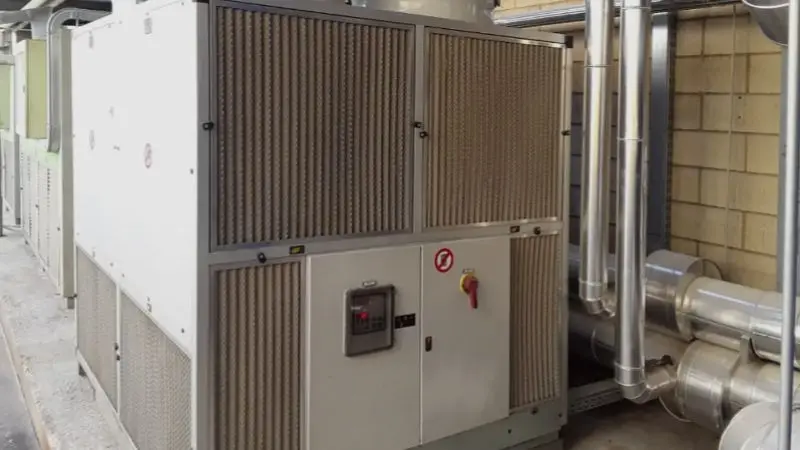
Toate soluțiile răcitoare de proces constau dintr-o serie de elemente esențiale care colaborează pentru a elimina căldura și a asigura o răcire constantă. Fiecare componentă joacă un rol specific în ciclul de refrigerare, iar sistemul nu va funcționa eficient dacă vreo componentă se defectează sau are performanțe slabe.
Cunoașterea acestor elemente va ajuta la înțelegerea a ceea ce este un răcitor de proces și cum oferă o răcire fiabilă echipamentelor industriale. Combinate, acestea oferă temperaturi stabile, funcționare economică și fiabilă atunci când sunt utilizate într-o gamă largă de procese de fabricație.
Compresor
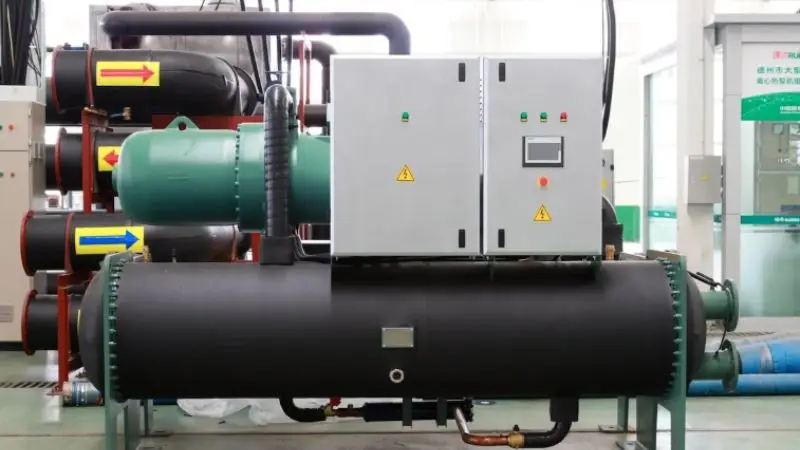
Compresorul este componenta cheie a unui chiller de proces, deoarece menține fluxul de agent frigorific în întregul proces de refrigerare. Când căldura este absorbită de agentul frigorific aflat în evaporator, compresorul își mărește presiunea și temperatura, canalizând-o către condensator. Această creștere a presiunii permite agentului frigorific să elibereze căldură eficient și să continue procesul de răcire. În funcție de capacitatea de răcire disponibilă, compresoarele sunt disponibile în diferite tipuri, inclusiv cu spirală, cu șurub, cu piston și centrifuge. Cu un compresor eficient, consumul de energie poate fi redus la minimum, răcirea poate fi constantă, iar industriile pot continua.
vaporizatorului
Vaporizatorul este componenta chiller-ului care suferă procesul de răcire propriu-zisă. Apa caldă de proces intră în evaporator, încălzind agentul frigorific. Agentul frigorific preia această căldură și se transformă într-un gaz pe măsură ce apa este răcită și pompată înapoi în echipament. Această încălzire și răcire continuă este esențială pentru asigurarea temperaturilor adecvate de proces. Vaporizatorul este o componentă importantă, indiferent dacă este utilizat într-un chiller de proces în turnarea prin injecție a plasticului sau în alte procese industriale, pentru a menține utilajele la o temperatură sigură și confortabilă, pentru a evita supraîncălzirea acestora și pentru a asigura un mediu de producție stabil.
Condensator
Condensatorul elimină căldura absorbită de agentul frigorific în timpul răcirii. Gazul frigorific de înaltă presiune curge în condensator, iar căldura este absorbită de aerul sau apa din jur, în funcție de tipul de răcitor de lichid. Căldura iese din agentul frigorific, care se transformă înapoi într-un lichid de înaltă presiune pe măsură ce parcurge ciclul de refrigerare. O performanță bună a condensatorului contribuie la economisirea energiei și ajută la stabilizarea răcirii. Pentru a se asigura că răcitorul de proces utilizat în producție funcționează eficient, chiar și atunci când cererea este mare în ceea ce privește producția, multe instalații industriale depind de condensatoare dimensionate corespunzător pentru a-și întreține răcitorul de proces.
Valva de expansiune
Supapa de expansiune reglează mișcarea agentului frigorific în evaporator și controlează presiunea sistemului. Agentul frigorific trece prin supapă, iar presiunea și temperatura sa sunt reduse la un nivel mult mai scăzut, fiind astfel pregătit să absoarbă din nou căldura. Debitul adecvat de agent frigorific este esențial, deoarece debitul excesiv sau insuficient poate reduce eficiența răcirii și poate crește consumul de energie. Supapa de expansiune ajută la asigurarea faptului că condițiile de funcționare din ciclul de refrigerare rămân constante. Acest element ajută la asigurarea unei răciri fiabile și constante a echipamentelor industriale prin reglarea alimentării cu agent frigorific către chiller-ul de proces.
refrigerent
Mediul de răcire utilizat în sistemul de răcire este agentul frigorific, care deplasează căldura în întregul sistem. Este un lichid și un gaz care se inversează continuu pe măsură ce absoarbe și eliberează căldură în procesul de refrigerare. Chillerele de proces actuale utilizează diverși agenți frigorifici în funcție de eficiență, legile de mediu și nevoile de răcire. Alegerea adecvată a agentului frigorific sporește fiabilitatea sistemului, minimizează consumul de energie și reduce impactul asupra mediului. Faptul că agentul frigorific este cel care elimină căldura din echipamentele de producție îl face unul dintre cei mai importanți factori în determinarea modului în care funcționează un chiller de proces și de ce funcționează atât de bine.
Pompă de apă și rezervor de stocare
Pompa de apă deplasează apa răcită prin chiller-ul de proces și echipamentul industrial conectat la acesta, asigurând eliminarea constantă a căldurii în timpul procesului de producție. Un rezervor de stocare care conține apă răcită este, de asemenea, o caracteristică a multor chiller-e, ajutând la menținerea unei alimentări constante cu apă în timpul funcționării. Toate aceste elemente se combină pentru a spori stabilitatea temperaturii, a minimiza variabilitatea sistemului și a facilita funcționarea eficientă a răcirii. Acestea sunt deosebit de utile în domenii precum un chiller de proces sau o mașină de tăiere cu laser, unde controlul strict al temperaturii este crucial pentru protejarea echipamentelor, menținerea preciziei și obținerea unor rezultate de producție ridicate.
Tipuri de răcitoare de proces
Soluțiile de răcire necesare diferitelor industrii variază, motiv pentru care răcitoarele de proces vin în diverse configurații. Decizia potrivită se va baza pe capacitatea de răcire, spațiul de instalare, consumul de energie și nevoile unice ale procesului dumneavoastră de producție.
Cunoașterea opțiunilor disponibile vă va permite să alegeți un răcitor de proces care funcționează eficient și îndeplinește cerințele dumneavoastră operaționale. Cele mai comune tipuri sunt enumerate mai jos și sunt utilizate în industriile moderne.
Chillere de proces răcite cu aer
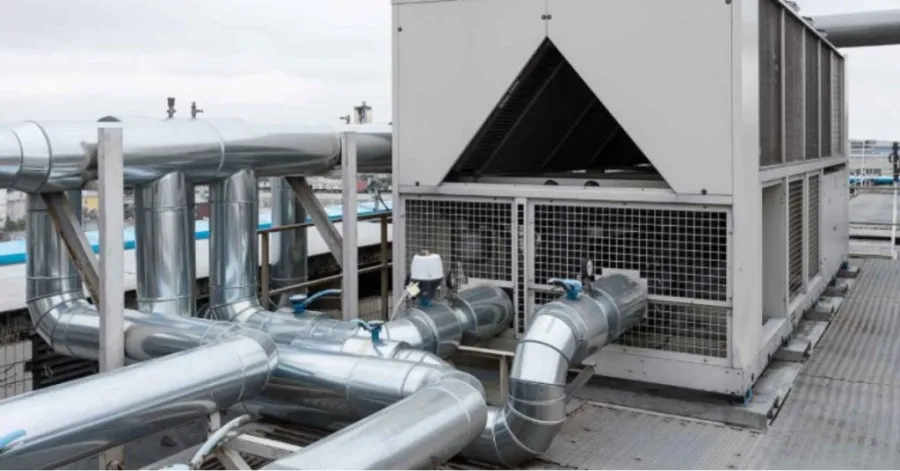
Aer răcit răcitoare de proces sunt răcite prin utilizarea aerului ambiental pentru răcirea agentului frigorific cu ventilatoare de condensare. Nu sunt la fel de complicate de instalat și întreținut ca majoritatea celorlalte sisteme, deoarece nu necesită un turn de răcire sau o alimentare separată cu apă. Sunt foarte convenabile în instalațiile industriale mici și mijlocii, unde disponibilitatea apei este limitată. Pot fi amplasate în aer liber sau în locuri bine ventilate din interiorul unei clădiri pentru a facilita circulația adecvată a aerului. Unitățile răcite cu aer sunt preferate de mulți producători pentru răcirea lor fiabilă, costurile de instalare mai mici și performanța asigurată într-o varietate de procese industriale.
@truckintoby Aparate de aer condiționat portabile VEVOR 14,000 BTU, unitate de aer condiționat portabilă 3 în 1 cu telecomandă, pentru 550-700 mp, mod răcire/dezumidificator/ventilator și zgomot redus și accesorii bogate pentru casă/birou/cămin, alb.. Frumos! #vevor #viațadecămin #AlegeriCreatoriTikTokShop #ac portabil #ShopTikTokÎnapoi la școală @Vevor_US
♬ sunet original – TruckinToby
Răcitoare de proces răcite cu apă
Chillerele de proces răcite cu apă transferă căldura din agentul frigorific cu ajutorul apei, în loc de aer. Aceste sisteme sunt de obicei conectate la turnuri de răcire, permițând utilizarea eficientă chiar și în condiții de temperatură ridicată. Aceste tipuri de chillere sunt frecvent utilizate în aplicații industriale care necesită răcire continuă și operațiuni la scară largă, deoarece apa este mai eficientă la transferul de căldură decât aerul. Procesele de fabricație a chillerelor sunt de obicei proiectate cu o configurație răcită cu apă pentru a menține temperaturi constante, a minimiza consumul de energie și a susține cicluri lungi de producție cu performanțe de răcire constante în întreaga instalație.
Răcitoare de proces portabile
Chillerele portabile de proces sunt unități de răcire mici, autonome, destinate să deservească mașini individuale sau secțiuni de producție specifice. Sunt ușor de mutat, rapid de instalat și potrivite pentru afacerile care necesită soluții mobile de răcire. Aceste chillere includ piesele necesare, care includ compresorul, evaporatorul, condensatorul, pompa și rezervorul de apă într-o singură unitate. Un chiller de proces pentru turnarea prin injecție a plasticului ar fi convenabil de portabil, iar producătorii ar putea răci cu ușurință mașinile de turnare individuale. Sistemele portabile sunt, de asemenea, mai ușor de întreținut și oferă un control bun al temperaturii fără a fi nevoie să instalați conducte complicate sau să le instalați permanent.
Sisteme centrale de răcire pentru procese
Sistemele centrale de răcire a aerului sunt concepute pentru a răci mai multe mașini sau o unitate de producție dintr-un singur punct. În loc să aibă chillere individuale pentru fiecare echipament, un sistem central furnizează apă răcită printr-o rețea de conducte către diverse linii de producție. Această configurație îmbunătățește eficiența energetică, simplifică întreținerea și minimizează costurile generale de operare. Chillerele centrale sunt utilizate de obicei în fabrici mari, fabrici de procesare a alimentelor și unități de producție chimică pentru a permite operațiuni 24/7. De asemenea, sunt o alegere bună atunci când unitățile au mai multe sisteme de răcire a aerului pentru mașini de tăiere cu laser sau alte echipamente generatoare de căldură care funcționează simultan.
Aplicații comune ale răcitoarelor de proces
Un răcitor de proces este utilizat în numeroase industrii unde este necesar un control precis al temperaturii pentru a menține calitatea produsului și a proteja echipamentele. Aceste sisteme sporesc eficiența producției, minimizează timpii de nefuncționare și prelungesc durata de viață a utilajelor industriale prin eliminarea căldurii inutile.
Fie că răcesc echipamente grele de producție sau linii de producție sensibile, chillerele de proces oferă performanțe fiabile într-o gamă largă de aplicații. Unele dintre industriile care le necesită zilnic sunt enumerate mai jos.
Turnare prin injecție din plastic
Turnarea prin injecție a plasticului necesită un răcitor de proces pentru răcirea matrițelor după injectarea plasticului topit. Procesul de răcire rapid și constant ajută la solidificarea uniformă a plasticului și la minimizarea defectelor precum deformarea, contracția și imperfecțiunile de suprafață. Matrițele stabile scurtează, de asemenea, ciclurile de producție; prin urmare, producătorii pot produce mai mult fără a compromite calitatea. Răcirea eficientă previne supraîncălzirea dispozitivelor de turnare și îmbunătățește stabilitatea operațională generală. În cazul producătorilor de plastic, dimensionarea adecvată a unui răcitor de proces este esențială pentru a asigura fabricarea unor produse de înaltă calitate și pentru a asigura performanța constantă pe parcursul unui ciclu lung de producție.
Prelucrarea alimentelor și băuturilor
Industria alimentară și a băuturilor utilizează un răcitor de proces pentru a asigura temperaturi adecvate în producție, ambalare și depozitare. Răcitoarele sunt utilizate în produsele lactate, băuturi, ingrediente de panificație, echipamente de procesare a cărnii și alte produse care necesită temperaturi scăzute. Temperaturile corecte sunt, de asemenea, utile în menținerea prospețimii, îmbunătățirea uniformității produselor și asigurarea standardelor de siguranță alimentară. Sistemele de răcire sunt, de asemenea, utilizate pentru a preveni supraîncălzirea echipamentelor de procesare în timpul funcționării continue. Reglarea consistentă a temperaturii permite producătorilor să sporească productivitatea procesului lor de producție, asigurându-se în același timp că nu este compromisă calitatea produsului pe tot parcursul procesului de producție până la faza finală de ambalare.
Fabricarea farmaceutică
Pentru a menține siguranța, calitatea și eficacitatea medicamentelor, producția farmaceutică trebuie să fie strict controlată în ceea ce privește măsurarea temperaturii. Un răcitor industrial utilizat în procesul de producție ajută la menținerea temperaturilor constante în timpul reacțiilor chimice, amestecării, fermentării și răcirii echipamentelor. Variații minore de temperatură pot afecta consecvența și conformitatea produsului. Răcirea fiabilă ajută la menținerea unor medii de fabricație precise și la protejarea echipamentelor delicate de laborator și de producție împotriva supraîncălzirii. Răcitoarele de proces permit, de asemenea, companiilor farmaceutice să fabrice produse sigure și de înaltă calitate, asigurându-se că temperaturile corecte sunt menținute în timpul producției, reducând astfel întreruperile în procesul de producție și uzura echipamentelor.
Prelucrarea chimica
Reacțiile din industria chimică sunt adesea asociate cu o cantitate considerabilă de căldură. Pentru a elimina această căldură suplimentară, se utilizează un răcitor de proces pentru a menține reacțiile la intervalul de temperatură necesar și pentru a evita instabilitatea produsului. Răcirea regulată îmbunătățește controlul procesului, ajută la îmbunătățirea siguranței lucrătorilor și protejează echipamentele costisitoare împotriva deteriorării termice. Răcitoarele industriale sunt utilizate pentru a răci reactoarele, schimbătoarele de căldură, rezervoarele de amestecare și alte echipamente de procesare în multe fabrici chimice. Temperaturile stabile susțin, de asemenea, calitatea produsului și reducerea deșeurilor, precum și fiabilitatea producției în timpul proceselor continue de fabricație.
Tăiere și sudare cu laser
O mașină de tăiere cu laser necesită un răcitor de proces pentru a se asigura că nu există supraîncălzire a surselor laser, a opticii și a surselor de alimentare. Mașinile de tăiere și sudare cu laser produc multă căldură în timpul funcționării, iar temperaturile ridicate pot reduce precizia tăierii, pot degrada calitatea fasciculului și pot scurta durata de viață a echipamentului. Un răcitor special asigură că temperaturile de funcționare rămân stabile, permițând mașinii să mențină consecvența chiar și pe parcursul unor cicluri lungi de producție. Răcirea constantă îmbunătățește precizia, reduce cerințele de întreținere și ajută producătorii să realizeze tăieturi curate și precise, protejând în același timp prețioasele echipamente laser de deteriorarea termică.
Industrii de tipărire și ambalare
Imprimantele și echipamentele de ambalare sunt mașini foarte rapide care produc multă căldură, ceea ce poate compromite calitatea imprimării și performanța mașinii. Un răcitor de proces ajută la stabilizarea temperaturilor preselor de tipărire, mașinilor de laminat, rolelor și altor utilaje de producție. Răcirea corectă previne căldura excesivă, minimizează deteriorarea mecanică și asigură un control uniform al culorilor și manipularea materialelor în procesul de producție. Prin monitorizarea temperaturilor de funcționare, producătorii pot reduce timpii de nefuncționare, pot crește ratele de producție și pot asigura produse imprimate și ambalate de înaltă calitate, chiar și atunci când programele de producție sunt lungi și dificile.
Învelire
Un răcitor de lichide de proces este o investiție necesară pentru toate industriile care necesită un control precis al temperaturii și o producție continuă. Este posibil să aveți nevoie de un răcitor de lichide de proces pentru fabricație, pentru injectarea produselor din plastic sau pentru o mașină de tăiere cu laser. Sistemul potrivit de utilizat îmbunătățește productivitatea și protecția echipamentelor și reduce cheltuielile de operare. Învățarea principiului de funcționare al unui răcitor de lichide de proces vă va ghida în luarea unor decizii informate privind capacitatea de răcire, eficacitatea și întreținerea. Atunci când selectați un răcitor de lichide în funcție de nevoile operațiunii dvs., puteți asigura performanța constantă, calitatea produsului și viabilitatea pe termen lung a sistemului dvs. de răcire industrială.
Întrebări frecvente
Ce este un răcitor de proces?
Un răcitor de proces este un tip de sistem de răcire industrială care elimină excesul de căldură din utilaje sau procese de fabricație. Acesta este capabil să mențină temperaturi constante, să îmbunătățească performanța echipamentelor și să asigure o calitate constantă a produsului.
Care este funcția unui răcitor de proces?
Un răcitor de proces va absorbi căldura de la echipamentele industriale, o va conduce printr-un ciclu de refrigerare, o va expulza prin condensator și va circula fluidul răcit pentru a asigura o răcire continuă.
În ce industrii se utilizează răcitoarele de proces?
Răcitoarele de proces sunt, de asemenea, comune în turnarea prin injecție a plasticului, prelucrarea alimentelor, industria farmaceutică, producția de substanțe chimice, tăierea cu laser, electronica, tipografică și industria de ambalare, unde este necesar un control fin al temperaturii.
Care este diferența dintre chillerele de proces răcite cu aer și cele răcite cu apă?
Chillerele răcite cu aer utilizează aerul ambiental pentru a disipa căldura, în timp ce chillerele răcite cu apă utilizează apă și turnuri de răcire. Marile unități industriale tind să fie mai eficiente cu răcirea cu apă.
Care este răcitorul de proces corect?
Alegeți un răcitor de proces pe baza calculelor capacității de răcire, a analizei condițiilor de funcționare, a analizei sistemelor răcite cu aer și apă, a analizei eficienței energetice și a necesității de a extinde producția în viitor.