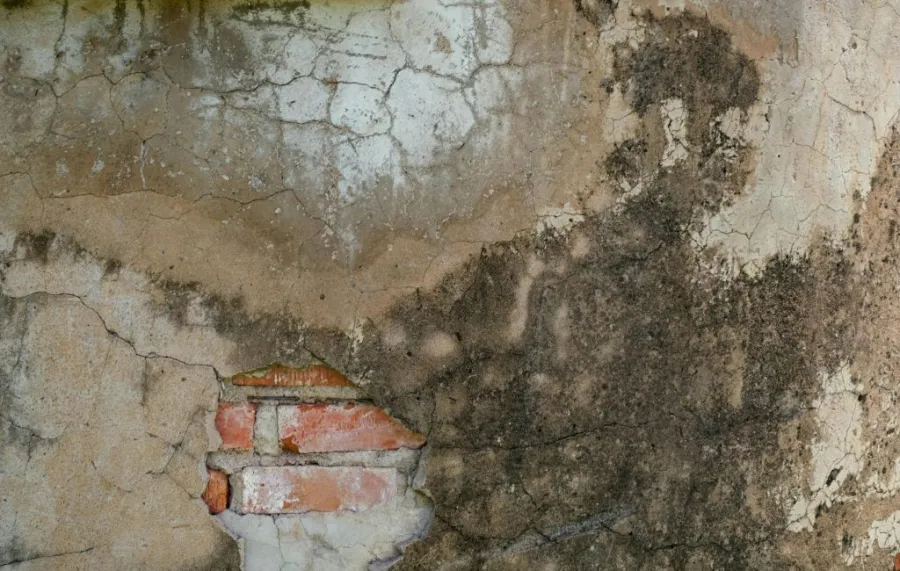
Pereții subsolului sunt afectați de-a lungul anilor. Presiunea apei, mișcarea solului, ciclurile de îngheț-dezgheț și deceniile de umiditate lasă urme, iar majoritatea proprietarilor nu observă până când nu există o crăpătură vizibilă, o secțiune care se sfărâmă sau apa care pătrunde efectiv prin ele.
A ști cum să repari pereții subsolului înseamnă mai mult decât a aplica un compus de reparare peste o crăpătură și a spera că totul va fi bine. Reparația pe care o aplici depinde în întregime de tipul de daună cu care te confrunți.
Acest ghid vă prezintă mai întâi diagnosticul, metoda corectă de reparare pentru fiecare problemă, Unelte veți avea nevoie și de o perspectivă realistă asupra costului reparației pereților subsolului înainte de a vă angaja în urma unui plan.
Identifică problema înainte de a atinge orice
Acesta este pasul pe care majoritatea oamenilor îl sar peste. Aplicarea reparației greșite la o problemă greșită este motivul pentru care ajungi să faci aceeași treabă de două ori.
Tipuri de daune la pereții subsolului
Există multe tipuri de deteriorări ale pereților subsolului:
- Crăpăturile subțiri sunt frecvente în pereții din beton turnat și apar de obicei în timpul întăririi și tasării normale. În majoritatea cazurilor, acestea sunt cosmetice, deși în timp devin căi de pătrundere a umezelii.
- Crăpăturile în trepte urmează rosturile de mortar din pereții de blocuri sau cărămizi într-un model în trepte. Acestea pot semnala tasări diferențiate ale fundației și pot necesita o opinie structurală în funcție de gravitate.
- Crăpăturile orizontale merită atenție imediată. Acestea indică o presiune laterală din partea solului pe exteriorul peretelui și pot indica o compromitere structurală. Nu le ignorați.
- Fărămizirea sau exfolierea se întâmplă atunci când umezeala pătrunde în suprafața peretelui în timp, iar betonul sau suprafața blocului începe să se dezintegreze. Este o problemă frecventă la fundațiile mai vechi și la pereții din blocuri de beton de la mijlocul secolului al XX-lea.
- O curbură sau o umflare este un semnal de alarmă structural. Dacă peretele este vizibil dezechilibrat sau se mișcă spre interior, opriți toate lucrările de bricolaj și apelați la un inginer structurist înainte de a face orice.
Când să te oprești și să apelezi la un profesionist
Reparațiile DIY sunt potrivite pentru:
- Crăpături fine și fisuri superficiale nestructurale
- Exfolierea și sfărâmarea suprafeței
- Infiltrații de umiditate mici spre medii în puncte de intrare specifice
Apelează la un profesionist pentru:
- Crăpături orizontale mai lungi de un picior
- Orice mișcare interioară vizibilă sau înclinare
- Crăpături în trepte combinate cu uși sau ferestre care se lipesc de podeaua de deasupra
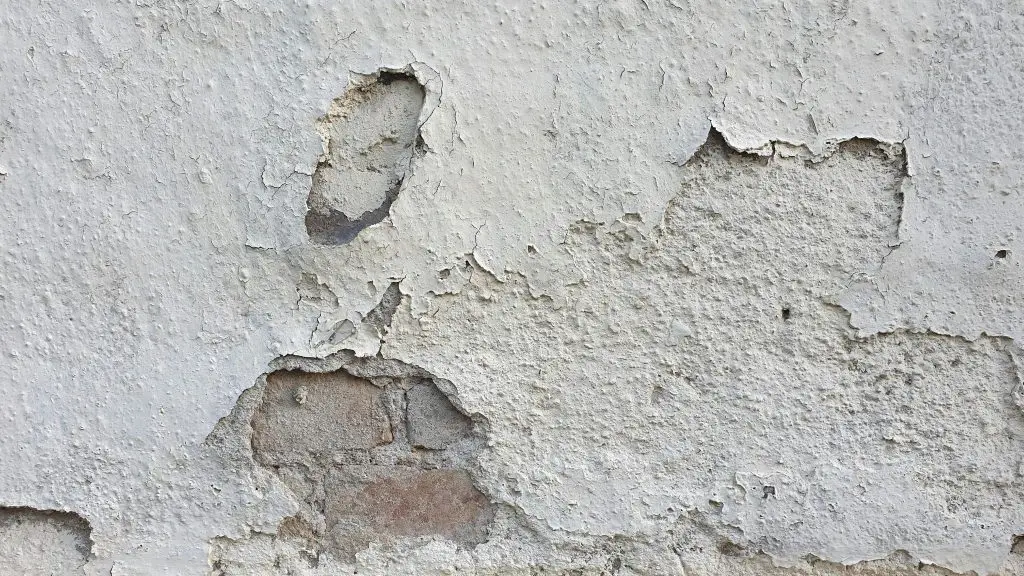
Cum să repari pereții vechi ai subsolului
Pereții subsolului tău s-ar putea deteriora din mai multe motive. De aceea, îți prezentăm primele 3 motive și pașii de urmat pentru a remedia această problemă odată pentru totdeauna!
Cum să repari crăpăturile din pereții subsolului
Abordarea reparației depinde de faptul dacă fisura are scurgeri active, este structurală sau cosmetică.
Pentru fisuri subțiri și nestructurale în betonul turnat:
- Curățați fisura cu o perie de sârmă și aer comprimat pentru a îndepărta tot praful și materialul neaderent.
- Pentru infiltrarea activă a apei, utilizați ciment hidraulic, care se întărește chiar și în prezența apei.
- Pentru fisurile structurale uscate care necesită lipire, injecția cu rășină epoxidică este cea mai durabilă soluție.
- Pentru crăpăturile subțiri, fără umiditate, siliconul poliuretanic se ocupă bine de etanșarea suprafeței.
- Lăsați orice reparație să se usuce complet înainte de a aplica impermeabilizare sau etanșant peste ea.
Pentru crăpăturile în trepte din pereții din blocuri, rostul de mortar este problema. Greblați mortarul deteriorat până la o adâncime de cel puțin 3/4 inch, adăugați mortar proaspăt, nivelați suprafața și sigilați-o după întărire.
Cum să repari pereții subsolului care se prăbușesc
Cum să repari pereții de la subsol care se dărâmă se reduce la un singur principiu: nu cârpi ce se defectează. Îndepărtează mai întâi ce anume se strică.
- Îndepărtați tot materialul liber și sfărâmat cu o daltă rece și un ciocan
- Periați temeinic suprafața cu o perie de sârmă pentru a îndepărta praful, eflorescența și resturile
- Aplicați un agent de lipire pentru beton pe suprafața pregătită și lăsați-l să se adere.
- Umpleți cu ciment hidraulic sau ciment de lipire superficială, îmbinând marginile cu peretele înconjurător.
- După întărire, aplicați o membrană hidroizolatoare sau un sigilant pentru zidărie pe întreaga secțiune reparată.
Omiterea agentului de lipire este cel mai frecvent motiv pentru care aceste reparații eșuează în decurs de un an. Noul material are nevoie de o suprafață pregătită pe care să adere. Nu-l omiteți.
Dacă strângeți mai adânc elementele de feronerie structurală într-o cavitate de perete sau lucrați cu șuruburi de ancorare încastrate, un set de chei tubulare adânci vă oferă o acoperire pe care cheile tubulare standard nu o pot avea. Set de chei tubulare de impact VEVOR cu acționare de 1/2″, 19 piese se ocupă de elementele de fixare încastrate pe care le întâlniți în sistemele de pereți structurali.
Cum să repari pereții vechi ai subsolului
Fundațiile de blocuri mai vechi prezintă adesea mai multe tipuri de daune simultan, motiv pentru care a ști cum să repari pereții vechi ai subsolului înseamnă de obicei combinarea mai multor metode în secvență.
Lucrați în această ordine:
- Fixați toate rosturile de mortar deteriorate înainte de a repara deteriorarea suprafeței
- Reparați exfolierea și sfărâmarea folosind metoda agentului de lipire și a umplerii
- Abordați orice umezeală recurentă cu un covoraș de drenaj sau o membrană hidroizolatoare interioară
- Pentru pereții cu probleme persistente de umiditate, un sistem de drenaj interior este mai eficient pe termen lung decât repararea repetată a suprafeței.
Sfat: Dacă încerci să repari suprafața înainte de a fixa rosturile de mortar, construiești pe o structură încă deteriorată. Mai întâi, fixează rosturile corect.
Unelte și materiale pentru lucrare
Acum că știi cum să repari pereții subsolului, hai să vorbim despre uneltele de care vei avea nevoie:
Ce trebuie să aveți pregătit înainte de a începe
Lista completă depinde de tipul de reparație, dar iată ce necesită o reparație completă a peretelui subsolului:
- Daltă rece și ciocan pentru îndepărtarea materialului liber
- Perie de sârmă și perie cu peri duri
- Burghiu de zidărie și burghie cu vârf de carbură
- Agent de lipire a betonului
- Ciment hidraulic, kit de injecție epoxidică sau amestec de mortar, în funcție de reparație
- Membrană hidroizolatoare sau sigilant pentru zidărie pentru suprafața finisată
- Ochelari de protecție și o mască de respirat N95
Unele reparații la subsol implică instalarea unor sisteme de ancorare la perete sau a unor accesorii cu bandă din fibră de carbon ancorate în podea și perete. Aici contează un set de cheițe adecvate. Set de chei tubulare de impact VEVOR cu acționare de 1/2″, 65 de piese Acoperă întreaga gamă de șuruburi pe care le veți întâlni la ancorele de perete și la feroneria de armare, cu o geometrie în 6 puncte care se așează perfect, fără rotunjirea elementelor de fixare.
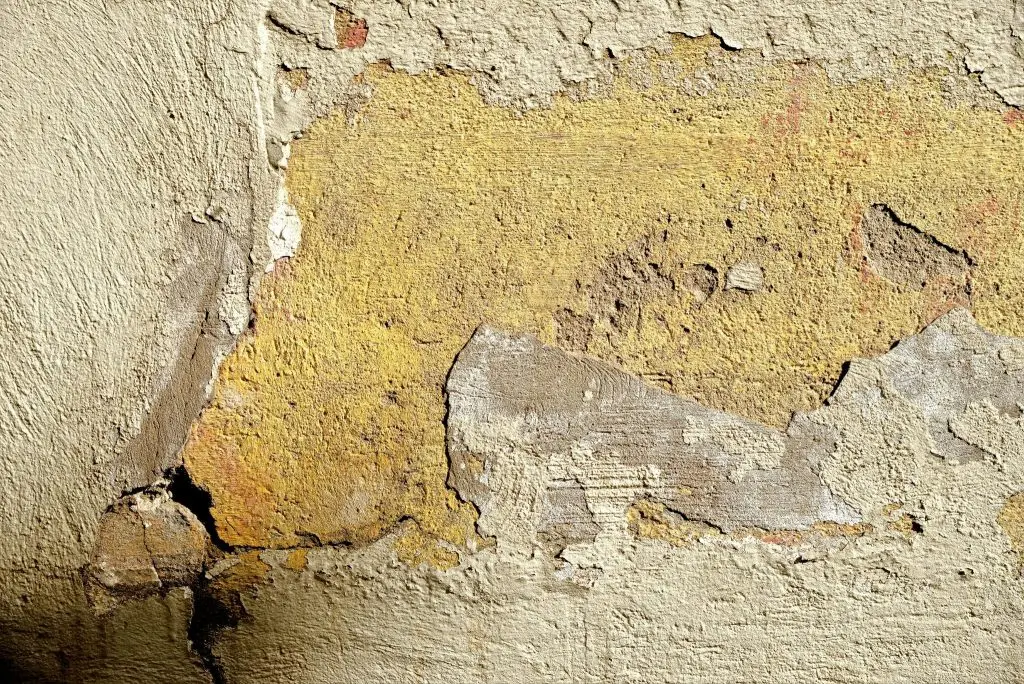
Cât costă repararea pereților subsolului?
Tipul și amploarea daunelor dictează cât va costa repararea pereților subsolului. Iată o defalcare realistă a costurilor la care vă puteți aștepta:
- Sigilarea fisurilor fine (DIY): 20 - 100 USD
- Injecție structurală cu rășină epoxidică (DIY): 100 până la 300 USD, în funcție de lungimea fisurii și dimensiunea kitului
- Repararea deteriorării și sfărâmării suprafeței (DIY): 50 - 200 USD
- Injecție profesională a fisurilor: 400 USD până la 800 USD
- Sisteme de hidroizolații interioare: 3,000 USD până la 15,000 USD, în funcție de lungimea peretelui și de sistemele de etanșare
După cum puteți vedea, o abordare DIY pentru repararea suprafețelor și sigilarea fisurilor este cu siguranță cea mai economică opțiune. Proprietarii de case au cea mai mare tendință de a cheltui prea mult angajând profesioniști pentru a aborda problemele pe care le pot rezolva singuri.
Întrebări frecvente
Pot pur și simplu să vopsesc sau să sigelez o crăpătură fără a o repara?
Nu, nu este așa. Deși poate părea promițătoare, aplicarea unei vopsele de zidărie sau a unui strat de impermeabilizare pe un substrat instabil care se deteriorează continuu nu va funcționa. O reparare a sigilării fisurilor va fi întotdeauna efectuată înainte de sigilare și impermeabilizare.
Cum știu dacă o fisură este structurală sau cosmetică?
Crăpăturile orizontale, crăpăturile diagonale mai late la un capăt decât la celălalt și orice crăpătură însoțită de o mișcare vizibilă a peretelui sunt potențial structurale. Crăpăturile verticale din betonul turnat și crăpăturile subțiri din pereții din blocuri de beton nu sunt de obicei structurale, deși ar trebui totuși sigilate.
Costă mai mult repararea pereților subsolului în casele mai vechi?
În general, da. Fundațiile de blocuri mai vechi au de obicei mortar deteriorat, fețe exfoliate și daune acumulate din cauza umezelii, ceea ce înseamnă mai multă pregătire, mai multe materiale și uneori armături pentru pereți, pe care betonul turnat mai nou nu le necesită.
Se pot repara pereții subsolului din exterior?
Da. Repararea exteriorului unei case este mai minuțioasă, deoarece abordează direct problema apei. Dezavantajul este că repararea exteriorului unei case pentru a opri pătrunderea apei necesită săparea în jurul fundației, ceea ce este costisitor și deranjant. Majoritatea oamenilor care fac singuri reparații o fac din interiorul casei.
Cât durează o reparație corectă a peretelui subsolului?
O reparație a unei crăpături, realizată cu materialele potrivite, poate dura între 10 și 20 de ani. Repararea problemelor de suprafață ale peretelui, cum ar fi ruperea acestuia, poate dura, de asemenea, dacă este realizată cu lipirea și etanșarea corecte.
Concluzie
A anticipa deteriorarea pereților subsolului este mult mai puțin costisitor decât a lăsa să se dezvolte. Cheia pentru a ști cum să repari corect pereții subsolului este diagnosticarea mai întâi a problemei specifice, apoi aplicarea metodei care rezolvă problema, în loc să o acopere.
Reparațiile de suprafețe și sigilarea fisurilor sunt lucrări DIY accesibile, cu materiale disponibile pe scară largă și rezultate realiste.
Pentru orice ancorare la perete sau feronerie de armare care face parte din reparație, Set de chei tubulare de impact cu acționare de 1/2″, 65 de piese are calitatea construcției și gama de dimensiuni necesare pentru a gestiona lucrările de fixare în condiții dificile. Începeți cu diagnosticarea, iar restul urmează logic de acolo.