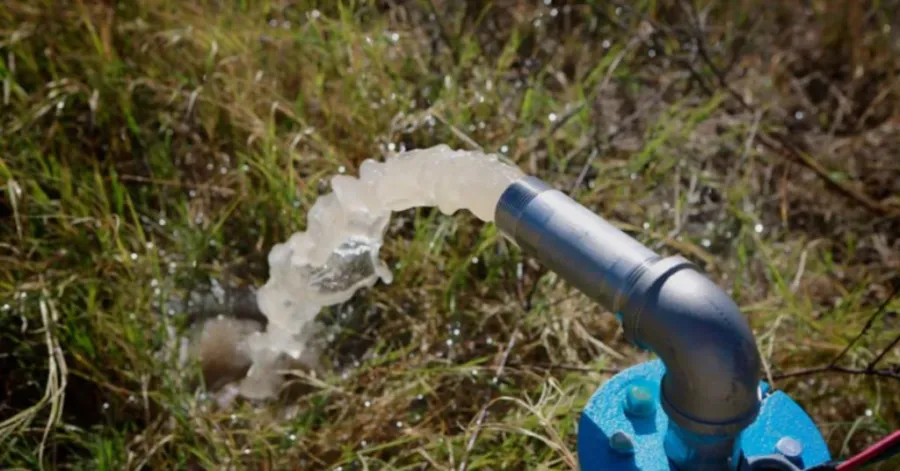
Fântânile private sunt o sursă importantă de apă potabilă pentru multe proprietăți rezidențiale, în special în zonele rurale. Însă mulți oameni au întrebări despre cum funcționează o fântână și ce se întâmplă în subteran pentru a face ca apa proaspătă să fie disponibilă într-o casă. Înțelegerea modului în care funcționează un sistem de puțuri de apă rezidențiale poate ajuta proprietarii de case să își întrețină sistemul și să recunoască din timp potențialele probleme. Fiecare componentă este importantă, de la acviferele subterane la pompele de puțuri, de la rezervoarele de presiune la conexiunile sanitare. În acest ghid,... fântână este explicat pas cu pas și clar, astfel încât să puteți înțelege cum asigură o alimentare cu apă sigură și fiabilă.
Ce este o fântână de apă?
În zonele rurale și suburbane, multe gospodării depind de puțuri de apă pentru aprovizionarea regulată cu apă potabilă sigură. O fântână este un sistem valoros care poate oferi acces la apele subterane. Cunoscând un sistem de puțuri, vă va fi mai ușor să înțelegeți cum funcționează o fântână și de ce este încă o sursă viabilă de apă pentru multe familii.
@dwscustoms Pompă de puțuri adânci de 1 CP, 115 V, Vevor #vevor #pompădeputz #adânc #dwscustoms #kingscoot21
♬ sunet original – King Scoot
Definiția unui puț de apă
O fântână este o gaură care a fost forată sau săpată în pământ pentru a obține apă dintr-o sursă subterană numită acvifer. Când ajunge la nivelul pânzei freatice, este pompată la suprafață pentru uz uman. Mulți proprietari de case se întreabă cum funcționează un sistem de puțuri de apă pentru locuințe, în special o alimentare privată cu apă. Fântâna captează apa freatică, iar pompele și echipamentele sub presiune alimentează cu apă robinetele, dușurile și aparatele electrocasnice din casă. Adâncimea puțurilor depinde de geologia locală, de nivelurile apei freatice și de necesarul de apă al gospodăriei.
Cum este stocată apa subterană în pământ
Apele subterane apar în mod natural sub pământ în straturi de sol, nisip, pietriș și rocă, cunoscute sub numele de acvifere. Rezervele de apă subterană sunt umplute lent în timp de ploaie și zăpada topită. Cunoașterea straturilor acvifere ajută la înțelegerea modului în care un puț de apă forat poate fi utilizat pentru a furniza apă unei locuințe. După ce este introdus în puț, apa este pompată prin conducte. Oferă o alimentare fiabilă cu apă dulce pentru multe locuințe pe tot parcursul anului și servește ca sistem natural de stocare.
Diferite tipuri de puțuri de apă
Există mai multe clase de fântâni: săpate, bătute și forate. Fântânile săpate sunt mici și de obicei acoperite cu o căptușeală din piatră sau beton. Acestea sunt realizate prin introducerea de țevi în solul afânat sau nisipos. Pentru casele moderne, fântânile forate sunt cea mai populară opțiune, deoarece sunt mai adânci și vor ajuta la protejarea casei împotriva contaminării. Cu aceste diferite tipuri de fântâni, puteți începe să înțelegeți care sunt elementele de bază ale unui sistem de puțuri de apă și de ce unele sisteme sunt mai potrivite pentru utilizarea în fântânile rezidențiale. Alegerea fântânii depinde de obicei de caracteristicile solului, resursele de apă și legile locale.
Cum funcționează o fântână de apă?
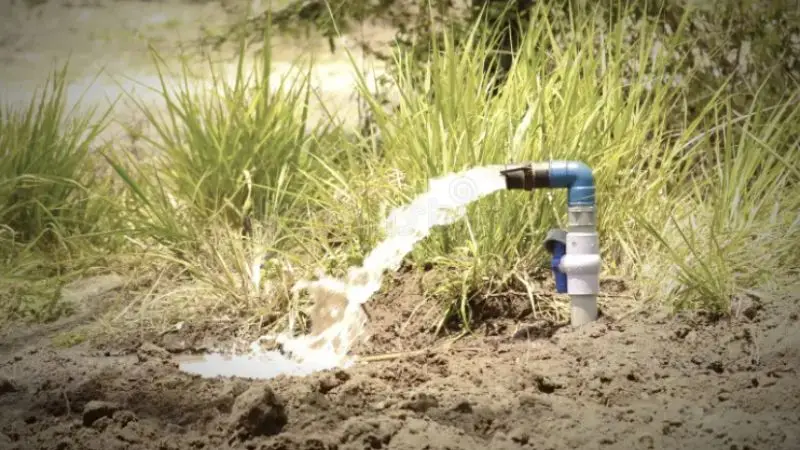
Un proprietar care cunoaște cum funcționează o fântână de apă poate lucra mai eficient cu aceasta și își poate menține sistemul în stare bună. Procesul este adesea complex, dar ideea generală din spatele modului în care funcționează majoritatea fântânilor rezidențiale este de a extrage apa din sursa subterană și de a o aduce în casa dumneavoastră. Descrierea pas cu pas a modului în care funcționează o fântână de apă ajută la clarificarea rolului fiecărei părți în furnizarea unui flux continuu de apă.
Pasul 1: Apa se acumulează în acviferele subterane
Primul pas în procesul de foraj are loc adânc în subsol. Această apă de ploaie și zăpada topită se percolează lent prin straturi de sol, nisip și rocă pentru a ajunge la rezervoare subterane naturale (acvifere) care conțin ape subterane. Aceste acvifere reîncarcă și stochează continuu apa și oferă o sursă fiabilă de apă pentru fântânile potabile din comunitate și pentru sistemele publice de apă. Calitatea și cantitatea apei subterane sunt legate de geologie, climă și ploile sezoniere. Fântânile forate, în majoritatea locurilor, penetrează aceste formațiuni de apă. Rețeaua de stocare subterană este coloana vertebrală a sistemelor de puțuri de apă rezidențiale, furnizând apa necesară zilnic.
Pasul 2: Pompa de fântână trage apa la suprafață
Când apa subterană este pompată în fântână, pompa extrage apa din pământ la suprafață. Una dintre întrebările pe care proprietarii de case și le pun frecvent este: Cum funcționează un sistem privat de pompare a apei pentru puțuri în această etapă? Majoritatea locuințelor au o pompă submersibilă situată într-o fântână din partea de jos a casei, care apoi împinge apa în sus printr-o conductă. În unele puțuri puțin adânci, se folosește în schimb o pompă cu jet situată deasupra solului. Pompa pornește automat atunci când presiunea apei scade în sistem. Această funcționare automată asigură disponibilitatea apei ori de câte ori este nevoie. O pompă funcțională este necesară pentru fluxul neîntrerupt de apă din fântână către sistemul de instalații sanitare al casei.
Pasul 3: Apa se deplasează prin țevi către rezervorul de presiune
Apa părăsește fântâna, apoi curge prin conducte subterane și interioare către rezervorul de presiune. Acesta este un punct critic în sistemul de alimentare cu apă al locuinței. Un rezervor de presiune deține o rezervă de apă și reduce numărul de porniri ale pompei pentru a furniza apă. Rezervorul ajută la controlul presiunii și la îmbunătățirea eficienței sistemului și a duratei de viață a pompei. Acest proces explică pas cu pas funcționarea unei fântâni de apă și subliniază interdependența diferitelor componente ale unui sistem de puțuri de apă pentru a asigura o alimentare fiabilă cu apă.
Pasul 4: Rezervorul de presiune livrează apă în toată casa
Ultimul pas este trimiterea apei din rezervorul de presiune prin sistemul de instalații sanitare al casei. Când robinetul, dușul, mașina de spălat sau mașina de spălat vase sunt pornite, apa sub presiune este împinsă prin țevi și ajunge instantaneu la instalația sanitară. Acest proces explică, în termeni simpli, cum un puț de apă poate furniza apă unei case. Presiunea din sistem scade lent pe măsură ce apa este scoasă din rezervor. Când se atinge acest prag, pompa va porni automat și va reumple rezervorul. Cu acest ciclu continuu, proprietarii de case pot fi siguri că vor avea apă proaspătă pentru toate activitățile lor zilnice, în mod regulat și fiabil.
Părțile principale ale unui sistem de puțuri de apă
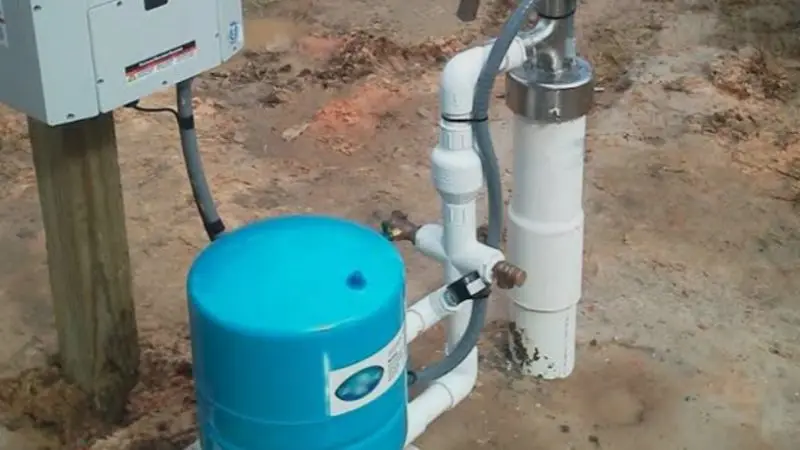
Există o serie de componente într-un sistem de puțuri rezidențiale care împreună furnizează apă curată locuinței. Fiecare parte joacă un rol distinct în colectarea, protejarea, stocarea și distribuirea apei subterane. Cunoașterea părților principale ale unui... fântână Sistemul poate ajuta la întreținerea corectă și la detectarea rapidă a oricăror probleme care pot apărea.
Carcasa de bine
Tubulatura unui puț este o țeavă robustă care este plasată în gaură pentru a asigura soliditatea structurală a puțului și pentru a preveni contaminarea alimentării cu apă. De obicei, este construită din oțel sau PVC și merge de la suprafață în sursa de apă subterană. Tubulatura protejează puțul de pătrunderea solului, rocilor, apei de suprafață și a poluanților nocivi. De asemenea, oferă stabilitate puțului timp de mulți ani. Tubulatura protejează sistemul de contaminare; prin urmare, este un factor major în modul în care funcționează un puț de apă, asigurând calitatea apei subterane utilizate în scopuri potabile.
Ei bine, Cap
Un capac de puț este plasat pe partea superioară a carcasei puțului pentru a închide deschiderea și a proteja apa din puț. Această parte ajută la ținerea insectelor, rozătoarelor, murdăriei, resturilor și apei de ploaie departe de puț. Capacele de puț sunt fabricate cu orificii de ventilație cu ecran în cele moderne, astfel încât să se poată asigura o ventilație adecvată, prevenind în același timp pătrunderea contaminanților în puț. Un capac bine montat și sigur este esențial pentru asigurarea calității apei și protejarea întregului sistem. Inspectați capacul în mod regulat pentru a vă asigura că este în stare bună. Deși mic, este o parte importantă a sistemului de puțuri și reprezintă un control important al sursei de apă.
Ei bine Pump
Pompa de fântână este componenta principală a sistemului, deoarece pompează apa din acviferul subteran către casă. În contextul sistemelor de puțuri de apă pentru locuințe, mulți proprietari de case se întreabă cum funcționează acestea. Majoritatea locuințelor au o pompă submersibilă în fântână care trage apa în sus printr-o conductă. O pompă cu jet la suprafața solului poate fi utilizată pentru puțuri puțin adânci. Când presiunea apei scade, pompa va porni automat și se va opri când presiunea apei din rezervorul de apă atinge presiunea setată. Dacă pompa nu funcționează, sistemul nu poate furniza apă pentru gospodărie.
Rezervor de presiune
Rezervorul de presiune stochează apa sub presiune și asigură un flux constant în toată casa. Apa este pompată direct atunci când cineva deschide un robinet sau folosește un aparat, mai degrabă decât atunci când pompa este pornită imediat. Acest lucru ajută la minimizarea deteriorării pompei și la creșterea eficienței sistemului. Presiunea va scădea apoi pe măsură ce apa este scoasă din rezervor. Aceasta activează apoi automat pompa pentru a reumple rezervorul până la un nivel setat. Învățarea modului în care funcționează un sistem de puțuri de apă rezidențiale este completă doar dacă înțelegeți și rolul rezervorului de presiune, care este utilizat pentru a asigura o presiune constantă a apei pentru uz casnic normal.
Țevi și conexiuni sanitare
Țevile și instalațiile sanitare transportă apa de la fântână la rezervorul de presiune și apoi prin liniile sanitare ale casei. Conductele de apă sunt instalate cu grijă pentru a garanta o alimentare cu apă sigură și eficientă. Apa este transportată prin conducte de la fântână la conductele de apă subterane și de la conductele de apă subterane la instalațiile sanitare interioare, care furnizează apă chiuvetelor, dușurilor, toaletelor și electrocasnicelor. Un sistem de conducte bine întreținut poate preveni scurgerile, pierderile de presiune și contaminarea alimentării cu apă. Acest sistem de conducte este o parte importantă a explicației modului în care funcționează o fântână și transportă apa de la sursa subterană către toate părțile casei.
Cutie de control și presostat
Pompa de puț este controlată de cutia de control și de presostat. Un presostat este utilizat constant pentru a verifica presiunea apei din rezervor. Este un senzor care detectează o presiune mai mică decât o valoare presetată și apoi activează pompa. Când nivelul rezervorului este crescut și se atinge presiunea dorită, comutatorul oprește pompa. Multe sisteme utilizează o cutie de control și pentru a controla alimentarea cu energie electrică a pompei. Acestea funcționează automat împreună, oferind o alimentare cu apă sigură și fiabilă, fără asistență umană. Motivul pentru care funcționarea lor este atât de importantă este că ajută la menținerea funcționării eficiente și constante a întregului sistem, explicând modul în care un puț de apă forat poate furniza apă unei case.
Diferite tipuri de pompe de puț utilizate în locuințe
Proprietarii de case folosesc diverse tipuri de pompe de puț în funcție de adâncimea puțului și de nevoile zilnice de apă. Fiecare pompă este diferită în modul în care extrage apa subterană din pământ către casă. Cunoașterea diferitelor tipuri de pompe, împreună cu o înțelegere a modului în care funcționează un sistem privat de pompe de puț, îi va ajuta pe proprietari să selecteze tipul de pompă de care au nevoie pentru proprietatea lor.
Cum funcționează o pompă submersibilă
Cea mai populară pompă pentru puțurile locuințelor de astăzi este pompa submersibilă. Această pompă este plasată în puț, de obicei sub nivelul apei. Activitatea sa subacvatică ridică apa pompând-o în sus, nu în jos, de la suprafață. Acest design conferă pompelor submersibile o eficiență ridicată și este cel mai potrivit pentru cele utilizate în puțuri adânci. Pompa va porni automat când presiunea apei scade și se va opri când rezervorul de presiune este plin. Mulți proprietari de case care învață cum funcționează un sistem de puțuri de apă rezidențiale descoperă că pompele submersibile sunt vitale pentru o alimentare constantă și fiabilă cu apă în întreaga casă. Aceste pompe sunt durabile, eficiente din punct de vedere energetic și nu necesită întreținere.
Cum funcționează o pompă cu jet
Pompele cu jet sunt adesea utilizate în puțuri puțin adânci, dar unele modele sunt potrivite și pentru puțuri mai adânci. Pompele cu jet sunt instalate deasupra solului, de obicei într-o stație de pompe, o cameră tehnică sau un subsol. Acestea funcționează prin extragerea apei din puț și introducerea acesteia în instalațiile sanitare ale casei. Atunci când este necesară întreținerea, pompele cu jet sunt plasate pe sol, permițând astfel o inspecție și o reparare ușoară. Funcționarea pompelor cu jet este o bună ilustrare a modului în care funcționează un puț dacă aveți puțuri puțin adânci, în special în casa dumneavoastră. Nu sunt la fel de eficiente ca pompele submersibile în puțuri adânci, dar pompele cu jet sunt o opțiune fiabilă pentru multe case.
Cum funcționează o pompă manuală
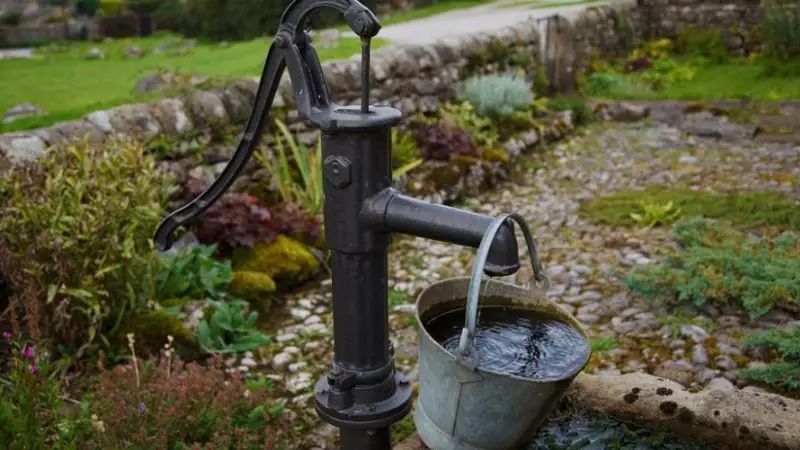
Pompele manuale sunt pompe care folosesc forța umană pentru a extrage apa dintr-o fântână care nu este alimentată cu electricitate. Deși sunt mai puțin frecvente în casele de astăzi, mulți proprietari le au în standby în caz de pene de curent sau în zone îndepărtate. O pompă manuală este o pompă cu un mâner pe care îl miști în sus și în jos pentru a crea un vid care aspiră apa printr-o țeavă. Aceste sisteme sunt ușor de utilizat, fiabile și simple. Nu pompează apă la fel de mult ca pompele electrice, dar ajută la ilustrarea modului în care funcționează o fântână, explicând principiile pompării apelor subterane din acviferele subterane la suprafață pentru utilizare.
Ce este un acvifer și de ce este important?
Apele subterane sunt stocate în mod natural în straturi de rocă, nisip sau pietriș sub suprafață, cunoscute sub numele de acvifere. Acestea sunt, de asemenea, foarte importante, deoarece reprezintă sursa de apă pentru majoritatea puțurilor private și rezidențiale. Dacă nu ar exista acvifere, nu ar exista puțuri care să furnizeze apă locuințelor. Educația privind acviferele este utilă pentru proprietarii de case în înțelegerea modului în care un puț de apă forat furnizează apă unei locuințe și importanța protejării resurselor de apă subterană pentru alimentarea cu apă pe termen lung.
Cum stochează acviferele apa subterană
Apa stocată în acvifere este menținută în spațiul dintre particulele de nisip, pietriș și rocă de sub suprafața pământului. Rezervoarele de apă subterană se umplu natural cu apă de ploaie și zăpadă topită care se infiltrează lent prin pământ. Când o fântână este săpată într-un acvifer, apa iese la suprafață prin fântână și este accesibilă pentru utilizare de către familie. Acviferele sunt principala sursă de apă pentru fântânile private, iar aceasta este o metodă naturală de stocare. Aprovizionare constantă cu apă subterană curată pentru locuințe pe tot parcursul anului, datorită acviferelor sănătoase.
Ce factori pot schimba nivelurile apelor subterane
Nivelurile apei subterane pot fluctua din cauza unei varietăți de condiții de mediu și umane. Disponibilitatea apei subterane este afectată de precipitații, secetă, modele meteorologice sezoniere și utilizarea apei de către casele și fermele din apropiere. Dacă acviferul nu este alimentat suficient de repede, nivelurile apei pot fi reduse prin pompare intensă din mai multe puțuri. Capacitatea unui acvifer de a reține apa, precum și rapiditatea cu care se reîncarcă, sunt influențate de geologia locală. Cunoașterea acestor condiții poate ajuta la înțelegerea principalelor componente ale unui sistem de puțuri de apă și a importanței menținerii unei surse de apă subterană. Monitorizarea nivelurilor apei subterane și protejarea resurselor de apă subterană vor ajuta la asigurarea unei alimentări continue cu apă pentru generațiile viitoare.
Învelire
Un sistem de puțuri rezidențiale poate părea complicat, dar funcționează într-un mod simplu și eficient. Apa stocată într-un acvifer este extrasă din pământ, colectată într-un rezervor de stocare sub presiune și apoi furnizată în întreaga casă. Prin înțelegerea modului în care o companie privată... pompa de puț de apă Datorită funcționalității sistemului și componentelor de bază ale unui sistem de puțuri de apă, proprietarii de case pot asigura o întreținere corespunzătoare și o durată lungă de viață a puțurilor lor. Indiferent dacă puțul dvs. este săpat, forat sau perforat, înțelegerea modului în care un puț de apă forat alimentează o gospodărie cu apă curată vă poate ajuta să vă protejați puțul de apă și să vă asigurați că alimentarea cu apă este curată pe tot parcursul anului.
FAQ
Care este adâncimea aproximativă a unui puț de apă rezidențial?
Adâncimea tipică a unei fântâni domestice este între 100 și 500 de metri, în funcție de geologie și de disponibilitatea apei subterane din zonă, precum și de reglementările locale. În regiunile aride, unele fântâni pot fi mai adânci.
Cât durează o pompă de puț rezidențială?
O pompă de puț are, în general, o durată de viață de 8 până la 15 ani dacă întreținerea puțului este efectuată corespunzător. Inspecția regulată și reparațiile prompte pot ajuta la prelungirea duratei de viață a pompei.
Rămâne vreodată fără apă o fântână privată?
Da, seceta, utilizarea excesivă a apei dintr-o fântână privată sau scăderea nivelului apei pot cauza secarea unei fântâni private. Prin monitorizare regulată, se vor evita lipsurile nedorite de apă.
Când ar trebui testată o fântână privată?
O fântână privată ar trebui testată cel puțin o dată pe an, potrivit experților. Inspecțiile anuale identifică din timp contaminarea, problemele echipamentelor și problemele de întreținere.
Co apă de fântână de un singur pahar?
Apa de fântână este sigură dacă este întreținută corespunzător și testată periodic. Gospodăriile ar trebui să își testeze apa în fiecare an pentru a se asigura că nu conține contaminanți.