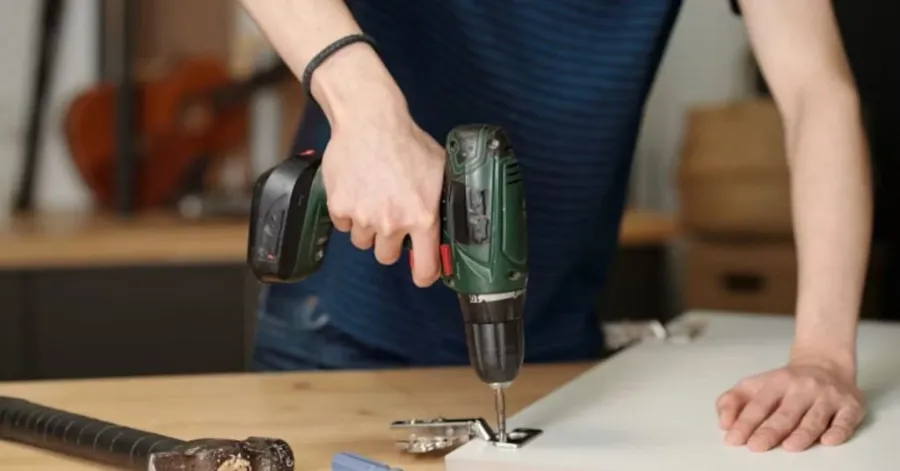
Você precisa pendurar uma prateleira, instalar uma fechadura ou construir um projeto simples. Você pega uma furadeira, mas nem toda furadeira serve para todas as tarefas. Você quer fazer um furo limpo em madeira, metal ou concreto. Escolher a furadeira certa é fundamental. ferramenta certa Ajuda você a trabalhar mais rápido e mantém seu projeto seguro e organizado. A escolha certa proporciona melhores resultados e facilita o seu trabalho. Materiais diferentes, como madeira, metal, concreto e plástico, exigem brocas e brocas diferentes para um desempenho adequado.
Como furar com precisão? Usar a ferramenta correta não só facilita o trabalho, como também ajuda a proteger os materiais e prolonga a vida útil do equipamento. Neste guia, você aprenderá sobre os tipos mais comuns de furadeiras. ferramentas de perfuraçãoVocê aprenderá onde cada uma funciona melhor e como escolher a opção certa para o seu projeto. Também encontrará acessórios essenciais, dicas de perfuração passo a passo e conselhos práticos para ajudá-lo a perfurar com confiança, seja você um iniciante em projetos "faça você mesmo" ou um profissional da construção.
Conteúdo
O que é uma ferramenta que fura buracos e como ela funciona?
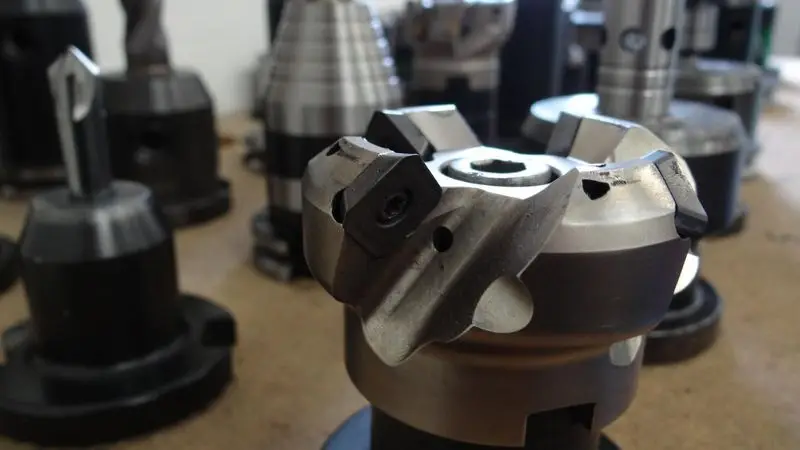
Uma ferramenta para perfurar furos é usada para formar buracos circulares em diversos materiais. É usada para fixar, pendurar ou construir algo. Essa ferramenta pode ter uma variedade de formatos e tamanhos. Algumas são ferramentas manuais simples. Algumas pessoas usam eletricidade e/ou baterias para obter mais potência. Existe uma ferramenta para quase todas as profissões, desde pequenos trabalhos manuais até grandes projetos de construção.
Recomendado para o seu projeto
Como funciona uma ferramenta de perfuração
Uma furadeira é usada aplicando pressão e acionando o gatilho ou girando a manivela. A broca gira em alta velocidade, cortando o material. À medida que a broca perfura, ela remove pequenos pedaços de material devido às suas arestas afiadas. A pressão e a velocidade são ajustáveis. Algumas furadeiras possuem configurações específicas para diferentes tarefas. Por exemplo, metal pode ser perfurado em velocidade mais baixa e madeira em velocidade mais alta. Evite fazer furos grandes, a menos que deseje um resultado impreciso e irregular. Isso ajuda a evitar que a broca maior escorregue e auxilia na sua direção. Ao ligar a furadeira, o motor começa a girar a broca em um movimento circular. Como o bit Ao girar, a broca lasca o material com suas arestas de corte, formando um furo. Você consegue resultados mais limpos e profissionais porque a broca faz todo o trabalho.
Materiais comuns que você pode perfurar
Muitos materiais podem ser perfurados com uma furadeira. Para isso, é necessário usar a broca e as configurações corretas. O metal é muito mais duro que a madeira, o que significa que será preciso uma broca mais resistente, como uma broca de aço rápido (HSS) ou de cobalto. Uma velocidade de perfuração mais baixa ajuda a reduzir o calor ao perfurar metal e evita o desgaste prematuro da broca. Selecionar a ferramenta e a broca adequadas torna a perfuração mais segura e fácil. Assim, você terá mais chances de obter melhores resultados e de proteger seus materiais.
Alguns exemplos típicos são:
-
- Madeira: Fácil de perfurar e macia. Use uma broca padrão para madeira.
-
- Metal: Mais duro que madeira. Use uma broca para metal e faça com calma.
-
- Plástico: Necessita de uma ponta afiada e pressão suave para evitar rachaduras.
-
- Alvenaria – Tijolo, pedra, concreto. Se disponível, use uma broca para alvenaria e uma furadeira de impacto.
Qual ferramenta de perfuração é a ideal para o seu projeto?
Escolhendo a ferramenta certa para perfuração A escolha da furadeira dependerá do projeto e do material com o qual você está trabalhando. Furadeiras sem fio e compactas são mais apropriadas para projetos de bricolagem e montagem de móveis. Já as furadeiras de bancada, furadeiras de impacto e furadeiras de impacto rotativas são mais adequadas para trabalhos com metal, alvenaria e construção profissional. Escolher a furadeira e a broca certas para o trabalho certo garante furos mais limpos, operação mais segura e, no geral, melhores resultados.
Projetos caseiros de bricolage
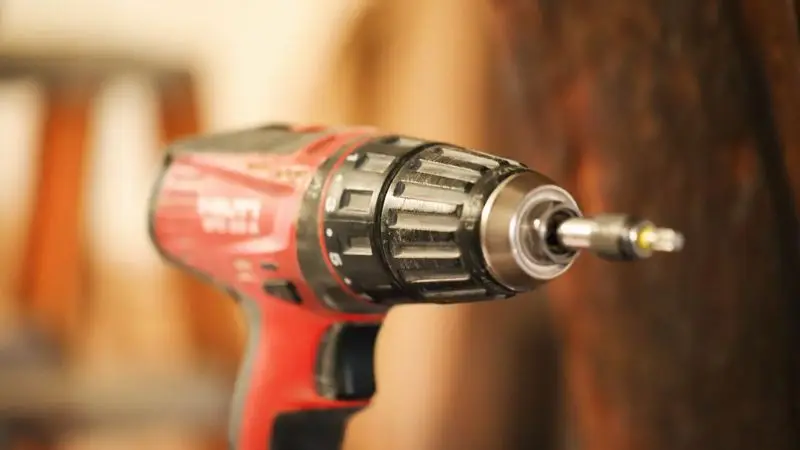
Comece pelas tarefas domésticas mais simples. Uma ferramenta para furar quadros ou montar prateleiras é essencial. Para a maioria dos projetos domésticos, uma furadeira sem fio dá conta do recado. Fácil de usar e leve, com brocas fáceis de trocar. Para materiais macios como madeira ou drywall, não é preciso muita potência. Uma furadeira para madeira é necessária para diversos projetos domésticos, incluindo prateleiras, varões de cortina, espelhos, molduras de quadros ou suportes de TV. A furadeira é usada para fazer furos limpos e precisos para buchas e parafusos. Um bom trabalho nos furos garante que os objetos instalados permaneçam firmes e não se soltem ou caiam com o tempo. Outra ferramenta útil para reparos domésticos é a furadeira. Ela pode ser usada para fixar tábuas de madeira soltas, instalar ganchos e cercas, trocar fechaduras e instalar novas maçanetas.
Montagem de Móveis
Para fabricar móveis, é necessário usar uma furadeira que funcione em espaços apertados. Furadeiras compactas alcançam cantos. Para parafusos, pode-se utilizar uma ponta de chave de fenda. Brocas para madeira são usadas para criar furos na madeira, garantindo furos limpos e sem rachar. Apertar os parafusos manualmente pode ser demorado, principalmente em móveis grandes com dezenas de parafusos. Uma furadeira profissional agiliza o processo, permitindo criar furos-guia e inserir os parafusos rapidamente. Isso significa que você pode concluir seu projeto em muito menos tempo e com menos esforço. Monte móveis com facilidade mesmo em tetos baixos. Muitas furadeiras pequenas se encaixam em cantos, armários apertados e outros espaços reduzidos.
Metalurgia
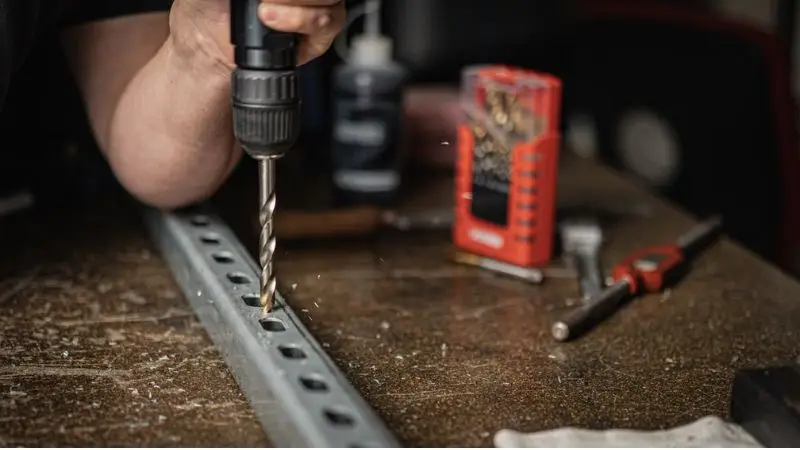
É preciso ter mais cuidado ao furar metal. Uma velocidade ajustável. É necessário furarOperar a furadeira em baixa velocidade garante que a broca permaneça fria. Operar em alta velocidade pode danificá-la. Escolha uma broca para metal. Ela deve ter uma ponta afiada e um corpo robusto. Uma furadeira de bancada pode ser usada para trabalhos mais estáveis. Ao trabalhar com metal, use sempre óculos de segurança. A melhor furadeira para uso doméstico deve fazer furos retos e uniformes, o que ajudará os parafusos, porcas e conectores a se encaixarem corretamente. Erros nos furos podem prejudicar a resistência e a estabilidade do produto final, além de aumentar o risco de juntas soltas. Outra vantagem é a economia de tempo durante a montagem. Apertar manualmente pode ser muito demorado, principalmente ao montar móveis grandes ou dezenas de fixadores.
Alvenaria e Concreto
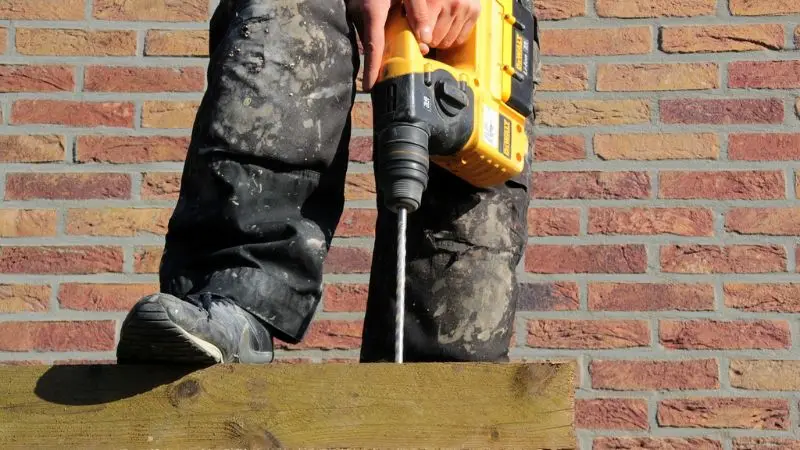
Furar alvenaria é um desafio. Então, como saber se você conseguirá fazer furos com precisão? Use uma furadeira de impacto para tijolo, pedra ou concreto. Furadeiras de impacto são projetadas para quebrar superfícies duras por meio de força e rotação. Escolha uma broca para alvenaria. Ela vem com uma ponta de carboneto. Use uma velocidade baixa e mantenha a furadeira parada. Use uma máscara de proteção contra poeira para proteger seus pulmões.
-
- Esta furadeira é sem fio e a broca para madeira/uso geral pode ser usada em casa!
-
- Montagem de móveis: Furadeira compacta + broca para madeira
-
- Uma furadeira de bancada com uma broca para metal. Uma furadeira de bancada e broca de metal.
-
- Esta ferramenta inclui tanto a furadeira de impacto quanto uma broca para alvenaria. Alvenaria e Concreto: Furadeira de impacto com broca para alvenaria acoplada.
Construção Profissional
Na indústria da construção civil, você executa projetos de grande escala. Furadeiras de alta potência oferecem maior força. Furadeiras de impacto rotativas podem ser usadas para perfurar grandes furos em concreto. Profissionais utilizam furadeiras de alto torque. É necessário usar a ferramenta correta para cada material. Isso ajuda a manter seu trabalho seguro e rápido. Ferramentas profissionais para construção são fabricadas com motores potentes que podem perfurar materiais resistentes sem falhas. Essas ferramentas para perfurar concreto são usadas em trabalhos contínuos em canteiros de obras movimentados, onde furadeiras comuns usadas para pequenos reparos domésticos não podem ser utilizadas. A potência adicional permite que os funcionários concluam o trabalho mais rapidamente, sem esforço. Outro benefício é a capacidade de perfurar materiais duros. Uma ferramenta de perfuração profissional, particularmente uma furadeira de impacto ou uma furadeira de impacto rotativa, aplica uma combinação de rotação e impacto, o que facilita a perfuração desses materiais resistentes.
Como escolher a ferramenta certa para furar buracos
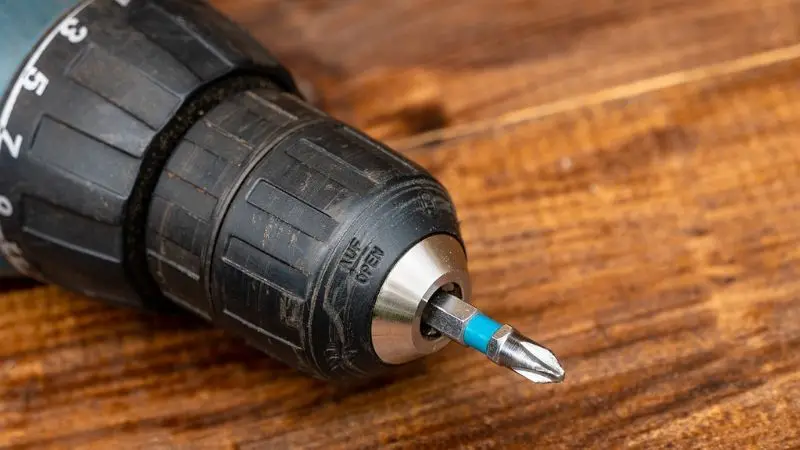
O primeiro passo para selecionar o perfuração correta A ferramenta ideal consiste em escolher a furadeira e a broca adequadas ao material a ser perfurado. Para resultados precisos e eficientes, é fundamental considerar a fonte de energia, a velocidade, o torque, o conforto e os recursos de segurança. Acessórios adequados, como brocas, serras copo, limitadores de profundidade e equipamentos de segurança, também contribuem para aumentar a precisão, a produtividade e a segurança em todas as aplicações de perfuração.
Considere o material
Use a ferramenta apropriada para cada tarefa. Existem métodos diferentes para cada tipo de material – madeira, metal, plástico ou alvenaria. A maioria das furadeiras e brocas pode ser usada em madeira. Para metal, são necessárias velocidades de corte mais lentas e brocas mais afiadas. Para alvenaria, são necessárias brocas especiais e uma furadeira de impacto. Ao usar uma ferramenta para furar metal ou tijolo, você precisa de uma ferramenta que ofereça potência adicional. Antes de começar, sempre leia as instruções. Os métodos usados para materiais macios e duros são diferentes (materiais duros são metal ou concreto). Por exemplo, furar madeira é muito fácil e geralmente requer brocas padrão para madeira em boas velocidades. Furar metal é extremamente difícil e requer uma broca para metal e uma velocidade mais lenta. perfuração Ajuste a velocidade para evitar superaquecimento. Furos limpos em tijolo e concreto podem ser feitos rapidamente usando uma broca para alvenaria com ponta de carboneto e uma furadeira de impacto.
Escolha a fonte de energia certa
Estão disponíveis furadeiras com fio ou sem fio. As furadeiras sem fio permitem maior liberdade de movimento. As furadeiras com fio oferecem potência constante para trabalhos pesados. Uma furadeira sem fio é ideal para uso externo ou longe de tomadas. Se você precisar realizar trabalhos pesados, como furar alvenaria, uma furadeira com fio oferece maior potência. Para projetos longos, a duração da bateria pode ser um problema. Como fazer furos precisos? Uma furadeira sem fio funciona com uma bateria recarregável e pode ser usada em praticamente qualquer lugar, exceto onde o cabo de alimentação esteja conectado. Isso a torna perfeita para reparos domésticos, montagem de móveis, trabalhos externos ou tarefas em locais com pouca ou nenhuma energia elétrica. Os cabos de extensão não atrapalham e seu trabalho será mais rápido e fácil.
Verifique a velocidade e o torque.
Velocidade e torque também perfuração de influênciaPara madeira e materiais macios, uma alta velocidade é adequada. Baixa velocidade e alto torque são úteis ao furar metal ou superfícies espessas. A maioria das furadeiras modernas possui um mecanismo para ajustar as configurações. Procure uma furadeira com velocidade ajustável que permita fazer furos. Isso lhe dará a possibilidade de ajustar a furadeira de acordo com a sua tarefa.
-
- A tabela a seguir mostra a velocidade e o torque recomendados para diversos materiais.
-
- Evite aplicações de alta velocidade/baixo torque. Não utilize em altas velocidades ou com baixo torque.
-
- Metal: Alta velocidade, baixo torque.
-
- Alvenaria: Velocidade média, alto torque
-
- Silhouette: 10 a 15 metros por minuto com pressão máxima de 100 kg.
Escolha a broca correta
O tipo de broca que você escolher para o seu projeto é importante. As extremidades das peças de madeira são afiadas. As arestas das brocas para metal são ainda mais afiadas. As brocas para alvenaria usam pontas de carboneto. Usar a broca errada aumenta o risco de danificar a ferramenta ou o material. Sempre consulte a embalagem para saber o tipo correto. Para furar concreto e metal, use uma broca feita para aço ou alumínio. Use uma broca com ponta reforçada para furar alvenaria. Cada broca tem uma função específica. Brocas para madeira As brocas para metal possuem uma ponta afiada no centro para auxiliar no direcionamento do furo e minimizar lascas. Elas têm alto poder de corte e podem perfurar superfícies duras. Já as brocas para alvenaria possuem pontas de carboneto para penetrar tijolos e concreto. A escolha da broca adequada ao material resultará em um furo liso e preciso, que dará um acabamento profissional ao seu projeto.
Pense em conforto e segurança.
Ao usar uma furadeira para concreto, é importante priorizar o conforto. Procure uma furadeira com cabo ergonômico e peso bem distribuído. Recursos de segurança protegem você contra acidentes. Existem travas de gatilho, alças laterais e luzes embutidas para maior segurança no trabalho. Use óculos de proteção e luvas. Prepare uma área de trabalho segura e limpa para evitar quedas. Um cabo com o tamanho adequado proporciona melhor controle e minimiza a fadiga durante longos períodos de perfuração. É claro que você não se sentirá cansado após alguns furos, mas conseguirá trabalhar por mais tempo sem se cansar. Isso é especialmente útil ao montar móveis, instalar prateleiras ou realizar grandes reformas. Uma furadeira balanceada é mais fácil de manter nivelada e estável, permitindo furos retos e precisos. Não force a furadeira. Não tente fazer tudo sozinho. Isso ajuda a garantir sua segurança e melhores resultados.
Acessórios essenciais para uma ferramenta que fura buracos
Brocas
Existem diversos tipos e tamanhos de brocas. Qual é a ferramenta mais eficaz para fazer furos? A broca deve ser adequada ao material. Brocas para madeira, metal e alvenaria têm suas aplicações específicas. Tenha um conjunto de brocas para diferentes finalidades. Uma broca adequada ao material corta melhor e proporciona um acabamento mais liso. Uma broca para madeira, por exemplo, deixa furos limpos com pouca lasca, enquanto uma broca para metal faz furos redondos com bordas lisas, em vez de bordas ásperas. Furos mais limpos facilitam a instalação de parafusos, porcas, tubos, buchas e outras ferragens. Também ajudam a minimizar a necessidade de lixamento, limagem ou acabamento posterior. Brocas apropriadas minimizam o calor e o atrito durante a perfuração.
Serras de furo
Serras copo cortam furos grandes em metal fino, plástico ou madeira. São usadas em tubos, cabos ou acessórios. Use um acessório de serra copo com sua furadeira Para furos maiores. Quando você precisa de uma abertura para canos de encanamento, fiação elétrica, ferragens de portas, iluminação embutida ou dutos de ventilação, uma broca padrão geralmente é pequena demais. A serra copo economiza tempo e esforço, permitindo que você faça furos muito maiores em poucos minutos. Outra vantagem é que os cortes ficam limpos e suaves. Qual ferramenta faz furos? As serras copo possuem dentes de corte afiados que cortam o material uniformemente ao redor da borda do furo. Isso resulta em bordas de madeira mais lisas, com menos farpas, e bordas de metal e plástico sem rebarbas. Furos mais limpos deixam seu projeto com uma aparência melhor e reduzem o trabalho de lixamento ou acabamento necessário após a conclusão.
Bits escareados
As brocas escareadoras permitem criar um rebaixo para a cabeça dos parafusos. Isso garante que os parafusos fiquem nivelados com a superfície. Elas são usadas na montagem de móveis e em trabalhos de madeira. Como furar os furos com precisão? Parafusos com a cabeça exposta podem deixar o projeto com uma aparência inacabada. Um furo rebaixado permite que o parafuso se encaixe perfeitamente, resultando em uma superfície lisa e limpa. Isso é particularmente importante para móveis, armários, prateleiras e trabalhos decorativos em madeira, onde a aparência é fundamental. Outro benefício é que ajuda a evitar rachaduras na madeira. Ao parafusar em uma superfície de madeira sem preparação, muita pressão pode ser aplicada, principalmente nas bordas. Uma broca escareadora cria espaço para a cabeça do parafuso, reduzindo a tensão no material.
Batentes de profundidade
Usar limitadores de profundidade permite controlar a profundidade da perfuração. Eles são acoplados à broca e impedem que você perfure muito fundo. Para trabalhos precisos, utilize limitadores de profundidade. Muitos projetos exigem furos que não sejam muito profundos nem muito rasos. Por exemplo, ao usar buchas, ferragens para armários ou acessórios para móveis, o furo deve ter o mesmo comprimento do parafuso ou da bucha. Um limitador de profundidade garante que todos os furos tenham o comprimento adequado. furos são perfurados A profundidade correta. Isso melhorará a qualidade do projeto e garantirá que tudo se encaixe perfeitamente. É fácil cometer um erro e perfurar o material mais fundo do que o necessário sem um limitador de profundidade. Isso pode enfraquecer a peça que está sendo cortada, danificar a superfície traseira da peça e até mesmo causar contato com canos ou fios elétricos escondidos na parede.
Equipamento de segurança
Sua segurança é garantida durante o trabalho. Use óculos de proteção para proteger os olhos. Use luvas para evitar a contaminação das mãos. Para perfurar alvenaria ou concreto, máscaras contra poeira podem ser utilizadas. Tenha equipamentos de segurança à mão. A ferramenta ideal para perfurar madeira, metal, concreto ou plástico gera pequenas lascas e fragmentos que podem ser projetados. Essas partículas podem atingir os olhos em alta velocidade e causar ferimentos graves se não forem desviadas. O uso de óculos de proteção cria uma barreira entre a poeira e os detritos e os olhos. Uma visão nítida também contribui para uma perfuração mais precisa e segura. As luvas protegem suas mãos de bordas afiadas, farpas, materiais ásperos e brocas quentes. Elas também ajudam a ter uma melhor aderência na furadeira, principalmente se suas mãos suarem durante trabalhos longos.
Guia passo a passo para furar buracos com segurança e precisão
Prepare a superfície
Antes de começar, verifique automaticamente a área de trabalho. Certifique-se de que a superfície esteja limpa e seca. Remova qualquer poeira ou sujeira. Isso permite que a broca, ideal para uso doméstico, tenha uma melhor aderência ao material. Com uma superfície limpa, a broca terá um ponto de partida melhor e será mais fácil perfurar exatamente onde você deseja o furo. Isso é particularmente importante ao instalar ferragens de portas, acessórios elétricos, encanamentos ou prateleiras, onde a localização exata dos furos precisa ser garantida. Outra vantagem são os furos mais limpos. Se a superfície estiver limpa e livre de sujeira e detritos, a broca corta com mais suavidade. Isso minimiza rebarbas, lascas e furos irregulares. Furos mais limpos contribuem para um acabamento melhor e, na maioria dos casos, economizam tempo e trabalho de lixamento ou acabamento posterior.
Marque o local de perfuração
Marque com um lápis ou marcador um ponto com clareza onde o buraco Será. Para superfícies lisas, cubra com um pequeno pedaço de fita adesiva. Isso evita que a broca escorregue. Se uma broca escorregar, pode causar amassados, arranhões e/ou marcas indesejáveis na superfície. Isso é particularmente importante ao usar madeira com acabamento, superfícies pintadas, azulejos ou itens decorativos onde a aparência é importante. Um ponto de perfuração claramente marcado mantém a superfície ao redor limpa e sem danos. Como fazer furos do tamanho certo? Com o posicionamento correto dos furos, ferragens, parafusos, porcas e acessórios se alinham corretamente. As prateleiras permanecem planas, os armários se encaixam corretamente e os suportes ficam no lugar certo.
Selecione a broca certa
Escolha uma broca adequada ao material. Use uma broca para madeira para madeira. Use uma broca para alvenaria para alvenaria. Se você pretende furar metal, selecione uma broca feita para metal. Certifique-se de que a broca esteja intacta e afiada. Cada broca tem uma função específica. As pontas afiadas das ferramentas para fazer furos em madeira cortam a madeira de forma limpa, com pouca lasca. Ao contrário das brocas de plástico, as brocas para metal são feitas de um material mais resistente, como aço rápido (HSS) ou cobalto, e podem penetrar metais duros sem se desgastarem. As brocas para alvenaria são feitas com pontas de carboneto projetadas para cortar concreto, tijolo e pedra. Nunca use sua broca em nada além de um pedaço de teste. Isso ajudará você a evitar erros em seu projeto principal.
Perfure com segurança e precisão
Segure a furadeira com as duas mãos. Comece a cortar em baixa velocidade para que a broca consiga penetrar no material. Tente manter a furadeira reta e aplique pressão firme. Evite empurrar a furadeira. Use a ferramenta para concluir o trabalho. Acelere (se necessário) mantendo o controle. Se você segure a furadeira Com firmeza, mantendo a broca reta e começando em baixa velocidade, você terá mais controle sobre o ponto inicial do furo. Isso permite fazer furos exatamente onde você precisa, seja para pendurar quadros, instalar suportes, prateleiras ou até mesmo montar móveis. Furos precisos também garantem o encaixe perfeito de parafusos, porcas e buchas. Como saber como furar com precisão? Uma técnica de perfuração firme permite que a broca corte o material suavemente. Isso evita rachaduras na madeira, bordas ásperas no metal e quebras no plástico.
Limpe o orifício finalizado
Após remover a broca, limpe-a de poeira e lascas. Para obter uma borda lisa, lixe as bordas do furo com lixa. Verifique novamente se o furo tem as dimensões e o formato corretos. Use óculos de proteção e luvas ao furar. Evite ser atingido por objetos que possam ser arremessados. A ferramenta ideal para o seu projeto ajudará você a obter furos limpos e seguros. Ao escolher as ferramentas certas para cada tarefa, você ajuda a proteger os materiais e a economizar tempo.
-
- Lembre-se de usar equipamentos de segurança e tomar precauções de segurança durante a perfuração em todos os projetos.
-
- Deixe um comentário abaixo com suas dicas ou perguntas sobre perfuração!
-
- Com o conhecimento e a prática adequados, qualquer projeto de perfuração pode ser abordado.
Embrulhar
A ferramenta certa é a chave para tornar qualquer projeto mais fácil, seguro e preciso. Ao selecionar a furadeira e a broca adequadas para cada tarefa, o processo de perfuração produz furos limpos e evita danos à ferramenta, ao material ou a qualquer outra superfície em contato com ela. Velocidade ajustável, acessórios corretos e equipamentos de segurança aumentam a eficiência e minimizam erros. Qual ferramenta usar para fazer furos? Quando se trata de perfurar, seja madeira, metal, plástico ou concreto, a técnica correta economiza tempo e resulta em projetos com aparência profissional. De reparos domésticos simples a trabalhos de construção exigentes, selecionar a ferramenta certa é a chave para o sucesso. Com este guia, você poderá trabalhar de forma eficiente, confiável e correta em todos os projetos, com confiança, precisão e limpeza.
Perguntas Frequentes
Qual furadeira você usaria para madeira?
Use uma furadeira sem fio e um broca para madeiraEsta ferramenta permite obter um bom controle e furos limpos. As brocas são facilmente intercambiáveis para alterar os tamanhos.
Como evitar que uma broca escorregue?
Use fita adesiva para cobrir a área. Marque claramente o ponto de perfuração. Comece a perfurar em baixa velocidade. Isso ajuda a broca a aderir à superfície.
Uma furadeira comum consegue furar metal?
Brocas para metal podem ser usadas com uma furadeira comum para fazer furos em metal. Ajuste a velocidade para baixa. Borrife óleo na broca para resfriá-la.
Quais são os equipamentos de segurança necessários para perfuração?
É obrigatório o uso de óculos de proteção, luvas e máscara contra poeira. Esses itens ajudam a proteger seus olhos, mãos e pulmões. Certifique-se de ter equipamentos de segurança à mão.
Como escolher a broca adequada?
Examine o conteúdo antes de usar.
Verifique se há brocas marcadas para madeira, metal ou alvenaria.
Compare usando pontos:
-
- Material
-
- Tipo de broca
-
- Madeira
-
- Bit de madeira
-
- Metal
-
- Bit de metal
-
- Alvenaria
-
- Broca de alvenaria