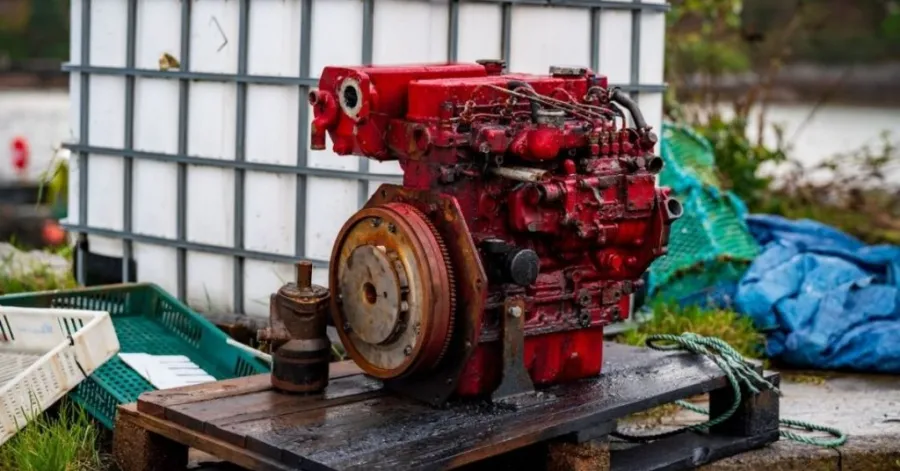
Uma unidade hidráulica transforma movimento em pressão de fluido. Você usa essa unidade hidráulica para movimentar líquidos, impulsionando-os em direção a motores e cilindros. Essa fonte de energia confiável opera sistemas modernos com facilidade. Aprenda sobre as peças básicas e os cálculos de dimensionamento. Poder hidráulico As unidades hidráulicas de potência (HPUs) são a força motriz por trás de muitas máquinas usadas na construção civil, manufatura, agricultura e transporte. Seja você usando uma unidade compacta hidráulico Seja um conjunto de fontes de alimentação ou um grande sistema industrial, entender como ele funciona ajuda a melhorar o desempenho e reduzir o tempo de inatividade.
Neste guia, você aprenderá o que é uma unidade hidráulica de potência (HPU), como ela funciona, seus principais componentes e os diferentes tipos disponíveis. Você também descobrirá onde as HPUs são comumente usadas, como escolher o tamanho certo e as melhores práticas de manutenção para manter seu sistema funcionando com segurança e eficiência. Este guia para iniciantes explica tudo em uma linguagem simples e fácil de entender.
Conteúdo
- O que é uma Unidade Hidráulica de Potência (HPU)? O que ela faz?
- Qual a função de uma unidade hidráulica de potência?
- Quais são os principais componentes de uma unidade hidráulica de potência?
- Quais são os diferentes tipos de unidades hidráulicas de potência?
- Onde são utilizadas as unidades hidráulicas de potência?
O que é uma Unidade Hidráulica de Potência (HPU)? O que ela faz?
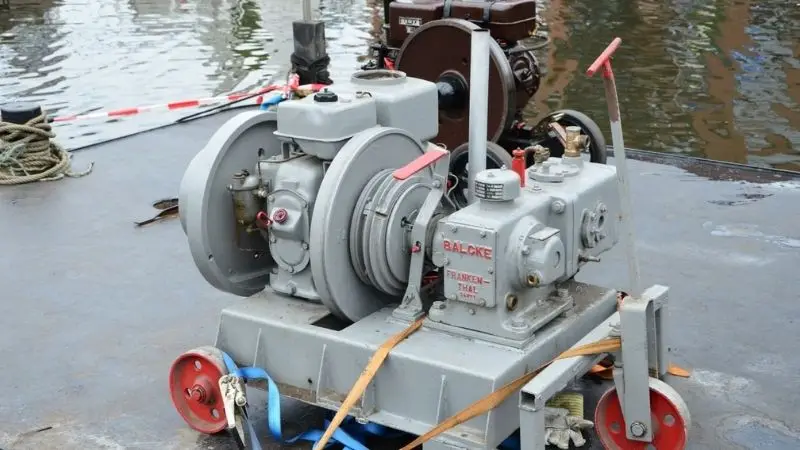
A poder hidráulico Uma unidade hidráulica de potência (HPU) é uma unidade autônoma que transforma energia mecânica em energia hidráulica para acionar máquinas de grande porte. Ela possui um motor, uma bomba, um reservatório e válvulas, todos essenciais para fornecer energia hidráulica confiável. Uma HPU gera movimento do fluido, gera pressão e direciona o fluido hidráulico para cilindros e motores para levantar, empurrar, fixar e movimentar cargas pesadas com eficiência.
Recomendado para o seu projeto
Definição de Unidade de Potência Hidráulica
A unidade hidráulica é uma unidade independente de um sistema hidráulico. É um sistema hidráulico que opera máquinas pesadas. Imagine-a como o coração da energia. Também pode ser chamada de unidade hidráulica de potência para engenheiros. O que é uma unidade hidráulica de potência? Existem quatro componentes principais em uma unidade hidráulica de potência: um motor elétrico e uma bomba; um reservatório de fluxo e válvulas. Todos os componentes estão incluídos em um único sistema. Esta máquina é baseada em leis simples da física. Transforma energia mecânica em energia fluida potente. Um motor fornece essa energia. Uma pequena unidade produz uma grande força. poder hidráulico Uma unidade hidráulica é um equipamento que gera pressão hidráulica convertendo energia mecânica em energia hidráulica. Normalmente, ela contém um motor, uma bomba hidráulica, um reservatório de fluido, válvulas e outras peças essenciais.
Qual a função de uma unidade hidráulica de potência?
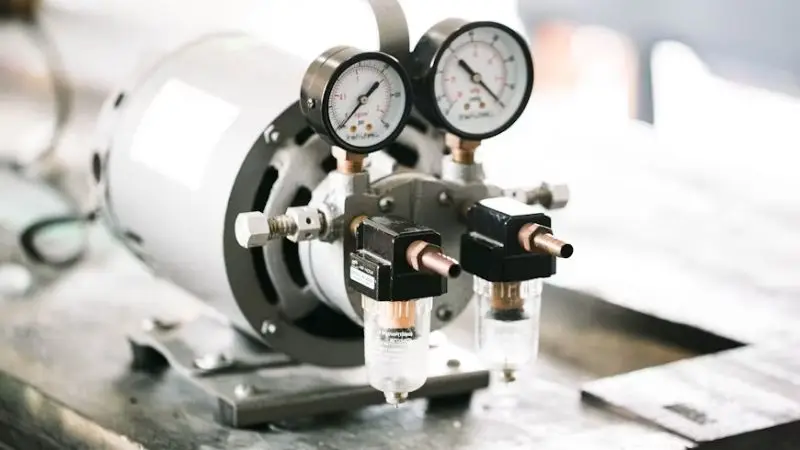
A unidade hidráulica de potência (HPU) é utilizada para tarefas de grande porte. Os motores elétricos convencionais simplesmente não possuem potência bruta suficiente. Este sistema impulsiona fluidos através de mangueiras de alta resistência. Esse fluido é utilizado para transportar peças de máquinas grandes e pesadas. Os sistemas hidráulicos são utilizados para empurrar e levantar em fábricas. Eles também são usados para segurar e moldar objetos. Uma unidade hidráulica de potência para serviço pesado é eficaz, fornecendo potência constante para tarefas complexas.
A seguir, são apresentadas as principais atividades diárias que realiza:
- Gera fluxo constante: O petróleo é extraído do bomba internaEle expulsa o fluido para fora.
- Pressão poderosa: A resistência do líquido cria uma grande quantidade de força dentro das linhas.
- Sistema de controle de movimento: Válvulas especiais fornecem óleo aos cilindros. Motores hidráulicos também consomem óleo.
Como funciona uma unidade hidráulica?
O poder hidráulico A unidade hidráulica (HPU) opera em um ciclo contínuo de fluido, convertendo energia mecânica em energia hidráulica. A bomba fornece óleo do reservatório e gera o fluxo e a pressão do sistema à medida que o óleo circula. O fluido hidráulico pressurizado é então usado para acionar cilindros ou motores para realizar trabalhos pesados. Veja este sistema em 5 etapas. Elas transformam o movimento do motor em energia líquida.
A bomba hidráulica aspira o fluido.
Ligue o motor para iniciar. Este motor elétrico aciona a bomba. A rotação cria um vácuo interno. A sucção remove o óleo do reservatório. Como funciona uma unidade hidráulica? A bomba hidráulica primeiro capta o fluido hidráulico do reservatório (também conhecido como tanque hidráulico). O fluido flui para a bomba através da entrada. O fluido entra na bomba, que o mistura e o prepara para fluir pelo sistema hidráulico. Este é o primeiro passo necessário, já que todas as funções hidráulicas dependem de um suprimento contínuo de fluido. Quando uma bomba não está puxando fluido suficiente, o restante do sistema não funcionará corretamente. Se o óleo hidráulico estiver fluindo adequadamente, todos os ciclos começarão corretamente. É importante entender como esse recurso funciona para garantir uma operação suave e confiável.
A bomba cria fluxo hidráulico
No centro da bomba giratória, o líquido é forçado a sair. O movimento se transforma em fluxo de líquido. O fluxo constante é desenvolvido por meio dessa ação de empuxo. Uma unidade hidráulica é um dispositivo usado para gerar pressão. A principal função da bomba é circular o óleo hidráulico em mangueiras, válvulas, cilindros e motores. O óleo hidráulico flui pelo sistema enquanto a bomba estiver funcionando. Esse fluxo constante garante a distribuição adequada do fluido para todas as partes do sistema hidráulico, para o seu correto funcionamento. O fluxo é essencial para que os cilindros se estendam, os motores girem e as válvulas controlem o movimento. O sistema não funciona sem fluxo hidráulico. A bomba é o "coração" da unidade hidráulica e é responsável por manter o fluxo contínuo de fluido.
O sistema gera pressão hidráulica.
Em tubulações estreitas, o movimento do fluido encontra resistência. A bomba continua a pressionar contra esses bloqueios. Essa restrição cria alta pressão hidráulica. Há uma força poderosa pronta para realizar trabalho. Como funciona uma unidade hidráulica? bomba hidráulica O fluido se move, mas a resistência gera pressão à medida que o fluido se move. Essa pressão é o que permite que as máquinas hidráulicas levantem, empurrem, puxem, prendam e movam cargas pesadas. Em resumo, hidráulico significa a pressão que faz uma máquina trabalhar com força. Mesmo os melhores equipamentos hidráulicos não seriam capazes de lidar com tarefas pesadas sem pressão suficiente. Essa funcionalidade pode ser usada para executar o trabalho com mais eficiência, segurança e controle.
Fluido pressurizado alimenta o equipamento hidráulico
O óleo pressurizado é direcionado para peças grandes. Os pistões internos são submetidos a pressões muito altas quando o fluxo é mantido constante. Ele utiliza força para levantar cargas pesadas. O que faz uma unidade hidráulica? A unidade hidráulica gera energia hidráulica no fluido, e o fluido, por sua vez, transporta a energia para outros componentes da máquina. O sistema não transmite energia por meios mecânicos diretos, mas sim através do óleo hidráulico. Essa energia é transmitida para cilindros hidráulicos, motores e válvulas por meio de mangueiras e tubulações imersas no fluido hidráulico. O fluido pressurizado pode transmitir a energia rapidamente por todo o sistema. Isso facilita o trabalho do usuário, pois a energia para cada componente hidráulico é fornecida sem demora.
O fluido retorna ao reservatório.
Mantenha o óleo da linha de retorno limpo! Os filtros removem a sujeira antes que ela chegue aos tanques de óleo. Depois que um cilindro cumpre sua função, o óleo sai na forma de fluido. O líquido de baixa pressão é bombeado de volta através de válvulas. Esse fluxo contínuo permite a operação constante do sistema. O sistema hidráulico é um sistema de circuito fechado. O fluido hidráulico é aspirado do reservatório, pressurizado e, em seguida, bombeado para o sistema. Assim que o fluido transmite sua energia para o... equipamentos hidráulicosO fluido retorna ao reservatório. Esse processo se repete enquanto a máquina estiver em funcionamento. O sistema pode ser usado para gerar energia hidráulica continuamente, sem a necessidade de um suprimento constante de óleo, já que o fluido é reutilizado.
Quais são os principais componentes de uma unidade hidráulica de potência?
Reservatório Hidráulico
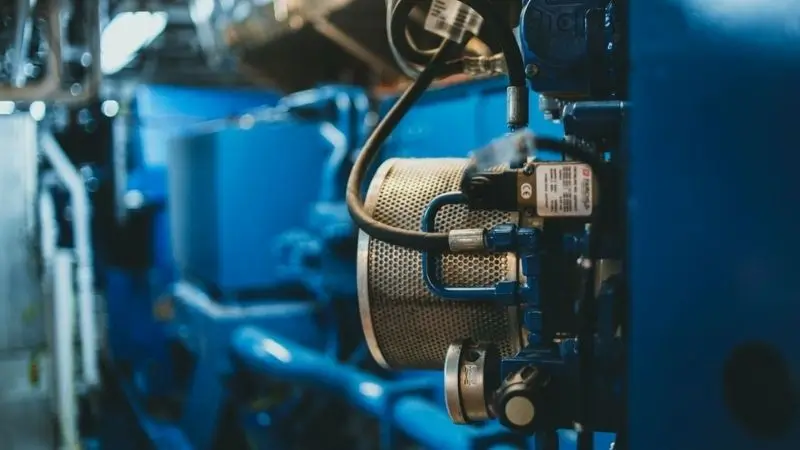
O reservatório de aço armazena líquido extra, que resfria rapidamente o óleo quente e ajuda a eliminar o ar aprisionado. Um reservatório limpo é essencial para proteger todos os componentes internos. Quais são os componentes de uma unidade hidráulica? O reservatório hidráulico é uma das partes mais importantes de uma unidade hidráulica. Simplificando, é um tanque que armazena o fluido hidráulico do sistema. O reservatório não é apenas um recipiente para óleo; ele tem muitas funções. Ajuda a manter o fluido hidráulico limpo, frio e pronto para uso durante toda a operação. Se a unidade hidráulica não for projetada corretamente, não funcionará de forma eficaz. Essa característica facilita a operação de dispositivos alimentados por mesa, protege componentes essenciais e garante a confiabilidade do sistema hidráulico ao longo de sua vida útil.
bomba hidráulica
A bomba transforma movimento mecânico. Ela provoca o fluxo ativo de fluidos. Esta bomba é usada para bombear um fluxo suave de líquidos. Agora, ela impulsiona o óleo para fora. Isso inicia todo o trabalho mecânico. O que faz uma unidade hidráulica? A principal função da bomba hidráulica é gerar poder hidráulicoO sistema hidráulico extrai o fluido do reservatório e o faz circular pelo sistema. Esse fluxo constante é necessário para garantir a circulação do fluido por todos os componentes que o requerem. Sem fluxo de fluido, os cilindros não se movem, os motores não giram e as válvulas não controlam o fluxo. Quando o fluido hidráulico flui de forma constante, o equipamento se move e funciona de maneira suave e consistente. Os componentes hidráulicos respondem prontamente aos comandos do operador, evitando movimentos bruscos ou erráticos.
Motor ou motor elétrico
Esta é uma bomba acionada por motor. Há também um motor a gasolina que a opera. Esta fonte de energia gira eixos internos a velocidades muito altas. O fluxo de fluido hidráulico pelo sistema é causado pela energia fornecida pelo motor. Caso contrário, a unidade de potência não teria fluxo ou pressão hidráulica. Uma unidade hidráulica pode ser operada por um motor elétrico ou por um motor a gasolina/diesel, dependendo da aplicação. Uma grande variedade de motores elétricos é usada em ambientes internos onde há eletricidade disponível e em fábricas. Ambientes externos ou locais de trabalho remotos, onde a eletricidade não está prontamente disponível, são locais comuns onde os motores são utilizados. Ambas as opções permitem a operação eficiente e confiável de equipamentos hidráulicos.
Válvulas hidráulicas
Essas válvulas controlam o movimento do líquido em todo o sistema. As válvulas direcionais controlam os caminhos do fluido. As válvulas de controle de fluxo são usadas para regular a velocidade de operação. As válvulas de alívio de segurança evitam o acúmulo de alta pressão. Elas eliminam o perigo de obstrução da linha. Imagine as válvulas hidráulicas como semáforos. Semáforos para veículos na estrada, válvulas hidráulicas para o fluido hidráulico na máquina. O que é a unidade hidráulica? As válvulas hidráulicas são essenciais para a unidade hidráulica, controlando o movimento de cilindros, motores ou outras peças hidráulicas. Essa característica permite que os usuários utilizem o equipamento com segurança, precisão e eficiência em uma infinidade de aplicações. A principal função das válvulas hidráulicas é controlar o movimento do fluido hidráulico em todo o sistema. Elas abrem, fecham ou manobram passagens para direcionar o fluxo do fluido para onde ele é necessário.
Filtros
Os filtros são usados para reter pequenas partículas de sujeira. Eles capturam pequenos pedaços de metal. O fluido limpo previne o desgaste interno e protege componentes caros de máquinas. O que é uma unidade hidráulica? Muitos componentes são preenchidos com fluido hidráulico, como bombas hidráulicas, válvulas, cilindros hidráulicos e motores. Quando o fluido fica sujo, esses componentes podem se desgastar ou parar de funcionar. Os filtros são usados para ajudar a manter o fluido hidráulico limpo e, assim, garantir a operação segura, confiável e prolongada de todo o sistema. sistema hidráulicoPeças usinadas com precisão operam com tolerâncias rigorosas em bombas hidráulicas, válvulas, cilindros e motores. Arranhões, obstrução de passagens e desgaste acelerado podem ocorrer mesmo com as menores partículas.
Mangueiras e Conexões Hidráulicas
Mangueiras robustas transportam líquidos sob alta pressão. Elas levam água para equipamentos pesados. As conexões são seladas com conexões de aço maciço, impedindo vazamentos. Como funciona uma unidade hidráulica? Se as mangueiras e conexões hidráulicas não forem de alta qualidade e não estiverem devidamente vedadas, a unidade hidráulica não funcionará com segurança e eficiência. Ao manter um fluxo de fluido contínuo, reduzir vazamentos, aumentar a segurança e garantir o funcionamento consistente da máquina, esse recurso facilita o uso para o operador. As mangueiras hidráulicas são usadas principalmente para movimentar o fluido hidráulico pelo sistema. Elas bombeiam óleo pressurizado da bomba de óleo para vários componentes e, em seguida, de volta para o reservatório.
Manômetro e outros controles
A pressão atual é indicada em um manômetro de fácil leitura. Esses controles são fáceis de ler e ajudam a garantir total segurança. Sem esses controles, seria difícil verificar se a unidade hidráulica está operando corretamente e com segurança. Isso permite que o usuário monitore o desempenho do sistema, faça os ajustes necessários, aumente a segurança e assegure que o sistema funcione com eficiência. O principal objetivo do manômetro é indicar a pressão. o hidráulico Pressão interna do sistema. Fornece ao usuário uma indicação clara da potência hidráulica de saída. Esses dados ajudarão o usuário a determinar se o sistema está dentro da faixa de pressão operacional recomendada.
Quais são os diferentes tipos de unidades hidráulicas de potência?
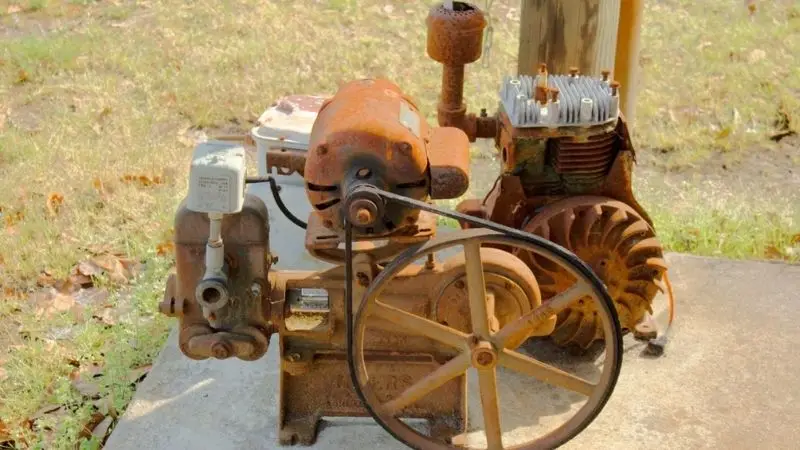
Existem diversos tipos de unidades hidráulicas para diferentes aplicações, fontes de energia e requisitos operacionais. Alguns dos tipos mais populares são as unidades de ação simples, de ação dupla, CA, CC, compactas e personalizadas. A seleção do tipo apropriado garante o desempenho ideal, a eficiência e a potência hidráulica necessária para o seu equipamento ou local de trabalho específico.
Quais são os diferentes tipos de unidades hidráulicas de potência?
Um sistema de ação simples move o fluido em uma única direção. O pistão do cilindro é forçado a se mover para fora devido à pressão do óleo. O pistão é empurrado de volta pela gravidade ou por molas. Esses sistemas são encontrados em reboques basculantes. O que é uma unidade hidráulica? Basicamente, ela empurra um cilindro em uma direção usando fluido hidráulico e, em seguida, o puxa de volta para sua posição original por meio de uma mola, gravidade ou pelo peso da carga. O projeto é simples, confiável e eficiente para muitas aplicações hidráulicas do dia a dia. poder hidráulico Essas unidades são normalmente encontradas em macacos hidráulicos, mesas elevatórias, reboques basculantes, elevadores de veículos, equipamentos agrícolas e de movimentação de materiais. São ideais para aplicações em que o deslocamento motorizado ocorre apenas em uma direção. Esse recurso permite ao usuário economizar energia e reduzir a manutenção, tornando o equipamento mais fácil de operar.
Unidades hidráulicas de dupla ação
Um sistema de dupla ação empurra ambos os lados. A haste é empurrada para cima e para baixo com fluido. Você tem 100% de controle sobre todos os movimentos. Use-os em grandes e pesados limpa-neves. O principal benefício de uma unidade hidráulica de dupla ação é a potência hidráulica que ela oferece tanto para a extensão quanto para a retração do cilindro hidráulico. Isso significa que o cilindro não depende da gravidade ou de uma força externa para retornar à máquina. Em vez disso, todos os movimentos são feitos sob pressão hidráulica. Ao dar aos usuários controle total em ambas as direções de movimento, o equipamento se torna mais versátil e eficiente. As unidades hidráulicas de dupla ação são projetadas para uso em aplicações de serviço pesado, onde o programa precisa operar em ambas as direções.
Unidades de Energia Hidráulica AC
As unidades são projetadas para serem conectadas a tomadas industriais padrão. Possuem motores CA potentes para realizar o trabalho. Uma delas pode operar dentro de uma fábrica. Não utilizam baterias durante o dia e não são projetadas para uso noturno. Unidades hidráulicas CA são muito comuns em plantas industriais, fábricas, oficinas, armazéns e todas as áreas de produção internas com fornecimento de energia elétrica confiável. São conhecidas por sua confiabilidade, eficiência energética e capacidade de produzir vazão hidráulica constante. Essa opção permite que os usuários realizem tarefas complexas com mais facilidade e confiabilidade. Trata-se simplesmente de uma conexão a uma fonte de energia elétrica que fornece eletricidade à unidade. bomba hidráulicaA bomba então circula o fluido hidráulico para fornecer a pressão hidráulica necessária para alimentar as máquinas hidráulicas.
Unidades de Energia Hidráulica DC
A bateria do veículo alimenta os sistemas de corrente contínua (CC). Eles podem gerar grande força em locais remotos e são normalmente instalados em caminhões. Têm a vantagem de serem adequados para uso em guindastes móveis. As unidades hidráulicas de corrente contínua são populares em equipamentos móveis, pois não exigem uma tomada elétrica fixa. O que é uma unidade hidráulica? Elas são frequentemente encontradas em reboques basculantes, caminhões, plataformas elevatórias, equipamentos utilitários, de reboque e agrícolas, bem como em outros sistemas hidráulicos portáteis. Essa característica proporciona flexibilidade, portabilidade e energia hidráulica confiável quando necessário. Uma bomba hidráulica é alimentada pelo motor de corrente contínua e é usada para circular o fluido hidráulico, gerando a pressão necessária para acionar cilindros hidráulicos e outros dispositivos hidráulicos.
Unidades hidráulicas compactas e mini
Os mini sistemas oferecem grande potência em uma área reduzida. Seu tamanho compacto permite que se encaixem em pequenos espaços! Também são encontrados em oficinas mecânicas, onde são usados para elevação rápida. Como funciona uma unidade hidráulica? Elas são adequadas para aplicações onde o espaço de instalação é limitado, mas ainda é necessário um bom desempenho hidráulico. Também são frequentemente empregadas em máquinas móveis, pequenas máquinas industriais, mesas elevatórias, equipamentos médicos, máquinas agrícolas e sistemas de movimentação de materiais. Isso proporciona ao usuário energia hidráulica sem problemas e economia de espaço. O design compacto oferece maior flexibilidade para fabricantes e usuários de equipamentos no projeto ou atualização de equipamentos.
Unidades hidráulicas personalizadas:
Tarefas complexas exigem controles de fluxo de fluidos exclusivos. O que é uma unidade hidráulica de potência? Engenheiros criam soluções personalizadas. poder hidráulico Configurações de unidades. Você escolhe as bombas e válvulas exatas. Selecione as classificações de pressão específicas para trabalhar. Em termos mais simples, é como encomendar uma máquina, mas construída especificamente para o seu projeto, e não para qualquer projeto. Esse recurso pode ajudar os usuários a obter melhor desempenho, aumentar a eficiência e garantir que o sistema hidráulico se adapte perfeitamente ao seu equipamento. Isso significa que o sistema hidráulico funciona conforme o necessário, sem recursos ou restrições supérfluos. Use sistemas CA para linhas de produção internas. Use modelos CC para máquinas móveis externas!
Onde são utilizadas as unidades hidráulicas de potência?
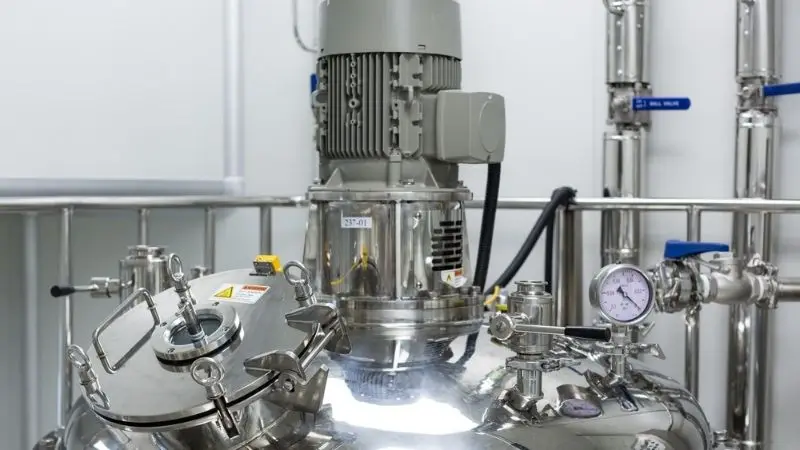
As unidades hidráulicas são utilizadas em uma ampla variedade de aplicações industriais onde precisam operar de forma confiável e fornecer um bom nível de força. Elas acionam equipamentos industriais, máquinas de construção, máquinas agrícolas e equipamentos móveis, como guinchos e caminhões com plataforma elevatória. O controle da descarga de fluido e hidráulico A pressão exercida pelas unidades hidráulicas permite o levantamento, movimentação e operação eficientes de equipamentos pesados.
Maquinaria industrial
Unidades hidráulicas são utilizadas em fábricas. Elas acionam grandes linhas de produção, inspecionam prensas metálicas, operam máquinas de moldagem de plástico e inspecionam os braços de uma fábrica de automóveis. Sob alta pressão, proporcionam controle preciso. São utilizadas para transportar ferramentas de corte pesadas. Máquinas industriais precisam realizar muito trabalho, o que exige alta força, movimento preciso e operação contínua. O que é uma unidade hidráulica? Uma unidade hidráulica facilita essas tarefas, fornecendo energia hidráulica confiável quando necessário. Isso permite que os usuários aumentem a produtividade, reduzam o trabalho manual e garantam a operação eficiente de equipamentos industriais. É o componente central do sistema hidráulico, fornecendo a energia necessária para tarefas industriais intensivas.
Equipamento de construção
Grandes forças são necessárias em canteiros de obras difíceis. Escavadeiras e rolos compactadores utilizam sistemas hidráulicos. Eles escavam e transportam objetos pesados. Você transporta caçambas de aço pesadas. Você levanta grandes placas de concreto. Alavancas simples são usadas para todos os movimentos. A indústria da construção civil é tipicamente um setor fisicamente exigente que requer força e precisão para um desempenho consistente. Essas tarefas são muito mais fáceis de executar com uma unidade hidráulica, pois ela fornece força constante. poder hidráulico para várias partes das máquinas. Essa função permite que os usuários concluam projetos mais rapidamente, melhorem a segurança, reduzam o trabalho manual e aumentem a produtividade geral. Muitos tipos de equipamentos de construção requerem energia hidráulica fornecida por uma unidade hidráulica. A bomba hidráulica circula o fluido hidráulico sob pressão para os cilindros e motores para realizar o levantamento de cargas pesadas.
Equipamento Agrícola
A energia hidráulica é aplicada nas fazendas modernas. Elas produzem mais alimentos em menos tempo. Os agricultores utilizam sistemas hidráulicos, que são acoplados a tratores e usados para operar colheitadeiras e enfardadeiras. O que é uma unidade hidráulica? Em termos simples, uma unidade hidráulica fornece a pressão hidráulica e o fluxo de fluido necessários para alimentar diversos tipos de máquinas e ferramentas agrícolas. Ela fornece a energia necessária para mover, abaixar, empurrar, puxar e operar equipamentos, tornando o trabalho na fazenda mais rápido e fácil.
Tarefas comuns na agricultura que envolvem energia hidráulica são:
- A aração pesada de solos pesados é realizada para levantar esse solo.
- Rosca transportadora de grãos de grande porte girando rapidamente.
- Preparação do terreno utilizando equipamentos afiados
Equipamentos móveis e de transporte
Você interage com sistemas de pequeno porte todos os dias. Unidades hidráulicas são usadas em guinchos para levantar veículos e colocá-los em reboques. Equipes de serviços públicos usam caminhões com plataforma elevatória para instalar linhas de energia com segurança. Sistemas menores são usados em elevadores de ônibus, que transportam passageiros com bastante suavidade. Explique o funcionamento de um sistema hidráulico. poder hidráulico Unidade hidráulica. A potência básica do motor é integrada em uma unidade hidráulica. Possui válvulas internas para regular o fluxo de fluidos. Ela converte vibração mecânica em alta pressão. Este tipo de unidade hidráulica circula o fluido hidráulico pela máquina, ajustando-se às pressões e volumes desejados. A manutenção regular previne falhas totais do sistema. Seu sistema funciona perfeitamente quando você utiliza fluido hidráulico limpo! Teste seu sistema atual hoje mesmo! Entre em contato com nossa equipe para criar projetos de unidades personalizadas.
Embrulhar
Muitos sistemas hidráulicos Dependemos de uma unidade hidráulica de potência (UHP) que alimenta a máquina para levantar, empurrar, puxar ou manipular equipamentos pesados com eficiência. Como funciona uma unidade hidráulica de potência? Depois de ler sobre o funcionamento de uma UHP, seus principais componentes e os diferentes tipos de UHPs, você poderá compreender o conceito da UHP, do que ela é composta e os vários tipos e como funcionam. Garantir a seleção do tamanho correto e a manutenção adequada da unidade hidráulica de potência é fundamental, seja para uso na construção civil, indústria, agricultura ou equipamentos móveis. Isso porque inspeções regulares, fluido hidráulico limpo e manutenção oportuna evitarão quebras dispendiosas e garantirão a operação segura. Seja uma pequena unidade hidráulica ou um sistema industrial mais complexo, as unidades hidráulicas de potência fornecem uma fonte confiável e consistente de energia hidráulica. Ao investir na UHP certa, você pode aumentar a produtividade, minimizar o tempo de inatividade e garantir que seu equipamento continue funcionando por anos sem problemas.
Perguntas Frequentes
Qual o tamanho ideal da unidade de potência?
Meça a pressão e a vazão de fluidos. Calcule a velocidade multiplicada pela aceleração. Esta é uma atividade de matemática para determinar o tamanho do motor. Procure tabelas correspondentes.
Com que frequência você precisa fazer a manutenção do seu sistema?
Verifique os níveis de fluidos mensalmente. Verifique os filtros mensalmente. Troque o óleo sujo a cada 1000 horas. Verificações rápidas ajudam a evitar falhas repentinas. Isso garante o bom funcionamento dos sistemas.
Você é capaz de operar uma unidade hidráulica o dia todo, todos os dias?
Sim, os modelos industriais funcionam o tempo todo. Adicione resfriadores para resfriá-los. Resfrie e conserve as bombas internas. Isso ajuda as unidades hidráulicas a operarem corretamente.