Saber como carregar um barco em um reboque corretamente torna cada viagem à água mais segura e tranquila. Seja um barco de pesca, um barco de alumínio ou uma lancha familiar, o método de carregamento correto ajudará a evitar danos ao barco e ao reboque. A preparação do reboque, desde a preparação até a amarração do barco para o transporte, é um processo importante. Muitos proprietários de barcos também utilizam um guincho elétrico Para agilizar o carregamento e reduzir o esforço físico na rampa de barcos, este manual descreve todo o processo de carregamento de forma fácil de entender, passo a passo. Você também aprenderá como carregar um barco em um reboque individualmente, os erros a evitar e a maneira mais simples de carregá-lo. vários tipos de reboques e tamanhos de barcos.
Conteúdo
Prepare-se antes de embarcar no seu barco.
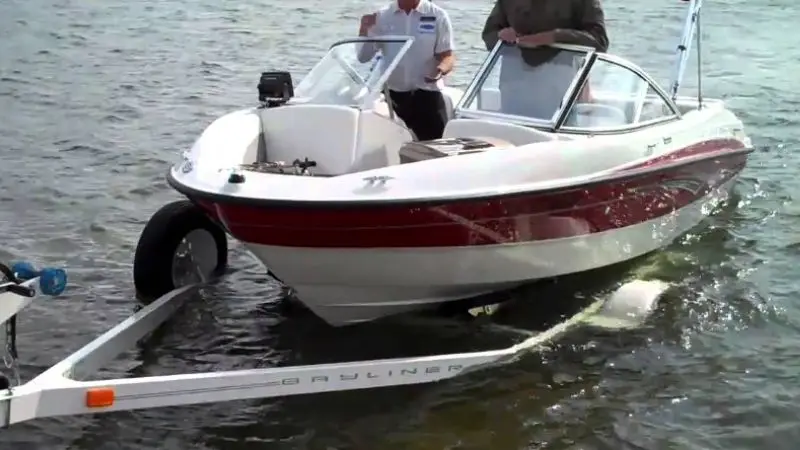
Ao organizar tudo com antecedência no reboque, carregar um barco fica muito mais fácil. Alguns minutos dedicados a verificar o equipamento e preparar o barco podem ajudar a evitar erros na rampa de acesso à água. Seja você um iniciante em como carregar um barco em um reboque ou já tenha feito isso algumas vezes, uma preparação adequada ajudará a tornar a experiência mais rápida, segura e menos estressante.
Recomendado para o seu projeto
Verifique o reboque do barco antes de carregá-lo.
Antes de carregar seu barco, verifique o reboque e certifique-se de que esteja em boas condições de funcionamento. Verifique se a pressão dos pneus está correta e inspecione-os em busca de rachaduras ou desgaste que possam afetar o reboque. Verifique as luzes do reboque para garantir que as luzes de freio, as setas e as luzes de posição estejam funcionando. Verifique o guincho Verifique a cinta de amarração em caso de desgaste, ferrugem ou danos, pois ela será responsável por segurar o barco durante o carregamento. Seu reboque deve girar livremente, caso possua roletes. Verifique o carpete e os suportes, se houver berços. Por fim, certifique-se de que as correntes de segurança e o engate estejam sendo utilizados para garantir que tudo esteja firmemente fixado. Essa verificação rápida também ajudará a prevenir problemas e tornará o carregamento do barco no reboque muito mais seguro.
Posicione o reboque corretamente na rampa de barcos.
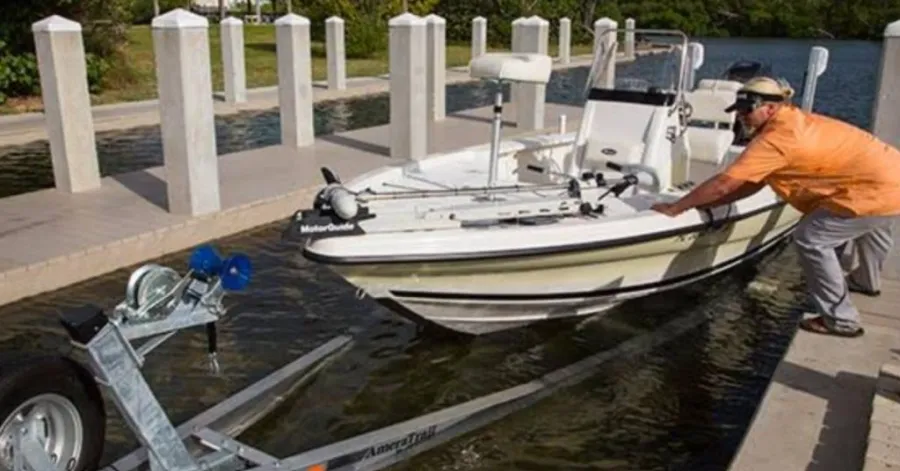
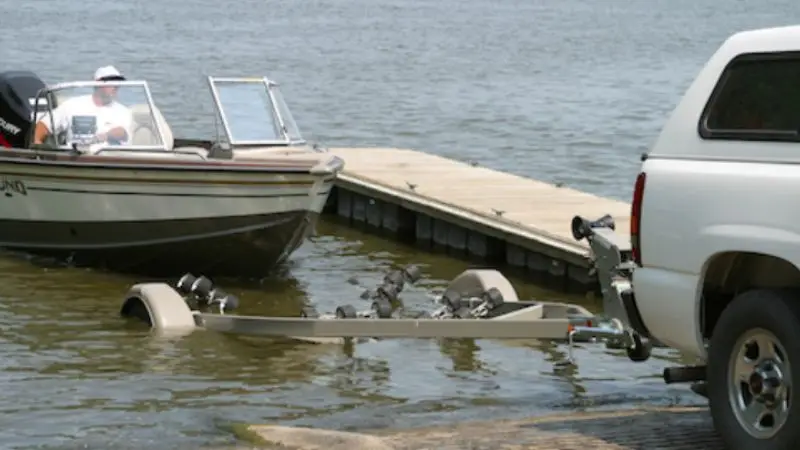
Um dos aspectos mais importantes do processo de carregamento é posicionar o reboque na profundidade correta. Empurre o reboque gradualmente na água até que bolhas comecem a se formar sob os berços ou roletes e, em seguida, deixe o barco repousar sobre as guias sem flutuar sobre elas. Quando o reboque está muito fundo, o barco pode perder a trajetória. Se estiver muito raso, o carregamento será um desafio. Ao aprender como carregar um barco em um reboque com berços, deixe a parte frontal dos berços um pouco acima da água para auxiliar na direção do casco. Ao treinar o carregamento de um barco em um reboque com roletes, uma água um pouco mais funda geralmente permite que os roletes apoiem o barco com mais facilidade. Lembre-se de manter seu veículo de reboque alinhado com a rampa.
Prepare o barco para o carregamento.
O processo de carregamento será mais organizado e eficiente se você preparar a embarcação antes de aproximá-la do reboque. Desencaixe todas as cintas de amarração traseiras, mas mantenha a amarra de proa, como foi feita durante o transporte. Prepare a linha de proa para que você possa manobrar a embarcação sem esforço em direção ao reboque. Levante acessórios como âncoras, motores elétricos ou varas de pesca em águas rasas que possam interferir no carregamento ou serem danificados. Peça a todos os passageiros que desembarquem no cais antes do carregamento para minimizar o peso e aumentar o controle. Essas medidas simples são muito úteis ao ensinar alguém a carregar uma embarcação em um reboque individualmente, pois permitem que você se concentre em manobrar a embarcação com segurança para dentro do reboque.
Como carregar seu barco no reboque passo a passo
Texto alternativo: como carregar seu barco no reboque passo a passo
Após o reboque e o barco estarem preparados, você pode começar o carregamento. Seguir a ordem correta também ajuda a manter o barco centralizado, proteger o casco e rebocar com mais segurança. Seja um barco de pesca, um barco de alumínio ou um barco de passeio, a maneira mais prática de colocar um barco em um reboque é usar o método correto.
Alinhe o barco com o reboque
Mova-se lentamente com o reboque, mantendo o barco no meio das guias. Faça pequenas curvas no leme para manter a embarcação em linha reta, em vez de curvas bruscas. O barco pode ser empurrado para os lados pelo vento, ondas ou correntes; portanto, mantenha um ritmo constante e seja paciente durante a aproximação. Se o seu reboque tiver postes de guia, use-os como auxílio visual para manter o barco reto. Esta é uma etapa crucial ao aprender como colocar um barco de pesca em um reboque, pois barcos leves podem ser mais facilmente levados pelo vento. O método reto permite que o casco se apoie naturalmente nos berços ou roletes, sem arranhar as laterais ou danificar o reboque.
Coloque o barco no reboque.
Após o barco estar corretamente alinhado, coloque-o no reboque utilizando a técnica recomendada para o seu barco e as normas locais da rampa de acesso à água. Algumas rampas permitem o carregamento com cuidado, enquanto outras exigem o uso do guincho do reboque para proteger a superfície da rampa. Para mover o barco com o guincho Para posicionar o barco no reboque, mova a proa gradualmente até alcançar o poste do guincho, ou coloque a cinta do guincho no barco e puxe-a lenta e continuamente, aplicando a mesma força e pressão. Acelerações repentinas podem danificar o reboque ou até mesmo danificar a rampa, portanto, evite acelerações bruscas. Ao aprender como carregar um barco de alumínio em um reboque, você perceberá que é mais fácil, pois o peso leve do barco permite que ele deslize com mais facilidade, exigindo menos esforço.
Certifique-se de que o barco esteja centralizado.
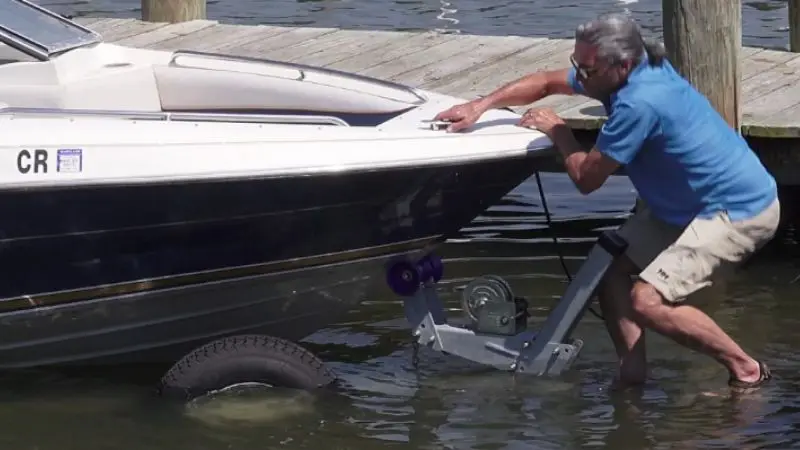
Depois de colocar o barco no reboque, certifique-se de que esteja nivelado e, em seguida, retire-o da água. O casco não deve inclinar para um lado nem para o outro, mas sim ficar apoiado nos dois berços ou roletes. Posicione-se atrás do reboque e olhe para a frente para garantir que o barco esteja centralizado. Se o barco estiver um pouco descentralizado, dê ré no reboque alguns centímetros na água e, em seguida, recoloque o barco, em vez de empurrá-lo para dentro da água. Um barco com apoio giratório é mais fácil de rebocar, minimiza o desgaste desnecessário do reboque e tende a proteger o casco durante o transporte. Dedicar um ou dois minutos agora evitará problemas maiores no futuro.
Prenda o barco com o guincho.
Após centralizar o barco, certifique-se de que o guincho O gancho é preso ao olhal de proa e a cinta é apertada até que a proa esteja firmemente posicionada contra o batente de proa. Não deve haver folga entre o barco e o suporte de proa, pois, durante o transporte, tanto o reboque quanto o barco podem ser danificados. Use o guincho Trave o guincho conforme as instruções do fabricante para garantir que ele não se solte durante a condução. Certifique-se de que a cinta esteja reta, sem torções e totalmente presa. Ao transportar o barco, é importante travá-lo no lugar usando o guincho para garantir a estabilidade e a segurança antes de sair da rampa.
Conecte a corrente de segurança
A atividade final consiste em colocar a corrente de segurança do reboque no olhal de proa do barco antes de sair da rampa de acesso. guincho A cinta garante que o barco não se solte, mas a corrente de segurança é uma medida adicional que assegura a segurança do transporte caso a cinta se afrouxe ou se rompa. Certifique-se de que a corrente esteja bem apertada e sem folga excessiva, mas deve haver alguma folga para evitar tensão indesejada. Antes de retirar o reboque da água, verifique se a corrente está travada e corretamente presa. Esta última etapa garantirá que seu barco esteja bem seguro e que você tenha uma viagem tranquila para casa.
Como proteger seu barco antes do transporte
Carregar o barco não é a única parte do processo. Antes de sair da rampa de barcos, você precisa se certificar de que o barco está firmemente preso ao reboque. Isso levará alguns minutos extras para desconectar e reconectar todas as conexões, garantindo que seu barco não se mova durante o transporte, que ele esteja seguro e que os outros usuários da estrada também estejam seguros.
Aperte as cintas de amarração do painel de popa.
Assim que retirar o barco da água, conecte as cintas de amarração da popa à parte traseira do barco, prendendo-as ao reboque. Ajuste cada cinta com a mesma tensão até que o barco esteja firmemente apoiado no reboque, sem ficar sobrecarregado e, consequentemente, danificar o casco. Não torça as cintas; certifique-se de que todos os ganchos estejam presos. As cintas podem ficar frouxas, fazendo com que o barco balance durante o transporte, principalmente em estradas irregulares. Seja você um iniciante ou um veterano na arte de carregar um barco em um reboque, o aperto correto das cintas de amarração da popa é essencial para garantir um transporte seguro e a estabilidade da embarcação durante a viagem.
Verifique a cinta do guincho antes de dirigir.
Verifique o guincho Antes de sair da rampa, aperte novamente a cinta para garantir que esteja bem firme. A proa deve estar em contato com o batente de proa, sem folga entre eles. Certifique-se de que o gancho do guincho esteja firmemente posicionado no olhal de proa e que o mecanismo de travamento esteja no lugar. Se a cinta afrouxar durante o carregamento, aperte-a e só então prossiga com a movimentação do reboque. Mesmo que você saiba como carregar um barco em um reboque sozinho, esta última verificação nunca deve ser omitida. guincho A cinta deve estar suficientemente apertada para garantir que o barco não se mova para a frente ou para trás durante o reboque.
Certifique-se de que o barco esteja equilibrado no reboque.
Um barco bem equilibrado é mais fácil de rebocar e exerce menos peso sobre o reboque. Certifique-se de que o barco esteja nivelado em ambos os berços ou roletes e ao longo da linha central do reboque. O reboque foi projetado para suportar a maior parte do peso do barco com a proa firmemente encostada na lateral. guincho Quando o barco parecer estar desequilibrado, reposicione-o e só então saia da rampa. Em qualquer caso, seja ao aprender a carregar um barco em um reboque de berço ou em um reboque de roletes, a distribuição adequada do peso aumenta a estabilidade do reboque, diminui a oscilação do reboque e evita o desgaste desnecessário dos pneus e de outras peças da suspensão.
Realizar uma Inspeção Final de Segurança
Antes de partir, dê uma última volta ao redor do barco e do reboque para verificar todos os detalhes. Certifique-se de que... guincho Verifique se a cinta de amarração, a corrente de segurança e as cintas de fixação do painel de popa estão bem apertadas. Certifique-se de que as luzes do reboque estejam funcionando e que o engate esteja bem preso. Verifique os pneus para garantir que estejam bem calibrados e remova quaisquer objetos que possam arrastar no chão, como cordas e equipamentos. Esta última verificação não leva muito tempo, apenas alguns minutos, mas ajuda a detectar pequenos problemas antes que se tornem graves. Essa rotina ajudará você a preparar seu barco para um transporte seguro.
Evite erros comuns ao carregar um barco em um reboque.
Até mesmo proprietários de barcos experientes podem cometer erros ao carregar a embarcação. A maioria dos problemas ocorre por pressa ou negligência das etapas necessárias. Conhecer essas armadilhas ajudará a prevenir lesões, aumentar a segurança e tornar o carregamento do barco em um reboque mais confiável sempre que você for à rampa de acesso à água.
Manobrar o reboque muito para dentro da água
Um dos erros mais comuns ao carregar o barco é dar ré com o reboque muito fundo na água. Se o reboque for fundo, o barco pode não afundar até o local correto, ficando apoiado sobre os berços ou roletes. Isso tende a fazer o barco tombar e ser difícil de endireitar. Empurre o reboque para trás apenas até que os berços ou roletes estejam submersos o suficiente para sustentar o casco e permitir que você o empurre para a posição correta. A profundidade adequada do reboque facilita o carregamento e elimina a necessidade de tentar encaixar o barco repetidamente.
Carregar o barco muito rapidamente
Tentativas de apressar o carregamento do barco geralmente causam problemas desnecessários. O excesso de velocidade pode fazer com que o barco colida com o... guincho O poste pode bater nos suportes do reboque ou ficar desalinhado. Também pode danificar a rampa de barcos se o carregamento motorizado não for permitido. Mova-se devagar e tenha controle total do processo. Ray, seja para colocar um barco de pesca em um reboque ou um barco de recreio maior, movimentos lentos e controlados sempre trarão melhores resultados do que tentar apressar o trabalho.
Não conseguir manter o barco centrado
Uma embarcação que não esteja montada corretamente sobre o reboque pode dificultar o transporte e sofrer danos durante o trajeto. Quando a embarcação não está nivelada sobre os berços ou roletes, isso pode causar peso adicional em um dos lados do reboque e menor peso na estrada. Ao sair da água, sempre verifique se a embarcação está em boas condições. Se necessário, empurre o reboque para dentro da água novamente e reposicione a embarcação, em vez de empurrá-la para a posição correta. Ao dedicar um tempo para alinhar a embarcação corretamente, você protege tanto o reboque quanto o casco.
Esquecer de prender a corrente de segurança.
Os proprietários de barcos usam apenas o guincho Prenda a corrente de segurança na rampa com a cinta e deixe-a no lugar, sem fixá-la. Embora o guincho garanta que o barco esteja fixo, a corrente de segurança é uma importante proteção caso a cinta se solte ou se rompa. Conecte a corrente de segurança ao olhal de proa e certifique-se de que a conexão esteja travada antes de dirigir. Esta é uma medida simples que garante segurança adicional e minimiza as chances de o barco se mover durante o transporte.
Sair da rampa antes de amarrar o barco
É um erro sair da rampa sem se certificar de que o barco está no lugar, pois isso pode causar reparos dispendiosos e situações perigosas na estrada. Antes de sair da rampa, certifique-se de que o barco esteja posicionado corretamente. guincho Verifique se a cinta está bem apertada, a corrente de segurança está engatada e as cintas de amarração do painel de popa estão corretamente presas. Certifique-se de que o barco esteja no centro e que todos os equipamentos soltos estejam no lugar. Seja seu barco de pesca, seu barco de recreio ou a maneira como você aprende a colocar um barco de alumínio em um reboque, uma verificação de última hora para garantir que tudo esteja no lugar pode fazer toda a diferença entre uma viagem segura e sem estresse.
Embrulhar
Você não precisa se esforçar para carregar um barco em um reboque, desde que siga os passos corretos. Preparação do reboque, posicionamento adequado, alinhamento do barco e amarração correta são essenciais para uma viagem segura e bem-sucedida. Seja você um iniciante aprendendo a carregar um barco em um reboque de berço, em um reboque de roletes, ou a transportar um barco de alumínio ou um barco de pesca, paciência e a técnica correta são fundamentais. Sempre siga estes passos ao ir para a rampa de barcos, e o carregamento será mais eficiente e confiável. Um planejamento cuidadoso também é uma precaução para proteger seu investimento e garantir a segurança de todos na estrada.
Perguntas frequentes
Como carregar um barco em um reboque com o mínimo de esforço?
O método mais simples para carregar um barco em cima de um reboque é posicionar o reboque na profundidade correta, aproximar-se do barco, mantê-lo no meio e usar o... guincho e corrente de segurança para segurar o barco.
Poderei embarcar sozinho num barco que está num reboque?
Sim. Pode-se facilitar o carregamento de um barco em um reboque sozinho, preparando a amarra de proa, mantendo-a reta, usando o guincho corretamente e mantendo o barco a bordo antes de sair da rampa.
Há alguma diferença entre carregar um barco em um reboque com berço e em um reboque com roletes?
Sim. Os reboques com berço tendem a ser mais fáceis de manobrar em águas rasas, enquanto os reboques com roletes tendem a ser mais fáceis de manobrar em águas um pouco mais profundas, e o barco é colocado no reboque com mais facilidade.
O que posso fazer para determinar se meu barco está centralizado no reboque?
Certifique-se de que o casco esteja apoiado em ambos os berços ou roletes e que esteja centralizado no reboque. Um barco centralizado aumenta a estabilidade durante o reboque e reduz o desgaste desnecessário durante o transporte.
O que devo observar antes de sair da rampa de barcos?
Verifique a cinta do guincho, a corrente de segurança, as cintas de amarração do painel de popa, as luzes do reboque, a conexão do engate e os pneus. Certifique-se de que o barco esteja no centro e que os equipamentos soltos estejam firmemente presos.