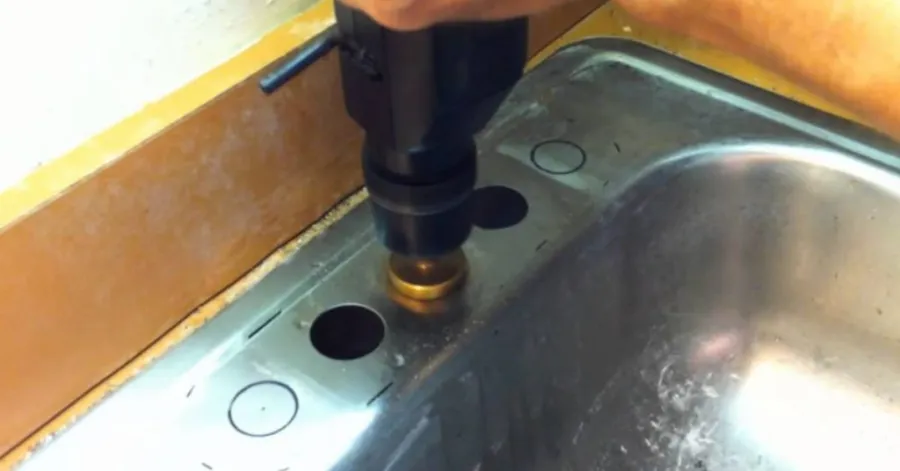
O aço inoxidável é um material forte e não corrosivo usado na construção civil, em automóveis, eletrodomésticos e projetos de bricolagem. No entanto, ele é muito duro e torna a perfuração mais difícil do que perfurar madeira ou metais mais fracos. Saber como perfurar aço inoxidável corretamente ajudará você a fazer furos precisos, preservar suas brocas e evitar danos ao metal. Com as técnicas adequadas, você pode facilmente obter resultados profissionais. furadeira, correto brocaVelocidade correta, pressão constante e óleo de corte. Este manual descreve todo o procedimento de perfuração, os erros a evitar e como trabalhar com segurança e eficácia com aço inoxidável fino e espesso.
Conteúdo
Ferramentas e materiais para furar aço inoxidável
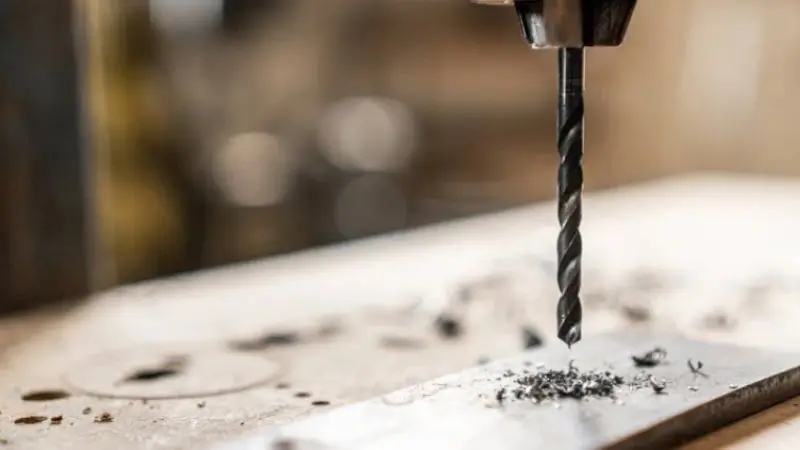
É mais fácil e preciso de usar. ferramentas apropriadas Antes de iniciar o processo de perfuração, é importante saber como furar aço inoxidável. O aço inoxidável é muito duro em comparação com muitos outros metais, por isso é aconselhável usar o equipamento apropriado para evitar brocas danificadas e furos tortos. Você pode precisar saber como furar aço inoxidável tanto em um projeto doméstico quanto profissional. Aprender a fabricar as ferramentas corretas também pode ser útil para obter um resultado melhor e proteger seu equipamento.
Recomendado para o seu projeto
Escolha a broca certa para aço inoxidável.
O primeiro passo para perfurar aço inoxidável com sucesso é escolher a ferramenta correta. brocaA opção mais recomendada são as brocas de cobalto, que duram mais e suportam o calor gerado durante a perfuração. Outra boa escolha para aplicações exigentes são as brocas de metal duro, mas estas são mais caras. Nunca use brocas comuns para madeira ou alvenaria, pois elas se desgastam muito rapidamente e proporcionam resultados ruins. Uma broca afiada e de alta qualidade perfura aço inoxidável com mais eficiência e ajuda a fazer um corte limpo, minimizando as chances de danificar o material.
Selecione as melhores configurações de furadeira e velocidade.
Ao furar aço inoxidável, é melhor usar uma furadeira de velocidade variávelFuradeiras sem fio podem ser eficazes, desde que forneçam torque suficiente em velocidades mais baixas. A perfuração de aço inoxidável nunca deve ser feita em alta rotação, pois a alta velocidade produz muito calor e endurece o metal. Quando ocorre o endurecimento por trabalho, torna-se muito difícil perfurar. A velocidade correta com pressão constante melhora o corte e prolonga a vida útil das brocas. Essas condições são cruciais, independentemente de você estar perfurando aço inoxidável grosso ou fino.
Use óleo de corte para reduzir o calor e o atrito.
A lubrificação com óleo é uma operação vital na perfuração de aço inoxidável, pois mantém a broca resfriada e minimiza o atrito. Sem lubrificação adequada, o calor se acumula rapidamente, resultando em desgaste da broca e aumento do atrito com o metal mais difícil de cortar. O uso de óleo de corte na operação de perfuração melhora o desempenho do corte e produz furos mais limpos e suaves. Também ajuda a remover cavacos de metal e preserva o material. broca e a superfície de aço inoxidável. Para aprender a furar aço inoxidável sem danificá-lo, uma das ações mais importantes que você pode tomar é usar óleo de corte.
Guia passo a passo para furar aço inoxidável
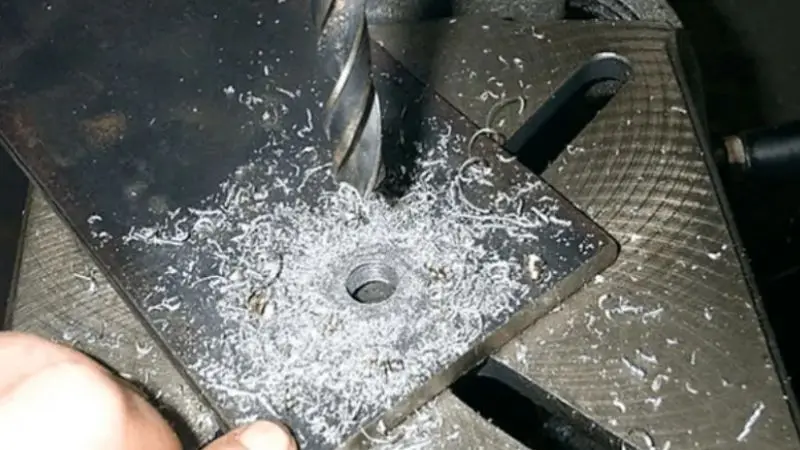
Ao seguir o processo correto de perfuração em aço inoxidável, torna-se muito mais fácil perfurar esse material. O endurecimento por trabalho, a quebra da broca e os furos descentrados podem ser evitados preparando o material corretamente e perfurando em ritmo lento. Independentemente do tipo de furo que você vai fazer (furos para parafusos ou furos maiores para instalação de encanamento ou fiação elétrica), seguindo cada passo, você obterá melhores resultados. Essa técnica torna o corte em aço inoxidável mais seguro, simples e gratificante tanto para amadores quanto para profissionais experientes em projetos "faça você mesmo".
Meça e marque o local da perfuração.
Comece pelo local exato onde o furo deve ser feito. Antes de desenhar com um marcador permanente ou usar uma ferramenta de marcação, certifique-se de verificar as medidas. Marque e, em seguida, faça um pequeno furo no aço inoxidável com um punção de centro e um martelo. Esse entalhe mantém o broca Manter o marcador no lugar ao iniciar a perfuração melhora a precisão do furo. É particularmente importante reservar um tempo para marcar o local exato onde a perfuração será feita ao aprender a furar um pequeno orifício em aço inoxidável, pois um leve movimento pode influenciar o resultado final.
Prenda firmemente o aço inoxidável com uma braçadeira.
Coloque o aço inoxidável sobre uma bancada firme e certifique-se de que esteja bem preso com grampos resistentes ou uma morsa. Manter o material no lugar evita movimentos indesejáveis que podem danificar a broca ou resultar em um furo irregular. Apoiar o metal por baixo também ajuda a reduzir a vibração durante a perfuração e melhora a precisão do corte. Não segure o metal com uma mão ao perfurar, pois isso representa riscos desnecessários à segurança. Um sistema seguro permite a perfuração correta. broca Para cortar com facilidade e proporcionar maior controle sobre todo o processo de perfuração.
Faça um furo piloto primeiro.
Antes de furar o orifício no tamanho final, comece com uma broca menor para fazer um furo-piloto. Este pequeno furo guia a broca maior e evita que ela se desvie da superfície do metal. Um furo-piloto também minimiza a resistência ao corte e exerce menos pressão sobre a broca maior, o que aumenta a precisão e a eficiência. É especialmente eficaz no estudo de como furar um orifício grande em aço inoxidável, pois é um método mais limpo e menos arriscado para a peça e para a broca.
Perfure lentamente com pressão uniforme.
Ao iniciar o brocaPosicione a broca de forma que fique absolutamente perpendicular à superfície do aço inoxidável. Perfure lentamente, aplique pressão constante e contínua e não empurre a broca contra o metal. Deixe a broca cortar o material em vez de forçá-la, o que pode gerar mais calor e endurecer o aço. Pare periodicamente para remover os cavacos de metal, quando necessário. Esta é a técnica mais adequada para perfurar aço inoxidável espesso e ajuda a obter furos limpos e precisos.
Continue aplicando óleo de corte durante a perfuração.
Continue aplicando óleo de corte à medida que perfura o aço inoxidável. Quando a broca começar a aquecer ou a superfície secar, reaplique o lubrificante. Lubrificar a área de corte reduz o atrito, regula a temperatura e ajuda a prolongar a vida útil da broca. Também proporciona cortes mais suaves e ajuda a eliminar as aparas de metal com mais eficiência. Isso é particularmente útil quando...ganhar para perfurar aço inoxidável fino, onde o sobreaquecimento pode facilmente descolorir ou deformar o material, a menos que ele permaneça bem lubrificado.
Remova as rebarbas e limpe o furo.
Após a perfuração, examine o furo para verificar se há rebarbas ou arestas vivas. Você pode usar uma ferramenta de rebarbação, uma lima fina para metal ou lixa para limpar as rebarbas e melhorar a aparência do furo. Remova as rebarbas e limpe qualquer resíduo de óleo de corte na superfície, além de raspar as limalhas de metal de ambos os lados do aço inoxidável. Por fim, certifique-se de que o furo esteja limpo, liso e com o tamanho adequado para sua finalidade. Essas etapas de acabamento tornam a perfuração de um furo limpo em aço inoxidável um processo repetível, produzindo resultados com aparência profissional sempre.
Erros comuns a evitar ao furar aço inoxidável
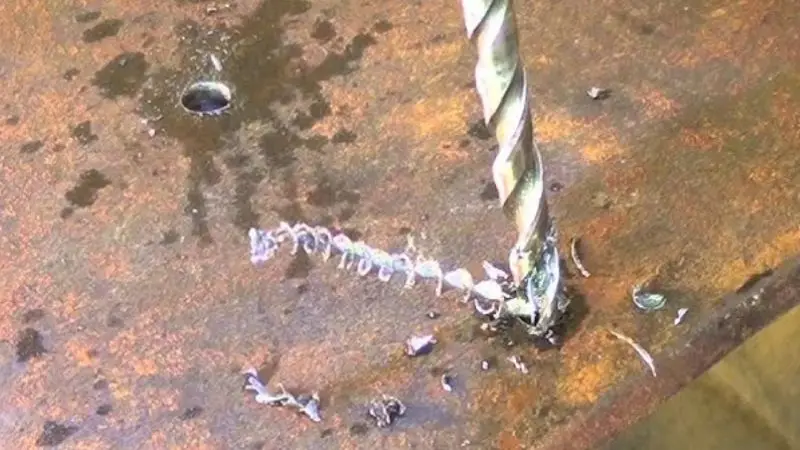
Com o direito ferramentasFurar aço inoxidável pode ser um desafio devido a erros simples. Calor excessivo, técnicas de perfuração inadequadas e a falta de equipamentos tendem a danificar as brocas e a produzir furos grosseiros e imprecisos. Conhecendo essas armadilhas, você pode evitar muito estresse desnecessário e obter melhores resultados. Seja você um iniciante na perfuração de aço inoxidável ou um profissional experiente, estes são alguns dos erros que você deve evitar para tornar o processo mais seguro, fácil e eficiente.
Evite usar velocidades de perfuração elevadas.
Um dos erros mais comuns ao furar aço inoxidável é furá-lo em alta velocidade. A perfuração rápida gera muito calor e desgasta a broca rapidamente, além de endurecer o aço inoxidável. Após o endurecimento, torna-se extremamente difícil furá-lo e pode até danificar a broca. Em vez disso, utilize a furadeira lentamente e de forma controlada, permitindo que as arestas de corte removam o material gradualmente. É importante também manter a velocidade correta ao aprender a furar aço inoxidável espesso, onde o acúmulo de calor é muito maior.
Não force demais a furadeira.
A pressão não acelera o processo de perfuração. Pelo contrário, causa atrito desnecessário, gera mais calor e exerce pressão adicional tanto na broca quanto no motor da furadeira. Permita que o broca Para cortar o aço inoxidável em um ritmo natural, aplique pressão constante e firme. Caso a broca não esteja cortando, verifique se está cega ou se é necessário inseri-la mais profundamente no material, em vez de simplesmente empurrá-la. Um dos métodos mais eficazes para aprender a furar aço inoxidável sem danificá-lo e prolongar a vida útil das suas ferramentas é utilizando pressão controlada.
Utilize sempre óleo de corte durante a perfuração.
Outro erro é não usar óleo de corte, o que leva ao superaquecimento e ao desgaste prematuro das lâminas. brocasO óleo de corte minimiza o atrito entre a broca e o aço inoxidável, mantendo ambos mais frios durante a perfuração. Ele também elimina cavacos metálicos e melhora a qualidade do furo final. Reaplique o lubrificante quando a área de perfuração secar ou começar a aquecer. Com a lubrificação adequada, o processo de perfuração torna-se mais fácil, a eficiência aumenta e os resultados são mais limpos, independentemente do tamanho do furo.
Use brocas afiadas próprias para metal.
O desempenho ruim na perfuração e os furos irregulares geralmente são causados pelo uso de brocas velhas ou inadequadas. Brocas comuns usadas em madeira ou em trabalhos domésticos em geral não são adequadas para aço inoxidável, pois perdem o fio de corte rapidamente. Selecione brocas de cobalto ou carboneto, projetadas para cortar metais duros. Verifique a broca antes de cada projeto e troque-a se apresentar sinais de desgaste. Com a broca correta, fica muito mais fácil fazer o furo preciso e também reduz o desgaste desnecessário da sua ferramenta.
Como furar aço inoxidável de diferentes espessuras
Projetos em aço inoxidável não precisam necessariamente ser perfurados da mesma maneira. Chapas finas e placas grossas apresentam diferenças no processo de perfuração, e, portanto, adaptar a técnica pode ajudar a criar furos mais limpos e evitar danos desnecessários. A escolha correta da broca, da velocidade e do método de perfuração depende da espessura do material utilizado e aumenta a precisão e a eficiência. Independentemente de estar trabalhando com chapas metálicas ou placas de aço grossas, estar ciente dessas diferenças ajudará a obter melhores resultados.
Perfuração em aço inoxidável fino
Chapas finas de aço inoxidável devem ser manuseadas com cuidado, pois podem entortar ou vibrar durante a perfuração. Perfure com a chapa firmemente apoiada em um material sólido para minimizar o movimento e aumentar a estabilidade. Comece marcando o centro com um punção e perfure lentamente com pressão leve e constante. Um cobalto broca É afiada, ajuda a evitar rasgos e proporciona um furo mais suave com menos esforço. Este método facilita muito a perfuração de aço inoxidável fino, com menos rebarbas e menor probabilidade de danificar o restante do metal durante o processo de perfuração.
Perfuração em aço inoxidável espesso
O aço inoxidável espesso é mais propenso a lascar, pois a broca permanece em contato com o metal por mais tempo. É sempre recomendável começar com um furo piloto e, em seguida, prosseguir com a broca de tamanho adequado. Utilize uma velocidade de perfuração lenta, pressão constante e lubrifique a broca com óleo de corte durante o processo. Pare de vez em quando para remover os cavacos de metal e deixe a broca esfriar, quando necessário. Os passos listados abaixo são os melhores métodos para aprender a perfurar aço inoxidável espesso, obter furos limpos e prolongar a vida útil da sua ferramenta de perfuração.
Breve noticiário
A arte de furar aço inoxidável com eficiência se resume a utilizar o equipamento adequado e seguir o procedimento correto durante todo o processo. A escolha da ferramenta certa é fundamental. máquina de perfuraçãoBrocas de qualidade, perfuração em baixa velocidade, uso de óleo de corte e evitar pressão excessiva são alguns dos fatores que contribuem para a criação de furos limpos e precisos. Não importa se você precisa saber como furar um pequeno ou um grande furo em aço inoxidável: um bom planejamento facilita todos os projetos. Conhecer as diferenças entre furar aço inoxidável fino e grosso significa que você poderá ser mais preciso, prolongar a vida útil de suas ferramentas, trabalhar com segurança e obter um resultado profissional.
Perguntas Frequentes
Qual é a broca ideal para aço inoxidável?
A melhor opção são as brocas de cobalto, pois são resistentes ao calor, duram mais e cortam aço inoxidável com facilidade. As brocas de carboneto também são eficazes para perfurações pesadas.
Por que devo furar aço inoxidável em baixa velocidade?
Reduzir a velocidade de perfuração elimina o calor e evita o endurecimento por trabalho. Também aumenta a vida útil das brocas, melhora o desempenho de corte e ajuda a criar furos mais suaves e precisos em aço inoxidável.
Posso furar aço inoxidável sem usar óleo de corte?
É possível, mas não é recomendável. O corte com óleo minimiza o atrito, resfria a broca, melhora o corte e evita o superaquecimento e o desgaste prematuro da broca.
Qual a melhor maneira de furar um buraco grande em aço inoxidável?
Comece com um pequeno furo feito com uma broca pequena e, em seguida, alargue-o gradualmente. Velocidades baixas, óleo de corte e pressão constante são essenciais para um corte limpo e preciso.
O que posso fazer para manter a broca no lugar?
Antes de furar, faça um pequeno furo com um punção de centro. Isso direciona a broca, aumenta a precisão e ajuda a evitar que a broca deslize na superfície do aço inoxidável.