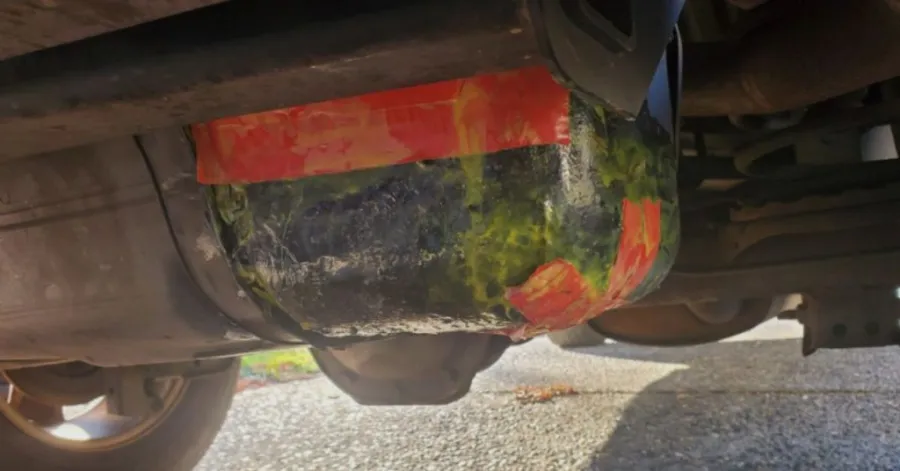
Wyciek paliwa to zdarzenie, w którym paliwo wydostaje się ze zbiornika z powodu pęknięć, rdzy lub uszkodzonych elementów. Jest to poważny problem, ponieważ paliwo jest łatwopalne i może stwarzać zagrożenie pożarowe. Wycieki powodują również straty paliwa, co zwiększa codzienne koszty eksploatacji i obniża wydajność. W dłuższej perspektywie może to prowadzić do problemów z wydajnością silnika z powodu niestabilnego dopływu paliwa. Natychmiastowa naprawa nieszczelnego zbiornika paliwa jest ważna, aby uniknąć zagrożeń dla bezpieczeństwa, zapobiec dalszym uszkodzeniom i obniżyć koszty naprawy nieszczelnego zbiornika paliwa w samochodach. Nowoczesne rozwiązania w zakresie obsługi paliwa, takie jak przenośne zbiorniki paliwa, mają na celu ograniczenie ryzyka zanieczyszczenia i poprawę ogólnego bezpieczeństwa paliwa.
- Oznaki nieszczelności zbiornika paliwa, których nie należy ignorować
- Jak bezpiecznie sprawdzić nieszczelny zbiornik paliwa
- Tymczasowe sposoby na krótkotrwałe zatrzymanie wycieku paliwa
- Profesjonalne metody naprawy nieszczelnego zbiornika paliwa
- Naprawa zbiornika paliwa: zrób to sam czy zrób to profesjonalnie: która opcja jest lepsza?
- Koszt naprawy nieszczelnego zbiornika paliwa
- Jak zapobiegać wyciekom paliwa ze zbiornika w pojeździe
- FAQ
Oznaki nieszczelności zbiornika paliwa, których nie należy ignorować
Nieszczelny zbiornik paliwa daje wczesne sygnały, których początkowo można by nie zauważyć. Objawy te są zazwyczaj niegroźne, ale z czasem mogą się nasilać. Wczesne ich wykrycie pozwala uniknąć zagrożeń dla bezpieczeństwa, marnotrawstwa paliwa i kosztownych napraw.
Wsłuchanie się w te objawy pomoże Ci rozpoznać, kiedy pojawiają się oznaki konieczności naprawy nieszczelnego zbiornika paliwa. Wczesne działanie może również obniżyć koszty naprawy nieszczelnego zbiornika paliwa w samochodzie i zapobiec dalszym uszkodzeniom układu paliwowego.
Silny zapach paliwa wokół pojazdu
Jednym z pierwszych objawów wycieku jest silny zapach paliwa wokół samochodu. Można go wyczuć nawet po zaparkowaniu i wyłączeniu silnika. Zwykle nasila się on w tylnej części samochodu, w okolicy zbiornika paliwa.
Ten zapach może wskazywać na narastający problem spowodowany nieszczelnością zbiornika paliwa. Opary paliwa mogą wydostawać się nawet przez drobne pęknięcia lub luźne uszczelki. Większość kierowców zauważa to jeszcze przed dostrzeżeniem wycieku, dlatego jest to istotny, wczesny sygnał ostrzegawczy, którego nie można zignorować.
Kałuże paliwa pod samochodem
Pojawienie się kałuż paliwa pod zaparkowanym samochodem to dobry sygnał nieszczelności zbiornika. Takie kałuże zazwyczaj pojawiają się w środkowej lub tylnej części samochodu. Płyn może pachnieć benzyną i błyszczeć na ziemi.
W zależności od stopnia uszkodzenia, problem ten może wymagać szybkiego działania i przestrzegania najlepszych praktyk w celu naprawy nieszczelnego zbiornika paliwa. Nawet krople wody mogą z czasem stać się większymi kroplami. Zaniedbanie widocznego paliwa na ziemi może stwarzać zagrożenie dla bezpieczeństwa i wiązać się z kosztami naprawy w przyszłości.
Nagły spadek efektywności paliwowej
Spadek zużycia paliwa może wskazywać na wyciek w zbiorniku paliwa. Gdy Twój samochód zaczyna zużywać więcej paliwa niż zwykle, bez zmiany stylu jazdy, może to oznaczać wyciek paliwa w układzie paliwowym.
Nie jest to problem, który można rozpoznać od razu, ale w dłuższej perspektywie może okazać się kosztowny. Nadal można go zakwalifikować jako naprawę nieszczelnego zbiornika paliwa po przeprowadzeniu odpowiedniej kontroli. Niektórzy mogą szukać sposobu na naprawę nieszczelnego zbiornika paliwa w domu; jednak prawidłowa diagnoza jest często przeprowadzana przez specjalistów, aby upewnić się, że jest to bezpieczne i niezawodne.
Problemy z uruchomieniem i pracą silnika
Problemy z silnikiem, takie jak gaśnięcie silnika, wypadanie zapłonów i niemożność uruchomienia, mogą również wskazywać na wyciek w zbiorniku paliwa. Brak równomiernego przepływu paliwa nie zapewnia równomiernego dopływu do silnika, co negatywnie wpływa na jego wydajność i niezawodność.
Takie objawy mogą być czasami mylone z innymi problemami z silnikiem. Mogą one jednak również być związane z wyciekiem paliwa. Kierowcy, którzy pytają, jak samodzielnie naprawić przeciekający zbiornik paliwa, powinni zachować ostrożność, ponieważ problemy z układem paliwowym wymagają odpowiedniego postępowania. Wczesna diagnoza może zapobiec dalszym uszkodzeniom silnika i kosztownym naprawom.
Jak bezpiecznie sprawdzić nieszczelny zbiornik paliwa
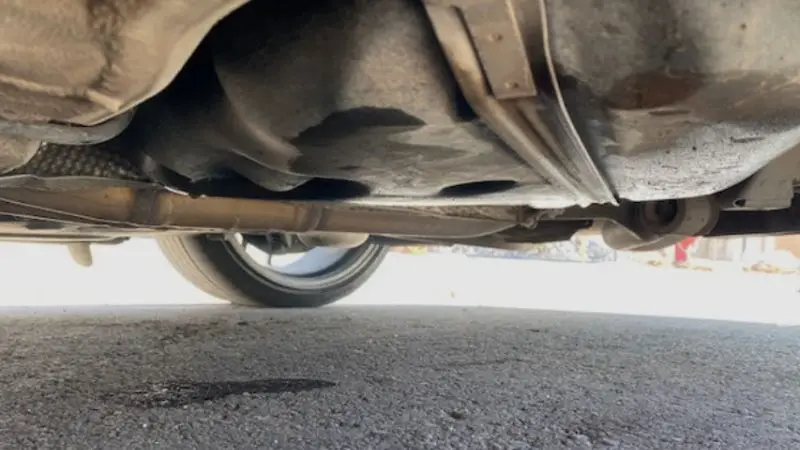
Ważne jest, aby sprawdzić zbiornik paliwa pod kątem wycieków, ponieważ każde drobne uszkodzenie może stwarzać zagrożenie dla bezpieczeństwa. Dokładna kontrola pozwoli Ci ocenić, czy problem jest niewielki, czy wymaga profesjonalnej naprawy. Wczesne sprawdzenie, w większości przypadków, może zapobiec poważnym stratom paliwa i obniżyć koszty naprawy.
Bezpieczne metody inspekcji są często pierwszym krokiem w nauce naprawy nieszczelnego zbiornika paliwa w domu. Te podstawowe testy pomagają określić skalę problemu przed podjęciem decyzji o naprawie lub serwisie.
Kontrola wizualna wokół zbiornika paliwa
Najprostszą i najłatwiejszą metodą stwierdzenia wycieku ze zbiornika paliwa jest oględziny. Pierwszą rzeczą, którą należy zrobić, jest sprawdzenie spodu samochodu i okolic zbiornika paliwa, gdy samochód jest zaparkowany na płaskiej powierzchni. Można znaleźć mokre plamy, zacieki lub krople paliwa na ziemi.
Dokładnie sprawdź powierzchnię zbiornika pod kątem pęknięć, rdzy lub uszkodzeń. Objawy te zazwyczaj wskazują na wyciek ze zbiornika paliwa wymagający naprawy. Sprawdź również, ale jeśli samochód był zaparkowany przez jakiś czas, wycieki mogą być łatwiejsze do zauważenia, gdy samochód jest nieruchomy. Regularne kontrole są łatwiejsze i bezpieczniejsze, gdy paliwo jest odpowiednio przechowywane i przechowywane. Korzystanie z wysokiej jakości rozwiązań do przechowywania paliwa, takich jak: przenośne zbiorniki paliwa, może pomóc zmniejszyć ryzyko niezauważonych uszkodzeń i sprawić, że kontrola układu paliwowego będzie bardziej wiarygodna.
Test bańki mydlanej
Jednym z przydatnych testów pozwalających zlokalizować małe, trudno widoczne wycieki, jest test z wodą z mydłem. Wymieszaj mydło z wodą i przetrzyj nim zbiornik paliwa oraz inne podejrzane miejsca. W przypadku wycieku, w miejscu ulatniania się powietrza lub paliwa utworzą się małe pęcherzyki powietrza.
Technika ta jest powszechnie stosowana na wczesnym etapie diagnostyki, przed wdrożeniem najlepszych praktyk w celu naprawy nieszczelnego zbiornika paliwa. Pomaga wykryć nawet najmniejsze pęknięcia, które mogą nie rozpryskiwać paliwa od razu. Test ten należy zawsze przeprowadzać w otwartym, bezpiecznym miejscu, z dala od ognia i źródeł ciepła.
Sprawdzanie przewodów paliwowych i połączeń
Nie wszystkie wycieki paliwa występują w samym zbiorniku, ale w niektórych przypadkach występują one w przewodach paliwowych lub przyłączach podłączonych do zbiornika. Dokładnie sprawdź przewody, złącza i połączenia prowadzące do i ze zbiornika paliwa. Sprawdź okolice tych części pod kątem poluzowanych zacisków, pęknięć lub wilgoci.
Zniszczenia w tych rejonach mogą wymagać naprawy nieszczelnych zbiorników paliwa w podłączonych systemach. Są one równie ważne, jak sam zbiornik. Regularne przeglądy mogą pomóc w uniknięciu strat paliwa i wczesnej interwencji, zanim problem stanie się poważny.
Tymczasowe sposoby na krótkotrwałe zatrzymanie wycieku paliwa
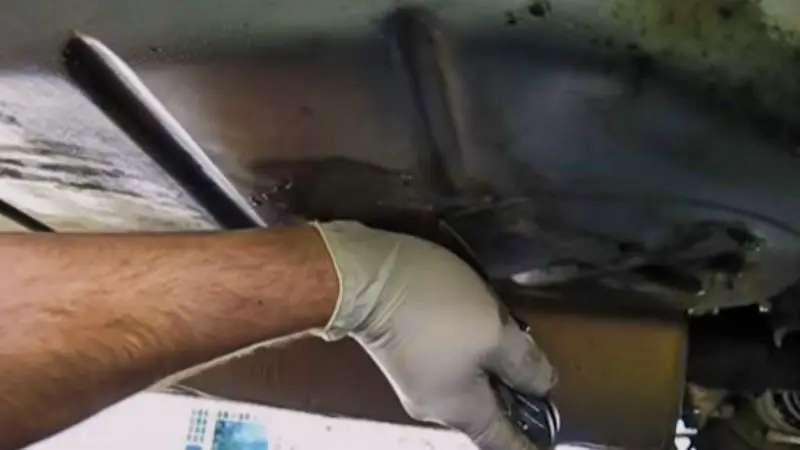
Wyciek ze zbiornika paliwa jest niebezpieczny i zawsze należy go odpowiednio naprawić. Może się jednak zdarzyć, że konieczne będzie zastosowanie tymczasowego rozwiązania. Takie naprawy mają na celu jedynie tymczasowe opanowanie wycieku do czasu przeprowadzenia trwałej naprawy. Pozwolą one zminimalizować straty paliwa i zwiększyć bezpieczeństwo w sytuacjach awaryjnych.
Kiedy po raz pierwszy kierowcy zauważą problem ze zbiornikiem paliwa, wielu z nich szuka w internecie sposobów na samodzielną naprawę. Chociaż naprawa wymaga odpowiedniego sprzętu i wiedzy, do czasu otrzymania profesjonalnej pomocy można zastosować rozwiązania tymczasowe.
Uszczelnianie zbiorników paliwa i stosowanie żywicy epoksydowej w przypadku małych nieszczelności
Zestawy epoksydowe i uszczelniacze do zbiorników paliwa mogą być używane do tymczasowego uszczelnienia małych pęknięć lub dziurek w nieszczelnym zbiorniku. Takie produkty twardnieją po nałożeniu i tworzą powłokę ochronną, która opóźnia lub zapobiega wyciekom paliwa. Najlepiej sprawdzają się w przypadku niewielkich uszkodzeń powierzchni.
Technika ta jest często stosowana w przypadku naprawy nieszczelnych zbiorników paliwa w początkowej fazie, gdy wyciek nie jest ostry. Powierzchnia powinna być dokładnie oczyszczona, a środek uszczelniający nałożony, aby uzyskać lepsze rezultaty. Jest to jednak rozwiązanie tymczasowe i nie powinno być stosowane zamiast faktycznej naprawy.
Stosowanie łatek gumowych i zacisków w przypadku napraw awaryjnych
W nagłych wypadkach można użyć gumowych łatek i zacisków, aby zminimalizować wyciek paliwa. Gumowy pasek nakłada się na nieszczelną część i mocno zaciska, aby ograniczyć przepływ paliwa. Może się to przydać w przypadku nagłego wycieku na drodze.
Oto kilka szybkich rozwiązań, które są rozważane w poszukiwaniu najlepszego sposobu na naprawę nieszczelnego zbiornika paliwa w ekstremalnych sytuacjach. Są one jednak skuteczne tylko w przypadku niewielkich lub powolnych wycieków i nie stanowią trwałego rozwiązania. Odpowiednia naprawa musi zostać przeprowadzona jak najszybciej.
Ważne środki bezpieczeństwa podczas tymczasowych napraw
Naprawa każdego wycieku paliwa, nawet tymczasowego, jest niezwykle ważna ze względów bezpieczeństwa. Paliwo jest łatwopalne, dlatego wszelkie naprawy należy przeprowadzać w dobrze wentylowanym, otwartym miejscu, gdzie nie będzie narażone na działanie ognia, iskier, a nawet ciepła. Nawet opary paliwa mogą być niebezpieczne, jeśli nie zostaną odpowiednio zabezpieczone.
Bezpośredni kontakt z paliwem również wymaga użycia rękawic i unikania bezpośredniego kontaktu. Osoby próbujące samodzielnie naprawić nieszczelny zbiornik paliwa mogą zaniedbać zasady bezpieczeństwa, co może być niebezpieczne. Podczas awaryjnego obchodzenia się z paliwem ważne jest używanie bezpiecznego i niezawodnego sprzętu, aby uniknąć dalszych zagrożeń. Przenośne zbiorniki paliwa mają na celu zapewnienie bezpiecznego obchodzenia się z paliwem, pomagając ograniczyć wycieki i poprawić bezpieczeństwo, a jednocześnie zapobiegać tymczasowym wyciekom.
@jeromy_henson_bfss VEVOR 116 GALONOWY PRZENOŚNY ZBIORNIK DO PRZELEWU PALIWA Z POMPĄ, WĘŻEM I DYSZĄ, SKŁADANĄ POKRYWĄ Z BLOKADĄ, POMPĄ 10 GPM, 12 V, 13.1-calowyM WĄŻ GUMOWY, FILTR I OBUDOWA. #zbiornikpaliwa #przeciągnijpion #czołg #zbiornikolejunaftowego #zbiornikipaliwa #pompa #wąż gumowy #dysza #czołgi #fyp #wirusowy #TIK Tok #fystrona #fypシ゚wirusowe #vevorproducts #przenośny #vevordieseltank #zbiornikidiesla #paliwo #napełnianie #zrobiłemmójrok #ttsdelightnow #przewodnikprezentowy #znajdźkiwświetle #znaleziska skarbów #wyprzedażświąteczna #wyprzedażeświąteczne #ofertyświąteczne #oszczędności #Popatrz #tiktokshoplastchance #obserwować #tiktokshopnowyroknowaura #tiktokshop #zakupytiktok #trendy2024 #wirusowe filmy #wyprzedaż #wyprzedażbłyskawiczna #pomysły na prezent #pomysł na prezent #znaleziskawsklepietiktok #tiktokmademebuyit #dla Ciebie #dlaciebiestrony #trending #łał #tiktokmademedoit #weźswoje #dzisiaj #znaleziska z tiktok #tiktokfind #tiktokwirusowe #tiktokwirusowewideo #tiktokwirusowytrend #ttsacl @Vevor_US @HAIDEE_Vevor @vevor sklep
♬ oryginalny dźwięk – JEROMY HENSON-BFSS☑️
Profesjonalne metody naprawy nieszczelnego zbiornika paliwa
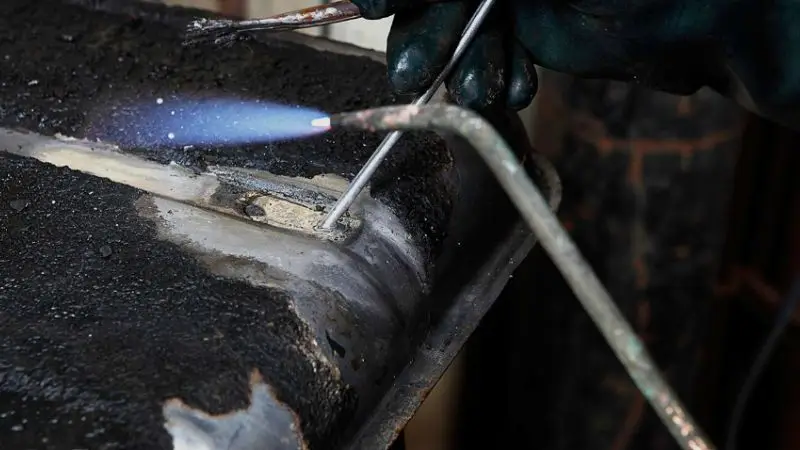
W poważnych przypadkach wycieków paliwa, profesjonalna naprawa jest najlepszym i najbezpieczniejszym rozwiązaniem. Eksperci używają odpowiednich narzędzi, procedur bezpieczeństwa i sprawdzonych technik, aby prawidłowo naprawić uszkodzenie. Techniki te pomagają ponownie wzmocnić zbiornik i zapobiec przyszłym wyciekom paliwa.
W większości sytuacji kierowcy decydują się na tymczasowe rozwiązania i profesjonalną naprawę nieszczelnego zbiornika paliwa, gdy uszkodzenie okazuje się zbyt duże lub niebezpiecznie trudne do opanowania w domu. Terminowa naprawa zapobiega również ponownemu wystąpieniu problemów i zapewnia długoterminowe bezpieczeństwo pojazdu.
Spawanie i łatanie metalu w celu naprawy zbiorników
Profesjonalne techniki powszechnie stosowane do naprawy metalowych zbiorników paliwa to spawanie i łatanie metalu. W tym procesie uszkodzony obszar jest czyszczony, a pęknięcie lub dziurę zakleja się metalową łatką. W ten sposób odnawia się strukturę zbiornika i eliminuje wyciek paliwa.
Doświadczeni mechanicy pracują z ograniczonym dostępem ciepła i sprzętem bezpieczeństwa, aby zapobiec zagrożeniu pożarem. Jest to powszechna praktyka w najlepszych sposobach naprawy nieszczelnego zbiornika paliwa, gdy uszkodzenie nie jest rozległe, a zbiornik można naprawić. Prawidłowo zastosowana metoda zapewnia skuteczne i trwałe rozwiązanie.
Wymiana zbiornika paliwa w przypadku poważnych uszkodzeń
W innych przypadkach uszkodzenie jest na tyle poważne, że nie da się go naprawić i konieczna jest wymiana całego zbiornika paliwa. Dzieje się tak zazwyczaj, gdy zbiornik jest mocno skorodowany, ma pęknięcia w kilku miejscach lub nie jest bezpieczny konstrukcyjnie. Wymiana zbiornika będzie bezpieczna i nie doprowadzi do ponownego wycieku.
To rozwiązanie jest zazwyczaj sugerowane, gdy opłacalność i naprawa nieszczelnego zbiornika paliwa przestają być skuteczne. Wymiana starego zbiornika pozwoli na uzupełnienie zapasu paliwa i wyeliminuje długoterminowe ryzyko. Naprawa jest zazwyczaj zalecana, gdy ze względu na stan mechaniczny maszyny nie można zapewnić jej bezpiecznej i stabilnej pracy.
Badanie ciśnieniowe po naprawie zbiornika paliwa
Po naprawie lub wymianie przeprowadza się test ciśnieniowy, aby upewnić się, że zbiornik jest całkowicie szczelny. W tym procesie, wewnątrz zbiornika, stosuje się kontrolowane ciśnienie powietrza, aby sprawdzić, czy nie ulatnia się powietrze lub paliwo. Pomaga to upewnić się, że nie ma żadnych wycieków.
Jednym z głównych etapów profesjonalnej naprawy nieszczelnego zbiornika paliwa jest test ciśnieniowy. Gwarantuje on również skuteczność naprawy i bezpieczeństwo na drodze. Po naprawie dowolnego elementu pojazdu, mechanicy dokładnie go sprawdzają, zanim dopuszczą pojazd do normalnej eksploatacji.
Naprawa zbiornika paliwa: zrób to sam czy zrób to profesjonalnie: która opcja jest lepsza?
Decyzja o tym, czy skorzystać z samodzielnej naprawy, czy z profesjonalnej, zależy od rozmiaru uszkodzeń, bezpieczeństwa i przyszłej niezawodności. Chociaż techniki „zrób to sam” mogą wydawać się tańsze i szybsze, zazwyczaj sprawdzają się tylko w przypadku bardzo drobnych usterek. Z drugiej strony, bezpieczniejsze i trwalsze rezultaty zapewnia profesjonalna naprawa.
Wiele osób korzysta z informacji o tym, jak naprawić przeciekający zbiornik paliwa w domu, jednak układy paliwowe są bardzo delikatne i niebezpieczne w obsłudze bez odpowiedniego sprzętu. Znajomość tych dwóch opcji pozwoli Ci podjąć bardziej opłacalną i bezpieczniejszą decyzję dla Twojego samochodu.
Porównanie bezpieczeństwa między naprawą samodzielną a profesjonalną
Największą różnicą między naprawą profesjonalną a samodzielną jest bezpieczeństwo. W przypadku samodzielnej naprawy, osoba musi mieć do czynienia z paliwem, oparami i substancjami łatwopalnymi bez użycia specjalistycznego sprzętu bezpieczeństwa, co naraża ją na ryzyko pożaru lub obrażeń. Nawet drobne błędy mogą stwarzać poważne zagrożenie.
Naprawa nieszczelnych zbiorników paliwa przez profesjonalistów odbywa się w kontrolowanych warunkach, z użyciem odpowiedniego sprzętu i środków bezpieczeństwa. Mechanicy są przeszkoleni w zakresie bezpiecznej pracy z układami paliwowymi, dlatego ta alternatywa jest znacznie bezpieczniejsza dla pojazdu i osoby wykonującej naprawę.
Różnice w kosztach i wartość długoterminowa
Samodzielna naprawa może początkowo wydawać się tańsza, ponieważ wymaga zastosowania prostych uszczelniaczy lub łatek. Jednak te rozwiązania mogą być krótkotrwałe i po prostu powrócić, gdy problem się powtórzy, jeśli przeciek będzie się utrzymywał lub stanie się jeszcze większy. Może to potencjalnie zwiększyć koszty długoterminowe.
Naprawa nieszczelnego zbiornika paliwa w samochodzie jest na początku droższa niż naprawa nieszczelności, jednak jest bardziej niezawodna i trwała. W większości przypadków zapobiega uszkodzeniom i konieczności ciągłej naprawy, a zatem jest bardziej opłacalna w dłuższej perspektywie.
Trwałość i ryzyko przyszłych wycieków
Naprawy wykonywane samodzielnie zazwyczaj nie są trwałe, ponieważ nie są przeznaczone do długotrwałego użytkowania. Rozwiązania krótkoterminowe z czasem tracą swoje właściwości, zwłaszcza w warunkach wysokiej temperatury, ciśnienia i kontaktu z paliwem. Zwiększa to prawdopodobieństwo powtarzających się wycieków.
Profesjonalne, najlepsze praktyki, które przynoszą długotrwałe rezultaty, to najlepsze praktyki w naprawie nieszczelnego zbiornika paliwa. Niezależnie od tego, czy będzie to spawanie, łatanie, czy wymiana, te kroki przywrócą zbiornikowi paliwa wymaganą wytrzymałość i zmniejszą ryzyko wycieku w przyszłości.
Koszt naprawy nieszczelnego zbiornika paliwa
Cena naprawy nieszczelnego zbiornika paliwa może być bardzo zróżnicowana i zależy od wielu istotnych czynników. Nie ma ustalonej ceny, ponieważ każdy przypadek jest inny, biorąc pod uwagę stopień uszkodzenia, rodzaj pojazdu i sposób naprawy. Małe wycieki są zazwyczaj tańsze w naprawie, a poważne uszkodzenia lub całkowita wymiana będą droższe.
Znajomość kosztów naprawy zbiornika paliwa w przypadku wycieku w samochodzie pomaga właścicielom pojazdów w planowaniu i wyborze właściwej naprawy. W większości przypadków wczesne wykrycie usterki może również obniżyć całkowity koszt naprawy.
Poziom uszkodzenia i rodzaj wycieku
Zakres uszkodzeń jest najważniejszym czynnikiem wpływającym na koszt naprawy. Ubytki lub drobne pęknięcia są zazwyczaj łatwiejsze i tańsze w naprawie. Wystarczy je jedynie uszczelnić lub załatać. Niemniej jednak, większe ubytki lub uszkodzenia konstrukcyjne komplikują i podnoszą koszty naprawy.
W skrajnych przypadkach może być konieczna kompleksowa naprawa nieszczelnego zbiornika paliwa lub jego wymiana. Im większe uszkodzenie, tym większy nakład pracy i materiałów, co bezpośrednio podnosi całkowity koszt naprawy.
Typ pojazdu i konstrukcja zbiornika paliwa
W zależności od samochodu, rozmiar, kształt i materiał użytych zbiorników paliwa różnią się i determinują koszty naprawy. Zazwyczaj utrzymanie małego samochodu jest tańsze i prostsze niż dużego samochodu, takiego jak SUV czy ciężarówka. Projekty skomplikowanych zbiorników mogą być również bardziej pracochłonne.
W niektórych przypadkach cena naprawy zbiornika paliwa w samochodzie może wzrosnąć z powodu niedostępności danego obszaru lub konieczności użycia specjalistycznych części. Mogą być również wymagane specjalne techniki naprawy, takie jak w samochodach luksusowych lub nowoczesnych, co może prowadzić do wzrostu ceny.
Metoda naprawy i rodzaj usługi
Zastosowana metoda naprawy również znacząco wpływa na koszty. Rozwiązania krótkoterminowe, takie jak uszczelniacze, są tańsze i nietrwałe. Spawanie i łatanie są droższe, ale oferują lepsze rezultaty. Najdroższą opcją jest wymiana całego zbiornika.
Najskuteczniejsze profesjonalne rozwiązania w zakresie naprawy nieszczelnego zbiornika paliwa są zazwyczaj droższe, ale oferują większe bezpieczeństwo i trwałość. Koszt usługi zależy również od jakości warsztatu, lokalizacji i umiejętności mechanika.
Jak zapobiegać wyciekom paliwa ze zbiornika w pojeździe
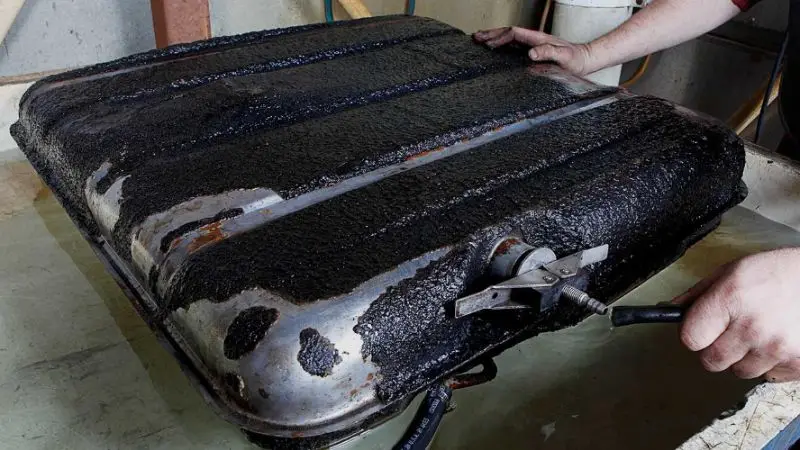
Zawsze lepiej jest zapobiegać wyciekom ze zbiornika paliwa, niż naprawiać je później. Częsta konserwacja i środki ostrożności podczas jazdy znacznie zmniejszają ryzyko wycieków. Większość wycieków narasta stopniowo z czasem, z powodu zużycia, rdzy lub uderzeń, dlatego zapobieganie im na wczesnym etapie jest niezwykle istotne.
Można zapobiec wyciekom ze zbiornika paliwa podczas naprawy i zminimalizować ryzyko nieprzewidzianej utraty paliwa, podejmując odpowiednie działania konserwacyjne. Właściwa profilaktyka pomaga również obniżyć długoterminowe koszty naprawy nieszczelnych zbiorników paliwa w samochodach.
Regularna kontrola pojazdu w celu wczesnego wykrycia wycieków
Najlepszym sposobem na zapobieganie wyciekom ze zbiornika paliwa jest odpowiednia konserwacja pojazdu. Regularne przeglądy pojazdu pozwalają wykryć wczesne oznaki zużycia, takie jak zapach paliwa, wycieki, wilgoć czy rdza, i zapobiegają poważniejszym problemom.
Okresowe przeglądy pomagają również w przypadku potencjalnych problemów, które mogą wymagać naprawy zbiornika paliwa z powodu wycieków. Jeśli samochód jest sprawdzany przez mechanika, będzie on w stanie znaleźć drobne pęknięcia i wycieki. Pozwoli to uniknąć poważnych napraw silnika i zapewni niezawodność układu paliwowego.
Unikaj jazdy po nierównych drogach i gwałtownych uderzeń
Jazda po nieutwardzonych nawierzchniach lub wyboistych drogach może zwiększać ryzyko uszkodzenia zbiornika paliwa. Uderzenia mogą wystąpić na kamieniach, nierównościach i głębokich dziurach, co może osłabić zbiornik lub w dłuższej perspektywie spowodować powstanie małych pęknięć.
Tego rodzaju uszkodzenia mogą być przyczyną późniejszej naprawy wycieku paliwa, jeśli nie zostaną zapobiegnięte. Na uszkodzonych drogach należy jeździć ostrożnie, aby upewnić się, że dolna część samochodu nie ulegnie uszkodzeniu. Zmniejszenie prędkości i unikanie poważnych kolizji może znacznie zmniejszyć ryzyko uszkodzenia układu paliwowego.
Ochrona przed rdzą i powłoki antykorozyjne
Nieszczelności w zbiornikach paliwa, na przykład w starszych pojazdach lub w miejscach o dużej wilgotności, stanowią poważny problem spowodowany rdzą. Aby zapobiec rdzewieniu, zbiornik paliwa należy zabezpieczyć warstwą ochronną. W ten sposób ryzyko rdzewienia w przyszłości zostanie wyeliminowane.
Zapobieganie rdzewieniu to jedna z najlepszych metod naprawy nieszczelnego zbiornika paliwa. Regularne zabiegi przedłużają żywotność i wytrzymałość zbiornika. zbiornik paliwaOprócz zabiegów ochronnych, wysokiej jakości zbiorniki paliwa odegrają ważną rolę w minimalizowaniu wycieków w przyszłości.
Peleryna
Nie należy lekceważyć wycieków ze zbiorników paliwa, ponieważ wpływają one na bezpieczeństwo, oszczędność paliwa i wydajność silnika. Można uniknąć uszkodzeń i obrażeń dzięki wczesnemu wykryciu i wysokiej jakości naprawom. Można je wyczuć, upuścić lub zareagować, ale wystarczy je wyczuć. Najlepiej zlecić sprawdzenie usterki profesjonaliście, aby zapewnić długoterminowe bezpieczeństwo i niezawodność, chociaż szybkie naprawy mogą pomóc w rozwiązaniu pilnych problemów. Wskazówki i możliwe rozwiązania pomogą Ci podjąć najlepsze decyzje i uniknąć problemów w przyszłości. Aby zapewnić dobry stan układu paliwowego, najlepiej regularnie go konserwować, aby był czysty i szczelny.
FAQ
Jakie są pierwsze objawy nieszczelności zbiornika paliwa?
Objawami mogą być silny zapach paliwa, paliwo na podłodze lub gwałtowny spadek spalania. To objawy, które najprawdopodobniej wskazują na rozwój choroby i tylko czas pokaże, czy dojdzie do dalszych uszkodzeń, czy też do wypadku.
Jak daleko mogę dojechać, wykorzystując nieszczelny przewód paliwowy?
Zbiornik paliwa nie może przeciekać i nie należy jeździć z włączonym zbiornikiem. Nawet niewielki wyciek może okazać się niebezpieczny i spowodować pożar. Im szybciej, tym lepiej, aby zatrzymać pojazd i poddać go badaniu.
Czy konieczna jest samodzielna naprawa zbiornika paliwa?
Samodzielna naprawa nie jest bezpieczna, ponieważ może zawierać łatwopalne gazy i opary. Drobne nieszczelności można tymczasowo naprawić, ale zawsze lepiej zlecić naprawę profesjonaliście i korzystać z niego przez długi czas, aby zapewnić bezpieczeństwo pojazdu.
Jaki będzie koszt naprawy nieszczelnego zbiornika paliwa?
Koszty będą się różnić w zależności od stopnia uszkodzenia, pojazdu i rodzaju naprawy. Drobne naprawy będą tanie, choć kosztowne w przypadku konieczności wymiany zbiornika (na nowy) z powodu jego poważnego uszkodzenia. Wczesne wykrycie nieszczelności zbiornika pozwoli uniknąć wysokich kosztów naprawy.
Co zrobić, aby uszczelnić wyciek paliwa ze zbiornika?
Zaleca się profesjonalne wykończenie, np. spawanie, łatanie lub wymianę zbiornika. Mechanik zadba o prawidłowe uszczelnienie i bezpieczeństwo. To rozwiązanie będzie miało długą żywotność, a wyciek paliwa nigdy nie będzie stanowił problemu.