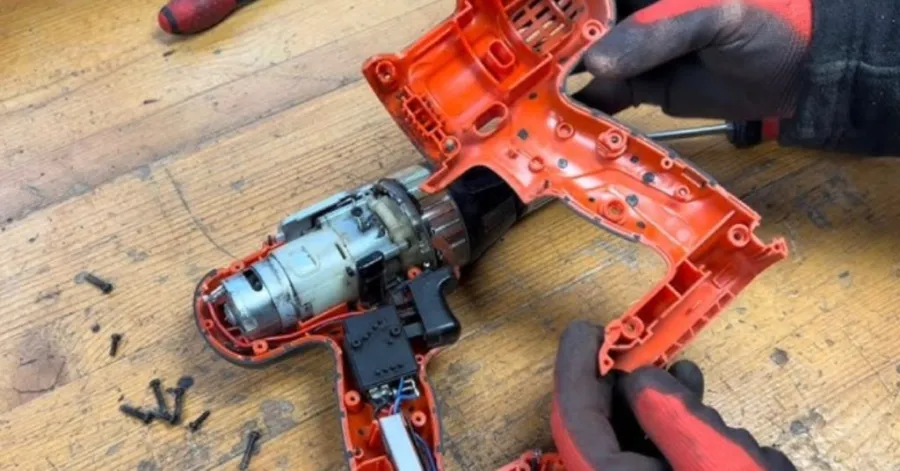
To naturalne, że odczuwasz zdenerwowanie podczas naprawy wiertarki, zwłaszcza będąc nowicjuszem. Większość ludzi boi się popełnić błąd lub uszkodzić narzędzia, jednak większość problemów można łatwo rozwiązać dzięki prostym, łatwym do przestrzegania instrukcjom i odpowiedniemu sprzętowi bezpieczeństwa. Zacznij od prostych, drobnych napraw, aby stopniowo budować pewność siebie i uczyć się, jak… wiercić Funkcje. Każdy wysiłek sprawi, że z czasem będziesz się lepiej uczyć i mniej się bać. Bądź cierpliwy, wykonuj polecenia i wierz w swoją naukę. Ten przewodnik wyjaśnia typowe problemy z ćwiczeniami i jak je łatwo rozwiązać, pomagając początkującym zrozumieć praktyczne rozwiązania.
Zrozumienie typów wierteł, części i podstawowych funkcji
Przed rozpoczęciem jakichkolwiek napraw ważne jest, aby dokładnie zrozumieć rodzaj używanej wiertarki i sposób działania jej głównych podzespołów. Ułatwia to naprawę wiertarki, ponieważ każda wiertarka ma swoją własną konstrukcję i układ zasilania. Po zidentyfikowaniu typu i podzespołów będziesz w stanie szybko zidentyfikować problem i zapobiec dalszym uszkodzeniom. Łatwiej jest również postępować zgodnie z instrukcją rozwiązywania problemów z nieprawidłowo działającą wiertarką, szczególnie dla początkujących.
Typowe rodzaje wierteł i sposób ich użycia
Różne wiertła są przeznaczone do różnych zadań, a ich znajomość pomoże Ci wybrać odpowiednią metodę naprawy. Każdy typ działa na swój sposób, a problemy, które napotkasz, mogą się również różnić w zależności od konstrukcji.
- Wiertarki przewodowe:Działają dzięki zasilaniu sieciowemu z gniazdka ściennego i zapewniają stałe zasilanie podczas długich sesji pracy.
- Wiertarki bezprzewodowe: Urządzenia te są wyposażone w akumulatory i można je przenosić, dzięki czemu można z nich korzystać w domu i na zewnątrz.
- Wiertarki udarowe: Łączą one w sobie funkcję wirowania i młotkowania, dlatego nadają się do twardych materiałów, takich jak beton.
- Prasy wiertnicze: Maszyny stacjonarne służące do wycinania prostych i precyzyjnych otworów w materiałach.
Każdy typ zachowuje się inaczej, gdy wystąpi usterka. Przykładowo, modele akumulatorowe i wiertarki sieciowe mogą mieć problemy z akumulatorem, przełącznikiem lub okablowaniem. Jest to szczególnie przydatna wiedza, gdy korzystasz z poradnika naprawy wiertarek bezprzewodowych, aby krok po kroku naprawić swoją wiertarkę bezprzewodową w domu.
@beckenholdt Wiertarka magnetyczna Vevor #zachęcam #narzędziavevor #sklepvevortt #wiertarka magnetyczna #wiertłomagnetyczne
♬ oryginalny dźwięk – Becken
Główne części wiertarki i ich funkcje
Podstawowe części wiertarki pomagają szybciej wykrywać problemy i skuteczniej je naprawiać. Wszystkie wiertarki, niezależnie od typu, mają wspólne podstawowe części, które regulują ich działanie.
- Chuck: Mocno trzyma wiertło na miejscu podczas użytkowania.
- wyzwalania: Steruje uruchamianiem i zatrzymywaniem wiertła.
- Akumulator lub przewód zasilający: Zapewnia zasilanie niezbędne do obsługi wiertarki.
- Silnik: Przekształca moc w obrót.
- Uchwyt: Zapewnia przyczepność i kontrolę podczas pracy.
- Przełącznik biegów: Umożliwia dostosowanie prędkości i kierunku do różnych zadań.
Wiertła odgrywają również ważną rolę, ponieważ do drewna, metalu i betonu używa się różnych rodzajów wierteł. Nigdy nie zapomnij odłączyć wiertarki od zasilania lub wyjąć akumulatora przed sprawdzeniem jakichkolwiek części wewnętrznych. To prosta czynność, ale ważna dla bezpieczeństwa podczas naprawy wiertarki i pomaga uniknąć wypadków podczas konserwacji lub rozwiązywania problemów.
Podstawowe zasady bezpieczeństwa podczas wiercenia przed rozpoczęciem jakichkolwiek prac naprawczych
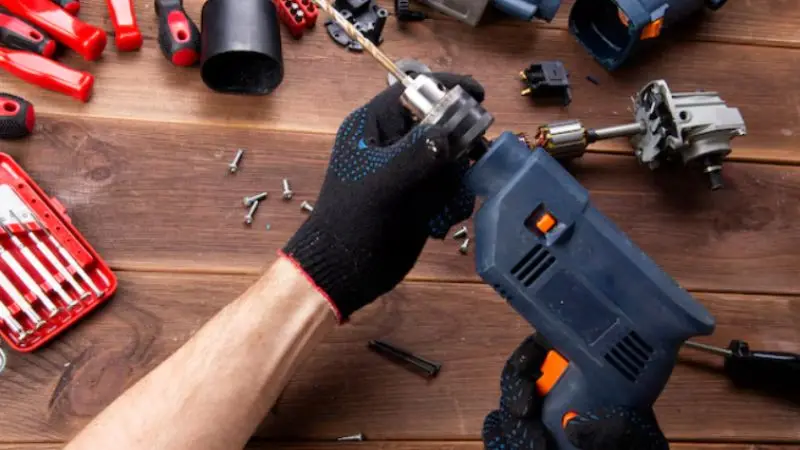
Przed przystąpieniem do naprawy wiertarki należy dokładnie zrozumieć podstawowe zasady bezpieczeństwa. Ćwiczenie to potężne narzędzie, a nawet drobny błąd może spowodować poważne szkody lub straty. Przestrzegając prawidłowo protokołów bezpieczeństwa, zmniejszasz ryzyko i usprawniasz proces naprawy. Te wytyczne można również zastosować do rozwiązywania problemów z niedziałającą wiertarką lub do instrukcji naprawy wiertarki bezprzewodowej dla początkujących.
Sprzęt bezpieczeństwa, którego zawsze należy używać podczas pracy z wiertarką
Pierwszym krokiem w tym procesie jest użycie sprzętu ochronnego, aby zapewnić sobie bezpieczeństwo podczas wiercenia. Pozwala to uniknąć obrażeń spowodowanych pyłem, hałasem lub innymi ostrymi, ruchomymi częściami. Odpowiedni sprzęt pomoże Ci również skupić się na naprawie, zamiast obawiać się wypadków. Okulary ochronne ochronią Twoje oczy przed unoszącym się pyłem i drobnymi odłamkami, a rękawice robocze ochronią dłonie przed ostrymi krawędziami i wysoką temperaturą. Ochrona słuchu jest ważna, ponieważ z czasem wiertarki mogą generować duży hałas, który może być bardzo szkodliwy dla zdrowia. Maska przeciwpyłowa pomaga uniknąć wdychania drobnych cząstek, które mogą powodować poważne choroby, takie jak nowotwory i inne schorzenia.
Ważne jest, aby upewnić się, że sprzęt bezpieczeństwa jest na miejscu przed rozpoczęciem pracy. Jeśli coś jest uszkodzone lub stare, należy je jak najszybciej wymienić, aby zapewnić sobie pełną ochronę podczas naprawy wierteł.
Bezpieczne sposoby obsługi wiertarki i typowe błędy, których należy unikać
Sposób obchodzenia się z wiertarką jest niezwykle ważny nie tylko ze względu na bezpieczeństwo, ale także dla prawidłowego wykonania prac naprawczych. Należy zawsze mocno trzymać wiertarkę obiema rękami, aby nie wyślizgnęła się podczas pracy. Trzymaj palce z dala od ruchomych części i upewnij się, że wiertło jest dobrze dokręcone w uchwycie przed rozpoczęciem pracy. Stabilna powierzchnia zapewnia lepszą równowagę i kontrolę, szczególnie podczas wykonywania dłuższych prac lub pracy z cięższymi materiałami, zwłaszcza przy użyciu… wiertarka magnetyczna który opiera się na bezpiecznej bazie, aby uzyskać dokładne wyniki.
Podejmij środki ostrożności, aby uniknąć najczęstszych błędów, które mogą prowadzić do wypadków lub uszkodzeń. Unikaj luźnej odzieży i biżuterii, ponieważ mogą one zostać zaczepione podczas wiercenia. Zawsze unikaj używania wiertarki na siłę, gdy się zablokuje, ponieważ może to uszkodzić silnik lub elementy wewnętrzne. Zamiast tego zatrzymaj się i zbadaj problem. Nie używaj również narzędzia w złym stanie technicznym, ponieważ jest to ryzykowne, utrudnia naprawę wiertarki i zmniejsza ogólne bezpieczeństwo użytkowania.
Typowe problemy z wiertarkami i ich rozwiązania krok po kroku
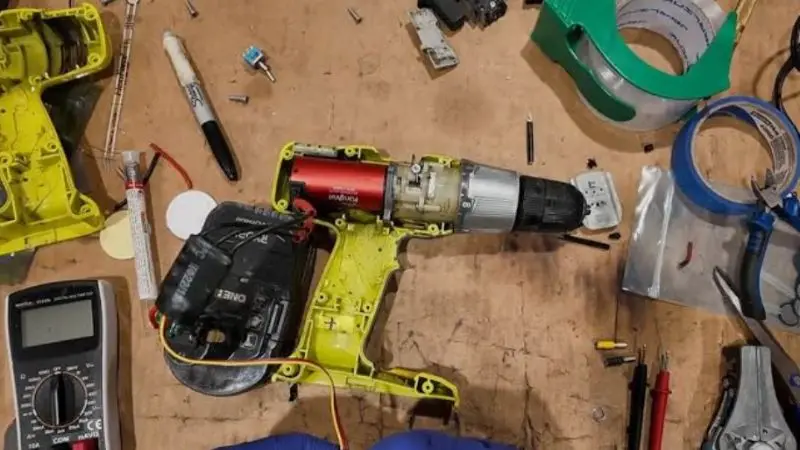
Tutaj dowiesz się o typowych problemach z wiertarkami i o tym, jak je łatwo naprawić, korzystając z prostych rozwiązań, które początkujący zrozumieją i zastosują. Większość problemów z wiertarkami jest łatwa do rozwiązania, gdy zna się ich przyczynę. Problemy te zazwyczaj wiążą się z awarią zasilania, problemami z akumulatorem, zablokowanymi podzespołami, przegrzaniem lub niewłaściwą obsługą. To podstawowe wskazówki, które przydadzą się również podczas rozwiązywania problemów z wiertarką, która nie działa zgodnie z oczekiwaniami, lub podczas korzystania z poradnika naprawy wiertarek bezprzewodowych, który ma pomóc początkującym w opanowaniu tajników naprawy wiertarek.
Wiertarka nie uruchamia się lub nie ma zasilania
Jeśli wiertarka nie uruchamia się, zazwyczaj przyczyną jest problem z zasilaniem. Pierwszym krokiem jest upewnienie się, że akumulator w wiertarkach bezprzewodowych jest naładowany, a w wiertarkach sieciowych wtyczka jest prawidłowo podłączona. Często przyczyną jest po prostu luźne połączenie lub rozładowany akumulator.
Jeśli wiertarka nie uruchamia się, mimo że zasilanie i spust działają prawidłowo, sprawdź włącznik zasilania i spust. Zablokowanie styków może być spowodowane kurzem lub zużyciem wewnętrznym. Sprawdź również bezpiecznik lub wyłącznik automatyczny w modelach przewodowych. Jeśli nic nie pomaga, problem może leżeć wewnątrz wiertarki, dlatego ważne jest zapoznanie się z instrukcją obsługi, która zawiera bezpieczne kroki naprawy wiertarki i instrukcje dotyczące konkretnego modelu.
Wiertarka traci moc lub ma słabą wydajność
Gdy wiertarka jest włączona, ale wkrótce przestaje działać lub jest słaba, zazwyczaj wskazuje to na problem z zasilaniem. Jeśli to możliwe, przetestuj akumulator w innym, kompatybilnym urządzeniu. Jeśli działa w tym trybie, problem leży w wiertarce, a nie w akumulatorze.
Przetrzyj styki akumulatora suchą ściereczką, ponieważ zanieczyszczenia mogą blokować zasilanie. W przypadku starego akumulatora, najrozsądniejszym rozwiązaniem jest jego wymiana. W przypadku wiertarek sieciowych sprawdź przewód pod kątem przecięć lub uszkodzeń, które mogłyby zakłócić zasilanie. Te proste kontrole rozwiązują wiele typowych problemów z zasilaniem podczas naprawy wiertarki.
Wiertło zablokowane lub uchwyt się nie otwiera
Zablokowane wiertło może przerwać pracę. Przede wszystkim wyłącz wiertarkę i wyjmij akumulator lub odłącz go od zasilania. Następnie spróbuj poluzować uchwyt wiertarski ręką.
Jeśli nie da się go ruszyć, należy go poluzować kluczem. Nie należy używać siły, ponieważ może to uszkodzić uchwyt lub wiertło. Delikatne stukanie może być pomocne w niektórych przypadkach, ale należy to robić ostrożnie. Zawsze należy usuwać rdzę i brud z okolic uchwytu, jeśli występują. Odpowiedni rozmiar wiertła pomoże również zapobiec zakleszczaniu się, co jest kluczowym aspektem bezpiecznej naprawy wiertła.
Wiertło się nagrzewa lub wydaje dziwne dźwięki
Jeśli wiertarka się przegrzewa lub wydaje dziwne dźwięki, należy zaprzestać jej używania. Zazwyczaj jest to oznaką wewnętrznego naprężenia lub tarcia. Przed sprawdzeniem czegokolwiek należy odczekać, aż wiertarka ostygnie.
Chłodzenie: Po schłodzeniu sprawdź, czy nie ma nagromadzonego kurzu, zablokowanych otworów wentylacyjnych lub luźnych części. Problemy z przegrzewaniem można rozwiązać, czyszcząc wiertarkę. W innych przypadkach ruchome części można lekko nasmarować, aby zminimalizować tarcie i hałas. Łatwo wpaść w kłopoty, ignorując tego typu oznaki, dlatego w przypadku naprawy wiertarki ważne jest, aby działać szybko.
Wiertło nie wierci prosto lub nie drży
Jeśli wiertło wycina krzywe otwory lub się trzęsie, problem najprawdopodobniej leży w wiertle lub jego obsłudze. Sprawdź, czy wiertło jest wygięte lub zużyte i wymień je w razie potrzeby.
Upewnij się, że uchwyt jest mocno podparty, aby wiertło się nie poruszało. Podczas używania wiertarki trzymaj ją mocno obiema rękami i utrzymuj stabilną pozycję. Przyczyną niedokładności często jest słaby chwyt lub złe ustawienie. Jest to szczególnie ważne w przypadku narzędzi takich jak… wiertarka magnetyczna, gdzie mocne trzymanie pomaga utrzymać wiertło stabilnie i prawidłowo. Działania korygujące te problemy zwiększają kontrolę i stanowią istotny element skutecznej naprawy wiertła, szczególnie wśród początkujących.
Proste wskazówki dotyczące konserwacji wiertarki dla długotrwałej wydajności
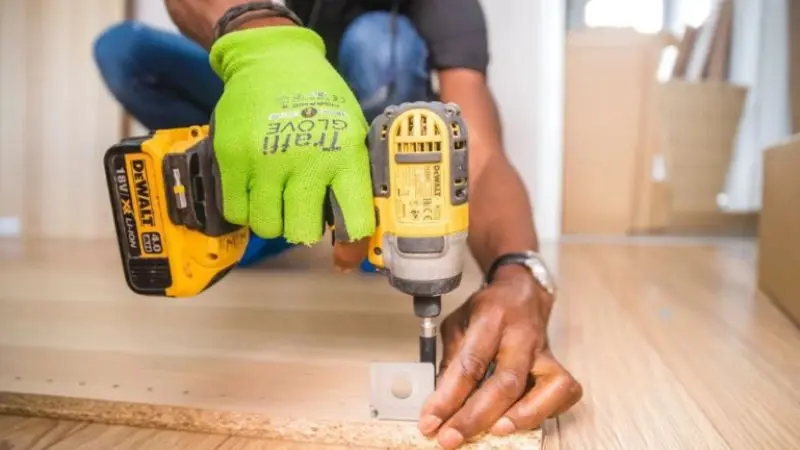
Konserwacja jest istotnym elementem naprawy wiertarki, ponieważ pomaga zachować bezpieczeństwo, wytrzymałość i wydajność narzędzia przez długi czas. Utrzymując wiertarkę w odpowiednim stanie, można zminimalizować awarie i zmaksymalizować jej wydajność. Nawet proste czynności, takie jak czyszczenie, kontrola części i bezpieczne przechowywanie, mogą pomóc zapobiec najczęstszym problemom. Wskazówki te są również przydatne dla początkujących uczących się naprawy wiertarki w domu, krok po kroku, lub dla osób korzystających z poradnika naprawy wiertarek bezprzewodowych dla początkujących.
Jak prawidłowo czyścić i smarować wiertarkę
Pierwszym krokiem do prawidłowej konserwacji jest utrzymanie wiertarki w czystości. Po użyciu przetrzyj zewnętrzną część suchą szmatką, aby usunąć kurz i brud. W trudno dostępnych miejscach należy użyć szczotki lub sprężonego powietrza, aby usunąć zanieczyszczenia z narzędzia.
Smarowanie również odgrywa rolę w płynnej pracy. Natrzyj ruchome części, takie jak uchwyt i przekładnie, niewielką ilością oleju maszynowego. Zmniejszy to tarcie i zapobiegnie rdzewieniu. Nigdy nie używaj zbyt dużej ilości oleju, ponieważ może to powodować gromadzenie się kurzu i problemy w przyszłości podczas naprawy wiertarki. Nawyk czyszczenia wiertarki przed przechowywaniem jest prosty i pomaga utrzymać ją w doskonałym stanie.
Jak dbać o wiertła i zachować ich ostrość
Wiertła mają szczególne znaczenie dla wydajności, dlatego należy je również dobrze konserwować. Czyść wiertła po każdym użyciu, aby usunąć kurz, wióry i opiłki metalu. Pomaga to zapobiegać rdzewieniu i utrzymuje je w dobrym stanie. Upewnij się, że są dokładnie suche przed przechowywaniem.
Przechowuj wszystkie wiertła w odpowiednim etui lub uchwycie, aby zachować ich porządek i bezpieczeństwo. Należy również regularnie sprawdzać ich ostrość, ponieważ stępione części mogą utrudniać wiercenie i zmniejszać precyzję. Wymiana starych wierteł lub ostrzenie zużytych wierteł zwiększa bezpieczeństwo i wydajność. Pielęgnacja wierteł to element ogólnej naprawy i konserwacji wierteł.
Najlepszy sposób na bezpieczne przechowywanie wiertarki i akcesoriów
Prawidłowe przechowywanie zapewni, że wiertarka nie ulegnie uszkodzeniu i posłuży dłużej. Zawsze zaleca się przechowywanie wiertarki w suchym miejscu, ponieważ wilgoć może powodować rdzewienie i uszkodzenia elektryczne. Najodpowiedniejszą metodą bezpiecznego przechowywania jest skrzynka narzędziowa lub wyściełana walizka.
Nie pozostawiaj wiertarki w bezpośrednim świetle słonecznym ani w gorących miejscach. Aby zachować wydajność akumulatorów, należy je przechowywać w chłodnym i suchym miejscu. Przewody należy dobrze owinąć, aby uniknąć splątania lub uszkodzeń wewnętrznych. Prawidłowe przechowywanie zmniejszy ryzyko częstszych napraw wiertarki i pozwoli mieć narzędzia pod ręką, gdy będą potrzebne.
Kiedy warto zwrócić się o pomoc do profesjonalisty
Istnieją pewne problemy związane z ćwiczeniami, których nie należy wykonywać w domu. Jeśli zauważysz iskry, poczujesz zapach spalenizny lub usłyszysz nietypowo głośne dźwięki, przerwij ćwiczenie. Takie objawy zazwyczaj wskazują na poważne obrażenia wewnętrzne.
W takich przypadkach zawsze najlepiej skorzystać z pomocy profesjonalisty lub zapoznać się z instrukcją obsługi wiertarki. W przypadku bardziej zaawansowanych narzędzi, takich jak wiertarka magnetycznaProfesjonalna naprawa jest jeszcze ważniejsza ze względu na systemy elektryczne i mocujące. Przydatne porady można znaleźć również w społecznościach internetowych, ale naprawy elektryczne należy zlecać wyłącznie profesjonalistom, jeśli nie masz pewności. Najważniejszym aspektem naprawy wiertarki jest bezpieczeństwo, a wiedza o tym, jak naprawiać rzeczy, jest mniej ważna niż wiedza o tym, kiedy przestać.
Zamotać
Naprawa wiertarki będzie o wiele prostsza, jeśli zastosujesz się do jasnej procedury, zamiast spekulować na temat problemu. Większość problemów z wiertarką, takich jak awarie zasilania, zablokowane wiertła, przegrzanie lub słaba wydajność, można łatwo rozwiązać w domu, wykonując kilka prostych czynności kontrolnych. Ważne jest, aby najpierw zdiagnozować problem, a następnie wdrożyć odpowiednie rozwiązanie, krok po kroku, bez pośpiechu.
Prawidłowa konserwacja jest również kluczowym czynnikiem zapobiegającym awariom. Staranne czyszczenie wiertarki, utrzymywanie wierteł w dobrym stanie, prawidłowe przechowywanie i bezpieczne użytkowanie mogą znacznie wydłużyć żywotność narzędzia. Połączenie umiejętności rozwiązywania problemów z odpowiednią konserwacją sprawi, że wiertarka będzie niezawodna przez długi czas i będzie działać znacznie lepiej w każdym projekcie.
FAQ
Jak często czyścisz wiertarkę?
Po każdym użyciu należy wyczyścić wiertarkę. Wyczyść powierzchnię, przecierając ją. Wyczyść otwory wentylacyjne i uchwyt wiertarski szczotką. Regularne czyszczenie jest kluczem do utrzymania wiertarki w dobrym stanie.
Jakie czynności należy wykonać, gdy wiertło się pali?
Natychmiast przerwij używanie wiertarki. Odłącz ją od zasilania lub wyjmij akumulator. Pozostaw do ostygnięcia. Sprawdź kurz lub uszkodzone części. Jeśli zapach nie ustąpi, zasięgnij porady specjalisty.
Czy mogę używać dowolnego akumulatora z wiertarką bezprzewodową?
Nie, wystarczy używać akumulatorów pasujących do danego modelu wiertarki. Użycie nieodpowiedniego akumulatora może uszkodzić narzędzie lub stanowić zagrożenie dla bezpieczeństwa. Sprawdź instrukcję obsługi, aby wybrać odpowiedni typ akumulatora.
A dlaczego wiertło się ślizga?
Poślizg zazwyczaj spowodowany jest luźnym uchwytem. Przed rozpoczęciem pracy należy dokręcić uchwyt. Należy również upewnić się, że posiada się wiertło o odpowiednim rozmiarze. Jeśli problem nadal występuje, należy sprawdzić, czy uchwyt lub wiertło nie są zużyte.
Potrzebujesz dodatkowej pomocy w naprawie wiertarek?
Aby uzyskać instrukcje krok po kroku dotyczące obsługi wiertarki, przeczytaj instrukcję dołączoną do wiertarki. Istnieje wiele społeczności i forów internetowych z poradami. Możesz też obejrzeć filmy instruktażowe dotyczące napraw lub poprosić o pomoc w sklepie z narzędziami.