Przy użyciu odpowiednich narzędzi ładowanie akumulatorów energią słoneczną jest łatwe. Pamiętaj o przestrzeganiu zasad bezpieczeństwa podczas ładowania akumulatorów energią słoneczną. system ładowania słonecznego Można go skonfigurować z odpowiednimi panelami słonecznymi, regulatorem ładowania i akumulatorem, które są podłączone do paneli. Wykorzystanie energii słonecznej może obniżyć rachunki za prąd i generować czystą i zrównoważoną energię elektryczną.
Jak naładować akumulator za pomocą panelu słonecznego w domu? Jeśli chcesz naładować akumulatory w domu, na kempingu lub w małych urządzeniach elektronicznych, musisz znać podstawy. Prawidłowo zainstalowany i prawidłowo naładowany sprzęt będzie bezpieczny. Zrozumienie funkcji każdego elementu może pomóc w maksymalnym wykorzystaniu potencjału systemu energii słonecznej. Ten poradnik pomoże Ci zrozumieć wszystkie wymagania, przygotowania i praktyki niezbędne do bezpiecznego i efektywnego ładowania akumulatorów za pomocą energii słonecznej.
Spis treści
Sprzęt potrzebny do ładowania akumulatorów za pomocą energii słonecznej
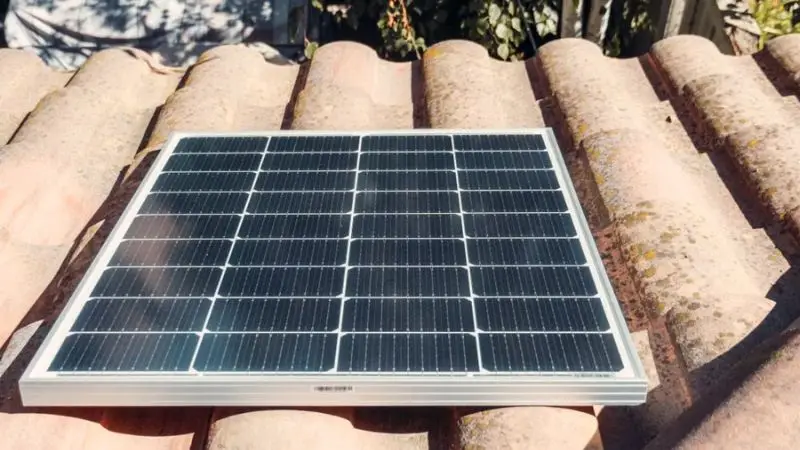
Aby naładować akumulatory energią słoneczną, konieczne jest bezpieczne i efektywne zmontowanie i użycie kilku komponentów. Panele słoneczne przetwarzają światło słoneczne na energię elektryczną, a regulator ładowania reguluje przepływ prądu i zapobiega przeładowaniu. Akumulatory są przechowywane w sposób kompatybilny, a wysokiej jakości kable i złącza zapewniają bezpieczne połączenia. System monitorowania akumulatorów umożliwia monitorowanie wydajności ładowania i pomaga zapobiegać potencjalnym problemom z akumulatorami.
Polecane dla Twojego projektu
Panele słoneczne
Energia słoneczna to energia generowana przez promienie słoneczne. Liczba potrzebnych paneli zależy od pojemności akumulatora i zużycia energii. Domyślnie, rozmiar panelu w większości małych instalacji wynosi od 50 do 200 watów. Aby prawidłowo naładować akumulatory, należy sprawdzić stan i moc panelu. 12-woltowy panel słoneczny jest dostępny w różnych kształtach i rozmiarach i może ładować akumulatory 12 V. Niektóre można łatwo przenosić bez konieczności noszenia. Inne nie przemieszczają się i pozostają na miejscu. Panele słoneczne pomagają również dostarczać energię elektryczną, która nie jest dostępna za pośrednictwem linii energetycznych. Na przykład, panele słoneczne mogą ładować akumulatory i zasilać niezbędne urządzenia podczas biwakowania lub wycieczek kamperem, pływania łódką lub pobytu poza miastem. Naładowany akumulator może oświetlać domy, zasilać telefony komórkowe, laptopy i wentylatory, a nawet zasilać inne małe urządzenia, gdy nie ma prądu.
Kontrolery ładowania słonecznego
Nie należy przeładowywać akumulatora za pomocą kontroler ładowania słonecznegoReguluje ilość energii elektrycznej, która może być przesyłana z paneli do akumulatora. Wybierz kontroler kompatybilny z Twoim akumulatorem. Niektóre kontrolery mogą być używane z akumulatorami litowo-jonowymi. Inne z kolei wolą akumulatory kwasowo-ołowiowe. Zawsze sprawdzaj wartości napięcia i prądu. Nie chcesz, aby Twój akumulator się przeładował, a przyjazny dla początkujących system ładowania akumulatorów słonecznych może temu zapobiec. Akumulator nie powinien się już ładować po pełnym naładowaniu. Bez kontrolera ładowania panele słoneczne mogłyby kontynuować ładowanie akumulatora, co mogłoby spowodować przegrzanie, skrócenie jego żywotności, a nawet uszkodzenie. Kontroler ładowania automatycznie odłączy zasilanie po pełnym naładowaniu akumulatora. Wydłuży to jego żywotność.
Baterie
Energia generowana przez panele słoneczne musi być magazynowana w akumulatorze. Wiele osób wybiera akumulatory litowo-jonowe ze względu na ich długą żywotność i szybkie ładowanie. Akumulatory kwasowo-ołowiowe również działają; ważne jest, aby o nie odpowiednio dbać. Wybierz łatwy w użyciu system ładowania akumulatorów słonecznych dla początkujących, który odpowiada Twoim potrzebom energetycznym i instalacji paneli słonecznych. Akumulator magazynuje energię generowaną w ciągu dnia, gdy słońce nie jest potrzebne do wytwarzania prądu. Umożliwia to zasilanie urządzeń nawet w przypadku braku słońca. Akumulatory oferują również wygodę i wszechstronność. Nie wymagają światła słonecznego o określonej porze, ale mogą być używane przez użytkownika w dowolnym momencie. Na przykład oświetlenie, telefony, laptopy, wentylatory i inne urządzenia mogą być zasilane i ładowane przez słońce w ciągu dnia. Dzięki temu energia słoneczna jest bardziej użyteczna w życiu codziennym i, w razie potrzeby, zapewnia prawidłowe działanie ważnych urządzeń.
Przewody i złącza
Panele słoneczne są podłączone do regulatora ładowania i akumulatora za pomocą kabli i złączy. Nie marnuj energii na cienkie kable. Zabezpiecz złącza, aby uniknąć iskrzenia i luźnych przewodów. Oznacz kable, aby łatwo było rozpoznać, który kabel jest którym. Gdy panele słoneczne padają na słońce, generują one energię elektryczną, która jest przesyłana do regulatora ładowania, a następnie do akumulatora. Wysokiej jakości kable zapewniają płynny przepływ prądu i brak przerw w działaniu systemu. Pozwala to na naładowanie akumulatora do odpowiedniej pojemności i zapewnia optymalne działanie systemu zasilania słonecznego. Kolejną istotną zaletą stosowania odpowiednich kabli i złączy jest bezpieczeństwo. Rozłączenia lub nieregularne połączenia mogą prowadzić do iskrzenia, przegrzania lub zwarć. Mogą one być przyczyną problemów ze sprzętem i stanowić zagrożenie dla bezpieczeństwa.
Systemy monitorowania akumulatorów
System monitorowania baterii służy do monitorowania ładowania akumulatora. Umożliwia on monitorowanie poziomu naładowania akumulatora i powiadamia o potencjalnych problemach. Można to zrobić za pomocą prostego miernika lub wyświetlacza cyfrowego. Ile godzin zajmuje naładowanie akumulatora za pomocą regulatora ładowania słonecznego? Systemy monitorowania mogą pomóc chronić akumulatory litowo-jonowe i wydłużyć ich żywotność. Innym korzystnym efektem jest zabezpieczenie przed nadmiernym rozładowaniem. Zbyt rozładowany akumulator może z czasem stracić swoją pojemność.
-
- Zbieraj światło słoneczne za pomocą paneli słonecznych i wykorzystuj bezpośrednie światło słoneczne.
-
- Kontroler ładowania – Zabezpieczenie akumulatora. Określ biegunowość każdego typu akumulatora.
-
- Baterie – Przechowuj energię. Wybierz element o odpowiednim rozmiarze.
-
- Użyj kabli i złączy do podłączenia elementów systemu. Użyj grubych kabli.
-
- System monitorowania – śledzi ładowanie. Sprawdzaj go często.
Przewodnik krok po kroku dotyczący ładowania akumulatorów za pomocą energii słonecznej

Ładowanie akumulatorów za pomocą energii słonecznej wymaga wykonania kilku prostych kroków. Pierwszym krokiem jest dobranie panelu słonecznego o odpowiedniej wielkości, dostosowanej do zużycia energii podczas codziennych czynności. Następnie należy prawidłowo podłączyć akumulator, przestrzegając biegunowości i instrukcji producenta. Na koniec, należy uważnie monitorować proces ładowania, aby uniknąć przeładowania i zachować żywotność oraz wydajność akumulatora przez długi czas.
Wybierz odpowiedni rozmiar panelu słonecznego
Wybierz odpowiednie panele słoneczne, aby dopasować je do swojego zużycia energii. Najpierw zmierz dzienne zużycie energii przez swoje urządzenia. Zsumuj wszystkie potrzebne watogodziny. Wybierz panele słoneczne który dostarczy taką liczbę watów. Na przykład, jeśli zużywasz 300 watogodzin dziennie, to panel 100-watowy w dobrym świetle słonecznym będzie mógł działać. Twój akumulator będzie ładował się optymalnie, jeśli będzie miał odpowiedni rozmiar. Im większy panel, tym szybciej się naładuje. Panele małych rozmiarów nadają się do lekkich zastosowań. Czy panele słoneczne mogą ładować akumulatory bezpośrednio? Mniejszy panel słoneczny generuje mniej energii elektrycznej; większy generuje więcej. Jeśli panel nie jest wystarczająco duży dla Twojego akumulatora, ładowanie może zająć dużo czasu. W pochmurne dni lub podczas krótszych dni zimowych akumulator może nie osiągnąć pełnego naładowania. Użytkownicy mogą wybrać odpowiedni rozmiar panelu słonecznego, aby zapewnić swoim akumulatorom odpowiednią ilość energii słonecznej. Umieść panele słoneczne w słonecznym miejscu, które jest nasłonecznione przez większość dnia. Umożliwi to ich bardziej efektywne ładowanie.
Podłącz kontroler ładowania
Pomiędzy panelami słonecznymi a akumulatorem wymagany jest regulator ładowania. Regulator chroni akumulator przed przeładowaniem. Podłącz najlepsze panele słoneczne do wejścia regulatora akumulatora 12 V. Upewnij się, że przewody są prawidłowo zamocowane i zabezpieczone. Podczas podłączania czegokolwiek zawsze sprawdzaj napięcie i natężenie prądu. Ten krok jest kluczowy dla bezpiecznego ładowania. Ta usługa pomaga również uniknąć nadmiernego rozładowania. Wiele typów regulatorów ładowania wykrywa napięcie akumulatora i zapobiega nadmiernemu rozładowaniu. Wydłużenie żywotności akumulatora i utrzymanie jego naładowania jest możliwe dzięki unikaniu głębokich rozładowań. Regulator ładowania pomaga użytkownikom cieszyć się długimi latami wysokiej jakości pracy akumulatorów, zapobiegając nadmiernemu rozładowaniu.
Podłącz akumulator bezpiecznie
Podłącz akumulator do wyjścia regulatora ładowania. Podczas ładowania akumulatora litowo-jonowego użyj regulatora ładowania akumulatora litowo-jonowego. Przed podłączeniem sprawdź biegunowość dodatniego i ujemnego bieguna. Błąd w konfiguracji ładowania akumulatora słonecznego może spowodować jego uszkodzenie. Zawsze postępuj zgodnie z instrukcjami producenta dotyczącymi akumulatorów kwasowo-ołowiowych i litowo-jonowych. Akumulatory magazynują energię, co jest potencjalnie niebezpieczne w przypadku niewłaściwego obchodzenia się z nimi. Nieprawidłowe podłączenie może spowodować porażenie prądem, przegrzanie lub iskrzenie. Bezpieczne podłączenie zmniejsza ryzyko wypadków oraz zwiększa bezpieczeństwo instalacji i pracy z systemem zasilania słonecznego. Ta funkcja pomaga również zapobiegać uszkodzeniom akumulatora. Akumulatory mogą mieć dwa różne bieguny, dodatni i ujemny, które należy podłączyć we właściwym miejscu.
Monitoruj proces ładowania
Monitoruj stan akumulatora podczas ładowania. Użyj monitora akumulatora, aby sprawdzić poziom naładowania. Prawidłowe monitorowanie zapobiega przeładowaniu i pomaga utrzymać akumulator w dobrym stanie. Najlepiej regularnie sprawdzać system ładowania, aby naładować akumulator głębokiego rozładowania za pomocą panelu słonecznego. W przypadku pojawienia się kontrolek ostrzegawczych lub błędów, przerwij ładowanie i rozwiąż problem. Jeśli poświęcisz czas na zrozumienie, ładowanie za pomocą panelu słonecznego jest bezpieczne i proste. Ta funkcja pomaga również zapobiegać przeładowaniu lub niedoładowaniu. Oba te czynniki mogą mieć wpływ na stan akumulatora. Nadmierne ładowanie powoduje nadmierne nagrzewanie, które może uszkodzić akumulator, a niewystarczające ładowanie może z czasem zmniejszyć jego pojemność. Jeśli zastosujesz się do poniższych wskazówek, ładowanie akumulatorów za pomocą energii słonecznej będzie łatwe. Dzięki czystej energii urządzenia będą gotowe do pracy.
Jak wybrać odpowiedni panel słoneczny do ładowania akumulatora
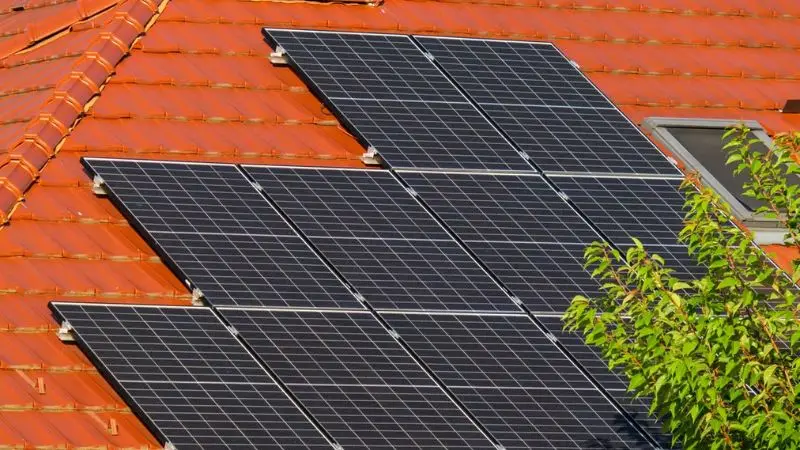
Aby wybrać odpowiedni panel słoneczny do ładowania akumulatorów, pierwszym krokiem jest określenie dziennego zapotrzebowania na energię. Ważne jest również uwzględnienie sprawności i mocy paneli, ponieważ panele o wyższej sprawności pozwalają ładować akumulatory szybciej i efektywniej. Na koniec, wybierz między mobilnymi a stacjonarnymi panelami słonecznymi, biorąc pod uwagę swoje potrzeby i sposób, w jaki będziesz korzystać z systemu ładowania słonecznego. Właściwy wybór panelu gwarantuje bezpieczne, niezawodne i wydajne ładowanie akumulatorów.
Oblicz swoje zapotrzebowanie na energię
Dowiedz się, jak ładować baterię za pomocą panelu słonecznego w domu. Pierwszym krokiem jest określenie, ile energii zużywasz dziennie. Wypisz wszystkie urządzenia, których chcesz używać do ładowania baterii słonecznej. Sprawdź moc na przewodach zasilających wszystkich urządzeń. Oblicz całkowitą moc w watach i pomnóż ją przez czas użytkowania urządzenia w godzinach. Znajdź sumę wszystkich liczb. Ta suma jest równoważna energii, którą Twoje panele słoneczne będą musiały wytworzyć każdego dnia. Jest to kolejna zaleta tej funkcji, ponieważ zapewnia, że nie zostanie zakupiony sprzęt zbyt mały. Jeśli system zasilania słonecznego generuje mniej energii elektrycznej niż jest to wymagane, baterie mogą nie być w pełni naładowane, a użytkownicy mogą doświadczyć niedoborów mocy. Jeśli system jest zbyt mały, może to prowadzić do frustracji i niskiej wydajności. Jeśli oczekuje się, że system będzie zużywał odpowiednią ilość energii, użytkownicy mogą uniknąć tych problemów, obliczając swoje zapotrzebowanie na energię.
Weź pod uwagę pojemność baterii
Przed wyborem paneli słonecznych upewnij się, że wiesz, jak duży jest Twój akumulator. Ile czasu zajmuje naładowanie akumulatora za pomocą panelu słonecznego? Pojemność określa ilość energii, jaką akumulator może magazynować. Jest ona mierzona w amperogodzinach (Ah) lub watogodzinach (Wh). Jeśli zamierzasz używać akumulatora litowo-jonowego, upewnij się, że Twoje panele słoneczne mogą go w pełni naładować w ciągu dnia, w dobry, słoneczny dzień. Aby dopasować moc wyjściową akumulatora litowo-jonowego do paneli słonecznych, panele słoneczne wytwarzają energię tylko wtedy, gdy występuje światło słoneczne, które występuje głównie w ciągu dnia. Energia ta jest magazynowana w akumulatorze do wykorzystania w nocy, w pochmurne dni lub w przypadku przerw w dostawie prądu. Użytkownicy mogą upewnić się, że mają wystarczającą ilość zmagazynowanej energii, aby zaspokoić codzienne potrzeby, wybierając akumulator o odpowiedniej pojemności. Pomoże to również uniknąć zbyt małego akumulatora.
Sprawdź wydajność i moc panelu
Porównaj wydajność i moc każdego panelu słonecznego. Czy panele słoneczne mogą bezpośrednio ładować akumulatory? Wydajność określa skuteczność panelu w przetwarzaniu światła słonecznego na energię elektryczną. Im wyższa wydajność, tym więcej energii można uzyskać z tej samej ilości światła słonecznego. Moc określa ilość energii, jaką panel może wygenerować. Jeśli używasz paneli słonecznych do… naładować baterięWybierz panele, które mogą dostarczyć wymaganą liczbę watów. Im wyższa moc paneli, tym szybciej naładują akumulator.
-
- Wydajność: Mierzy zdolność panelu słonecznego do przekształcania światła słonecznego w energię. Im wyższa wydajność, tym więcej energii w mniejszej przestrzeni!
-
- Moc: Moc wyjściowa panelu słonecznego jest mierzona w watach. Im wyższa moc, tym szybciej można naładować akumulatory.
Porównaj przenośne i stałe panele słoneczne
Przenośne i stałe panele słoneczne. Przenośne panele słoneczne można łatwo przenosić z miejsca na miejsce. Można je przechowywać w puszkach na kemping lub w podróży. Stałe panele słoneczne są nieruchome, np. na dachu. Ten typ jest przeznaczony do domów lub domków letniskowych. Weź pod uwagę miejsca ładowania paneli słonecznych. Wybierz odpowiedni dla siebie. Ich unikalną cechą jest to, że informują użytkownika o różnicach w mobilności i wygodzie. Przenośne panele słoneczne są przeznaczone do przenoszenia. Są przeznaczone dla osób podróżujących, biwakujących, posiadających kampery lub mających tymczasowe zapotrzebowanie na energię. Z odpowiednimi panelami słonecznymi ładowanie akumulatorów światłem słonecznym jest łatwe i bezpieczne. Urządzenie jest łatwe w obsłudze i zapewnia czystą energię. Ta funkcja pomoże również użytkownikowi przemyśleć instalację.
Błędy, których należy unikać podczas ładowania akumulatorów energią słoneczną
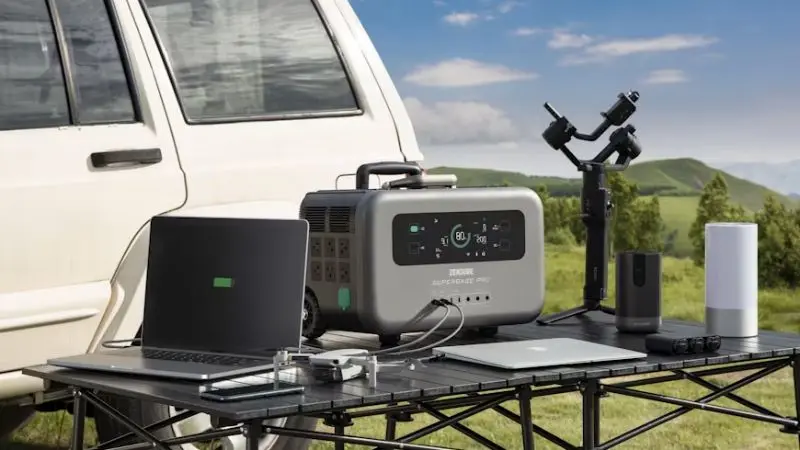
Należy bezwzględnie przestrzegać zasad bezpiecznego i efektywnego użytkowania akumulatorów słonecznych. Uszkodzenie sprzętu może być spowodowane niewłaściwym regulatorem ładowania, przeładowaniem akumulatora i nieodpowiednim podłączeniem przewodów. Należy używać regulatora ładowania odpowiedniego do typu akumulatora, sprawdzać stan naładowania akumulatora i upewnić się, że wszystkie połączenia są dobrze dokręcone przed użyciem. Te środki ostrożności pomogą zachować integralność systemu i niezawodność ładowania słonecznego.
Użycie niewłaściwego kontrolera ładowania
Powinien zawierać kontroler ładowania specyficzny dla typu akumulatora. Użycie niewłaściwego kontrolera może uszkodzić akumulator lub uniemożliwić jego ładowanie. Na przykład, należy użyć specjalnego kontrolera z akumulatorem litowo-jonowym. Z niektórymi kontrolerami można używać tylko akumulatorów kwasowo-ołowiowych. Przed podłączeniem czegokolwiek zawsze należy sprawdzić napięcie i natężenie prądu. — Kroki ładowania akumulatora w domu za pomocą panelu słonecznego. Nieprawidłowy kontroler może skrócić żywotność akumulatora, a nawet spowodować przegrzanie. Ta funkcja pomaga również uniknąć problemów z ładowaniem. Napięcia/moc paneli słonecznych/systemu akumulatorów powinny być kompatybilne z kontrolerem ładowania. Jeśli kontroler nie może dostarczyć wystarczającej mocy do systemu, akumulator może nie być w pełni naładowany. Postępuj zgodnie z instrukcjami kontrolera ładowania i akumulatora. Przed rozpoczęciem ładowania za pomocą paneli słonecznych upewnij się, że moduły są kompatybilne.
Przeładowanie akumulatora
Przeładowanie występuje, gdy bateria Jest podłączony do źródła zasilania przez zbyt długi czas. Dzieje się tak również wtedy, gdy nie ma kontrolera, który mógłby zatrzymać ładowanie. Ten błąd może spowodować skrócenie żywotności baterii lub problemy z bezpieczeństwem. Ładowanie akumulatorów litowo-jonowych należy wykonywać ostrożnie. Mogą one ulec przeładowaniu, a nawet stanąć w płomieniach. Należy korzystać z systemu monitorowania akumulatora, aby monitorować jego poziom naładowania. Nigdy nie ładuj akumulatora podczas ładowania. Ten samouczek wyjaśni, jak stworzyć bardzo prostą ładowarkę solarną dla początkujących.
-
- Przeładowywanie akumulatora może go uszkodzić. Nie dopuszczaj do tego; zamontuj system monitorujący poziom naładowania.
-
- Nieprawidłowy kontroler: Może spowodować awarię baterii. Aby temu zaradzić, ważne jest, aby upewnić się, że wybrano właściwy kontroler dla systemu.
Nieprawidłowe połączenia okablowania
Nie stwarza ryzyka pożaru, zwarć ani iskier spowodowanych wadliwym okablowaniem. Kable muszą być solidnie podłączone do odpowiednich złączy. Przed podłączeniem należy odwrócić biegun dodatni i ujemny. Nieprawidłowe podłączenie może spowodować awarię akumulatora. Należy oznaczyć kable i złącza, aby uniknąć pomyłki. Jak ładować akumulator za pomocą panelu słonecznego w domu? Podczas instalacji paneli słonecznych należy używać grubych, mocnych kabli i złączy. Aby bezpiecznie ładować akumulator litowo-jonowy, należy to zrobić prawidłowo. Należy używać odpowiedniego sprzętu. Należy ustawić wszystkie części we właściwej kolejności. Należy kontrolować system podczas ładowania za pomocą energii słonecznej. Należy upewnić się, że konfiguracja jest jak najdokładniejsza i regularnie sprawdzać poprawność zmian. Postępuj zgodnie z instrukcjami i etykietami – bądź bezpieczny – zasilaj urządzenia mobilne energią słoneczną, aby rozwijać nowe umiejętności i przyczyniać się do ochrony środowiska. Ładowanie akumulatorów za pomocą energii słonecznej musi odbywać się bezpiecznie i regularnie. Chroń swój sprzęt i korzystaj z czystej energii elektrycznej.
Zamotać
Czysta energia odnawialna (akumulatory zasilane energią słoneczną) jest łatwo wytwarzana z czystej energii i może być wykorzystywana do codziennych celów. Aby osiągnąć najlepsze rezultaty z panelami słonecznymi do ładowania akumulatorów 12 V, potrzebny jest niezawodny i bezpieczny system ładowania. Rozmiar panelu słonecznego i akumulatora wpływa na szybszą prędkość ładowania i wydajność systemu. Zastosowanie regulatora ładowania i systemu monitorowania może zapobiec przeładowaniu i uszkodzeniu akumulatora. Bezpieczne metody podłączania eliminują problemy z okablowaniem i zapewniają prawidłowe działanie urządzeń. Ładowanie akumulatorów słonecznych to wszechstronne i niezawodne rozwiązanie zasilania dla domów, kempingów, kamperów i obszarów wiejskich. Uniknięcie typowych problemów zwiększy wydajność i żywotność akumulatora oraz zmniejszy problemy z konserwacją. Jednak dzięki prawidłowemu wdrożeniu i nadzorowi każdy może cieszyć się korzyściami płynącymi z energii słonecznej i zasilać swoje urządzenia, gdy jest to potrzebne.
FAQ
Jaki jest czas ładowania akumulatora zasilanego energią fotowoltaiczną?
Czas ładowania zależy od rozmiaru akumulatora i panelu. Przy użyciu akumulatora o średniej pojemności i wystarczającej ilości światła słonecznego, ładowanie trwa zaledwie kilka godzin. Im większy akumulator, tym dłużej trwa ładowanie lub im większy panel.
Czy wszystkie rodzaje akumulatorów nadają się do ładowania za pomocą systemów energii słonecznej? System solarny może ładować większość akumulatorów.!
Upewnij się, jaki typ akumulatora posiadasz i użyj odpowiedniego regulatora ładowania. Niektóre akumulatory wymagają konserwacji, na przykład litowo-jonowe i kwasowo-ołowiowe.
Co się stanie, jeśli mój akumulator zostanie przeładowany?
Przeładowanie akumulatora może spowodować jego uszkodzenie. Może to doprowadzić do rozładowania akumulatora lub być niebezpieczne. Nie przeładowuj akumulatora za pomocą kontrolera ładowania i monitoruj jego stan.
Czy muszę monitorować stan akumulatora podczas ładowania?
Podczas ładowania akumulatora należy go monitorować. System monitorowania akumulatora może zapewnić wizualną reprezentację stanu ładowania i umożliwić szybkie wykrywanie problemów z akumulatorem. Dzięki temu akumulator będzie w dobrym stanie i będzie działał płynnie.
Czy możliwe jest trwałe podłączenie paneli słonecznych?
Za pomocą regulatora ładowania można podłączyć panele słoneczne. Regulator zapobiegnie przeładowaniu akumulatora. Sprawdź swoją konfigurację i zasady bezpieczeństwa.