Feiing av parkeringshus er et viktig aspekt ved rene, trygge og profesjonelle parkeringsområder. Garasjer samler støv, smuss, oljerester, løv og kjøretøyavfall over tid, og kan påvirke utseende og sikkerhet. For små og mellomstore parkeringsanlegg er en feiemaskin er ofte et av de mest praktiske verktøyene for rutinemessig vedlikehold fordi det er enkelt å bruke og krever minimalt vedlikehold. Å lære om hva feiing av parkeringshus er og bruke passende teknikker kan gjøre vedlikeholdet enklere og mer effektivt. Denne veiledningen diskuterer prosessen med å feie et parkeringshus, nødvendig utstyr, viktige rengjøringspunkter, vanlige feil og hvordan rutinemessig feiing støtter langsiktig vedlikehold av garasjen.
Innholdsfortegnelse
Utstyr brukt til feiing av parkeringshus
Med riktig utstyr er det enklere, tryggere og mer effektivt å feie et parkeringshus. Ulike maskiner er utviklet for å håndtere støv, smuss, løv, sand og kjøretøyavfall samtidig som de beskytter betongoverflater. Å velge riktig verktøy bidrar også til å minimere rengjøringstiden og forbedrer de generelle resultatene. Mange eiendomsforvaltere er avhengige av en feiemaskin for regelmessig vedlikehold i områder der store sittemaskiner er unødvendige.
Anbefalt for ditt prosjekt
Avhengig av størrelsen på garasjen, trafikken og mengden avfall, vil utstyret du velger variere. Å være informert om hvert alternativ vil hjelpe deg med å velge den mest effektive rengjøringsløsningen.
Gå-bak feiemaskiner
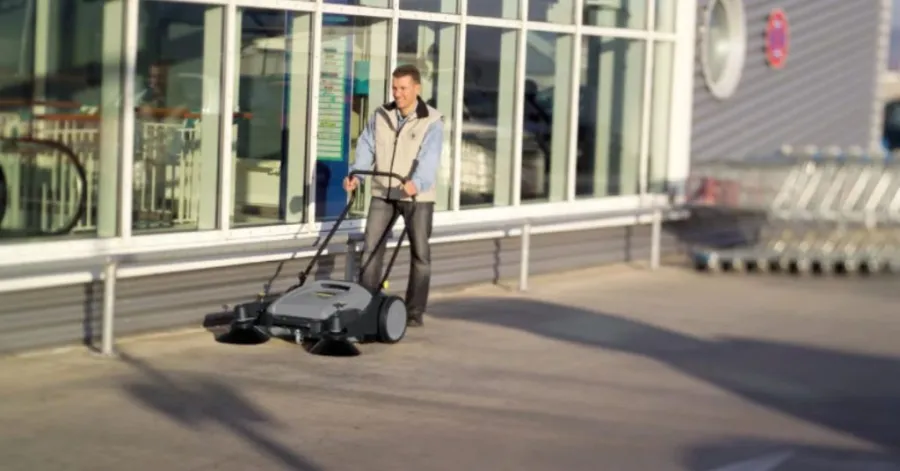
Feiemaskiner som går bak kan betjene små parkeringshus, trange områder og områder med begrenset tilgang. Disse små maskinene er enkle å navigere rundt støttesøyler og hjørner og gjennom små parkeringsfelt. De feier ut støv, smuss, blader og annet løst rusk og minimerer mengden arbeid som trengs for å rengjøre dem for hånd.
Mange modeller har støvkontrollalternativer som bidrar til å forbedre inneluftkvaliteten under bruk. gå-bak feiemaskin er et godt sted å begynne å lære å feie et parkeringshus, siden det tilbyr kontinuerlig rengjøring og er også enkelt å bruke. En kvalitet feiemaskin er spesielt effektiv for rengjøring av parkeringsplasser, fortau og smale trafikkveier der større utstyr ikke lett kan nå.
Sitte-på feiemaskiner
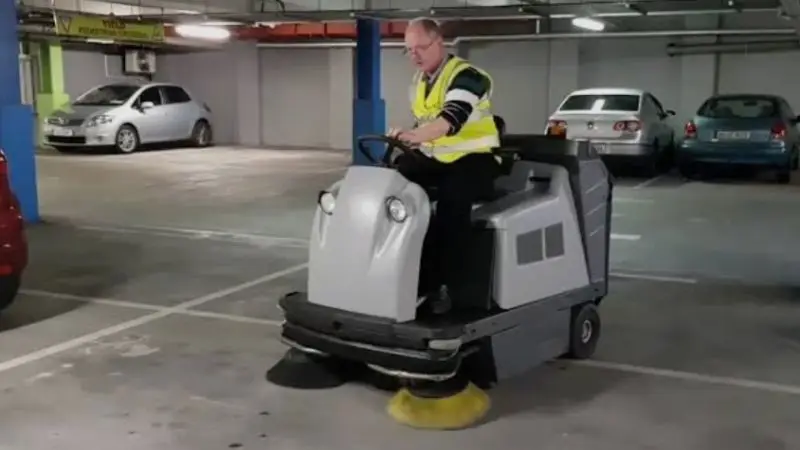
Sitte-på-feiemaskiner er designet for bruk i mellomstore og store parkeringshus der hastighet og effektivitet er avgjørende. Mens sitte-på-modeller håndterer store garasjer effektivt, en feiemaskin er fortsatt en kostnadseffektiv løsning for mindre parkeringsstrukturer og punktrengjøring. Maskinene gjør det mulig for føreren å feie et større gulvareal på kort tid uten at det går på bekostning av ytelsen. De er også godt egnet for å samle opp støv, grus, søppel og andre forurensende stoffer takket være kraftige roterende børster og store avfallsbeholdere.
De fleste modeller med sitteplass har også sofistikerte filtreringssystemer som minimerer luftbårne partikler i rengjøringsprosessen. De regnes vanligvis som den mest effektive metoden for å feie et parkeringshus siden de har bred dekning og krever mindre arbeidskraft. I travle kommersielle garasjer kan disse feiemaskinene brukes til å holde overflater rene uten å forstyrre trafikkflyten.
Støvsuger for støvkontroll
Suge- og feiemaskiner er unikt utviklet for å håndtere fint støv og forbedre luftkvaliteten i overbygde parkeringshus. Disse maskinene er også utstyrt med kraftige suge- og filtreringssystemer som feier opp små støvpartikler før de kan bli til støv og løsne fra bakken, i motsetning til vanlige feiemaskiner, som hovedsakelig samler opp større biter avfall. Dette er spesielt verdifullt i underjordiske garasjer der det kanskje ikke er tilstrekkelig ventilasjon.
Hyppig rengjøring kan minimere støv på gulv, kjøretøy og selve konstruksjonen, og gi et sunnere arbeidsmiljø for besøkende og vedlikeholdspersonell. Støvsugerfeiemaskiner er det foretrukne rengjøringsvalget for mange driftsledere når støvkontroll er hovedmålet, siden de gir renere resultater med lav luftbåren forurensning.
Børster og rengjøringstilbehør
Feiemaskiner kan forbedres med børster og rengjøringstilbehør, som fokuserer på ulike typer smuss og overflater. Lett støvet betong kan fjernes med myke børster uten å skade betongen, mens komprimert smuss, sand og vanskelig fjernet rusk kan fjernes med stivere børster. Sidebørster strekker seg rundt vegger, fortauskanter og parkeringsbommer som ikke lett kan rengjøres med andre større maskiner.
Ekstra tilbehør kan bidra til å fjerne rusk fra ramper, dreneringshull og hjørner for å sikre en grundig rengjøringsprosess. Riktig valg av børstetype forbedrer rengjøringseffektiviteten og forlenger levetiden til utstyret. Mange moderne feiemaskin Modellene støtter forskjellige børstetyper, noe som gjør dem egnet for å fjerne både fint støv og tyngre rusk fra betongoverflater. Tilbehøret brukes også riktig for å sikre at hver del av parkeringshuset får en grundig vedlikeholdssjekk under rutinemessige kontroller.
Slik feier du et parkeringshus trinn for trinn
En godt organisert rengjøringsprosess vil være effektiv for å fjerne smuss og forhindre at støv sprer seg i garasjen. Systematisk rengjøring beskytter også rengjøringsmaterialer og sørger for at alle områder blir ivaretatt. Enten du bruker en feiemaskin eller en større maskin, gir det mer konsistente resultater å følge riktig rengjøringssekvens. Uansett størrelsen på anlegget eller om det er i flere nivåer, gir de samme fremgangsmåtene bedre resultater.
Å vite hvordan man feier et parkeringshus er tidsbesparende, forbedrer sikkerheten og sikrer at parkeringsområdet har et rent og profesjonelt utseende for alle som bruker det.
Inspiser garasjen før rengjøring
Begynn med å sjekke hele parkeringshuset, og begynn deretter å kjøre eventuelt rengjøringsutstyr. Besøk hvert nivå for å finne tungt rusk, oljesøl, ødelagt fortau, stillestående vann eller hindringer for feiing. På parkeringsområder med mye trafikk, sjekk ramper, innkjørsler og utkjørsler der smuss kan samle seg. Å vite på forhånd hvor det er problemer vil gjøre det mulig for deg å velge riktig utstyr og rengjøringsteknikk å bruke i hvert område.
Denne kontrollen bidrar også til å unngå skade på utstyr og forbedrer rengjøringseffektiviteten. Denne inspeksjonen bidrar også til å avgjøre om en feiemaskin er tilstrekkelig, eller hvis større feieutstyr er nødvendig for jobben. En fornuftig evaluering vil føre til en sømløs arbeidsflyt og sørge for at ingen viktige områder blir oversett i feieprosessen.
Fjern stort avfall først
Før du bruker en feiemaskin, bør store materialer som grener, papp, knust glass, løst søppel og store materialer fjernes manuelt eller med egnet oppsamlingsutstyr. Børster kan bli tette med store gjenstander, noe som kan skade støvsugersystemet eller til og med redusere effektiviteten ved feiing av møbler. Å fjerne store materialer først gir en feiemaskin for å samle opp mindre avfall mer effektivt uten unødvendige avbrudd.
Ved å fjerne disse hindringene først, kan maskinen konsentrere seg om å samle mindre rusk og fint støv mer effektivt. Denne innledende forberedelsen reduserer også slitasje på utstyret og reduserer tiden som brukes på rengjøring. Ved å bruke et par minutter på å eliminere for mye avfall, kan du få et renere sluttprodukt, redusere slitasje på feieutstyret og øke effektiviteten til hele vedlikeholdsprosessen.
Fei hele overflaten systematisk
Rengjør feiemaskinen i samme mønster slik at alle deler av garasjen er dekket uten at noen deler blir igjen. feiemaskin Fungerer best når den flyttes i overlappende passeringer, noe som bidrar til å fange opp støv og løst rusk over hele overflaten. Start i den ene enden av gulvet og beveg deg sakte mot utgangen, litt overlappende hver gang slik at gulvet er fullstendig dekket.
Hold et jevnt tempo slik at børstene og støvsugersystemet kan feie bort rusk og avfall. Vær spesielt forsiktig i trafikkveier der det er mer sannsynlig at smuss og dekkrester samler seg. Å ha en strukturert rengjøringsrute vil forbedre effektiviteten og unngå unødvendig repetisjon. En systematisk tilnærming er mer effektiv og mer økonomisk når det gjelder arbeidstimer og driftskostnader.
Rene hjørner, ramper og parkeringsplasser
Hjørner, ramper og separate parkeringsområder samler vanligvis mer støv og rusk enn åpne kjørefelt, siden luftbevegelser og kjøretøytrafikk har en tendens til å presse smuss til disse områdene. I trange hjørner og rundt støttesøyler gir en skyve-feiemaskin bedre manøvrerbarhet enn større feieutstyr. Bruk sidebørster, håndholdt utstyr eller spesialtilbehør for å rengjøre kanter, fortauskanter, søyler og trange områder som større feiemaskiner ikke har tilgang til.
Ramper bør vies mer oppmerksomhet, siden smuss kan samle seg i skråninger og påvirke veigrepet i våte årstider. Feiing av slike forsømte områder forbedrer garasjens helhetsinntrykk og reduserer til en viss grad risikoen for å skli og sikrer at hele anlegget er rent.
Tøm avfallsbeholderne og kast avfallet på riktig måte
Avfallsbeholdere må rengjøres ofte for å sikre optimal feiing. En full beholder reduserer suge- og børsteytelsen og kan føre til at rusk søles på nyrengjorte overflater. Innsamlet avfall bør kastes i samsvar med lokale avfallsforskrifter, og resirkulerbare materialer bør sorteres der det er mulig.
Å tørke av beholderen etter bruk er også en måte å unngå vond lukt og opprettholde problemfri drift av utstyret. Riktig avfallshåndtering bidrar til miljøansvar og sikrer samtidig at feiemaskin er klar for neste rengjøring uten unødig vedlikehold eller tidssløsing.
Utfør en sluttinspeksjon
Når feiingen er ferdig, bør du foreta en siste sjekk av hele parkeringshuset for å sikre at alt er rent. Se etter gjenværende støv, søppel eller andre utildekkede deler i områdene rundt vegger, ramper, parkeringsplasser og innganger. Sørg for at dreneringsområdene er rene, og at det ikke er noe avfall fra rengjøringsutstyr. Denne siste inspeksjonen vitner om kvaliteten på arbeidet og peker på hvilke aspekter som krever ytterligere arbeid. Årsakene til at feiing av parkeringshuset er nødvendig, vil bli tydelige når dette trinnet utføres, ettersom et pent vedlikeholdt parkeringshus forbedrer sikkerheten, utseendet og opplevelsen for både sjåfører og besøkende.
Områder å fokusere på under feiing av parkeringshus
Enkelte områder i et parkeringshus samler mer skitt og rusk enn andre på grunn av høy trafikk, mangel på luft eller sollys, eller eksponering for ytre faktorer. Å ta hensyn til disse faktorene vil bidra til et renere og tryggere anlegg og forbedre det generelle utseendet til området.
Rengjøringsrutinen må være passende og ikke bare dekke områder med mye trafikk, men også de skjulte stedene der støv og rusk har en tendens til å samle seg. Ved å fokusere på disse områdene vil feiing av parkeringshus bli mer effektiv og bidra til å unngå at mindre rengjøringsproblemer utvikler seg til store vedlikeholdsproblemer.
Rene inn- og utkjøringsfelt
Utkjørings- og innkjøringsfeltene er noen av de travleste feltene i et parkeringshus, siden kjøretøy alltid kjører forbi feltene. Dekk bærer vanligvis med seg skitt, sand, løv og rusk fra veien, som samler seg over tid. Disse områdene kan også samle oljeflekker, støv og små biter av søppel. Hyppig rengjøring holder innkjørslene profesjonelle og bidrar til å forhindre at rusk sprer seg inn i garasjen.
Dette er noen av områdene som bør vies mye oppmerksomhet, siden de danner det første og siste inntrykket for sjåfører. Ved å bruke en feiemaskin Regelmessig rengjøring i disse travle områdene bidrar til å forhindre at smuss sprer seg dypere inn i parkeringshuset. Rengjøring av parkeringshus bør inkludere inn- og utkjøringsfeltene i hver plan for å forbedre sikkerheten, minimere smussoppbygging og støtte en effektiv feiing.
Feie parkeringsplasser og kjørefelt
Kjørefelt og parkeringsplasser bør rengjøres ofte siden det er konstant trafikk av kjøretøy og fotgjengere. Parkerte biler og kjøreveier er ofte steder hvor støv, grus, søppel og småavfall kan samle seg. feiemaskin Gjør rutinemessig vedlikehold enklere ved raskt å samle opp grus, løv og løst rusk mellom parkerte kjøretøy. Når disse områdene ikke tas hånd om, kan smuss spre seg i garasjen og forårsake et rotete utseende.
Regelmessig feiing vil bidra til å sikre at alle områder blir tatt vare på uten å etterlate skjult rusk. Parkeringsplasser og kjørefelt bør også rengjøres for å forhindre skade på betongoverflater fra slipende materialer. Regelmessig rengjøring av disse områdene er en viktig del av forståelsen av feiing av parkeringshus og hvordan det forbedrer rensligheten i anlegget.
Rengjør trappeoppganger og heisområder
Trappeoppganger og heisinnganger er kritiske områder som vanligvis ikke vurderes under vanlig garasjerengjøring. De er områder med mye trafikk, og smuss, støv og søppel samler seg raskt. Inntrengere utenfra kan bringe med seg rusk, og dette kan lekke ut i omkringliggende områder. Hyppig feiing av områdene nær heisdører, trapper og gangveier vil bidra til å gjøre området renere for besøkende og bygningens beboere. Disse områdene bør også tas tak i, da de bidrar til helhetsinntrykket av anlegget. Vedlikehold av tilgangspunkter er estetisk tiltalende, minimerer risikoen for å skli og fremmer et omfattende pleieprogram.
Fei rampene forsiktig
Ramper bør vies spesiell oppmerksomhet, siden skrånende overflater samler skitt, sand og søppel annerledes enn flate overflater. Når kjøretøy beveger seg, kan løse materialer bli presset ned til den nedre enden av rampene, og danne en opphopning som kan forstyrre veigrepet. For å sikre at ramper er tryggere både for sjåfører og fotgjengere, utføres regelmessig feiing for å fjerne disse materialene. Rengjøringsutstyr må kunne rengjøre de skrånende overflatene og ikke miste kontakt med gulvet. Ramper bidrar også til å unngå transport av rusk mellom nivåene i en parkeringsstruktur. En omfattende rengjøringsstrategi vil gjøre disse viktige områdene levedyktige, sikre og i god stand hele året.
Hold avløpsdeksler og takrenner rene
Takrenner og avløpsdeksler er viktige for å fjerne vann fra parkeringshusoverflater. Disse områdene kan være blokkert av skitt, blader, søppel og annet rusk, noe som kan hindre skikkelig drenering. Vann som samler seg på gulvet kan skape en glatt overflate og øke risikoen for skade. For å sikre tilstrekkelig vannsirkulasjon må disse stedene inspiseres og rengjøres under feiingen. Vedlikehold av dreneringssystemer er også en måte å unngå dyre reparasjoner på grunn av stillestående vann og fuktighetsproblemer. Regelmessig rengjøring av avløp er en nøkkelkomponent i en fullstendig vedlikeholdsstrategi for garasjer og forbedrer langsiktig renslighet.
Vanlige feil å unngå under feiing av parkeringshus
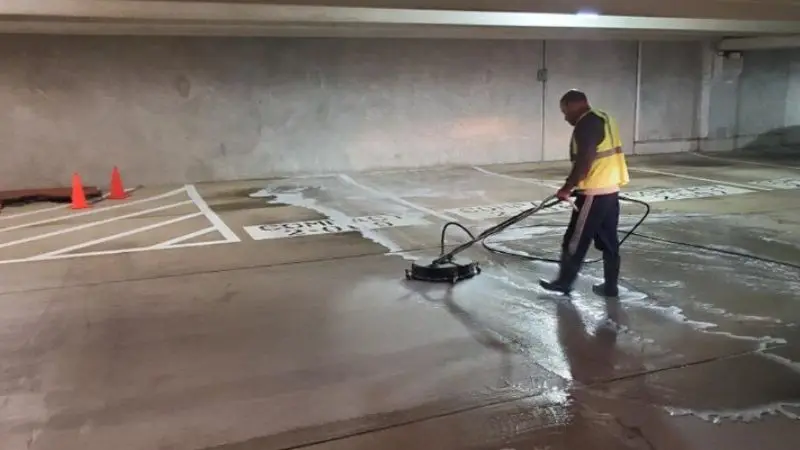
Kvaliteten på resultatene kan bli redusert selv med optimalt utstyr og feil rengjøringsprosedyrer. Vedlikeholdsproblemer med parkeringshus oppstår ofte på grunn av ujevne tidsplaner, feil valg av utstyr eller oversette steder.
Å forhindre vanlige feil forbedrer rengjøringseffektiviteten og bidrar til å holde anlegget i bedre stand. Denne kunnskapen vil også bidra til å bestemme hyppigheten av rengjøring av parkeringshus og hvilke prosedyrer som gir de mest gunstige resultatene på lang sikt.
For lenge ventetid mellom rengjøringer
Prokrastinering er en feil folk gjør ved å vente til skitt og rusk utvikler seg til rot som er vanskelig å rengjøre. Støv, bilrester, løv og søppel er vanlig i parkeringshus, spesielt i områder med mye trafikk. Når rengjøring gjøres sjelden, øker mengden søppel som samler seg, og det tar lengre tid og mer innsats å bli kvitt. Regelmessig rengjøring bidrar til å unngå opphopning av overdreven skitt og sikrer at overflater er mer håndterbare.
Rengjøringshyppigheten bestemmes av kjøretøytrafikk, vær og garasjens plassering. Rutinemessig rengjøring med en feiemaskin kan redusere opphopning av tung smuss betydelig og gjøre planlagt vedlikehold mye enklere. Å forstå hvor ofte et parkeringshus bør feies, hjelper anleggsforvaltere med å lage en tidsplan som sikrer orden og minimerer unødvendige vedlikeholdsproblemer.
Manglende hjørner og kanter
Hjørner, vegger, søyler og kanter er ikke synlige under vanlig feiing, men de kan holde på skjult rusk. Smuss trekkes ofte mot kantene på grunn av kjøretøyets bevegelse og luftstrøm, og det samler seg opp og påvirker garasjens generelle utseende. Disse trange stedene dekkes ikke alltid godt av store feiemaskiner, og derfor kreves det vanligvis mer oppmerksomhet. Hyppig rengjøring av disse områdene gir et mer grundig resultat og sikrer at rusk ikke havner på åpne områder igjen. Riktig vedlikehold av alle deler av garasjen tas vare på, ikke bare de synlige delene.
Valg av feil feieutstyr
Upassende utstyr kan forsinke og redusere effektiviteten av rengjøringen. For anlegg med begrenset plass eller moderat trafikk er en feiemaskin ofte det mest praktiske og økonomiske valget. Når det gjelder et stort parkeringshus, kan et lite feiemaskin er kanskje ikke gjennomførbart, og omvendt kan en stor maskin finne det vanskelig å manøvrere i trange rom eller travle områder.
Utstyret må være egnet til garasjens størrelse, overflatetypen og mengden avfall som skal samles opp. Støvkontroll er også viktig, siden lukkede garasjer bør ha skikkelig filtrering for å sikre bedre luftkvalitet. Å identifisere passende verktøy er inkludert i å bestemme den mest passende metoden for å feie et parkeringshus, siden passende utstyr forbedrer ytelsen, sparer tid og gir mer ensartede rengjøringsresultater.
Ikke kontroll over støv under feiing
Håndtering av støv er en viktig del av å opprettholde et rent og sunt parkeringsmiljø. Konvensjonelle feiesystemer kan blåse fine partikler opp i luften, der støv kan legge seg på kjøretøy, overflater og området rundt. Støvsugersystemer og riktig filtrering kan bidra til å fange opp mindre partikler under rengjøring. Dette vil forbedre luftkvaliteten og bidra til å forhindre at nylig rengjorte områder blir støvete igjen snart. Lukkede garasjer med begrenset ventilasjon bør også støvhåndteres på riktig måte. Å velge en passende rengjøringsmetode sikrer effektiv fjerning av rusk og kontroll over luftbårne partikler.
Wrap Up
Planlagt rengjøring av parkeringshus holder kommersielle og boligområder rene, sikre og mer praktiske. Passende utstyr, rengjøringsprosedyrer og fokus på områder med mye trafikk kan forbedre resultatene og minimere langsiktige vedlikeholdsproblemer. Å kjenne årsakene bak viktigheten av feiing av parkeringshus kan gjøre det mulig for anleggsforvaltere å utvikle mer optimale rengjøringsprogrammer og beskytte investeringen sin. Enten du velger en feiemaskin For daglig vedlikehold eller større utstyr for omfattende rengjøring, bidrar det å bruke riktig maskin konsekvent til å holde parkeringshusene rene og profesjonelle. Et godt vedlikeholdt garasjeanlegg gjør anlegget til et renere sted for alle som bruker det.
FAQ
Hva betyr feiing av parkeringshus?
Feiing av parkeringshus er en prosess for å rydde opp i smuss, støv, søppel og rusk i parkeringshus med enten manuelle rengjøringsverktøy eller spesialisert feieutstyr for å sikre at parkeringshusene holder seg rene og trygge.
Hvor ofte bør man feie et parkeringshus?
Hyppigheten avhenger av trafikk, vær og beliggenhet. Garasjer med mye trafikk kan trenge feiing hver dag eller ukentlig, mens de med mindre trafikk kanskje ikke trenger så hyppig rengjøring.
Hvor ofte rengjøres parkeringshus?
Rengjøringen av de fleste parkeringshus bør avhenge av bruken. Feiing, støvhåndtering og fjerning av rusk bidrar til å opprettholde et godt utseende, sikkerhet og langsiktig beskyttelse av overflaten.
Hvordan rengjøre et parkeringshus?
Rengjøring av et parkeringshus gjøres best med passende feiemaskiner, en systematisk rengjøringsmetode, start med stort avfall og prioritering av områder med mye trafikk.
Hvorfor er det viktig å feie parkeringshus?
Rengjøring av parkeringshus er viktig ettersom det fjerner farlig avfall, forbedrer sikkerheten, håndterer støv, bevarer overflater og gjør miljøet renere for sjåfører, besøkende og ansatte.