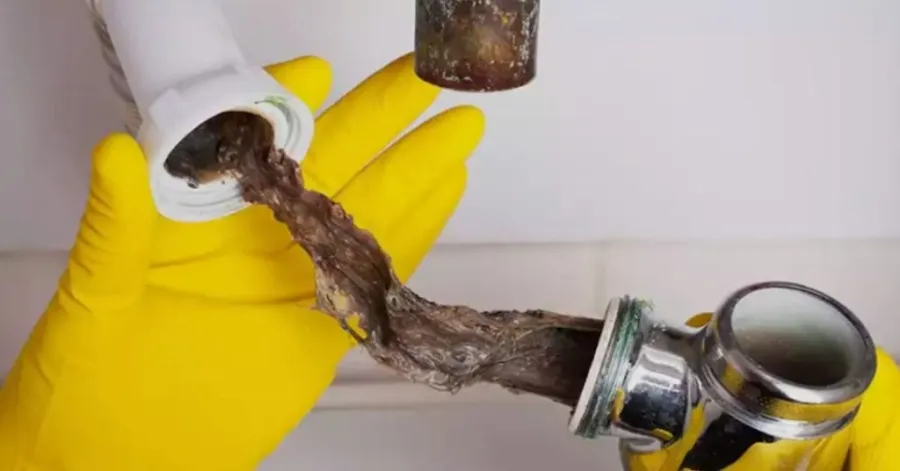
Det er også viktig å rengjøre en vannrør for å holde den frisk, trygg og enkel å bruke. Over tid kan rester, flekker og avleiringer samle seg inne i røret og påvirke ytelsen. Hvordan rengjøre en vannrør er et spørsmål mange stiller seg fordi de ønsker en enkel prosedyre de kan gjøre hjemme. Rengjøring er enkel og effektiv med riktig utstyr og en veldefinert prosess.
A rørinspeksjonskamera kan også bidra til å oppdage skjulte avleiringer i smale eller vanskelig tilgjengelige områder før og etter rengjøring. Dette er en veiledning for hvordan du gjør den enkleste forberedelsen til grundig rengjøring og vedlikehold. Enten du vet hvordan du rengjør et tett vannrør hjemme eller ønsker en trinnvis veiledning for rengjøring av vannrøret ditt, vil denne artikkelen hjelpe deg med å forstå hvert trinn klart og praktisk.
Gjør deg klar til å rengjøre et vannrør på en trygg og riktig måte
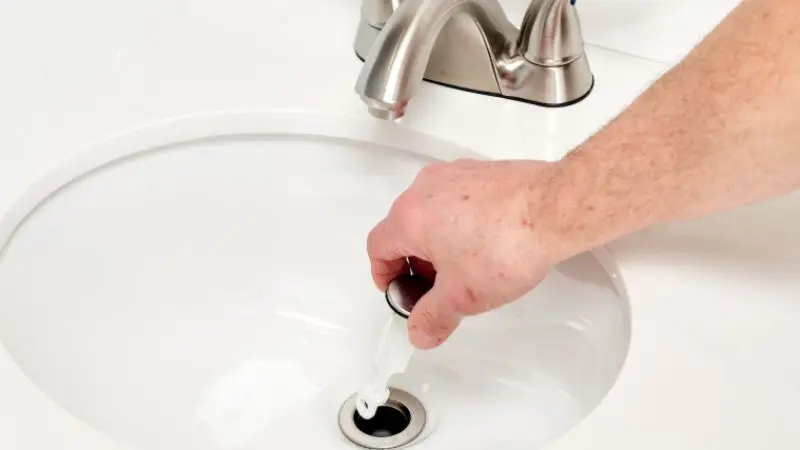
Du bør gjøre alt klart før rengjøring. En riktig installasjon sparer tid og forenkler hele prosessen. Det forhindrer deg også i å gjøre feil når du arbeider med ulike rengjøringsmidler. Når folk søker informasjon om hvordan de skal rengjøre et vannrør, overser de ofte dette trinnet, men forberedelse er den viktigste delen av prosessen.
Når du har en trinnvis veiledning for rengjøring av vannrør, vil du alltid innse at forberedelse er det første steget. Det gir et ryddig arbeidsområde og gjør deg også organisert. Så snart alt er forberedt, vil den virkelige rengjøringen være mye mer effektiv og virkningsfull.
Viktige rengjøringsartikler du trenger
Det første steget for å rengjøre et avløpsrør (vask eller kloakkrør) er å ha riktig rengjøringsutstyr. Disse materialene bidrar til å fjerne fett, såpeavleiringer, matrester og mineralavleiringer som samler seg i husets avløpssystem over tid.
Noen typiske forsyninger å lage:
- Avløpssikkert rengjøringsmiddel eller natron og eddik (hjelper med å løse opp fett og opphopning)
- Varmt vann (fjerner løst rusk og forbedrer flyten)
- Rørbørste/avløpsslange (løsner harde hindringer i røret)
- Gummihansker (hold hendene rene og fri for smuss og bakterier)
- Bøtte eller beholder (for å samle vann ved arbeid med rørseksjonene, for eksempel en vannlås)
Disse grunnleggende tingene er vanligvis tilstrekkelige når man vurderer de beste måtene å rengjøre tette vannrør i huset. For bedre resultater, en rørinspeksjonskamera kan også hjelpe deg med å sjekke skjulte områder inne i vannrøret etter rengjøring for å sikre at det ikke er rester eller blokkeringer igjen. Du trenger ikke å bruke kostbart utstyr; du trenger bare den riktige blandingen av enkle materialer. Etter innsamling kan de brukes til å rengjøre røret og gjenopprette vannstrømmen.
Enkle husholdningsalternativer for rengjøring
Hvis du mangler vanlige rengjøringsmidler, kan du fortsatt lære å rense et tett vannrør hjemme ved hjelp av kjøkkenutstyr. Dette er trygge alternativer, billige og lett tilgjengelige i de fleste husholdninger. De er også effektive mot lett til moderat opphopning i rør.
Noen vanlige husholdningsalternativer er eddik, natron og sitronsaft. Eddik vil bidra til å løsne smuss og løse opp rester. Natron er et mildt slipemiddel som kan fjerne flekker når det kombineres med vann. Sitronsaft vil gi en frisk lukt og vil også hjelpe til med lettere rengjøring.
Disse milde teknikkene er mer populære blant folk som lærer å fjerne opphopning i vannrør naturlig, ettersom de ikke bruker sterke kjemikalier. En skummende reaksjon oppstår når eddik og natron blandes, noe som er nyttig for å fjerne smuss fra indre overflater. Disse basiske stoffene kan brukes regelmessig for å vedlikeholde rør og holde dem i god stand.
Steg-for-steg-guide for riktig rengjøring av et vannrør
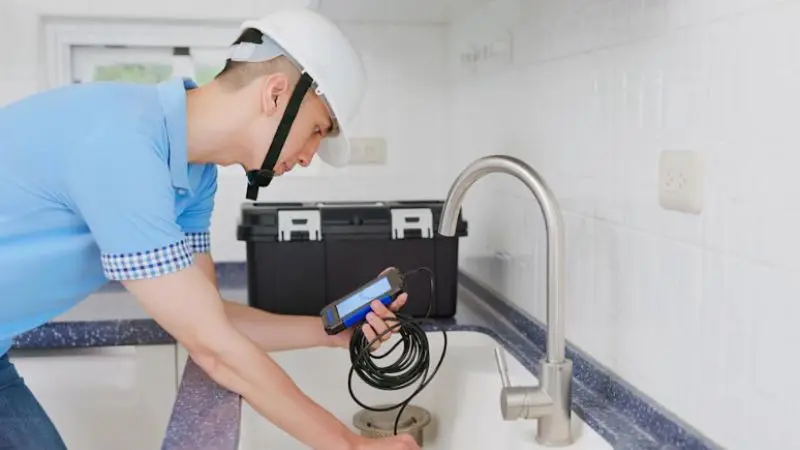
Det er viktig å rengjøre avløpet eller kloakkledningen i en vask for å sikre jevn vannstrøm, eliminere vond lukt og forhindre tilstopping. Mange leter etter hvordan de kan rengjøre et vannrør hjemme, og søker en enkel og effektiv teknikk som ikke krever profesjonelt utstyr. Det kan trygt rengjøres med de riktige materialene og med en tydelig prosess som lar deg gjenopprette normal drenering.
Dette er en trinnvis prosess for å rengjøre en tett vask eller et avløpsrør i en bolig. Alle trinnene er enkle å følge og bidrar til å fjerne fett og rusk som kan bygge seg opp i røret over tid.
Trinn 1: Demonter og spyl avløpsområdet
Begynn med å rense eventuelle avløpsdeksler eller rørområder under vasken, der det er mulig. Dette vil gjøre det enklere å rengjøre røret. Skyll avløpet med varmt vann for å vaske bort løst rusk, såpeskum og opphopning på overflatene.
Dette er det første trinnet for å vite hvordan man rengjør et vannrør, siden det vil forberede systemet til videre rengjøring, og rengjøringsløsningen vil være mer effektiv. Før du fortsetter, kan eventuelle fastklemte partikler løsnes med en liten børste eller piperenser.
Trinn 2: Bruk alkohol og salt for dyp rengjøring
Lag deretter en rengjøringsløsning med isopropylalkohol og grovt salt. Alkoholen hjelper med å løse opp fett, oljer og klebrige avleiringer, og salt fungerer som et skrubbemiddel for å løsne harde avleiringer i røret.
Avtakbare elementer i avløpssystemet: legg dem i en lukket plastpose eller beholder med samme løsning. Det er en populær metode som brukes for å rengjøre vannrør i husholdninger uten sterke kjemikalier, og det er en enkel og effektiv måte å rengjøre på.
Sørg for at alle åpninger er ordentlig forseglet for å forhindre lekkasje når du håndterer eller flytter løsningen.
Trinn 3: Rist og la det trekke
Rist røret eller den forseglede beholderen forsiktig i ett minutt for å forsikre deg om at rengjøringsløsningen dekker alle innvendige overflater. Denne bevegelsen bidrar til å fjerne smuss, fett og flekker som kan være fanget i rørveggene.
Ved store blokkeringer eller høy opphopning, la løsningen trekke i omtrent 20–30 minutter. Dette bidrar til å mykgjøre de herdede restene og gjøre det lettere å fjerne dem senere.
Dette er spesielt nyttig i undervisningen i hvordan man fjerner opphopning i et vannrør, siden det reduserer den kraftige skrubbingen.
Trinn 4: Skrubb og skyll grundig
Etter bløtlegging, skrubb innsiden av røret med en rørbørste, fleksibel avløpsrens eller bomullspinner. Vær oppmerksom på smale flekker og sprekker der smuss ofte samler seg.
Når skrubbingen er ferdig, skyll alt med varmt vann til alle spor av alkohol, salt eller løst rusk er vasket bort. Dette gjør røret rent, trygt og gjenbrukbart. Hvis det er flekker eller opphopninger igjen, gjenta prosedyren for å oppnå bedre resultater.
Trinn 5: Inspiser vanskelig tilgjengelige områder med et rørinspeksjonskamera
@small.engine.repa Inspeksjon av kloakkkamera #kloakkrør #undersøkelse #kamera #fyp
♬ original lyd – lite motorverksted
Etter rengjøring og skylling bør det sørges for at det ikke er noen skjulte hindringer eller rester i røret. Dette trinnet kan i stor grad hjelpes av en rørinspeksjonskamera, spesielt i lange, buede eller smale dreneringssystemer der sikten er dårlig.
Denne enheten lar deg visuelt overvåke rørets indre tilstand og vil bidra til å avgjøre om rengjøringen var effektiv. Skulle det bli igjen noen opphopninger, kan du bare rengjøre på disse spesifikke stedene, i stedet for å gå gjennom hele prosessen på nytt.
Et intelligent tillegg til å lære hvordan man rengjør et kloakkrør riktig er å bruke et rørinspeksjonskamera, da det sikrer at røret er rent og bidrar til å forhindre fremtidige blokkeringer.
Fjerning av gjenstridige rester og rengjør avløpsrøret
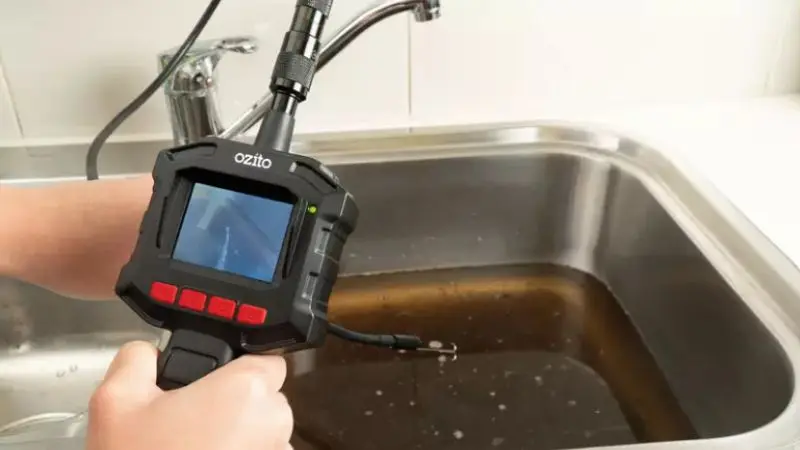
Vasken, avløpet eller kloakkrørene kan samle opp store avleiringer over tid, inkludert fett, såpeskum og mineralavleiringer. Disse lagene har en tendens til å bli mer polerte og feste seg til innerveggene, noe som gjør dem vanskeligere å fjerne ved bare skylling. Dyp rengjøringsteknikker og regelmessig vedlikehold bør være et fokus når man lærer hvordan man rengjør et vannrør riktig under tøffe forhold, slik at det ikke oppstår opphopning over tid.
Mange spør seg selv hvordan de best kan rengjøre avløpsrør i husholdninger. Trikset er imidlertid ikke bare å rengjøre dem én gang og glemme det, men å håndtere gjenstridig smuss og holde rørene i god stand over tid.
Dyp rengjøring for gjenstridig oppbygging
Et avløpsrør kan ha store mengder rester som ikke kan vaskes ut ved å bare skylle det ned, og det trenger en mer grundig rengjøringsmetode. Begynn med å helle en passende avløpssikker rengjøringsløsning og la den virke i røret i noen minutter. Dette vil bidra til å løsne fett, slam og harde avleiringer som sitter fast på de indre overflatene.
Etter bløtlegging kan spyling med varmt vann bidra til å fjerne løsnet avfall. For avtakbare seksjoner, som P-vannlåser, kan en rørrengjøringsbørste brukes til å rengjøre trange steder der det er sannsynlig at det vil samle seg mye avfall.
Gjentatt bløtlegging og spyling kan være nødvendig i mer utfordrende tilfeller inntil vannstrømmen blir bedre. Denne teknikken er spesielt nyttig når man skal lære noen å rengjøre et tett vannrør hjemme, ettersom det ofte kreves mer enn én rengjøringssyklus for å fjerne en notorisk tilstopping.
Feilsøking av vanlige rengjøringsproblemer
Selv etter rengjøring kan det noen ganger oppstå problemer. Det vanligste problemet er vond lukt, som ofte oppstår når avfall eller fett fortsatt sitter fast i utilgjengelige deler av avløpet. Under slike omstendigheter er det mulig å rengjøre røret med varmt vann og en liten mengde rengjøringsmiddel for å nøytralisere lukt og rengjøre systemet.
Det andre problemet er langsom drenering eller dis fra rester, vanligvis forårsaket av mineralforekomster eller herdet fett. Lett rengjøring av tilgjengelige rørområder med en børste kan brukes for å sikre at rørene går tilbake til normal strømning. Når problemer oppstår, kan det være nødvendig å gjenta rengjøringsprosessen, ettersom dype ansamlinger ofte svekkes over tid.
Etter rengjøring, en rørinspeksjonskamera kan også være nyttig for å oppdage skjulte hindringer eller ansamlinger i dreneringssystemet i smale eller buede rør.
Ofte oppdager folk som sliter med å vite hvordan de skal fjerne opphopning i vannrør at det ofte er nødvendig med flere rengjøringsprosedyrer før vannrørene kan renses helt.
Slik holder du avløpsrøret rent med rutinemessig pleie
Når vedlikeholdet er observert, er det mye enklere å rengjøre et avløpsrør. Unngå å bruke vasker til å kvitte seg med fett, matavfall og olje under helling, siden de er de viktigste bidragsyterne til opphopning. Regelmessig spyling av avløpet med varmt vann kan bidra til å forhindre at rester stivner i røret.
Noen ganger kan rengjøring med svake løsninger også bidra til å holde vannet flytende, samt minimere lukt. Vedlikehold av avløpsområdet og å forhindre at rusk kommer inn i røret er viktig for langsiktig ytelse.
Dette er ett av trinnene i en praktisk trinnvis veiledning for rengjøring av vannrør som bidrar til bedre drenering, færre blokkeringer og enklere vedlikehold på lang sikt.
Wrap Up
Når du har en skikkelig rutine, er det ikke vanskelig å holde vannrøret rent. Hyppig rengjøring kan forhindre opphopning, minimere lukt og forbedre ytelsen. Prosessen er billig og enkel, og bruker ting som alkohol, salt, eddik eller natron. Når du vet hvordan du fjerner opphopning i vannrør naturlig, kan du ta vare på røret ditt uten å bruke sterke kjemikalier. Det anbefales å dyprengjøre når restene er synlige, og å utføre en lett skylling etter hver bruk. Når du følger den optimale metoden for rengjøring av rørene i huset, vil du få langvarig renslighet, forbedret ytelse og en forbedret opplevelse hver gang du bruker rørene dine.
FAQ
Hvor mange ganger rengjør du et avløpsrør?
Rengjøring av avløpsrøret bør gjøres med jevne mellomrom, basert på bruk. I kjøkkenvasker vil en kraftig spyling med varmt vann minst én gang i uken føre til at det bygges opp avleiringer. En grundigere vask anbefales etter et par uker, eller når du merker treg avløpsrenne eller ubehagelig lukt. Hyppig rengjøring bidrar til å forhindre at fett, såperester og rusk stivner til en blokkering.
Bruker du oppvaskmiddel til å rengjøre et avløpsrør?
Ja, grunnleggende rengjøring og vedlikehold kan utføres med bruk av oppvaskmiddel. Det hjelper med å fjerne lett fett og ferske avleiringer når varmt vann brukes til å skylle det ned. Ved alvorlige blokkeringer eller rester som er vanskelige å rengjøre, er imidlertid mer effektive metoder som natron, eddik eller avløpssikre rengjøringsmidler vanligvis mer effektive.
Hva skal man gjøre med et ekkelt avløpsrør?
Når avløpsrøret ditt lukter vondt, indikerer det vanligvis at det er avfall eller fett inni. Varmt vann, natron og eddik kan tilsettes for å hjelpe med luktfjerning. Regelmessig spyling av avløpet og forebygging av opphopning av fett vil også fjerne lukten.