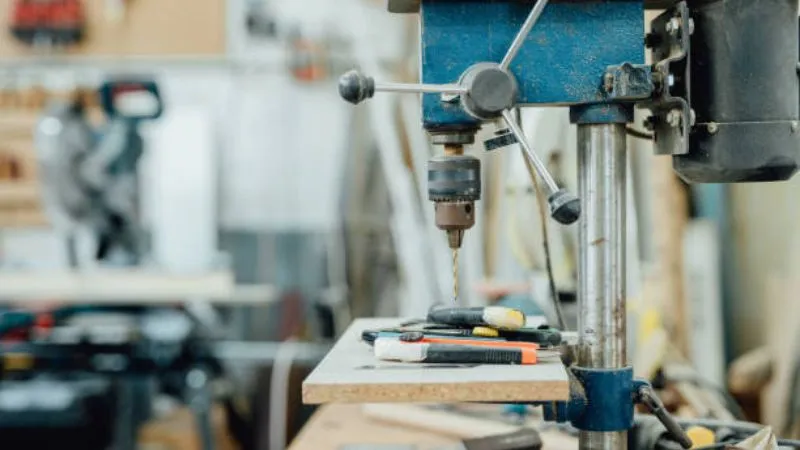
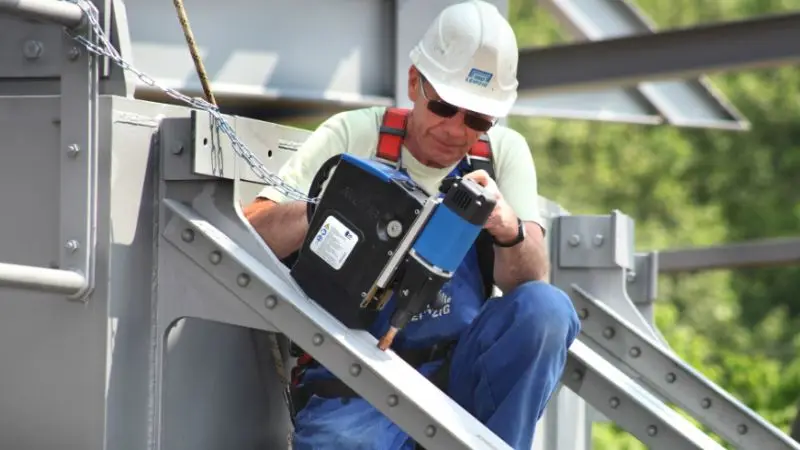
Beslutningen om maskineringsmetode bør tas for å oppnå nøyaktige hull av høy kvalitet, forbedre effektiviteten og redusere produksjonskostnadene. Boring kontra boring sammenlignes ofte fordi de begge er forbundet med maskinering av hull; de har imidlertid forskjellige bruksområder. Boring forstørrer et eksisterende hull, mens boring lager et nytt. Disse forskjellene lar deg velge den beste tilnærmingen for materialet ditt, prosjektets behov og din foretrukne finish. Denne veiledningen beskriver funksjonaliteten til hver prosess, sammenligningen av dem i bruk og årsakene til at én metode er bedre enn den andre. Du kan også lære hvordan du velger riktig metode. magnetisk drill for profesjonell metallboring.
Innholdsfortegnelse
Boring vs. boring: Hva er forskjellen?
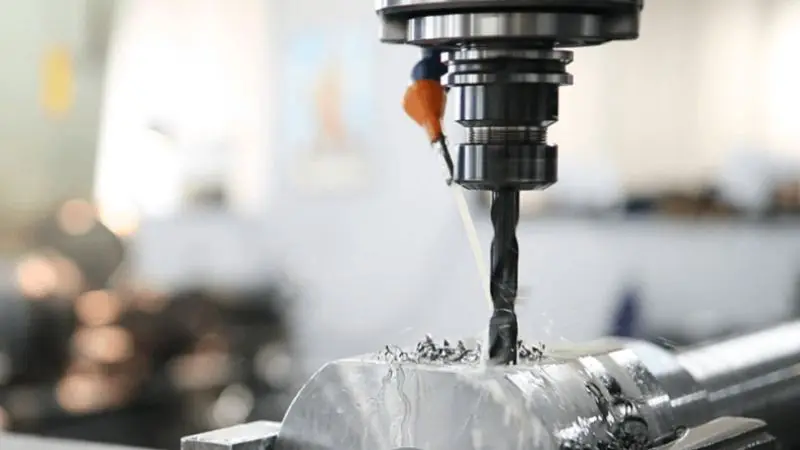
Det er viktig å vite forskjellen mellom boring og boring før du bestemmer deg for hvilken maskineringsteknikk du skal bruke. Selv om begge prosessene innebærer å produsere eller forstørre hull, er de forskjellige og har forskjellige resultater. Å kjenne til boring- kontra boreprosessen hjelper deg med å velge riktig operasjon basert på nøyaktighet, hullstørrelse og materialet du jobber med.
Anbefalt for ditt prosjekt
Hva er boring og hvordan fungerer det?
Boring er en maskineringsoperasjon som innebærer å åpne et nytt hull i et fast materiale ved hjelp av en roterende bore borebit. Kantene på boret skjærer bort materiale når verktøyet går inn i arbeidsstykket, og etterlater et rundt hull. Boring er mye brukt i produksjon, konstruksjon, metallfabrikasjon, trebearbeiding og vedlikehold; det er raskt og effektivt. Når det ikke finnes noe hull, er det vanligvis den første prosessen i maskinering. Ved boring kontra boring i maskinering handler boring om å danne det første hullet så snart som mulig. Det ferdige hullet har imidlertid kanskje ikke de ønskede dimensjonene eller en glatt overflate som trengs for presisjonsapplikasjoner, så ytterligere maskinering er nødvendig.
Hva er kjedelig, og hvordan fungerer det?
Boring er en maskineringsprosess som brukes til å utvide, raffinere eller rette opp et eksisterende hull i stedet for å produsere et nytt. Et ettpunkts skjæreverktøy eller borehode fjerner en liten mengde materiale fra innsiden av hullet for å forbedre diameteren, justeringen, rundheten og overflatefinishen. Fordi bare et tynt lag med materiale fjernes, er boring en svært presis og konsistent prosess. Den brukes vanligvis innen bilindustrien, luftfart, tungt utstyr og industriell produksjon der stramme toleranser er en faktor. Hele diskusjonen om boring kontra boring har alltid understreket at boring er et etterbehandlingsarbeid som tar sikte på å forbedre kvaliteten på hullene i stedet for å lage det første hullet.
Boring vs. boring: De viktigste forskjellene forklart
Den største forskjellen mellom boring og boring er målet med hver prosess. Boring er teknikken som lager et helt nytt hull, mens boring brukes til å forbedre et eksisterende hull. I en analogi mellom boring og boring gjør hastigheten og produktiviteten til boring det passende for å lage hull generelt. Boring gir imidlertid høyere dimensjonsnøyaktighet, bedre overflatefinish og justering. Hvis et boret hull er overdimensjonert, underdimensjonert eller litt utenfor sentrum, korrigerer boring feilen med nøyaktighet. Å forstå hele boring- kontra boreprosessen forenkler valget av en passende maskineringsoperasjon og bidrar til å oppnå ideelle resultater for hvert prosjekt.
Når bør du velge boring eller boring?
Boring og urboring er begge viktige i maskinering, men det avhenger av prosjektets behov hvilken man skal bruke. Avgjørelsen avhenger av faktorer som hullnøyaktighet, materialtype, produksjonshastighet og finishkvalitet. Å forstå når man skal bore kontra å bore vil hjelpe deg med å forbedre maskineringseffektiviteten og lage komponenter av høyere kvalitet.
Når boring er det riktige valget
Boring er mest passende når du trenger å åpne et nytt hull så effektivt og raskt som mulig. Det er effektivt med stål, aluminium, støpejern, tre, plast og en rekke andre materialer som brukes i produksjon og konstruksjon. De vanligste typene bor er borepresser, håndholdte driller og magnetiske driller på grunn av deres dokumenterte ytelse og evne til å produsere hull i samme størrelse. Bruksområder: I tilfeller der moderat nøyaktighet er nødvendig og produksjonshastighet er viktig, er boring det beste valget. I de fleste maskineringsprosesser fullføres boringen først, etterfulgt av boring, opprømming eller gjenging for å oppnå finere toleranser og glatte innvendige overflater.
Når kjedelig er det bedre alternativet
Boring bør velges når et eksisterende hull må være mer nøyaktig eller ha en høyere overflatefinish. Det brukes til å forstørre hull, forbedre rundhet, korrigere justeringsfeil og oppnå stramme dimensjonstoleranser. Prosessen er typisk i motorblokker, hydrauliske sylindere, maskinkomponenter og industrimaskiner, der presisjon direkte påvirker ytelsen. Siden boring etterlater svært lite materiale, gir det god kontroll over hullstørrelsen. Boring er den foretrukne maskineringsoperasjonen når presisjon er viktigere enn hastighet, og gir mer konsistente resultater av høy kvalitet sammenlignet med boring alene.
Hvilke materialer kan du bore eller bore?
Både boring og boring kan utføres på et svært bredt spekter av materialer, som karbonstål, rustfritt stål, støpejern, aluminium, messing, kobber, titan og teknisk plast. Riktig maskineringsprosess bestemmes av materialegenskapene, hullstørrelsen og den nødvendige finishen. Mykere materialer har en tendens til å bore raskere, mens hardere metaller kan kreve lavere skjærehastigheter og spesialverktøy. Boring brukes vanligvis etter boring, uavhengig av materiale, for større presisjon eller glattere hullvegger. Å vite forskjellen mellom boring og boring i maskinering er nyttig for å velge riktig prosess, skjæreverktøy og ... maskin innstillinger for å oppnå pålitelige og høykvalitets maskineringsresultater.
Hvordan velge mellom kjedelig og borende
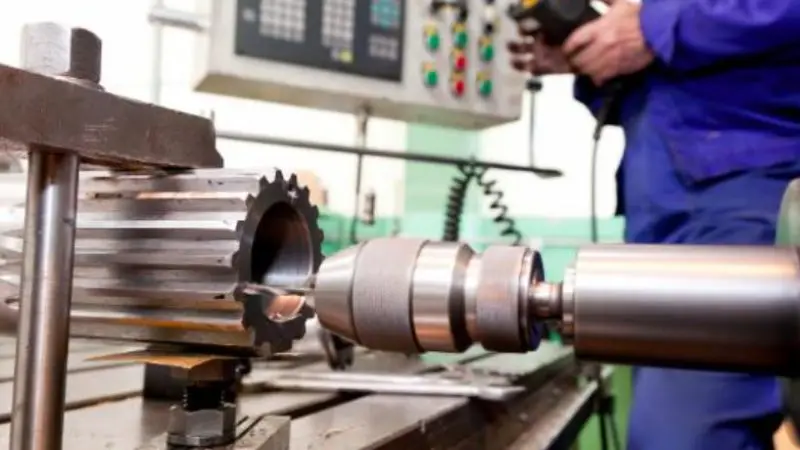
Valget av maskinering Metoden er viktig for å oppnå best mulig resultat. Valget vil være basert på hullets størrelse, materialtype, nøyaktighet og produksjonskostnader. Boring kontra boring vil gjøre det mulig for deg å velge prosessen som gir den kvaliteten og effektiviteten prosjektet ditt krever uten unødvendig maskinering.
Vurder hullstørrelsen og nøyaktigheten du trenger
De første hensynene før du velger en maskinering Teknikkens avgjørelser er størrelsen på hullet som trengs og graden av nøyaktighet som kreves. Den er mer passende når du må lage et nytt hull og gjøre det så raskt og effektivt som mulig. Men der hullet trenger presise dimensjoner, større justeringsnøyaktighet eller en jevnere innvendig overflate, er boring den foretrukne metoden. Dette gir tydelig svar på forskjellen mellom boring og boring. Det første hullet lages ved boring, etterfulgt av boring for å oppfylle de nødvendige ingeniørstandardene. Å velge riktig prosess basert på nøyaktighetsbehov forbedrer maskineringskvaliteten og reduserer behovet for ytterligere reparasjoner.
Velg riktig metode for materialet ditt
Materialet som bearbeides er en viktig faktor for å avgjøre hva som er best å bruke, enten boring eller boring. Selv om begge metodene kan brukes til å bearbeide metaller som karbonstål, rustfritt stål, støpejern, aluminium, messing og kobber, kreves det riktig verktøy og skjærehastigheter. Jo hardere materialet er, desto lavere hastighet og jo kraftigere kan skjæreverktøyet være, og jo mykere materialet er, desto raskere kan det bearbeides. Boring brukes vanligvis i boring vs. boring-prosessen, hvor det første hullet lages ved boring, og deretter startes boreprosessen når det er behov for mer nøyaktighet eller en finish. Kompatibiliteten til maskinering Metoden og materialet bidrar til å forbedre verktøyets levetid og ytelse.
Sammenlign hastighet, kostnad og presisjon
Alle maskineringsprosjekter krever en balanse mellom produksjonshastighet, driftskostnader og hullkvalitet. Borehastigheten og kostnadseffektiviteten gjør den mer passende i storvolumsproduksjon, siden boring bare krever at man lager hull på én gang. Boring er tregere, men gir bedre dimensjonsnøyaktighet, bedre rundhet og en glattere overflatefinish. En sammenligning av boring og hullboring viser at begge tilnærmingene har sine fordeler, avhengig av prosjektets art. Å forstå forskjellen mellom hullboring og hullboring kan bidra til å redusere feil i maskinering prosesser, redusere avfallsmateriale og lage komponenter innenfor eksakte tekniske krav.
Hvordan velge riktig magnetisk drill
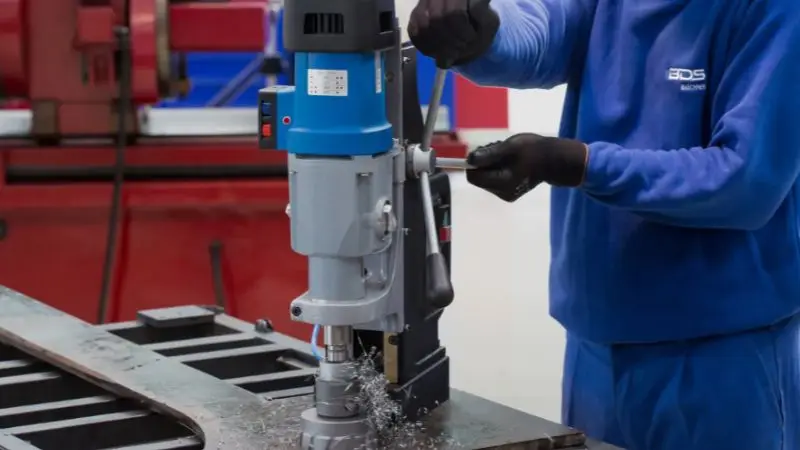
En magnetisk drill av høy kvalitet vil gjøre metallboring raskere, tryggere og mer presis. Riktig maskin gir jevn ytelse, minimerer vibrasjoner og lager renere hull i konstruksjonsstål og andre jernholdige metaller. Valg av en magnetisk drill basert på arbeidsmengden og produktiviteten din vil forbedre effektiviteten og gi jevn borekapasitet på ethvert prosjekt.
Hvorfor bruke en magnetisk drill til metallboring?
Magnetiske bor er konstruert for å bore nøyaktige hull i stål og andre magnetiske metaller med høy stabilitet. Den sterke elektromagnetiske basen holder maskinen godt på plass under drift og forbedrer borepresisjonen. Dette gjør det mulig magnetiske driller skal brukes i stålkonstruksjoner, brobygging, utstyrsproduksjon, skipsbygging og industrielt vedlikehold. De etterlater renere hull enn håndholdte driller, forårsaker mindre operatørtretthet og er tryggere å bruke, spesielt ved boring i vertikale flater eller over hodet. De er også kompatible med ringskjærere og spiralbor, noe som betyr at de kan brukes i en rekke profesjonelle metallbearbeidinger.
Hva du skal se etter i en magnetisk drill
Før du kjøper en magnetisk drill, sammenlign funksjonene som passer best til dine arbeidsbehov. Borekapasiteten bestemmes av motoreffekten og maskinens stabilitet, og operatørsikkerheten av magnetisk holdekraft. Andre viktige egenskaper inkluderer maksimal borediameter, skjæredybde, spindeltype, variabel hastighet, overbelastningsbeskyttelse og total maskinvekt. Bedre ytelse og økt levetid oppnås også med en kvalitetsramme som er slitesterk, enkel å bruke og kompatibel med ringkuttere av høy kvalitet. Å ta hensyn til disse egenskapene vil hjelpe deg med å investere i en maskin som gir pålitelig boreeffekt over tid.
Slik velger du den beste magnetiske drillen for jobben din
For magnetiske driller vil valget av riktig magnetisk drill avhenge av hva slags arbeid du skal utføre mesteparten av tiden. Små modeller er best egnet for vedlikehold, reparasjon og lett fabrikasjon siden de er praktiske å transportere og kan fungere på trange steder. Under tung belastning magnetisk boring, en drill er mer passende for tykke stålplater, konstruksjonsbjelker og krevende industrielle applikasjoner der større hull er nødvendig. Boredybden du trenger, strømkilden, bærbarhet og kompatibilitet med skjæreverktøyene dine bør også vurderes. Å velge en magnetisk drill for din daglige arbeidsmengde vil øke produktiviteten, forbedre borenøyaktigheten og gi pålitelig ytelse på tvers av et usedvanlig variert spekter av metallbearbeidingsjobber.
Wrap-Up
Å lære seg boring kontra boring vil gjøre det mulig for deg å velge den mest effektive maskineringsprosessen å bruke i hvert prosjekt. Selv om boring er best når du trenger å utvikle nye hull på kort tid, er boring mer presist siden det forbedrer eksisterende hull til de nødvendige spesifikasjonene. Valget av riktig metode er basert på materialtype, hullpresisjon, hastighet og produksjonskostnad. For å forbedre ytelsen, sikkerheten og effektiviteten til metallbearbeiding, bør du investere i en god magnetisk drill gir flere fordeler for boreytelsen. Med prosesskunnskap og riktig utstyr kan du oppnå renere hull, forbedret overflatefinish og pålitelige maskineringsresultater for både profesjonell produksjon og industrielle fabrikasjonsprosjekter.
Spørsmål og svar
Hva mener du med boring kontra boring?
Boring brukes til å lage et nytt hull med en borekrone, og boring brukes til å utvide og forbedre et eksisterende hull for å forbedre nøyaktigheten, justeringen og overflatefinishen.
Hva er forskjellen mellom boring og boring?
Boring brukes når et hull som allerede eksisterer må være mer presist, rundt, strammes til strammere toleranser, eller ha en glattere indre overflate enn det som kan oppnås ved boring.
Har en magnetisk drill muligheten til å utføre en boreoperasjon?
Magnetiske bor er hovedsakelig ment for boring. Boring innebærer vanligvis spesielle boreverktøy eller maskinering som brukes til å utvide og komplettere eksisterende hull med høy grad av presisjon.
Boring eller boring, hva er mest nøyaktig?
Boring har en tendens til å være mer presist siden det finsliper et eksisterende hull, forbedrer justeringen, oppnår mindre toleranser og gir en glattere innvendig overflate sammenlignet med boring.
Hva kan bores og kjedes?
Når passende skjæreverktøy brukes og passende maskineringsparametere anvendes, kan begge prosessene brukes på stål, rustfritt stål, støpejern, aluminium, messing, kobber, titan og teknisk plast.