Een lekkend dak brengt twee problemen met zich mee die tegelijkertijd aangepakt moeten worden. Ten eerste moet de inhoud van het huis beschermd worden. Ten tweede moet voorkomen worden dat er nog meer water van bovenaf binnendringt. De meeste handleidingen gaan direct over op de reparatie van het dak en slaan de bescherming van de binnenkant volledig over. Dit betekent dat alles in de kamer eronder beschadigd raakt terwijl je aan het werk bent.
Deze handleiding beschrijft hoe u een lekkend dak vanuit twee invalshoeken kunt repareren, inclusief hoe u een lekkend dak van binnenuit kunt repareren. plastic zeilenHoe je het dak aan de buitenkant kunt afdekken om actieve regeninsijping te voorkomen, en welke producten voor het repareren van daklekkages handig zijn om in huis te hebben voordat je ze nodig hebt.
Stap 1: Bescherm eerst het interieur
Voordat iemand het dak op gaat, bescherm eerst de binnenkant van het huis. Water dat al binnendringt, zal blijven binnendringen totdat de reparatie aan de buitenkant is voltooid. Die periode, of het nu een paar uur of een paar dagen duurt, kan ernstige schade veroorzaken als er niets aan gedaan wordt.
Maak het getroffen gebied vrij en dek het af.
Verplaats meubels, elektronica en alle waardevolle spullen uit het getroffen gebied. Vervolgens:
- Plaats emmers of andere opvangbakken onder de druppelende plekken.
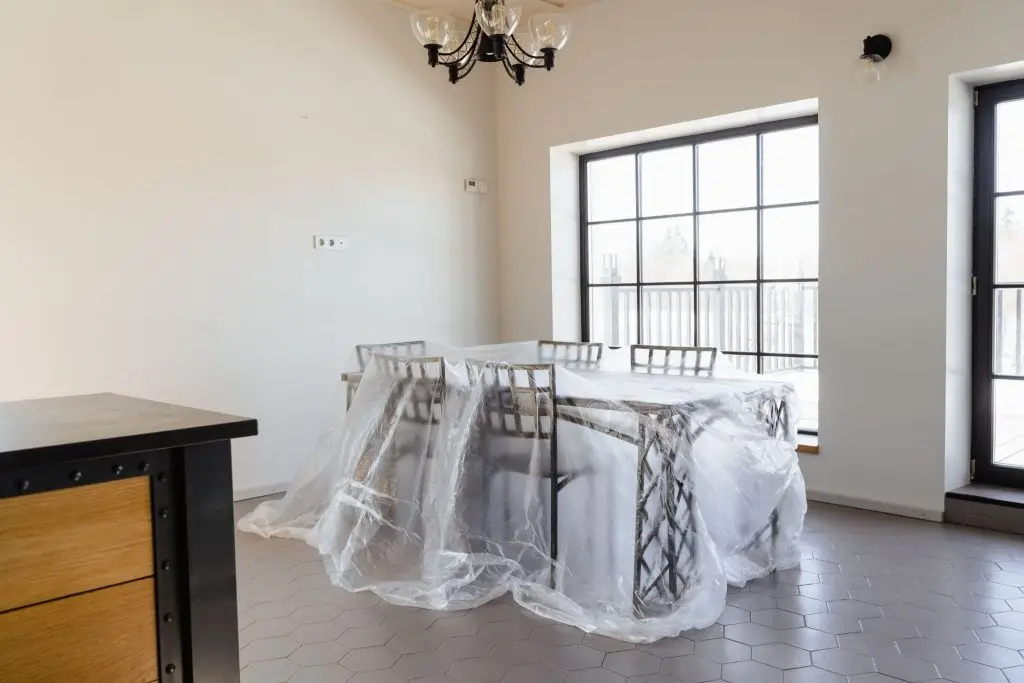
- Bedek de vloer Bedek het gebied onder het lek met dik plastic zeil, dat minstens 3 tot 4 centimeter uitsteekt voorbij het gebied dat aan alle kanten nat lijkt te zijn.
- Als er een lamp of ander armatuur aan het plafond hangt, schakel dan de stroomtoevoer uit bij de stroomonderbreker.
Het druppelpatroon begint bij het punt waar het water door het dak, via de dakconstructie, naar het plafond lekt. De locatie van het natte plafond komt dus niet altijd overeen met de bron van de lekkage.
Hoe repareer je een lekkend dak van binnenuit: bescherming van de zolder
Als u toegang heeft tot uw zolder, doe dat dan en zoek de bron van het lek. Water dat de zolder binnendringt, is te herkennen aan nat hout, vlekken op de balken en zelfs druppelend water bij regen.
Zodra u de bron van de waterlekkage hebt gevonden, moet u van binnenuit een tijdelijke oplossing treffen totdat het probleem van buitenaf is verholpen. Dit proces omvat:
- Dicht de exacte plek waar het water binnendringt af met dakcement of waterdichte tape.
- Bedek de zoldervloer in de buurt van de lekkagebron met plastic folie.
- Zorg ervoor dat de plastic folie stevig op zijn plaats blijft door er houten balken omheen te plaatsen.
Voor het bekleden van een groot zolderoppervlak met vinylfolie, is een rol met breed formaat voldoende om een groter gebied in minder banen te bedekken. VEVOR 6mil plastic folie, 24 x 100 ftHet materiaal kan snel over de vloerconstructie van de zolder worden aangebracht en biedt betrouwbare vochtbescherming terwijl u de reparatie aan de buitenkant uitvoert.
Stap 2: Bedek het dak vanaf de buitenkant.
Nu het interieur waterdicht is gemaakt, is de volgende stap ervoor te zorgen dat er tijdens de volgende regenbui geen water in het gebouw kan komen.
- Lokaliseer de volledige lekkagezone op het dak.
- De plek waar het water binnendringt, bevindt zich over het algemeen hoger op de helling dan waar u het lek binnen aantrof.
- Knip een stuk plastic folie af dat lang genoeg is om het hele gebied te bedekken, plus een rand van 1,2 meter (4 voet) eromheen aan alle kanten, zelfs tot aan de top van de helling.
- Bedek de gehele nok met de dakbedekking; laat deze aan beide zijden van het dak naar beneden hangen. Dit voorkomt dat de wind het materiaal omhoog blaast of dat er water onder de dakrand doorloopt.
- Verzwaar de randen met zandzakken, stukken hout of dakspijkers.
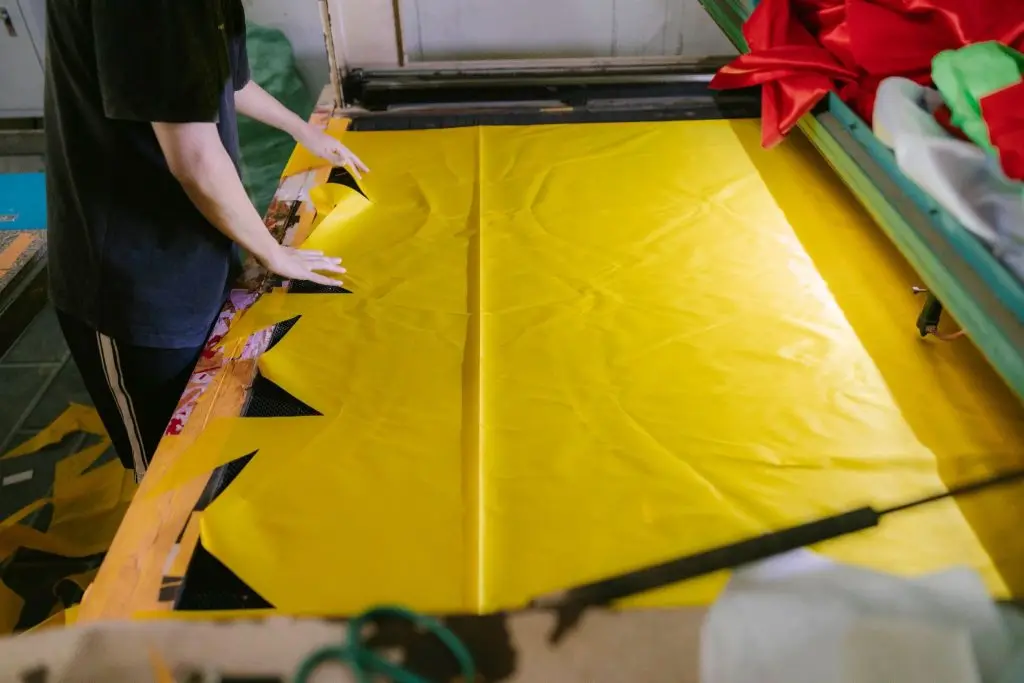
Voor een standaard dakgedeelte van een woonhuis is een rol van 10 meter breed voldoende om de meeste reparatiezones ruimschoots te dekken. VEVOR 10mil plastic folie, 10 x 100 ft, Het is dik genoeg om scheuren door windbelasting en UV-straling te weerstaan, en de lengte van 30 meter (100 voet) biedt voldoende materiaal voor een royale dekking zonder dat je hoeft te knippen en plakken.
Voor grotere dakoppervlakken of steilere hellingen waar meer dekking nodig is, VEVOR 14mil plastic folie, 10 x 100 ft Biedt een robuustere bescherming die langer meegaat als tijdelijke afdekking.
Hoe repareer je lekkende dakpannen permanent?
Zodra de directe schade is beperkt, moet de bron worden opgespoord en verholpen.
Het daadwerkelijke toegangspunt vinden
De lekkageplek op het plafond bevindt zich vrijwel nooit direct onder de plek waar het water binnendringt. Water loopt langs de dakspanten, dakleer en de dakconstructie voordat het naar beneden druppelt. Werk vanaf de plek waar u de schade ziet, omhoog op het dak, totdat u het volgende vindt:
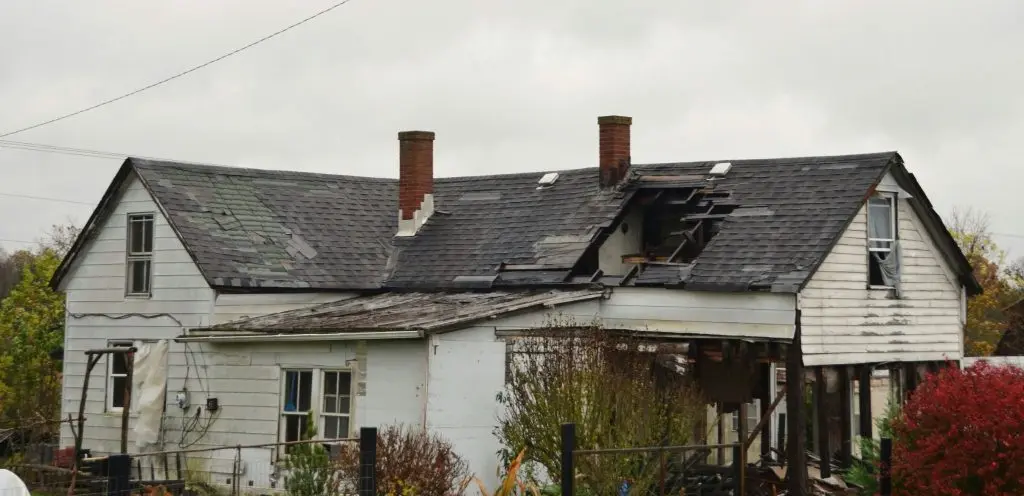
- Gebarsten, verschoven of ontbrekende dakpannen of shingles.
- Beschadigde loodslabben rond schoorstenen, ventilatieopeningen of dakgoten.
- Aangetaste kitlaag bij pijpdoorvoeren of dakramen.
- Scheuren of uitstekende spijkers in het dakbedekkingsmateriaal.
Dakreparatieproducten die echt werken
Voor hoe lekkend dak repareren Dakpannen en de meest voorkomende schade aan dakshingles:
- Dakcement: Vult scheuren op en hecht losgekomen dakpannen of shingles weer vast. Werkt op de meeste materialen.
- Zelfklevende afdichtingstape: Voor het opnieuw afdichten van randen en pijpdoorvoeren. Biedt betere bescherming dan dakcement alleen in gebieden met veel beweging.
- Hydraulisch dakreparatiemiddel: Voor actieve lekkages in metselwerk of platte dakoppervlakken.
- Vervangende dakpannen of shingles: Als een stuk gebarsten is of helemaal ontbreekt, is repareren niet voldoende. Vervang het stuk.
Veelgestelde Vragen / FAQ
Kan plastic folie op het dak schimmelvorming veroorzaken als het er te lang op blijft liggen?
Het kan vocht vasthouden als de dakconstructie al nat is, wat de groei van schimmel bevordert. Gebruik het alleen als tijdelijke oplossing en laat de definitieve reparatie zo snel mogelijk uitvoeren.
Hoe vind ik een daklekkage als het niet regent?
Laat iemand met een zaklamp op zolder staan, terwijl een andere persoon het dak, sectie voor sectie, met een tuinslang besproeit, beginnend onderaan en naar boven toe. Let op of er water op zolder komt om de oorzaak van het probleem te achterhalen en inspecteer dat gebied vervolgens op de specifieke gebreken.
Welke dikte (in mils) plastic folie heb ik nodig voor dakbedekking buitenshuis?
Een minimale beschermingslaag van 6 mil is voldoende voor kortstondige bescherming bij windstil weer. Voor blootstelling langer dan een dag of twee, of in gebieden met wind, is een laag van 10 mil tot 14 mil geschikter.
Hoe lang kan een plastic zeil op een dak blijven liggen?
Een hoogwaardige, zware polyethyleenfolie houdt het in de meeste klimaten enkele weken tot een paar maanden vol. Het is een tijdelijke oplossing. Elke week dat de folie niet permanent wordt gerepareerd, is een week waarin het materiaal wordt blootgesteld aan UV-straling en windbelasting.
Is het veilig om zelf een dak te repareren?
Kleine reparaties aan dakpannen en kitwerk, ja, met de juiste veiligheidsmaatregelen. Structurele schade, wijdverspreide beschadiging van het dakleer of werkzaamheden aan de dakgoot en schoorsteenafdekking kunt u beter overlaten aan een erkende dakdekker.
Conclusie
Het repareren van een lekkend dak vereist meerdere vaardigheden die achter elkaar moeten worden uitgevoerd. Denk bijvoorbeeld aan het beschermen van de waardevolle spullen in het gebouw, terwijl je je voorbereidt om het probleem van bovenaf aan te pakken. Het afdekken met plastic zeilen vormt hierop geen uitzondering.
Het water wacht niet tot de klus geklaard is. Begin met het beschermen van alles wat binnenshuis blootgesteld is door het af te dekken met folie, zowel op zolder als op de vloer onder het dak, en repareer vervolgens het dak permanent.
Voor de buitenbekleding, de VEVOR 10mil plastic folie, 10 x 100 ft Het heeft de juiste dikte voor dakbescherming bij echte weersomstandigheden, en als je een rol bij de hand hebt voordat de storm losbreekt, hoef je niet in paniek te raken als het plafond begint te druipen.