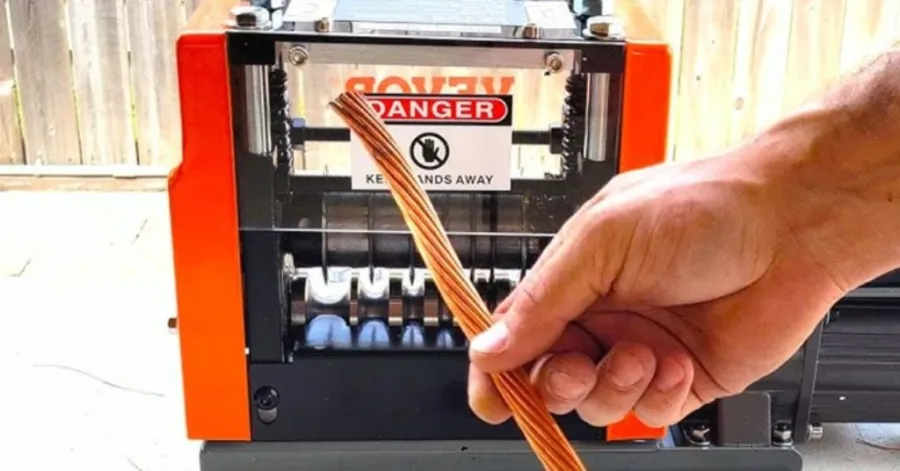
הסרת כבלים חשמליים היא הליך סטנדרטי, אך כאשר הדבר נעשה בצורה לא נכונה, הוא עלול לגרום לפציעות, כבלים שבורים וחיבורים חשמליים לא אמינים. בין אם אתם מבצעים פרויקט "עשה זאת בעצמך" או התקנה מקצועית, נהלי בטיחות עוזרים לשמור על בטיחותכם ולהגן על הכבל.
הבנת אופן הסרת כבלים חשמליים בבטחה מתחילה בשימוש נכון מסיר תיל, לבישת ציוד מגן מתאים ויישום הטכניקות הנכונות. מדריך זה לא רק מסביר כיצד למנוע פציעות בעת הסרת כבלים, אלא גם מצביע על כמה מהטעויות הנפוצות ביותר ומספק כמה מהטכניקות המעשיות. הוא עוזר להפוך את משימת הסרת הכבלים לבטוחה, מדויקת ויעילה יותר, כך שתוכלו להשלים כל פרויקט חיווט בביטחון רב יותר ובתוצאות טובות יותר.
תוכן העניינים
למה בטיחות חשובה בעת ניתוק כבלים
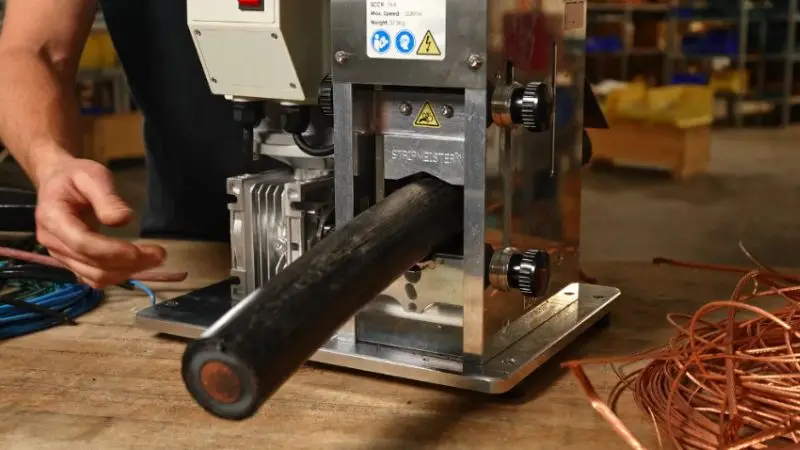
הסרת כבלים עשויה להיראות כמשימה קלה, אך יש לטפל בה ולהשתמש בשיטה המתאימה כדי למנוע תאונות. טעות פשוטה עלולה להוביל לחתכים, חוטים שבורים או חיבורים חשמליים לא יעילים שישפיעו על ביצועי הפרויקט שלכם. בעת הסרת כבלים, חשוב גם ללמוד כיצד למנוע פציעות כדי לעבוד בצורה בטוחה יותר ולהגן על עצמכם ועל החיווט.
ללא קשר להיקף העבודה עליה אתם עובדים, בין אם מדובר בתיקון ביתי קטן או בהתקנה חשמלית גדולה, השיטה הטובה ביותר של הסרת כבלים חשמליים ממזערת את הסיכון לפציעה ומעניקה לעבודה גימור נקי ואמין יותר. הצלת עצמך היא הצעד הראשון בדרך להפוך לאדם טוב בהסרת כבלים.
פציעות נפוצות הנגרמות כתוצאה מפשיר כבלים לא נכון
ישנן מספר פציעות שניתן למנוע על ידי אי ניתוק נכון של הכבלים. חתכים ופצעי דקירה עקב החלקת סכיני שירות או טיפול לא נכון. כלי הפשטה הן בין הבעיות הנפוצות ביותר. שימוש יתר בידיים ובפרקי הידיים יכול להיגרם גם מכוח מופרז, במיוחד במהלך משימות חוזרות ונשנות.
הרס מוליך הנחושת במהלך הסרת הבידוד עלול לגרום לקצוות חדים של חוטים שעלולים לגרום לפציעות קלות במהלך ההתקנה. בנסיבות מסוימות, עלול להיגרם התחשמלות בעת עבודה על כבלים פעילים. לימוד הסכנות הללו הוא היבט משמעותי בתהליך הסרת כבלים חשמליים בצורה בטוחה, וסוגי שגיאות הסרת כבלים שעלולות להתרחש ברוב הפעמים ויש למנוע אותן בכל מחיר לפני שהן מחמירות לבעיות בטיחות חמורות.
מומלץ לפרויקט שלך
חשיבות השימוש בטכניקות בטוחות
שיטות נכונות להסרת כבלים מגנות עליך, כמו גם על החיווט החשמלי. בחירת כלי ההסרת כבלים הנכון, הפעלת לחץ עקבי והסרת כמות הבידוד הנדרשת בלבד הם כל מה שניתן לעשות כדי להבטיח שהמוליכים נקיים ולא פגומים. טיפים פשוטים אלה גם מפחיתים עייפות ומשפרים את איכות החיבורים החשמליים. הבנת אופן הפעלת מכשיר הסרת כבלים בבטחה תאפשר לך להשלים פרויקטים רבים יותר מהר יותר ולהפחית את הסיכון לתאונות. על ידי הקפדה על הנחיות אלה להסרת כבלים וידיעת כיצד להימנע מפציעות ידיים במהלך הסרת כבלים, תבצע כל עבודה בביטחון, דיוק ואמינות רבים יותר.
היכונו להסרת כבלים בטוחה
עוד לפני שמתחילים לפשוט כבל, הכינו את סביבת העבודה והציוד שלכם, וזה יכול לעזור רבות במניעת תאונות. תוכלו להשלים את המשימה בצורה יעילה יותר ולהשיג תוצאות טובות יותר על ידי הקדשת מספר דקות לאיסוף הכלים המתאימים והכנת סביבת עבודה בטוחה. הכנה נכונה גם מונעת נזק מיותר לכבל ומשפרת את איכות החיבורים החשמליים שלכם.
השיטה הטובה ביותר להסרת חוטי חשמל מתחילה לפני תהליך ההסרת כבלים בפועל. על ידי לבישת ציוד המגן המתאים, בחירת הכלי הנכון ושמירה על הכבל במקומו, תוכלו לעבוד בבטחה עם חשמל על ידי ביצוע השלבים להסרת כבלים חשמליים.
לבשו את ציוד המגן האישי הנכון
בעת עבודה עם כבלים חשמליים, יש ללבוש ציוד מגן אישי (PPE). כפפות עמידות בפני חיתוך יגנו על הידיים מפני חתכים או החלקות מקריות על כבלים חדים, ומשקפי בטיחות יגנו על העיניים מפני חלקי בידוד או פסולת מעופפת. נעליים סגורות יספקו גם הגנה נוספת במקרה של נפילת כלים או חומרים במהלך העבודה. אין להזניח ציוד בטיחות, גם בתנאי טיפול בחיווט מתח נמוך. אלו הן טיפים קלים שיש לכלול במניעת פציעות ידיים בעת הסרת כבלים, ולסייע לכם לבצע את הטיפים כיצד להסיר כבלים בבטחה וליצור סביבת עבודה בטוחה יותר.
בחר את כלי הסרת הכבלים הנכון
הראוי כלי הפשטה יהפוך את העבודה לבטוחה, מהירה ומדויקת יותר. למפשיטי חוטים יש עובי חוט קבוע שאליו הם מותאמים בצורה אופטימלית, וכך ניתן להסיר בידוד מבלי להרוס את מוליך הנחושת שמתחת. אין להשתמש בסכינים או בכלים בגודל מוגזם; הם עלולים להחליק בקלות או לחתוך עמוק מדי דרך החוט. מפשיטי חוטים מתכווננים ואוטומטיים מומלצים מאוד גם ללומדים חדשים ולומדים ותיקים בשל רמת הדיוק הגבוהה שלהם. ידיעת אופן השימוש במפשיטי חוטים בבטחה תמזער שגיאות, תשמור על הכבל ותתמוך בשיטות עבודה מומלצות להפשיטת חוטים חשמליים בכל פרויקט.
אבטח את הכבל לפני שתתחיל
כבל נע הנמצא תחת פירוק כבלים נוטה יותר לגרום להחלקות ופציעות. יש להניחו על משטח עבודה יציב מראש, או להדק אותו במקרה של כבל. אחיזה בכבל ללא לחיצה חזקה מספקת לכם שליטה רבה יותר על כלי פירוק הכבלים ומשאירה חיתוכים נקיים יותר. לפני הטיפול בכבל, ודאו שהוא מנותק לחלוטין מכל מקור חשמל. זוהי אחת מטעויות פירוק הכבלים הנפוצות ביותר שיש להימנע מהן, והיא נושא מרכזי במניעת פציעות במהלך פירוק כבלים, מה שהופך את עבודת החשמל לבטוחה ומדויקת יותר.
טכניקות בטוחות להסרת כבלים
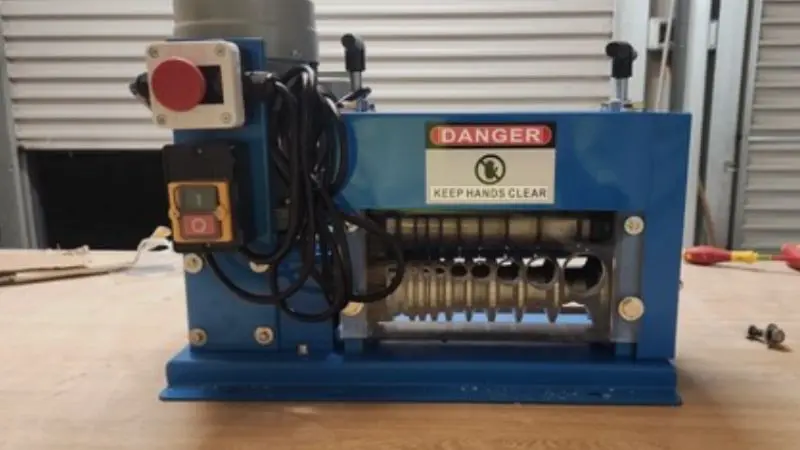
חשוב לא פחות להשתמש בטכניקת הפשטה המתאימה כמו שיהיה ברשותכם הכלי הנכון. שליטה ידנית ותנועות חלקות יסייעו במניעת פציעות ולמנוע נזק מיותר לחוט. הרגלי בטיחות מפותחים גם כדי לשפר את איכות עבודתכם עם חשמל ולהפוך כל עבודת הפשטה ליעילה יותר.
בין אם מדובר בחיווט ביתי או בעבודות חשמל מקצועיות, השיטה הנכונה תבטיח את אותה התוצאה. טיפים אלה לבטיחות לפתיחת כבלים יעזרו לכם לעבוד בביטחון רב יותר וללמוד כיצד לפתיחת כבלים חשמליים בבטחה, כך שתוכלו לעשות זאת בכל פעם.
שמור על אחיזה איתנה ותנוחת יד נכונה
אחיזה איתנה מעניקה לך שליטה רבה יותר על כלי הפשטה ופחות החלקות מקריות. יד לא דומיננטית משמשת לאחיזה חזקה של הכבל ולהבטחה שהוא לא נוגע בחלקים חותכים. יש לתפעל את מפשיט החוטים בתנועות איטיות ויציבות, ולא בכוח פתאומי, עם היד הדומיננטית. יתרון נוסף של מיקום ידיים טוב הוא שהוא מפחית את העומס על פרקי הידיים במהלך פרויקטים ארוכים יותר. חשוב ללמוד להשתמש במפשיט חוטים בבטחה, וזה לא קשה ללמוד כל עוד הידיים ממוקמות כראוי. לאחר מכן, קל יותר לבצע חיתוכים נקיים בהתאם לשיטות העבודה המומלצות של מפשיט חוטים חשמליים.
הפעל את כמות הלחץ הנכונה
לחץ נכון חיוני להסרת בידוד מבלי לפגוע במוליך שמתחתיו. לחץ מוגזם עלול לחתוך או לשבור את חוט הנחושת, ולחץ מוגזם עלול לגרום לבידוד להישאר מנותק. רוב מכונות הסרת החוטים האיכותיות מוגדרות לחתוך דרך הבידוד רק אם הן יכולות להתאים לעובי החוט הנכון. למד להפעיל לחץ חלק ואחיד במקום לחיצה. השיטה משפרת את הדיוק, ממזערת את הקפיצות של הכלים ומדריכה כיצד למנוע פציעות בעת הסרת כבלים בכל הפרויקטים החשמליים.
ניתוק הכבל בתנועה מבוקרת
לאחר חיתוך הבידוד, הסירו את המפשט מהכבל בתנועה אחת, חלקה ומבוקרת. אין לסובב, למשוך או לדחוף את הבידוד מכיוון שהדבר עלול לפגוע במוליך או לגרום לכלי להחליק. תנועה מתמדת מייצרת קצוות חוטים פחות מזוהמים, שקל יותר לחבר אותם ופחות נוטים לכשל לאורך זמן. זוהי אחת הטיפים השימושיים ביותר לשימוש בעת מפשט כבלים בצורה בטוחה, מכיוון שהיא משפרת את הבטיחות ואת איכות העבודה וממזערת את שגיאות מפשט הכבלים הנפוצות ביותר.
טעויות שמתרבות הסיכון של פציעה
פגיעות רבות כתוצאה מקריעת כבלים מתרחשות כתוצאה מתאונות גרידא, אותן ניתן להימנע בקלות. כלים גרועים, שיטות חיתוך לא נכונות וחוסר זמן לביצוע העבודה בצורה נכונה עלולים לגרום לחתכים, חוטים שבורים או חיבורים חשמליים שבורים. מודעות למלכודות אלו תאפשר לכם לעבוד בצורה בטוחה ופרודוקטיבית יותר.
ניתן להפחית משמעותית את הסיכון לתאונות על ידי מניעת פעילויות לא בטוחות ושמירה על ריכוז במהלך התהליך. מודעות לשגיאות נפוצות בפירוק כבלים שיש להימנע מהן היא חלק מרכזי בידיעה כיצד למנוע פציעות ידיים בעת פירוק וסיום עבודות חשמל בצורה בטוחה.
שימוש בכלים פגומים או עמומים
עבודה עם כלי חשיפה שחוקים/קהים דורשת מאמץ רב יותר, וחיתוכים או החלקות מקריים סבירים למדי. קצוות חיתוך פגומים עלולים גם לחתוך את הבידוד במקום ליצור חיתוך נקי, מה שעלול לגרום לסיכון גדול יותר לפגיעה במוליך הנחושת. בדקו את הכלים שלכם לפני כל פרויקט והחליפו אותם ברגע שהם מראים סימני בלאי או נזק. כלים המתוחזקים כראוי מעניקים שליטה ודיוק טובים יותר ומסייעים בפשיטת כבלים חשמליים בבטחה. בין הרעיונות הטובים ביותר בפשיטת חוטים חשמליים הוא לשמור על הציוד שלכם במצב הטוב ביותר.
חיתוך לכיוון הגוף או הידיים
הרגל של חיתוך בידיים או בגוף הוא אחד המזיקים ביותר. במקרה שכלי החיתוך יוצא משליטה, הוא עלול ליצור חתכים או פצעי דקירה חמורים תוך מספר שניות. יש להניח את הכבל תמיד כך שפעולת החיתוך לא מופנית לכיוון הגוף, ולשמור על ידך הפנויה הרחק מנתיב הכלי. כמו כן, קל יותר לעבוד בתנוחה יציבה המספקת שליטה רבה יותר וממזערת פעולות בלתי צפויות. חשוב לבצע טכניקה זו כדי למנוע פציעות בידיים בעת חיתוך כבלים וללמוד כיצד להימנע מהן.
זירוז תהליך ניתוק הכבלים
כשאתם עובדים מהר, אתם צפויים לעשות טעויות, אשר עלולות לפגוע בבטיחות כמו גם באיכות החיבורים החשמליים שלכם. השמטת בדיקות בטיחות, שימוש יתר בכוח או חוסר תשומת לב לעובי החוט הנכון עלולים להוביל נזק למוליך ופציעות גוף. הקפידו לבדוק את הכבל, למקם את כלי הפשטה בצורה נכונה, ופשיט אותו בזהירות רבה. גישה ממוקדת מטופל משפרת את הדיוק ומונעת סיכונים לא מוצדקים. נוהלי עבודה זהירים אלה הם חלק מהרעיונות הטובים ביותר שיש לבצע בעת פשיטת כבלים בבטחה, והם יכולים לחסל את רוב שגיאות פשיטת הכבלים הנפוצות שיש להימנע מהן.
שמירה על סביבת עבודה בטוחה
סביבת עבודה טובה היא גורם משמעותי במניעת פציעות בעת ניתוק כבלים. אזור העבודה עלול להיות עמוס מדי או לא מאורגן, אפילו עם הכלים והטכניקות המתאימים, מה שעלול להגביר את הסיכוי לתאונות. יצירת סביבת עבודה נוחה ונקייה תעזור לכם להישאר ממוקדים ולשמור על שליטה רבה יותר במהלך העבודה.
תנאי עבודה בטוחים גם משפרים את הפרודוקטיביות ומקלים על ביצוע עבודות חשמל. שילוב סביבת עבודה מאורגנת ושיטות עבודה מומלצות של הסרת כבלים חשמליים מסייעים בהבנת אופן הסרת כבלים חשמליים בבטחה, וכן במזעור הסיכונים המיותרים בכל פרויקט.
שמרו על סביבת העבודה שלכם נקייה ומוארת היטב
סביבת עבודה מוארת היטב תשפר את הנראות של סימוני כבלים, עובי חוטים ומיקומי כלים, ותפחית את הסיכון לטעויות. לפני תחילת העבודה, פנו את כל הכלים המיותרים, חוטים רופפים ושאר פסולת כדי לאפשר לכם לנוע בחופשיות. תאורה גם מאפשרת לכם לבצע חיתוכים עדינים וכן לבדוק את הבידוד מבלי לאמץ את העיניים. היא גם מתריעה בפניכם על כבלים פגומים או כלים שחוקים לפני שהם גורמים לבעיות. אלו הם הרגלים בסיסיים לפשיטת כבלים בטוחה שיכולים לסייע במניעת פציעות בעת פשיטת כבלים, הן בבית והן בעבודה.
בדוק ואחסן כלים כראוי לאחר השימוש
עבודה בטוחה בחשמל כרוכה בתחזוקה נאותה של הכלים בהם נעשה שימוש. לאחר סיום הפרויקט, בדקו את מפשיט החוטים וכלים אחרים לאיתור להבים שחוקים, סדקים, חלקים רופפים או סימנים אחרים של נזק. הסירו תמיד פסולת בידוד ואבק, והכניסו אותם לארגז כלים יבש או למארז מגן כדי למנוע חלודה ולהאריך את חיי השירות שלהם. כלים המתוחזקים כראוי פועלים בצורה מדויקת יותר ומפחיתים את הצורך בשימוש בכוח מופרז בפרויקטים עתידיים. בדיקה תכופה תעזור גם להיפטר משגיאות נפוצות של מפשיט כבלים שיש להימנע מהן, תסייע בשימוש במפשיט חוטים ותמזער את הסיכוי להיפצע בפרויקט החשמלי הבא שלכם.
לעטוף
הדרך הטובה ביותר לפשיטת כבלים בבטחה היא להימנע מפציעות ולהשיג חיבורים חשמליים אמינים. תמיד תוכלו לארגן את סביבת העבודה שלכם, לבחור את הכלים הנכונים, לתרגל את טכניקת הפשיטת החוטים הנכונה ולהימנע מטעויות נפוצות כדי להשלים כל פרויקט בצורה בטוחה ומדויקת יותר. ביצוע העצות המצוינות לפשיטת חוטים חשמליים לא רק מגן על הידיים שלכם, אלא גם מפחית נזק מיותר למוליך, ובכך משפר את איכות העבודה שלכם באופן כללי. בהיותכם חשמלאים מתחילים או מנוסים, תמיד עדיף לתעדף את הבטיחות מכיוון שהיא מבטיחה ביצועים משופרים, חיי חיבור מוגברים וסביבת עבודה בטוחה יותר בכל עבודה עם כבלים חשמליים.
שאלות נפוצות
איזה כלי הכי בטוח לפשיטת כבלים חשמליים?
הבטוח ביותר הוא מפשיט חוטים איכותי שמתאים לגודל הכבל שלך. הוא נקי ומסיר בידוד, ממזער נזק לחוט ועוזר לך לשמור על שליטה במהלך עבודות חשמל.
האם ניתן להשתמש בסכין במקום מכשיר להסרת חוטים?
למרות שניתן לעשות זאת, לא מומלץ להשתמש בסכין. זה חושף את האדם לסכנות של חתכים, מוליכים פגומים וחיבורים חשמליים גרועים, בניגוד למכשיר מפשיט חוטים מתאים.
למה אני צריך לנתק את החשמל לפני שאני מנתק כבלים?
ניתוק אספקת החשמל מסייע במניעת התחשמלות ומפחית את הסיכון לפציעות חמורות. בכל עבודה חשמלית, יש לוודא שהכבל מנותק ממתח לפני תחילת כל עבודה.
מה עליי לעשות כדי להימנע מפציעות בידיים כתוצאה מקרישת כבלים?
לבשו כפפות עמידות בפני חיתוך, הרחיקו את ידיכם מקו החיתוך, חברו את הכבל בצורה נכונה והשתמשו בכלי החיתוך המתאים כדי לקבל שליטה טובה יותר ולמזער תאונות.
מהן הטעויות הנפוצות ביותר בהסרת כבלים?
חלק מהטעויות הנפוצות ביותר הן שימוש בכלים קהים, עומס יתר ועבודה מרובה, חיתוך לתוך הגוף, שימוש בחוט בעובי שגוי וממהרות לבצע את העבודה במקום לעשות אותה כראוי.