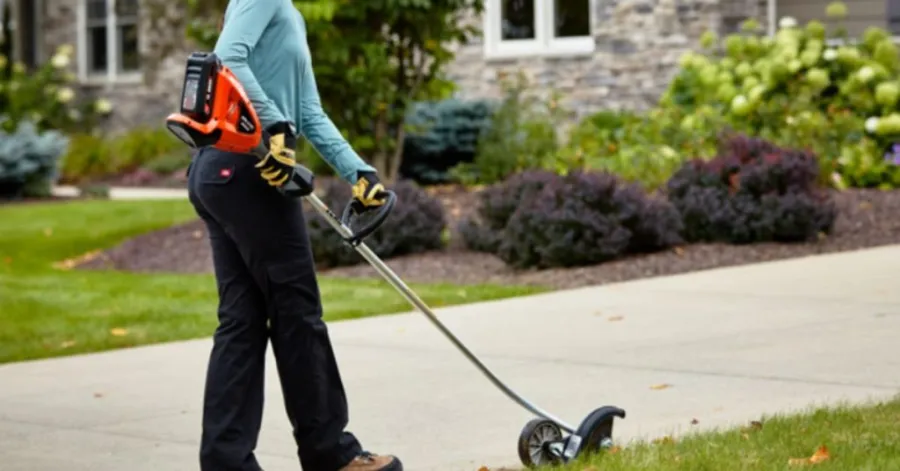
שמירה על קצוות הדשא שלכם גורמת לחצר שלכם להיראות נקייה, מאורגנת ומתוחזקת היטב. אחד הכלים היעילים ביותר לשימוש ביצירת קצה נקי סביב מדרכה, שביל גישה וערוגת פרחים הוא מגזזת קצה המופעלת על ידי בנזין. אך כדי להשיג תוצאות מקצועיות מבלי להתפשר על הבטיחות, חיוני להשתמש בה כראוי. מדריך זה יתאר את שלבי השימוש במגזזת קצה המופעלת על ידי בנזין, הכוללים הכנת המכונה ותחזוקה שלה לאחר השימוש. האם יש לכם מגזזת קצה למתחילים, או שאתם משדרגים למתקדמים ביותר. מקצץ אדג'ינג המונע על ידי גז לטפל במדשאה שלך? מאמר זה יעזור לך לגבש את הדשא שלך בביטחון ולשפר את הרגלי טיפוח הדשא הכלליים שלך.
מהו מכשיר אדג'ר מופעל על גז?
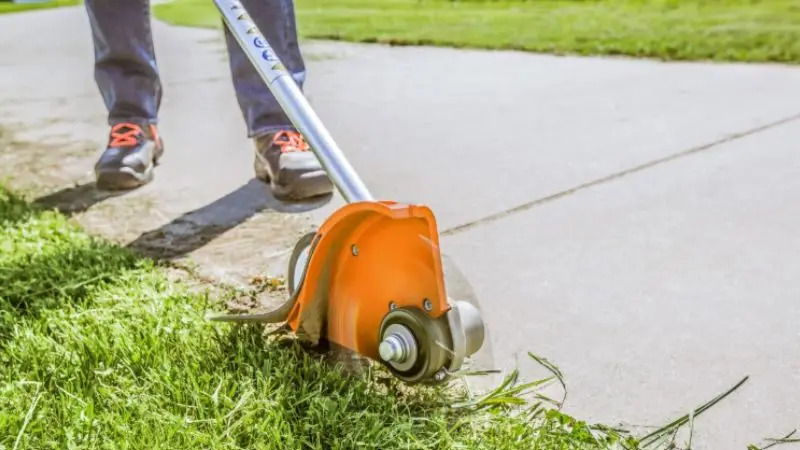
גוזם קצה הוא מכונת גינון המשמשת ליצירת קצוות נקיים ומסודרים למדרכות, שבילי גישה, ערוגות פרחים ומדשאות, והיא מופעלת על ידי בנזין. להב המתכת המסתובב שלה יכול לחתוך דשא ואדמה, בניגוד לגוזמי קצה, ולהשאיר את החצר שלכם עם מראה חד ומקצועי. כשאתם לומדים להשתמש בגוזם קצה המונע על ידי בנזין, יהיה זה מועיל לדעת כיצד המכונה פועלת ובאילו אזורים היא יעילה.
רוב בעלי הבתים בוחנים ביקורות על מקצץ דשא המונע בבנזין לפני רכישתו כדי להשוות את התכונות, עבודת המנוע והעמידות. היכרות עם יסודות הכלי תעזור לכם לבחור את הדגם המתאים וליצור חיתוך שוליים טוב יותר.
איך עובד קצה המונע על ידי גז
מקצץ קצה מופעל על ידי בנזין ומשתמש במנוע המונע על ידי בנזין כדי לסובב להב מתכת חד במהירות גבוהה. כאשר המנוע מופעל, הוא יספק כוח דרך ציר הנעה ללהב, אשר יחתוך את הדשא והמשטחים הקשים בקווים נקיים. רוב הדגמים מאפשרים לך להתאים את עומק החיתוך כדי לחתוך קצוות רדודים או עמוקים, בהתאם לצורכי הגינון שלך. גלגל ההנחיה עוזר להחזיק את הלהב יציב כשאתה מתקדם, מה שמקל על יצירת קווים ישרים ואחידים. הצעד הראשון בלימוד כיצד להשתמש במקצץ קצה המונע על ידי בנזין הוא ללמוד על החלקים הפשוטים הללו. כאשר אתה מכיר את האופן שבו המנוע, הלהב וגלגל ההנחיה פועלים יחד, קל הרבה יותר להפעיל את המכונה ולהשיג תוצאות צפויות יותר.
@rostrolandscapes Podando unos arbustos usando esta podadora de @Vevor Store US @Haidee_Collab #מבצעי blackfriday #בלאקפריידיטיקטוקשופ #גינון #גַנָנוּת #טיפול בדשא
♬ פריקיטו – סאלו ונגאס
שימושים נפוצים סביב החצר שלך
A גז קצה יהיה שימושי לתחזוקת חלקים שונים בחצר שלכם, לשמור עליהם נקיים ומסומנים היטב. הוא יוצר גבולות חדים לאורך מדרכות, שבילי גישה, פטיו, שבילים וגינות גינה כדי למנוע מדשא לזחול למקומות לא רצויים. הוא גם עוזר להגדיר מחדש קצוות מדשאה שגדלו יתר על המידה וליצור מראה נקי וגמור בגינה שלכם לאחר כיסוח. בעלי בתים אוהבים את הכלי הזה מכיוון שהוא מספק כוח רב יותר לחצרות גדולות יותר ולתנאי קרקע מאתגרים יותר. במקרה של מגזזת דשא המונעת על ידי בנזין לעומת מגזזת דשא חשמלית, הראשונה נוטה להיות טובה יותר בעבודה עם דשא עבה, אדמה קשה ושעות עבודה ארוכות יותר. כאשר בוחנים את מגזזת הדשא הטובה ביותר לשימוש ביתי, עשוי להיות מועיל להכיר את השימושים הנפוצים הללו על מנת לבחור מגזזת דשא המתאימה לגודל החצר ולדרישות התחזוקה שלכם.
מה לעשות לפני שמתחילים להשתמש במגזין אדג'ר המונע על ידי בנזין
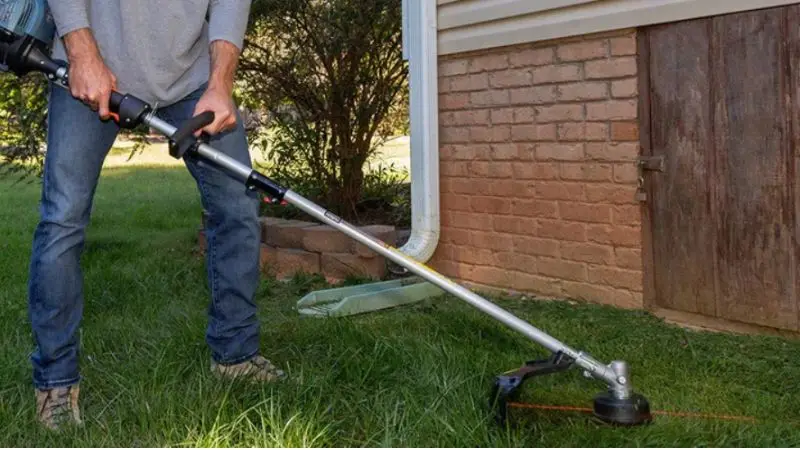
חשוב להתחיל להשתמש במגזיזת שוליים המונעת על ידי בנזין הרבה לפני הפעלת המנוע. הקדשת זמן להקמת הציוד ואזור העבודה יכולה לעזור לשפר את ביצועי תהליך החיתוך ולמזער את הסיכון לתאונות או נזק לציוד. בין אם אתם בעלי בית בפעם הראשונה או שיש לכם ניסיון של שנים בטיפול במדשאות, הכנה נכונה הופכת את עבודת גיזום הקצוות לקלה ויעילה יותר.
אלו הן רק כמה טיפים כיצד להשתמש במגזזת אדג'ינג המונעת על ידי בנזין כדי להבטיח שתוכלו להפעיל את המכונה בבטחה ובביטחון. הם גם מוודאים שהמגזזת שלכם תהיה במיטבה בכל פעם שאתם משתמשים בה.
לבשו את ציוד הבטיחות הנכון
ודאו תמיד שאתם לובשים את ציוד הבטיחות הנכון לפני שאתם מפעילים את מגזזת האדונים המונעת בבנזין שלכם כדי להימנע מפסולת מעופפת, אבק ורעשי מנוע חזקים. השתמשו במשקפי בטיחות או במגן פנים כדי להבטיח שהסלעים והדשא לא ייכנסו לעיניכם. הגנה מפני נזקי שמיעה היא גם הכרחית, מכיוון שמנועי בנזין רועשים מאוד בעת השימוש. הכינו כפפות איכותיות כדי לשפר את האחיזה ולהפחית עייפות ידיים בעת הפעלת המכונה. לבשו מכנסיים ארוכים ונעלי עבודה סגורות בעלות אחיזה טובה כדי להרחיק את הרגליים והרגליים מהדרך של פסולת. יש להימנע מבגדים רפויים או פריטים תלויים שעלולים להיתפס ברכיבים נעים. אלה כמה אמצעי זהירות פשוטים שיקלו ובטוחים הרבה יותר את השימוש ב... מקצץ אדג'ינג המונע על ידי גז.
בדוק את מקדחת הקצוות לפני השימוש
בדקו תמיד את הלהב במשך מספר דקות לפני כל שימוש. ודאו שהלהב חד, מקובע היטב, ואין בו סדקים או בלאי. בדקו את המצערת, הידית והגלגלים, וודאו שהכל מתנדנד היטב ויציב. בדקו את צינורות הדלק ואת רופפות הברגים והחיבורים. נגבו לכלוך, דשא יבש או פסולת שעשויים להצטבר סביב מגן הלהב או המנוע. במקרה שמסנן האוויר נראה סתום, נקו או החליפו אותו לפני הפעלת המכונה. קריאת ביקורות על מקצץ דשא המונע בבנזין יכולה גם לעזור לכם ללמוד על בדיקות התחזוקה האופייניות המומלצות על ידי בעלים ויצרנים מנוסים.
הכן את אזור הדלק והעבודה
לעולם אל תמלאו יותר מכמות תערובת הבנזין-שמן המומלצת על ידי היצרן בעת מילוי מגזזת הדשא הדו-פעימתי שלכם. בדגמי ארבע פעימות, השתמשו בבנזין טרי ובדקו את מפלס שמן המנוע לפני התנעה. תדלקו בחוץ על שטח ישר כאשר המנוע כבוי ומקורר כראוי. לאחר מכן בדקו את האזור שברצונכם לגזוז. נקו סלעים, מקלות, צעצועים, צינורות וכל חומר אחר שעלול לפגוע בלהב או להוות סכנת קליעים. כסו ראשי ממטרות או מכסי שירות תת-קרקעיים, שעליהם עלולים לדרוך בטעות. זהו שלב משמעותי בכל מדריך קנייה של מגזזת דשא המונעת בבנזין, מכיוון שהוא משפר את הבטיחות, מגן על הציוד שלכם ועוזר לכם להשיג קצוות מדשאה נקיים ומקצועיים יותר.
כיצד להשתמש במגזין קצה המופעל על ידי גז שלב אחר שלב
כשאתה עושה את זה כמו שצריך, באמצעות מקצץ אדג'ינג המונע על ידי גז קל. השלבים יעזרו לכם ליצור קצוות מדשאה נקיים ומקצועיים ולשמור על המכונה במצב תקין. איטיות גם ממזערת את שחיקת המנוע והלהב כך שלמגזזת יהיו חיי עבודה ארוכים יותר. כשאתם מלמדים את עצמכם להפעיל מגזזת קצה המונעת על ידי בנזין, עליכם להיות זהירים בצעדיכם כדי להשיג חיתוכים נקיים ומדויקים ולעבוד בבטחה בכל עת.
שלב 1: הפעל את המנוע בצורה נכונה
הניחו את מקצץ הדלק על משטח ישר ויציב ולאחר מכן התניעו את המנוע. פתחו את שסתום הדלק (אם קיים) למצב התנעה קרה, כוונו את הצ'וק למצב המומלץ ולחצו על נורת הפריימר מספר פעמים (במידת הצורך). אחזו בידית ומשכו בעדינות וביציבות את חוט ההתנעה עד שהמנוע יתניע. לאחר ההתנעה, החזרו את הצ'וק לאט למצב הפעולה הרגיל ותנו למנוע לפעול בסרק כדקה. בעת פתיחת המצערת, אל תלחצו עליה מיד; המתינו עד שהמנוע יתחמם. זהו השלב הראשון בתהליך השימוש הנכון והבטוח במקצץ הדלק המונע בבנזין.
שלב 2: החזק ומקם את הקצה בצורה נכונה
היו בתנוחה נוחה כשידיכם אוחזות בחוזקה בידיות. עליכם ללכת לאט וביציבות, ישר, עם גב ישר ובתנוחה מאוזנת. בעת שימוש בגלגל "מצא מדריך", הניחו אותו כנגד קצה המדרכה, שביל הגישה או ערוגת הפרחים כאשר הלהב עומד ישר. אפשרו למכונה לחתוך ולא לדחוף אותה לתוך הקרקע. לחץ מוגזם עלול להוביל לקצוות לא אחידים ולמאמץ מוגזם על המנוע. בעבודה זו, המיקום הנכון יסייע ביצירת גבולות ישרים ונקיים במאמץ ובשליטה מינימליים.
שלב 3: קצה לאורך מדרכות וחניות
הפחת את הלהב לעומק החיתוך הנדרש והמשיכו. הניחו את גלגל ההכוונה על משטח קשה ולכו לאט, תוך כדי שאתם נותנים ללהב לחתוך את עצמו באופן טבעי. שמרו על מהירות קבועה כדי ליצור קצה אחיד מבלי לשקוע באדמה. כשמגיעים לעשב עבה או לקרקע קשה, אל תדחפו חזק יותר, אלא עברו על החומר עם הלהב באיטיות. תהליך זה מייצר פחות קווים מזהמים וממזער את הבלאי של הלהבים. זהו צעד משמעותי לשלוט בו כשלומדים להשתמש במגזזת קצה המונעת על ידי בנזין.
שלב 4: בצע מעברים חלקים ואחידים
המשיכו לגזום את הקצוות בתנועות חפיפה איטיות כדי למנוע פגיעה באזורים. שמרו על מהירות קבועה של המכונה ותנו למנוע לגזום בעוצמה קבועה. כאשר קצה המדשאה עבה כל כך שקשה לגזום אותו, בצעו שניים או שלושה מעברים קלים במקום לנסות לגזום הכל בבת אחת. זה יוצר גימור חלק יותר ומבטיח שהמנוע לא יחווה עומס מוגזם. כאשר משווים בין מגזרי קצוות המונעים בבנזין לחשמליים, בעלי בתים רבים יבחרו בדגמים המונעים בבנזין בשל יכולתם לשמור על עוצמת הכיסוח במהלך תקופות גיזום שוליים ממושכות וכאשר מחיתוך דשא עבה יותר.
שלב 5: כבה את הקצה בצורה בטוחה
לאחר השלמת העבודה, כבו את המצערת, הניחו למנוע לפעול בסרק לרגע, ולאחר מכן כבו אותו. המתינו עד שהלהב ייעצר לחלוטין לפני הנחת מגזזת הדשא על הקרקע. אם עליכם לתדלק או לבדוק את הלהב, ודאו תחילה שהמנוע התקרר. לבסוף, נקו את מגן הלהב ואת חלק החיתוך על ידי טאטוא שלהם כדי לשמור על מצב תקין של המכונה. אלו הם השלבים האחרונים המומלצים בכל מדריכי הקנייה של מגזזת הדשא המונעת בבנזין, שכן כיבוי וניקוי נאותים משפרים את הבטיחות, מאריכים את חיי הציוד ומבטיחים ביצועים אמינים בפעם הבאה שתגזזו את הדשא.
טעויות נפוצות שיש להימנע מהן בעת שימוש במגזזת אדג'רים המופעלת על ידי בנזין
למרות שאולי אתם מודעים לאופן שבו מפעילים מקצץ אדג'ינג המונע על ידי גזישנן מספר טעויות נפוצות שעלולות להשפיע על איכות קצוות הדשא שלכם ולקצר את תוחלת החיים של המכשירים שלכם. טעויות קלות עלולות לגרום לחיתוכים לא מדויקים, עומס יתר לא מוצדק על המנוע או נזק ללהב החיתוך. הכרת השגיאות הללו לפני שתתחילו תבטיח לכם לעבוד בצורה פרודוקטיבית יותר ולהשיג מדשאה נקייה ומקצועית יותר בכל פעם שתגזמו.
ניתן למנוע טעויות אלו בקלות רבה והן יכולות לשפר משמעותית את מראה הדשא ואת יעילות מגזם הקצוות.
חיתוך עמוק מדי לתוך האדמה
הטעות הברורה ביותר היא להכניס את הלהב לאדמה עמוק מדי. למרות שנראה שחיתוכים עמוקים יותר מייצרים קצוות נקיים יותר, למעשה הם מסירים יותר מדי אדמה, הורסים שורשי דשא בריאים ומפעילים עומס מיותר על המנוע. הלהב עלול גם לפגוע בסלע או בשורש עץ בעת חיתוך עמוק, מה שעלול לגרום נזק נוסף. במקום זאת, חתכו את הלהב לעומק בינוני כדי לייצר קו נקי וחד מבלי לבצע חיתוכים מיותרים. חיתוכים רדודים ומבוקרים יעניקו לכם גימור טוב יותר ויאפשרו לגזיזת הקצוות המונעת בבנזין שלכם לפעול בצורה יעילה יותר במהלך המשימה.
זז מהר מדי
סיבה נפוצה נוספת לקצוות לא אחידים ואזורים שדילגו עליהם היא הליכה מהירה מדי. מגזזת אצבעות עם מנוע בנזין יכולה לעבוד היטב כאשר ללהב יש זמן לחתוך את הדשא והאדמה באותו קצב. חיפזון גורם למכונה להתאמץ ויכול להשאיר קצוות משוננים או מעוקלים שיש להפעיל שוב. המשך לאט ואפשר למנוע לעבוד בעוצמה קבועה. כשאתה עדיין מתרגל להפעלת מגזזת אצבעות עם מנוע בנזין, עליך להתמקד במהירות איטית ויציבה שתעזור להגביר את רמת הדיוק והבטיחות, כמו גם למזער את כמות הלחץ המיותר על הכלי.
שימוש בלהב קהה או פגום
להב שחוק או שבור יפחית את יעילות החיתוך ויגביר את מורכבות חיתוך הקצוות. להב קהה אינו חותך דשא לקווים נקיים אלא חותך אותו ליצירת קצוות משוננים ולא סדירים. הוא גם גורם למנוע לעבוד קשה יותר, מה שעלול להגביר את צריכת הדלק ולקצר את חיי המכונה. בדקו את הלהב לפני השימוש וחידדו או החליפו אותו כשאתם מוצאים סדקים, שבבים או בלאי רב מדי. איכות הלהב היא בעיה נפוצה בסקירות רבות של מגזזי דשא המונעים בבנזין, מכיוון שללהב חד מספק תוצאות נקיות יותר ומבטיח שהמגזז יתפקד בצורה אופטימלית.
דילוג על תחזוקה שוטפת
אחת הדרכים המהירות ביותר להפחית את הביצועים ואת תוחלת החיים של מגזזת דשא המונעת בבנזין היא להזניח את התחזוקה השוטפת. נקו דשא, לכלוך ופסולת מהלהב ומבית המנוע לאחר כל שימוש. בדקו מעת לעת את מסנן האוויר, המצת, מערכת הדלק ומצב הלהב כדי לוודא שהכל פועל כראוי. החליפו חלקים שנשחקים בהתאם להמלצות היצרן והשתמשו בדלק חדש כדי להבטיח ביצועים טובים של המנוע. כל מדריך קנייה של מגזזת דשא המונעת בבנזין ידגיש תחזוקה שוטפת מכיוון שמכונה המתוחזקת כראוי תתניע בקלות רבה יותר, תגזום טוב יותר ותספק שירות אמין עונה אחר עונה.
כיצד לנקות ולתחזק מקדחה המופעלת על ידי גז
טיפול שוטף יבטיח שהמגזז המונע בבנזין שלכם יפעל ביעילות ויספק חיתוכים נקיים ומדויקים באופן קבוע. גזרי דשא, לכלוך וחלקים שחוקים יכולים גם הם לפגוע בביצועים אלא אם כן הם מוסרים לעתים קרובות. תיקונים יקרים וניתן להימנע מהם על ידי הקדשת מספר דקות לניקוי ובדיקה של הציוד לאחר כל שימוש, מה שיגדיל את חיי המנוע והלהב.
בין אם יש לכם את מגזזת הדשא הטובה ביותר המונעת על ידי בנזין לביתכם או גרסה פשוטה למגורים, תחזוקה היא המפתח לעבודה אמינה ולשמירה על שגרת טיפוח הדשא שלכם בצורה חלקה כל השנה.
נקו את הלהב והמנוע לאחר כל שימוש
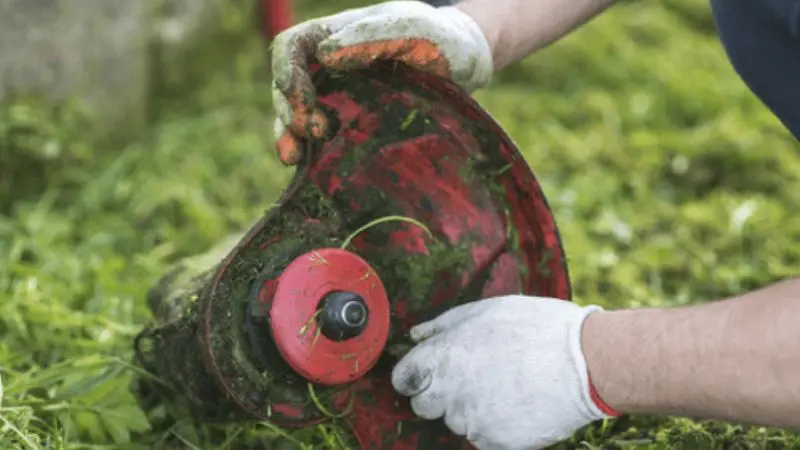
לאחר שתסיימו את עבודת החיתוך, כבו את המנוע והניחו למנוע להתקרר לפני ניקויו. נקו את הלהב, מגן הלהב, הגלגלים ובית המנוע בעזרת מברשת או מטלית יבשה על ידי הסרת גזרי דשא, לכלוך ובוץ. כאשר הצטברו שאריות דשא או פסולת קשה על הלהב, נקו אותו היטב בעזרת חומר ניקוי המומלץ על ידי היצרן. לעולם אל תרסס הרבה מים על המנוע, מכיוון שהלחות עלולה להרוס חלקים קריטיים. ניקוי להב החיתוך משפר את ביצועי החיתוך, מפחית קורוזיה ומאפשר למנוע לפעול בצורה יעילה יותר. כמו כן, קל יותר לנקות אותו לאחר כל שימוש ולזהות חלקים רופפים או סימנים אחרים של בלאי לפני שהם יוצאים משליטה.
בדוק את מסנן האוויר ואת המצת
מסנן האוויר ומצת הגז חשובים להבטחת פעולתו התקינה של מגזזת הדשא המונעת בבנזין. יש לנקות או להחליף באופן קבוע את מסנן האוויר במזגן, ולנקות אותו כאשר הוא מתמלא באבק או בחלקיקי דשא. בעזרת מסנן אוויר נקי, המנוע מקבל את זרימת האוויר הנדרשת, מה שמשפר את צריכת הדלק ואת ביצועי ההתנעה. יש לבדוק את מצת הגז (פחמן, חלודה או אלקטרודות שחוקות), ולהחליף אותו בעת הצורך, בהתאם להוראות התחזוקה של היצרן. אלו הן בדיקות פשוטות שניתן להשתמש בהן כדי למנוע בעיות, לשמור על המנוע במצב תקין ולהישאר מרכיב חשוב ביכולת להשתמש במגזזת הדשא המונעת בבנזין בצורה אחראית.
אחסן את הקצה כראוי בין שימושים
כאשר מקצץ אדג'ינג המונע על ידי גז מאוחסן כראוי, אינו חשוף ללחות, חלודה ובלאי לא מוצדק. לפני אחסון המכונה, ודאו שהיא נקייה ויבשה לחלוטין. כאשר אינכם מתכוונים לנסוע למרחק רב, רוקנו את מיכל הדלק או הוסיפו מייצב דלק כדי למנוע פירוק הדלק במערכת הדלק. שמרו את מגזזת הקצוות במקום יבש, קריר ומאוורר היטב, הרחק מאור שמש ישיר ולחות גבוהה. אחסנו אותה הרחק מהישג ידם של ילדים, וודאו שהלהב אינו בא במגע עם כלים וציוד אחרים. אחסון נכון שומר על אמינות המנוע, מגן על מגזזת הקצוות שלכם ומבטיח שתהיה לכם אותה לעונת טיפוח הדשא הבאה.
גלישה-Up
הטריק בשימוש במגזין קצה המונע על ידי בנזין כדי לקבל קצוות מדשאה נקיים ומקצועיים למראה מבלי לבזבז זמן ומאמץ הוא ללמוד כיצד להשתמש בו. בעזרת הכנה נכונה של המכונה, נהלי הפעלה נכונים, הימנעות ממלכודות ותחזוקה נאותה, תוכלו לשמור על המגזין שלכם פועל ביעילות לאורך שנים. סקירת מגזיני קצה המונעים על ידי בנזין ומעקב אחר מדריך קנייה אמין יכולים גם לעזור לכם לבחור את הדגם המתאים לחצר שלכם. כאשר משתמשים בו ומתוחזקים כראוי, המגזין המונע על ידי בנזין שלכם יספק קצוות נקיים ומושכים למדשאה שלכם שישפרו את היופי הכללי של הנוף שלכם.
שאלות נפוצות
האם מגזזת אצבעות המופעלת על ידי בנזין חותכת דשא עבה?
מגזם קצה המופעל על ידי בנזין נועד למעשה לגזום דשא עבה, אדמה צפופה וקצוות מדשאות צפופים. המנוע החזק שלו מספק פעולת כיסוח עקבית על מדשאות גדולות יותר, הן לבתים והן לעסק.
באיזו תדירות אני צריך לחדד את להב החיתוך?
נקו ובדקו את הלהב לאחר כל כמה שימושים, וחדדו אותו כשהוא הופך קהה. הלהב החד יוצר פחות בלאי של המנוע, קצוות חדים יותר ומגביר את יכולת החיתוך הכוללת והבטיחות.
מהו הדלק של מגזם אדג'ינג המונע על ידי בנזין?
זה תלוי בדגם. מקדחות שתי פעימות פועלות על תערובת של בנזין ושמן, בעוד שמקדחות ארבע פעימות פועלות על בנזין רגיל ושמן מנוע, בהתאמה. יש להקפיד תמיד על הצעות היצרן.
האם מגזירת אצבעות המונעת על ידי בנזין תהיה טובה יותר ממגזירת אצבעות חשמלית?
מגזזי הקצוות המונעים על ידי בנזין הם גם הרבה יותר חזקים, בנוסף לזמני פעולה ארוכים יותר מאשר מגזזי הקצוות המונעים על ידי חשמל, המשמשים גם בחצרות גדולות וגם בעבודות גיזום קצוות כבדות. מגזזי הקצוות החשמליים שקטים הרבה יותר, קלים יותר וטובים יותר למדשאות קטנות של מגורים.
מה אני יכול לעשות כדי לתחזק את מגזם האדונים המונע על ידי בנזין שלי?
נקו את הלהב לאחר השימוש, בדקו ויזואלית את מסנן האוויר ואת מצת, השתמשו בדלק טרי ואחסנו את מקדחת הקצוות במקום יבש כדי להאריך את חיי הכלי.