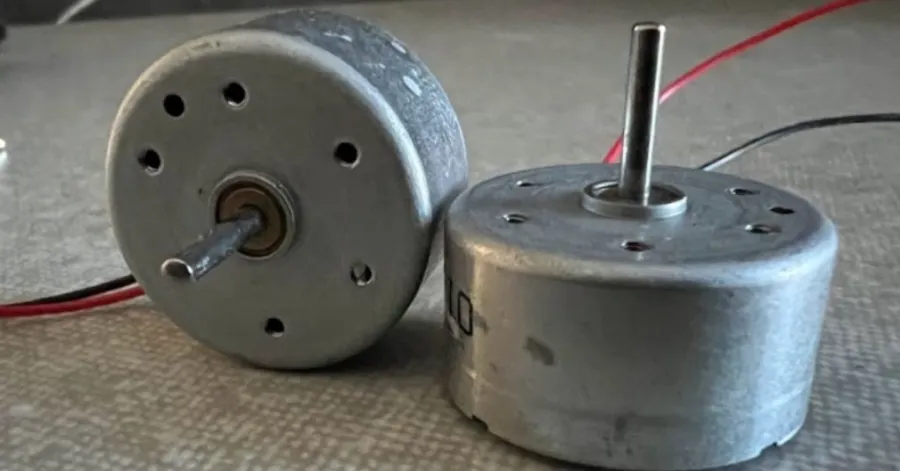
I motori brushless sono motori elettrici di nuova generazione, più efficienti, performanti e con una durata maggiore rispetto ai tradizionali motori a spazzole. Non utilizzano spazzole fisiche, ma sono controllati elettronicamente, riducendo al minimo l'attrito e la dispersione di energia. Questo ha portato alla loro ampia diffusione in auto elettriche, droni, elettrodomestici e macchine utensili. Per comprendere cos'è un motore brushless, è necessario capire come le sue diverse parti interagiscono per produrre un movimento fluido. Questi motori sono caratterizzati da elevata affidabilità, bassa manutenzione e lunga durata. Tuttavia, comportano anche costi e complessità del sistema maggiori. Nel complesso, rappresentano una soluzione tecnologica per il controllo del movimento altamente evoluta.
Cos'è un motore brushless? Definizione di base
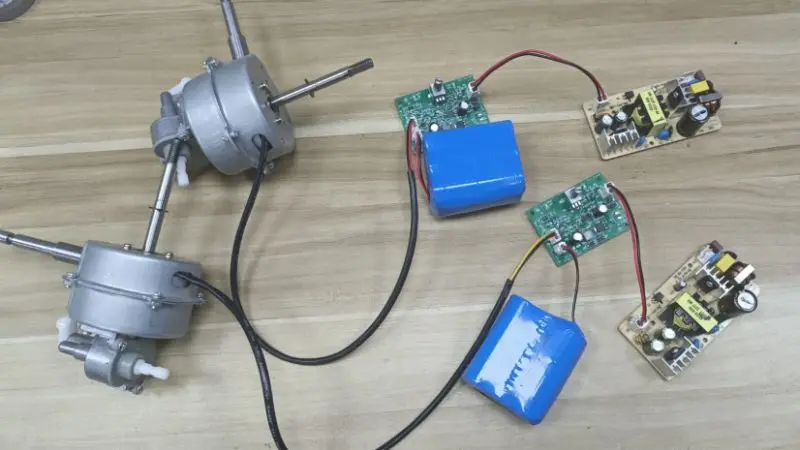
Un motore brushless è una tipologia moderna di motore elettrico che funziona senza spazzole fisiche. Non utilizza il contatto meccanico per condurre l'elettricità, ma si avvale del controllo elettronico. Questa progettazione lo rende più efficiente e durevole rispetto ai motori tradizionali.
Per capire cos'è un motore brushless, bisogna prima rendersi conto che minimizza l'attrito e la dispersione di energia. Questo è il motivo per cui viene ampiamente utilizzato oggi in numerose macchine sofisticate, tra cui: Macchina di recupero CA sistemi utilizzati negli impianti di manutenzione industriale.
In sostanza, si tratta di un adattamento più intelligente della vecchia tecnologia dei motori, orientata all'efficienza e alla durata.
Differenza tra motori brushless e motori a spazzole
La principale differenza tra i due tipi di motori risiede nel diverso modo in cui l'energia viene trasmessa al rotore. In un motore a spazzole, le spazzole fisiche si usurano con il tempo, mentre in un motore brushless la commutazione avviene elettronicamente. Per questo motivo, i motori brushless vengono spesso confrontati con i motori a spazzole in termini di efficienza e durata. Nella maggior parte dei casi, la domanda se i motori brushless siano migliori dei motori a spazzole è di fondamentale importanza e la risposta è quasi sempre affermativa, poiché i motori brushless riducono al minimo l'attrito, il calore e le esigenze di manutenzione. Offrono inoltre una maggiore semplicità d'uso e una migliore regolazione della velocità, risultando adatti ai moderni dispositivi e strumenti elettronici che richiedono un funzionamento costante e una lunga durata.
Componenti chiave di un sistema con motore brushless
Un sistema con motore brushless è costituito da una serie di elementi chiave che, combinati, generano il movimento. Questi elementi sono il rotore, lo statore e il controller elettronico. Per comprendere meglio un motore brushless a corrente continua, è utile sapere che il controller sostituisce le spazzole e controlla elettronicamente il flusso di corrente. Questo aspetto è strettamente correlato al funzionamento del motore brushless, poiché il controller invia segnali precisi per garantire un funzionamento fluido del motore. Tutti i suoi componenti sono fondamentali per l'efficienza, la stabilità e la durata del sistema. Il sistema è progettato per ridurre al minimo l'usura meccanica e massimizzare la potenza erogata, motivo per cui è adatto ad applicazioni avanzate e ad alte prestazioni.
Come funziona un motore brushless?
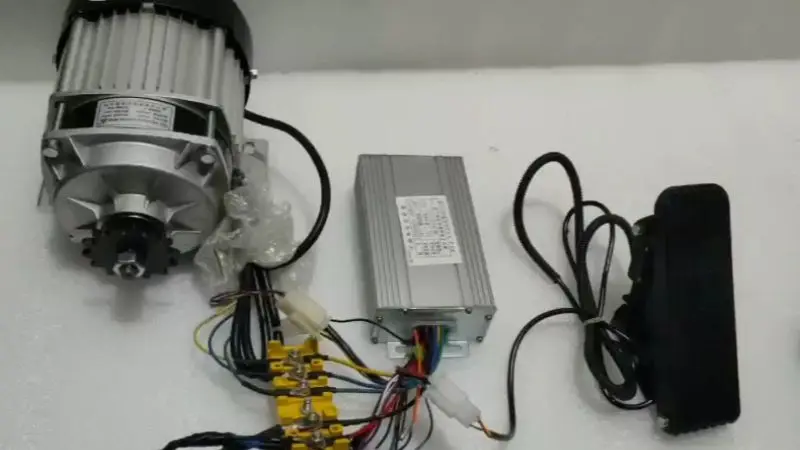
Un motore brushless funziona tramite controllo elettronico anziché tramite contatto fisico tra i componenti. Ciò significa che non vi è attrito tra le spazzole all'interno del motore, con conseguente minore usura e maggiore efficienza. Per comprendere il funzionamento di un motore brushless, è sufficiente sapere che l'alimentazione elettrica viene attivata e disattivata elettronicamente al momento opportuno. Questa commutazione garantisce un movimento rotatorio fluido ed equilibrato. Il sistema risulta ottimizzato per reagire rapidamente, avere prestazioni stabili e minimizzare le perdite di energia. Per questo motivo, nel mondo moderno, i motori brushless sono utilizzati prevalentemente in dispositivi che richiedono elevata efficienza e funzionamento prolungato.
Ruolo del controllore elettronico in funzione
Un sistema motore brushless è gestito da un controller elettronico, che rappresenta il cervello del sistema. Questo controller controlla la quantità di corrente elettrica che lo attraversa e determina quando e dove inviare energia alle diverse sezioni del motore. Tale sistema sostituisce le tradizionali spazzole, rendendole più efficienti. La caratteristica che distingue un motore brushless a corrente continua da un design più datato è proprio il controller. Quest'ultimo monitora costantemente la posizione del rotore e regola la corrente, garantendo una rotazione fluida ed evitando sprechi di energia. Senza questo controller, il motore non sarebbe in grado di mantenere una fasatura e prestazioni ottimali.
Come i campi magnetici creano il movimento nel rotore
Il movimento in un motore brushless è prodotto dall'interazione di campi magnetici. Quando la corrente elettrica attraversa lo statore, genera un campo magnetico rotante. Questo campo magnetico respinge e attrae i magneti sul rotore, facendolo ruotare. È uno degli aspetti più importanti nell'applicazione dei motori brushless, in cui il movimento deve essere fluido e preciso. La loro efficacia deriva dall'assenza di attrito dovuto al contatto fisico. L'intero movimento è invece generato dalla forza magnetica, che garantisce una risposta più rapida e un maggiore controllo in diverse condizioni operative e con variazioni di carico.
Il processo di rotazione continua spiegato in modo semplice
La rotazione continua di un motore brushless è dovuta al fatto che il controller elettronico commuta il campo magnetico al momento opportuno. Il controller cambia anche la direzione della corrente mentre il rotore si muove, in modo da non arrestarlo. Questo ciclo è molto rapido e crea un movimento fluido e continuo. In parole semplici, è come spingere un'altalena al momento giusto ogni volta che ritorna. Questo è il motivo per cui altri vantaggi dei motori brushless sono l'elevata efficienza energetica e la ridotta manutenzione. Il processo garantisce prestazioni costanti, quindi questi motori sono perfetti per dispositivi che richiedono un funzionamento continuo e stabile per lunghi periodi.
Componenti principali di un motore brushless
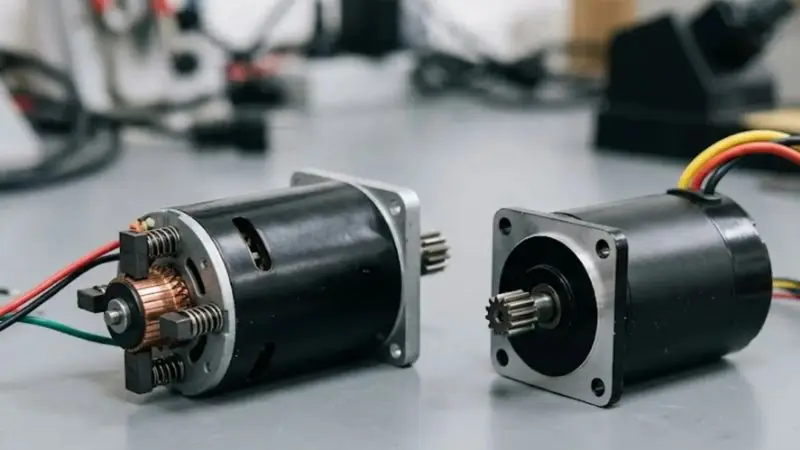
Per costruire un motore brushless che generi un movimento fluido ed efficiente, sono necessari solo pochi componenti essenziali. Ciascuno di questi componenti ha un ruolo ben preciso ed è il loro coordinamento a rendere il sistema estremamente affidabile. Per capire cos'è un motore brushless a corrente continua, è opportuno innanzitutto esaminare i suoi componenti strutturali chiave. Queste sezioni eliminano le spazzole fisiche e migliorano le prestazioni. Il design facilita inoltre un maggiore controllo della velocità e riduce le perdite di energia. È questa combinazione di elementi che rende i motori brushless adatti all'elettronica moderna e alle macchine ad alte prestazioni.
Statore e la sua funzione
Lo statore è il componente fisso di un motore brushless e contribuisce in modo significativo alla generazione del movimento. È costituito da bobine che creano un campo magnetico quando vengono attraversate da una corrente elettrica. Questo campo interagisce con il rotore per generare la rotazione. È più facile comprendere il funzionamento di un motore brushless se si capisce che lo statore ha il compito di generare la forza magnetica controllata. Non è in alcun modo in movimento, ma sostiene il movimento attraverso la generazione di campi magnetici variabili. Ciò contribuisce a garantire una rotazione fluida e assicura che il motore possa funzionare in modo efficiente a vari carichi e velocità.
Rotore e magneti permanenti
Il rotore è il componente mobile del motore, costituito da magneti permanenti. Questi magneti sono esposti al campo magnetico generato dallo statore e fanno ruotare il rotore. Questo è uno dei motivi per cui i motori brushless e quelli con spazzole non si comportano allo stesso modo, poiché le configurazioni brushless non prevedono alcun contatto fisico e si usurano meno. Il rotore è sensibile a qualsiasi variazione di magnetismo e può muoversi con precisione ed efficienza. Grazie all'assenza di spazzole, il rotore si muove con minore attrito, risultando molto più fluido e durevole. È inoltre adatto al funzionamento ad alta velocità e trova quindi numerose applicazioni.
Regolatore elettronico di velocità (ESC)
Il regolatore elettronico di velocità, noto anche come ESC, è un componente fondamentale del sistema. Controlla la quantità di energia erogata al motore, la sua velocità e la sua direzione di rotazione. Tra i vantaggi dei motori brushless, l'ESC riveste un ruolo cruciale, garantendo un funzionamento efficiente e fluido. Trasmette i segnali allo statore in modo preciso, assicurando che il rotore continui a girare nella direzione corretta. Senza l'ESC, il motore non funzionerebbe correttamente. Questo componente migliora inoltre la sicurezza e l'efficienza, variando la potenza in base alle esigenze e rendendo il motore adatto a diverse applicazioni e dispositivi.
Vantaggi dei motori brushless
La tecnologia moderna ha adottato i motori brushless in quanto più efficienti e performanti rispetto ai sistemi di motori tradizionali. La loro struttura minimizza la dispersione di energia e migliora le prestazioni complessive. È consigliabile illustrare tali vantaggi con applicazioni pratiche prima di comprenderne appieno alcuni aspetti. È proprio in questo contesto che i benefici dei motori brushless si manifestano chiaramente negli elettrodomestici e nelle applicazioni industriali di uso quotidiano.
I motori sono anche più desiderabili in quanto offrono un funzionamento più fluido e una maggiore durata. Hanno una struttura che elimina l'attrito fisico, con conseguente miglioramento diretto delle prestazioni, soprattutto in sistemi come Macchina di recupero CA apparecchiature in cui il funzionamento continuo e l'affidabilità sono importanti. Ora, analizzeremo i principali vantaggi.
Maggiore efficienza e prestazioni migliori
L'elevata efficienza è uno dei maggiori vantaggi dei motori brushless. Trasformano l'energia elettrica in movimento meccanico con perdite minime, il che li rende più robusti e affidabili in diverse applicazioni. Rispetto ai modelli precedenti, sono in grado di garantire prestazioni costanti anche sotto carico elevato. Per questo motivo, i motori brushless sono comunemente utilizzati in droni, veicoli elettrici e utensili di precisione. La loro stabilità di velocità e coppia li rende adatti a sistemi avanzati. Nel complesso, sono più efficienti, poiché non vi è dispersione di energia dovuta all'attrito e, essendo sempre sotto controllo elettronico, garantiscono un funzionamento fluido e costante.
Maggiore durata e bassa manutenzione
I motori brushless hanno anche una lunga durata poiché non contengono spazzole fisiche, che si usurano con il passare del tempo. Ciò elimina la necessità di frequenti riparazioni o sostituzioni. Di conseguenza, i costi di manutenzione si riducono considerevolmente. Questo è uno dei motivi principali per cui i vantaggi dei motori brushless sono comunemente evidenziati nelle applicazioni industriali. L'usura è ridotta poiché non vi è contatto diretto tra le parti in movimento. Ciò si traduce in un sistema più robusto che durerà migliaia di ore senza problemi significativi. È una soluzione efficace per le apparecchiature che devono essere utilizzate ininterrottamente per lunghi periodi.
Minore produzione di rumore e calore.
Un altro vantaggio fondamentale è che, durante il funzionamento, i motori brushless generano meno rumore e calore. I motori brushless producono meno attrito e, di conseguenza, meno calore. Questo riduce anche la rumorosità del motore, rendendola meno percettibile in ambienti sensibili. Numerosi dispositivi elettronici moderni si basano su questa caratteristica per offrire una migliore esperienza utente. Inoltre, contribuisce a migliorare la sicurezza, poiché meno calore significa meno rischi. Uno dei motivi per cui i motori brushless sono migliori dei motori a spazzole, come si osserva frequentemente nella pratica, è la loro fluidità e silenziosità di funzionamento.
Svantaggi dei motori brushless
Sebbene i motori brushless offrano numerosi vantaggi, presentano anche alcune limitazioni. Queste devono essere prese in considerazione prima di selezionarli per una specifica applicazione. A tal fine, è fondamentale analizzare entrambi gli aspetti per sviluppare una prospettiva equilibrata sulla tecnologia. Pur essendo all'avanguardia ed efficienti, permangono alcune problematiche legate ai costi e alla complessità. È a questo punto che entra in gioco l'analisi degli svantaggi dei motori brushless.
Vorremmo discutere i principali svantaggi.
Costo iniziale più alto
Tra gli svantaggi principali vi è il prezzo iniziale più elevato rispetto ai motori a spazzole. Questi ultimi sono più costosi da produrre a causa del design sofisticato e dei componenti elettronici. Ciò può rappresentare un limite per i progetti con budget ristretti. Sebbene a lungo termine consentano un risparmio grazie alla minore manutenzione, l'investimento iniziale rimane elevato. Questo è il motivo per cui alcuni utenti continuano a confrontare i motori brushless e i motori a spazzole prima di prendere una decisione. I costi possono inoltre variare in base alle esigenze degli utenti e alla necessità di valutare le prestazioni a lungo termine rispetto al costo iniziale.
Necessità di sistemi di controllo elettronico
I motori brushless necessitano di un sistema di controllo elettronico per funzionare. Ciò aggiunge complessità alla loro progettazione e al loro utilizzo. Il controller deve essere in grado di mantenere costante la distribuzione di potenza per garantire un funzionamento corretto. Senza di esso, il motore non funzionerà. Questa necessità aumenta la dipendenza dal sistema e complica l'installazione. Questo è anche uno dei principali svantaggi dei motori brushless, poiché introduce componenti aggiuntivi che devono essere configurati correttamente. Sebbene ciò migliori le prestazioni, si traduce in una maggiore pianificazione e in maggiori competenze tecniche durante l'installazione e il funzionamento.
Complessità di riparazione rispetto ai motori a spazzole
La riparazione dei motori brushless potrebbe essere più complessa rispetto a quella dei motori a spazzole. Anche la diagnosi dei problemi richiede competenze tecniche specifiche, poiché si basano su sistemi elettronici anziché su semplici componenti meccanici. Questo si traduce in tempi e costi di riparazione più elevati. Al contrario, i motori a spazzole sono più semplici da riparare grazie alla loro progettazione semplificata. Questa complessità rappresenta un fattore significativo da considerare nella scelta dei motori brushless per le loro applicazioni in diversi settori. I sistemi brushless sono generalmente più affidabili, ma in caso di guasto tendono ad essere più difficili da riparare senza attrezzature e competenze specializzate.
Applicazioni dei motori brushless
I motori brushless trovano un'ampia applicazione nelle tecnologie moderne grazie alla loro efficienza, durata e precisione di controllo. Sono inoltre utilizzabili in piccoli dispositivi e grandi sistemi industriali grazie alla loro capacità di fornire prestazioni fluide e affidabili. Per comprendere le applicazioni dei motori brushless, è utile osservare il loro ruolo sia nella vita quotidiana che nelle discipline ingegneristiche più avanzate. Questi motori sono richiesti laddove sono necessarie prestazioni elevate, risparmio energetico e lunga durata, tra cui: Macchina per traslochi a corrente alternata sistemi utilizzati nei processi di manutenzione e ripristino.
@truckintoby Rispondendo a @Toneloke Smetti di perdere tempo con macchine di recupero lente e inaffidabili! 🚧 La macchina di recupero per climatizzatori VEVOR da 1 HP a doppio cilindro è progettata per i professionisti del settore HVAC che esigono potenza, velocità e affidabilità. Grazie alla protezione ad alta pressione, al design a doppio cilindro e alla rapida velocità di recupero, è perfetta per la riparazione di climatizzatori auto, la manutenzione di impianti HVAC e il riciclo del refrigerante. Porta a termine il lavoro in modo PIÙ VELOCE, SICURO e INTELLIGENTE. ⚡.. #StrumentiHVAC #ACRecovery #VevorPro #Lavorareinmodopiùintelligente #SaldiLaborDay su TikTokShop @Vevor_US
♬ suono originale – TruckinToby
Utilizzo in veicoli elettrici e droni
I motori brushless sono fondamentali sia per i veicoli elettrici che per i droni, in quanto offrono un'elevata efficienza e una coppia potente. Nelle auto elettriche vengono utilizzati per prolungare la durata della batteria e migliorare le prestazioni complessive, minimizzando le perdite di energia. Nei droni, consentono una rotazione rapida e controllata, una caratteristica cruciale per il controllo e la stabilità del volo. Per questo motivo, l'utilizzo dei motori brushless è strettamente legato alle nuove tecnologie di trasporto. Sono leggeri e consentono un controllo preciso della velocità, risultando quindi adatti a sistemi che richiedono una risposta rapida e un funzionamento fluido. Queste caratteristiche garantiscono prestazioni superiori nelle tecnologie automobilistiche e aeronautiche.
Applicazioni negli elettrodomestici e negli utensili elettrici
Molti elettrodomestici e utensili elettrici si basano su motori brushless per migliorarne la funzionalità e la durata. Vengono utilizzati in dispositivi come lavatrici, aspirapolvere e condizionatori d'aria per aumentarne l'efficienza e ridurre al minimo la rumorosità. Offrono maggiore potenza e autonomia in utensili elettrici come trapani e seghe. In questo contesto, i vantaggi dei motori brushless si manifestano nelle applicazioni quotidiane. Sono inoltre particolarmente adatti al funzionamento continuo grazie alla bassa manutenzione e all'elevata efficienza. Ciò si traduce in prestazioni più silenziose, affidabili e a risparmio energetico sia per gli apparecchi domestici che professionali.
Applicazioni industriali e robotiche
I motori brushless sono diffusi nei sistemi industriali e nella robotica grazie alla loro precisione e affidabilità. Aiutano le macchine a svolgere compiti ripetitivi con elevata accuratezza e velocità uniforme. Sono fondamentali per garantire che i sistemi robotici si muovano senza intoppi e siano ben controllati, comprese le configurazioni automatizzate e Macchina di recupero CAunità industriali basate su, dove le prestazioni costanti sono essenziali.
Questo concetto è strettamente legato al funzionamento dei motori brushless, poiché il controllo elettronico permette di posizionarli con precisione e di controllarne il movimento. Questi motori trovano impiego in settori come la produzione, l'automazione e le apparecchiature mediche per garantire efficienza e stabilità. Possono funzionare 24 ore su 24 senza usura, risultando quindi adatti ad ambienti difficili dove affidabilità e prestazioni sono essenziali.
Confronto tra motori a spazzole e motori brushless
I motori brushless e quelli a spazzole sono spesso messi a confronto perché, pur avendo lo stesso scopo, funzionano in modo molto diverso. Entrambi i tipi presentano vantaggi e svantaggi a seconda dell'utilizzo. Questo confronto può aiutare a scegliere il motore più adatto alle specifiche esigenze.
È qui che entra in gioco la differenza tra motori brushless e motori a spazzole. Le differenze influenzano funzionalità, costi e durata nelle applicazioni pratiche.
Differenze di prestazioni
Confrontando le prestazioni, è evidente che i motori brushless offrono un controllo più sofisticato e un funzionamento più fluido. Invece di utilizzare spazzole fisiche, la commutazione è elettronica e consente un maggiore controllo su velocità e coppia. Ciò contribuisce ad aumentare l'efficienza e a garantire una produzione costante anche sotto carico elevato. I motori a spazzole, invece, disperdono energia a causa dell'attrito tra le spazzole e il collettore, il che può comportare un degrado delle prestazioni nel tempo.
I motori brushless sono anche più reattivi ai segnali di controllo rispetto ad altri motori, motivo per cui vengono utilizzati in droni, veicoli elettrici e robotica. Per questo motivo, alla domanda se i motori brushless siano migliori dei motori a spazzole, nella maggior parte dei casi la risposta è affermativa nelle applicazioni che richiedono prestazioni elevate. Hanno anche una durata operativa più lunga senza deterioramento delle prestazioni, a differenza del graduale degrado dovuto all'usura dei sistemi a spazzole.
Confronto tra costi ed efficienza
In termini di costi, i motori a spazzole sono più economici e semplici da produrre, e quindi possono essere utilizzati in applicazioni a basso costo. I motori brushless, invece, sono inizialmente più costosi a causa della necessità di dispositivi di controllo elettronico e di una progettazione più complessa. Ciononostante, risultano più efficienti nel lungo periodo.
I motori brushless utilizzano l'energia elettrica in modo più efficiente per convertire l'energia in potenza meccanica. Questa maggiore efficienza riduce al minimo il consumo della batteria e migliora le prestazioni complessive del sistema. Per questo motivo, i vantaggi dei motori brushless sono strettamente legati all'efficienza energetica e al risparmio sui costi. Sebbene i motori a spazzole possano sembrare economici nel breve termine, tendono a consumare più energia e quindi a essere meno efficienti dei motori brushless nel lungo periodo.
Differenze tra manutenzione e durata
Un'altra grande differenza tra questi due tipi di motori riguarda la manutenzione. Le spazzole utilizzate nei motori a spazzole si usurano con il movimento avanti e indietro, rendendo necessaria una manutenzione frequente. Ciò comporta sostituzioni e interventi di assistenza più frequenti. Per evitare questo problema, i motori brushless non hanno parti a contatto fisico, e questo aspetto ne aumenta significativamente la durata.
Questo ha portato allo sviluppo di motori brushless molto affidabili nell'uso continuo, in quanto durano più a lungo e richiedono poca manutenzione. Ciò è direttamente attribuibile agli svantaggi dei motori brushless, dove l'unico compromesso è una maggiore complessità iniziale piuttosto che una manutenzione ridotta. I motori a spazzole, d'altro canto, sono meno resistenti ma più facili da usare. A lungo termine, i motori brushless risultano più economici perché durano più a lungo e richiedono meno manutenzione.
Incartare
Grazie alla loro efficienza, durata e a un sofisticato sistema di controllo elettronico, i motori brushless sono diventati un componente indispensabile della tecnologia contemporanea. A differenza dei motori tradizionali, non possiedono spazzole fisiche, il che riduce al minimo l'usura e migliora le prestazioni nel tempo. Questo li rende particolarmente adatti ad applicazioni in cui affidabilità e lunga durata sono fattori chiave. Sebbene presentino alcuni svantaggi, come costi più elevati e meccanismi di controllo complessi, i loro vantaggi compensano ampiamente questi inconvenienti. Le loro applicazioni sono in continua crescita, sia nel settore delle auto elettriche che in quello dell'automazione industriale. La conoscenza del funzionamento dei motori brushless è fondamentale per comprendere l'importanza di questi motori nel panorama in rapida evoluzione dei sistemi di ingegneria elettrica e meccanica.
DOMANDE FREQUENTI
Che cos'è un motore brushless?
Un motore brushless è un motore elettrico che funziona senza spazzole. Attiva e disattiva la corrente tramite controller elettronici, che migliorano l'efficienza, riducono l'usura e aumentano la durata rispetto ai tradizionali motori a spazzole.
Come funziona un motore brushless?
Un motore brushless funziona utilizzando la commutazione elettronica per generare campi magnetici rotanti. Questi campi interagiscono con il rotore, creando un movimento fluido senza contatto fisico e senza l'attrito dei componenti interni.
Quali sono i vantaggi dei motori brushless?
I principali vantaggi sono una maggiore efficienza, una maggiore durata, una manutenzione ridotta, una minore rumorosità e una minore generazione di calore. Queste caratteristiche li rendono ideali per l'elettronica avanzata e le applicazioni ad alte prestazioni.
Quali sono gli svantaggi dei motori brushless?
Gli svantaggi sono rappresentati da un costo iniziale più elevato, dalla necessità di controllori elettronici e da una riparazione più complessa. Questi fattori possono renderli inadatti ad applicazioni molto semplici o a basso costo.
Quali sono le applicazioni dei motori brushless?
I motori senza spazzole alimentano motori elettrici, droni, robotica ed elettrodomestici, oltre alle macchine industriali. Sono sufficientemente efficienti e precisi da poter essere utilizzati sia in applicazioni generiche che in quelle altamente tecnologiche.