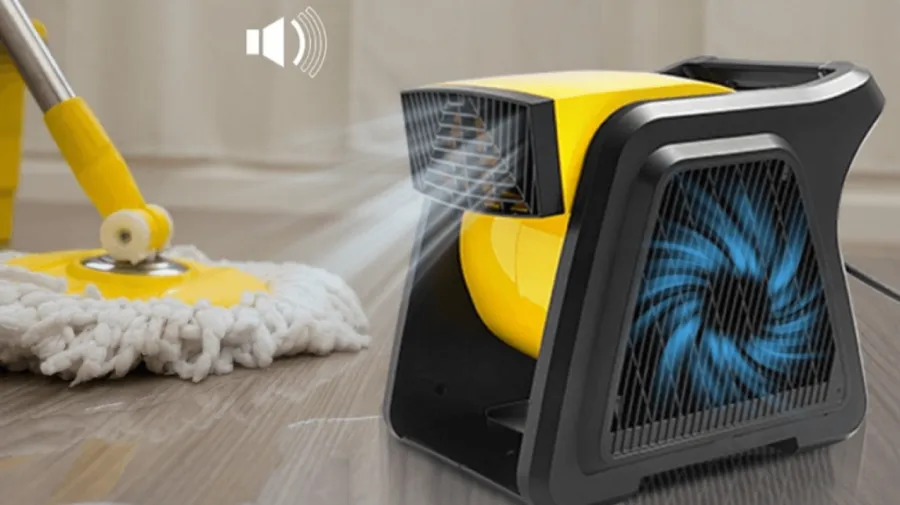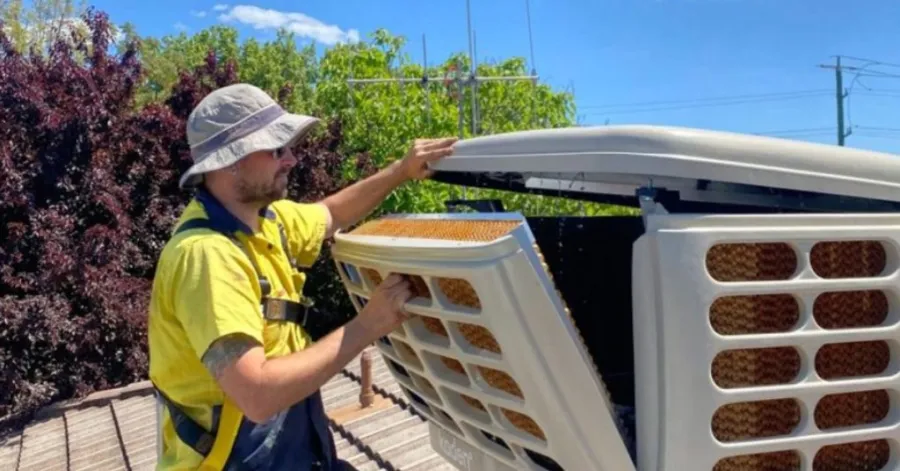
A párologtató hűtés egy olyan hűtési módszer, amely kevesebb energiát fogyaszt, és a levegő hűtéséhez a víz természetes párolgásán alapul. Leginkább lakó-, kereskedelmi, mezőgazdasági és ipari helyiségekben alkalmazzák, különösen meleg és száraz területeken. Sok vállalkozás is használ... ipari hűtő párologtató hűtőtechnológiával a kényelmes munkakörülmények fenntartása és az energiaköltségek csökkentése érdekében.
Kíváncsi, mi az a párologtató hűtés, hogyan működik, és hol a leghatékonyabb? Ez az útmutató mindent elmagyaráz, amit tudnia kell. Ismerteti Önt azzal is, hogy mi az a párologtató hűtés, annak főbb előnyeivel, leggyakoribb felhasználási területeivel és hiányosságaival. A párologtató hűtés alapelveinek elsajátítása segíthet a megfelelő hűtőrendszer kiválasztásában, az energiamegtakarításban és a beltéri komfort fokozásában.
A párologtató hűtés megértése és működése
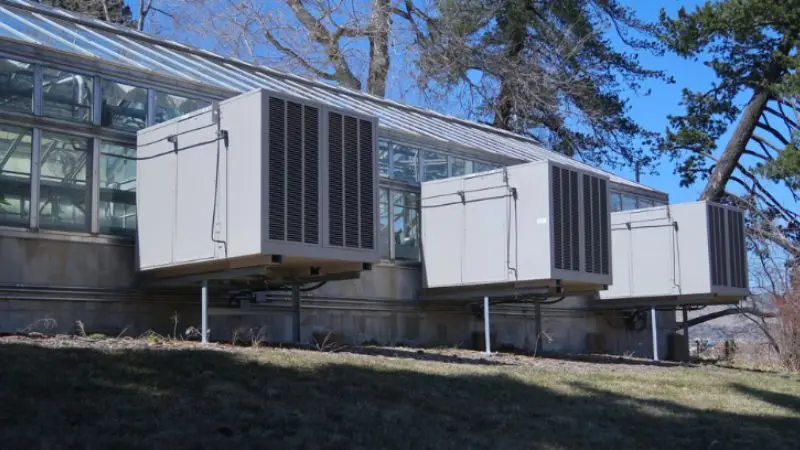
Mindig hasznos megérteni a párologtató hűtés mögött álló tudományos hátteret, mielőtt léghűtési megoldás mellett döntünk. Ez a hűtési forma évszázadok óta használatos, mivel egyszerű, kevesebb energiát igényel és környezetbarát. Ha megértjük, mi az a párologtató hűtés és hogyan működik, eldönthetjük, hogy ez-e a megfelelő megoldás otthonunk, munkahelyünk vagy ipari üzemünk számára.
Mi a párologtató hűtés alapelve?
Az evaporatív hűtés alapvető koncepciója a víz párolgásának természetes jelenségén alapul. A meleg, száraz levegő áthalad a vízzel telített hűtőpárnákon, a víz pedig hőt von el a levegőből és elpárolog. Ennek következtében a levegő lehűl, pihentető és kényelmes légkört teremtve. Kíváncsi volt, hogyan működik az evaporatív hűtés, és ez az egyszerű folyamat, a párologtatás, a megoldás. A régimódi légkondicionálókkal összehasonlítva, amelyek hűtőközegeket és kompresszorokat használnak a hűtéshez, az evaporatív hűtés vizet és levegőt használ a hűvös levegő előállításához. Ez azért van, mert az evaporatív hűtés forró, száraz éghajlaton működik a legjobban, ahol a párolgási folyamat gyorsan és hatékonyan megy végbe, és sokkal kevesebb áramot fogyaszt.
Melyek egy párologtató hűtőrendszer fő részei?
Ahhoz, hogy megértsük, mi is az a párologtató hűtőrendszer, először fontos megismerni a főbb alkotóelemeit. Minden rendszer egy víztartályból, egy szivattyúból, hűtőbetétekből, egy ventilátorból és szellőzőnyílásokból áll. A vizet folyamatosan pumpálják a hűtőbetétek fölé, hogy nedvesen tartsák azokat. Ahogy a meleg külső levegő áthalad ezeken a betéteken, a víz elpárolog és lehűti a levegőt, amelyet aztán a ventilátor szétszór, és szétszórja a területet. A friss levegő folyamatosan biztosított, az állott beltéri levegő pedig nyitott ablakokon vagy szellőzőnyílásokon keresztül távozik. Az alacsony technológiájú kialakítás kevesebb mozgó alkatrészt tartalmaz, mint a hagyományos légkondicionáló rendszerek, mivel könnyebben karbantartható, és jobb hosszú távú megbízhatósággal rendelkezik lakossági és kereskedelmi használatra egyaránt.
Miért fogyaszt kevesebb energiát a párologtató hűtés?
A párologtató hűtés egyik legnagyobb előnye a lenyűgöző energiahatékonyság. Ezeknek a rendszereknek nincs szükségük elektromos áramra a kompresszorok és a hűtőközeg-ciklusok meghajtásához, mint a hagyományos légkondicionálóknak, hanem csak a ventilátor és a vízszivattyú meghajtásához. Mivel kevesebb nagy teljesítményű alkatrészt fogyasztanak, az áramfogyasztás jelentősen alacsonyabb, ami segít csökkenteni a havi villanyszámlákat. A párologtató hűtés további jelentős előnye, hogy környezetbarát hűtési módszer, mivel vizet használ kémiai hűtőközegek helyett. Ez a hatékony kialakítás a párologtató hűtőket nagyszerű választássá teszi raktárak, műhelyek, üvegházak, gyárak, garázsok és otthonok számára forró, száraz éghajlaton, mivel megbízható hűtést biztosítanak nagyon alacsony üzemeltetési költségek mellett.
A párologtató hűtés lakossági alkalmazásai
Az evaporatív hűtés az egyik legnépszerűbb otthoni hűtési módszer, mivel energiatakarékos és viszonylag olcsó megoldást kínál más hűtési módszerekhez képest. Különösen hatékony lehet alacsony páratartalmú régiókban, ahol a természetes párolgási folyamat hatékonyabb a levegő hűtésében. Ha arra kíváncsi, hogy milyen területeken alkalmazzák az evaporatív hűtést, a lakossági hűtés az egyik leggyakoribb alkalmazás. Az evaporatív hűtőrendszereket nappalikban, teraszokon és kültéri területeken használják a belső tér kényelmének megteremtésére, a villanyszámlák csökkentésére és a légáramlás javítására.
Párologtató hűtés nappalikban és hálószobákban
A párologtató hűtőrendszerek leggyakoribb telepítési területei a nappalik és a hálószobák. Ezeknek a helyiségeknek az az előnye, hogy folyamatosan friss, hűtött levegő áll rendelkezésre, ami segít fenntartani a kellemes hőmérsékletet a nap folyamán. Párologtató hűtők ellentétben állnak a hagyományos légkondicionálókkal, amelyek újrahasznosítják a lakásban lévő levegőt, és a meleg, állott levegőt nyitott ablakokon vagy szellőzőnyílásokon keresztül fújják ki. Ez az állandó légcsere az evaporatív hűtés egyik legnagyobb előnye, különösen, ha még csak most ismerkedik a működésével. Nemcsak egészségesebb beltéri környezetet biztosít, hanem megbízható hűtést is kínál, és sokkal kevesebb áramot fogyaszt a hagyományos légkondicionáló rendszerekhez képest.
@truckintoby VEVOR 14 000 BTU hordozható klímaberendezések, 3 az 1-ben hordozható klímaberendezés távirányítóval, 550-600 négyzetláb (47-55 m²) területre, hűtés/páramentesítés/ventilátor üzemmód, alacsony zajszint és gazdag tartozékválaszték otthonra/irodába/kollégiumi szobákba, fehér... Szép! #vevor #kollégiumiélet #TikTokShopAlkotóiVálasztások #hordozhatóhálózat #TikTokShopVisszaazIskolába @Vevor_US
♬ eredeti hang – TruckinToby
Párologtató hűtés garázsokban és műhelyekben
Az otthoni műhelyek és garázsok nyáron túl melegek lehetnek ahhoz, hogy hosszú órákat dolgozzanak. A párologtató hűtőt azért szerelik be, hogy lehűtse a levegőt és csökkentse a hőmérsékletet azáltal, hogy a forró levegőt kiszívja a szabadba, átfújja vízzel telített hűtőpárnákon, majd a lehűtött levegőt keringeti a térben. Ez egy alapvető folyamat, amely segít a műhelyeknek kényelmesebben dolgozni a famegmunkálás, a járműjavítás, az otthoni javítás és a barkácsolás során. A párologtató hűtés mechanizmusának ismerete segít megérteni, hogy miért hasznosak az ilyen rendszerek nyitott vagy részben szellőző terekben. Jó hűtést kínálnak alacsony üzemeltetési költségek mellett a hagyományos légkondicionálókhoz képest, így életképes alternatívát jelenthetnek a háztulajdonosok számára.
Párologtató hűtés teraszokhoz és kültéri lakóterekhez
A párologtató hűtés fedett teraszokon, tornácokon és kültéri szórakozóhelyeken is alkalmazható. A hagyományos légkondicionálók nem illenének be nyílt térbe, míg a párologtató hűtők hatékonyak lennének, mivel csökkentenék a körülöttük lévő levegő hőmérsékletét. Ez fokozza a szabadtéri étkezések, a családi összejövetelek és a forró nyári napokon a pihenés élvezetét. A párologtató hűtés előnye, hogy hűtő hatást fejt ki, valamint kis mennyiségű áram felhasználásával frissítő levegővel látja el a levegőt. Mivel a friss levegő folyamatosan kering a rendszerben, a kültéri területek nem fülledtek, és nem érződnek ketrecnek. Ezáltal a párologtató hűtés gazdaságos megoldást jelent a kültéri lakótér bővítésére a melegebb évszakban.
Miért működik a legjobban a párologtató hűtés száraz éghajlaton?
A párologtató hűtés forró, száraz éghajlaton a leghatékonyabb, mivel alacsony páratartalom mellett a víz gyorsabban párolog el. A meleg levegőt nedves hűtőpárnák szűrik át, ahol elnyeli a hőt, és kellően lehűl, mielőtt bejut a házba. Ha azon tűnődik, hogy mi is az a párologtató hűtőrendszer, részben ennek a természetes párolgási folyamatnak köszönhető a hatékonysága. A legtöbb háztulajdonos a párologtató hűtés előnyei miatt választja ezeket a rendszereket, beleértve az alacsonyabb energiaszámlákat, a környezetbarát működést és a folyamatos friss levegőellátást. Ezek a tulajdonságok jó választássá teszik a párologtató hűtést a száraz régiókban található házakban, ahol nyáron megbízható és gazdaságos hűtésre van szükség.
A párologtató hűtés kereskedelmi alkalmazásai
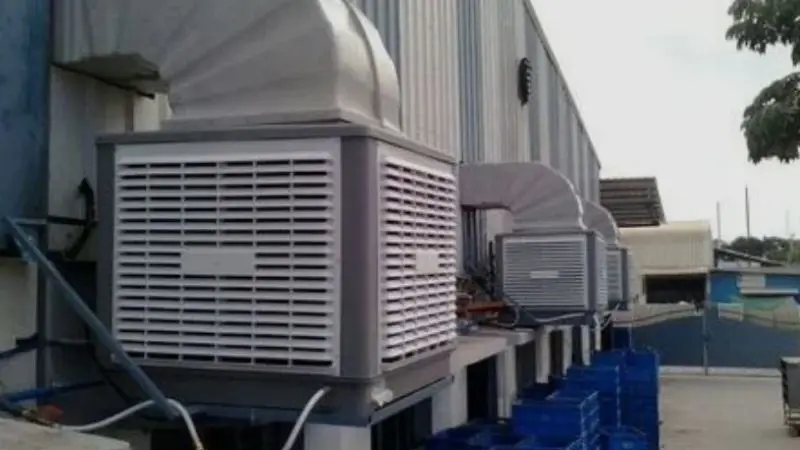
Az evaporatív hűtés népszerű a kereskedelmi épületekben, mivel hatékony és gazdaságos módszert kínál a beltéri terek hűtésére. Ezeket a rendszereket elsősorban olyan vállalkozások használják, amelyeknek állandó hűtésre van szükségük az üzemeltetési költségek csökkentése, a légáramlás javítása és a beltéri komfort fokozása érdekében. Felmerül a kérdés, hogy mire alkalmazzák az evaporatív hűtést, így az egyik leggyakoribb felhasználási terület a kereskedelmi terek. A kiskereskedelmi üzletektől a raktárakig az evaporatív hűtés kiváló minőségű teljesítményt nyújt, sokkal alacsonyabb energiafogyasztással, mint más légkondicionáló rendszerek.
Párologtató hűtés kiskereskedelmi üzletekben és bevásárlóközpontokban
A bevásárlóközpontoknak és a kiskereskedelmi üzleteknek kényelmes légkörre van szükségük ahhoz, hogy fokozzák a vásárlók és a dolgozók vásárlási élményét. A párologtató hűtést arra használják, hogy a beltéri tereket hűvösen tartsák azáltal, hogy folyamatosan friss levegőt pumpálnak az épületbe. A hagyományos, beltéri levegőt újrahasznosító légkondicionáló rendszerekkel összehasonlítva, párologtató hűtők friss levegőt szívhat be a szabadból, és elszívhatja az elhasználódott levegőt. Ez az evaporatív hűtés egyik legnagyobb előnye, ha megtanuljuk, hogyan működik. Az evaporatív hűtés a legjobb megoldás kiskereskedelmi területeken, különösen a forró és száraz területeken, az alacsonyabb energiafogyasztás és a jobb szellőzés miatt.
Párologtató hűtés éttermekben és kávézókban
A főzőkészülékek gyakran plusz hőt termelnek, ami miatt az éttermek és kávézók meglehetősen felforrósodhatnak; így a hatékony hűtés kulcsfontosságú a vevői elégedettség és az alkalmazottak hatékonysága szempontjából. Az evaporatív hűtőrendszerek hozzájárulnak a beltéri hőmérséklet csökkentéséhez is, és a friss levegő folyamatosan bejut az étkezőbe és a konyhába. Ez a folyamatos levegőmozgás kényelmesebb környezetet biztosít, amely nem jár magas üzemeltetési költségekkel, mint a hagyományos légkondicionálók esetében. Az evaporatív hűtés legfontosabb előnyei közé tartozik, hogy javítja a szellőzést és kevés áramot fogyaszt. Sivatagi éghajlaton számos étteremben evaporatív hűtőket szerelnek fel, hogy kellemes hangulatot biztosítsanak az étkezések során, és kényelmes munkaterületet biztosítsanak a nap folyamán.
Párologtató hűtés raktárakban és elosztóközpontokban
Az elosztóközpontok és a nagy raktárak hűtése hagyományos légkondicionálókkal kihívást jelenthet és költséges lehet méretük és magas mennyezetük miatt. Az evaporatív hűtés egy alacsony költségű alternatíva, amely nagy mennyiségű friss és hűvös levegőt keringtet a nyitott munkaterületeken. Ez növeli az alkalmazottak kényelmét, és támogatja a mindennapi működést a tárolási és szállítási részlegeken. Ez az evaporatív hűtés mechanizmusának megértésének és annak köszönhető, hogy miért tökéletesen alkalmazkodik ezekhez a környezetekhez. A rendszer a kompresszorok helyett természetes vízpárolgást használ, ami kevesebb energiafogyasztáshoz és alacsonyabb üzemeltetési költségekhez vezet a kereskedelmi használatú nagy létesítmények esetében.
Párologtató hűtés iskolákban, tornatermekben és közösségi épületekben
Az iskolák, sportközpontok, edzőtermek és közösségi központok mind olyan helyek, ahol megbízható hűtésre van szükség ahhoz, hogy a diákok, a látogatók és a személyzet kényelmesen érezzék magukat a meleg évszakokban. Egy evaporatív hűtőrendszer friss levegőt biztosít és csökkenti a beltéri hőmérsékletet, így a környezet egészségesebb és kellemesebb a tanuláshoz, a testmozgáshoz és más közösségi tevékenységekhez. Tudni szeretné, mi az a evaporatív hűtőrendszer. Ezek a közösségi alapú épületek mutatják ennek az értékét. A evaporatív hűtés számos előnye közé tartozik a villanyszámlák csökkenése, a környezetbarát jelleg és a légáramlás fenntartásának képessége, így intelligens és életképes hűtési rendszerré válik a nagy forgalmú kereskedelmi épületek számára.
A párologtató hűtés ipari alkalmazásai
Az evaporatív hűtés nagyon népszerű az ipari környezetben, ahol a nagy területek, a hőtermelő gépek és a huszonnégy órás műveletek hatékony hűtőrendszert igényelnek. ipari hűtő A párologtató hűtést alkalmazó rendszerek költséghatékony alternatívát kínálnak a hagyományos légkondicionáló rendszerekkel szemben, amelyek üzemeltetése ilyen környezetben költséges lehet. Abban az esetben, ha azt kérdezi, hogy mi is az a párologtató hűtés, a párologtató hűtés egyik legnagyobb felhasználója az ipari létesítmények, mivel ezek a rendszerek megbízható hűtést kínálnak, javítják a légáramlást, segítenek csökkenteni az üzemeltetési költségeket, és kényelmes munkakörnyezetet biztosítanak.
Párologtató hűtés gyártó- és termelőüzemekben
A gyártóüzemek és a gyártóüzemek gyakran jelentős hőt termelnek a gépek, berendezések és a folyamatban lévő termelés során. A párologtató hűtés segítségével kellemes belső hőmérsékletet lehet fenntartani azáltal, hogy friss, hűtött levegőt juttat a belső térbe. Ez növeli az alkalmazottak kényelmét, és segít állandóbb termelési körülményeket fenntartani még meleg időben is. Feltételezve, hogy meg fogja tanulni, hogyan működik a párologtató hűtés, a rendszer a bejövő levegőt a víz elpárologtatásával és a létesítményben való elosztásával hűti. Sok gyártó az evaporatív hűtést részesíti előnyben, mert kevesebb áramot fogyaszt, mint a hagyományos légkondicionálók, és lehetővé teszi számukra, hogy csökkentsék az általuk felhasznált energia költségeit anélkül, hogy veszélyeztetnék működésüket.
Párologtató hűtés mezőgazdasági épületekben és üvegházakban
A mezőgazdasági létesítményeknek és az üvegházaknak megfelelő hőmérsékleten kell lenniük a növények megfelelő növekedésének biztosítása és a növények károsodásának megakadályozása érdekében. A párologtató hűtőrendszereket a beltéri környezet szabályozására és a friss levegő folyamatos biztosítására használják, hogy a termesztési környezet stabilabb legyen. Ez egy nagyon hasznos hűtőrendszer, különösen forró és száraz éghajlaton, ahol a hűtés a párolgás révén hatékonyabb. A párologtató hűtés jelentős előnyei közé tartozik, hogy a hagyományos hűtőrendszerek üzemeltetési költségeinek töredékéért segít csökkenteni a növények hőstresszét. Következésképpen a gazdálkodók és az üvegháztulajdonosok javíthatják a termesztés körülményeit, és ésszerű szinten tarthatják az energiaköltségeket.
Párologtató hűtés állattartó telepeken és baromfiólakban
Az állattartó telepek és baromfiólak egészséges állapotának biztosítása érdekében megfelelő szellőzés és hűtés szükséges. A hőstresszt a magas hőmérséklet, az alacsonyabb termelékenység okozhatja, és befolyásolhatja az állatok jólétét. A hűtött levegő folyamatos ellátást biztosít a párologtató hűtőrendszerek által, és így hozzájárul a jobb környezet megteremtéséhez az állatállomány számára. A párologtató hűtés mechanizmusának ismerete igazolja az ilyen rendszerek népszerűségét a mezőgazdasági épületekben. Csökkentik a légkondicionálási költségeket, ami segít biztosítani az állatok egészségét, valamint áramot és üzemeltetési költségeket takarít meg a beltéri helyiségek természetes hűtésével és a légáramlás javításával.
Párologtató hűtés gyárakban, műhelyekben és nagy ipari terekben
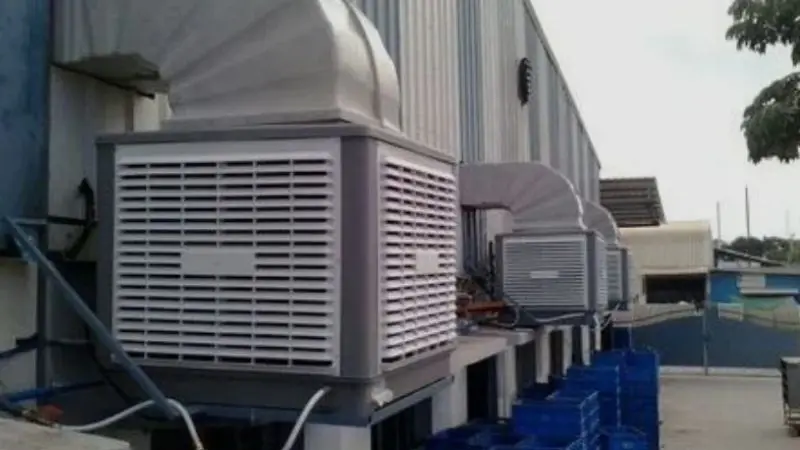
A nagy ipari épületekhez, például gyárakhoz, műhelyekhez és raktárakhoz gyakran szükség van olyan hűtőrendszerekre, amelyek hatékonyan képesek lefedni a nagy nyitott tereket. A párologtató hűtőrendszer nagy mennyiségű hűtött levegőt juttat a létesítménybe, ezáltal folyamatos szellőzést biztosítva. Ha azon tűnődik, hogy mi is az a párologtató hűtőrendszer, ezek az óriási ipari területek mutatják meg a hatékonyságát. A párologtató hűtés fő előnyei közé tartozik a csökkent energiafogyasztás, az alacsony karbantartási költségek, a környezetbarát jelleg, valamint a nagy munkaterületek alacsony költségű hűtésének lehetősége a drága légkondicionálókhoz képest. Ezáltal a párologtató hűtés tökéletes megoldás számos ipari felhasználásra.
A legjobb helyek a párologtató hűtés használatára
A párologtató hűtés nem minden környezetben hatékony. Teljesítménye az éghajlattól, a légáramlástól és a hűtött épület jellegétől függ. Ha tudjuk, hogy ezek a rendszerek hol teljesítenek optimálisan, az lehetővé teszi a háztulajdonosok és a vállalkozások számára, hogy minimális energiaköltségekkel a legjobb hűtési teljesítményt érjék el. Amikor azt kérdezzük magunktól, hogy használnak-e párologtató hűtést, hasznos lehet, ha van elképzelésünk arról, hogy milyen körülmények a legmegfelelőbbek a párologtató hűtéshez, hogy megállapítsuk, ez-e a megfelelő hűtési módszer az Ön terében.
Forró és száraz éghajlatú területek
A párologtató hűtés optimális teljesítményt nyújt forró és alacsony páratartalmú területeken. Ilyen éghajlaton a víz könnyen elpárolog, és ennek eredményeként a rendszer hatékonyabban képes kivonni a hőt a levegőből. Ez a természetes hűtőrendszer folyamatosan friss, hűvös levegőt generál, és sokkal kevesebb energiát fogyaszt, mint a hagyományos légkondicionálók. Ha azt kérdezi magától, hogyan működik a párologtató hűtés, a száraz időjárás a legjobb választás. Párologtató hűtők Nagyon népszerűek otthonokban, kereskedelmi épületekben, gazdaságokban és iparban száraz és félszáraz területeken, mivel ilyen körülmények között nagy hatékonysággal működnek.
Nyitott és jól szellőző épületek
Az evaporatív hűtés hatékony a jól szellőző épületekben, mivel a rendszer a friss levegő folyamatos ellátására támaszkodik. A külső levegő hűti az épületet, a belső levegő pedig a nyitott ajtókon, ablakokon vagy tetőszellőzőkön keresztül melegszik ki az épületből. Ez a folyamatos légáramlás kellemes szinten tartja a beltéri levegőt, és megakadályozza a páratartalom felhalmozódását. Az evaporatív hűtés egyik jelentős előnye a beltéri levegő minőségére gyakorolt hatása: friss levegőt juttat a helyiségekbe az állott levegő helyett. A megfelelően szellőző épületek lehetővé teszik a rendszer hatékonyabb működését és megbízható hűtést biztosítanak.
Nagy beltéri és félig kültéri terek
Az evaporatív hűtés nagy beltéri és félig kültéri terekben a legalkalmasabb, mivel ezeknek a tereknek jó légáramlásra van szükségük a zárt hűtés helyett. Ez a hűtési forma gyakori raktárakban, gyárakban, műhelyekben, garázsokban, fedett teraszokon, sportlétesítményekben és rendezvényterekben. És ha azon tűnődik, hogy mi is az az evaporatív hűtőrendszer, ezek a hatalmas területek nyilvánvalóan megmutatják az értéküket. Az evaporatív hűtés néhány fő előnye közé tartozik a nagy terek hűtésére való képesség, az alacsonyabb üzemeltetési költségek, a fokozott légmozgás és a környezetbarát hűtés. A fenti tulajdonságok teszik az evaporatív hűtést hatékony és költséghatékony megoldássá kereskedelmi és ipari környezetben.
Wrap Up
Az evaporatív hűtés egy egyszerű, gazdaságos és környezetbarát módszer különféle helyiségek hűtésére. Hatékony hűtést biztosít lakóházak és kereskedelmi ingatlanok, gyárak, gazdaságok és raktárak számára, és kevesebb áramot fogyaszt, mint a hagyományos légkondicionáló rendszerek. Az evaporatív hűtésnek számos előnye van, mint például az alacsonyabb energiaszámlák, a friss levegő keringtetése és a hosszú távú fenntarthatóság, ami jó választássá teszi forró, száraz éghajlaton. Annak ellenére, hogy nedves körülmények között vannak hátrányai, egy kis ismeret arról, hogy mi minősül evaporatív hűtőrendszernek, és mely helyzetekben a legalkalmasabb, segít eldönteni, hogy az evaporatív hűtőrendszer a legmegfelelőbb hűtőrendszer-e az Ön adott helyzetében.
FAQ
Mire jó a párologtató hűtés?
Az otthonok, irodák, raktárak, gyárak, üvegházak, műhelyek, garázsok és mezőgazdasági épületek hűtését párologtató hűtéssel végzik. A módszer forró és száraz évszakokban érzi jól magát, amikor a víz párolgása megfelelő.
Mi a párologtató hűtés elve?
Hogyan működik a párologtató hűtés? A meleg levegő ezután nedves hűtőpárnákon halad át, ahol a víz elpárolog, és elnyeli a hőt. Egy ventilátor keringteti a lehűtött levegőt a helyiségben.
Olcsóbb a párologtató hűtés, mint a légkondicionálás?
Igen. A párologtató hűtés jellemzően sokkal kevesebb áramot igényel, mivel ventilátort és vízszivattyút használ kompresszorok helyett, ami segíthet csökkenteni a havi energia- és üzemeltetési költségeket.
Működik-e a párásító hűtés párás éghajlaton?
A párologtatásos hűtés forró, párás környezetben szintén hatástalan, mivel a levegő páratartalma lelassítja a párolgási folyamatot. Forró és száraz területeken virágzik.
Melyek a párologtató hűtés fő előnyei?
A párologtató hűtés legfontosabb előnyei a csökkentett áramfogyasztás, a friss levegő keringtetése, a környezetbarát megoldások, az egyszerű karbantartás és a megfizethető hűtés lakossági, kereskedelmi és ipari területeken.