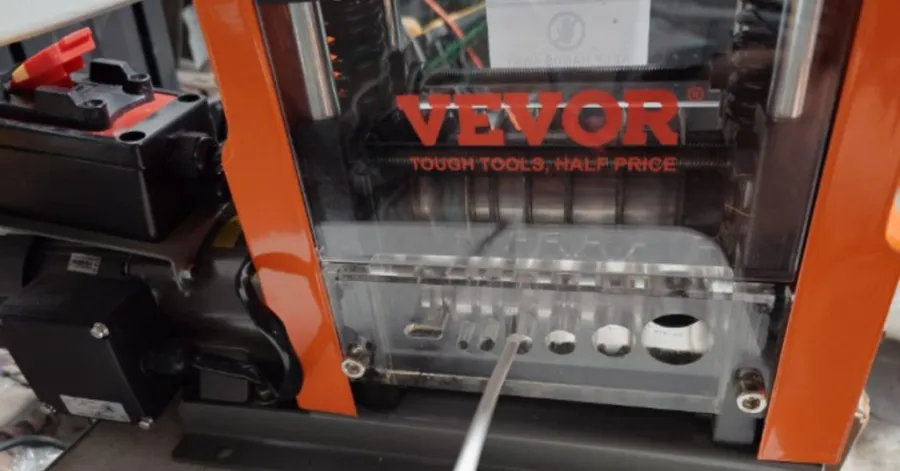
L'isolant des câbles électriques est un isolant rigide en plastique conçu pour résister à la chaleur, à l'humidité, aux produits chimiques et aux chocs ; cependant, il peut compliquer le dénudage des câbles. Une méthode ou un équipement inapproprié peut endommager le conducteur en cuivre, réduisant ainsi les performances et la sécurité du câble. En apprenant à manipuler l'isolant rigide des câbles, vous obtiendrez un dénudage plus rapide, plus propre et plus précis. machine à dénuder les fils manuelleCe guide explique comment retirer l'isolant en plastique rigide des fils électriques, le type d'équipement nécessaire, la configuration de votre machine, les réglages appropriés et comment retirer l'isolant sans endommager le conducteur sous-jacent.
Table des Matières
Pourquoi l'isolation en plastique rigide des câbles peut être difficile à retirer
Le dénudage des câbles à isolation épaisse et rigide peut s'avérer complexe sans la méthode appropriée. Les matériaux d'isolation en plastique rigide ne se manipulent pas comme les isolants souples : ils requièrent des outils spécifiques et une plus grande précision afin d'éviter d'endommager le conducteur. Comprendre pourquoi ces câbles sont plus difficiles à dénuder vous permettra d'opter pour la méthode la plus sûre et la plus efficace.
Il est important de connaître les différents types de matériaux isolants et les difficultés qu'ils présentent avant de se renseigner sur la manipulation des isolants en plastique rigide des câbles. Cela facilitera grandement le dénudage sans endommager le fil et permettra d'obtenir des résultats plus propres et plus fiables.
Types d'isolants en plastique rigide utilisés sur les câbles
Les câbles électriques sont fabriqués avec différents types d'isolants selon leur utilisation et leurs conditions de fonctionnement. Les matériaux les plus courants sont le PVC (polychlorure de vinyle), le PEBDL (polyéthylène réticulé), l'isolant recouvert de nylon et le polyéthylène haute densité. Ces matériaux protègent le conducteur de l'humidité, de la chaleur, des produits chimiques, de l'abrasion et des dommages mécaniques. Ils sont très résistants, mais se dénudent beaucoup plus facilement que les isolants souples. Connaître le type d'isolant vous permettra de choisir les outils appropriés et la méthode de dénudage adéquate. C'est également la première étape pour apprendre à retirer l'isolant rigide en plastique des fils électriques sans endommager le conducteur en cuivre.
Difficultés liées au dénudage de l'isolant résistant des câbles
L'isolation en plastique rigide présente plusieurs difficultés, car elle est moins fine, moins flexible et moins facile à plier que les gaines de câbles classiques. Une pression excessive lors de l'utilisation d'un couteau ou d'une pince à dénuder risque d'entailler ou de couper les brins de cuivre, réduisant ainsi la résistance et les performances électriques du câble. Il est également fréquent de rencontrer des difficultés pour dénuder efficacement l'isolation en plastique rigide, rapidement et sans endommager des câbles coûteux. Dans certains cas, il peut être nécessaire d'apprendre à plier l'isolation avant de la dénuder, notamment par basses températures où elle devient encore plus difficile à plier. Couper une isolation épaisse en toute sécurité avec la technique appropriée est beaucoup plus simple et permet d'éviter d'endommager le câble et de se blesser.
Recommandé pour votre projet
Choisir les bons outils pour l'isolation en plastique rigide
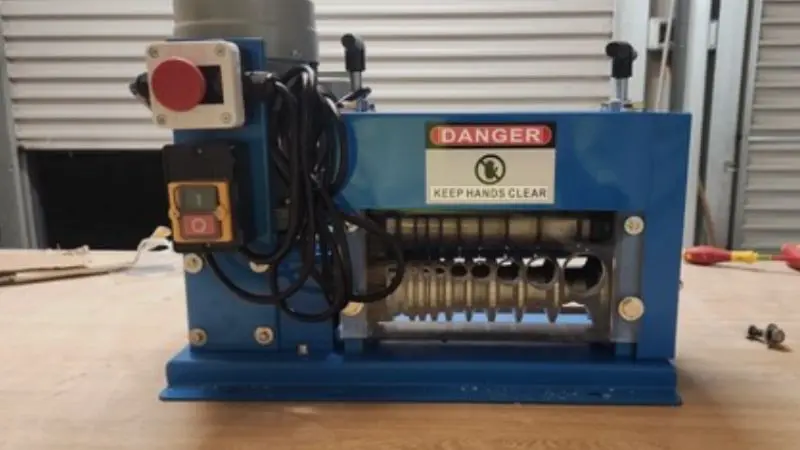
Il est beaucoup plus facile de retirer l'isolant en plastique rigide avec les outils appropriés. Ce guide étant consacré à un manuel d'utilisation, il s'agit d'un guide pratique. machine à dénuder les filsIl est plus important de choisir la machine adaptée et de la régler correctement que d'utiliser une force excessive. Une installation correcte permet une coupe nette et précise et préserve le conducteur en cuivre.
Avant de commencer, prenez le temps de vérifier votre câble et de préparer votre machine à dénuder. Retirer l'isolant du câble avec les outils appropriés et comparer sa section améliorera l'efficacité, et le retirer sans casser le fil sera plus fiable.
Choisissez une machine à dénuder manuelle conçue pour les isolants épais.
L'une des meilleures machines pour dénuder les câbles est une pince à dénuder manuelle de bonne qualité, notamment pour les isolants en plastique rigide. Ces machines sont équipées de lames de coupe et de rouleaux d'entraînement réglables permettant de dénuder le fil de cuivre sans exercer de pression excessive. Une pince à dénuder manuelle est plus stable et plus efficace avec les câbles épais qu'une pince à dénuder portative. En choisissant une machine compatible avec différentes tailles de câbles, vous pouvez facilement travailler avec un plus grand nombre de types de fils électriques. C'est généralement la méthode la plus efficace pour dénuder les isolants en plastique rigide, car elle offre un résultat impeccable et minimise les risques d'endommager les conducteurs.
Quand utiliser une machine à dénuder les fils manuelle plutôt qu'un couteau utilitaire
Un cutter peut servir à couper l'isolant des câbles, mais il faut faire preuve de précision et éviter d'endommager le conducteur en cuivre en cas de force excessive. Une pince à dénuder manuelle est une solution bien plus sûre et fiable pour les isolants en plastique rigide. La machine guide le câble dans la lame à une profondeur contrôlée, facilitant ainsi le dénudage uniforme des isolants difficiles à nettoyer. Pour dénuder les isolants en plastique rigide des fils électriques, une pince à dénuder manuelle permet de réduire les erreurs et d'améliorer la sécurité. Elle simplifie également la découpe en toute sécurité des isolants épais, notamment lors du dénudage de plusieurs câbles pour des raisons électriques ou de recyclage.
@milusos502 #vevor #soldesfêtedutravail #offrespourvousjours #offre
♬ [Enregistrement brut] Enregistrement du bruit de lecture 01 (3 minutes) - Lumière glacée
Réglez la machine à dénuder manuelle en fonction de la taille du câble.
Un réglage correct de la machine est crucial pour éviter un dénudage impur et inefficace. Avant de charger le câble dans le manuel machine à dénuder les filsRéglez la profondeur de coupe et l'écartement des rouleaux en fonction du diamètre du câble. Un réglage inadéquat risque d'endommager le fil de cuivre ou de ne pas couper complètement l'isolant. Il est conseillé de tester les réglages sur un petit morceau de câble, puis de dénuder le câble sur toute sa longueur pour un résultat optimal. Un réglage approprié est essentiel pour dénuder correctement les câbles à isolation plastique rigide ; il permet de retirer facilement même une isolation épaisse et d'isoler le câble sans risquer de le casser.
Comment retirer en toute sécurité l'isolant en plastique rigide d'un câble
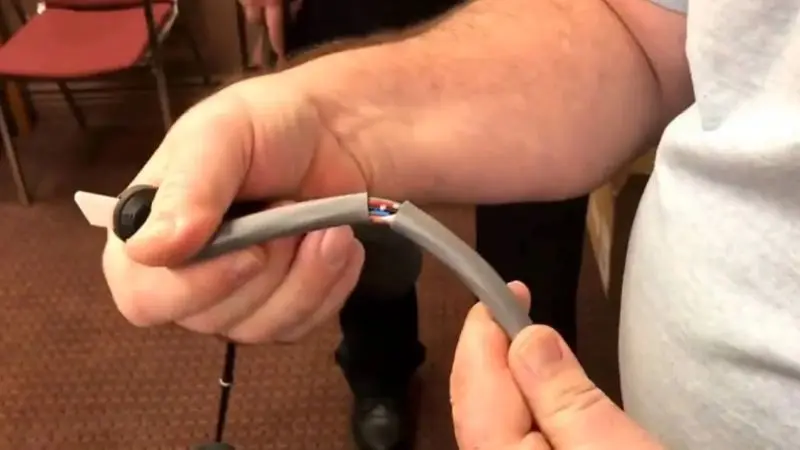
Une fois votre pince à dénuder manuelle correctement réglée, dénudez l'isolant lentement et régulièrement. Aller trop vite ou forcer le câble dans la machine risque d'endommager le conducteur et de réduire la qualité du fil dénudé. En prenant votre temps, vous obtiendrez un résultat plus net et plus précis.
Qu'il s'agisse de câblage électrique ou de recyclage de câbles, une procédure de dénudage appropriée est non seulement plus sûre, mais aussi plus efficace. Elle vous apprend également comment dénuder les fils électriques de leur gaine en plastique rigide tout en préservant l'isolation du câble et en évitant de l'endommager.
Réglez la lame pour qu'elle ne coupe que l'isolant.
L'étape la plus importante lors de l'utilisation d'une pince à dénuder manuelle est le réglage de la lame. Celle-ci doit sectionner l'isolant en plastique rigide sans entrer en contact avec le conducteur en cuivre sous-jacent. Avant de dénuder de longs câbles, testez la machine sur un petit morceau afin de vérifier la profondeur de coupe. Une lame trop profonde risque d'endommager ou d'affaiblir les brins de cuivre. À l'inverse, une lame trop superficielle rendra le dénudage difficile. Le réglage correct de la lame est essentiel pour un dénudage aisé et précis de l'isolant en plastique rigide des câbles, avec des pertes minimales.
Faites passer le câble à travers la machine en exerçant une pression constante.
Une fois la lame fixée, placez le câble dans la machine à dénuder manuelle et tournez la manivelle lentement et régulièrement. Ne tirez pas sur le câble et ne forcez pas ; le conducteur pourrait être endommagé ou mal coupé en raison d'une pression inégale. Laissez la machine faire son travail et guidez le câble sur les rouleaux. Cette méthode est efficace pour dénuder l'isolant en plastique rigide des câbles, car elle permet une coupe nette et continue. Si l'isolant est très rigide, vous pouvez faciliter le dénudage en apprenant à l'assouplir à température ambiante.
Vérifiez le câble avant de l'utiliser.
Une fois l'isolant retiré, inspectez soigneusement le conducteur exposé. Le cuivre doit être lisse, propre et sans coupures, rayures ni zones aplaties. Assurez-vous également que tout l'isolant a été enlevé sans laisser de fragments sur le fil. Un simple contrôle permet de vérifier que la machine à dénuder manuelle est correctement réglée et que le câble est prêt à l'emploi. Cette dernière étape est cruciale pour retirer l'isolant du câble sans le casser et contribue à garantir des connexions électriques sûres et fiables.
Erreurs à éviter lors du décapage d'isolants en plastique rigide
Malgré le manuel de haute qualité machine à dénuder les filsDes erreurs peuvent survenir en cas de mauvaise manipulation du câble ou de la machine. La plupart des problèmes sont dus à un mauvais réglage des lames, à une surcharge ou à l'omission des vérifications nécessaires avant et après le dénudage. Voici quelques pièges à éviter pour optimiser votre travail et garantir votre sécurité.
Savoir ce qui peut mal tourner vous aidera à entretenir vos câbles, à prolonger la durée de vie de votre matériel et à mener à bien chaque projet avec une plus grande sérénité. Même des modifications mineures peuvent avoir un impact significatif lorsqu'il s'agit d'isolants rigides.
Faire passer le câble à travers la machine
Forcer excessivement sur le câble lors de l'utilisation d'une pince à dénuder manuelle est une erreur fréquente. Un excès de force peut entraîner le glissement du câble, des coupes irrégulières ou endommager le conducteur. Il est préférable de faire tourner la manivelle à vitesse constante ; la lame coupera l'isolant d'elle-même. Cette méthode simple simplifie considérablement le dénudage en toute sécurité des câbles épais, tout en minimisant les contraintes exercées sur le câble et la machine.
Utilisation d'une lame inadaptée ou réglages de la machine incorrects
L'épaisseur de l'isolant varie d'un câble à l'autre, et un seul réglage de lame ne convient pas à toutes les applications. Une profondeur de coupe inadaptée ou un mauvais réglage de la machine en fonction du diamètre du câble peuvent entraîner un dénudage incomplet ou endommager les conducteurs. Il est toujours préférable de vérifier le câble et d'effectuer de petites réparations avant de commencer l'application complète. Le choix des réglages est essentiel pour utiliser efficacement les outils de dénudage et obtenir un résultat professionnel.
Ignorer les dommages causés au fil de cuivre
Une fois l'isolant retiré, ne présumez pas que le fil est en bon état et prêt à l'emploi sans l'avoir vérifié. Même de petites coupures ou entailles dans le cuivre peuvent compromettre le conducteur, augmenter la résistance électrique et réduire la fiabilité à long terme. Si vous constatez un dommage, coupez la partie endommagée et dénudez à nouveau le câble avec une lame adaptée. La méthode la plus sûre pour retirer l'isolant en plastique rigide des fils électriques et éviter de les casser est de prendre quelques secondes supplémentaires pour vérifier votre travail.
Emballer
Dénuder les câbles avec une gaine isolante en plastique rigide n'est pas forcément une tâche ardue avec le bon équipement et les bonnes méthodes. Une machine à dénuder manuelle bien réglée vous permettra de dénuder efficacement les câbles et de préserver le conducteur en cuivre sans l'endommager. En choisissant judicieusement les réglages, en alimentant le câble progressivement et en vérifiant le résultat, vous obtiendrez toujours un travail de qualité professionnelle. Que vous travailliez sur des projets électriques ou que vous recycliez des câbles, suivre ces conseils vous aidera à dénuder les fils sans les abîmer. Avec un peu d'entraînement, dénuder même les gaines les plus dures devient simple et efficace.
FAQ
Comment dénuder le plus facilement possible l'isolant d'un câble en plastique rigide ?
Une machine à dénuder les fils manuelle dont la profondeur de lame est correctement réglée permettra d'obtenir des coupes nettes et régulières et d'éviter d'endommager le conducteur en cuivre, rendant ainsi le processus de dénudage plus sûr et plus efficace.
Une machine à dénuder les fils peut-elle être endommagée par une isolation en plastique dur ?
Non. Une bonne machine à dénuder les fils manuelle est une machine adaptée à une isolation dure, à condition que la lame soit affûtée, correctement installée et que la taille du câble soit compatible avec la machine.
Comment puis-je rendre souple l'isolation en plastique rigide des câbles ?
Laissez le câble refroidir à température ambiante, puis dénudez-le. L'isolant légèrement plus chaud est plus souple et se retire plus facilement sans endommager le conducteur en cuivre.
Qu'est-ce qui endommage mon fil lors du dénudage ?
Les causes les plus fréquentes d'endommagement des câbles sont une lame trop profonde, un mauvais réglage de la machine ou une force excessive appliquée lors de l'insertion du câble.
À quoi sert d'inspecter le fil après avoir retiré l'isolant ?
Une façon de vérifier le fil est de s'assurer que le conducteur en cuivre n'est ni coupé ni entaillé, ce qui contribue à préserver la fonctionnalité électrique, la sécurité et la fiabilité des connexions avant l'installation ou la réutilisation.