If you have a project in your bathroom, kitchen, flooring, or on your walls, learning how to cut tile can make it much easier to handle. Using the right equipment, measurements, and cutting methods helps produce clean edges and a better fit. From ceramic tiles to porcelain, backsplash to floor tiles, knowing the cutting process will help you minimize waste and damage. This guide covers how to prepare your materials, mark your cutting lines, use manual and wet-cutting tools, and handle intricate cuts around pipes, toilets, corners, and outlets. You will also learn how to prevent common errors and improve your tile-cutting accuracy.
Table des Matières
What You Need Before Cutting Tile
Avant d'apprendre how to cut tile, get the tools, materials, and safety equipment. With good preparation, you make cleaner cuts and minimise tile damage.
The cutting method you use depends on the tile’s type, thickness, and shape, as well as the project. Porcelain may be more difficult to work with and will likely need a more powerful saw, whereas ceramic tile is typically easier to cut.
Recommandé pour votre projet
Choose the Right Tile-Cutting Tool
The first step to accurate tile cutting is to know the right tool to use. Many straight cuts work well with a manual tile cutter, particularly when you’re practicing ceramic tile cutting at home. You may need a wet saw for thicker/harder tiles for more cutting power and better dust control. You can also use careful control of the angle grinder and a suitable diamond blade for some of these detailed cuts. A diamond hole saw or tile nippers might be helpful with small or curved openings. Before choosing a tool, consider the material, thickness, cut shape, and number of cuts. The right equipment makes cutting easier and produces cleaner edges.
Gather Safety Equipment and Materials
When cutting tiles, sharp edges, dust, and small pieces can be produced, so prepare safety equipment before you start. Use safety glasses to protect eyes from flying debris and hearing protection for the use of louder power tools. When dry cutting, the use of a dust mask or appropriate respirator will minimize exposure to airborne particulates. Also, have a solid work surface, tape measure, pencil, straight edge, and the correct tile-cutting blade or wheel available. Keep the work area clean and organized to safely handle each tile. When operating a wet saw, ensure a reliable water supply and operate according to the manufacturer’s instructions.
Measure the Tile and Mark the Cut
Accurate measurements are critical to proper, neat tile work. Measure the area where tile is to be installed, and relay measurements to tile. Make a clean cutting line with a pencil or appropriate tile marker. Double-check your measurements before cutting, since cutting too much material may make the tile unusable. Consider installation gaps and grout joints when working on a bathroom or flooring project. When practicing how to cut floor tile or wall tile, mark carefully, as small mistakes can show after installation. Double-check the measurements and cut once.
How to Cut Tile Step by Step
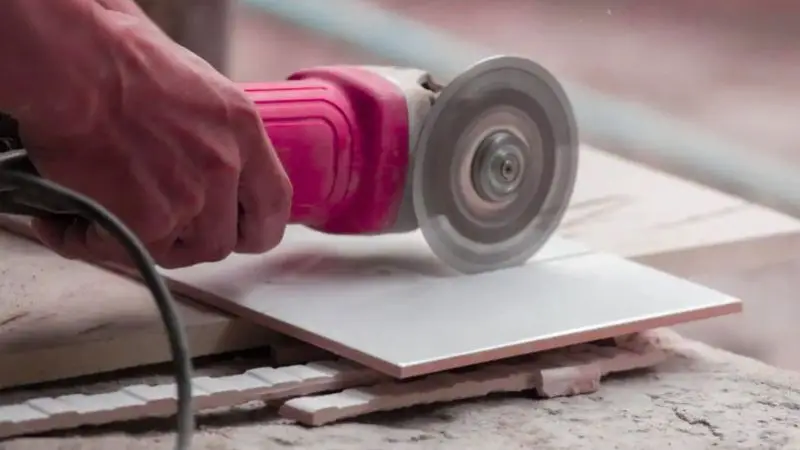
You can start cutting once you’ve measured and marked the tile. Your choice will depend on the tile material and the type of cut needed.
Tile thickness and shape detail may require a wet saw or a different type of saw. Take each step carefully to obtain a clean edge.
Measure and Mark Your Cutting Line
Start by cutting the tile on a stable flat surface with the end in the finished direction facing up, if applicable to the outil de coupe. Measure and clearly mark the cutting line of the required length or width. Use the marks to draw a line across the tile with a straightedge. When cutting, hold the tile against the cutter’s guide, or firmly on the wet saw table. Measure once again against the installation area. This is especially crucial for bathroom tile, as bathroom walls and floors will likely feature fixtures, corners, and narrow spaces that need accurate measurements. Proper marking helps avoid unnecessary waste and unbalanced cuts.
Score the Tile Properly
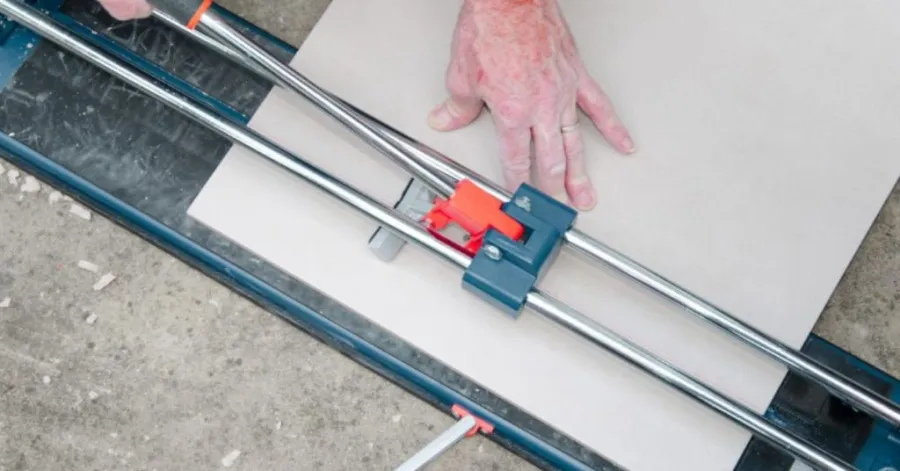
Scoring is a controlled place where the tile will fracture if you are using a coupe-carreaux manuel. Press the tile firmly against the cutter guide and line up the scoring wheel with the line. Use consistent pressure and stroke the wheel in one motion. Do not score the same line over again, as this may cause an irregular edge or harm the tile surface. The idea is to make a continuous score instead of going all the way through the tile. Scoring is particularly critical in home ceramic tile cutting for a clean snap after scoring.
Make the Cut With a Tile Cutter
Score the tile, then set it in the correct position on the manual cutter and apply controlled pressure along the scored line using the breaking mechanism on the manual cutter. Handle the tile gently and be careful not to push it too hard or too quickly, as this can result in an uneven break. A well-scored ceramic tile should break easily with very little force. After cutting, inspect the edge and see if it is the correct measurement. Cutters manuels are also great for making straight cuts and in smaller home improvement projects. But if the porcelain is harder, a more powerful cutting tool might be necessary. When working with porcelain, you need to know how to cut porcelain tile without chipping, and the right cutting tool (diamond cutting wheel) plus consistent pressure will help you do it.
Cut Tile With a Wet Saw
A wet saw is great for making straight cuts with thick, dense, and difficult-to-work-with tile. Before starting, make sure the blade is suitable for the tile material and the water system is working properly. Set the marked tile firmly on the saw table and carefully move it towards the saw blade. Do not force the tile through the blade, as this will cause an uneven cut and chipping. Be sure to keep hands clear of the blade, but in control of the tile. A scie humide can be useful for larger flooring projects and may make things easier with porcelain and other dense materials.
Smooth and Finish the Cut Edge
After cutting, check the edge for sharp points, small chips, or rough spots. Carefully smooth the edge with an appropriate diamond hand pad, rubbing stone, or fine-grit abrasive for tile. Remove material little by little, and avoid taking away too much, especially if the cut will be visible after installation. If trim, grout, or other tile will cover the edges, minor imperfections may be less obvious, but the surface should still be safe to handle. The smooth edge not only simplifies installation but also prevents any cuts while handling. Dust the tile and make sure it fits properly before applying the adhesive.
How to Cut Tile for Different Projects
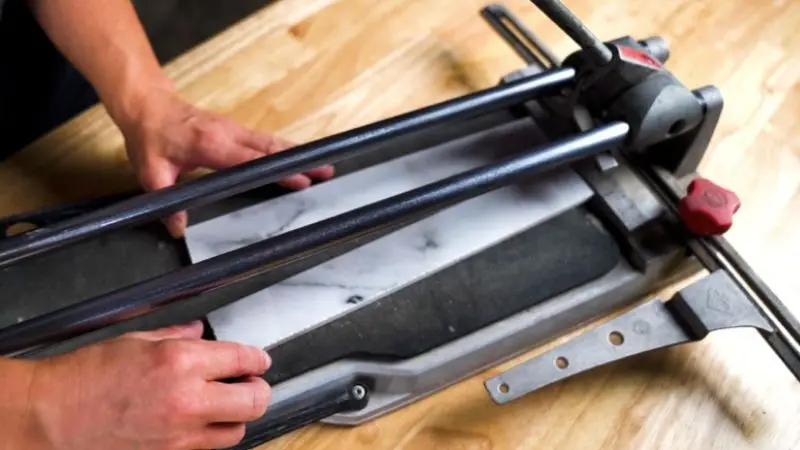
Il y a various ways to cut tiles, as the requirements differ depending on the type of tile project. With the right method, you can make accurate cuts without waste.
When cutting, always consider the tile material, the area’s shape, and whether the cut will be visible after installation. Here are a few ways to handle common tile-cutting dilemmas.
How to Cut Tile for Floors
When installing floor tiles, you often need to cut corners for walls, doorways, cabinets, and other stationary objects. Start by measuring the space carefully and transferring the measurements to the tile. Allow for expansion or grout space as needed. A coupe-carreaux manuel works well for many straight cuts of ceramic tile, and a wet saw may be a better choice for thicker porcelain or larger jobs. When cutting floor tiles, support the tile securely and cut slowly using the tool’s straight edge. After cutting, test the tile in place before applying adhesive to confirm it fits. This helps prevent measurement errors and the need for replacements.
How to Cut Tile for Walls
Wall tile frequently requires special measuring around corners, cabinets, fixtures, and so on. The first step to cutting wall tile is to measure the area you want to cover; the second step is to mark the cut you will be making on the bottom or face of the wall tile, depending on your outil de coupe. Manual cutting is suitable for various straight cuts, while a wet saw can be preferred for materials with a higher hardness and requires higher accuracy. Hold the tile in place while cutting to minimize tile movement and chipping. After cutting, make sure that the tile fits against the wall before installing. Taking time to check each measurement may help you form even grout lines and a more finished look.
How to Cut Tile Around Corners
When cutting tile around corners, make accurate measurements and carefully mark the corners. Always measure from the walls/edges around you, then transfer those measurements to the tile. Draw the required lines with a straight edge and check the shape before cutting. If the cut is straight, a coupeur manuel or wet saw might suffice for a simple corner. More complicated corners may require multiple cuts or a suitable diamond blade. Don’t remove too much tile at a time—make small changes over a period of time. This strategy can be helpful when you’re learning how to cut backsplash tile, as corners and edges may be very visible. Test fit the tile before installation to be sure that the cut fits the corner.
How to Cut Tile Around Pipes and Outlets
Not all pipes and outlets need straight cuts. Measure the pipe/outlet location carefully and mark it with the tile. A diamond hole saw can help create a cleaner, round hole for a round opening, and the tile nibblers can assist with small openings afterward. When cutting tile around a pipe, ensure that the opening is not too small since a small clearance around the pipe may be required. Always check off the necessary power source before starting work near electrical outlets and use proper installation techniques. Always test fit the tile to make sure the opening is correct before applying adhesive.
How to Get Clean and Accurate Tile Cuts
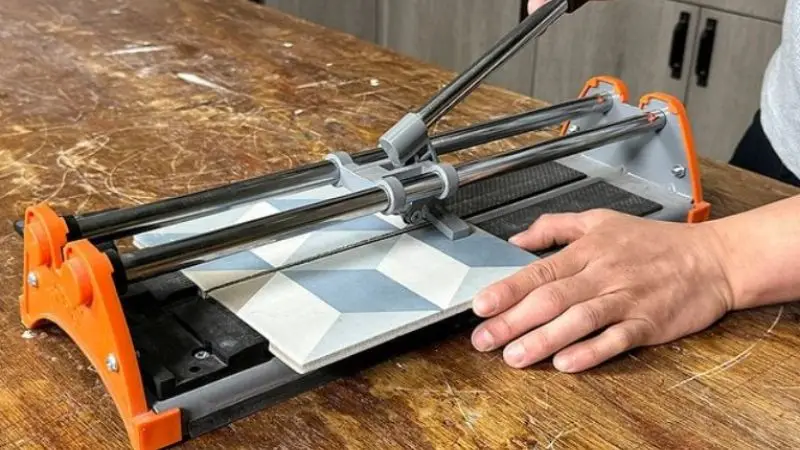
Making a clean cut is more than just picking the right cutting tool. The final result depends on measurement accuracy, the type of support used for the tiles, the pressure applied, and the type of blade used.
Good craftsmanship reduces chips and uneven edges, whether you’re working on a bathroom, kitchen, floor, or wall. These simple steps can also help novice gardeners cut more easily.
Double-Check Measurements Before Cutting
Repeat measurements to prevent wasting tiles and having to make corrections. Measure the installation area, and transfer the measurement onto the tile with a clear marking line. Be sure to accommodate grout joints, clearance around walls, etc., as required. When doing a bathroom job and cutting bathroom tile, measure more than once around corners, drains, toilets, and plumbing fixtures. It will be easier to mark it with a pencil than to remove the wrong tile. If possible, mark the tile and set it in place to check measurements before cutting.
Keep the Tile Stable While Cutting
This allows the cutting tool to run along the marked line, and minimizes the risk of uneven edges or accidental breaks. Lay the tile on a flat, stable surface and set it in the right location against a guide on a manual cutting tool or wet saw. Do not cut the tile in an unusual position, especially when using a powered cutting tool. Therefore, provide proper support for long or large tiles, as any movement can affect the cut. If you’re making detailed cuts, take extra care to keep the tile from moving. When it’s a stable setup, you can control it better, and the cutting process is more predictable.
Avoid Applying Too Much Pressure
Excessive pressure can result in a cracked, chipped, or fractured tile or part of the tile being cut off the intended cutting line. Rather, use slow pressure that’s the same as the cutting tool and the material of the tile, yet firm enough to make a mark on the tile. If you are cutting with a coupeur manuel, allow the scoring wheel to leave a straight cut before striking and breaking the glass. Slowly push the tile through the saw with a wet saw, and gently. This is important for learning how to cut porcelain tile without chipping because porcelain is dense and it may not be as forgiving as ceramic tile is. Assume no need for more pressure to do the job; check blade and tool setup.
Use the Right Blade for the Tile
The cutting blade should correspond to the type and thickness of the tile you are cutting. Manual cutting or a tile blade is usually adequate to cut ceramic tiles; porcelain is best cut with a good diamond blade. The wrong or damaged blade may cause more chipping and can make it harder to get a straight, clean cut. Prior to use, ensure the blade is compatible with the tile material to be cut and the method of cut. For dense tiles and detailed projects, a wet saw with a diamond blade may be beneficial. The proper blade selection provides better control and can help achieve smoother edges with less extraneous damage.
Emballer
When cutting tile, proper preparation, correct measurements, and technique are very important for successful cuts. Cutting tile, whether it is bathroom tile, floor tile, wall tile, or backsplash tile, is always easier when you plan your cuts in advance. You can use manual cutters for ceramic tile, and wet saws with appropriate diamond blades for porcelain and thicker tile. Detailed areas around toilets, pipes, and corners require extra measurement and patience. Avoiding excessive pressure, keeping the tiles stable, and following basic safety practices can help you achieve cleaner cuts and a more professional-looking finished project.
FAQ
What is the best way to cut the tiles?
Manual tile cutting is generally the easiest method of cutting ceramic tile straight. Score and cut the surface to enable the tile to be broken along the marked line.
What is the method used to cut porcelain tile so that it won’t chip?
Use a good diamond blade, measure accurately, and make cuts in the tile slowly. Never press it, and ensure that the blade is made for porcelain.
How to cut tile around toilet?
Take careful measurements of the base of the toilet, and draw the shape of the toilet on the tile. Use a wet saw, tile nippers, or any other suitable diamond cutting tool to make the required opening cut.
Is it possible to cut tile around a pipe?
Yes. Accurately mark the position of the pipe and use a diamond hole saw to make circular holes. Ensure there is plenty of space around the pipe so as not to put pressure on the tile.
Which tool is most suitable to be used to cut bathroom tile?
This is dependent on the type of tile material and tile cut needed. Use either manual cutting equipment or a wet saw for straight ceramic cuts and porcelain or complex cutting.