Lorsque vous achetez des poules, vous voulez savoir qu'elles sont en sécurité et heureuses. Le moyen le plus efficace d'y parvenir est de construire un poulailler durable. de grillageMême en plein jour, des prédateurs rôdent dans les environs à la recherche de nourriture. Avec un aménagement adéquat, vous pourrez les éloigner. N'ayez crainte si vous débutez. Avec les bons conseils, chacun peut construire un enclos solide. Vous avez le pouvoir d'offrir à vos poules la tranquillité qu'elles méritent amplement.
Dans cet article, nous verrons comment construire un poulailler solide et sécurisé en grillage métallique pour assurer la sécurité et le confort de vos poules. Un poulailler bien construit protège votre basse-cour des prédateurs tout en leur offrant un espace sécurisé pour se déplacer librement.
Table des Matières
- Comment construire un poulailler en grillage métallique
- Comment construire un poulailler en grillage métallique
- Comment sécuriser un poulailler en grillage métallique contre les prédateurs ? Comment protéger un poulailler des prédateurs ? Comment rendre le poulailler en grillage métallique extrêmement résistant aux prédateurs ? Comment sécuriser un poulailler en grillage métallique ? Comment rendre le poulailler extrêmement résistant aux prédateurs ? Comment sécuriser un poulailler en grillage métallique ? Comment sécuriser un poulailler en grillage métallique contre les prédateurs ? Comment sécuriser un poulailler en grillage métallique ... ? Comment sécuriser un poulailler en grillage métallique ? Comment sécuriser un poulailler en grillage métallique ? Comment sécuriser un poulailler en grillage métallique ? Comment sécuriser un poulailler en
- Erreurs courantes à éviter lors de l'utilisation de grillage métallique
- Combien coûte un poulailler en grillage métallique ?
- Conseils d'entretien pour un poulailler en grillage métallique
Comment construire un Enclos à poules en grillage métallique
Lorsque vous achetez des poules, vous voulez savoir qu'elles sont en sécurité et heureuses. Le moyen le plus efficace d'y parvenir est de construire un poulailler durable. de grillageMême en plein jour, des prédateurs rôdent dans les environs à la recherche de nourriture. Avec un aménagement adéquat, vous pourrez les éloigner. N'ayez crainte si vous débutez. Avec les bons conseils, chacun peut construire un enclos solide. Vous avez le pouvoir d'offrir à vos poules la tranquillité qu'elles méritent amplement.
Dans cet article, nous verrons comment construire un poulailler solide et sécurisé en grillage métallique pour assurer la sécurité et le confort de vos poules. Un poulailler bien construit protège votre basse-cour des prédateurs tout en leur offrant un espace sécurisé pour se déplacer librement.
Recommandé pour votre projet
Comment construire un Enclos à poules en grillage métallique
Outils et matériaux dont vous aurez besoin
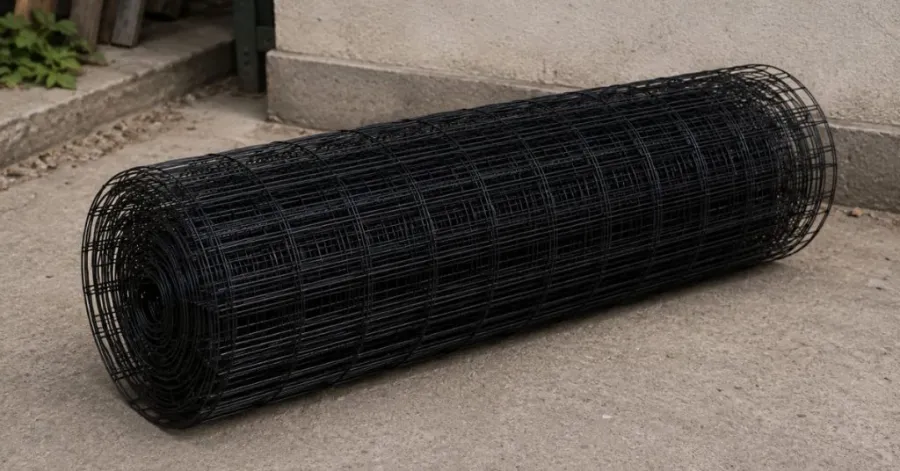
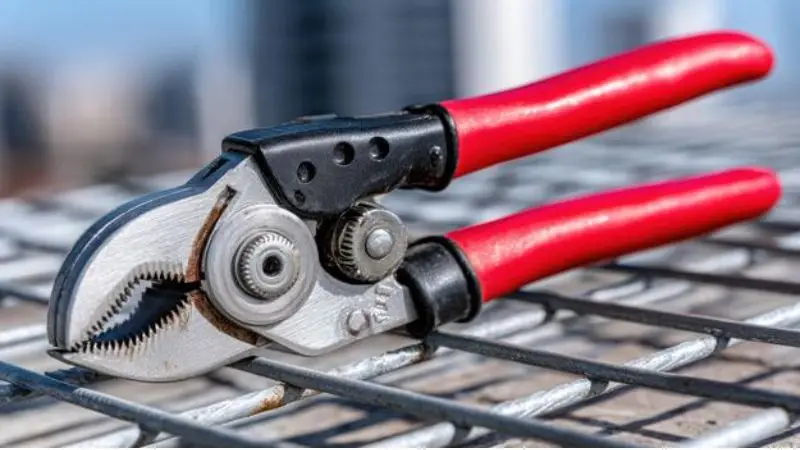
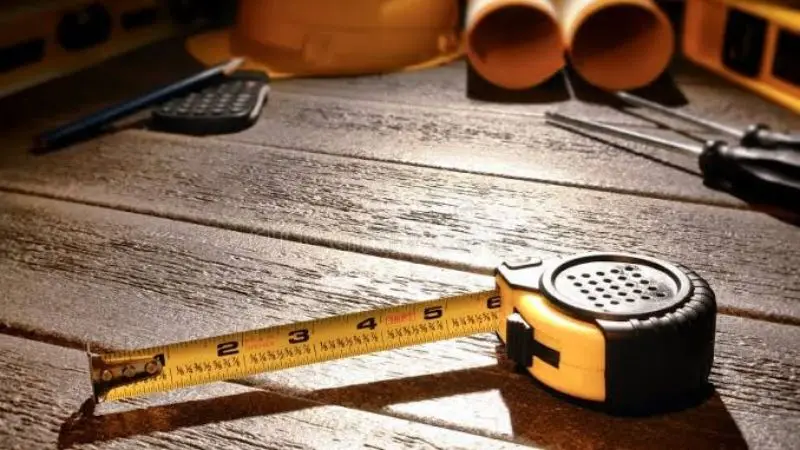
Avant de commencer à installer du grillage métallique sur l'enclos de votre poulailler, assurez-vous d'avoir le matériel adéquat. Munissez-vous d'une agrafeuse, d'un mètre ruban, d'une pince coupante et de gants. Vous aurez également besoin de vis, de charnières, d'un cadenas et de poteaux en bois. L'élément le plus important est l'utilisation de grillage métallique. Ce matériau est à l'épreuve des prédateurs, permettant ainsi à vos poules de respirer librement sans craindre les intrusions.
Voici un tableau rapide pour vous aider à vous organiser :
| Outil/Matériel | Interet |
| Mètre à ruban | Dimensions de la course de mesure |
| Agrafeuse | Fixez le grillage métallique |
| Pinces coupantes | Découpez le filet à la taille voulue. |
| Gants | Protégez vos mains |
| Poteaux en bois | Construire le cadre |
| Vis/Charnières/Loquet | Verrouillez la porte |
Planification de la taille et de l'agencement
Tenez compte du nombre de poules que vous possédez. Chaque poule a besoin d'au moins 10 mètre carré. Faites un croquis de votre jardin. Si vous souhaitez un espace pour courir, marquez-le. Assurez-vous qu'il soit ensoleillé et à l'abri de la pluie. « Quand on a plusieurs poules, il faut qu'elles puissent se promener et gratter le sol sans être entassées. »
Installation correcte du grillage métallique
Construisez une structure solide. Installez les poteaux en bois et laissez-les en place. Le grillage est-il nécessaire pour la sécurité du poulailler ? Placez le grillage sur la structure. Découpez les mailles aux dimensions de chaque section. Une agrafeuse ou des vis suffiront à fixer le grillage. Tendez bien le grillage, sans laisser d'espace. Vérifiez tout autour. Il doit être bien tendu pour empêcher les prédateurs d'entrer.
Ajout d'une porte et d'une serrure sécurisées
Une porte solide assure la sécurité de vos poules. Utilisez des charnières et un loquet pour faciliter l'ouverture et la fermeture. Installez un enclos à poules facile à fabriquer soi-même avec du grillage métallique. Testez la serrure : elle doit se fermer hermétiquement à chaque fois. Si vous repérez des points faibles, corrigez-les immédiatement. Vous avez maintenant un plan solide pour votre poulailler. poulet en grillage métallique Courez ! Votre troupeau vous remerciera pour cette protection supplémentaire.
Comment protéger une maison des prédateurs Enclos à poules en grillage métallique

Prévention des prédateurs fouisseurs
À quelle profondeur faut-il enterrer le grillage pour un poulailler ? Même les chiens, les renards et les ratons laveurs sont capables de creuser des tunnels juste sous la clôture. Utilisez une méthode simple pour les en empêcher. Déroulez le grillage horizontalement sur le sol, tout autour du périmètre de votre poulailler, en le faisant dépasser d'environ 12 cm. Recouvrez-le de gravier ou de terre. Cela formera une barrière qui empêchera les animaux de creuser et rendra le processus plus difficile.
Voici une liste de contrôle rapide pour la protection du sol :
-
- Étalez le filet à plat autour du périmètre
-
- Pliez et enfouissez les bords
-
- Recouvrir de terre ou de pierres
Protection du toit et de la zone supérieure
Comment protéger le fond d'un poulailler des prédateurs fouisseurs ? Faucons, hiboux et même animaux grimpeurs peuvent s'y attaquer. Il vous faudra installer un grillage métallique sur le toit. Tendez-le fermement et fixez-le avec des agrafes ou des vis. Quelle belle occasion d'apprendre des meilleurs ! Si vous utilisez une bâche pour créer de l'ombre, placez-la par-dessus le grillage, et non à la place.
Remarque : Un toit solide protège votre volaille des menaces aériennes et empêche les grimpeurs de grimper.
Sécuriser les points faibles et les ouvertures
Inspectez minutieusement la porte, les charnières et les aérations avoisinantes. Utilisez davantage de grillage pour combler les trous. Assurez-vous que les verrous et les loquets installés sont robustes. Toutes les ouvertures du poulailler doivent être scellées afin de protéger les poules.
| Zone à vérifier | Quoi Faire |
| Portes et charnières | Ajouter le maillage, tester les verrous |
| Aérations et ouvertures | Recouvrir d'un filet |
| Coins du cadre | Écusson avec maille |
Vous pouvez construire un poulailler en grillage métallique qui protégera vos poules. En suivant ces étapes, vous dissuaderez les prédateurs et assurerez leur sécurité jour et nuit.
Erreurs courantes à éviter lors de l'utilisation de grillage métallique
De nombreuses personnes commettent des erreurs mineures qui mettent la volaille en danger. Examinons maintenant les problèmes les plus courants et comment les éviter.
Choisir la mauvaise taille de maille
Vous pensez peut-être qu'un simple poulailler fait maison avec du grillage métallique fera l'affaire, mais c'est faux. Si vous optez pour un grillage à mailles larges, les petits prédateurs pourront s'y faufiler. Rongeurs, belettes et même serpents peuvent se loger dans les moindres recoins. Si vous utilisez un grillage, choisissez-en un dont les mailles ne dépassent pas 1,25 cm. Cette taille permettra d'empêcher l'accès à la plupart des nuisibles et de garantir la sécurité de vos poussins.
Astuce: Utilisez toujours du grillage métallique., pas du grillage à poules. Le grillage à poules se plie facilement et n'arrête pas les animaux déterminés.
Laisser des espaces autour du cadre
Le grillage métallique est-il indispensable pour la sécurité d'un poulailler ? Les espaces autour de la structure offrent aux prédateurs un point d'entrée facile. Il est important de vérifier chaque coin et chaque bord. Même un petit interstice peut permettre à une belette ou un serpent de s'y glisser. Lors de la pose du grillage, tendez-le bien et fixez-le solidement. Faites le tour du poulailler et vérifiez qu'aucun endroit n'a été oublié.
-
- Vérifiez les coins et les coutures.
-
- Appuyez sur la maille pour vérifier s'il y a des zones lâches.
-
- Colmatez immédiatement tous les trous.
Protection contre le saut de terrain
Il arrive qu'on oublie où se trouve le sol. Par exemple, les renards et les chiens sont des prédateurs capables de creuser sous les clôtures. À quelle profondeur faut-il enterrer le grillage métallique pour un poulailler ? Si vous optez pour un poulailler sans protection du sol, vous vous exposez à des risques. Le grillage métallique doit être posé horizontalement sur le sol, tout autour du périmètre du poulailler. Il doit être enterré à quelques centimètres de profondeur. Cela empêche les animaux de creuser juste sous la surface.
Utilisation de matériaux fins ou de mauvaise qualité
Bien que les matériaux bon marché permettent de faire des économies, leur durée de vie est limitée. Comment protéger le fond du poulailler des prédateurs qui creusent ? Un grillage trop fin rouille et se casse. Des vis ou des agrafes de mauvaise qualité peuvent se desserrer. Privilégiez toujours un grillage galvanisé résistant et des fixations solides. Vos poules comptent sur vous pour construire un poulailler qui durera longtemps.
NoteDes matériaux de qualité vous assurent la tranquillité d'esprit et protègent votre troupeau pendant des années.
Combien coûte un Enclos à poules en grillage métallique Coût?
Coûts moyens des matériaux
Vous vous demandez sans doute combien il faut dépenser pour installer correctement du grillage métallique dans votre poulailler. La plupart des gens commencent par le matériel de base. Le grillage coûte environ 1.50 $ à 2.50 $ le pied carré. Les poteaux en bois et les matériaux de charpente ajoutent entre 100 $ et 200 $, selon la taille de votre enclos. Les vis, les charnières et les loquets coûtent généralement entre 30 $ et 50 $. Vous aurez également besoin d'une agrafeuse et d'une pince coupante si vous n'en possédez pas déjà. Voici un tableau récapitulatif pour vous aider à estimer le coût :
| Produit | Coût Estimé |
| Tissu de matériel | 1.50 à 2.50 $/pi² |
| Poteaux/cadre en bois | $ 100- $ 200 |
| Vis/Charnières/Loquet | $ 30- $ 50 |
| Outils | $ 25- $ 60 |
Astuce: Utilisez toujours du grillage métallique, pas du grillage à poules. Le grillage à poules N'effraie pas les prédateurs et se casse facilement.
Texte alternatif : Poteau en bois pour grillage métallique
Installation DIY ou Installation Professionnelle
Vous pouvez construire votre poulailler vous-même ou faire appel à un professionnel. En réalisant vous-même un poulailler simple avec du grillage métallique, vous pouvez économiser de l'argent et acquérir de nouvelles compétences. La plupart des projets de bricolage coûtent entre 200 et 500 dollars, selon la taille et les matériaux. Si vous préférez confier la construction à un professionnel, il vous en coûtera au minimum 800 dollars. Les professionnels sont rémunérés pour leur temps et leur expertise. Des frais supplémentaires peuvent s'appliquer pour des poulaillers plus importants ou des conceptions sur mesure.
Demandez-vous si vous êtes à l'aise avec l'utilisation d'outils et le suivi d'instructions. Si oui, le bricolage est une excellente option.
Des moyens d'économiser de l'argent sans compromettre la sécurité
Vous souhaitez protéger vos poules et faire des économies. Vous pouvez acheter en gros ou attendre les soldes dans les magasins près de chez vous. Comment sécuriser le fond du poulailler contre les prédateurs qui creusent ? Si vous avez du bois en bon état provenant de projets précédents, réutilisez-le. Utilisez toujours du grillage galvanisé, car il est plus durable. Ne lésinez pas sur la qualité du grillage ni sur la protection du sol. Ces précautions contribueront à protéger vos poules et à les éloigner des prédateurs.
À noter: Économiser de l'argent est judicieux, mais la sécurité prime. Investissez dans des matériaux robustes et une installation soignée.
Conseils d'entretien pour un Enclos à poules en grillage métallique
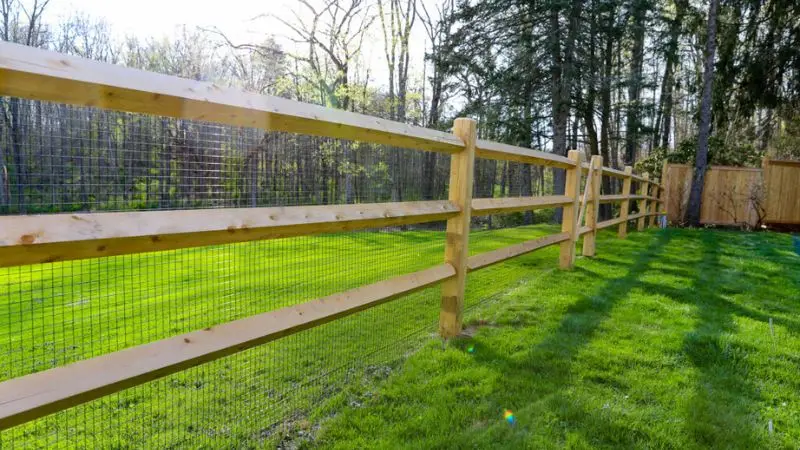
Maintenir votre poulailler en bon état est essentiel au bien-être et à la sécurité de vos poules. Il est important d'éviter que de petits problèmes ne se transforment en dangers majeurs. Voici quelques conseils simples pour assurer le bon fonctionnement de votre poulailler grillagé.
Inspections régulières pour détecter les dommages
À quelle profondeur faut-il enterrer le grillage pour un poulailler ? Il est important de vérifier régulièrement votre poulailler. Faites le tour et recherchez les trous, les mailles lâches ou les fixations endommagées. Appuyez fermement sur le grillage avec vos mains. Si vous trouvez des zones fragilisées, réparez-les rapidement. Inspectez toujours le poulailler après une tempête ou une journée venteuse. Les prédateurs recherchent des proies faciles ; soyez vigilant.
Astuce: Utilisez une liste de contrôle pour vos inspections. Notez ce que vous trouvez et ce que vous réparez.
Nettoyage et prévention de la rouille
Un grillage sale peut dissimuler des dégâts et attirer les nuisibles. Le grillage métallique est-il indispensable pour la sécurité d'un poulailler ? Nettoyez-le avec une brosse à poils durs et de l'eau. Enlevez les feuilles, les plumes et la boue. Si vous constatez la présence de rouille, brossez-la et vaporisez la zone avec un vernis antirouille. grillage galvanisé Elle est plus durable, mais il faut tout de même vérifier l'absence de corrosion. Un grillage propre permet de détecter les problèmes rapidement et de préserver la santé de votre élevage.
| Tâche de nettoyage | À quelle fréquence |
| Enlever les débris | Hebdomadaire |
| Vérifiez la présence de rouille | Mensuel |
| Nettoyage en profondeur | Toutes les saisons |
Remplacement des parties usées
Il est parfois nécessaire de remplacer des éléments de votre poulailler. Si le grillage est déchiré ou les poteaux cassés, remplacez-les. Utilisez du grillage neuf et des fixations robustes. N'attendez pas qu'une déchirure soit importante pour la réparer. Des réparations rapides contribuent à la sécurité du poulailler. Vos poules ont besoin que vous répariez les problèmes rapidement. Un entretien régulier vous permettra de maintenir en bon état votre poulailler. Vos poules apprécieront cet effort supplémentaire !
Conclusion
Vous savez maintenant comment construire un poulailler en grillage qui assurera la sécurité de vos poules. Mesurez et organisez soigneusement votre espace. Assurez-vous que vos poules disposent de suffisamment de place. Éliminez les risques potentiels en vérifiant que le grillage est bien fixé et que toutes les portes, portails et autres ouvertures sont bien fermés. Inspectez régulièrement votre poulailler pour détecter tout trou, dommage ou usure. Réparez immédiatement tout défaut constaté. Enfin, un poulailler propre vous apportera la tranquillité d'esprit. En prenant soin de leur habitat, vos poules pourront s'épanouir jour après jour. Veillez à ce que tout soit sûr, agréable et confortable pour vos poules.
QFP
À quelle fréquence dois-je vérifier mon Enclos à poules grillagé?
Il est conseillé de vérifier votre enclos au moins une fois par semaine. Après les orages ou les journées venteuses, faites le tour et repérez les dégâts. Ces vérifications rapides vous permettent de déceler les problèmes avant que les prédateurs ne les atteignent.
Puis-je utiliser du grillage à poules à la place du grillage métallique ?
Non, le grillage à poules n'empêche pas la plupart des prédateurs d'entrer. Le grillage métallique, avec ses mailles plus fines et plus résistantes, protège vos poules des ratons laveurs, des rats et des serpents.
Quelle taille de grillage est la plus adaptée pour les enclos à poules ?
Utilisez du grillage métallique Avec des mailles de 1,25 cm, cette taille bloque la plupart des nuisibles et protège votre volaille. Un maillage plus fin est encore plus efficace pour empêcher le passage des petits animaux.
Comment puis-je empêcher la rouille de se former sur mon grillage métallique ?
Si vous constatez la présence de rouille, frottez-la et appliquez un revêtement antirouille. Un filet propre dure plus longtemps et assure la solidité de votre course.