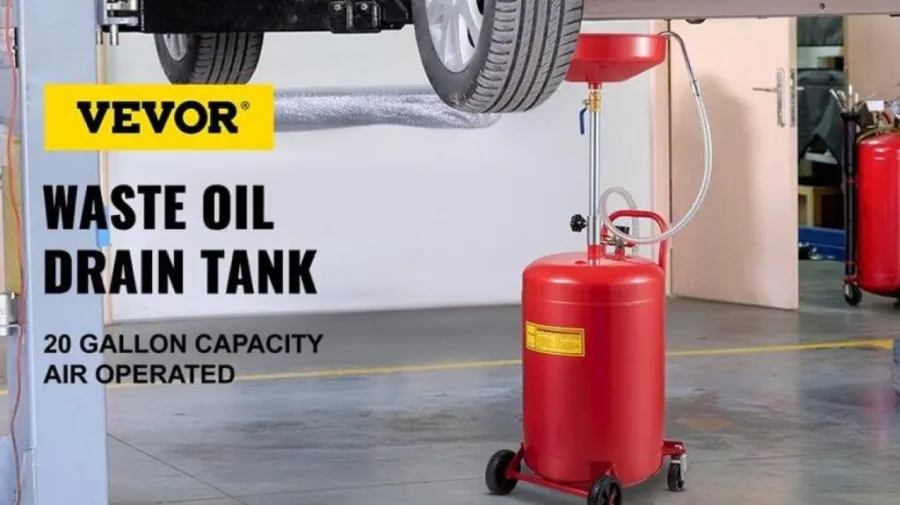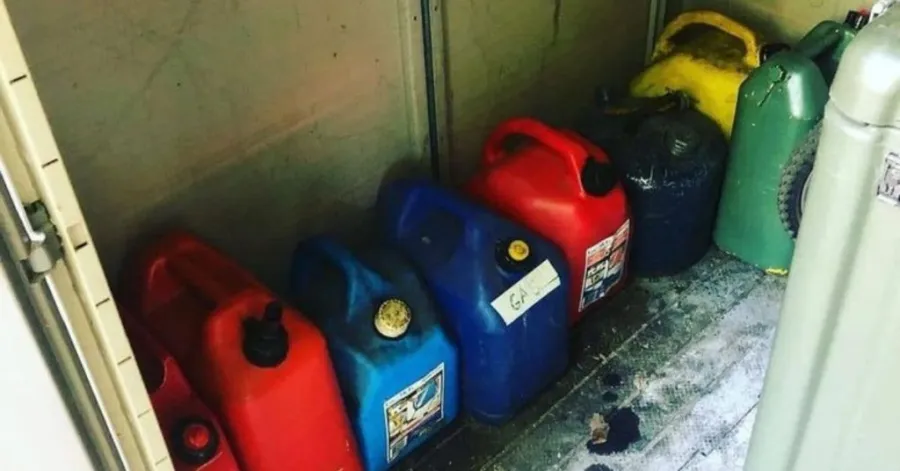
Avez-vous déjà pensé aux algues dans un réservoir de carburant dieselCertaines personnes confondent ce phénomène avec la prolifération de plantes vertes, comme des algues, à l'intérieur du réservoir. Il ne s'agit cependant pas d'algues toxiques, aussi appelées bactéries du diesel. Elles se développent généralement lorsqu'on mélange accidentellement de l'eau au diesel. Ces micro-organismes affectent le bon fonctionnement du réservoir. Leur présence est facilement détectable par l'aspect du carburant. Négliger la présence d'algues dans un réservoir de diesel peut entraîner des réparations coûteuses. Pour protéger votre système d'alimentation, il est important d'agir rapidement.
Quelles sont les causes Prolifération d'algues dans les réservoirs de carburant diesel?
Présence d'eau dans le réservoir de carburant
Vous ne le voyez peut-être pas, mais l'eau dans le réservoir de carburant crée un environnement idéal pour la prolifération d'algues dans le gazole. Lorsque l'eau se mélange au gazole, elle forme une couche où ces bactéries peuvent vivre et se multiplier. Ces bactéries se nourrissent des nutriments contenus dans le carburant et utilisent l'eau pour survivre. Si vous laissez de l'eau stagner dans votre réservoir, vous favorisez la prolifération des algues. Il est donc important de vérifier régulièrement la présence d'eau dans votre réservoir de gazole afin de prévenir l'apparition d'algues. Assurez-vous que votre réservoir est parfaitement étanche pour empêcher toute infiltration d'eau. La qualité du réservoir est primordiale. Ainsi, avec un réservoir en parfait état, vous êtes protégé.
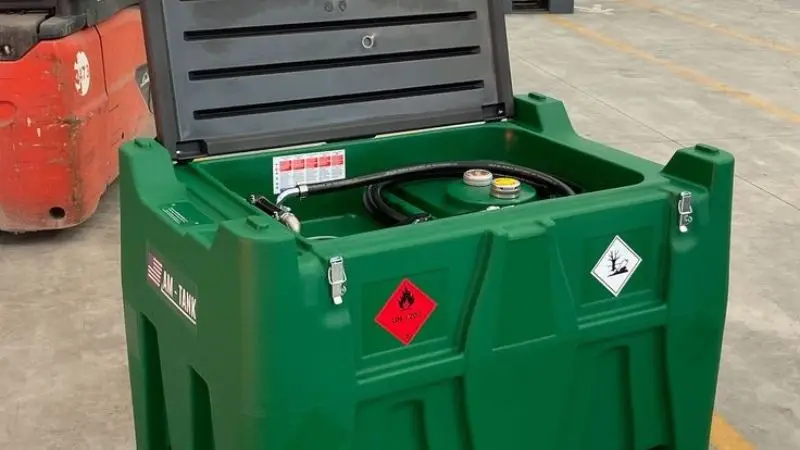
@jeromy_henson_bfss RÉSERVOIR DE TRANSFERT DE CARBURANT PORTABLE VEVOR DE 116 GALLONS AVEC POMPE, TUYAU ET BUSE, COUVERCLE PLIABLE AVEC VERROUILLAGE, POMPE DE 10 GPM, 12 V, TUYAU EN CAOUTCHOUC DE 13.1 PIEDS, FILTRE ET BOÎTIER. #réservoirdecarburant #tankDragup #Char #réservoir à diesel #réservoirsdecarburant #pompe #tuyau #ajutage #réservoirs #fyp #viral #TIC Tac #fypage #fypシ゚viral #vevorproducts #portable #vevordieseltank #réservoirsdiesel #carburant #remplissage #mademyyear #ttsdelightnow #guidecadeau #spotlightfinds #trésorstrouvailles #soldesdenoël #soldesdenoël #promotionsdenoël #des économies #Regardez #tiktokshopdernièrechance #regarder #tiktokshopnouvelannouvelleaura #tiktokboutique #tiktokshopping #tendances2024 #vidéos virales #envente #venteflash #idées de cadeau #idéecadeau #tiktokshopfinds #tiktokmademebuyit #pour vous #pourvouspage #trending #sensationnel #tiktokm'afaitfaire #obtenezle vôtre #aujourd'hui #tiktokfinds #tiktokfind #tiktokviral #tiktokviralvideo #tiktokviraltendance #ttsacl @Vevor_US @HAIDEE_Vevor @vevor boutique
♬ Son original – JEROMY HENSON-BFSS☑️
Facteurs de condensation et d'humidité
La condensation se produit lorsque l'air chaud rencontre une surface froide à l'intérieur de votre réservoir de gazole. Ce processus entraîne la formation de gouttelettes d'eau. Un taux d'humidité élevé aggrave ce problème. Même une petite quantité d'eau de condensation peut favoriser la prolifération d'algues dans le gazole. Vous ne remarquerez peut-être pas cette eau, mais elle peut contribuer au développement de bactéries et contaminer le carburant. Maintenir votre réservoir plein permet de réduire l'espace d'air où la condensation se forme.
mauvaises pratiques de stockage de carburant
De mauvaises pratiques de stockage peuvent augmenter le risque de formation d'algues dans un réservoir de carburant diesel. Si vous laissez votre réservoir de carburant diesel dans un réservoir vide, vous risquez de rencontrer des difficultés. réservoir diesel Si le réservoir est ouvert ou mal fermé, l'humidité et les impuretés peuvent s'infiltrer. Ces éléments peuvent contaminer le carburant et favoriser la prolifération de bactéries. Il est essentiel de toujours stocker le diesel dans des réservoirs propres et secs. Utilisez des couvercles adaptés et vérifiez régulièrement l'étanchéité. Un bon stockage empêche la formation d'algues et de biofilms dans le carburant.
Approvisionnement en carburant contaminé
Il arrive que les algues présentes dans le gazole proviennent du carburant lui-même. Si vous achetez du gazole auprès d'un fournisseur dont le contrôle qualité est insuffisant, vous risquez d'obtenir un carburant déjà contaminé par des bactéries ou des algues. Ce type de contamination peut se propager rapidement dans votre réservoir. Achetez toujours votre gazole auprès de fournisseurs de confiance. Renseignez-vous sur leurs contrôles qualité afin d'éviter toute contamination et les problèmes liés aux algues.
Signes de Algues dans le réservoir de carburant diesel

Il est important de connaître les symptômes de la présence d'algues dans le carburant diesel pour protéger votre moteur. En repérant ces signes à temps, vous pouvez éviter des problèmes importants. Soyez attentif aux signes suivants de présence d'algues dans le carburant diesel :
Boues ou dépôts noirs dans le carburant
Vous pourriez observer des dépôts dans votre gazole. Ces dépôts sont souvent foncés et épais. Ils peuvent se déposer au fond du réservoir. La présence de ces dépôts est un signe d'alerte. Ils sont causés par la prolifération d'algues présentes dans le gazole. Si vous constatez la présence de ces dépôts, vérifiez s'il y a d'autres symptômes de contamination bactérienne. Ces dépôts peuvent obstruer les conduites de carburant et entraîner des problèmes de moteur.
Filtres à carburant obstrués
Des filtres encrassés sont un symptôme fréquent de la présence d'algues dans le diesel. Ces algues et bactéries peuvent s'accumuler sur vos filtres à carburant. Il est possible que vous deviez les changer plus souvent. Si vous observez des dépôts noirs ou visqueux sur vos filtres, il est probable que votre carburant diesel contienne des algues. Des filtres encrassés empêchent le carburant d'atteindre votre moteur. C'est l'un des symptômes les plus évidents de la présence d'algues dans le diesel.
Problèmes de performances du moteur
Vous remarquerez peut-être que votre moteur tourne mal ou perd de la puissance. Ces symptômes indiquent souvent la présence d'algues dans le carburant diesel. Le moteur peut caler ou ne pas démarrer du tout. Les bactéries et les dépôts présents dans le diesel peuvent obstruer le flux de carburant. Une baisse des performances du moteur est un signe important de la présence d'algues. Si votre moteur présente des dysfonctionnements, vérifiez toujours la présence d'autres symptômes liés à la présence de bactéries dans le diesel.
Odeurs inhabituelles provenant du réservoir de carburant
Un autre symptôme est une odeur étrange provenant de votre réservoir. La présence d'algues dans le gazole peut lui donner une odeur aigre ou rance. Si vous remarquez des odeurs inhabituelles, vérifiez la présence d'autres symptômes. Les mauvaises odeurs indiquent souvent la présence de bactéries ou d'algues dans le gazole. C'est l'un des premiers signes de la présence d'algues dans votre carburant.
Problèmes causés par les algues dans le carburant diesel
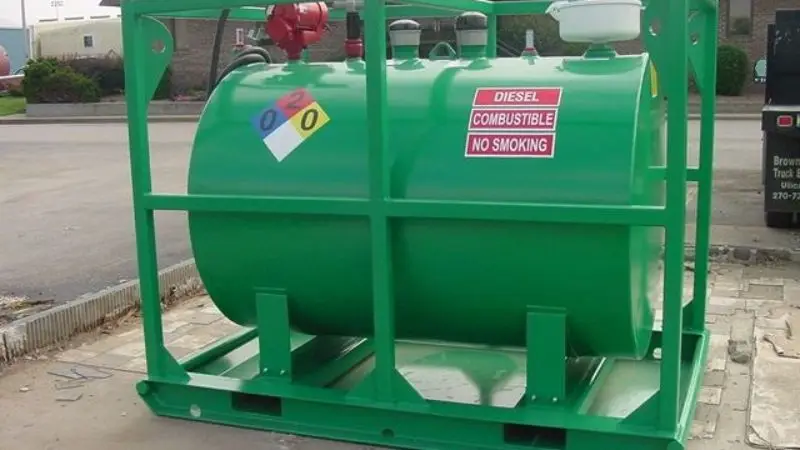
Efficacité réduite du moteur
Vous constaterez que la présence d'algues dans le gazole peut réduire la puissance de votre moteur. En se développant, ces algues et bactéries forment des dépôts qui obstruent les conduites de carburant. Ces dépôts empêchent le carburant de circuler correctement, et votre moteur consommera davantage de gazole pour un même travail. Vous pourriez alors observer une baisse de performance et une surconsommation. Si vous ignorez ces signes, votre équipement ne fonctionnera pas de manière optimale.
Corrosion du système d'alimentation en carburant
La présence d'algues dans le gazole ne se limite pas à obstruer les canalisations. Elle peut également provoquer de la corrosion à l'intérieur du système d'alimentation. La décomposition des algues et des bactéries présentes dans le gazole produit des acides. Ces acides peuvent attaquer les pièces métalliques, notamment le réservoir de carburant. La corrosion peut endommager le réservoir, les conduites de carburant et les injecteurs. Des fuites ou de la rouille peuvent alors apparaître. Ce type de contamination peut engendrer des réparations coûteuses.
Coûts d'entretien accrus
La présence d'algues dans le gazole entraînera des frais d'entretien plus élevés. Les dépôts d'algues et de bactéries présents dans le gazole obstrueront les filtres et les injecteurs. Vous devrez donc changer les filtres plus fréquemment. Le nettoyage du réservoir et les réparations occasionneront des coûts et des délais. La contamination par les algues du gazole implique également une surveillance accrue du système d'alimentation. Suivez les méthodes standard de nettoyage des réservoirs de gazole afin d'éviter l'accumulation de débris.
Risque de panne moteur
Une fois que des algues se sont formées dans le réservoir, elles continueront à proliférer. Il est donc essentiel de les éviter. Si elles se forment, nettoyez le réservoir pour stopper leur croissance. Les algues peuvent également obstruer le moteur et endommager les pièces de votre véhicule. Dans certains cas, un remplacement de moteur peut s'avérer nécessaire. La seule solution est donc d'utiliser un carburant propre. Vous pouvez également garantir la propreté du carburant en installant un filtre sur le bouchon du réservoir.
Comment enlever les algues d'un réservoir de carburant diesel
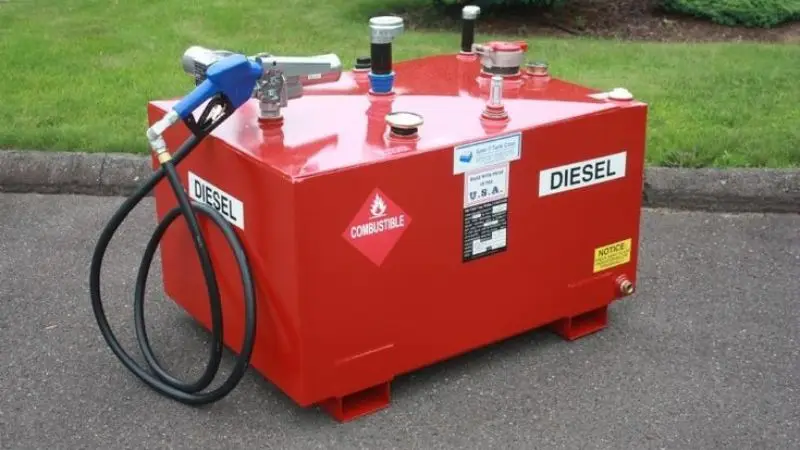
La présence d'algues dans le gazole peut causer de sérieux problèmes, mais il est possible d'y remédier en suivant les bonnes étapes. Il est important d'agir rapidement pour éliminer les algues et stopper toute contamination supplémentaire. Suivez ces étapes : réservoir de carburant efficace nettoyage et traitement.
Étape 1 : Vidangez et nettoyez le réservoir
Commencez par vidanger complètement le réservoir de gazole. Cette étape permet d'éliminer la majeure partie des algues et du carburant sale. Utilisez un récipient adapté pour récupérer le gazole usagé. Après la vidange, frottez l'intérieur du réservoir pour éliminer les algues restantes. Vous pouvez utiliser des brosses ou des outils spéciaux. Réservoir de carburant Nettoyage. Veillez à éliminer les algues de tous les recoins. Cette étape contribue à prévenir toute contamination future.
Étape 2 : Remplacer les filtres à carburant
Les algues présentes dans le gazole encrassent souvent vos filtres. Remplacez les filtres usagés par des neufs. Cette opération permet de garder votre système d'alimentation propre et d'optimiser le fonctionnement de votre moteur. Vérifiez régulièrement vos filtres afin de détecter toute trace d'algues ou de boues. Remplacez-les immédiatement en cas de contamination.
Étape 3 : Utiliser un traitement biocide au diesel
Un traitement puissant est nécessaire pour éliminer toute trace d'algues restantes dans le gazole. Ajoutez un biocide pour gazole à votre réservoir propre. Les meilleurs biocides pour gazole détruisent les algues et empêchent leur réapparition. Respectez le dosage indiqué sur l'étiquette du produit. Le biocide pour gazole agit rapidement et préserve la qualité de votre carburant.
Étape 4 : Rincer le système d’alimentation en carburant
Après le traitement, rincez votre système d'alimentation avec du gazole neuf. Cette étape élimine toute trace d'algues, de biocide ou de contaminants. Faites tourner le moteur quelques instants pour que le carburant propre atteigne tous les composants. Vérifiez l'absence de fuites ou d'odeurs anormales. Si le problème persiste, répétez l'opération. Réservoir de carburant processus de nettoyage.
Conclusion
L'eau est la principale cause de la prolifération d'algues dans le réservoir de carburant. Un nettoyage régulier est donc indispensable. Vérifiez la présence d'eau et éliminez-la fréquemment. Chaque réservoir de carburant diesel a sa propre procédure de nettoyage ; il est important de suivre celle qui convient au vôtre. En appliquant les conseils et astuces ci-dessus, vous éviterez les blocages moteur soudains et les dommages durables aux pièces importantes du véhicule.
QFP
Qu'est-ce qui provoque la prolifération d'algues dans mon réservoir de diesel ?
L'arrivée d'eau dans votre aquarium crée un environnement propice à la prolifération des algues. Une température élevée et un mauvais stockage favorisent également ce phénomène. Pour éviter ce problème, il est important de maintenir votre aquarium propre et sec.
À quelle fréquence dois-je vérifier la présence d'algues dans mon réservoir de carburant ?
Il est conseillé de vérifier votre réservoir tous les mois. Recherchez la présence d'eau, de boue ou de taches sombres. Un contrôle régulier permet de détecter les problèmes avant qu'ils n'endommagent votre moteur.
Puis-je utiliser des additifs classiques pour éliminer les algues ?
Non, les additifs classiques ne tuent pas les algues. Un traitement biocide spécifique est nécessaire. Ce produit cible et élimine les algues de votre système.
La présence d'algues dans le diesel est-elle dangereuse pour mon moteur ?
Oui, les algues peuvent obstruer les filtres et les conduites de carburant. Votre moteur risque de perdre de la puissance ou de s'arrêter. Une intervention rapide protège votre équipement.
Comment empêcher les algues de revenir ?
Il est conseillé de maintenir le niveau d'eau de votre aquarium, d'utiliser des séparateurs d'eau et de l'inspecter régulièrement. Un bon stockage et un entretien régulier permettent d'éviter la réapparition des algues.