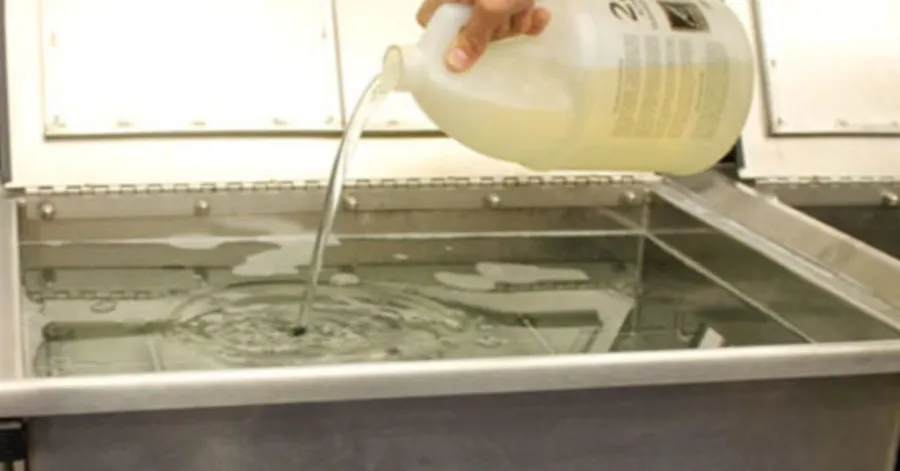
Ensimmäinen askel tehokkuuden ylläpitämiseksi ultraäänipuhdistin on varmistaa, että käytät oikeaa puhdistusliuosta. Onneksi sinun ei tarvitse käyttää kalliita kaupallisia tiivisteitä useimmissa päivittäisissä siivouksissasi. Ultraäänipuhdistusliuos voidaan valmistaa kotitaloustarvikkeista, jolloin syntyy kotitekoinen puhdistusaine, jota on turvallista käyttää koruille, työkaluille, kolikoille ja muille esineille rasvan, lian ja jäämien poistamiseksi. On kuitenkin tärkeää valita oikeat ainesosat ja yhdistää ne oikein, jotta herkät materiaalit eivät vahingoitu tai puhdistustehokkuus heikkene. Tämä opas kertoo, kuinka voit tehdä oman ultraäänipuhdistin ratkaisu, reseptejä erilaisille aineille, yleisiä vältettäväjä virheitä ja miten säilytät ja käytät liuostasi uudelleen turvallisesti.
Sisällysluettelo
- Kerää oikeat ainekset ennen sekoittamista
- Kotitekoisia ultraäänipuhdistusliuosreseptejä eri esineille
- Kuinka sekoittaa ja käyttää kotitekoista ultraäänipuhdistusliuosta
- Yleisiä virheitä, joita kannattaa välttää kotitekoista ultraäänipuhdistusliuosta tehdessä
- Kuinka säilyttää ja käyttää uudelleen kotitekoista ultraäänipuhdistusliuosta
Kerää oikeat ainekset ennen sekoittamista
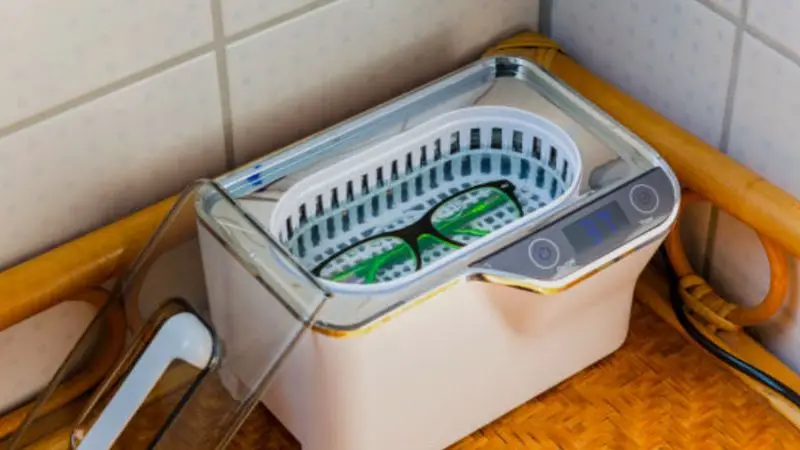
Tehokkaan puhdistusliuoksen valmistukseen ei tarvita kalliita kemikaaleja. Useimmissa resepteissä käytetään jokapäiväisiä kotitaloustarvikkeita, jotka ovat edullisia ja helposti saatavilla. Temppu on valita materiaalit, jotka sopivat puhdistettavaan esineeseen, ja välttää materiaaleja, jotka saattavat tuhota ultraäänipuhdistimen tai sen sisällön.
Suositellaan projektiisi
Tarvitsemasi perusainesosat
Useimmat kotitekoiset ultraäänipuhdistusseokset alkavat tislattu tai suodatettu vesi koska sen mineraalipitoisuus on pienempi kuin vesijohtoveden. Pieniä määriä mietoa astianpesuainetta voidaan käyttää rasvan liuottamiseen, ja valkoviinietikkaa voidaan käyttää mineraalikerrostumien poistamiseen joistakin metalliesineistä. Ruokasoodaa voidaan myös lisätä tiettyihin puhdistustehtäviin, mutta sitä on käytettävä pieninä määrinä materiaalista riippuen. Nämä yleiset ainesosat ovat lukuisten kotitekoisten... ultraäänipuhdistin ratkaisuja, jotka tarjoavat edullisen ja toimivan vaihtoehdon kaupallisille puhdistusainetiivisteille jokapäiväisiin siivoustöihin.
Kotitekoisissa ratkaisuissa vältettävät ainesosat
Kaikkia kotitalouspuhdistusaineita ei voida käyttää ultraäänipuhdistuksessa. Puhdistussäiliöön ei tule koskaan laittaa vahvaa valkaisuainetta, ammoniakkia, klooripohjaisia tuotteita, erittäin happamia kemikaaleja tai syttyviä liuottimia, koska ne voivat vahingoittaa laitteita, syövyttää pintoja tai tuottaa haitallisia höyryjä. Vakavammat kemikaalit voivat myös aiheuttaa herkkien esineiden värjäytymistä tai lyhentää ultraäänipuhdistimen käyttöikää. Kun teet kotitekoista ultraäänipuhdistusainetta messingin, kolikoiden tai kaasuttimien puhdistamiseen, käytä aina mietoja ainesosia, jotka puhdistavat syövyttämättä tai vahingoittamatta pintaa liikaa.
Veden laatu on tärkeämpää kuin luuletkaan
Puhdistustuloksen tehokkuuteen vaikuttaa suuresti käytetyn veden laatu. Kovassa vedessä on mineraaleja, jotka voivat heikentää kavitaation tehokkuutta ja aiheuttaa tahroja tai kerrostumia puhdistettuihin esineisiin. Tislatulla tai deionisoidulla vedellä on parempi puhdistusteho, koska se mahdollistaa liuoksen tehokkaan toiminnan. Puhdas vesi edistää myös pesuaineen tasaista liukenemista ja parantaa puhdistusprosessia. Olitpa sitten itse valmistamassa ultraäänipuhdistin Olipa kyseessä sitten korujen tai tarkkuusmetalliosien puhdistus, korkealaatuisen veden käyttö tehostaa puhdistusta ja jättää pinnat puhtaammiksi, jolloin huuhtelun jälkeen jää vähemmän ainetta.
Kotitekoisia ultraäänipuhdistusliuosreseptejä eri esineille
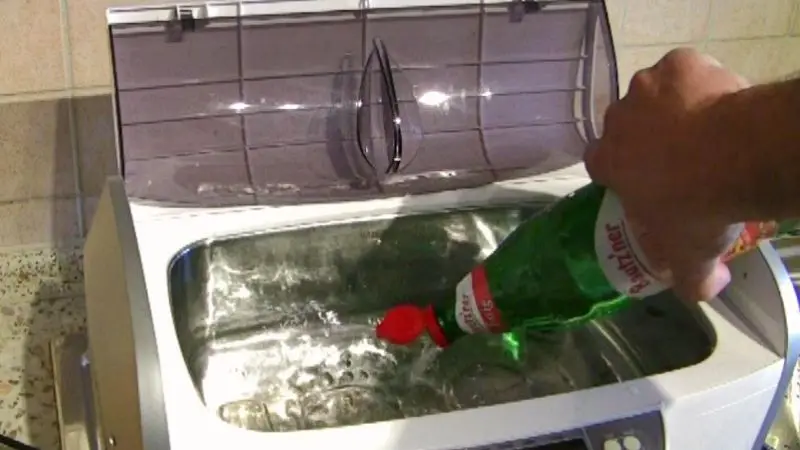
Erilaiset esineet keräävät itseensä monenlaista likaa, rasvaa ja jäämiä; siksi yksi puhdistusliuos ei riitä kaikkiin puhdistustehtäviin. Sopiva yhdistelmä voidaan valita puhdistustehon parantamiseksi ja herkkien pintojen suojaamiseksi naarmuilta, tahroilta tai korroosiolta. Alla olevat reseptit on helppo valmistaa käyttämällä jokapäiväisiä kotitaloustarvikkeita, ja ne sopivat erilaisille jokapäiväisille esineille.
Kotitekoinen ultraäänipuhdistusliuos koruille
Useimmat korut voidaan puhdistaa turvallisesti miedolla puhdistusliuoksella, joka poistaa vartalon öljyt, voiteet ja päivittäisen lian vahingoittamatta pintaa. Yksinkertaisen mutta tehokkaan puhdistusaineen valmistamiseksi lisää pari tippaa mietoa astianpesuainetta kahteen kupilliseen tislattua vettä. Pitkäkestoisten kulta-, hopea- tai ruostumattomasta teräksestä valmistettujen korujen puhdistamiseen voit lisätä teelusikallisen valkoviinietikkaa saadaksesi lisäpuhdistustehon. Tämä on kotitekoinen... ultraääni korujen puhdistusaine joka auttaa palauttamaan korun kiillon eikä tee puhdistusprosessista karkeaa. Älä altista helmiä, opaaleja, smaragdeja, turkoosia ja liimattuja kiviä ultraäänipuhdistimille, sillä ultraäänivärähtelyt voivat tuhota nämä herkät aineet tai löysentää kiinnityksiä.
Kotitekoinen ultraäänipuhdistusliuos silmälaseille ja silmälaseille
Aurinkolasit ja silmälasit keräävät helposti sormenjälkiä, pölyä, ihorasvaa ja kosmetiikkaa, mikä heikentää linssien laatua. Useimmat linssit ja kehykset voidaan puhdistaa turvallisesti tislatulla vedellä ja kahdella tai kolmella tipalla mietoa astianpesuainetta. Älä käytä valkaisuainetta, ammoniakkia, alkoholia tai muita hankaavia puhdistusaineita, jotka voivat tuhota linssien suojaavan pinnoitteen ja kehysten viimeistelyn. Aseta lasit puhdistuskoriin varovasti ja varmista, että linssit eivät joudu kosketuksiin muiden esineiden kanssa. ultraäänipuhdistin Liuos on suunniteltu poistamaan päivittäistä kertymistä ja suojaamaan silmälasejasi ylläpitämällä selkeän näön ja pidentämällä niiden käyttöikää.
Kotitekoinen ultraäänipuhdistusliuos metallityökaluille ja -osille
Metallityökalut, rauta ja mekaaniset osat tarvitsevat yleensä tehokkaamman puhdistusseoksen, koska niihin kertyy rasvaa ja öljyä, nokea ja työpajalikaa. Lisää hieman tislattua vettä, tippa mietoa astianpesukonesaippuaa ja yksi teelusikallinen valkoviinietikkaa irrottaaksesi pinttyneet jäämät. Liuos on tehokas useimpien terästyökalujen ja metalliosien kanssa ilman voimakkaita kemikaaleja. Sitä voidaan käyttää myös kotitekoisena puhdistusaineena. ultraäänipuhdistin Kaasuttimille tarkoitettu liuos, kun kaasutin on irrotettu kokonaan, ja se sisältää materiaaleja, jotka eivät reagoi miedosti happamiin puhdistusaineisiin. Huuhtele puhdistuksen jälkeen kaikki osat huolellisesti ja kuivaa ne ruosteen tai korroosion minimoimiseksi.
Kotitekoinen ultraäänipuhdistusliuos kolikoille
Kolikoita puhdistettaessa on aina oltava varovainen, sillä liian voimakas puhdistus voi heikentää niiden ulkonäköä ja keräilykelpoisuutta. Päivittäin kierrossa käytettäviin kolikoihin lisätään tislattua vettä ja yksi tai kaksi tippaa mietoa astianpesuainetta lian ja pienten tahrojen irrottamiseksi. Voimakkaita kemikaaleja, kiillotusaineita tai hankaavia materiaaleja, jotka voivat naarmuttaa pintaa, tulisi välttää. Tämä on kotitekoinen ultraäänipuhdistusaine kolikoiden puhdistukseen, joka poistaa irtonaiset epäpuhtaudet vahingoittamatta kolikon pintaa. Harvinaisia tai keräilykolikoita puhdistettaessa on yleisesti ottaen suositeltavaa olla puhdistamatta niitä ultraäänipuhdistimilla, ellei ammattilainen toisin neuvo. Älä koskaan käytä pesuainetta kolikoiden pesuun; käytä juoksevaa vettä ja kuivaa ne luonnollisesti.
Kotitekoinen ultraäänipuhdistusliuos muovi- ja keraamisille esineille
Useimmat muovi- ja keraamiset esineet on yleensä helppo puhdistaa, koska ne eivät ruostu kuten useimmat metallit. Tee perusliuos tislatusta vedestä ja muutamasta tipasta mietoa astianpesuainetta rasvan, pölyn ja tahratahrojen puhdistamiseksi. Tämä on ärsyttämätön seos, jossa ei ole kovia kemikaalijäämiä. Älä käytä liikaa pesuainetta, sillä liika saippua muodostaa vaahtoa ja heikentää ultraäänipuhdistuksen tehokkuutta. Pese ja kuivaa kaikki esineet puhtaalla vedellä ja kuivaa huolellisesti. Tämä on heikko itse tehty... ultraäänipuhdistin liuos, joka ylläpitää muovi- ja keraamisten esineiden puhtautta vahingoittamatta niiden väriä tai pintakäsittelyä.
Kuinka sekoittaa ja käyttää kotitekoista ultraäänipuhdistusliuosta
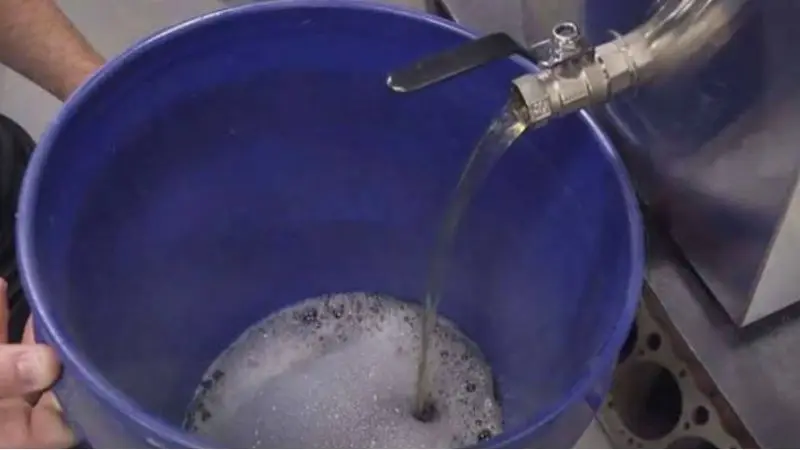
Puhdistusliuoksen asianmukainen valmistaminen on yhtä tärkeää kuin oikeiden ainesosien valitseminen. Tasapainoinenkaan resepti ei välttämättä puhdista kunnolla, jos se sekoitetaan väärin tai asetukset ovat sopimattomat. Oikean menetelmän käyttäminen parantaa kavitaatiota, suojaa... ultraäänipuhdistinja tarjoavat tasaisen puhdistustuloksen erilaisille materiaaleille.
Käytä oikeaa ainesosasuhdetta
Onnistuneen puhdistuksen kannalta on tärkeää käyttää oikeaa ainesosien suhdetta. Lisää tislattua vettä suurimpaan osaan liuosta ja muutama tippa laimeaa astianpesuainetta. Puhdistaessasi metalliesineitä, jotka vaativat enemmän puhdistustehoa, kaada noin yksi teelusikallinen valkoviinietikkaa kahta kupillista vettä kohden. Liian suuri määrä pesuainetta muodostaa liikaa vaahtoa, joka häiritsee kavitaation ultraäänitoimintaa, kun taas riittämätön määrä pesuainetta ei välttämättä poista rasvaa. Käyttämällä itse tehtyä... ultraäänipuhdistin Liuosresepti ylläpitää seoksen tasapainoa ja parantaa puhdistustehoa, ja koko huuhteluprosessi on paljon helpompi puhdistuksen päätyttyä.
Täytä ultraäänipesuri oikein
Täytä aina yhä useammin ultraäänipuhdistin suositeltuihin minimi- ja maksimivesitasoihin. Puhdistusliuoksen tulisi peittää esineet kokonaan tulvimatta säiliötä yli. Kaada kaikki puhdistuskoriin mieluummin kuin aivan säiliön pohjalle, jotta vältyt vaurioilta ja varmistat, että ultraääniaallot liikkuvat tasaisesti. Älä täytä koria liian monella esineellä, sillä tiiviisti pakatut esineet estävät kavitaation ja heikentävät puhdistustehoa. Kun ultraäänipuhdistusliuos valmistetaan oikeanlaisessa säiliössä, se voi puhdistaa jokaisen pinnan, mikä tarjoaa tasaisemman ja luotettavamman puhdistustuloksen ja suojaa laitettasi ja puhdistettavaa.
Valitse oikea puhdistusaika ja veden lämpötila
Puhdistukseen tarvittava aika riippuu materiaalista, lian määrästä ja jäämien tyypistä. Useimmat kodin esineet ovat puhtaita 3–10 minuutissa, ja enemmän likaantuneet metalliesineet saattavat vaatia pidemmän puhdistussyklin. Lämmin vesi parantaa yleensä puhdistustehoa, koska se liuottaa rasvaa ja öljyjä nopeammin. Lämpötilan ei kuitenkaan tule olla erittäin korkea, koska se voi vahingoittaa herkkiä materiaaleja tai heikentää joidenkin ainesosien tehoa. Puhdistusajan ja -lämpötilan seuranta voi tuottaa parempia tuloksia ja vähentää altistumista tarpeettomille ultraäänivärähtelyille tai liialliselle kuumuudelle.
Huuhtele ja kuivaa esineet puhdistuksen jälkeen
Kun puhdistussykli on valmis, puhdista ja poista jokainen esine huolellisesti ja huuhtele se puhtaalla tislatulla tai suodatetulla vedellä poistaaksesi mahdolliset pesuainejäämät ja irtonaisen roskat. Kun huuhtelu on tehty oikein, pinnalla ei ole kuivuneita jäämiä veden haihtumisen jälkeen. Pyyhi kaikki osat pehmeällä, nukkaamattomalla liinalla tai anna niiden kuivua huolellisesti ennen säilytystä tai kokoamista. Muutaman minuutin huuhtelu ja kuivaus suojaavat pintaa, estävät kosteusongelmia, kuten korroosiota, ja takaavat ammattimaisen näköiset tulokset.
Yleisiä virheitä, joita kannattaa välttää kotitekoista ultraäänipuhdistusliuosta tehdessä
Puhdistusliuosta ei myöskään tarvitse tehdä, vaikka pienetkin virheet voivat heikentää puhdistustehoa tai jopa tuhota laitteen. ultraäänipuhdistinHuonot tulokset ja laitteiden käyttöiän lyheneminen voivat johtua väärien ainesosien, väärien määrien tai väärien puhdistusmenetelmien käytöstä. Näiden tyypillisten virheiden tunteminen auttaa sinua puhdistamaan tehokkaammin ja turvallisemmin.
Vältä liian suuren saippuan käyttöä
Saippuan lisääminen ei tee puhdistusliuoksesta vahvempaa. Kun pesuainetta käytetään liikaa, kuplien määrä on liian suuri, ja tämä häiritsee likaa ja rasvaa poistavaa ultraäänikavitaatiota. Tämä tekee puhdistuksesta vähemmän tehokasta ja puhdistettuihin tuotteisiin voi jäädä saippuajäämiä. Kun teet itse... ultraäänipuhdistin liuokseen tarvitaan vain muutama tippa mietoa astianpesuainetta, ellei reseptissä toisin mainita. Tasapainoinen seos mahdollistaa ultraääniaaltojen tehokkaan kierron, parantaa puhdistustehoa ja helpottaa huuhtelua huomattavasti puhdistusprosessin päätyttyä.
Älä sekoita yhteensopimattomia puhdistuskemikaaleja
Tiettyjä kotitalouspuhdistusaineita ei saa sekoittaa ultraäänipesuriin. Valkaisuaineen yhdistäminen etikkaan, ammoniakkiin ja muihin kemikaaliin voi aiheuttaa vaarallisia höyryjä ja vahingoittaa puhdistussäiliötä ja puhdistettavia esineitä. Sitä tulisi myös välttää vahvojen happojen, klooripohjaisten puhdistusaineiden ja syttyvien liuottimien kanssa, koska ne voivat syövyttää metallipintoja tai aiheuttaa turvallisuusriskejä. Kun on kyse kotitekoisen valkaisuaineen valmistamisen oppimisesta... ultraäänipuhdistin ratkaisuna sinun on käytettävä yksinkertaisia ainesosia, kuten tislattua vettä, mietoa astianpesuainetta ja tarvittaessa pieniä määriä valkoviinietikkaa. Turvalliset ainesosat antavat yleensä optimaalisen puhdistustehon.
Älä puhdista esineitä, jotka eivät ole ultraäänilaitteita kestäviä
Vaikka ultraäänipuhdistimet ovat erittäin tehokkaita, niitä ei voida käyttää kaikille materiaaleille. Herkät jalokivet, kuten helmet, opaalit, smaragdit ja turkoosit, voivat vaurioitua ultraäänivärähtelyn vaikutuksesta. Puhdistuksen aikana pehmeät muovit, liimatut esineet, maalatut pinnat, antiikkiset keräilyesineet ja jotkut elektroniset osat voivat myös vaurioitua. Ennen kuin käytät itse tehtyä ultraäänipuhdistusliuosta, varmista varotoimenpiteenä, että esine on yhteensopiva ultraäänipuhdistuksen kanssa. Oikea puhdistustekniikka pitää arvokkaat esineesi turvassa ja estää tarpeettomat vahingot, mikä varmistaa myös, että ultraäänipuhdistin toimii tarkoitetulla tavalla.
Vaihda likainen puhdistusliuos säännöllisesti
Puhdistusliuos likaantuu ja muuttuu tehottomaksi puhdistaessaan pois likaa, rasvaa ja roskia. Likaisen liuoksen käyttö voi silti jättää jäämiä muihin esineisiin sen sijaan, että se puhdistaisi ne tyydyttävästi. Kun neste muuttuu sameaksi, alkaa haista pahalta tai siinä on näkyvissä hiukkasia, on aika vaihtaa se uuteen seokseen. Riippumatta siitä, käytätkö optimaalista itse tehtyä seosta... ultraäänipuhdistin Liuosreseptiä tai tavallista saippuavesiliuosta käyttäen, liuoksen säännöllinen vaihtaminen voi varmistaa erinomaisen puhdistustehon ja puhtaammat, luotettavammat tulokset.
Kuinka säilyttää ja käyttää uudelleen kotitekoista ultraäänipuhdistusliuosta
Kotitekoista puhdistusliuosta voidaan käyttää usein uudelleen, kunhan se on puhdas eikä liian likainen. Se sopii myös puhdistustehon säilyttämiseen ja tarpeettoman jätteen vähentämiseen asianmukaisella säilytyksellä. Tiedon siitä, milloin liuosta käytetään uudelleen ja milloin se vaihdetaan, avulla voit varmistaa, että ultraäänipuhdistimesi toimii tehokkaasti.
Voitko käyttää uudelleen kotitekoista ultraäänipuhdistusliuosta?
Kyllä, itse tehtyä voi käyttää uudelleen ultraäänipuhdistin liuosta, kun se pysyy kirkkaana ja sitä käytetään vain hieman likaisten esineiden puhdistukseen. Tarkista aina ennen käyttöä, että liuos on likaton, rasvaton eikä siinä ole kelluvia hiukkasia tai epämiellyttäviä hajuja. Jos se pysyy puhtaana, sitä voidaan käyttää uudelleen samaan puhdistusprosessiin. Älä kuitenkaan käytä samaa liuosta uudelleen erittäin likaisten esineiden puhdistuksen jälkeen, sillä liuokseen piilossa oleva roska voi heikentää puhdistustehoa ja siirtää jäämät muihin esineisiin. Uusi liuos on aina paras puhdistustehon kannalta.
Jäljelle jääneen puhdistusliuoksen säilyttäminen
Jos sinulla on käyttämätöntä puhdistusliuosta, kaada se puhtaaseen ja suljettuun astiaan, kun se on täysin jäähtynyt. Kirjoita astiaan valmistuspäivämäärä muistutukseksi siitä, kuinka kauan se on ollut säilytyksessä. Säilytä sitä aina viileässä ja kuivassa paikassa, joka ei ole alttiina suoralle auringonvalolle ja lämmölle. On tärkeää, ettei liuosta säilytetä avoimissa astioissa, koska pöly ja epäpuhtaudet voivat heikentää sen tehokkuutta. Asianmukainen säilytys auttaa sinua käyttämään itse tehtyä ultraäänipuhdistusliuostasi tulevaisuudessa, vähentämään tarpeetonta jätettä ja ylläpitämään tasaista puhdistuslaatua.
Tiedä milloin puhdistusliuos on vaihdettava
Kotitekoinen puhdistusliuos menettää lopulta tehonsa, vaikka sitä säilytettäisiin oikein. Vaihda se myös silloin, kun se sameutuu, muuttaa väriä, sillä on outoa hajua tai se jättää jäämiä pestyihin esineisiin. Kun liuosta on säilytetty pitkään, on aina parempi valmistaa uusi. Tämä on erityisen tärkeää käytettäessä kotitekoista ultraäänipuhdistusliuosta messingille, kaasuttimille tai muille erittäin saastuneille metalliosille, koska epäpuhtaudet kertyvät nopeammin. Tuore liuos tehostaa kavitaatioprosessia, peittää puhtaat pinnat ja tarjoaa yhdenmukaisia tuloksia joka kerta.
Paketoida
Edullinen ja kätevä tapa pitää useimmat kotitalous- ja työpajatarvikkeet puhtaina on valmistaa oma ultraäänipuhdistusliuos. Oikeilla ainesosien valinnoilla, oikeiden sekoitussuhteiden noudattamisella ja sopivalla puhdistusmenetelmällä voit saavuttaa erinomaisia tuloksia ilman kalliita kaupallisia materiaaleja. Tarvitsetpa sitten kotitekoista ultraäänipuhdistusliuosta koruille, messingille, kolikoille tai kaasuttimille, oikea resepti auttaa suojaamaan esineitäsi ja parantamaan samalla puhdistustehoa. On myös suositeltavaa vaihtaa likainen liuos säännöllisesti ja säilyttää ylijääneet seokset oikein, sillä tämä auttaa... ultraäänipuhdistin tarjota puhtaita, tehokkaita ja yhdenmukaisia puhdistustuloksia tulevina vuosina.
FAQ
Mikä on suosikkisi kotitekoinen ultraäänipuhdistusliuosresepti?
Optimaalinen kotitekoinen ultraäänipuhdistusliuosresepti on tislattu vesi ja muutama tippa mietoa astianpesuainetta. Valkoviiniviinietikkaa voidaan käyttää metalliesineiden puhdistamiseen, jotka vaativat tehokkaampaa puhdistusta.
Voiko ultraäänipesuriin lisätä etikkaa?
Kyllä, jotkut metalliesineet voidaan puhdistaa pienellä määrällä valkoviinietikkaa. Älä käytä herkille koruille, pehmeille kiville, alumiinille tai muille materiaaleille, jotka reagoivat mietojen happojen kanssa.
Voinko valmistaa itse ultraäänipuhdistusliuoksen?
Kyllä. Kestävimmät korut on parasta pestä tislatulla vedellä, johon on lisätty muutama tippa mietoa astianpesuainetta. Älä käytä ultraäänipuhdistusta helmille, opaaleille, smaragdeille ja liimatuille jalokiville.
Kuinka usein kotitekoinen puhdistusliuos on vaihdettava?
Vaihda liuos, kun se sameutuu, likaantuu, alkaa haista tai lakkaa puhdistamasta tehokkaasti. Tuore liuos tarjoaa erinomaisen kavitaation ja nopeamman, luotettavamman puhdistuksen.
Voiko itse tehtyä ultraäänipuhdistusliuosta käyttää uudelleen?
Kyllä. Voit käyttää sitä uudelleen, kunhan se on puhdas eikä pahasti likaantunut. Siivilöi näkyvä lika pois ja vaihda liuos likaisten kohtien pesun jälkeen.