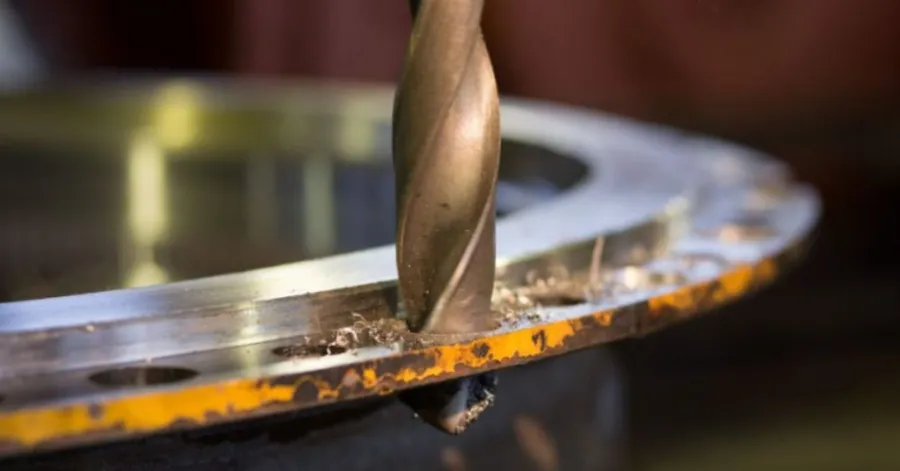
Kovien materiaalien tarkka ja tehokas poraaminen edellyttää oikeanlaisten kovametalliporanterien valitsemista. Työskenteletpä sitten ruostumattoman teräksen, karkaistun teräksen, valuraudan tai muiden metallien kanssa, oikea poranterä helpottaa työtä ja minimoi työkalujesi kulumisen. Poranterimateriaalien, pinnoitteiden ja... porata yhteensopivuus ja oikeat porausmenetelmät auttavat sinua saamaan puhtaampia reikiä ja työskentelemään pidempään. Tämä opas selittää, kuinka valita sopivimmat poranterät eri käyttötarkoituksiin, estää yleisiä porausvirheitä ja parantaa poraustehoasi. Oikean tiedon avulla voit tehdä metallinporausprojekteja turvallisesti ja luottavaisin mielin.
Sisällysluettelo
Kovametalliporanterillä porattavat materiaalit
Porattava aine on valtava tekijä sopivan poranterän valinnassa. Eri metalleilla on vaihtelevat kovuusasteet, lämmönkestävyys ja leikkausvaatimukset. Oikeanlainen terä auttaa poraamaan nopeammin, suojaa työkalujasi ja tekee rei'istäsi siistimpiä.
Tietämällä, mille materiaaleille nämä poranterät sopivat, voit valita projektiisi sopivimman. Seuraavassa on vain muutamia yleisimmistä materiaaleista ja oikean poranterän suorituskyky kunkin materiaalin kanssa.
Suositellaan projektiisi
Ruostumattoman teräksen poraus
Yksi vaikeimmista materiaaleista on ruostumaton teräs, koska se kuumenee nopeasti ja heikkolaatuiset poranterät kuluvat helposti loppuun. Kovametalliporanterät ovat erinomainen vaihtoehto, koska leikkaava reuna säilyy korkeissakin lämpötiloissa. Kovametalliporanteriä on saatavana sekä koboltista että kovametallista valmistettuina. Monet ihmiset kysyvät: Pystyvätkö kobolttiporanterät poraamaan karkaistua terästä vai ruostumatonta terästä? Vastaus on kyllä. Kun kobolttiteriä käytetään oikealla nopeudella ja leikkuunesteellä, molemmat materiaalit ovat hyviä. Kun tarvitset parasta mahdollista laatua... kovametallin poranterätsinun on käytettävä erityisesti ruostumattoman teräksen leikkaamiseen tarkoitettuja teriä, jotta saat parhaat reiät mahdollisimman vähällä vaivalla.
Karkaistun teräksen poraaminen
Karkaistua terästä on paljon vaikeampi leikata kuin tavallista terästä, joten poranteriä valittaessa on tärkeää valita terät, jotka on suunniteltu erittäin koviksi. Täyskovametalliset tai korkealaatuiset kobolttiterät ovat parhaita poranteriä karkaistulle teräkselle, koska ne eivät kuumene ja kestävät pidempään. Nämä ovat myös joitakin poranteriä, jotka leikkaavat karkaistua terästä hyvin ilman suurempaa kulumista. Karkaistuja teräspultteja porattaessa poraa hitaasti ja käytä jatkuvaa painetta ja voitelua kitkan minimoimiseksi. Oikean terän käyttö auttaa välttämään murtumista ja parantaa haastavien projektien porausnopeutta ja tarkkuutta.
Valuraudan poraus
Valurauta on kovaa mutta haurasta, eikä se muodosta porattaessa pitkiä metallilastuja, vaan pieniä lastuja. Tämä mahdollistaa helpomman poraamisen verrattuna karkaistuun teräkseen, mutta silti tarvitaan kovia leikkaustyökaluja. Korkealaatuiset kovametalli- tai kobolttiporanterät ovat hyviä kulutuskestävyytensä ja terävien leikkaussärmiensä ansiosta. porata Nopeuden tulisi olla kohtuullinen ja terän tulisi porata hitaasti mutta varmasti pakottamatta. Oikea poraustekniikka varmistaa puhtaat reiät ja pidentää terien käyttöikää. Usein valuraudan kanssa tehtävissä töissä useimmat työntekijät suosivat parhaita poranteriä kovametalliin, koska ne tarjoavat hyvän ja tasaisen tehon.
Alumiinin ja muiden pehmeiden metallien poraaminen
Alumiini on edelleen pehmeää teräkseen verrattuna, mutta se tarvitsee sopivan poranterän puhtaiden ja tarkkojen reikien tuottamiseen. Metalliporanterät on valmistettu titaanista, joka on saavuttanut suosiota, koska sen pinnoite vähentää kitkaa ja parantaa kestävyyttä toistuvassa käytössä. Kobolttiporanterät ovat myös tehokkaita paksumman alumiinin tai muiden ei-rautametallien poraamiseen. Pidä porausnopeus kohtuullisena ja pidä metallilastut poissa tukkeutumasta poistamalla ne säännöllisesti. Vaikka kovametalliporanterät ne on suunnattu vaikeammille metalleille, mutta ne ovat myös erittäin tuottavia, kun niitä käytetään oikealla tekniikalla pehmeämpiin metalleihin, ja ne ovat hyvä lisä mihin tahansa työpajaan.
Kuinka valita oikeat kovametalliporanterät
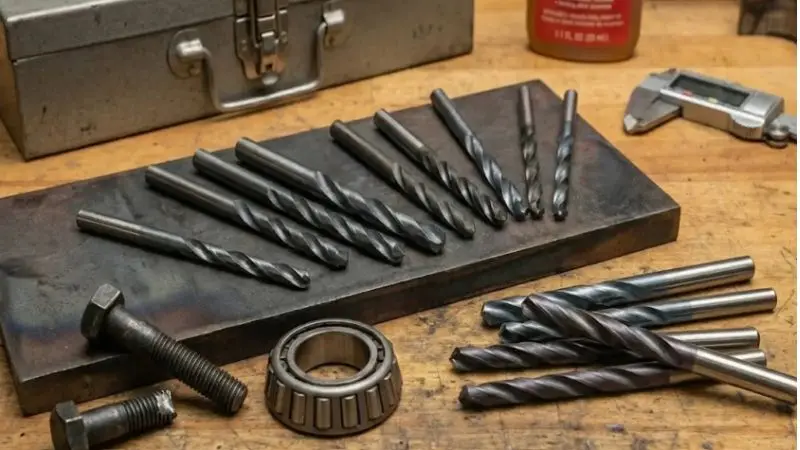
Yhtä tärkeää on ostaa sopiva poranterä kuin käyttää oikeaa porausmenetelmää. Oikein valittu poranterä parantaa leikkaustehokkuutta, pidentää sen käyttöikää ja minimoi terän ja työkappaleen vaurioitumisriskin.
Sinun on otettava huomioon poranterän materiaali, pinnoite, koko ja varren tyyppi ennen ostoa. Nämä ominaisuudet määräävät poranterän tehokkuuden eri käyttötarkoituksissa.
Valitse paras poranterämateriaali
Poranterän koostumus vaikuttaa suoraan sen lujuuteen, kestävyyteen ja leikkaustehoon. Pikateräs (HSS) on riittävä materiaali rutiinitehtäviin, vaikka koboltti ja kovametalli sopivat paremmin vaativiin töihin. Kovametalli- ja kobolttiterät ovat lämmönkestävämpiä ja pidemmän käyttöiän omaavia, jos joudut poraamaan säännöllisesti kovaa metallia. Kovametalliset kovametalliterät sopivat parhaiten teollisiin sovelluksiin, kun taas kobolttiterät tarjoavat erinomaisen kompromissin käyttöiän ja kustannusten välillä. Materiaalivalinta parantaa poraustehoa ja vähentää terien vaihtotarvetta.
Valitse oikea poranterän pinnoite
Poranterän pinnoite parantaa kulutuskestävyyttä ja lämmönpoistoa, mikä pidentää työkalun käyttöikää. Titaaninitridipinnoitteita käytetään titaaniporanterissä metallin poraamiseen, ja niitä voidaan käyttää yleisporauksessa, erityisesti pehmeämpien metallien poraamiseen. Kovempien materiaalien kanssa koboltti- tai kovametalliporanterät ovat parempi valinta, koska niiden lujuus ei tule pelkästään pinnoitteesta, vaan myös terän materiaalista. Oikea pinnoite voidaan valita leikkaustehokkuuden parantamiseksi, kitkan vähentämiseksi ja tasaisen poraustehon varmistamiseksi. Pinnoite tulee aina sovittaa porattavaan materiaaliin.
Valitse oikea poranterän koko ja pituus
Oikean kokoinen poranterä tuottaa tarkkoja reikiä ja vähentää porakoneeseen kohdistuvaa tarpeetonta rasitusta. porata ja terää. Liian pieni tai suuri terä voi heikentää tarkkuutta ja aiheuttaa kulumista. Harvemmat poranterät ovat yleensä vahvempia ja taipuvat vähemmän, kun taas pidemmät terät mahdollistavat paremman pääsyn syvempiin reikiin. On tärkeää valita oikea poranterän koko työskenneltäessä kovametallin kanssa: valitse aina projektiisi sopiva koko. Riittävä koko auttaa myös varmistamaan paremman hallinnan, parantamaan poraustehokkuutta ja minimoimaan materiaalin vaurioitumisriskin.
Valitse oikea varren tyyppi
Varsi yhdistää poranterän porausreikään porakone, joten on tärkeää valita oikea tyyppi vakauden ja turvallisuuden varmistamiseksi. Pyöreitä varsia voidaan käyttää useimmissa vakioporissa, kun taas kuusiokoloiset varret tarjoavat paremman pidon ja vähentävät luistamista. Iskuporakoneita käytetään yleensä raskaissa sovelluksissa SDS-varsien kanssa. Kun käytät magneettinen poraKäytä koneeseen sopivia poranteriä parhaan suorituskyvyn saavuttamiseksi. Oikean sovituksen löytäminen varren ja poranterän välille voi lisätä tehonsiirtoa ja poraustarkkuutta sekä mahdollistaa kovametalliporanterien tehokkaan toiminnan vaativissa sovelluksissa.
Kuinka valita oikea pora kovametalliporanterille
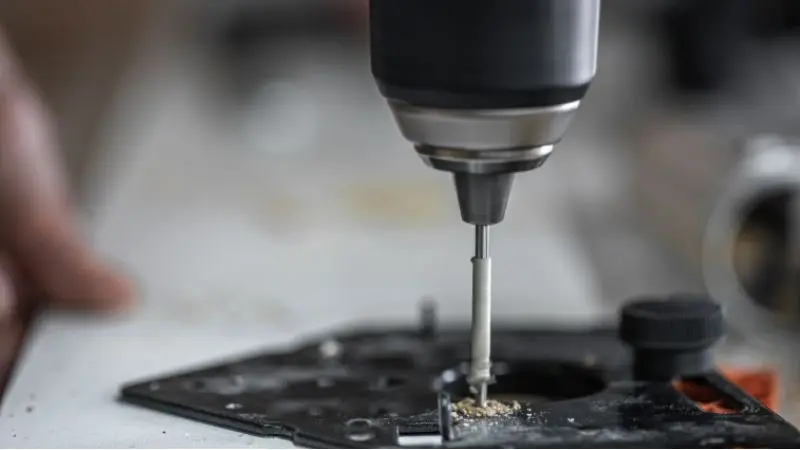
Yhtä tärkeää on käyttää oikein porakone oikeana poranteränä. Erilaiset porat tarjoavat erilaisia lujuus-, nopeus- ja vakausasteita. Oikea yhdistelmä mahdollistaa tarkemman poraamisen, vähentää työkalujen käyttöä ja helpottaa työtä.
Projektisi luonteesta riippumatta, olipa kyseessä sitten koti- tai teollisuusympäristö, on aina suositeltavaa valita porakoneeseen kovametalliset poranterät paremman suorituskyvyn ja kestävämmän lopputuloksen saavuttamiseksi.
Käsiporan käyttö metallin poraamiseen
Kevyen ja keskiraskaan metallin poraaminen onnistuu kätevästi käsiporalla. Sitä käytetään yleensä korjaus-, huolto- ja pienimuotoisissa valmistustöissä. Pehmeän teräksen, alumiinin ja ruostumattoman teräksen porauksessa on aina käytettävä korkealaatuisia kovametallisia poranteriä, jotka kestävät kuumuutta ja säilyttävät terävän leikkuureunan. Jos projektisi käsittelee kovempia materiaaleja, käytä kovametallisia poranteriä paremman leikkaamisen ja terän rikkoutumisen riskin vähentämiseksi. Pidä porausnopeus alhaisena, paine tasaisena ja käytä leikkuunestettä luodaksesi puhtaampia reikiä ja pidentääksesi porakoneen käyttöikää. porata ja poranterä.
Porakoneen käyttö paremman tarkkuuden saavuttamiseksi
A pylväsporakone on vakaampi ja tarkempi kuin käsipora, koska poranterä ei liiku porauksen aikana. Tämä on hyvä vaihtoehto työpajoissa, joissa on tehtävä tarkkoja ja toistettavia reikiä. Karkaistua terästä olevia poranteriä tulisi käyttää myös karkaistun teräksen tai paksujen teräslevyjen leikkauksessa, koska ne antavat hyviä tuloksia ja kestävät pidempään terävien reunojensa ansiosta. Porakoneen avulla voit myös hallita porausnopeutta paremmin, mikä minimoi lämmöntuotannon ja parantaa reiän laatua. Oikean koneen ja laadukkaiden poranterien käyttö johtaa tasaisempaan porausprosessiin, vähentää tärinää ja pidentää työkalun käyttöikää.
Magneettiporan käyttö raskaaseen metallityöhön
Magneettiporat on räätälöity haastaviin rakennus-, valmistus- ja teollisuusprojekteihin. Niissä on erittäin vahva magneettinen jalusta, joka istuu tukevasti teräspinnoille ja tarjoaa uskomattoman vakauden porauksen aikana. Nämä porat sopivat rakenneteräkselle, raskaille metallilevyille ja raskaaseen valmistustyöhön. Niiden yhdistäminen kovametallisiin kovametalliporanteriin tarjoaa suuren leikkaus- ja kuormituskyvyn. Ne toimivat myös hyvin karkaistuista teräksistä valmistettujen pulttiporanterien kanssa, mikä tarkoittaa, että niitä voidaan käyttää huolto- ja korjaustöissä. Magneettipora parantaa porausnopeutta ja -tarkkuutta ja vähentää poraamiseen liittyvää ihmisen väsymystä pitkällä aikavälillä.
Kovametallin poraamisen parhaat käytännöt
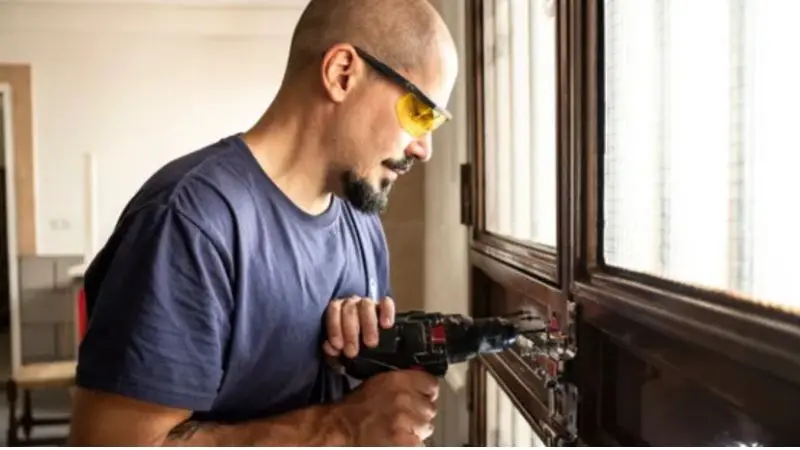
Olipa poranterä kuinka hyvä tahansa, se ei koskaan toimi, ellet käytä oikeita porausmenetelmiä. Oikea nopeus, paine ja jäähdytystekniikat auttavat tuottamaan puhtaampia reikiä ja välttämään laitteiden tarpeetonta kulumista. Hyvät porauskäytännöt parantavat myös turvallisuutta ja minimoivat poranterän rikkoutumisen mahdollisuuden.
Nämä helpot vaiheet auttavat sinua saavuttamaan optimaalisen suorituskyvyn kovametalliporanteristäsi ja pidentämään niiden käyttöikää.
Käytä oikeaa porausnopeutta
Kovametallien porauksessa yksi tärkeimmistä toimista on sopivan porausnopeuden valitseminen. Liian nopea poraus tuottaa liikaa lämpöä, ja liian hidas poraus voi aiheuttaa leikkaustehottomuutta. Kun opit... poraa kovaa metallia, sinun tulisi aloittaa hitaammalla porausnopeudella ja antaa terän leikata hitaasti. Käytä tasaista painetta, mutta älä koskaan väkisin poraa materiaaliin. Tämä menetelmä minimoi kitkan ja auttaa pitämään leikkuureunat terävinä. Riippumatta siitä, minkä tyyppistä poranterää käytät, kobolttia tai kovametallia, oikea nopeus parantaa porauksen tarkkuutta ja pidentää poratyökalujesi käyttöikää.
Käytä leikkuunestettä pitääksesi terän viileänä
Leikkausneste auttaa minimoimaan lämmön, pienentämään kitkaa ja poistamaan metallilastuja porauskohdasta. Yksi yleisimmistä poranterien tylsyyden tai ennenaikaisen vikaantumisen syistä on lämpö. Poraatpa sitten metallia tai pehmeämpää materiaalia titaaniporanterillä tai leikkaatko kovempaa materiaalia korkealaatuisilla kobolttiporanterillä, leikkuunesteen käyttö parantaa poraustehoa. Ennen aloittamista levitä voiteluainetta ja lisää sitä pidempien porausjaksojen aikana hyvän jäähdytyksen varmistamiseksi. Pitämällä poranterän kylmänä se leikkaa tehokkaammin, jättää puhtaamman reiän ja auttaa suojaamaan poranterää ja työkappaletta ylikuumenemiselta.
Käytä tasaista painetta porauksen aikana
Jatkuva paine auttaa poraa leikkaamaan tehokkaasti ilman, että työkalu altistuu tarpeettomalle rasitukselle. Liiallinen paine nostaa lämpötilaa ja voi murtaa terän, kun taas liian pieni paine voi hidastaa porausprosessia ja tehdä siitä tehottoman. Karkaistusta teräksestä valmistetut leikkaavat poranterät toimivat optimaalisesti, kun niille annetaan aikaa leikata materiaalia tasaisella nopeudella. Kun leikkaat paksua terästä tai muita kovia metalleja, käytä porata antaa leikkuureunojen työskennellä eikä työntää poraa. Tasainen ja miellyttävä paine parantaa reiän laatua, vähentää tärinää ja pidentää poranterien käyttöikää.
Estä poranterän ylikuumeneminen ja kuluminen
Poranterien asianmukaisten olosuhteiden ylläpitämiseksi ne on jäähdytettävä ja huollettava. Maratonporauksessa on pidettävä taukoja säännöllisin väliajoin, jotta poranterä jäähtyy ja poistaa kertyneet metallihiukkaset. Tämä estää ylikuumenemisen ja auttaa ylläpitämään leikkaustehoa. Monet ihmiset kysyvät, pystyvätkö kobolttiporanterät poraamaan karkaistua terästä? Kyllä, kunhan niitä käytetään oikealla nopeudella ja ne on voideltu riittävästi. Myös leikkausreunat säilyvät säännöllisellä puhdistuksella ja asianmukaisella säilytyksellä. Kovametalliporanterien huoltaminen takaa suorituskyvyn, pidentää työkalun käyttöikää ja tarkkuutta porattaessa missä tahansa projektissa.
Yleisiä virheitä, joita tulisi välttää kovametallia porattaessa
Jopa kaikkein ammattimaisimmatkin voivat tehdä virheitä, jotka heikentävät poraustehoa tai tuhoavat heidän laitteitaan. Pieninkin virhe, kuten väärän poranterän käyttö tai liian nopea poraaminen, voi johtaa heikkolaatuisiin reikiin, rikkoutuneisiin teriin ja tarpeettomiin kustannuksiin.
Näiden tyypillisten virheiden tunteminen auttaa sinua poraamaan tehokkaammin ja turvallisemmin sekä saavuttamaan optimaalisen tehon kovametalliporanteriesi avulla.
Väärän poranterän valitseminen
Yksi huonojen poraustulosten syistä on väärän poranterän käyttö. Tavallisia pikateräsporanteriä voidaan käyttää pehmeämpien metallien kanssa, mutta niillä on usein vaikeuksia ruostumattoman teräksen ja karkaistun teräksen kanssa. Vaativissa sovelluksissa valitse sopivimmat poranterät kovalle metallille tai karkaistulle teräkselle saadaksesi puhtaamman reiän ja pidentääksesi työkalun käyttöikää. Materiaalille sopivan poranterän käyttö parantaa leikkausta, vähentää lämmöntuotantoa ja minimoi rikkoutumisen. Metallin tyypistä ja kovuudesta riippumatta sinun tulisi aina sovita poranterä siihen ennen kuin aloitat projektisi.
Poraus väärällä nopeudella
Yleinen ajatus on, että mitä nopeammin poraat, sitä vähemmän aikaa se kestää, mutta liian suuri nopeus aiheuttaa lämmön kertymistä ja tylsyttää poranterän nopeasti, mikä tekee siitä vähemmän tehokkaan leikkaamisessa. Kovametallin poraamista opetellessa on tärkeää käyttää hitaampaa porausnopeutta ja pitää paine tasaisena sen sijaan, että terää työnnettäisiin materiaaliin. Kovametallien poraaminen vaatii aikaa ja keskittynyttä poraamista parhaan tuloksen saavuttamiseksi. Alhaisemmat leikkuunopeudet suojaavat leikkuusärmiä, parantavat reiän tarkkuutta ja pidentää kovametalliporanterien käyttöikää. porata Nopeus on säädettävä materiaalin ja poranterän koon mukaan tasaisen suorituskyvyn varmistamiseksi.
Leikkausnesteen käytön unohtaminen
Toinen virhe on voitelun laiminlyönti, joka voi lyhentää poranterien käyttöikää. Leikkausnesteen käyttö vähentää kitkaa, säätelee lämpöä ja auttaa poistamaan metallilastuja porauksen aikana. Riippumatta siitä, käytätkö titaaniporanteriä metallin työstämiseen pehmeämpiä materiaaleja vasten vai parhaita kobolttiporanteriä kovempia metalleja vasten, voitelu parantaa leikkausta ja estää ylikuumenemisen. Ellei poranteriä jäähdytetä riittävästi, ne kuluvat nopeammin ja voivat jopa jumittua raskasta työtä tehtäessä. Leikkausnesteen säännöllinen käyttö mahdollistaa puhtaampien reikien tekemisen ja suojaa myös poranterää ja porattavaa materiaalia.
Kuluneiden tai vaurioituneiden poranterien käyttö
Tylsien tai vaurioituneiden poranterien käyttö voi johtaa huonoon poraustarkkuuteen, epätasaiseen reiän pintaan ja poran tarpeettomaan rasitukseen. Tylsät leikkuuterät vaativat enemmän voimaa, tuottavat enemmän lämpöä ja rikkoutuvat todennäköisemmin. Tämä on erityisen tärkeää porattaessa karkaistuja teräspultteja poranterillä tai porattaessa kovametallia kovametalliporanterillä, koska terävät leikkuuterät ovat ratkaisevan tärkeitä tehokkaan toiminnan kannalta. Tarkista poranterät ennen jokaista projektia ja vaihda ne, kun ne kuluvat liikaa. Kovametalliporanterien asianmukainen huolto auttaa varmistamaan, että ne ovat luotettavia, turvallisia ja tehokkaita tulevissa poraustoimissa.
Paketoida
Metallin poraamisen onnistumisen tärkein ominaisuus on laadukkaiden kovametalliporanterien valinta. Voit parantaa tarkkuutta ja pidentää työkalun käyttöikää valitsemalla oikean poranterämateriaalin ja sovittamalla sen oikeaan... porataja käyttämällä oikeita poraustekniikoita. Riittävä nopeus, voitelu ja tasainen paine auttavat myös välttämään ylikuumenemista ja minimoimaan poranterän kulumista. Olipa kyseessä ruostumattoman teräksen, karkaistun teräksen tai valuraudan poraaminen, laadukkaisiin poranteriin investoiminen takaa paremman suorituskyvyn ja vastaavat tulokset. Noudattamalla tämän oppaan suosituksia pystyt viimeistelemään kaikki porausprojektisi tehokkaammin ja suojaamaan koneesi ja työkappaleesi.
UKK
Mihin kovametalliporanteriä käytetään?
Kovametalliporanteriä käytetään kovien materiaalien, kuten ruostumattoman teräksen, karkaistun teräksen, valuraudan ja metalliseosten, poraamiseen. Ne tarjoavat pidemmän käyttöiän, puhtaammat reiät ja erinomaisen kestävyyden verrattuna tavallisiin poranteriin.
Mitkä ovat optimaaliset poranterät karkaistulle teräkselle?
Huippuluokan koboltti- ja täyskovametalliporanterät sopivat parhaiten karkaistun teräksen poraamiseen. Ne kestävät kuumuutta, säilyttävät terävyytensä pidempään ja toimivat luotettavasti erittäin kovien metallipintojen poraamisessa.
Onko mahdollista porata karkaistua terästä kobolttiporanterillä?
Kyllä. Onko mahdollista porata karkaistua terästä kobolttiporanterillä? Ehdottomasti. Karkaistua terästä on mahdollista porata korkealaatuisilla kobolttiporanterillä hitaalla nopeudella, edellyttäen että voitelu on hyvä ja porauspaine on vakio.
Toimiiko titaaniporanterät kovametallilla?
Titaanimetalliporanteriä voidaan käyttää pehmeämpien metallien, kuten alumiinin ja pehmeän teräksen, poraamiseen. Karkaistun teräksen tai ruostumattoman teräksen tapauksessa koboltti- tai kovametalliporanterillä on yleensä parempi suorituskyky ja käyttöikä.
Mitä voin tehdä pidentääkseni poranterien käyttöikää?
Valitse oikea porausnopeus, käytä leikkuunestettä, varmista tasainen paine äläkä ylikuumenna poranteriä. Myös poranterien asianmukainen puhdistus ja säilytys vaikuttavat niiden pitkäikäisyyteen ja leikkaustehoon.