Saber dibujar un bomba de pozo de agua Puede ayudar a los propietarios a ahorrar dinero y realizar el mantenimiento rutinario sin necesidad de llamar inmediatamente a un profesional. Si bien es un proceso que requiere tiempo, el equipo adecuado y medidas de seguridad, se puede realizar con éxito con la actitud correcta. Este manual describe cómo extraer una bomba sumergible de pozo sin ayuda, en pasos sencillos, comenzando con la preparación del pozo y el examen de las piezas extraídas. Siguiendo este tutorial paso a paso sobre cómo extraer una bomba de pozo, se puede extraer la bomba de forma segura, diagnosticar posibles problemas y determinar los pasos necesarios para repararla o reemplazarla.
- Herramientas esenciales y equipo de seguridad para extraer una bomba de pozo de agua.
- Cómo preparar el pozo antes de retirar la bomba de agua.
- Proceso paso a paso para desmontar, inspeccionar y evaluar una bomba de pozo de agua.
- ¿Cuándo es mejor llamar a un profesional para la extracción de la bomba de pozo?
Herramientas esenciales y equipo de seguridad para extraer una bomba de pozo de agua.
Lo primero que debe hacer antes de comenzar cualquier trabajo en su sistema de pozo es asegurarse de tener todas las herramientas y el equipo de protección necesarios. El equipo apropiado simplificará la tarea, agilizará el proceso y lo hará mucho más seguro. Ya sea que esté aprendiendo a hacer algo nuevo, como cebar una bomba para extraer agua a la superficie o realizar un mantenimiento de rutina, una buena preparación puede prevenir daños a la bomba y reducir el riesgo de lesiones.
Herramientas básicas necesarias para extraer una bomba de pozo de agua de forma segura
Para extraer una bomba de pozo siguiendo un procedimiento paso a paso, se necesitan las herramientas adecuadas. El equipo apropiado permite retirar la bomba sin dañar el sistema del pozo. Estas herramientas también facilitan el proceso de elevación, especialmente en pozos profundos.
Una de las herramientas más importantes es la llave para tubos, ya que se utiliza para aflojar y apretar las conexiones de las tuberías. El tubo de bajada suele levantarse y sujetarse con mangos en T insertados en el revestimiento del pozo. El conjunto de la bomba siempre debe estar sujeto a una cuerda de seguridad resistente para proporcionar soporte adicional durante su extracción. Dependiendo de la profundidad y el peso del sistema, puede ser necesario un polipasto, un cabrestante o un trípode. Los dispositivos de prueba eléctrica también son esenciales, ya que garantizan que la alimentación eléctrica esté desconectada antes de comenzar el trabajo. Estos son solo algunos de los equipos necesarios para extraer una bomba de pozo de agua de forma segura y deben estar a mano antes de comenzar el trabajo.
Equipo de seguridad importante que debe usar al desmontar una bomba de pozo.
Trabajar en cualquier sistema de pozos implica un riesgo importante para la seguridad. Si intenta extraer la bomba de un pozo que se está hundiendo usted solo, es mejor usar el equipo de protección adecuado, ya que así podrá evitar la mayoría de las lesiones comunes y trabajar con mayor facilidad. Incluso el simple procedimiento de mantenimiento puede resultar peligroso sin la protección apropiada.
Los guantes de trabajo protegen tus manos de bordes metálicos afilados, tuberías rugosas y maquinaria pesada. Las gafas de seguridad protegen tus ojos de la suciedad, las partículas de óxido y los escombros que podrían desprenderse durante la extracción. El calzado con puntera de acero aumenta la protección en caso de accidentes al levantar herramientas o piezas pesadas. Las bombas de pozo suelen ser pesadas y difíciles de mover, por lo que, al aprender a extraer una bomba de pozo profundo para su mantenimiento, es fundamental usar el equipo de seguridad adecuado. Una protección eficaz puede garantizar que todo el proceso de extracción se realice de forma segura y eficiente.
Cómo preparar el pozo antes de retirar la bomba de agua.
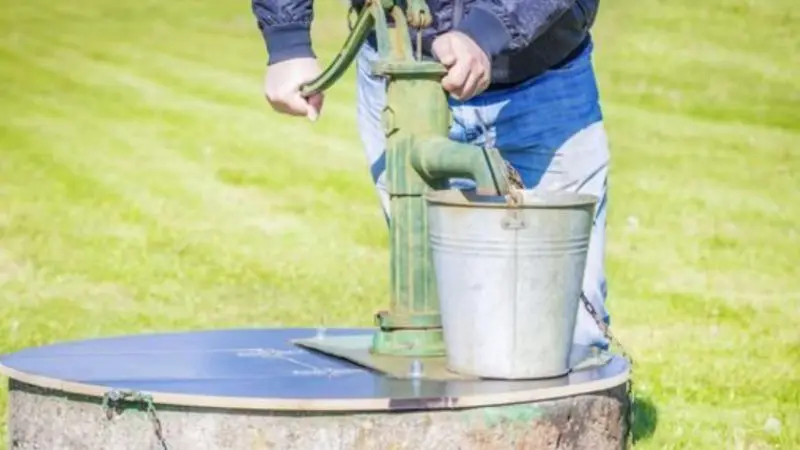
Uno de los aspectos más importantes del proceso de extracción de la bomba es la preparación adecuada. Preparar el pozo ayudará a evitar accidentes, protegerá el equipo y facilitará significativamente la tarea. Antes de comenzar a reemplazar o retirar la bomba sumergible bomba de pozoAsegúrese de que el sistema del pozo esté seguro y listo para su desmontaje.
Desconecte la alimentación eléctrica antes de comenzar el proceso de extracción.
El primer paso al seguir las instrucciones para extraer la bomba del pozo es desconectar la electricidad. Las bombas sumergibles requieren energía eléctrica para funcionar y, por lo tanto, manipularlas mientras están energizadas puede ser muy peligroso. Localice el interruptor automático que controla la bomba y apáguelo antes de continuar.
Tras desconectar el interruptor, compruebe con un equipo eléctrico que no circule corriente hacia la bomba ni el cableado. Siempre verifique antes de dar por hecho que la alimentación está cortada. Desconectar la alimentación ayuda a evitar descargas eléctricas y minimiza el riesgo de dañar los componentes de la bomba al desmontarla. Esta sencilla medida contribuye a un entorno de trabajo más seguro para todo el proyecto.
Retire con cuidado la tapa del pozo para acceder al sistema de bombeo.
Una vez desconectada la corriente, el segundo paso es retirar la tapa del pozo. Esta tapa se encuentra en la parte superior del revestimiento y protege el suministro de agua contra la suciedad, los insectos y otros contaminantes. Retirarla con cuidado le permitirá acceder al conjunto de la bomba y comenzar el proceso de extracción.
Afloje cualquier perno u otro sujetador que mantenga la tapa en su lugar con las herramientas adecuadas. Levante la tapa gradualmente para no romper los cables o componentes conectados debajo. Mantenga la tapa en un lugar seguro e higiénico mientras trabaja. Cualquiera que esté enseñado a tirar de un sumergible bomba de pozo de agua Hay que tomarse esta medida en serio, ya que los cables dañados darán lugar a reparaciones adicionales en el futuro.
Inspeccione las conexiones de las tuberías y el cableado eléctrico antes de desmontar la bomba.
Antes de retirar la bomba del pozo, revise minuciosamente todas las conexiones de las tuberías y el cableado eléctrico. Esta inspección permite identificar componentes desgastados, conexiones sueltas o cables rotos que podrían afectar el proceso de extracción. Además, le permite planificar las reparaciones o sustituciones necesarias.
Asegúrese de que todo el cableado expuesto esté intacto y no cortado, agrietado ni corroído. Pruebe las conexiones de las tuberías para asegurarse de que se puedan retirar sin romperse. Dedicar unos minutos a revisar estas piezas puede simplificar y garantizar el proceso de extracción de una bomba de pozo. Esto es especialmente importante al realizar el mantenimiento de una bomba de pozo profundo, ya que en sistemas más profundos, las tuberías y las conexiones eléctricas pueden sufrir daños.
Proceso paso a paso para desmontar, inspeccionar y evaluar una bomba de pozo de agua.
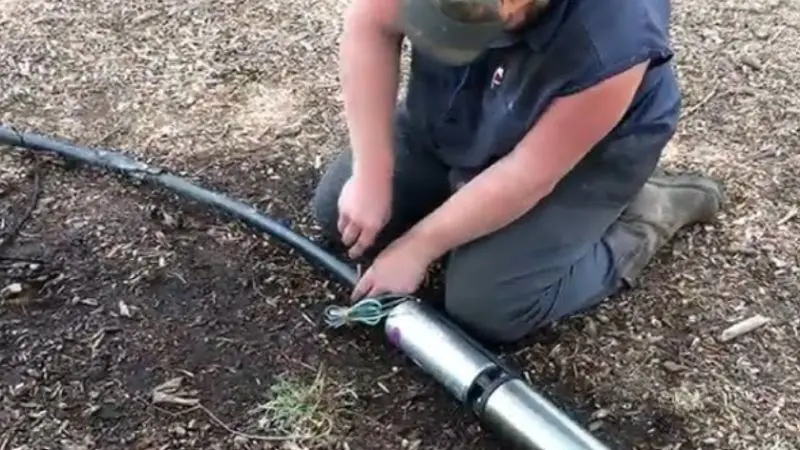
Una vez que el pozo y todo el equipo estén listos, puede comenzar a desmontar la bomba. Esto debe hacerse con mucho cuidado, ya que el sistema de bombeo suele ser complejo y frágil. Estos pasos le ayudarán a aprender a extraer agua de un pozo de forma segura y económica.
Paso 1: Fije la herramienta de extracción de la bomba de forma segura antes de levantarla.
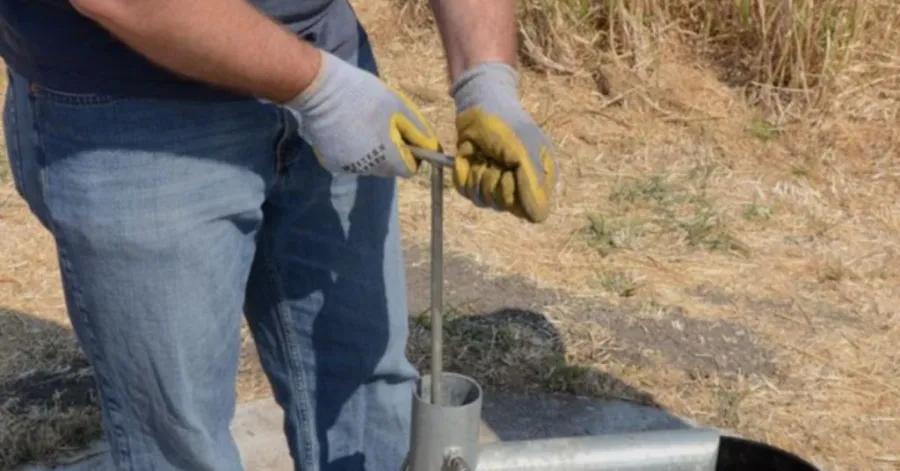
En primer lugar, la herramienta de extracción debe estar firmemente sujeta al conjunto de la bomba. Una sujeción fuerte y estable evita que el equipo se deslice y caiga al pozo durante la extracción. Antes de levantar, compruebe las conexiones para asegurarse de que estén bien ajustadas y alineadas.
Muchos propietarios que aprenden a extraer una bomba sumergible de pozo por sí mismos utilizan mangos en T o equipos de elevación especiales que se adaptan bien a los sistemas. Estos se utilizan para asegurar un agarre firme del tubo de bajada y facilitan la extracción. También se debe proporcionar protección adicional fijando correctamente la cuerda de seguridad. Una de las herramientas más necesarias para extraer una bomba de pozo de forma segura es una herramienta de extracción segura.
Paso 2: Levante el tubo de bajada lenta y constantemente.
Una vez colocada la herramienta de tracción, comience a tirar del tubo de bajada de forma lenta y gradual. Evite movimientos bruscos, ya que podrían dañar el tubo, el cableado eléctrico o la propia bomba. Un procedimiento lento y controlado minimiza el riesgo de accidentes.
Al sacar la tubería del pozo, sujétela recta y con firmeza. El peso adicional puede requerir equipo de elevación o soporte extra, como en el caso de pozos profundos. Esto es especialmente importante al aprender a realizar el mantenimiento de una bomba de pozo profundo, ya que los sistemas más profundos pueden ser difíciles de mantener sin el soporte necesario.
Paso 3: Desconecte cada sección de tubería con cuidado durante la extracción.
Cuando las secciones del tubo de bajada salgan del pozo, desconéctelas a medida que aparezcan. Manipule cada sección con cuidado para evitar dañar las roscas, los accesorios y el cableado conectado. Coloque las partes retiradas de las tuberías en un área limpia donde se almacenarán.
Este paso es fundamental en cualquier guía paso a paso sobre cómo extraer una bomba de pozo. Asegúrese de contar con el apoyo adecuado antes de desconectar cualquier pieza para evitar caídas. Una vez instalados los cables eléctricos en la tubería, tire de ellos y asegúrese de que queden ordenados para facilitar su instalación posterior.
@dwscustoms bomba de pozo vevor #vevor #bomba de agua #115v #dwscustoms
♬ sonido original - King Scoot
Paso 4: Continúe tirando hasta que la bomba alcance la superficie.
Continúe retirando y desacoplando las tuberías hasta que la bomba entera quede fuera del pozo. Este proceso puede llevar tiempo, dependiendo de la profundidad; por lo tanto, la paciencia es fundamental. No se apresure en los últimos pasos de la extracción.
Una vez extraída completamente la bomba del pozo, colóquela sobre una superficie limpia y estable para inspeccionarla. Este es el paso final de la fase de extracción y es fundamental para el correcto funcionamiento de la bomba sumergible. Un manejo cuidadoso en esta etapa ayuda a prevenir daños accidentales.
Paso 5: Revise la bomba del pozo para detectar signos de daño o desgaste.
Una vez retirada la bomba, examínela minuciosamente para asegurarse de que no presente desgaste ni daños. Busque grietas, óxido, corrosión o componentes desgastados que puedan afectar su funcionamiento. La detección temprana de estos problemas le ayudará a decidir si necesitan reparación o reemplazo.
Examine la carcasa de la bomba y los demás componentes mecánicos. Si la bomba no ha funcionado correctamente, es posible que algunas piezas internas estén dañadas. Una revisión minuciosa garantizará que todos los problemas se resuelvan antes de reinstalar el sistema.
Paso 6: Inspeccione todos los cables eléctricos para detectar daños y corrosión.
En segundo lugar, conviene examinar el cableado eléctrico de la bomba. Un cableado doblado puede provocar un funcionamiento incorrecto, un fallo eléctrico o incluso ser peligroso. Inspeccione todo el cable para detectar cortes, aislamiento desgastado o cualquier indicio de sobrecalentamiento.
Preste atención a las conexiones y conectores de los cables. Es importante reparar o reemplazar cualquier cable corroído o expuesto antes de volver a utilizar la bomba. Una inspección adecuada del cableado contribuye a un funcionamiento seguro y fiable.
Paso 7: Examine las tuberías y los accesorios en busca de grietas o fugas.
Por último, conviene revisar todas las tuberías y conexiones para detectar grietas, fugas o desgaste. Las tuberías rotas pueden reducir la presión del agua y provocar fallos en el sistema. Examine con atención las conexiones roscadas, los acoplamientos y las conexiones para detectar cualquier deterioro.
Instale el sistema reemplazando las piezas desgastadas o dañadas. Las revisiones periódicas que se realizan durante el mantenimiento también contribuyen a prolongar la vida útil de la bomba y a garantizar un suministro de agua fiable en los próximos años.
¿Cuándo es mejor llamar a un profesional para la extracción de la bomba de pozo?
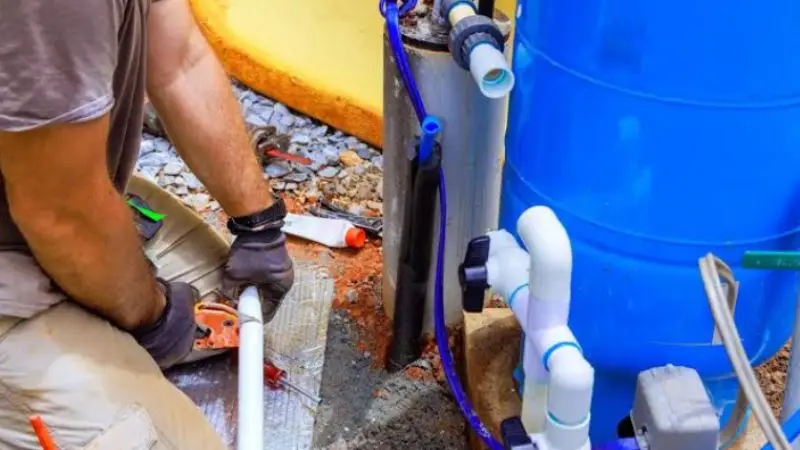
Aunque la mayoría de los propietarios pueden realizar el mantenimiento básico de un pozo, existen circunstancias que requieren la intervención de un profesional. Intentar realizar reparaciones complejas sin la experiencia adecuada puede provocar daños en el equipo, lesiones personales o errores costosos. Al aprender a extraer la bomba de un pozo, podría encontrarse en alguna de las siguientes situaciones, que pueden ser bastante peligrosas. Busque la ayuda de un técnico cualificado.
Los pozos extremadamente profundos requieren manipulación profesional.
Los pozos profundos pueden ser difíciles de manejar, ya que la bomba, las tuberías y el cableado se vuelven considerablemente más pesados a medida que aumenta la profundidad. A menudo se requiere equipo de elevación avanzado y mano de obra adicional para extraer el equipo de un pozo profundo. Los propietarios que deseen aprender a extraer y mantener una bomba de pozo profundo pueden encontrar la tarea compleja y agotadora.
Los profesionales cuentan con los conocimientos y el equipo necesarios para extraer bombas de pozos profundos de forma segura sin dañar el sistema. Si su pozo tiene varios cientos de pies de profundidad, puede ahorrar tiempo y minimizar el riesgo de accidentes contratando a un experto.
Las bombas de pozos pesados a menudo requieren equipos especializados.
La extracción de algunas bombas sumergibles es demasiado pesada para realizarla manualmente. En sistemas residenciales y comerciales de gran tamaño, podrían ser necesarios sistemas de elevación, como polipastos, cabrestantes u otros sistemas de elevación específicos. Intentar levantar estas bombas sin apoyo puede provocar lesiones o dañar las partes del pozo.
Aunque sepas cómo extraer una bomba sumergible de un pozo, en sistemas de gran capacidad, las herramientas que usas habitualmente en casa podrían no ser suficientes. Los contratistas especializados en pozos son profesionales que cuentan con el equipo necesario para extraer una bomba de forma segura, lo que hace que el proceso sea mucho más seguro y práctico.
Los problemas eléctricos o estructurales graves deben ser tratados por expertos.
Si encuentra cableado dañado, corrosión severa, tuberías rotas o problemas estructurales en el pozo, es recomendable detener el proceso de extracción y consultar a un profesional. Los problemas eléctricos graves pueden representar riesgos para la seguridad, y los daños estructurales pueden afectar a todo el sistema del pozo.
Los especialistas están capacitados para tratar y solucionar estos problemas de forma segura. Esto es particularmente necesario cuando se trata de quitar y reemplazar un bomba de pozo sumergibleDado que una mala mano de obra puede ocasionar problemas recurrentes o el colapso del sistema, al contratar a un especialista, tendrá la seguridad de que todas las reparaciones estarán cubiertas y que su sistema de agua será confiable.
Cierre
Saber cómo desmontar e instalar una bomba sumergible para pozos es una herramienta valiosa para los propietarios con sistemas de pozo propios. Con la preparación adecuada, el equipo de seguridad y las herramientas necesarias para desmontar la bomba de forma segura, se puede realizar un mantenimiento eficaz. Sin embargo, también es necesario tener en cuenta las situaciones que requieren la consulta de un profesional, especialmente en pozos profundos, con bombas pesadas o problemas eléctricos. Tanto si necesita mantenimiento rutinario como reparaciones importantes, saber cómo desmontar una bomba de pozo profundo para su correcto funcionamiento puede prolongar la vida útil de su sistema de pozo y garantizar un buen suministro de agua.
Preguntas Frecuentes
¿Puedo dibujar yo mismo una bomba sumergible para pozo?
Sí, es posible desmontar una bomba sumergible de pozo uno mismo, siempre que el pozo no sea profundo y la bomba no sea pesada. Los pozos profundos o las bombas pesadas normalmente requieren ayuda adicional o asistencia profesional.
¿Qué equipo se necesitará para poner en marcha una bomba de pozo de agua?
Algunos equipos típicos son llaves para tubos, mangos en T, una cuerda de seguridad, equipos de prueba eléctrica y herramientas de elevación como un cabrestante o un polipasto que se utilizan en pozos más profundos.
¿Cuánto tiempo se tarda en accionar una bomba de pozo de agua?
Este periodo varía según la profundidad del pozo y el tamaño de la bomba. El tiempo promedio para desmontar las bombas de pozos residenciales es de una a tres horas si se realiza con precaución.
¿Cómo puedo saber si tengo que reemplazar la bomba de mi pozo?
Los síntomas pueden incluir baja presión de agua, ruidos extraños, flujo de agua intermitente, ciclos de funcionamiento intermitentes o la pérdida total del suministro de agua. Una revisión detallada puede determinar si es necesario reemplazar la tubería.
¿Cuándo debo llamar a un profesional para que retire la bomba de mi pozo?
Debe ponerse en contacto con un profesional si su pozo es demasiado profundo, la bomba es demasiado pesada o si detecta problemas eléctricos, estructurales o mecánicos graves.