La soldadura MIG con núcleo fundente es uno de los métodos de soldadura más fáciles y populares para principiantes. No requiere gas de protección externo y, por lo tanto, es adecuada para proyectos al aire libre, reparaciones domésticas y trabajos de fabricación en general. Sin embargo, para obtener soldaduras buenas y limpias, no basta con encender la máquina. Para evitar errores frecuentes, los principiantes deben aprender a configurar la máquina, practicar la seguridad y practicar algunas técnicas de soldadura sencillas. Puedes dominar los fundamentos de la soldadura MIG con núcleo fundente y entrenarte para convertirte en un mejor soldador más rápido aprendiendo consejos clave y practicándolos regularmente. Esta guía cubre todo lo que necesitas saber, desde elegir el equipo adecuado. Soldador MIG y configurando su máquina para utilizar técnicas probadas que permitan producir soldaduras de alta calidad.
Equipo esencial que todo principiante necesita
El primer paso para ser un buen soldador es contar con el equipo adecuado. Muchos principiantes fracasan por usar herramientas incorrectas o accesorios de mala calidad. Invertir en un buen equipo no solo facilita la soldadura, sino que también mejora la seguridad y la calidad de la misma.
También debes contar con las herramientas necesarias para optimizar tu rendimiento antes de realizar tu primer arco. Una configuración adecuada te ayudará a utilizar las puntas de soldadura MIG con núcleo fundente, que los principiantes usan para soldar con mayor eficacia y obtener soldaduras más fuertes y limpias.
@araujoeldelaford Soldadora para herrería #soldadora #soldados #vevor #vevortools #araujotime #araujoeldelaford #latinos #latinostiktok #araujo
♬ sonido original – sonido Los Jrs
Cómo elegir la mejor soldadora de hilo tubular para principiantes
Elegir la soldadora de hilo tubular adecuada puede influir enormemente en tu aprendizaje. Los principiantes deben buscar una máquina de fácil montaje, con capacidad para variar el voltaje y que permita una alimentación de hilo recta. Las soldadoras inverter pequeñas suelen ser una excelente opción, ya que son ligeras, portátiles y fáciles de usar. Además, la posibilidad de ajustar la potencia permite trabajar con diferentes grosores de metal a medida que se desarrollan las habilidades. Al comenzar con los consejos básicos de soldadura MIG con hilo tubular, lo primero que hay que considerar es el equipo adecuado para el proyecto. Con una buena soldadora, aprender a hacer las cosas bien y obtener soldaduras más uniformes será más sencillo.
Cómo seleccionar el alambre tubular adecuado para tus proyectos
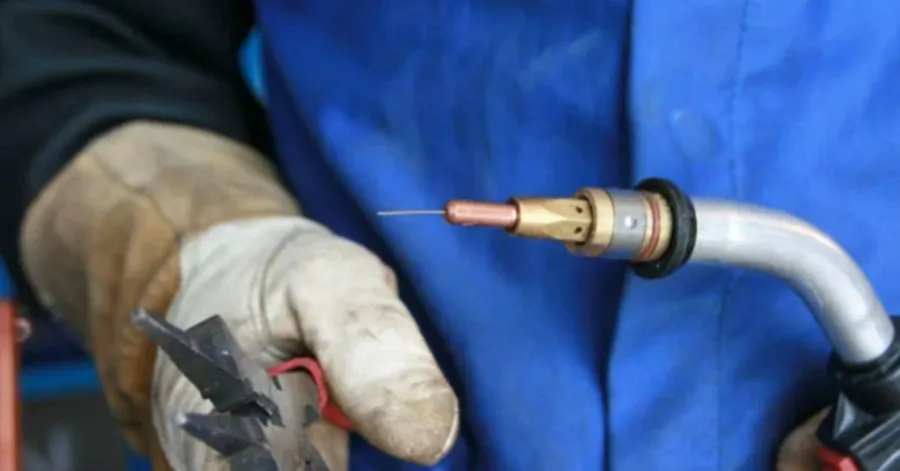
El núcleo del alambre fundente utilizado es tan importante como la propia soldadora. Existen alambres de diferentes diámetros y grosores, para diversos usos. Para materiales delgados, los alambres de menor diámetro ayudan a reducir la perforación y permiten el uso de puntas de soldadura MIG con núcleo fundente eficaces. Los materiales gruesos suelen requerir un diámetro de alambre mayor para una mayor penetración. Siga siempre las recomendaciones del fabricante en cuanto al diámetro y la polaridad del alambre. El alambre adecuado puede mejorar notablemente el aspecto y la resistencia de las soldaduras. Esta es una decisión fundamental que influye significativamente en los resultados de la soldadura MIG con núcleo fundente y ayuda a los principiantes a lograr soldaduras más suaves y fiables.
Equipo de seguridad esencial que todo principiante debería usar
Nunca se debe priorizar el rendimiento de la soldadura sobre la seguridad. Un casco de soldadura con lente autooscurecedora es de alta calidad para proteger los ojos de los rayos dañinos del arco y mejorar la visibilidad. El uso de guantes ignífugos, ropa de manga larga y botas resistentes también es necesario para evitar quemaduras y lesiones. La protección respiratoria es crucial, ya que la soldadura con hilo tubular genera humos que no deben inhalarse. Otra forma de minimizar los riesgos para la salud es trabajar en un lugar bien ventilado. Numerosos consejos y trucos profesionales para la soldadura MIG con hilo tubular destacan que, al usar el equipo de seguridad adecuado, los soldadores pueden concentrarse en la técnica sin distracciones externas. Estar cubierto ayuda a proporcionar un espacio más seguro y cómodo para soldar.
Herramientas de soldadura adicionales que facilitan el trabajo
Varias herramientas adicionales pueden facilitar el proceso de soldadura, haciéndolo más sencillo y eficaz. Imanes, amoladoras angulares, cepillos de alambre, martillos cinceladores, abrazaderas y cepillos de alambre son excelentes complementos para el taller de un principiante. Se utilizan para preparar superficies metálicas, sujetar piezas y limpiar la escoria después de la soldadura. Las soldaduras de calidad y las mejores puntas de soldadura MIG con núcleo fundente solo se logran con una preparación y limpieza adecuadas, utilizando las puntas correctas para obtener soldaduras limpias. Estos accesorios también ayudarán a los principiantes con los métodos avanzados de soldadura MIG con núcleo fundente a medida que adquieran experiencia, ya que les permitirán tener mayor control y precisión en todos los proyectos de soldadura.
Cómo configurar una soldadora MIG con núcleo fundente
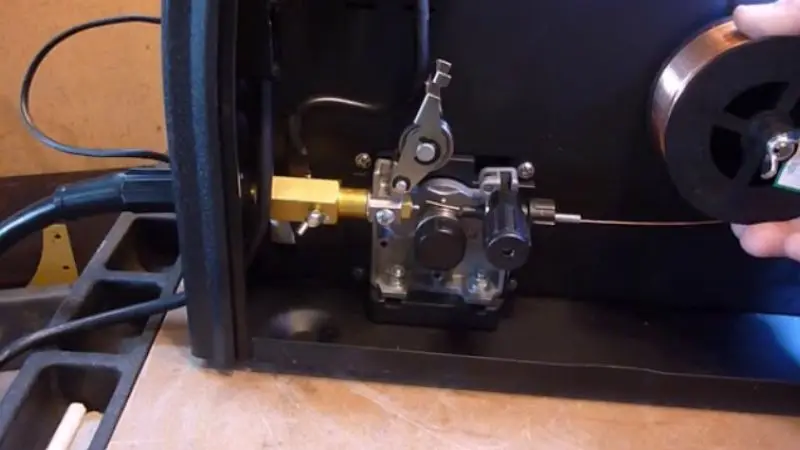
Uno de los pasos clave para una soldadura con hilo tubular exitosa es una configuración adecuada. Ni la mejor máquina de soldar producirá buenas soldaduras si no está bien configurada. Los problemas más comunes entre los principiantes incluyen salpicaduras excesivas, penetración deficiente o soldaduras débiles, todo ello debido a una configuración incorrecta de la máquina.
Saber cómo configurar su soldador Una correcta configuración te permitirá obtener mejores resultados desde el principio. Estas sencillas instrucciones de configuración también te facilitarán el uso de las puntas de soldadura MIG con núcleo fundente, ideales para principiantes y que te ayudarán a desarrollar una buena capacidad de soldadura.
Cómo instalar correctamente el cable con núcleo fundente
Una correcta colocación del alambre tubular garantiza una alimentación uniforme y un arco estable. Comience apagando la soldadora y retirando el compartimento del alambre. Instale la bobina en el husillo y asegúrese de que el alambre esté desenrollado correctamente, según las instrucciones de la máquina. Inserte el alambre en el revestimiento a través de los rodillos de arrastre, con cuidado de no doblarlo ni dañarlo. Ajuste la tensión de los rodillos de arrastre para lograr un flujo uniforme del alambre sin deslizamientos. Uno de los consejos más importantes para la soldadura MIG con alambre tubular es la correcta instalación del alambre, que elimina los problemas de alimentación y permite obtener soldaduras estables y de alta calidad.
Cómo configurar la polaridad correcta para la soldadura con hilo tubular
La polaridad influye significativamente en la calidad de la soldadura y la penetración. La mayoría de los alambres tubulares autoprotegidos utilizan polaridad negativa de CC (DCEN) o polaridad directa. Una polaridad incorrecta puede provocar salpicaduras excesivas, baja penetración y arcos inestables. Siempre es importante consultar las recomendaciones del fabricante del alambre antes de comenzar cualquier proyecto. En muchas máquinas de soldar, la polaridad se puede cambiar simplemente cambiando las conexiones del cable. El conocimiento y la aplicación de la polaridad correcta son fundamentales para quienes se inician en las técnicas de soldadura MIG con alambre tubular. Una polaridad adecuada ayuda a mantener un arco constante y desempeña un papel crucial en la optimización de los resultados de la soldadura MIG con alambre tubular en diversos materiales.
Cómo ajustar correctamente el voltaje y la velocidad de alimentación del cable.
El voltaje y la velocidad de alimentación del alambre deben trabajar en conjunto para producir soldaduras fuertes y limpias. Si el voltaje es insuficiente, la soldadura puede quedar en la superficie del metal sin la penetración adecuada. Un voltaje excesivo puede provocar salpicaduras excesivas y perforación. De igual manera, una velocidad de arco inadecuada puede causar un arco inestable. Se deben usar los ajustes sugeridos para principiantes por el soldador o el fabricante del alambre, y realizar los ajustes necesarios. Uno de los consejos y trucos profesionales para la soldadura MIG con núcleo fundente, en el que confían los soldadores experimentados, es la correcta configuración de la máquina. Estos ajustes se pueden perfeccionar para crear cordones de soldadura uniformes y mejorar el rendimiento.
Cómo preparar su espacio de trabajo de soldadura de forma segura y eficiente
Un entorno de trabajo bien preparado mejora la seguridad y la eficiencia de la soldadura. Lo primero es retirar los materiales inflamables del lugar y asegurarse de que esté bien ventilado para minimizar la exposición a los humos de soldadura. Coloque la pieza de trabajo sobre una superficie estable y utilice abrazaderas para garantizar que el material no se mueva durante la soldadura. Una iluminación adecuada también permite ver claramente la junta de soldadura y tener mayor control. Tenga a mano las herramientas necesarias, como un cepillo de alambre, un martillo de cincelar y una amoladora. Una configuración adecuada del espacio de trabajo ayuda a que las puntas de soldadura MIG con núcleo fundente óptimas produzcan soldaduras limpias y es crucial al utilizarlas en acero grueso u otros trabajos de soldadura complejos.
Consejos para principiantes sobre soldadura MIG con núcleo fundente
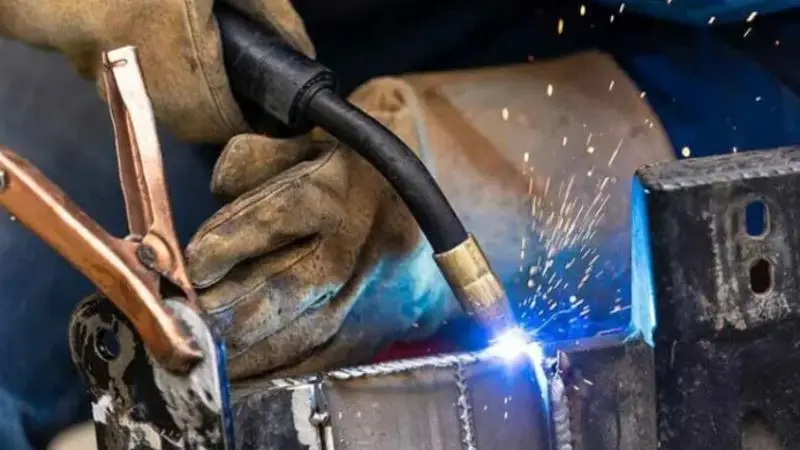
Al principio, aprender a soldar con hilo tubular puede parecer difícil, pero dominar algunas prácticas básicas facilita mucho el proceso. Algunos de los problemas que suelen enfrentar los principiantes incluyen salpicaduras, penetración deficiente y cordones de soldadura irregulares. Afortunadamente, en la mayoría de los casos, estos problemas se pueden prevenir aplicando las técnicas adecuadas desde el principio.
Los hábitos adquiridos desde temprana edad te ayudarán a realizar soldaduras más fuertes y limpias, y a ganar confianza. Los siguientes consejos para principiantes en soldadura MIG con hilo tubular te ayudarán a perfeccionar tu técnica y a obtener resultados más consistentes en cada proyecto.
Por qué siempre debes limpiar el metal antes de soldar.
Uno de los pasos más importantes antes de cualquier proyecto de soldadura es la limpieza del metal base. La soldadura puede estar contaminada con suciedad, óxido, pintura, aceite y grasa, lo que provoca uniones débiles, porosidad y salpicaduras excesivas. Limpie la zona de soldadura con un cepillo de alambre, una amoladora o un disco de lijado antes de iniciar el arco. Si bien la soldadura con núcleo fundente tolera mejor la suciedad en el metal que otras técnicas, las superficies limpias ofrecen mejores resultados. Este es uno de los mejores consejos para la soldadura MIG con núcleo fundente, ya que este sencillo procedimiento de preparación da como resultado soldaduras de mejor calidad, con un acabado más liso y menos defectos.
Cómo mantener la distancia de salida correcta
La extensión del alambre es la longitud que sobresale de la punta del contacto con la pieza de trabajo. Un arco estable y una soldadura de calidad constante dependen de mantener la distancia correcta entre el alambre y la pieza. Generalmente, se recomienda una extensión de 19 mm (3/4 de pulgada) para la soldadura MIG con núcleo fundente autoprotegido. Una distancia muy corta puede provocar un arco inestable, mientras que mantener la pistola demasiado lejos puede disminuir la penetración y aumentar las salpicaduras. Uno de los principales consejos y trucos profesionales para la soldadura MIG con núcleo fundente es el control adecuado de la extensión del alambre, lo que ayuda a los soldadores experimentados a mejorar la consistencia de la soldadura y el rendimiento general.
Cómo usar el ángulo correcto de la pistola al soldar
El ángulo correcto de la pistola ayudará a dirigir el calor y mejorará la apariencia del cordón. En el caso de la soldadura con hilo tubular, se recomienda un ángulo de arrastre de 10 a 15 grados. Un ángulo incorrecto de la pistola puede provocar una penetración ineficaz, salpicaduras excesivas o cordones de soldadura inconsistentes. Mantener un ángulo constante durante la soldadura también es útil para mantener una forma uniforme del cordón. Aprender la técnica de soldadura MIG con hilo tubular requiere que los principiantes comprendan el posicionamiento adecuado de la pistola. Los ángulos regulares de la pistola darán como resultado una mejor fusión y una apariencia más profesional de las soldaduras.
Por qué es importante mantener una velocidad de viaje constante
La velocidad de avance influye directamente en la calidad y penetración de la soldadura. Un movimiento lento puede provocar sobreproducción, perforación y cordones de soldadura más gruesos. Por otro lado, un movimiento demasiado rápido puede resultar en una fusión deficiente y soldaduras débiles. El objetivo es asegurar un ritmo constante que permita que el baño de fusión se extienda incluso detrás del arco. Observar el comportamiento del metal fundido puede ayudarle a saber si está trabajando a la velocidad correcta. Uno de los consejos más efectivos para soldar con MIG con núcleo fundente y obtener soldaduras limpias es mantener una velocidad de avance uniforme, ya que esto da como resultado cordones de soldadura suaves, resistentes y con un aspecto impecable.
Por qué la técnica de arrastre funciona mejor para la soldadura con núcleo fundente
La técnica de arrastre se recomienda comúnmente para la soldadura MIG con núcleo fundente autoprotegido. Consiste en tirar de la antorcha hacia atrás, en lugar de hacia adelante, hasta la soldadura terminada, con una ligera inclinación. Esta técnica facilita la cobertura del baño de fusión mediante los gases de protección generados por el fundente, además de mejorar la penetración. El arrastre también reduce las inclusiones de escoria y produce cordones de soldadura más limpios. Muchos profesionales consideran este método como uno de los consejos y trucos más útiles para la soldadura MIG con núcleo fundente, ya que ofrece resultados de alta calidad de forma consistente en diversas aplicaciones.
Por qué deberías observar el charco de soldadura en lugar del arco.
Los soldadores principiantes suelen concentrarse en el arco de soldadura, mientras que los experimentados se fijan en el baño de fusión. Este último muestra la dirección del flujo del metal fundido y permite estimar la velocidad de avance, la penetración y la forma de los cordones. El baño de fusión facilita la detección de problemas y la implementación de correcciones antes de que se produzcan defectos. Una de las mejores maneras de observar lo que ocurre durante la soldadura es fijarse en el baño de fusión en lugar del arco. Este hábito puede ser de gran ayuda para controlar y mejorar los resultados de la soldadura MIG con hilo tubular con el tiempo.
Por qué practicar con chatarra mejora tus habilidades
Las habilidades de soldadura solo se desarrollan con la práctica. Prueba tu soldadura en trozos de metal de desecho del mismo grosor antes de trabajar en proyectos importantes. La práctica te ayuda a ajustar la configuración de la máquina, experimentar y acostumbrarte a controlar el baño de fusión. También te ayuda a identificar errores sin dañar los materiales valiosos. La práctica, en particular el aprendizaje de las técnicas de soldadura MIG con núcleo fundente en metales delgados, será de gran ayuda, ya que estos requieren mayor control para evitar perforaciones. Cuanto más practiques, más confianza adquirirás y más mejorarás tus habilidades generales de soldadura.
Técnicas básicas de soldadura que todo principiante debería aprender.
Tras dominar los fundamentos de la instalación y la seguridad de la maquinaria, el siguiente paso es dominar las técnicas básicas de soldadura. Estas habilidades básicas te permitirán ganar confianza y, a largo plazo, realizar soldaduras de mayor calidad. Todos los soldadores expertos comienzan con las técnicas básicas y luego abordan proyectos más complejos.
Puedes dominar las técnicas básicas de soldadura practicando soldaduras sencillas, lo que te permitirá controlar con mayor precisión la velocidad de avance, el ángulo de la antorcha y el movimiento del baño de fusión. Estas son habilidades esenciales para los principiantes en los métodos de soldadura MIG con núcleo fundente, y te ayudarán a lograr una soldadura más resistente y limpia.
Cómo realizar cordones de soldadura rectos correctamente
Una de las habilidades iniciales que todo principiante debe practicar es la de realizar cordones de soldadura rectos. Esta técnica te ayudará a familiarizarte con el manejo de la pistola de soldar, mantener una velocidad de avance constante y controlar el baño de fusión. Comienza dibujando una línea guía recta en un trozo de metal de desecho e intenta seguirla mientras sueldas. Concéntrate en mantener la misma distancia de la varilla y una posición constante de la mano. Uno de los mejores consejos para principiantes en soldadura MIG con núcleo fundente es practicar cordones rectos, ya que esto ayudará a desarrollar la memoria muscular y mejorará el control general de la soldadura. Cuanto más te acostumbres, mejor se verá tu soldadura y más resistente será.
Cómo hacer uniones solapadas fuertes y fiables
Las uniones a solape se realizan uniendo dos piezas de metal y soldando a lo largo de la zona de solape. Este tipo de unión se utiliza habitualmente en reparaciones de automóviles, fabricación y trabajos con chapa metálica. Para obtener una unión a solape resistente, limpie las superficies metálicas, sujételas firmemente y suéldelas. Asegúrese de colocar la pistola de soldar en el ángulo correcto para lograr una buena fusión entre las dos piezas. Es necesario mantener una velocidad de avance constante para evitar puntos débiles o acumulación excesiva de material. Estos consejos para soldadura MIG con núcleo fundente ayudarán a los principiantes a producir uniones a solape duraderas con mayor penetración y un acabado limpio.
Cómo soldar juntas a tope con éxito
Una unión a tope se produce cuando dos metales se colocan uno al lado del otro y se sueldan. Es uno de los tipos de uniones más utilizados en la fabricación y reparación. El posicionamiento y el espaciado correctos de los huecos darán lugar a una penetración completa y una buena soldadura. Los principiantes deben empezar trabajando con materiales más pesados y luego pasar a metales más ligeros. Es especialmente necesario prestar mucha atención a la cantidad de calor aplicada, ya que un calor excesivo puede provocar deformación o perforación. Aprender a soldar uniones a tope de forma eficaz con un Soldador MIG Es una parte fundamental para desarrollar sólidas habilidades de soldadura y prepararse para una amplia gama de aplicaciones de soldadura.
Cómo crear soldaduras de filete limpias y resistentes
Las soldaduras de filete se utilizan para unir dos piezas metálicas en ángulo recto, por ejemplo, en uniones en T o en esquinas. Estas soldaduras son comunes en la fabricación de estructuras y en reparaciones generales. Para lograr una buena soldadura de filete, coloque la pistola de soldar en un ángulo de aproximadamente 45 grados entre las dos piezas. Trabaje a un ritmo constante y asegúrese de que el baño de soldadura fluya uniformemente en ambas superficies. Con la técnica adecuada, se pueden evitar la socavación, la falta de fusión y el mal aspecto de los cordones. Uno de los consejos más efectivos para dominar las soldaduras de filete con MIG de núcleo fundente es que mejora la precisión general de la soldadura y capacita a los principiantes para abordar proyectos más complejos.
Cierre
La soldadura con hilo tubular se aprende con tiempo, paciencia y práctica. Con el equipo adecuado, una máquina bien ajustada y las técnicas de soldadura correctas, incluso los principiantes pueden realizar soldaduras más fuertes y limpias con facilidad. Considerar la distancia de salida del hilo, la velocidad de avance y el ángulo de la pistola mejorará significativamente la calidad de la soldadura. Estos consejos y trucos profesionales para la soldadura MIG con hilo tubular te permitirán evitar los errores más frecuentes y convertirte en un buen soldador. Practica siempre con chatarra, perfecciona tu técnica y continúa aprendiendo. La dedicación y la experiencia te permitirán mejorar gradualmente y obtener resultados de soldadura de aspecto profesional.
Preguntas Frecuentes
¿Pueden los principiantes utilizar la soldadura MIG con núcleo fundente?
Sí, la soldadura con hilo tubular es una buena opción para principiantes, ya que es fácil de aprender, se puede realizar al aire libre y no requiere sistemas externos de gas de protección.
¿Cuál es la distancia de saliente adecuada para la soldadura con hilo tubular?
La mayoría de los procesos de soldadura con núcleo fundente autoprotegido tienen una distancia de salida de aproximadamente 3/4 de pulgada para proporcionar un arco estable y una calidad de soldadura uniforme.
¿Durante la soldadura con hilo tubular se empuja o se tira?
Soldadura con núcleo fundente autoprotegido: En general, conviene utilizar la técnica de arrastre o tracción debido a su penetración superior y a sus características de inclusión de escoria.
¿Es posible utilizar la soldadura con hilo tubular en metales delgados?
Sí, es posible realizar soldadura con hilo tubular en metal delgado, pero para evitar perforaciones, se deben reducir los ajustes de calor, el diámetro del alambre debe ser pequeño y se debe tener cuidado con la técnica.
¿Qué puedo hacer para garantizar un mejor resultado en la soldadura con hilo tubular?
La calidad de la soldadura se puede mejorar limpiando el metal, ajustando correctamente la máquina, manteniendo una velocidad de desplazamiento constante y practicando con frecuencia en chatarra.