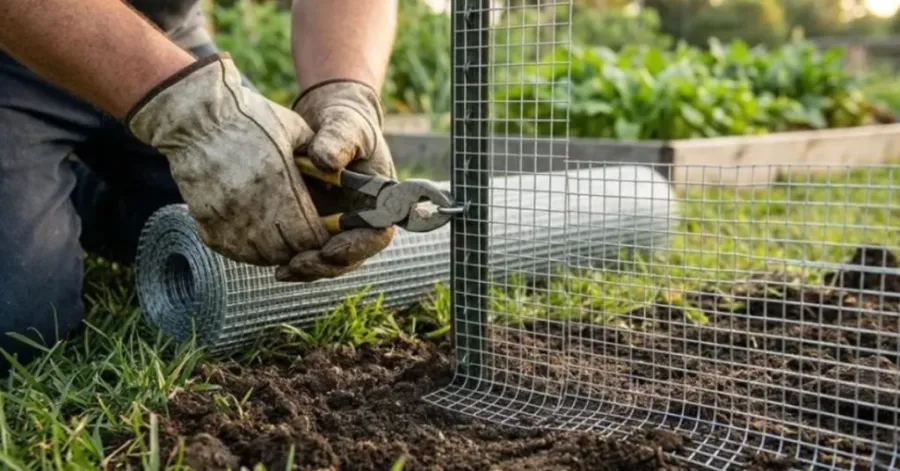
Una de las formas más baratas y fáciles de asegurar un huerto doméstico es con un gallinero.cerca de alambreImpide la entrada de animales pequeños a la vez que permite el paso de la luz solar y el aire, favoreciendo así el crecimiento saludable de las plantas. La mayoría de los jardineros eligen esta opción por su flexibilidad, facilidad de instalación y adaptabilidad a jardines de diversos tamaños. Con un poco de planificación y los materiales adecuados, se puede crear una gran protección alrededor del huerto sin incurrir en gastos excesivos. Construir una cerca de malla de gallinero es sencillo para quienes buscan una forma económica y fácil de asegurar su jardín y proteger sus plantas a largo plazo.
- Materiales y herramientas que necesitas para una cerca de malla de gallinero para tu jardín.
- Cómo planificar la cerca de malla metálica para su jardín
- Guía paso a paso para construir una cerca de malla de gallinero para el jardín.
- Cómo hacer que su cerca de alambre de gallinero sea más resistente y duradera
- Errores comunes que se deben evitar al instalar una cerca de malla de gallinero para el jardín.
Materiales y herramientas que necesitas para una cerca de malla de gallinero para tu jardín.
Antes de comenzar tu proyecto de cercado, es importante reunir todos los materiales y herramientas necesarios. Es mejor tenerlo todo preparado para que la instalación sea más sencilla y evitar retrasos. Quizás tengas en mente una pequeña cerca para el patio trasero o una extensa cerca para el huerto, pero independientemente del tipo de cerca que elijas, los materiales adecuados mejorarán su durabilidad y eficacia.
El material que utilice puede marcar la diferencia en la eficacia de su cerca para mantener alejados a los animales y otras amenazas para su jardín. Este conocimiento le permitirá diseñar una cerca de malla de gallinero de alta calidad que delimite su jardín y cumpla con sus necesidades de jardinería.
Elige la malla de alambre para gallinero adecuada para tu jardín.
Al diseñar un cerca de JardínUna consideración clave es elegir la malla de alambre adecuada. Esta malla viene en diferentes calibres, tamaños y alturas para adaptarse a diversas necesidades de jardinería. Los agujeros más pequeños se pueden usar para mantener alejados a conejos y otros animales pequeños, mientras que los agujeros más grandes son adecuados para delimitar el jardín. El alambre de alambre galvanizado es el más utilizado porque no se oxida fácilmente y resiste las inclemencias del tiempo.
Al elegir el material, asegúrese de considerar el tamaño de su jardín y el tipo de fauna que desea controlar. Muchos jardineros buscan la mejor malla de gallinero para cercar sus jardines, ya que una malla más resistente y duradera ofrece protección a largo plazo. Además, una malla de calidad permite ahorrar en mantenimiento y costos de reemplazo en el futuro.
Seleccione postes y materiales de soporte resistentes para su cerca.
Los postes de la cerca proporcionan una estructura al alambre de gallinero, asegurando su firmeza. Los postes de madera, los postes metálicos en T y las estacas de acero son opciones comunes. Los postes de madera ofrecen un aspecto clásico y se integran bien con el paisaje del jardín, mientras que los metálicos son más económicos de instalar y requieren menos mantenimiento. Es importante calcular la distancia entre los postes para evitar que el alambre se desprenda con el tiempo.
Otros materiales como bridas, clips para cercas, grapas y alambre tensor pueden usarse para mejorar la estabilidad de la cerca. Estos elementos son especialmente útiles para construir una cerca de malla de gallinero casera para proteger un jardín, ya que ayudan a mantener la malla tensa y estable. Los materiales de alta resistencia hacen que la cerca sea efectiva ante las fluctuaciones climáticas.
Reúna las herramientas básicas necesarias para la instalación de la cerca.
Las herramientas adecuadas facilitan la instalación de cercas de forma más rápida, sencilla y precisa. Entre las herramientas básicas se incluyen una cinta métrica, un cortaalambres, alicates, un martillo, un hincapostes y una pala o cavador de hoyos. Estas herramientas le ayudarán a medir la línea de la cerca, cortar el alambre al tamaño correcto y asegurar que los postes queden bien clavados en el suelo. El equipo adecuado también minimizará los errores de instalación.
Cuando se investiga cómo construir una cerca de malla de gallinero para el jardín, una de las mejores cosas que se pueden hacer es preparar las herramientas antes de comenzar. Las herramientas adecuadas permiten trabajar de forma segura y lograr un acabado profesional. La cerca, instalada correctamente, debería resistir el desgaste diario y ofrecer una protección confiable para el jardín.
Utilice equipo de seguridad durante la instalación de la cerca.
El uso de materiales y herramientas para cercas debe realizarse siempre con seguridad. Los bordes de la malla de gallinero pueden ser afilados y causar cortes si no se tiene cuidado al manipularla sin protección. Para evitar lesiones en las manos durante el corte, el estiramiento y la colocación de la malla, se recomienda usar guantes de trabajo resistentes. También se debe considerar la protección ocular, como gafas de seguridad, para proteger los ojos de fragmentos de malla o escombros que puedan salir disparados a gran velocidad durante la instalación.
La ropa de manga larga y de buena calidad, junto con el calzado protector, también pueden brindar mayor protección durante los entrenamientos al aire libre. Estas son medidas básicas que resultan especialmente útiles para comprender cómo instalar malla de gallinero en áreas de jardinería, debido a la frecuente necesidad de cavar, cortar y trabajar con metal. Las medidas de seguridad no solo ayudan a prevenir lesiones, sino que también contribuyen a que todo el proyecto de cercado sea más cómodo y eficiente.
Cómo planificar la cerca de malla metálica para su jardín
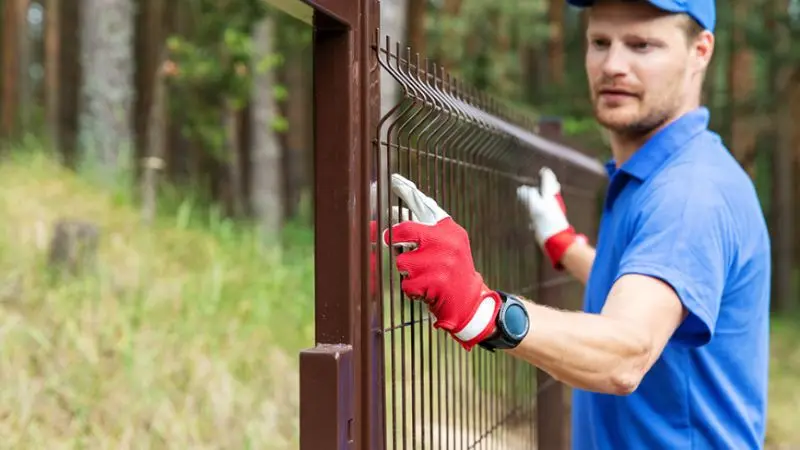
Una valla bien planificada le proporcionará una protección más robusta y eficaz. Es importante evaluar el espacio de su jardín antes de comenzar la instalación y determinar sus necesidades específicas. Una valla bien diseñada le ahorrará tiempo, minimizará el desperdicio de material y mejorará la seguridad de sus plantas.
Puedes evitar los errores más comunes midiendo la superficie, seleccionando la altura adecuada para la cerca y marcando los puntos importantes. Estas sencillas medidas de planificación simplificarán y mejorarán el proceso de construcción de una cerca de malla metálica para el jardín.
Mide el tamaño de tu jardín.
Para planificar una cerca, lo primero que debe hacer es medir el tamaño del área del jardín que desea cercar. Mida el largo y el ancho del espacio con una cinta métrica o una rueda de medición. Tomar medidas precisas le ayudará a calcular la cantidad de malla de gallinero, el número de postes y otros materiales que necesitará. Esto ayudará a reducir gastos innecesarios y desperdicio de materiales durante la instalación.
Si tu jardín tiene una forma irregular, divídelo en secciones más pequeñas y mide cada una individualmente. Medir con precisión también facilita la construcción de una cerca económica con malla de gallinero, ya que solo se necesita comprar la cantidad exacta de material. Las medidas correctas son clave para una construcción exitosa.
Elige la altura adecuada para tu valla.
La altura correcta de la cerca es fundamental para mantener alejados a los animales no deseados de tus plantas. La altura óptima suele depender de las plagas comunes en tu región. Por ejemplo, una cerca más baja puede ser suficiente para mantener alejados a los conejos, mientras que los animales más grandes podrían necesitar una barrera más alta. La mayoría de los jardineros consideran que una cerca de 3 a 6 metros de largo es una forma segura de proteger las hortalizas y las flores.
Al instalar una cerca de malla metálica alrededor de un huerto, la seguridad y la estética son factores importantes a considerar. Una cerca demasiado baja podría no ofrecer suficiente protección, mientras que una demasiado alta podría aumentar los costos. Elegir la altura adecuada ayuda a crear una cerca de jardín práctica y atractiva.
Marca dónde irán los postes de la cerca.
El segundo paso, después de medir el jardín y determinar la altura de la cerca, es marcar la ubicación de cada poste. Marque la línea de la cerca con estacas, cuerdas o pintura. El espaciado entre los postes debe ser uniforme para sujetar la malla metálica y evitar que se doblen con el tiempo. Además, un espaciado regular mejora la apariencia de la cerca.
La ubicación de los postes también se marca cuidadosamente, lo que facilita la instalación y garantiza que la cerca quede recta. Esta preparación es especialmente útil al buscar ideas para cercas de malla de gallinero en un huerto, ya que permite visualizar el resultado final antes de comenzar la construcción. Una correcta instalación de los postes da como resultado una cerca más sólida y estable.
Verifique los límites de la propiedad y las normas locales sobre cercas.
Antes de instalar su cerca, asegúrese de conocer los límites de su propiedad y verifique cualquier requisito legal vigente. Existen leyes sobre la altura, la ubicación y los materiales de las cercas. Es recomendable consultar estos requisitos con anticipación para evitar conflictos con los vecinos y posibles problemas legales en el futuro.
También se pueden identificar las líneas de servicios públicos subterráneas antes de cavar los hoyos para los postes. Estas precauciones le ayudarán a llevar a cabo su proyecto de cercado sin problemas. Conocer las regulaciones locales es un paso importante para planificar una cerca de malla de gallinero casera que proteja su jardín y le permita construirla sin perder tiempo ni esfuerzo.
Guía paso a paso para construir una cerca de malla de gallinero para el jardín.
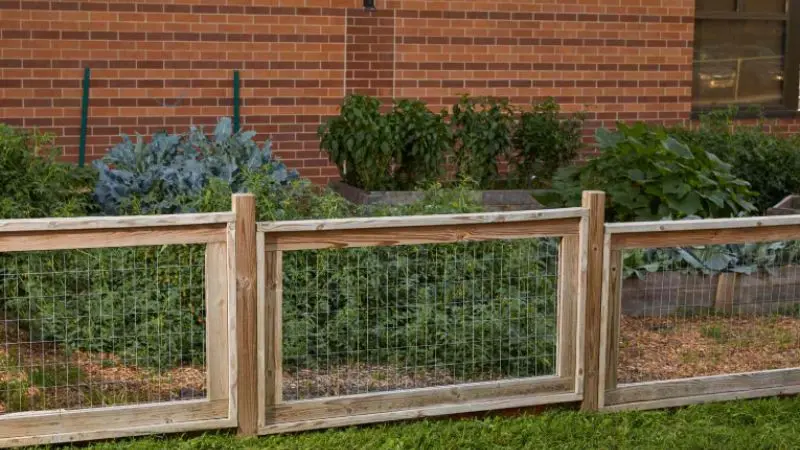
Ha llegado el momento de empezar a construir tu cerca; ya tienes toda la planificación y los materiales necesarios. Esta es la fase en la que tu preparación se transformará en una estructura sólida que protegerá tu jardín. Seguir un proceso paso a paso te ayudará a mantenerte organizado y evitar errores de instalación.
Un método sencillo también facilita el trabajo a los principiantes que están aprendiendo a construir una cerca de malla metálica para el jardín. Con la ayuda de cada paso, podrá construir una cerca sólida y resistente alrededor de sus plantas y hortalizas.
Paso 1: Marque la línea de la cerca alrededor de su jardín.
El primer paso es delimitar claramente el perímetro del área donde se colocará la cerca. Dibuja el contorno exacto del límite de tu jardín con cuerda, postes de madera o pintura para marcar. Esto te ayudará a colocar los postes correctamente y a que la cerca quede recta y nivelada.
Al diseñar una cerca de malla de gallinero alrededor de un huerto, un trazado bien marcado es fundamental, ya que delimita la zona protegida. Este paso nos evitará muchos errores en el futuro y, además, agilizará el resto del proceso de instalación.
Paso 2: Instale los postes de la cerca de forma segura en el suelo.
Tras marcar el perímetro, comience a instalar los postes de la cerca a intervalos regulares. Para la instalación, haga agujeros lo suficientemente profundos para que queden bien sujetos y luego entiérrelos firmemente en el suelo. Según su presupuesto y las características de su jardín, puede usar postes de madera o metal. Asegúrese de que todos los postes estén rectos y luego rellene el agujero con tierra o cemento.
La mayor resistencia de cualquier cerca de malla de gallinero casera para proteger el jardín reside en los postes, ya que estos soportan toda la estructura. Con una instalación adecuada, su cerca será estable incluso con viento o cuando otros animales ejerzan presión sobre ella.
Paso 3: Desenrolla y coloca correctamente la malla de gallinero.
Una vez colocados los postes, extienda la malla de gallinero a lo largo de la cerca. Trabaje lentamente para evitar enredos o dobleces pronunciados. Instale la malla de manera que alcance la altura total de los postes y recorra todo el perímetro del jardín.
Esto será fundamental al instalar malla de gallinero en las zonas ajardinadas, ya que una correcta colocación garantizará una cobertura completa y una mayor seguridad. Un diseño de malla bien colocado y alineado también mejora el aspecto general de la cerca.
Paso 4: Fije la malla de gallinero a los postes de la cerca.
En este punto, fije la malla de gallinero a cada uno de los postes de la cerca con grapas, clips o bridas resistentes. Comience por un lado y extiéndala a lo largo de la cerca, manteniendo la malla lo más cerca posible. Asegúrese de que no haya zonas sueltas ni huecos entre la malla y los postes.
Un diseño fuertemente anudado mejora la vida útil y respalda el concepto de un bajo costo. alambre para cercas de jardín, ya que utiliza malla de gallinero, que no requiere reparaciones constantes. La cerca también debe estar bien sujeta, lo que la hace estable y eficiente para usarla durante un largo período en el jardín.
Paso 5: Asegure el borde inferior para bloquear los huecos.
La parte inferior de la cerca es importante, ya que los animales suelen entrar por ahí. Clave la malla de gallinero en el suelo o dóblela hacia afuera para formar una pequeña barrera. Otra opción es añadir tierra, piedras o estacas para fijarla.
Este método se usa comúnmente en cercas de alambre para gallinero para evitar que animales pequeños, como conejos, caven por debajo. Un borde inferior seguro mejora enormemente la seguridad y la eficacia de la protección de su jardín.
Paso 6: Revise la cerca y refuerce las áreas débiles.
Una vez instalada la cerca, recorra toda la zona y revísela. Busque alambres sueltos, fijaciones flojas o zonas desniveladas. Asegure las secciones sueltas y refuerce las áreas que lo requieran.
Este último paso garantizará que su estructura sea robusta y duradera, especialmente si utiliza cercas de malla de gallinero en diseños para huertos de gran tamaño. Una inspección le ayudará a construir una cerca limpia, estable y confiable que protegerá sus plantas.
Cómo hacer que su cerca de alambre de gallinero sea más resistente y duradera
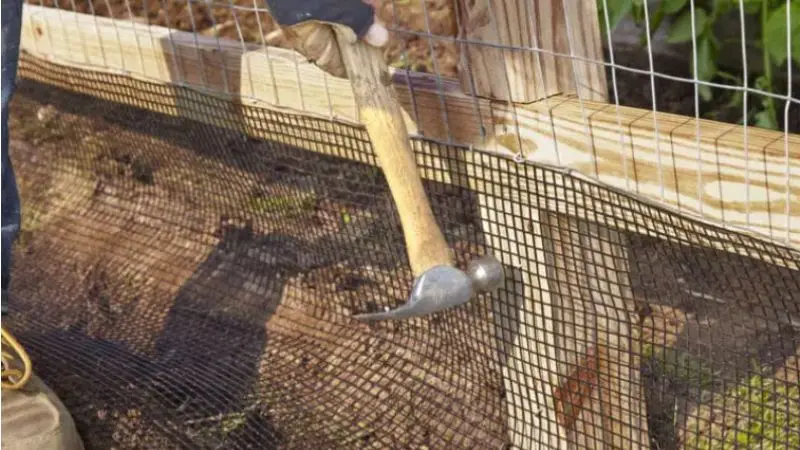
Una vez instalada la cerca, lo siguiente que debe hacer es asegurarse de que sea duradera. Una cerca de malla de gallinero puede ser muy eficaz, y su efectividad dependerá de los materiales y el nivel de refuerzo. Si toma las decisiones correctas, podrá disfrutar de su jardín durante muchas temporadas sin necesidad de realizar reparaciones frecuentes.
El refuerzo de la cerca también mejora su resistencia a la intemperie, a los animales y al desgaste diario. Solo necesitas estas pequeñas mejoras que pueden optimizar significativamente el rendimiento de tu cerca de malla de gallinero a largo plazo.
Elija malla de gallinero resistente a la oxidación para una mayor durabilidad.
Uno de los métodos más efectivos para prolongar la vida útil de su cerca es usar materiales resistentes a la corrosión. Se recomienda encarecidamente el alambre de gallinero galvanizado, ya que está recubierto para prevenir la humedad y la corrosión. Esto ayuda a que la cerca resista la lluvia e incluso el clima húmedo.
Al elegir el material para su cerca, la mayoría de los jardineros optan por la mejor malla de alambre para jardín, resistente y a prueba de la intemperie. Un alambre de calidad superior garantiza que no tendrá que reemplazarlo con tanta frecuencia y que su jardín estará protegido por más tiempo. Una malla duradera es una excelente inversión para lograr una cerca confiable y segura.
Agregue marcos resistentes para mayor soporte.
Agregar un marco a su valla de alambre de gallinero Puede mejorar considerablemente su resistencia. Se utilizan marcos de madera o metal para asegurar que el alambre permanezca firmemente en su lugar y no se afloje con el tiempo. Además, con la ayuda de los marcos, la cerca luce más limpia y organizada.
Esta técnica es especialmente útil para construir una cerca de malla de gallinero casera y proteger el jardín, ya que proporciona estabilidad a toda la estructura. Se utiliza un buen marco para distribuir uniformemente la presión a lo largo de la cerca, lo que la hace más resistente a la flexión, la tracción o los daños causados por los animales.
Mantén la valla tensa para evitar que se hunda.
Uno de los problemas más comunes con las cercas de malla de gallinero es que se comban con el tiempo. Para evitarlo, asegúrese de tensar bien el alambre durante la instalación y de fijarlo correctamente a cada poste. Como alternativa, puede añadir alambres tensores o más líneas de soporte en la parte superior e inferior.
Un aspecto esencial de la instalación de malla de gallinero en jardines es el tensado adecuado, que garantiza que la estructura sea firme y recta. Una cerca bien tensada no solo luce mejor, sino que también protege mejor las plantas.
Proteja su cerca de las inclemencias del tiempo y los daños causados por el exterior.
Las inclemencias del tiempo, como la lluvia, el viento y la luz solar, pueden deteriorar gradualmente una cerca si no se le da un buen mantenimiento. Su durabilidad puede mejorarse significativamente aplicando acabados protectores a los postes de madera o utilizando productos resistentes a la intemperie. También es recomendable realizar inspecciones frecuentes para detectar los primeros daños.
Esto es especialmente necesario al planificar una cerca de malla metálica alrededor de un huerto, donde se requiere seguridad a largo plazo para el cultivo de plantas. Construir una cerca fuerte, estable y eficaz implica tomar sencillas medidas de precaución para asegurar que se mantenga en buen estado durante todas las estaciones.
Errores comunes que se deben evitar al instalar una cerca de malla de gallinero para el jardín.
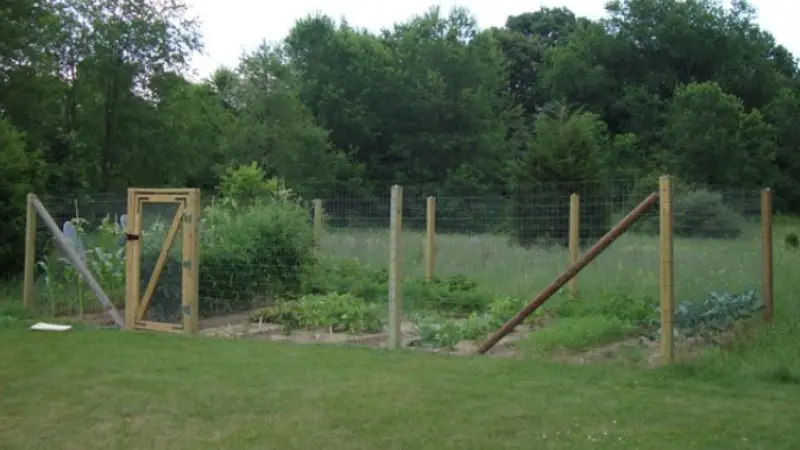
Un proyecto pequeño como una cerca puede fracasar estrepitosamente si se pasan por alto algunos detalles. La mayoría de los jardineros tienen prisa y terminan con problemas como un soporte deficiente, un espaciado inadecuado o la falta de protección para las plantas. Estos consejos evitarán errores comunes y crearán una cerca mejor y más sólida.
Estos son algunos de los errores más comunes que se cometen al aprender a construir una cerca de malla metálica para el jardín. Una instalación adecuada contribuye a prolongar la vida útil y a proteger el jardín.
Error 1: Usar una malla de alambre de gallinero del tamaño incorrecto.
El error más común es elegir una malla del tamaño incorrecto. Si las aberturas son demasiado anchas, pequeños animales como conejos o roedores pueden entrar fácilmente al jardín. Por otro lado, una malla demasiado fina puede resultar más costosa y difícil de manejar de lo necesario.
Al elegir el material adecuado para construir una cerca de malla de gallinero para el jardín, es fundamental, ya que determinará el nivel de protección que tendrá su jardín. El tamaño correcto de la malla mantendrá sus plantas seguras sin gastos ni esfuerzos adicionales innecesarios.
Error 2: Colocar los postes de la cerca demasiado separados.
Otro error común es colocar los postes de la cerca demasiado separados. Cuando la distancia entre los postes es insuficiente, la malla de gallinero puede aflojarse, deformarse o cambiar de forma con el tiempo. Esto debilita toda la estructura, reduciendo su eficacia.
Un espaciado adecuado es fundamental en una cerca de malla de gallinero casera para proteger el jardín, ya que los postes son el soporte principal de la malla. El espaciado entre postes debe ser uniforme para lograr una cerca compacta, estable y estéticamente atractiva.
Error 3: Dejar huecos a nivel del suelo
El problema principal es que, si se ignoran los huecos en la parte inferior de la cerca, los animales pequeños podrán colarse o cavar por debajo con facilidad. El agujero más pequeño puede inutilizar toda la cerca.
Esta es una zona crucial al usar una cerca de malla de gallinero para delimitar un huerto, ya que la mayoría de las plagas del jardín se encuentran a nivel del suelo. Una base bien asegurada garantizará que no haya accesos no deseados y que sus cultivos estén a salvo.
Error 4: No asegurar correctamente las esquinas de la cerca
El punto más débil de una cerca de malla de gallinero suele ser las esquinas. El alambre puede aflojarse, desprenderse o colapsar bajo presión si no está debidamente reforzado. Esto puede afectar la estabilidad de toda la cerca.
El refuerzo de las esquinas es un factor crucial al instalar malla de gallinero en proyectos de jardinería, ya que son las zonas que soportan mayor tensión. Al reforzar estas secciones, la cerca se vuelve resistente, equilibrada y duradera, incluso bajo tensión.
Cierre
Otra forma razonable de asegurar su jardín sin incurrir en altos costos es construir un cerca de alambre de gallinero. Planificar la distribución, instalar los postes y asegurar el alambre son pasos fundamentales para crear una barrera robusta y segura. Si se instala correctamente, ayuda a mantener alejadas las plagas de las hortalizas y favorece un crecimiento saludable de las plantas durante toda la temporada. Utilizar materiales de alta calidad y evitar errores comunes mejorará su durabilidad y rendimiento. Puede construir una pequeña o una grande, pero una cerca de alambre bien construida ofrece una solución a largo plazo y seguridad para cualquier jardinero aficionado.
Preguntas Frecuentes
¿Cómo se puede utilizar de forma óptima una cerca de malla de gallinero en un jardín?
El objetivo principal de la cerca de malla de gallinero es proteger las hortalizas y las plantas de pequeños animales como conejos y gallinas. Ofrece una protección ligera y flexible, fácil de instalar y que se adapta a la mayoría de los diseños de jardín.
¿Cuál es la vida útil de una cerca de jardín de malla de gallinero?
Cuando se utiliza alambre galvanizado y la cerca recibe un buen mantenimiento, una cerca de malla de gallinero puede durar varios años. La vida útil y la durabilidad de la instalación, así como su calidad, también dependen de las condiciones climáticas y de la calidad del material.
¿Podré instalar una cerca de malla de gallinero?
Sí, se puede instalar fácilmente con herramientas básicas. Con una planificación, medición y fijación adecuadas de los postes, podrá construir una estructura sólida sin necesidad de un profesional para la mayoría de los tamaños de jardín.
¿Qué profundidad deben tener los postes de la cerca?
La parte inferior de los postes de la cerca debe quedar cubierta por al menos un tercio de su longitud. Esta profundidad proporciona estabilidad y evita que se inclinen o se muevan debido al viento o la presión.
¿Se puede proteger un jardín con malla de gallinero?
La malla de gallinero es lo suficientemente resistente como para proteger animales pequeños y un jardín en general. Sin embargo, en caso de plagas de mayor tamaño, podría ser necesario reforzarla con postes más robustos o añadir más vallas para mejorar su seguridad.