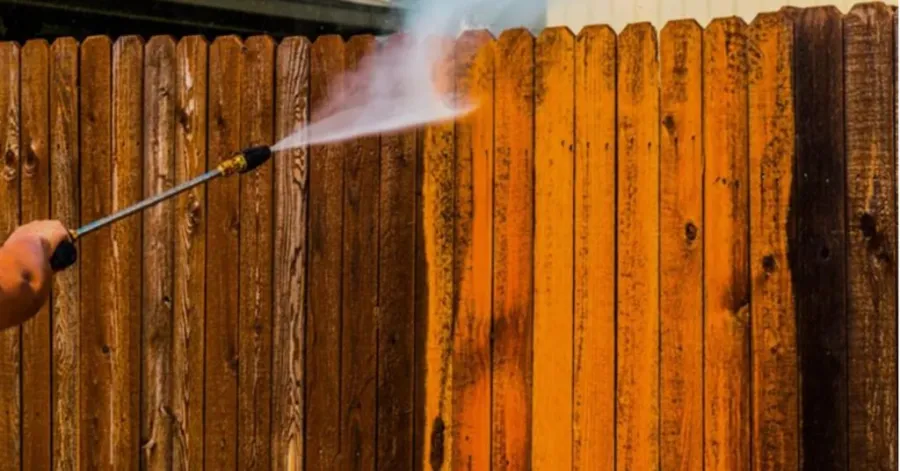
Ένας φράχτης παρέχει ιδιωτικότητα, ασφάλεια και αισθητική αξία στην ιδιοκτησία σας, αλλά με την πάροδο του χρόνου, λόγω της συνεχούς έκθεσης σε βρωμιά, σκόνη, μούχλα και καιρικές συνθήκες, μπορεί να φαίνεται κουρελιασμένος. Ευτυχώς, μια από τις πιο αποτελεσματικές και εξοικονομητικές χρόνο μεθόδους για να ξαναδείξετε έναν φράχτη όμορφο είναι ο καθαρισμός του με πλυστικό μηχάνημα υψηλής πίεσης, ώστε να μην ξοδεύετε ώρες καθαρίζοντάς τον χειροκίνητα. Το κόλπο είναι ο κατάλληλος εξοπλισμός, η ρύθμιση πίεσης και οι μέθοδοι καθαρισμού για το υλικό του φράχτη σας. Αυτός ο οδηγός θα σας διδάξει πώς να καθαρίσετε τον φράχτη σας με ένα πλυντήριο πίεσης, επιλέξτε τα σωστά εργαλεία, αποφύγετε τα συνηθισμένα λάθη και διατηρήστε το καθαρό, φρέσκο και καλοδιατηρημένο τα επόμενα χρόνια.
Πίνακας περιεχομένων
Επιθεωρήστε τον φράχτη σας πριν τον καθαρισμό
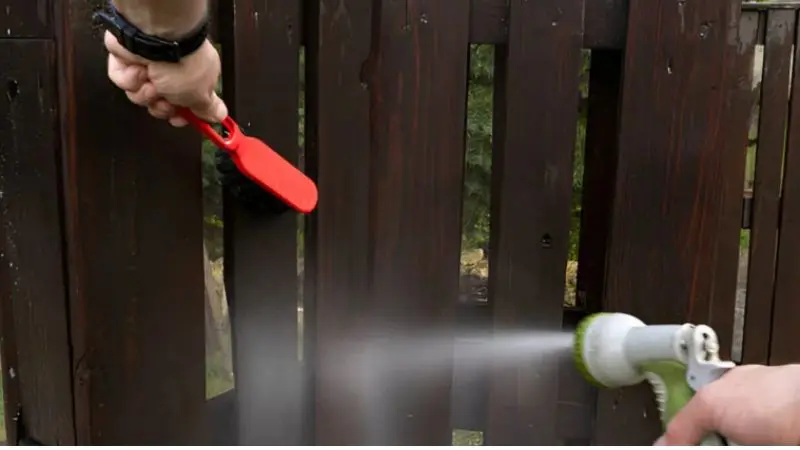
Θα πρέπει επίσης να ελέγξετε ολόκληρο τον φράχτη πριν ξεκινήσετε τον καθαρισμό του με ένα πλυντήριο πίεσης. Μια τόσο προσεκτική εξέταση θα αποτρέψει τυχόν ακούσιες ζημιές και θα διασφαλίσει ότι εφαρμόζετε την κατάλληλη διαδικασία καθαρισμού. Μπορεί επίσης να σας βοηθήσει να εντοπίσετε τυχόν επισκευές που πρέπει να γίνουν πριν από το πλύσιμο.
Συνιστάται για το έργο σας
Επιθεωρήστε για ζημιές ή χαλαρές σανίδες
Το πρώτο βήμα πριν μάθετε πώς να καθαρίσετε τον φράχτη σας με ένα πλυντήριο πίεσης είναι να περπατήσετε πάνω στον φράχτη σας και να εξετάσετε τη γενική του κατάσταση. Ελέγξτε για χαλαρές σανίδες, σπασμένα πάνελ, χαλαρά καρφιά ή αδύναμους στύλους που μπορεί να επιδεινωθούν από την υψηλή πίεση του νερού. Επίσης, να είστε ενήμεροι για τις περιοχές που έχουν αρχίσει να σαπίζουν ή έχουν υποστεί ζημιά από έντομα. Πριν από το πλύσιμο, σφίξτε τυχόν χαλαρές βίδες, αντικαταστήστε τις κατεστραμμένες σανίδες και κάντε οποιεσδήποτε άλλες απαραίτητες επισκευές. Ένας επίπεδος φράχτης θα ήταν πολύ καλύτερα εξοπλισμένος για να εκτελέσει αυτήν την εργασία καθαρισμού, ώστε να μπορείτε να επιτύχετε καλύτερο φινίρισμα και να μειώσετε τον κίνδυνο μιας δαπανηρής επισκευής από κατεστραμμένες περιοχές που έχουν πλυθεί με πίεση.
Προσδιορίστε το υλικό του φράχτη
Είναι σημαντικό να γνωρίζετε από τι είναι κατασκευασμένος ο φράχτης σας, καθώς κάθε επιφάνεια αντιδρά διαφορετικά στο πλύσιμο με πίεση. Υπάρχουν επίσης ξύλινοι, βινυλικοί, σύνθετοι και μεταλλικοί φράχτες που απαιτούν διαφορετικές ρυθμίσεις πίεσης και τεχνικές ψεκασμού. Όταν πλένετε έναν ξύλινο φράχτη με πίεση, πρέπει να το κάνετε με ιδιαίτερη προσοχή, επειδή η υπερβολική πίεση μπορεί να προκαλέσει σημάδια ή θρυμματισμό στο ξύλο. Οι βινυλικοί φράχτες συνήθως αντέχουν λίγο περισσότερη πίεση, ενώ οι μεταλλικοί φράχτες μπορεί να απαιτούν περισσότερη προσοχή σε σκουριασμένες περιοχές. Η γνώση του υλικού σας βοηθά επίσης να επιλέξετε το καταλληλότερο πλυστικό μηχάνημα υψηλής πίεσης, ακροφύσιο ψεκασμού και διαλύματα καθαρισμού για να καθαρίσετε τον φράχτη με ασφάλεια και αποτελεσματικότητα.
Αφαιρέστε φυτά, έπιπλα και άλλα εμπόδια
Καθαρίστε γύρω από τον φράχτη σας και μετά ξεκινήστε το πλύσιμο. Αφαιρέστε από τον φράχτη έπιπλα βεράντας, ψησταριές, διακοσμητικά κήπου, παιχνίδια κ.λπ., για να δημιουργήσετε επαρκή χώρο εργασίας. Τοποθετήστε πλαστικά φύλλα ή μουσαμάδες πάνω από ευαίσθητα λουλούδια, θάμνους και άλλα φυτά για να τα προστατεύσετε από την υψηλή πίεση του νερού και τα καθαριστικά. Κόψτε τυχόν κλήματα ή κλαδιά που έρχονται σε επαφή με τον φράχτη για να βεβαιωθείτε ότι όλα τα μέρη είναι προσβάσιμα. Διατηρώντας την περιοχή γύρω από τον φράχτη καθαρή, είναι πολύ πιο εύκολο να αφαιρέσετε τη βρωμιά από τον φράχτη με ένα πλυντήριο πίεσης, το οποίο αποφεύγει τις περιττές ζημιές και σας δίνει μεγαλύτερο έλεγχο στη διαδικασία καθαρισμού.
Συγκεντρώστε τα σωστά εργαλεία και προμήθειες
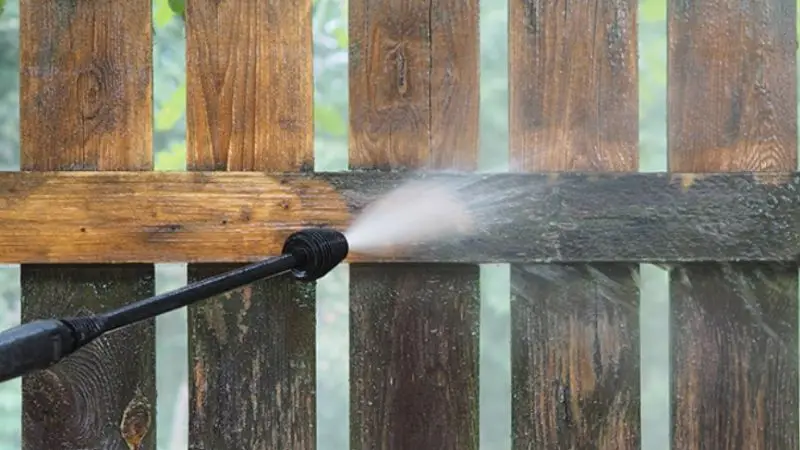
Η διαδικασία καθαρισμού γίνεται ασφαλέστερη, ταχύτερη και πιο αποτελεσματική με τη βοήθεια του σωστού εξοπλισμού. Το σωστό πλυντήριο πίεσης, το ακροφύσιο και το διάλυμα καθαρισμού βοηθούν στην απομάκρυνση της βρωμιάς χωρίς να καταστρέφουν την επιφάνεια του φράχτη. Επίσης, είναι σημαντικό να αφιερώσετε χρόνο για να προετοιμάσετε τα εργαλεία σας για να επιτύχετε ένα πιο ομοιόμορφο φινίρισμα και να αποτρέψετε περιττές ζημιές στην εργασία σας.
Επιλέξτε το σωστό πλυστικό μηχάνημα υψηλής πίεσης
Η επιλογή του κατάλληλου μηχανήματος είναι ένα σημαντικό βήμα κατά τον καθαρισμό ενός φράχτη με ένα πλυστικό μηχάνημα υψηλής πίεσης. Οι περισσότεροι ιδιοκτήτες σπιτιών μπορούν να καθαρίσουν τους φράχτες τους με ένα ηλεκτρικό πλυντήριο πίεσης που αποδίδει 1500-2000 PSI. Παλαιότερα, οι μεγαλύτερες ιδιοκτησίες ή οι πολύ λεκιασμένοι φράχτες μπορεί να χρειάζονταν ένα μοντέλο που λειτουργούσε με βενζίνη και μπορούσε να ρυθμιστεί στην επιθυμητή πίεση. Βρείτε ένα πλυστικό μηχάνημα υψηλής πίεσης που σας επιτρέπει να ρυθμίζετε τη ροή του νερού με βάση το υλικό του φράχτη σας. Ο εντοπισμός του ιδανικού πλυστικού μηχανήματος υψηλής πίεσης για τον καθαρισμό του φράχτη βελτιώνει την απόδοση καθαρισμού και ελαχιστοποιεί τον κίνδυνο ζημιάς στο ξύλο, το βινύλιο ή την σύνθετη περίφραξη κατά τον καθαρισμό.
Επιλέξτε τις καλύτερες ρυθμίσεις ακροφυσίου και πίεσης
Η ρύθμιση της πίεσης και η ακροφύσιο ψεκασμού είναι σημαντικά για την επίτευξη αποτελεσματικού και ασφαλούς καθαρισμού. Συνήθως χρησιμοποιείται ακροφύσιο 25 μοιρών, καθώς παρέχει καλό καθάρισμα χωρίς να το συγκεντρώνει σε μία μόνο θέση. Ένα ακροφύσιο με μοτίβο ψεκασμού 40 μοιρών παρέχει ένα ευρύτερο και πιο απαλό μοτίβο ψεκασμού σε ευαίσθητες επιφάνειες. Ποτέ μην ξεκινάτε με υψηλή αποτελεσματική πίεση εκτός εάν είναι απαραίτητο. Αυτό είναι ιδιαίτερα σημαντικό όταν καθαρίζετε έναν ξύλινο φράχτη με πλύσιμο υπό πίεση, καθώς η υπερβολική πίεση μπορεί να θρυμματίσει το ξύλο και να το αφήσει εκτεθειμένο ή να αφαιρέσει τα προστατευτικά φινιρίσματα, τα οποία μπορεί να εμφανιστούν ως ορατά σημάδια.
Επιλέξτε το κατάλληλο διάλυμα καθαρισμού για το υλικό του φράχτη σας
Διαφορετικοί τύποι φράχτων απαιτούν διαφορετικά προϊόντα καθαρισμού για τον ασφαλή καθαρισμό τους. Οι ξύλινοι φράχτες μπορούν να αποτελέσουν ένα καλό παράδειγμα όπου τα καθαριστικά χρησιμοποιούνται για την αφαίρεση μούχλας, φυκιών και λεκέδων από τον καιρό χωρίς να καταστρέφουν τις ίνες του ξύλου. Οι βινυλικοί φράχτες τείνουν να ανταποκρίνονται καλά στο ήπιο σαπούνι και νερό, ενώ οι σύνθετοι φράχτες χρειάζονται ένα καθαριστικό που συνιστά ο κατασκευαστής. Μην χρησιμοποιείτε σκληρές χημικές ουσίες, οι οποίες μπορεί να αποχρωματίσουν ή να αποδυναμώσουν τον φράχτη. Είναι πιο εύκολο να καθαρίσετε τη βρωμιά με ένα πλυντήριο πίεσης, και το σωστό διάλυμα καθαρισμού και οι ρυθμίσεις πίεσης θα βοηθήσουν στον καθαρισμό του φράχτη και στην αποκατάστασή του χωρίς να προκαλέσουν περιττές ζημιές.
Πώς να καθαρίσετε έναν φράχτη με ένα πλυστικό μηχάνημα υψηλής πίεσης
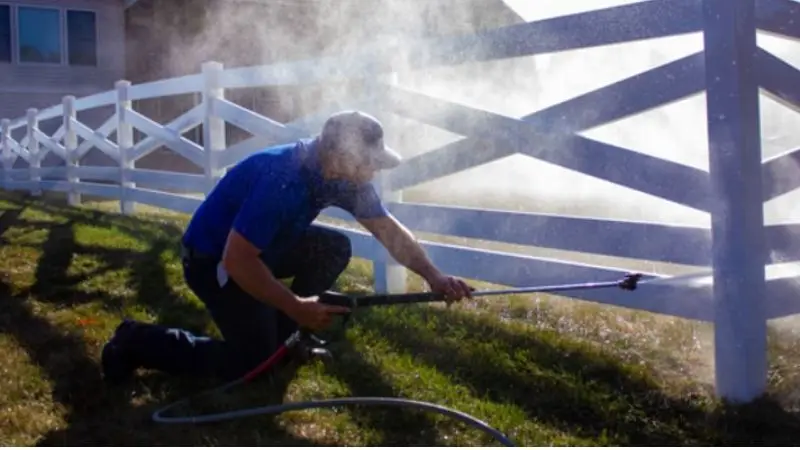
Μόλις ο εξοπλισμός σας είναι έτοιμος, ήρθε η ώρα να ξεκινήσετε τον καθαρισμό του φράχτη βήμα προς βήμα. Η σωστή διαδικασία θα διασφαλίσει ότι η βρωμιά, η μούχλα και οι λεκέδες θα αφαιρεθούν ομοιόμορφα και ότι ο φράχτης δεν θα υποστεί ζημιά. Μια αργή, σταδιακή προσέγγιση είναι πιο αποτελεσματική από το να κάνετε τα πάντα βιαστικά.
Βρέξτε τον φράχτη πριν το πλύσιμο
Ξεπλύνετε ελαφρά τον φράχτη με καθαρό νερό πριν ασκήσετε πλήρη πίεση. Το βρέξιμο της επιφάνειας χαλαρώνει τη συσσωρευμένη βρωμιά, τη σκόνη, τη γύρη και τα ξεραμένα υπολείμματα, τα οποία διαφορετικά είναι πιο δύσκολο να αφαιρεθούν κατά το πλύσιμο. Όταν εφαρμόζετε καθαριστικό φράχτη, εφαρμόστε το μετά το πρώτο ξέβγαλμα και αφήστε το να στεγνώσει για τον συνιστώμενο χρόνο χωρίς ξέβγαλμα. Αυτή η εύκολη συνταγή θα βελτιώσει την αποτελεσματικότητα του καθαρισμού και θα βοηθήσει επίσης στον καθαρισμό ενός φράχτη με ένα πλυντήριο πίεσης με τον σωστό τρόπο. Ελαχιστοποιεί επίσης την απαιτούμενη πίεση, επιτρέποντάς του να διατηρεί την επιφάνεια του φράχτη κατά τον καθαρισμό.
Πλύση με πίεση από πάνω προς τα κάτω
Ξεκινήστε να καθαρίζετε την κορυφή του φράχτη και στη συνέχεια συνεχίστε προς τα κάτω με απαλές, επικαλυπτόμενες κινήσεις. Αυτή η μέθοδος θα διασφαλίσει ότι το βρώμικο νερό δεν θα ρέει πάνω από περιοχές που έχετε ήδη πλύνει. Όταν χρησιμοποιείτε το ακροφύσιο ψεκασμού, διατηρήστε απόσταση περίπου 12-18 εκατοστών από τον φράχτη και κρατήστε το ακροφύσιο σε συνεχή κίνηση. Δεν πρέπει να κατευθύνετε το ψεκασμό σε ένα μόνο σημείο για πολύ ώρα, ειδικά σε ξύλινους φράχτες. Αυτή είναι μια από τις πιο αποτελεσματικές συμβουλές καθαρισμού φράχτη με πλυστικό μηχάνημα υψηλής πίεσης. Η τήρηση αυτής της μεθόδου παρέχει ομοιόμορφο φινίρισμα και ελαχιστοποιεί την πιθανότητα εμφάνισης ραβδώσεων ή ζημιών στην επιφάνεια.
Αφαιρέστε επίμονους λεκέδες και μούχλα
Υπάρχουν φράχτες που σκουραίνουν από φύκια, μούχλα ή μούχλα και χρειάζονται πρόσθετη φροντίδα. Χρησιμοποιήστε ένα κατάλληλο διάλυμα καθαρισμού φράχτη σε αυτές τις περιοχές, αφήστε το να δράσει για λίγα λεπτά και στη συνέχεια πλύνετε ξανά. Εφαρμόστε μέτρια πίεση αντί να το χρησιμοποιείτε στο υψηλότερο επίπεδο, κάτι που μπορεί να οδηγήσει σε ζημιά στο υλικό του φράχτη. Επαναλάβετε τη διαδικασία εάν προκύψει ανάγκη για την αφαίρεση των λεκέδων. Όταν πλένετε με πίεση έναν ξύλινο φράχτη, είναι ιδιαίτερα σημαντικό να αφιερώνετε χρόνο, καθώς το έντονο πλύσιμο μπορεί να καταστρέψει τα νερά του ξύλου κατά την προσπάθεια αφαίρεσης ανεπιθύμητων συσσωρεύσεων.
Ξεπλύνετε καλά τον φράχτη
Μόλις ξεπλυθούν όλες οι βρωμιές και οι λεκέδες, φροντίστε να ξεπλύνετε ολόκληρο τον φράχτη με καθαρό νερό. Σκουπίστε από πάνω προς τα κάτω για να αφαιρέσετε τυχόν υπολείμματα καθαριστικού, χαλαρά υπολείμματα και υπολείμματα. Ένα πλήρες ξέβγαλμα θα διασφαλίσει ότι τα προϊόντα καθαρισμού δεν θα στεγνώσουν στην επιφάνεια, καθώς και ότι ο φράχτης θα διατηρήσει την ευπαρουσίαστη κατάσταση του. Συνεχίστε να ξεπλένετε μέχρι το νερό να είναι καθαρό σε όλα τα μέρη. Αυτή η τελευταία ενέργεια θα έχει καθαρίσει έναν φράχτη χρησιμοποιώντας ένα πλυντήριο πίεσης, αφήνοντας τον φράχτη καθαρό και στεγνό, έτοιμο για στέγνωμα ή για να προχωρήσετε σε πρόσθετες ενέργειες εάν είναι απαραίτητο.
Αφήστε τον φράχτη να στεγνώσει εντελώς
Σκουπίστε τον φράχτη με πετσέτα και στη συνέχεια βάψτε, βερνικώστε ή εφαρμόστε στεγανωτικό. Η περίοδος στεγνώματος ποικίλλει ανάλογα με τον τύπο του υλικού του φράχτη, όπως το ξύλο, τις καιρικές συνθήκες και την υγρασία, αν και στις περισσότερες περιπτώσεις χρειάζονται τουλάχιστον 24 έως 48 ώρες. Μην τοποθετείτε έπιπλα ή διακοσμητικά κοντά στον φράχτη μέχρι να στεγνώσει εντελώς. Η υπομονή είναι ωφέλιμη, καθώς τα προστατευτικά φινιρίσματα απαιτούν χρόνο για να εγκατασταθούν στη θέση τους και να αποφύγουν την παγίδευση υγρασίας μέσα στο υλικό. Αυτό το τελευταίο βήμα θα διασφαλίσει ότι τα αποτελέσματα του καθαρισμού ενός φράχτη με ένα πλυστικό μηχάνημα υψηλής πίεσης θα είναι μακράς διαρκείας και θα αφήσουν τον φράχτη σας σε άριστη κατάσταση.
Χρησιμοποιήστε τις σωστές ρυθμίσεις πλύσης με πίεση για κάθε τύπο φράχτη
Κάθε τύπος φράχτη έχει διάφορους βαθμούς αντοχής και ανθεκτικότητας και είναι σημαντικό να εφαρμόζεται η σωστή ρύθμιση πίεσης. Η σωστή επιλογή του PSI και του ακροφυσίου ψεκασμού θα μπορούσε να βοηθήσει στην εξάλειψη της βρωμιάς και στην πρόληψη περιττών ζημιών στον φράχτη. Ρύθμιση του πλυντήριο πίεσης Οι ρυθμίσεις στο υλικό του φράχτη βελτιώνουν επίσης τα αποτελέσματα καθαρισμού και τη διάρκεια ζωής του φράχτη σας.
Ξύλινοι Φράχτες
Οι ξύλινοι φράχτες είναι ευαίσθητοι στο χειρισμό, καθώς μπορεί να θρυμματιστούν ή να σπάσουν υπό υπερβολική πίεση. Οι περισσότεροι ξύλινοι φράχτες έχουν συνιστώμενο εύρος πίεσης 500-1200 PSI και ακροφύσιο ψεκασμού 25 ή 40 μοιρών. Μετακινείτε συνεχώς το ακροφύσιο ψεκασμού και διατηρείτε την απόσταση μεταξύ του ψεκασμού και της επιφάνειας σε περίπου 12 έως 18 εκατοστά. Το πλύσιμο ενός ξύλινου φράχτη υπό ελεγχόμενη πίεση δεν καταστρέφει τα νερά του ξύλου, αλλά αφαιρεί τη βρωμιά, τη μούχλα και τους λεκέδες από τον καιρό. Η τήρηση αυτών των ρυθμίσεων συμβάλλει επίσης στον καθαρισμό του φράχτη με πλυστικό μηχάνημα υψηλής πίεσης που βοηθά στη διατήρηση της φυσικής εμφάνισης του φράχτη.
Φράχτες βινυλίου
Οι βινυλικοί φράχτες είναι πιο ανθεκτικοί στο νερό από τους ξύλινους και συνήθως μπορούν να αντέξουν ελαφρώς υψηλότερη πίεση. Ένα περιβάλλον 1,300-2,000 PSI είναι συνήθως κατάλληλο για την αφαίρεση βρωμιάς, φυκιών και μούχλας από επιφάνειες βινυλίου. Ένα ακροφύσιο 25 μοιρών προσφέρει ισχυρό καθαρισμό χωρίς συγκεντρωμένη δύναμη σε ένα μόνο σημείο. Εφαρμόστε με ομοιόμορφες κινήσεις πάνω και κάτω, επικαλύπτοντας για να επιτύχετε ομαλά αποτελέσματα. Τέτοια περιβάλλοντα διασφαλίζουν ότι ο καθαρισμός του φράχτη με πλυντήριο πίεσης είναι πιο αποτελεσματικό και μειώνει τον κίνδυνο να αφήσετε ραβδώσεις ή να καταστρέψετε τα πάνελ του φράχτη κατά το πλύσιμο.
Μεταλλικοί και Αλουμινένιοι Φράχτες
Οι μεταλλικοί και αλουμινένιοι φράχτες συνήθως έχουν μέτρια πίεση, ωστόσο θα πρέπει να χειρίζεστε προσεκτικά για να διατηρήσετε το βαμμένο ή επικαλυμμένο φινίρισμα. Οι περισσότεροι μεταλλικοί φράχτες μπορούν να ψεκαστούν με 1,500-2,000 PSI με ακροφύσιο 25 μοιρών. Επικεντρωθείτε στην απομάκρυνση βρωμιάς, ιστών αράχνης και επιφανειακής βρωμιάς, αλλά μην ψεκάζετε πολύ κοντά σε αρμούς ή ξεφλουδισμένο χρώμα. Σε περίπτωση σκουριάς, θα πρέπει να πλυθεί με κατάλληλο καθαριστικό. Οι σωστές ρυθμίσεις είναι μια σημαντική πτυχή του καθαρισμού ενός φράχτη με πλυστικό μηχάνημα υψηλής πίεσης, βοηθώντας σας να επιτύχετε ένα καθαρό φινίρισμα διατηρώντας παράλληλα την προστατευτική επίστρωση του φράχτη και τη συνολική μακροζωία του.
Αποφύγετε αυτά τα συνηθισμένα λάθη κατά το πλύσιμο με πίεση
Ακόμα και με τον κατάλληλο εξοπλισμό, ένα μικρό λάθος μπορεί να καταστρέψει τον φράχτη σας ή να μειώσει την αποτελεσματικότητα του καθαρισμού. Η λανθασμένη πίεση, οι ακατάλληλες τεχνικές ψεκασμού ή η παράλειψη βασικών βημάτων προετοιμασίας μπορούν να προκαλέσουν μόνιμους λεκέδες ή να καταστήσουν αδύνατη την αφαίρεση των επίμονων λεκέδων. Αυτές είναι μερικές παγίδες που πρέπει να αποφύγετε για να βελτιώσετε τα αποτελέσματα και να διατηρήσετε έναν καλό φράχτη.
Χρησιμοποιώντας υπερβολική πίεση
Ένα από τα πιο σημαντικά λάθη κατά τον καθαρισμό ενός φράχτη με ένα πλυντήριο πίεσης είναι να ασκείται υπερβολική πίεση. Το υψηλό PSI μπορεί επίσης να χρησιμοποιηθεί για να θρυμματίσει ξύλο, να αφαιρέσει χρώμα ή βερνίκι, να χαλαρώσει σανίδες φράχτη, ακόμη και να αφήσει μόνιμες αυλακώσεις στην επιφάνεια. Όσο κι αν φαίνεται ότι όσο μεγαλύτερη είναι η πίεση, τόσο πιο γρήγορα θα καθαριστεί, πολύ συχνά μπορεί να προκαλέσει περισσότερη ζημιά παρά καλό. Η ελάχιστη αποτελεσματική πίεση θα πρέπει να χρησιμοποιείται ανά πάσα στιγμή και να αυξάνεται μόνο όταν είναι απαραίτητο. Αυτό απαιτείται ιδιαίτερα όταν κάποιος θέλει να πλύνει με πίεση έναν ξύλινο φράχτη, επειδή το ξύλο είναι πιο ευάλωτο σε ζημιές από το βινύλιο ή το μέταλλο. Η περιορισμένη πίεση προσφέρει μια πιο επαγγελματική και ασφαλέστερη εμφάνιση.
Ψεκασμός πολύ κοντά στην επιφάνεια
Όταν το ακροφύσιο ψεκασμού χρησιμοποιείται πολύ σφιχτά, η ροή του νερού στενεύει, αυξάνοντας τον κίνδυνο πρόκλησης ζημιάς στον φράχτη. Μπορεί να δημιουργήσει ορατά σημάδια, να βαθουλώσει μαλακά υλικά και να αφαιρέσει τα προστατευτικά στρώματα. Κρατήστε το ακροφύσιο περίπου 12-18 εκατοστά πάνω από τον φράχτη και διατηρήστε την κίνηση σταθερή κατά τη διάρκεια της διαδικασίας καθαρισμού. Σκουπίστε την πίεση σε μια μικροσκοπική, μη αισθητή περιοχή και καθαρίστε το υπόλοιπο φράχτη. Αυτός ο τύπος ακροφυσίου θα είναι ένας από τους πιο χρήσιμους για τον καθαρισμό του φράχτη με πλυστικό μηχάνημα υψηλής πίεσης, καθώς παρέχει μια ομοιόμορφη διαδικασία καθαρισμού χωρίς να καταστρέφει την επιφάνεια.
Παράλειψη του διαλύματος καθαρισμού
Η πίεση του νερού μπορεί να μην επαρκεί για την αφαίρεση μούχλας, φυκιών, μυκήτων και βαθιών λεκέδων. Η μη εφαρμογή κατάλληλου καθαριστικού διαλύματος συχνά σημαίνει ότι θα χρειαστεί να χρησιμοποιήσετε περισσότερη δύναμη, η οποία μπορεί να προκαλέσει ζημιά στον φράχτη. Επιλέξτε ένα καθαριστικό που να ταιριάζει με το συγκεκριμένο υλικό του φράχτη σας, αφήστε το να μουλιάσει για τον συνιστώμενο χρόνο και στη συνέχεια πλύνετε. Αυτό διαλύει τη σκληρυμένη βρωμιά και... πλυντήριο πίεσης μπορεί να χρησιμοποιηθεί για την πολύ πιο εύκολη αφαίρεση της βρωμιάς από έναν φράχτη. Η χρήση κατάλληλου διαλύματος καθαρισμού σε συνδυασμό με μέτρια πίεση αποφέρει καλύτερα αποτελέσματα και βοηθά στην αποφυγή περιττής φθοράς του φράχτη.
Πλύσιμο κόντρα στα νερά του ξύλου
Όταν πλένετε έναν ξύλινο φράχτη, ψεκάζετε πάντα με βάση τις ίνες του ξύλου και όχι εγκάρσια. Το πλύσιμο κατά μήκος των ινών μπορεί να ανασηκώσει τις ίνες του ξύλου, να σχηματίσει χονδροειδείς περιοχές και να δημιουργήσει ακανόνιστα σημάδια στην επιφάνεια. Θυμηθείτε να διατηρείτε μια σταθερή ροή ψεκασμού σε ευθείες, απαλές γραμμές, καθώς ακολουθεί τη φυσική διάταξη των σανίδων. Αυτή η μέθοδος θα βελτιώσει την αισθητική του φράχτη και θα βελτιώσει τη σταθερότητά του. Όταν μαθαίνετε πώς να καθαρίζετε έναν φράχτη με ένα πλυστικό μηχάνημα υψηλής πίεσης, είναι ένα βήμα να ακολουθείτε τις ίνες του ξύλου, αλλά είναι ένα εύκολο βήμα και προσθέτει σε ένα πιο λείο, καθαρότερο φινίρισμα και μεγαλύτερη διάρκεια.
Τύλιξε
Η συντήρηση του φράχτη σας τον διατηρεί καθαρό, τον προστατεύει από βρωμιά, μούχλα, φύκια και ζημιές που σχετίζονται με τις καιρικές συνθήκες, και βελτιώνει τη συνολική εμφάνιση του εξωτερικού σας περιβάλλοντος. Με το σωστό τρόπο πλυντήριο πίεσης Για να καθαρίσετε τον φράχτη, χρησιμοποιήστε το σωστό ακροφύσιο και τις σωστές ρυθμίσεις πίεσης, καθώς και τη σωστή διαδικασία καθαρισμού. Μπορείτε επίσης να καθαρίσετε με ασφάλεια έναν ξύλινο, βινυλικό ή μεταλλικό φράχτη. Οι συχνές επισκευές παρατείνουν επίσης τη διάρκεια ζωής του φράχτη σας και σας εξοικονομούν χρήματα από ακριβές επισκευές. Ανεξάρτητα από το τι πλένετε με πίεση, δηλαδή έναν ξύλινο φράχτη ή άλλο είδος υλικού, μια προσεκτική και συνεπής προσέγγιση θα διασφαλίσει ότι ο φράχτης σας θα φαίνεται καθαρός, ελκυστικός και προστατευμένος όλο το χρόνο.
Συχνές Ερωτήσεις
Είναι δυνατόν να πλυθεί με πίεση ένας ξύλινος φράχτης;
Ναι. Το ασφαλές πλύσιμο υπό πίεση ενός ξύλινου φράχτη μπορεί να γίνει σε χαμηλό PSI με ένα κατάλληλο ακροφύσιο, διασφαλίζοντας ότι το ακροφύσιο ψεκασμού βρίσκεται σε κίνηση για να αποφευχθεί η ζημιά στο ξύλο.
Με ποιο PSI να καθαρίσω έναν φράχτη;
Οι ξύλινοι φράχτες μπορούν να καθαριστούν σε πίεση μεταξύ 500 και 1,200 PSI, αν και η ικανότητα καθαρισμού των βινυλικών και μεταλλικών φράχτων κυμαίνεται μεταξύ 1,300 και 2,000 PSI.
Είναι σημαντικό να πλύνω τον φράχτη μου με απορρυπαντικό και μετά να τον πλύνω με πίεση;
Ναι. Η χρήση κατάλληλου καθαριστικού φράχτη θα βοηθήσει στην απομάκρυνση μούχλας, μυκήτων, φυκιών και βρωμιάς που είναι δύσκολο να αφαιρεθούν, καθιστώντας το πλύσιμο με πίεση πιο αποτελεσματικό και εξαλείφοντας τη χρήση υπερβολικής πίεσης.
Ποια είναι η συχνότητα πλύσης υπό πίεση του φράχτη μου;
Οι περισσότεροι φράχτες είναι σε καλή κατάσταση μετά από πλύσιμο με πίεση κάθε 12 έως 24 μήνες. Τα μέρη που δέχονται πολλή βροχή ή υγρασία ή όπου υπάρχουν δέντρα, ενδέχεται να χρειάζονται πιο τακτικό καθάρισμα.
Είναι δυνατόν να καταστραφεί ένας φράχτης με πλύσιμο υπό πίεση;
Ναι. Η υπερβολική πίεση, ο ψεκασμός πολύ κοντά ή ένα λανθασμένο ακροφύσιο μπορεί να προκαλέσει ζημιά στο ξύλο, να αφαιρέσει το χρώμα ή να αφήσει ορατά σημάδια στην επιφάνεια του φράχτη.