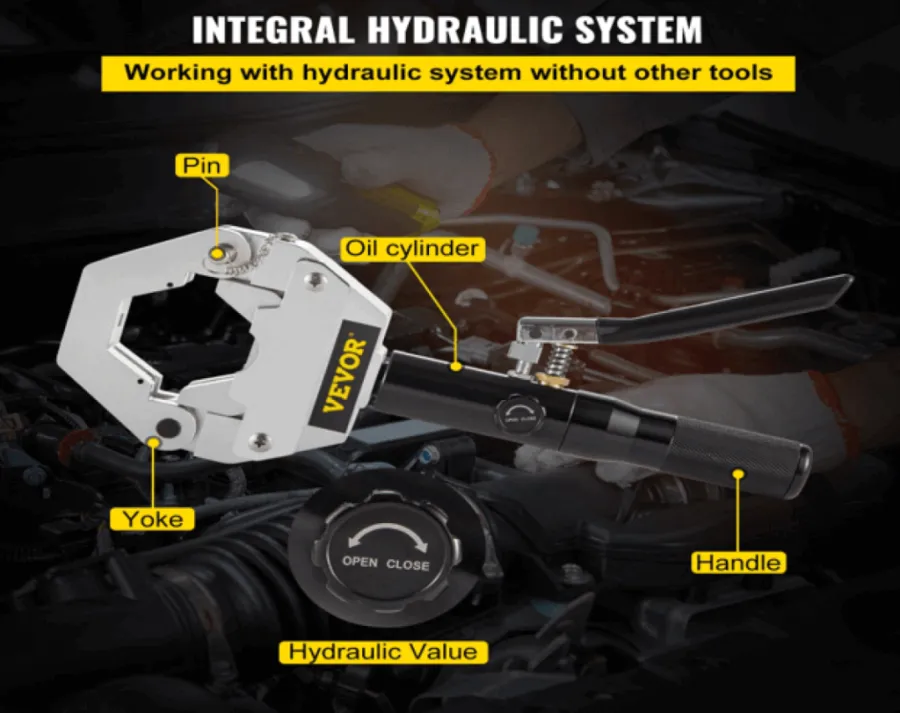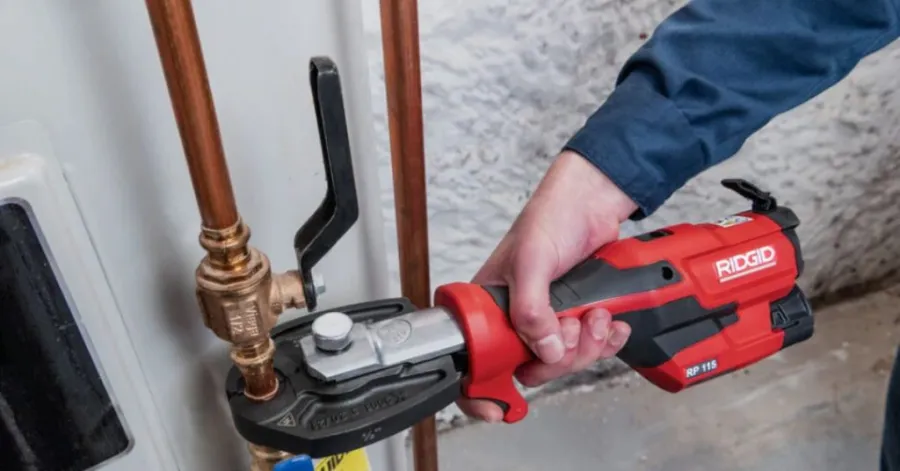
Bei Verwendung eines Crimp-Werkzeug Um eine dichte und sichere Rohrverbindung herzustellen, wird ein gleichmäßiger und kontrollierter Druck angewendet. Der richtige Druck ist entscheidend, damit der Crimpring oder das Fitting gleichmäßig und ohne Beschädigung um das Rohr sitzt. Zu viel Druck kann zum Verbiegen des Rohrs oder Fittings führen. Unter Druck kann die Verbindung mit der Zeit undicht werden oder sich lockern. Gute und dauerhafte Rohrverbindungen erfordern ein ausgewogenes und gleichmäßiges Arbeiten. Mit etwas Übung lassen sich dauerhafte und professionelle Ergebnisse erzielen.
Warum der richtige Druck beim Rohrverpressen wichtig ist
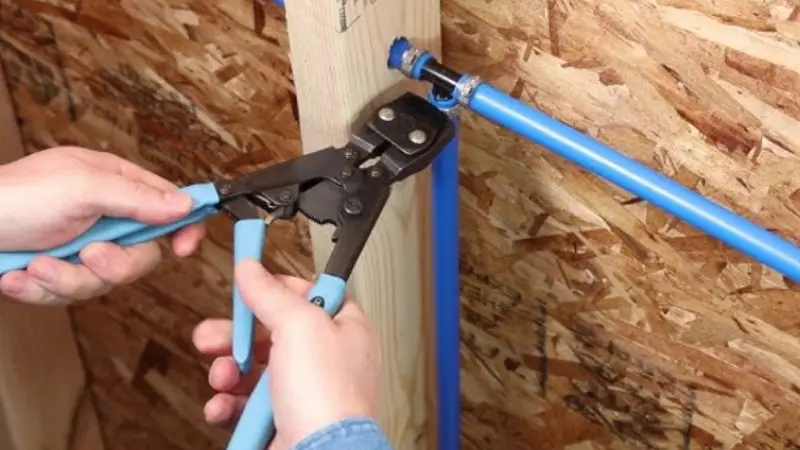
Das Verpressen von Rohren ist in Sanitär- und Flüssigkeitssystemen, wo robuste und leckagefreie Verbindungen unerlässlich sind, gängig geworden. Bereits geringfügige Druckfehler können zu schwachen Verbindungen oder zum Ausfall des Systems führen.
Mit einer Crimpzange die richtige Technik anwenden, um sicherzustellen, dass das Fitting fest im Rohr sitzt. Den richtigen Druck ausüben, damit der Crimpring sicher sitzt, das Rohr effektiv abdichtet und Leckagen sowie Beeinträchtigungen der Systemleistung verhindert werden.
Was bedeutet der richtige Druck bei der Verwendung von Rohrverpresswerkzeugen?
Der korrekte Verpressdruck für Rohre besteht darin, einen konstanten Druck auszuüben, bis der Verpressring oder das Fitting vollständig um das Rohr sitzt. Ziel ist es, eine gute Abdichtung zu erreichen, ohne das Rohr zu quetschen oder zu verformen.
Der richtige Anpressdruck beim Verpressen einer Crimpzange ist entscheidend für einen festen Sitz der Verschraubung am Rohr. Zu hoher Druck kann das Rohr oder die Verschraubung beschädigen, zu niedriger Druck hingegen kann zu Undichtigkeiten führen.
Warum der Druck bei Rohrverpressungsarbeiten wichtig ist
Der Druck beeinflusst unmittelbar die Festigkeit und Dichtigkeit der Verbindung. Durch präzisen Krafteinsatz mit Crimpwerkzeugen entstehen gleichmäßig geformte Crimpringe um das Rohr.
Unzureichender Druck verursacht undichte Stellen und potenzielle Leckagen. Zu hoher Druck kann das Rohr verformen oder die Armatur beschädigen. Beides verringert die Zuverlässigkeit und kann langfristig zu Problemen in Sanitäranlagen führen.
Wie man den korrekten Druck beim Rohrverpressen prüft
Die Verbindung zwischen den Rohren eines fachgerecht verpressten Rohrs sollte glatt, abgerundet und gleichmäßig verpresst sein. Der Pressring muss fest sitzen und darf keine sichtbaren Spalten aufweisen.
Eine Gut/Ausschuss-Lehre kann ebenfalls verwendet werden, um sicherzustellen, dass die Crimpverbindung die richtige Größe hat. Die sicherste Methode zum Crimpen eines Werkzeugs besteht darin, die beste Vorgehensweise für die Arbeit mit einem solchen Werkzeug zu befolgen. Crimp-Werkzeugdamit der Druck konstant bleibt und um zu helfen, zu wissen, wie man die Rohre verpresst, ohne sie zu beschädigen.
Schrittweise Anleitung zum sicheren Verpressen von Rohren
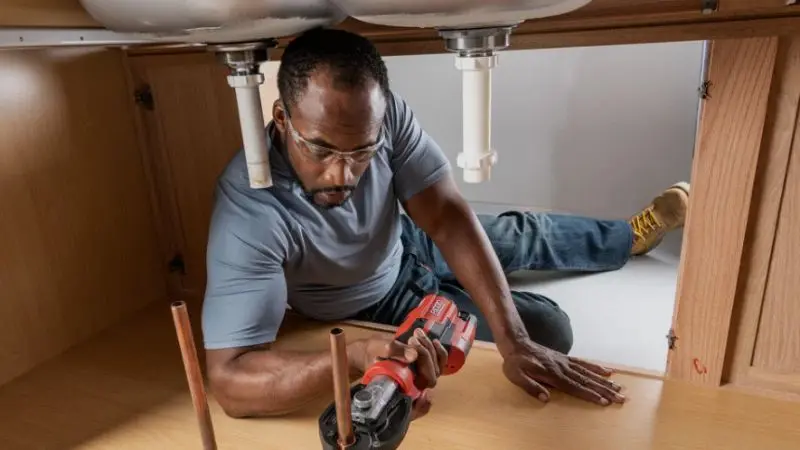
Das Verpressen von Rohren muss in der richtigen Reihenfolge erfolgen, um Leckagen oder schwache Verbindungen zu vermeiden. Werden Arbeitsschritte ausgelassen oder der Vorgang überhastet durchgeführt, kann die Verbindung geschwächt werden. Kenntnisse über den richtigen Einsatz des Verpresswerkzeugs und die Anwendung der richtigen Technik tragen zu einem gleichmäßigen und professionellen Ergebnis bei. Alle Schritte sind wichtig für eine dichte und zuverlässige Verbindung. Bei korrekter Ausführung mit der richtigen Positionierung und gleichmäßigem Druck erhalten Sie zuverlässige Rohrverbindungen, die auch in Zukunft nicht ausfallen werden.
Bereiten Sie Rohr und Fittings ordnungsgemäß vor
Wählen Sie zunächst die passende Rohrgröße und einen passenden Crimpring oder eine Crimpverbindung für Ihr Projekt. Schneiden Sie das Rohr mit einem Rohrabschneider sauber ab, sodass die Kante gerade und glatt ist. Achten Sie darauf, dass das Rohrende sauber und frei von Schmutz, Graten oder Beschädigungen ist, bevor Sie fortfahren. Crimpen Sie den Ring auf das Rohr und schieben Sie die Crimpverbindung bis zum Anschlag hinein. Dieser Schritt ist entscheidend für das korrekte Crimpen ohne Rohrbruch. Eine gute Vorbereitung erleichtert auch das Anbringen der Crimpzange, die gleichmäßigen Druck auf die PEX-Rohre ausübt und so für eine feste und sichere Verbindung sorgt.
Positionieren Sie das Crimpwerkzeug und den Ring korrekt.
Setzen Sie den Crimpring ca. 3–4 mm (1/8 Zoll) tief am Rohrende in der dichtesten Position ein. Setzen Sie die Crimpzange an und drücken Sie sie gleichmäßig um den Ring. Achten Sie darauf, dass die Zangenbacken nicht schief stehen. Halten Sie das Rohr fest, damit sich nichts bewegt. Dies erfolgt nach der optimalen Vorgehensweise für eine Crimpung. Crimp-Werkzeug Da eine korrekte Positionierung zu gleichmäßigem Druck führt, ist dies unerlässlich. Beim Verpressen mit einer Crimpzange muss eine gleichmäßige Kraft auf die Rohrverbindungsstücke ausgeübt werden. Die korrekte Positionierung der Fittings verhindert Leckagen und erhöht die Festigkeit der Verbindungen.
@milusos502 En trabajo sacas la inversion #vevor #vevorpresstool #fentysuperbrandday #angebotefürdichtage #für dich
♬ Originalton – milusos502
Üben Sie beim Crimpen gleichmäßigen Druck aus.
Die Crimpzange mit langsamem und kontrolliertem Druck zusammendrücken. Dabei die Griffe der Crimpzange schließen. Nicht zu schnell oder mit ruckartigem Druck vorgehen, da dies das Rohr oder die Armatur beschädigen kann. So lange drücken, bis die Crimpung vollständig abgeschlossen ist. Der korrekte Anpressdruck muss ausreichen, um den Crimpring um das Rohr zu pressen. Durch die richtige Anwendung von Druck beim Crimpen entsteht eine gute, luftdichte Verbindung. Gleichmäßiger Anpressdruck sorgt für leckagefreie Verbindungen und erhöht die Haltbarkeit der Verbindung sowie die Gesamtleistung des Systems.
Überprüfen Sie die Crimpverbindung.
Den Ring verpressen und anschließend prüfen, ob er gleichmäßig um das Rohr gepresst ist. Er sollte abgerundet, glatt und frei von Rissen oder anderen Unregelmäßigkeiten sein. Der Ring muss fest sitzen und darf keine sichtbaren Löcher aufweisen. Mithilfe einer Gut/Ausschuss-Lehre kann die korrekte Pressgröße überprüft werden. Dies dient der Sicherstellung, dass der für das Verpressen erforderliche Druck angewendet wird. Bei der Verwendung eines Presswerkzeugs muss der richtige Druck auf die Pressringe ausgeübt werden; die Prüfung gewährleistet eine sichere, zuverlässige und dauerhafte Verbindung.
Häufige Fehler beim Rohrverpressen vermeiden
Fehler wie das zu starke Abbiegen des Rings am Rohrende, die Verwendung der falschen Größe oder ungleichmäßiges Verpressen sind häufig. Mit der Zeit können diese Probleme zu Leckagen oder mangelhaften Verbindungen führen. Auch ein überhastetes Vorgehen oder das Nichteinhalten der Arbeitsschritte kann die Dichtigkeit beeinträchtigen. Korrektes Verpressen der Rohre ohne Beschädigung beugt solchen Problemen vor. Achten Sie beim Verpressen auf den richtigen Anpressdruck und befolgen Sie jeden Arbeitsschritt, um starke, sichere und dauerhafte Rohrverbindungen zu erzielen.
Wie man eine verpresste Rohrverbindung auf Festigkeit und Sicherheit prüft
Ein weiterer wichtiger Schritt, um eine dichte und stabile Rohrverbindung zu gewährleisten, ist die Funktionsprüfung. Auch wenn die Verpressung optisch korrekt aussieht, muss sie unter realen Bedingungen getestet werden. Gehen Sie beim Verpressen mit einem Werkzeug nach jedem Vorgang sorgfältig vor, um spätere Probleme zu vermeiden. Führen Sie eine Prüfung durch, um sicherzustellen, dass der Druck korrekt aufgebracht wurde und die Verbindung fest sitzt. Diese Maßnahme erhöht die Sicherheit und die langfristige Funktionsfähigkeit des Systems, insbesondere bei Sanitärinstallationen, wo Leckagen mit der Zeit zu schweren Schäden führen können.
Führen Sie eine Druck- oder Leckageprüfung durch
Nach dem Verpressen sollte Wasser oder Luft durch das Rohrsystem geleitet werden, um Dichtheit zu prüfen. Die Verbindung ist regelmäßig zu überwachen und auf Feuchtigkeit, Tropfenbildung oder Druckabfall zu achten. Eine fest verpresste Verbindung muss unter normalen Betriebsbedingungen vollständig trocken und stabil sein. Dies dient der Überprüfung, ob der für das Verpresswerkzeug erforderliche Druck korrekt angewendet wird. Um beim Verpressen leckagefreie Verbindungen zu erzielen, wird eine konstante Kraft angewendet. Ein erfolgreicher Drucktest bestätigt die sichere Verbindung und ihre langfristige Funktionsfähigkeit.
Prüfen Sie die Crimpverbindung visuell.
Prüfen Sie den Crimpring sorgfältig, um sicherzustellen, dass er gleichmäßig auf dem Rohr verpresst wurde. Der Ring muss glatt, rund und korrekt positioniert sein, ohne Lücken oder Beschädigungen. Die Oberfläche darf keine Risse oder Unebenheiten aufweisen. Dies ist ein wichtiger Aspekt beim Arbeiten mit einem Crimpwerkzeug, da die Sichtprüfung hilft, Fehler frühzeitig zu erkennen. Beim Verpressen mit einem Crimpwerkzeug ist es wichtig, den richtigen Druck auf die Crimpringe auszuüben. Ein sauberes und gleichmäßiges Erscheinungsbild gibt Ihnen die Gewissheit, dass die Verbindung fachgerecht hergestellt wurde.
Häufige Probleme beim Crimpen beheben
Bei einer Leckage oder einer schwachen Verbindung muss die Leckagequelle gefunden und behoben werden. Niedriger Druck kann zu einer lockeren Dichtung führen, und zu viel Kraft kann das Rohr oder den Dichtungsring beschädigen. Ungleichmäßige Verpressungen können auch durch eine falsche Positionierung der Dichtungsringe oder eine fehlerhafte Ausrichtung der Werkzeuge entstehen. Diese Probleme lassen sich durch das Verständnis der richtigen Kraftanwendung beim Verpressen beheben. Der korrekte Anpressdruck auf die Rohre und die korrekte Positionierung des Verpresswerkzeugs optimieren das Ergebnis. Durch das korrekte Nachverpressen wird in der Regel eine dichte Verbindung wiederhergestellt.
Wie man bei Rohrverpressungsarbeiten für gleichbleibende Qualität und Sicherheit sorgt
Stabilität und Zuverlässigkeit sind entscheidend für effektive und professionelle Ergebnisse beim Rohrverpressen. Um gleichbleibende Verbindungen zu gewährleisten und Leckagen zu vermeiden, empfiehlt es sich, alle Arbeitsschritte stets gleich auszuführen. Die korrekte Anwendung und Handhabung des Verpresswerkzeugs ist unerlässlich, um Anwendungsfehler zu vermeiden. Sichere Arbeitsweisen reduzieren zudem das Verletzungsrisiko und steigern die Gesamteffizienz. Unitar legt Wert auf konstanten Druck, die korrekte Wartung des Werkzeugs und die Arbeitssicherheit. Dies trägt zu besseren Verpressergebnissen bei und garantiert die langfristige Funktionsfähigkeit Ihrer Rohrleitungssysteme.
Halten Sie den Druck konstant
Wenden Sie bei jedem Verpressvorgang die gleiche Kraft an, um gleichmäßige und zuverlässige Ergebnisse zu erzielen. Drücken Sie den Crimpring gleichmäßig und sanft nach unten, damit er sich fest um das Rohr schmiegt und eine gute Abdichtung gewährleistet. Gehen Sie dabei behutsam vor, da ungleichmäßige Krafteinwirkung die Verbindung schwächen kann. Beachten Sie den korrekten Anpressdruck bei der Verwendung einer Crimpzange. Crimp-Werkzeug Mit Übung und Erfahrung gelingt es immer besser. Achten Sie beim Crimpen auf gleichmäßige Anwendung, um dichte Verbindungen herzustellen. So gewährleisten Sie dauerhafte Ergebnisse. Ratschenwerkzeuge sind hilfreich, da sie Sie daran erinnern, stets den gleichen Druck auszuüben.
Pflege Ihres Crimpwerkzeugs
Reinigen Sie Ihre Crimpzange nach jedem Gebrauch gründlich von Staub, Schmutz und Metallpartikeln. Überprüfen Sie regelmäßig die Backen auf Beschädigungen oder Verschleiß, da dies die Qualität der Verpressung beeinträchtigen kann. Schmieren Sie bewegliche Teile bei Bedarf, um einen reibungslosen Betrieb zu gewährleisten. Eine gut gewartete Crimpzange hilft Ihnen, die sicherste und effektivste Handhabung zu erlernen und Ihre Arbeitsleistung zu steigern. Der richtige Anpressdruck beim Verpressen von Rohren sorgt dafür, dass eine Crimpzange in einwandfreiem Zustand dauerhaft präzise und gleichmäßige Ergebnisse liefert.
Sicherheitsvorkehrungen beachten
Die grundlegenden Sicherheitsmaßnahmen beim Umgang mit Rohrverpresswerkzeugen müssen stets beachtet werden. Tragen Sie Schutzkleidung wie Handschuhe und Schutzbrille, um Verletzungen vorzubeugen. Vermeiden Sie es unbedingt, Ihre Hände und Finger in die Werkzeugbacken zu bringen. Arbeiten Sie in einer sauberen und ordentlichen Umgebung, um Fehler zu minimieren und die Konzentration zu fördern. Gehen Sie beim Verpressen mit einem Rohrverpresswerkzeug sorgfältig vor, um Unfälle zu vermeiden und ein korrektes Ergebnis zu erzielen. Sichere Handhabung schützt nicht nur Sie selbst, sondern trägt auch zu stärkeren und besseren Rohrverbindungen in jedem Projekt bei.
Einpacken
Das Verpressen der Rohre muss sorgfältig überwacht, geregelt und fachgerecht ausgeführt werden, um dichte und zuverlässige Verbindungen herzustellen. Mit dem richtigen Druck und unter Berücksichtigung jedes einzelnen Arbeitsschritts erzielen Sie ein gleichbleibendes und zuverlässiges Ergebnis. Jede Phase, von der Vorbereitung bis zur Prüfung, trägt wesentlich zur Qualität der Verbindung bei. Mit etwas Übung verbessern sich Ihre Fähigkeiten, und Sie können die häufigsten Fehler vermeiden und die Langlebigkeit Ihrer Sanitäranlagen optimieren.
FAQ
Wissen Sie, ob Sie genügend Druck ausgeübt haben?
Der Crimpring muss gleichmäßig komprimiert werden und einen Gut/Schlecht-Test bestehen. Bei der Prüfung dürfen keine Leckagen auftreten.
Kann man einen Crimpring wiederverwenden?
Nein, Quetschringe dürfen nicht wiederverwendet werden. Für eine sichere und zuverlässige Verbindung muss stets ein neuer Ring verwendet werden.
Was tun, wenn das Rohr nach dem Verpressen undicht ist?
Entfernen Sie das defekte Teil, setzen Sie den Ring und die Verschraubung wieder ein und verpressen Sie sie erneut mit dem richtigen Druck und der richtigen Ausrichtung.