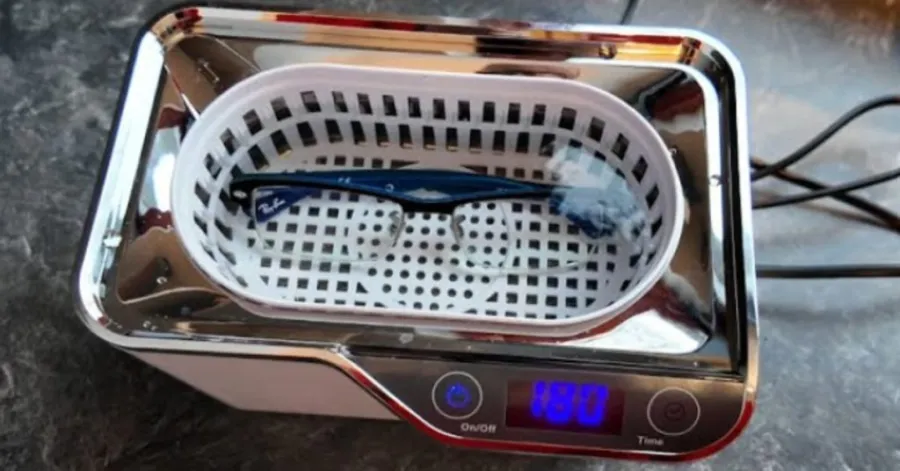
Die Reinigung Ihrer Brille verbessert Tragekomfort und Sehschärfe; allerdings ist es schwierig, unter der Vielzahl an Reinigungsmitteln das richtige zu finden. Ultraschallreiniger Es entfernt Schmutz, Öl und Ablagerungen, ohne empfindliche Gläser oder Fassungsbeschichtungen zu beschädigen. Ob Sie nun täglich eine Brille oder eine Sonnenbrille tragen – ein guter Reiniger spart Ihnen Zeit und lässt Ihre Brille wie neu aussehen. Dieser Ratgeber hilft Ihnen, den richtigen Reiniger zu finden, die wichtigsten Funktionen zu vergleichen, die Sicherheit zu beurteilen und typische Kauffehler zu vermeiden. Am Ende können Sie das passende Produkt auswählen. Ultraschallreiniger Zur Anwendung auf Brillen zu Hause ohne Bedenken.
Inhaltsverzeichnis
Ermitteln Sie Ihren Reinigungsbedarf
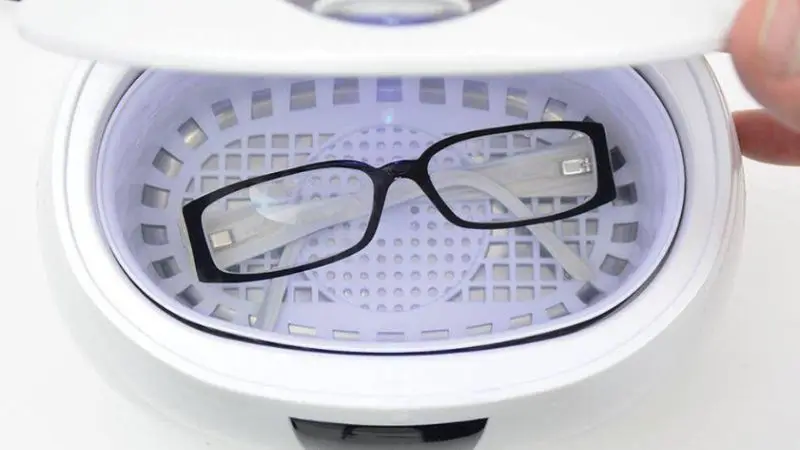
Der erste Schritt bei der Auswahl des richtigen Ultraschallreiniger Bei Brillenreinigern ist es wichtig, die eigene Reinigungsroutine zu kennen. Es gibt verschiedene Modelle für unterschiedliche Reinigungsbedürfnisse. Wenn Sie Ihre Prioritäten festlegen, vermeiden Sie unnötige Ausgaben für Funktionen, die Sie vielleicht gar nicht nutzen. Berücksichtigen Sie auch die Art Ihrer Brille und anderer empfindlicher Gegenstände, die Sie reinigen möchten. Mit etwas Planung finden Sie leichter einen Reiniger, der gute Reinigungsleistung und eine lange Lebensdauer bietet.
Empfohlen für Ihr Projekt
Wie oft werden Sie es verwenden?
Die Häufigkeit der Brillenreinigung spielt eine wichtige Rolle bei der Wahl des passenden Ultraschallreinigers. Wenn Sie Ihre Brille nur ein- bis zweimal pro Woche reinigen können, reicht Ihnen wahrscheinlich ein kleines Modell mit einfachen Funktionen. Tragen Sie Ihre Brille jedoch täglich, entfernt die regelmäßige Reinigung Hautfett, Staub, Fingerabdrücke und andere Ablagerungen. In diesem Fall lohnt sich die Investition in ein Gerät mit mehreren Reinigungszyklen und zuverlässigem Betrieb. Wenn Sie einen hochwertigen Ultraschallreiniger für Ihre Brille suchen, achten Sie auf ein Modell, das die gleichen Reinigungsergebnisse liefert und gleichzeitig einfach zu bedienen ist. Aufgrund der häufigen Nutzung sind außerdem eine robuste Bauweise und Energieeffizienz wichtig.
Benötigen Sie es für mehr als nur eine Brille?
Viele Ultraschallreiniger Ultraschallreiniger sind nicht nur sicher, sondern reinigen auch mehr als nur Brillen und sind somit ein praktisches Haushaltsgerät. Wenn Sie Uhren, Ringe, Halsketten, Zahnprothesen, Zahnspangen oder kleine Metallaccessoires reinigen möchten, wählen Sie ein vielseitiges Modell, das für verschiedene Gegenstände geeignet ist. Ein handliches Ultraschallreinigungsgerät für Brillen und Schmuck ist besonders praktisch auf Reisen oder bei wenig Stauraum. Es gibt auch spezielle Ultraschallreiniger für Brillen und Sonnenbrillen, mit denen Sie mehrere Brillen gleichzeitig reinigen können. Mit einem Multifunktionsgerät profitieren Sie von einem besseren Preis-Leistungs-Verhältnis und Ihre Anschaffung wird sich langfristig auszahlen.
Wählen Sie die richtige Tankgröße
Die Größe des Spülmittelbehälters beeinflusst sowohl den Komfort als auch die Reinigungsleistung. Ein kleinerer Behälter ist ideal, wenn Sie nur eine Brille auf einmal spülen und ein kompaktes Gerät bevorzugen, das sich leicht auf der Arbeitsfläche platzieren lässt. Größere Behälter bieten mehr Platz für Sonnenbrillen, mehrere Brillen oder andere Accessoires während eines Spülgangs. Beim Kauf sollten Sie die Maße Ihrer Brillengestelle und die Anzahl der regelmäßig zu reinigenden Gegenstände berücksichtigen. Die richtige Kapazität erleichtert das Reinigen von Brillen mit einem Spülmittelbehälter. Ultraschallreiniger wesentlich bequemer, da Ihre Brille nicht überfüllt werden muss; sie kann vollständig eingetaucht werden, was zu einer gleichmäßigeren und effizienteren Reinigung führt.
Vergleichen Sie die wichtigsten Funktionen
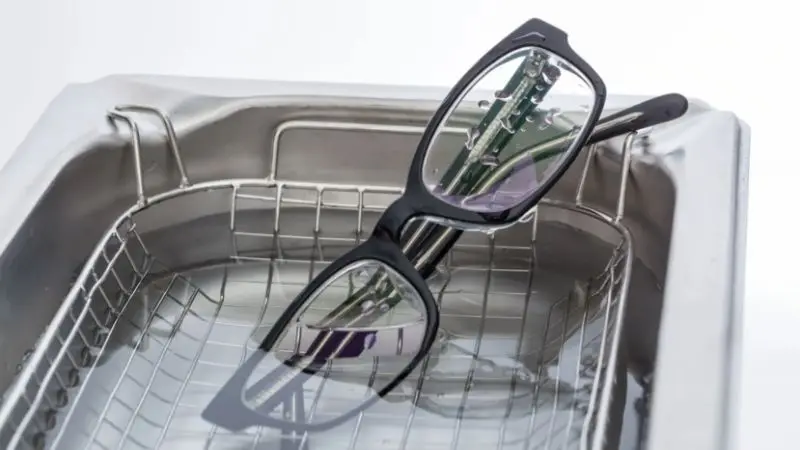
Nachdem man festgestellt hat, was gereinigt werden muss, geht es im nächsten Schritt darum, die Merkmale zu vergleichen, die Leistung und Benutzerfreundlichkeit beeinflussen. Obwohl die meisten Ultraschallreiniger Auch wenn sie gleich aussehen, können geringfügige Unterschiede in Design und Bedienung das Reinigungsergebnis erheblich beeinflussen. Die Überprüfung der korrekten Spezifikationen hilft Ihnen bei der Auswahl eines zuverlässigen, komfortablen und langlebigen Geräts für den täglichen Gebrauch.
Ultraschallfrequenz prüfen
Die Reinigungswellen, die Ihre Brille säubern, hängen von der Ultraschallfrequenz ab. Die meisten hochwertigen Brillenreiniger verwenden eine Frequenz von 40–45 kHz. Diese ist schonend zu empfindlichen Gläsern und entfernt dennoch Öl, Staub und Schmutz auch an schwer zugänglichen Stellen. Höhere Frequenzen erzeugen kleinere Bläschen für eine sanftere Oberflächenreinigung, während niedrigere Frequenzen eine stärkere Reinigung bewirken und hartnäckigen Schmutz entfernen. Wenn Sie eine hochwertige Brille besitzen, können Sie ein solches Gerät verwenden. Ultraschallreiniger So reinigen Sie Ihre Korrektionsbrille, ohne die Beschichtung der Gläser oder die Oberfläche des Gestells zu beschädigen. Eine ausgewogene Reinigungsfrequenz sorgt für eine gründliche Reinigung, ohne die Brille einem erhöhten Risiko von Kratzern und unnötigem Verschleiß auszusetzen.
Achten Sie auf einstellbare Reinigungszyklen.
Anpassbare Reinigungsprogramme geben Ihnen mehr Kontrolle über den Reinigungsprozess. Brillen, die nicht häufig getragen werden, benötigen oft nur einen kurzen Reinigungszyklus, während häufig getragene Brillen einen längeren Reinigungszyklus durchlaufen können. Verschiedene Timer-Optionen verhindern übermäßiges Reinigen und ermöglichen es Ihnen, jeden Zyklus individuell an Ihre Bedürfnisse anzupassen. Diese Flexibilität ist besonders praktisch, wenn Sie neben Brillen auch andere Gegenstände reinigen möchten. Die Programme eignen sich für Lesebrillen, Sonnenbrillen oder Schmuck. Dank der anpassbaren Einstellungen wird die Reinigung vereinfacht und alle Gegenstände bleiben hygienisch sauber, ohne dass empfindliche Objekte unnötig lange Reinigungszeiten ausgesetzt werden.
Tankmaterial und Verarbeitungsqualität berücksichtigen
Ein robustes Ultraschallreiniger Edelstahlbehälter sind langlebiger und bieten eine bessere, gleichmäßigere Leistung. Sie halten in der Regel länger als Kunststoffbehälter, da sie nicht korrodieren, Flecken bekommen oder sich im täglichen Gebrauch abnutzen. Das dicke Außengehäuse minimiert zudem Vibrationen und sorgt für einen stabilen Betrieb. Eine robuste Bauweise ist besonders vorteilhaft, wenn Sie Ihr Reinigungsgerät mehrmals wöchentlich verwenden möchten. Mit einem Modell aus hochwertigen Materialien können Sie sicher sein, dass Ihr Ultraschallreiniger für Brillen effizient arbeitet und Ihre Brillen sowie andere empfindliche Gegenstände über Jahre hinweg schützt.
Wählen Sie ein Modell mit einfacher Bedienung.
An Ultraschallreiniger Die Bedienung ist dank einfacher Steuerung kinderleicht, besonders wenn Sie Ihre Brille regelmäßig putzen. Intuitive Oberflächen mit übersichtlichen Tasten, Digitalanzeigen und voreingestellten Reinigungsprogrammen ermöglichen einen schnellen Start des Reinigungsvorgangs und machen Rätselraten überflüssig. Einige Modelle verfügen zudem über eine automatische Abschaltfunktion, die Sicherheit und Komfort erhöht. Die intuitive Bedienung ist auch für Einsteiger ideal, da sie Fehleinstellungen minimiert. Die einfache Handhabung spart Zeit und erleichtert den gesamten Reinigungsprozess, egal ob Sie das Gerät einmal wöchentlich oder täglich verwenden.
Achten Sie auf geräuscharmen Betrieb.
Der Geräuschpegel ist zwar kein ausschlaggebendes Kriterium, kann aber im Alltag einen deutlichen Unterschied machen. Ein leiseres Ultraschallreinigungsgerät ist angenehmer, insbesondere beim Reinigen von Gläsern im Homeoffice, Schlafzimmer oder Wohnzimmer. Moderne Geräte sind so konstruiert, dass sie Vibrationen minimieren und gleichzeitig eine gute Reinigungsleistung erzielen. Der geräuscharme Modus ist besonders praktisch bei längeren Reinigungsintervallen oder wenn Sie im Laufe der Woche verschiedene Gegenstände reinigen. Ein leiseres Modell ermöglicht Ihnen eine effiziente Reinigung ohne unnötige Störungen in Ihrem Zuhause.
Reinigungsleistung und Sicherheit bewerten
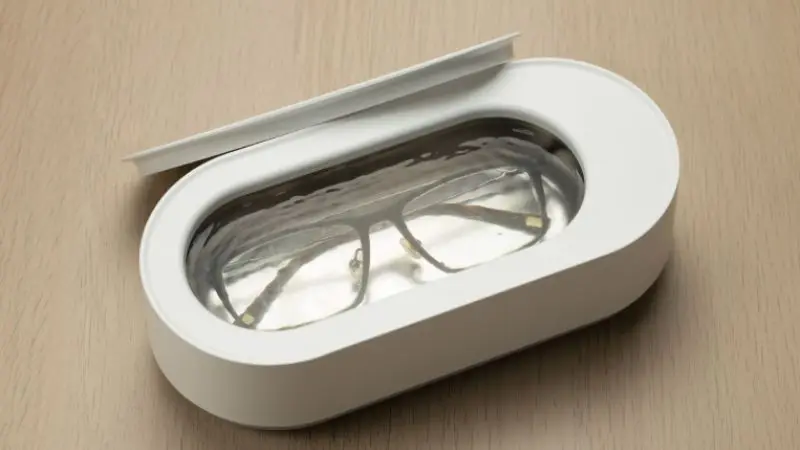
Reinigungsleistung und Sicherheit sollten bei der Auswahl eines Produkts immer Hand in Hand gehen. Ultraschallreiniger. So wichtig eine effiziente Reinigung auch ist, muss ein Brillenputzgerät gleichzeitig empfindliche Gläser und Fassungen vor übermäßigem Verschleiß schützen. Wenn Sie Reinigungstechnologie, Schutz und Optik berücksichtigen, finden Sie bestimmt ein Gerät, das hervorragende Ergebnisse liefert, ohne die Qualität Ihrer Brille zu beeinträchtigen.
Schonende Reinigung für beschichtete Linsen
Brillen sind häufig mit entspiegelten, kratzfesten, UV- oder Blaulichtfiltergläsern ausgestattet, die sorgfältig behandelt werden müssen. Ultraschallreiniger Für die schonende Reinigung von Korrektionsbrillen werden hochfrequente Schallwellen eingesetzt, um Schmutz zu entfernen, anstatt ihn durch starkes Schrubben zu beseitigen. Diese sanfte Reinigungswirkung dringt in kleinste Spalten der Scharniere und Nasenpads ein und schont die empfindlichen Oberflächen der Gläser. Indem Sie Ihre Brille gemäß den Herstellerempfehlungen reinigen – einschließlich Reinigungsdauer und geeignetem Reinigungsmittel –, können Sie ihre Langlebigkeit gewährleisten. Mit einem speziell für empfindliche Optiken entwickelten Reiniger können Sie sicher sein, dass Ihre Brille nicht verschmutzt, zerkratzt oder beschichtet wird.
Reinigungsleistung bei hartnäckigem Schmutz
Durch den täglichen Gebrauch sammeln sich Öle, Fingerabdrücke, Staub, Kosmetikreste und kleinste Partikel auf Ihrer Brille an, insbesondere an Scharnieren und Nasenpads. Ein leistungsstarkes Ultraschallreinigungsgerät für Brillen und Sonnenbrillen entfernt diese Verunreinigungen dank mikroskopisch kleiner Reinigungsbläschen, die auch schwer zugängliche Stellen erreichen, gründlicher als ein Tuch. Regelmäßige Ultraschallreinigung reinigt die Fassung und lässt Ihre Brille länger wie neu aussehen. Wenn Ihre Brille häufig Witterungseinflüssen ausgesetzt ist oder oft in die Hand genommen wird, empfiehlt sich ein Modell mit zuverlässiger Reinigungsleistung. So wird selbst hartnäckiger Schmutz mühelos entfernt, ohne dass Sie viel Aufwand betreiben oder die Reinigung mehrmals durchführen müssen.
Zu suchende Sicherheitsmerkmale
Sicherheitsmerkmale erhöhen den Komfort und die Langlebigkeit Ihres Produkts UltraschallreinigerAchten Sie auf Modelle mit automatischer Abschaltfunktion, die nicht überhitzen, rutschfeste Füße und dicht schließende Deckel haben, um Spritzer beim Reinigen zu vermeiden. Diese Eigenschaften helfen, Beschädigungen am Gerät und Ihrer Brille zu verhindern. Ein stabiler Reiniger minimiert zudem Vibrationen, wodurch er leiser und zuverlässiger arbeitet. Die Wahl eines gut durchdachten Modells sorgt für Ruhe und Entspannung während der Reinigung. Diese Sicherheitsmerkmale, kombiniert mit geeigneten Reinigungsmitteln und empfohlenen Reinigungszyklen, tragen dazu bei, Ihre Brille in gutem Zustand zu halten und die Lebensdauer des Reinigers zu verlängern.
Vergleichen Sie Kosten, Wartung und Wert
Der Preis spielt zwar eine Rolle, sollte aber nicht das einzige Kriterium bei der Wahl eines Ultraschallreinigers sein. Ein etwas hochwertigeres Modell bietet eine längere Lebensdauer, bessere Reinigungsergebnisse und weniger Wartungsaufwand. Wenn Sie neben dem Kaufpreis auch den Gesamtwert berücksichtigen, investieren Sie in ein Gerät, das nicht regelmäßig repariert oder ersetzt werden muss.
Legen Sie ein realistisches Budget fest
Die Preise von Ultraschallreiniger Die Auswahl an Ultraschallreinigern ist groß – von einfachen Modellen für den persönlichen Gebrauch bis hin zu hochwertigen und luxuriösen Geräten. Überlegen Sie sich vor dem Kauf, welche Funktionen Sie benötigen, je nachdem, wie oft Sie Ihre Brille und andere Gegenstände reinigen möchten. Achten Sie beim Kauf eines Ultraschallreinigers für Brillen zu Hause auf zuverlässige Leistung, Langlebigkeit und einfache Bedienung, anstatt mehr Geld für ein Gerät auszugeben, das Sie möglicherweise nicht nutzen. Mit einem realistischen Budget können Sie Qualität, Leistung und langfristigen Nutzen berücksichtigen und unnötige Kosten vermeiden.
Einfache Wartung und Reinigung
Regelmäßige Reinigung sorgt für optimale Leistung und längere Lebensdauer Ihres Ultraschallreinigers. Wählen Sie ein Modell mit einem glatten Edelstahlbehälter, der nach jeder Benutzung ausgespült und abgewischt werden kann. Verdünnen Sie die Reinigungslösung, reinigen Sie den Behälter trocken und entfernen Sie Rückstände, um Ablagerungen zu vermeiden, die die Reinigungsleistung beeinträchtigen könnten. Geräte mit abnehmbarem Deckel und einfacher Innenausstattung sind in der Regel leichter zu reinigen. Mit einem gut gepflegten Reiniger erzielen Sie stets zuverlässige Reinigungsergebnisse, egal ob Sie Ihre Brille oder andere empfindliche Gegenstände reinigen möchten.
Prüfen Sie die Garantie- und Kundendienstinformationen.
Eine zuverlässige Garantie zeugt vom Vertrauen des Herstellers in sein Produkt. Prüfen Sie vor dem Kauf die Garantiedauer und den Garantieumfang. Ein guter Kundenservice ist ebenfalls hilfreich, da er die Fehlersuche und den Austausch von Ersatzteilen im Problemfall erleichtert. Kundenbewertungen geben Aufschluss über die langfristige Zuverlässigkeit und den Kundendienst. Ein weiterer Vorteil eines reaktionsschnellen Markensupports ist die Gewissheit, dass Ihre Investition geschützt ist. Eine umfassende Garantie und ein unkomplizierter Kundenservice tragen zur Wertsteigerung und einem besseren Nutzungserlebnis bei.
Häufige Fehler, die Sie bei der Auswahl eines Ultraschallreinigers vermeiden sollten
Most Ultraschallreiniger Sie sehen zwar ähnlich aus, doch die Wahl des falschen Produkts kann zu enttäuschenden Ergebnissen und unnötigen Kosten führen. Indem Sie die häufigsten Fehler beim Kauf kennen, können Sie eine fundiertere Entscheidung treffen und ein Reinigungsgerät auswählen, das Ihren Bedürfnissen entspricht. Hören Sie auf das, was wirklich zählt, anstatt sich von der Werbung blenden zu lassen. So stellen Sie sicher, dass Ihr Produkt qualitativ hochwertig und langlebig ist.
Auswahl der falschen Tankgröße
Der häufigste Fehler beim Kauf eines Ultraschallreinigers ist die Wahl der falschen Tankgröße. Ein zu kleiner Tank kann große Brillengläser nicht vollständig eintauchen, was die Reinigungsleistung verringert und die Reinigung umständlicher macht. Umgekehrt ist der Kauf eines zu großen Geräts für die Reinigung nur einer Brille eine Verschwendung von Platz und Reinigungsmittel. Überlegen Sie sich vor Ihrer Entscheidung, wie Ihre tägliche Reinigungsroutine aussieht. Wenn Sie auch Schmuck, Uhren oder andere Accessoires reinigen, ist ein tragbarer Ultraschallreiniger in der passenden Größe für Brillen und Schmuck praktischer, da er keine zusätzliche Arbeitsfläche auf der Arbeitsfläche beansprucht.
Frequenz- und Timer-Einstellungen ignorieren
Käufer konzentrieren sich oft auf Aussehen oder Preis und übersehen dabei Ultraschallfrequenz und Timer. Die Umgebung beeinflusst die Reinigungsqualität und die Sicherheit empfindlicher Brillen direkt. Die richtige Frequenz sorgt für eine gute Reinigungsleistung, und einstellbare Timer verhindern unnötige Einwirkzeiten, die die empfindliche Linsenbeschichtung beschädigen könnten. Die Reinigung von Brillen mit einem Ultraschallreiniger erfordert die Wahl der passenden Reinigungszeiten für unterschiedliche Verschmutzungsgrade. Ein Gerät mit einstellbaren Parametern bietet mehr Kontrolle und ermöglicht die sichere und effiziente Reinigung verschiedener Objekte.
Kauf ausschließlich aufgrund des Preises
Die günstigste Option auswählen Ultraschallreiniger Günstigere Produkte mögen kurzfristig kostengünstig sein, doch oft leidet darunter die Langlebigkeit, die Verarbeitung oder die Reinigungsleistung. Daher sollten Sie neben dem Preis auch die Materialien, die Garantie, die Reinigungsleistung und Kundenbewertungen berücksichtigen. Ein robustes Ultraschallreinigungsgerät für Brillen ist in der Regel zuverlässiger und langlebiger und somit langfristig die lohnendere Investition. Wenn Sie Wert auf Qualität statt unbedingt auf den Preis legen, stellen Sie sicher, dass die Reinigung optimal ist und Sie mit Ihrem Kauf zufrieden sind.
Einpacken
Die Auswahl der geeigneten Ultraschallreiniger Es geht um das richtige Verhältnis von Leistung, Sicherheit und Preis. Überlegen Sie vor dem Kauf, wie oft Sie Ihre Brille reinigen, welche Tankgröße Sie benötigen und welche praktischen Funktionen Ihnen wichtig sind. Ein effektiver Ultraschallreiniger für Brillen und Sonnenbrillen sorgt für kristallklare Gläser und schützt empfindliche Beschichtungen. Ein hochwertiges Modell spart zudem Wartungsaufwand und gewährleistet über Jahre hinweg eine gleichbleibende Reinigungsleistung. Durch einen Vergleich der Funktionen und die Vermeidung häufiger Fehler finden Sie ganz einfach den passenden Ultraschallreiniger für die Brillenreinigung zu Hause – ein Gerät, das nicht nur in Ihr Budget passt, sondern auch jedes Mal eine sichere und effektive Reinigung ermöglicht.
Häufig gestellte Fragen
Welches ist das beste Ultraschallreinigungsgerät für Brillen zu Hause?
Der beliebteste Ultraschallreiniger für Gläser im Haushalt verfügt über eine Frequenz von 40-45 kHz, einen Edelstahlbehälter, einen einstellbaren Timer, eine Geräuschreduzierung und ein ausreichend großes Fassungsvermögen, um Ihren täglichen Reinigungsbedarf zu decken.
Wie läuft die Reinigung von Brillen mit einem Ultraschallreiniger ab?
Zum Reinigen von Gläsern mit einem Ultraschallreiniger füllen Sie Wasser oder die empfohlene Reinigungslösung in den Tank, stellen die Gläser hinein, starten das empfohlene Programm und trocknen sie anschließend ab.
Können Ultraschallreiniger verschreibungspflichtige Brillen beschädigen?
Bei sachgemäßer Anwendung ist ein gutes Ultraschallreinigungsgerät sicher für unbeschädigte Korrektionsbrillen. Beachten Sie die Anweisungen des Herstellers und verwenden Sie keine aggressiven Chemikalien oder zu lange Reinigungszyklen.
Kann ich Sonnenbrille und Schmuck gleichzeitig waschen?
Die meisten tragbaren Ultraschallreiniger für Brillen und Schmuck eignen sich für die Reinigung verschiedenster Materialien. Dennoch sollten Sie empfindlichen Schmuck nicht zusammen mit Brillen reinigen, um Kratzer zu vermeiden.
Mit welcher Frequenz sollte ich ein Ultraschallreinigungsgerät für Brillen verwenden?
Ein- bis zweimal pro Woche reicht normalerweise aus, um Ihre Brille zu reinigen. Bei täglichem Gebrauch können Sie sie je nach Belastung durch Staub, Öle, Fingerabdrücke und Umweltschmutz öfter waschen.