Wenn Sie nicht die richtige Kunststofffolie wählen, kann es zu Problemen kommen. Im Falle eines Fehlers tragen Sie die Kosten selbst. Kaufen Sie beispielsweise eine zu dünne Folie, müssen Sie diese vor Abschluss Ihres Projekts ersetzen. Kaufen Sie die falsche Breite, entstehen unschöne Nähte an unerwünschten Stellen. Plastikplanen Ohne vorher sicherzustellen, dass das Material der Sonne standhält, erhält man am Ende einen Kunststoff, der sich bis Mitte der Saison zersetzt hat und spröde geworden ist.
Die gute Nachricht: Der Kauf von Kunststofffolie ist ganz einfach, sobald man die Bedeutung der Zahlen verstanden hat. Dieser Artikel erklärt, was Kunststofffolie ist, worauf man beim Kauf achten sollte und welche VEVOR-Folie für welchen Anwendungsbereich am besten geeignet ist.
Was ist Kunststofffolie?
Kunststofffolie ist ein flexibles Polyethylengewebe, das in Rollen je nach Dicke (mil) und Abmessungen erhältlich ist. Sie zählt zu den am weitesten verbreiteten Materialien im Bauwesen, in der Landwirtschaft, im Landschaftsbau und bei Hausreparaturen, da sie zwei Eigenschaften besonders gut besitzt: Sie ist feuchtigkeitsabweisend und bildet eine Schutzschicht zwischen Oberflächen.
Sie werden es in folgenden Verwendungen finden:
- Dampfsperren unter Betonplatten und in Kriechkellern.
- Temporärer Wetterschutz auf Baustellen während Bau- und Reparaturarbeiten.
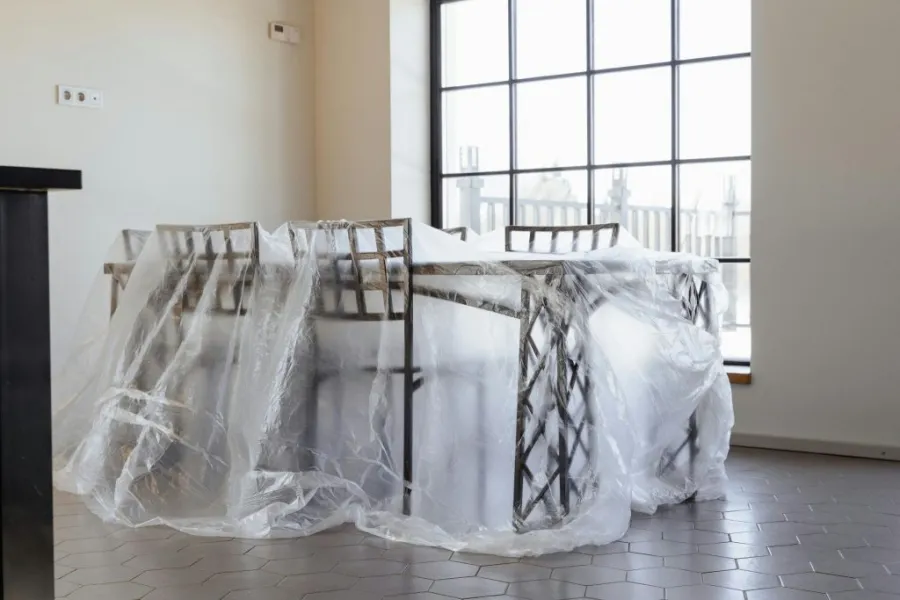
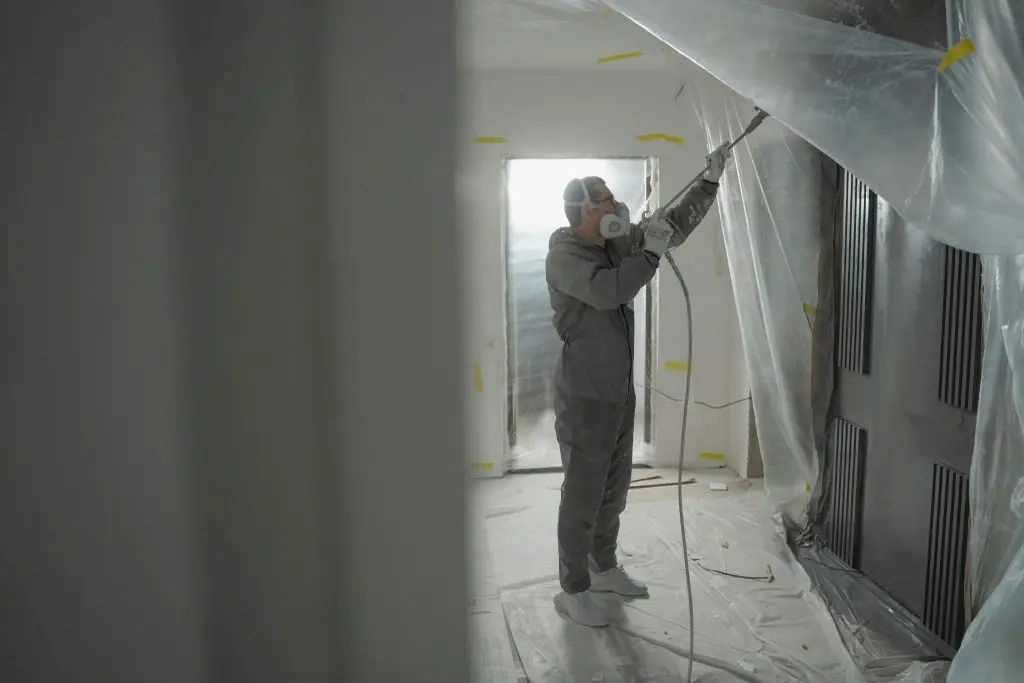
- Abdeckplanen für Maler- und Renovierungsarbeiten.
- Gewächshaus- und Tunnelabdeckungen zur Verlängerung der Anbausaison.
- Teich- und Wasserspielfolien für den Einsatz im Gartenbereich.
- Bodendecker zur Unkrautbekämpfung und Feuchtigkeitsregulierung.
- Eindämmungsbarrieren in industriellen und gewerblichen Umgebungen.
Die meisten Produkte werden aus einem Material namens LDPE hergestellt. LDPE ist ein flexibler Kunststoff, der keine Feuchtigkeit durchlässt. Er ist außerdem inert, das heißt, er reagiert nicht mit anderen Stoffen. Allerdings kann er sich im Freien unter Sonneneinstrahlung zersetzen.
Um die Haltbarkeit von Produkten im Außenbereich zu verlängern, fügen Hersteller dem LDPE spezielle Stoffe hinzu. Diese Stoffe werden UV-Inhibitoren genannt. Sie verhindern, dass das Produkt durch Sonneneinstrahlung zersetzt wird. Daher können manche Produkte längere Zeit im Freien gelagert werden, ohne Schaden zu nehmen. Produkte mit diesen Zusätzen sind in der Regel von höherer Qualität.
Was Sie beim Kauf von Kunststofffolien beachten sollten
1. Mil Dicke
Dies ist die wichtigste Angabe auf dem Produkt. Ein Mil entspricht einem Tausendstel Zoll, und die Dicke bestimmt alles in Bezug auf Haltbarkeit, Durchstoßfestigkeit und sachgemäße Verwendung.
So lesen Sie es:
- 4 mil – Leichte Beanspruchung. Gut geeignet für Innenanwendungen, Malerabdeckplanen und geschützte, temporäre Abdeckungen. Nicht geeignet für dauerhafte Außenbewitterung.
- 6 mil – Der Standard für Bau- und Wohngebäude. Entspricht den meisten Bauvorschriften für Dampfsperren. Hält der realen Außennutzung über eine ganze Saison stand. Standard für Anstrichschutz, Gewächshausabdeckungen und temporäre Bauabdichtung.
- 10 mil – Extrem strapazierfähig. Entwickelt für Anwendungen mit mechanischer Beanspruchung, Fußgängerverkehr, längerer Außenbewitterung oder Wasserschutz. Deutlich durchstoß- und reißfester als 6 mil.
- 14 mil – Industriequalität. Die Spezifikation für anspruchsvolle Außenbedingungen, langfristige Installationen und Anwendungen, bei denen das Material mehrere Saisons unter Belastung standhalten muss.
Ein häufiger Fehler ist, 4 mil starkes Material für Außenanwendungen oder 6 mil starkes Material für Teichfolie zu kaufen. Die Dicke sollte den jeweiligen Bedingungen und der erwarteten Nutzungsdauer angepasst werden.
2. Breite und Rollenlänge
Bei der Auswahl von Abdeckfolie sollten Sie auf die Breite und Länge der Rolle achten. Die Größe der Folie ist für Ihr Projekt genauso wichtig wie ihre Dicke. Bei größeren Flächen entstehen an den Rollen Nähte. Durch diese Nähte dringt Wasser ein, und die Folie reißt zuerst.
Kaufen Sie am besten eine Plastikfolie, die die gesamte Fläche in einem Stück abdeckt. Der Preis pro Meter ist bei kleinen und großen Rollen nahezu identisch. Eine große Rolle mit weniger Nähten lässt sich leichter anbringen.
3. Farbe: Schwarz, Weiß oder Transparent
Farbe ist nicht nur kosmetisch; sie beeinflusst die Eigenschaften des Materials.
- Transparent: Bedeutet, dass es Licht durchlässt. Geeignet für Gewächshäuser, Fensterschutz während Bauarbeiten und alle Anwendungen, die Licht oder Sichtbarkeit erfordern.
- Schwarz: Absorbiert Wärme und blockiert die Lichtdurchlässigkeit vollständig. Ideal zur Unkrautbekämpfung, Bodenerwärmung, als Dampfsperre unter Betonplatten und als Bodenbedeckung, wenn die Verhinderung des Pflanzenwachstums wichtig ist.
- Weiße oder undurchsichtige Oberflächen reflektieren Wärme. Sommerliche Bodendecker und Dampfsperren für Innenräume, die von der Reflexion profitieren, sind Beispiele für Anwendungen, bei denen eine Reduzierung des solaren Wärmeeintrags erwünscht ist.
4. UV-Stabilität
Standard-Polyethylenfolie ohne UV-Inhibitoren zersetzt sich unter Sonneneinstrahlung. Sie beginnt zu kreiden, wird spröde und reißt schließlich. Dadurch verliert sie ihre Schutzwirkung gegen Feuchtigkeit und ihre Struktur wird beschädigt. Dieser Prozess dauert in der Regel ein bis zwei Jahre, abhängig von den Umgebungsbedingungen und der Sonneneinstrahlung.
Vergewissern Sie sich daher vor der Anwendung, dass das Produkt UV-Inhibitoren enthält. Für die Verwendung in Innenräumen ist die UV-Stabilität hingegen unerheblich.
5. Verwendungszweck
Es mag offensichtlich erscheinen, aber der Verwendungszweck sollte alle weiteren Entscheidungen bestimmen. Eine Malerplane ist ideal für ein Wochenendprojekt, aber völlig ungeeignet als Teichfolie. Eine 10-mil-Dampfsperre unter der Bodenplatte ist für eine Malerplane übertrieben. Am einfachsten findet man das richtige Material, indem man sich zunächst auf den konkreten Anwendungsfall konzentriert, anstatt auf die Produktspezifikationen.
VEVOR Kunststofffolien: Welches Produkt für welchen Anwendungsbereich
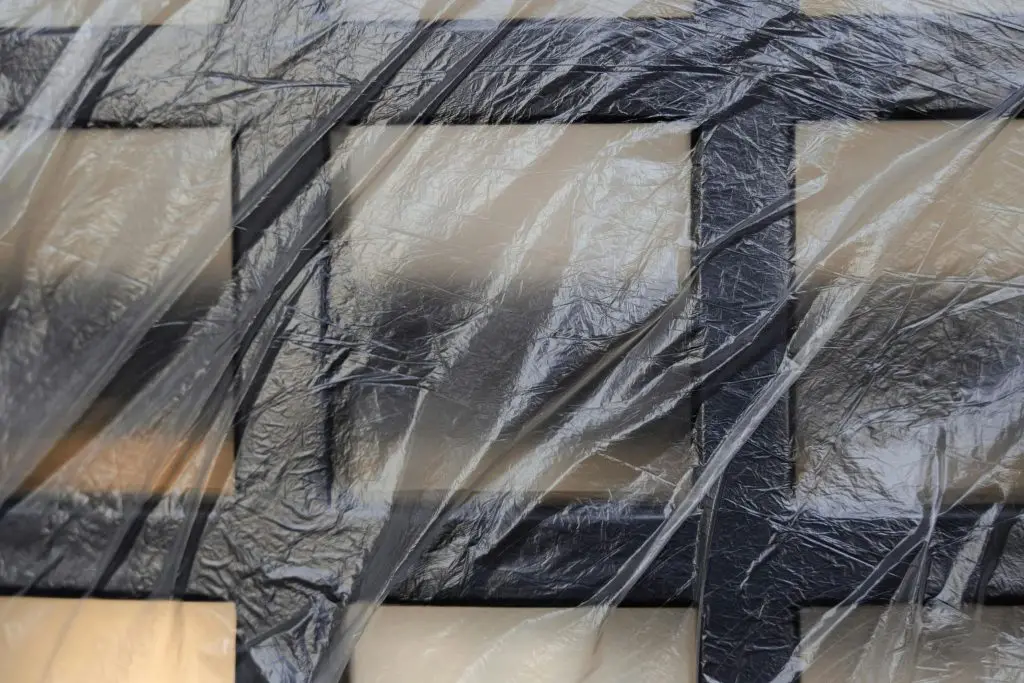
VEVOR stellt hochbelastbare Polyethylenfolien in verschiedenen Stärken und Formaten her. Hier erfahren Sie, wofür die einzelnen Folien geeignet sind.
VEVOR 4mil Kunststofffolie, 3 x 50 Fuß
Die kompakte Variante im Sortiment. Mit einer Breite von 3 cm und einer Länge von 50 m eignet sie sich ideal für kleinere Flächen, auf denen eine große Rolle unnötig und unhandlich ist.
Bestens geeignet für:
- Malerabdeckplanen für kleinere Räume oder einzelne Möbelstücke.
- Innenstaubschutzwände während Renovierungsarbeiten.
- Bodenbedeckungen in überdachten Gebäuden.
- Einsätze für Hochbeete und Pflanzgefäßeinsätze.
Die 4-mil-Stärke eignet sich für geschützte, leichte Anwendungen. Sie ist nicht die richtige Wahl für den Außenbereich oder für Anwendungen, die Durchstoßfestigkeit erfordern.
VEVOR 6mil Kunststofffolie, 10 x 100 Fuß
Das vielseitigste Produkt der Reihe und dasjenige, das die meisten alltäglichen Anwendungen abdeckt. Es setzt den Baustandard – die Spezifikation, auf die sich die meisten Bauvorschriften beziehen und die von den meisten Bauunternehmen standardmäßig verwendet wird.
Bestens geeignet für:
- Schutz vor Maler- und Renovierungsarbeiten durch Abdeckplanen
- Dampfsperren unter der Bodenplatte und im Kriechkeller
- Tunnel- und kleine Gewächshausabdeckungen
- Temporärer Wetterschutz während der Bauarbeiten
- Allgemeine Bodendecker für den Außenbereich
Die 10 Meter Breite deckt einen Standard-Raumboden in zwei Längen ab und ermöglicht die nahtlose Überdachung eines einzelnen Bogentunnels. Die 6 mm Dicke hält den Witterungsbedingungen im Freien eine ganze Saison lang stand.
VEVOR 6mil Kunststofffolie, 24 x 100 Fuß
Das Material und die Dicke entsprechen der 3-Meter-Rolle, jedoch in einem breiten Format, das speziell für Anwendungen entwickelt wurde, bei denen eine große Abdeckungsfläche wichtig ist. Die Breite von 7,3 Metern (24 Fuß) ist der entscheidende Vorteil dieses Produkts: Sie eliminiert die Naht in der Mitte breiterer Gewächshauskonstruktionen, deckt große Bauflächen in einem Arbeitsgang ab und ermöglicht eine schnelle und saubere, großflächige Dachabdeckung zum Schutz vor Unwettern.
Bestens geeignet für:
- Weitläufige Folientunnel und große Gewächshauskonstruktionen (ab 12 Fuß Feldhöhe)
- Große Baustellenboden- und Unterbodenbelagsflächen
- Temporärer Dachschutz bei Wohngebäuden
- Alle Anwendungen, bei denen die Reduzierung von Nähten bei der Installation Priorität hat.
Falls Sie jemals erlebt haben, dass Gewächshausfolie an einer Firstnaht versagt oder Sie viel Zeit mit dem Abkleben von Überlappungen bei einem breiten Bodenguss verbracht haben, löst das 24-Fuß-Format beide Probleme.
VEVOR 10mil Kunststofffolie, 10 x 100 Fuß
Die robustere Variante im Vergleich zu den 6-mil-Varianten. Mit einer Stärke von 10 mil hält die Folie Belastungen stand, die leichtere Produkte verschleißen lassen – wie z. B. Fußgängerverkehr, Kontakt mit scharfen Oberflächen, anhaltende Windlast und längere UV-Strahlung. Diese Spezifikation eignet sich für Anwendungen, bei denen ein Austausch aufwendig oder kostspielig ist.
Bestens geeignet für:
- Teich- und Wasserspielauskleidung
- Unterboden-Dampfsperren, bei denen 10 mil laut Bauordnung vorgeschrieben sind
- Langfristige Außenabdeckungen für Baustellen oder Geräte
- Notdachabdeckung, die mehreren Wetterereignissen standhalten muss
- Anwendungen für Baustellenabsperrungen mit hohem Verkehrsaufkommen
Der Leistungsunterschied zwischen 6 mil und 10 mil ist unter realen Außenbedingungen signifikant. Für alle Anwendungen, bei denen die Folie mechanisch beansprucht wird oder länger als eine Saison im Freien halten muss, ist dies die richtige Wahl.
VEVOR 14mil Kunststofffolie, 10 x 100 Fuß
Das robusteste Modell auf dem Markt. Diese Folie ist 14 mil stark und dadurch extrem widerstandsfähig – ideal für Anwendungen, die besondere Belastbarkeit erfordern. Sie ist dicker und schwieriger zu handhaben als herkömmliche Folien. Berücksichtigen Sie dies bitte bei der Planung. Für den richtigen Einsatz lohnt sich die höhere Leistung.
Bestens geeignet für:
- Gewerbliche Eindämmung und industrielle Feuchtigkeitssperren
- Große, dauerhafte oder semipermanente Teichfolien
- Langfristige Außenabdeckungen, die wiederholten Witterungseinflüssen ausgesetzt sind
- Anwendungsbereiche, in denen mehrjährige Haltbarkeit ohne Austausch erforderlich ist
- Fundamente für schwere Maschinen und Bodenschutz für gewerbliche Baustellen
Dies ist das Produkt für Situationen, in denen Langlebigkeit gefragt ist, nicht nur für Situationen, in denen es funktionieren muss.
Kurzübersicht: VEVOR-Kunststofffolien nach Anwendungsbereich
| Anwendung | Empfohlenes Produkt |
| Malerplane, kleines Zimmer | 4 Millionen, 3 x 50 Fuß |
| Malerplane, kompletter Raum | 6 Millionen, 10 x 100 Fuß |
| Möbelabdeckung, große Räume | 6 Millionen, 24 x 100 Fuß |
| Kleines Tunnelgewächshaus | 6 Millionen, 10 x 100 Fuß |
| Großes Gewächshaus oder Folientunnelhaus | 6 Millionen, 24 x 100 Fuß |
| Dampfsperre unter der Bodenplatte | 10 Millionen, 10 x 100 Fuß |
| Auskleidung des Kriechkellers | 6 mil oder 10 mil, 10 x 100 Fuß |
| Provisorische Dachnotabdeckung | 10 Millionen, 10 x 100 Fuß |
| Teichfolie, für Wohnzwecke | 10 Millionen, 10 x 100 Fuß |
| Teichfolie, groß oder anspruchsvoll | 14 Millionen, 10 x 100 Fuß |
| Langfristige industrielle Außenabdeckung | 14 Millionen, 10 x 100 Fuß |
Häufig gestellte Fragen
Wie berechne ich die benötigte Menge an Plastikfolie?
Messen Sie Länge und Breite der zu bedeckenden Fläche und rechnen Sie an jeder Seite mindestens 12 bis 18 cm für Überlappung und Befestigung hinzu. Bei Dachbedeckungen geben Sie zusätzliche Länge für den First hinzu. Runden Sie immer auf; nicht benötigte Bleche lassen sich leicht lagern, während mitten in der Installation fehlende Bleche problematisch sind.
Kann Plastikfolie mehr als einmal verwendet werden?
Ja, vorausgesetzt, die Folie wird vorsichtig entnommen und gerollt statt gefaltet aufbewahrt. Knicke in dünneren Folien führen zu Schwachstellen, die unter Spannung reißen können. Dickere Folien (ab 10 mil) sind besser wiederverwendbar als dünnere.
Ist schwerer immer besser?
Nicht immer. Dickere Folien sind steifer, schwieriger zu schneiden und teurer. Für Anwendungen, bei denen es auf leichte Handhabung, Drapierung und Formgebung ankommt – wie z. B. Schutzfolien für Anstriche oder Pflanzgefäße – sind 4 bis 6 mil (0,1 bis 1,5 mm) dicke Folien tatsächlich die bessere Wahl. Verwenden Sie dickere Folien nur für Anwendungen, die sie erfordern.
Wie dichtet man am besten die Nähte von Kunststofffolien ab?
Verwenden Sie für Folienreparaturen geeignetes, polyethylenverträgliches Nahtband und überlappen Sie die Bahnen. Bringen Sie das Band mit starkem Druck von der Mitte nach außen auf einer sauberen, trockenen Oberfläche an. Um wasserdichte Nähte zu gewährleisten, überlappen Sie die Bahnen vor dem Verkleben um mindestens 12 cm.
Gibt es die VEVOR-Kunststofffolie sowohl in Schwarz als auch in Weiß?
Ja. Die Produkte mit 6 mil, 10 mil und 14 mil sind in Schwarz/Weiß erhältlich. Die verfügbaren Farbvarianten finden Sie in der jeweiligen Produktbeschreibung.
Fazit
Die Wahl der richtigen Kunststofffolie hängt von drei Faktoren ab: Die Dicke ist abhängig von den jeweiligen Einsatzbedingungen, die Breite bestimmt die benötigte Fläche, und die Farbe ist ebenfalls entscheidend. Das Sortiment von VEVOR reicht von leichten Innenanwendungen mit 4 mil bis hin zu industrietauglichen Folien mit 14 mil für anspruchsvolle Langzeiteinsätze. Für die meisten Anwendungen in Haus, Garten und Bauwesen ist die 6 mil 10 x 100 ft ist der Ausgangspunkt. Wenn die Aufgabe mehr erfordert, 10 Millionen und 14 Millionen sind da. Stöbern Sie in der komplettes VEVOR-Kunststofffolien-Sortiment um das genaue Format für Ihre Anwendung zu finden.