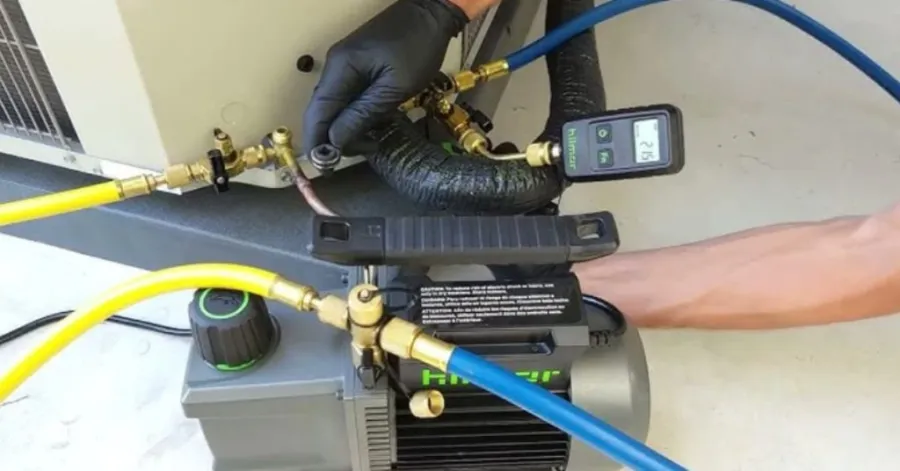
Eine Klimaanlagen-Vakuumpumpe ist ein unverzichtbares Gerät, um Luft, Feuchtigkeit und Verunreinigungen aus der Klimaanlage zu entfernen, bevor Kältemittel eingefüllt wird. Richtiges Evakuieren verbessert die Kühlleistung, schützt den Kompressor und verlängert die Lebensdauer des Systems. Ob in einer Klimaanlage zu Hause oder im Auto – es ist wichtig zu lernen, wie man eine Klimaanlage bedient. AC-Vakuumpumpe Dadurch sparen Sie effektiv viel Geld für Reparaturen und eine mangelhafte Systemleistung. Dieses Handbuch zeigt Ihnen Schritt für Schritt, wie Sie eine Klimaanlagen-Vakuumpumpe bedienen, wie Sie das Gerät anschließen, wie lange das System evakuiert werden sollte und welche Fehler am häufigsten auftreten, die eine sichere und erfolgreiche Wartung Ihrer Klimaanlage verhindern.
Inhaltsverzeichnis
- Besorgen Sie sich die richtigen Werkzeuge, bevor Sie eine Klimaanlage saugen.
- Bereiten Sie das Klimaanlagensystem vor, bevor Sie mit dem Vakuumierprozess beginnen.
- Folgen Sie dem AC-Vakuumpumpenprozess Schritt für Schritt.
- Wie lange sollte man eine Klimaanlagen-Vakuumpumpe laufen lassen?
- Häufige Fehler, die Sie bei der Verwendung einer AC-Vakuumpumpe vermeiden sollten
- FAQ
Besorgen Sie sich die richtigen Werkzeuge, bevor Sie eine Klimaanlage saugen.
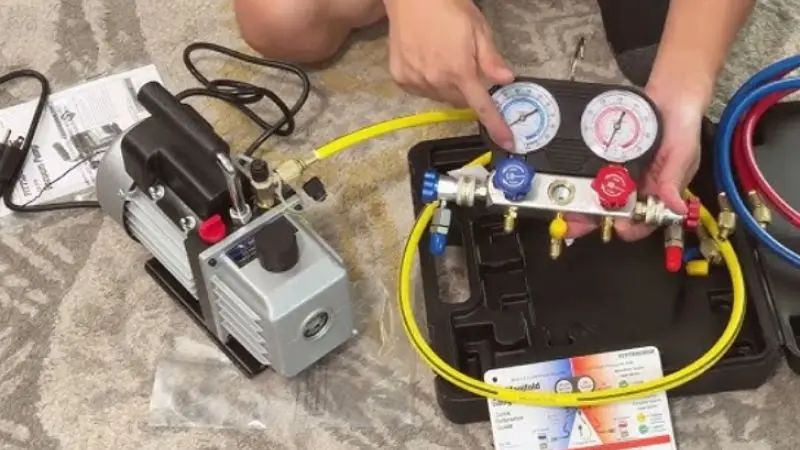
Bevor Sie mit dem Staubsaugen beginnen, stellen Sie sicher, dass Sie alle notwendigen Utensilien bereithalten. Die richtige Ausrüstung hilft Ihnen, Luft und Feuchtigkeit zu entfernen und gleichzeitig die Klimaanlage zu schonen. eine Wechselstrom-Vakuumpumpe verwenden Mit den richtigen Werkzeugen geht die Reinigung eines Hauses oder Fahrzeugs einfacher und präziser vonstatten.
Empfohlen für Ihr Projekt
Unverzichtbare Werkzeuge, die Sie für den Job benötigen
Bevor Sie beginnen, stellen Sie sicher, dass Sie über die gesamte Ausrüstung verfügen, die für einen erfolgreichen Vakuumprozess erforderlich ist. Sie benötigen ein/e AC-VakuumpumpeSie benötigen ein Manometer-Set, Kältemittelschläuche, Schutzhandschuhe, eine Schutzbrille und das passende Kältemittel für Ihr System. Ein Mikron-Vakuummeter ist empfehlenswert, da es Vakuumwerte präziser misst als herkömmliche Manometer. Achten Sie beim Erlernen der Bedienung einer Vakuumpumpe mit Manometern darauf, dass Schläuche und Anschlüsse sauber und unbeschädigt sind. Hochwertiges Werkzeug verringert das Risiko von Leckagen und trägt zu einem effizienten Betrieb Ihrer Klimaanlage nach dem Nachfüllen bei.
Die richtige AC-Vakuumpumpe auswählen
Eine der notwendigen Maßnahmen zur Vorbereitung Ihrer Klimaanlage ist die Auswahl des/der VakuumpumpeKleinere Klimaanlagen in Wohnhäusern und die meisten Autoklimaanlagen eignen sich gut für eine zweistufige Vakuumpumpe, da diese ein höheres Vakuum in kürzerer Zeit erzeugt. Achten Sie bei der Auswahl auf die Fördermenge (CFM), die Bauart der Pumpe und die Ölmenge. Die Pumpe ist zuverlässig, entfernt Feuchtigkeit effektiver und verbessert die Funktion der Klimaanlage. Ob Sie nun lernen möchten, wie man eine Klimaanlage im Haus evakuiert oder ein Fahrzeug wartet – mit der passenden Vakuumpumpe wird der gesamte Vorgang schneller, sicherer und zuverlässiger.
Bereiten Sie das Klimaanlagensystem vor, bevor Sie mit dem Vakuumierprozess beginnen.
Eine sorgfältige Vorbereitung ist wichtig, damit der Vakuumprozess wie erwartet funktioniert. Ein paar Minuten, die Sie mit der Überprüfung des Systems und der korrekten Montage verbringen, können Fehler vermeiden, die das Gerät beschädigen oder die Kühlleistung beeinträchtigen könnten. Folgende Schritte sollten Sie vor der Inbetriebnahme durchführen: AC-Vakuumpumpe.
Schalten Sie den Strom ab, bevor Sie beginnen.
Lassen Sie eine Klimaanlage während der Wartung niemals eingeschaltet. Durch das Trennen der Stromversorgung schützen Sie sich vor elektrischen Gefahren und verhindern, dass der Kompressor während der Wartung anspringt. Stellen Sie immer sicher, dass der Motor abgestellt und die Zündung eingeschaltet ist, bevor Sie Geräte an einem Fahrzeug anschließen. Warten Sie, bis die Anlage abgekühlt ist, falls sie kürzlich in Betrieb war. Eine sichere Arbeitsumgebung hilft Ihnen, die Evakuierung ohne unnötige Risiken und Beschädigungen der Klimaanlagenteile durchzuführen.
Überprüfen Sie das AC-System auf Undichtigkeiten
Vor dem Anbringen der VakuumpumpeStellen Sie sicher, dass Sie die gesamte Klimaanlage überprüft haben. Achten Sie auf beschädigte Schläuche, lose Verbindungen, verschlissene Dichtungen und Ölspuren an oder um die Kältemittelanschlüsse herum; dies sind in der Regel Anzeichen für ein Leck. Das Absaugen von Lecks ist Zeitverschwendung, da weiterhin Luft durch die Leitungen strömt. Eventuell auftretende Lecks sollten vor dem Fortfahren repariert werden. Elektronische Lecksuchgeräte oder Lecksuchlösungen können verwendet werden, um versteckte Probleme aufzuspüren. Diese anfängliche Inspektion stellt sicher, dass das System ein ordnungsgemäßes Vakuum aufrechterhält und verbessert den Erfolg der Kältemittelbefüllung nach der Wartung.
Schließen Sie das Manometer-Set korrekt an.
Der korrekte Anschluss des Verteilers Lehrensatz Für genaue Druckmessungen und eine erfolgreiche Vakuumierung ist die korrekte Verbindung entscheidend. Schließen Sie den blauen Schlauch an den Niederdruckanschluss und den roten Schlauch an den Hochdruckanschluss an. Der gelbe Schlauch wird direkt an die Vakuumpumpe angeschlossen. Überprüfen Sie vor dem Einschalten der Pumpe alle Verbindungen auf festen Sitz und Dichtheit. Die korrekte Anschlussweise einer Wechselstrom-Vakuumpumpe verhindert das Eindringen von Luft in das System und schult den sicheren Umgang damit. Vakuumpumpe mit Manometern und um die Vakuumwerte in verschiedenen Zeitabständen zu messen.
Folgen Sie dem AC-Vakuumpumpenprozess Schritt für Schritt.
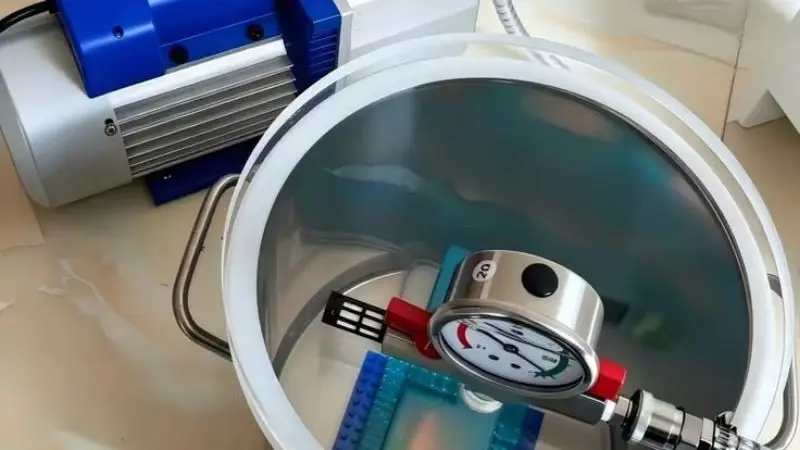
Nach der Vorbereitung können Sie mit dem Abpumpen von Luft und Feuchtigkeit aus den Kältemittelleitungen beginnen. Es empfiehlt sich, jeden Schritt in der vorgegebenen Reihenfolge zu befolgen, um ein gutes Vakuum und eine gleichmäßige Kühlung des Kühlschranks nach dem Einfüllen des Kältemittels zu gewährleisten. Falls Sie eine Schritt-für-Schritt-Anleitung zur Verwendung einer Klimaanlagen-Vakuumpumpe verwenden, helfen Ihnen diese Hinweise, die korrekte Vorgehensweise sicherzustellen.
Schritt 1: Schließen Sie die Vakuumpumpe an.
Beginnen Sie mit der Installation der Vakuumpumpe Stellen Sie die Vakuumpumpe auf eine feste, ebene Fläche in der Nähe der Klimaanlage. Schließen Sie den gelben Serviceschlauch des Manometers an den Einlass der Vakuumpumpe an und achten Sie auf einen dichten Sitz. Stellen Sie vor dem Starten der Pumpe sicher, dass beide Ventile des Manometers geschlossen sind. Prüfen Sie die Schläuche auf Risse oder lose Verbindungen, durch die Außenluft in das System eindringen könnte. Die korrekte Installation ist ein wesentlicher Bestandteil des Anschlussvorgangs einer Klimaanlagen-Vakuumpumpe, da selbst geringste Leckagen verhindern können, dass das System das erforderliche Vakuumniveau erreicht und die Genauigkeit der Wartung beeinträchtigen.
Schritt 2: Öffnen Sie die Verteilerventile
Nachdem die Schlauchverbindungen geprüft wurden, öffnen Sie die Ventile am Niederdruck- und Hochdruckverteiler. Dadurch kann die Vakuumpumpe Luft und Feuchtigkeit aus allen Komponenten der Klimaanlage entfernen. Durch das schrittweise Öffnen der Ventile werden plötzliche Druckschwankungen vermieden und der Luftdurchfluss durch die Schläuche verbessert. Beobachten Sie die Manometeranzeigen, während sich das Vakuum aufbaut. Reagieren die Manometer nicht, schalten Sie sie aus, prüfen Sie die Verbindungen und setzen Sie den Vorgang fort. Für einen effektiven Vakuumiervorgang ist die korrekte Funktion der Ventile unerlässlich.
Schritt 3: Starten Sie die Vakuumpumpe
Einschalten Vakuumpumpe Schalten Sie das Gerät nicht vor Abschluss des Vorgangs aus. Im Betrieb entfernt es außerdem eingeschlossene Luft, Feuchtigkeit und nicht kondensierbare Gase aus den Kältemittelleitungen. Kontrollieren Sie die Manometer regelmäßig, um sicherzustellen, dass der Vakuumpegel stetig ansteigt. Sollten Sie ungewöhnliche Geräusche oder instabile Messwerte feststellen, unterbrechen Sie den Vorgang und überprüfen Sie das Gerät. Um eine Klimaanlagen-Vakuumpumpe ordnungsgemäß zu verwenden, geben Sie der Pumpe Zeit, ein stabiles Vakuum zu erreichen, bevor Sie mit dem nächsten Schritt fortfahren.
Schritt 4: Das erforderliche Vakuum erzeugen
Wenn die Vakuumpumpe eingeschaltet ist, sollte sie so lange laufen, bis das System den vom Gerätehersteller empfohlenen Vakuumwert erreicht hat. Viele Techniker verwenden zusätzlich ein Mikrometer, um das Vakuum genauer zu überprüfen. Die Dauer des Vakuumierens einer Klimaanlage hängt von der Anlagengröße ab; im Allgemeinen werden 30 bis 60 Minuten empfohlen. Je größer die Anlage, desto länger kann es dauern, die gesamte Feuchtigkeit und eingeschlossene Luft zu entfernen.
Schritt 5: Ventile schließen und Pumpe abschalten
Nachdem das gewünschte Vakuum erreicht ist, schließen Sie die beiden Verteilerventile und schalten Sie die Vakuumpumpe ab. Das Schließen der Ventile verhindert, dass Außenluft in das System gelangt, wenn die Pumpe abgeschaltet ist. Trennen Sie nach dem Abschalten der Pumpe nicht alle Schlauchverbindungen, bis die Vakuumhalteprüfung abgeschlossen ist. Diese Vorsichtsmaßnahme dient dazu, das bereits erzeugte Vakuum zu erhalten und das System für den nächsten Wartungsschritt oder die Kältemittelbefüllung vorzubereiten, ohne unerwünschte Verunreinigungen einzubringen.
Schritt 6: Vakuumhaltetest durchführen
Isolieren Sie das System für etwa 10 bis 20 Minuten und beobachten Sie die Manometer. Der Vakuumwert muss während des Tests konstant bleiben. Steigt der Druck deutlich an, prüfen Sie das System auf Undichtigkeiten oder eingeschlossene Feuchtigkeit, die besondere Aufmerksamkeit erfordern. Evakuieren Sie das System nach Behebung etwaiger Probleme und füllen Sie anschließend Kältemittel nach. Ein erfolgreicher Haltetest gewährleistet die ordnungsgemäße Abdichtung der Klimaanlage und ihren zuverlässigen Betrieb nach dem Befüllen.
Schritt 7: Klimaanlage mit Kältemittel auffüllen
Sobald der Vakuumtest erfolgreich war und keine Lecks bestätigt wurden, kann die Klimaanlage mit dem vom Hersteller vorgeschriebenen Kältemittel in der richtigen Menge befüllt werden. Achten Sie stets auf das korrekte Befüllverfahren und überwachen Sie die Manometer am Verteiler, um eine Über- oder Unterbefüllung zu vermeiden. Ob Sie nun die Klimaanlage eines Autos oder eines Hauses evakuieren – die korrekte Befüllung gewährleistet effektive Kühlung, schützt den Kompressor und trägt zu einer längeren und zuverlässigeren Funktion der Klimaanlage bei.
Wie lange sollte man eine Klimaanlagen-Vakuumpumpe laufen lassen?
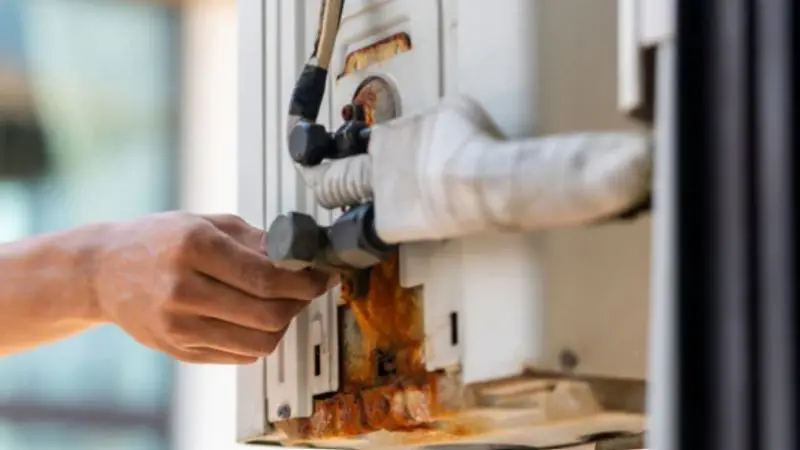
Die richtige Nutzungsdauer des Vakuumpumpe Das Absaugen einer Klimaanlage ist notwendig, um Feuchtigkeit, Luft und Verunreinigungen zu entfernen. Lässt man sie zu lange laufen, kann Restfeuchtigkeit zurückbleiben, eine unnötige Verlängerung der Laufzeit bringt jedoch kaum zusätzlichen Nutzen. Die Frage, wie lange man eine Klimaanlage absaugen sollte, hängt von der Größe der Anlage, der Luftfeuchtigkeit und davon ab, ob die Anlage für Reparaturen geöffnet wurde.
Vakuumzeit für kleine Klimaanlagen
Die Vakuumpumpe benötigt in den meisten kleinen Klimaanlagen für Wohnhäuser sowie in Fahrzeugklimaanlagen typischerweise 30–45 Minuten. Dies ist in der Regel ausreichend, um Luft und Feuchtigkeit aus dem System zu entfernen, sofern es leer und dicht ist. Beim Evakuieren einer Fahrzeugklimaanlage sollten Sie stets den Vakuumwert und nicht nur die Zeit im Auge behalten. Ein Mikrometer-Manometer ist das präziseste Messgerät und hilft sicherzustellen, dass das erforderliche Vakuum erreicht wird, bevor das Kältemittel wieder eingefüllt wird.
Vakuumzeit für große HLK-Systeme
Größere Klimaanlagen verfügen über längere Kältemittelleitungen und ein größeres Innenvolumen und benötigen daher länger, um ein tiefes Vakuum zu erreichen. Die Vakuumpumpe läuft normalerweise 45 bis 90 Minuten oder länger, abhängig von Größe und Zustand der Anlage. Anlagen, die längere Zeit der Luft ausgesetzt waren, benötigen unter Umständen mehr Zeit zum Vakuumieren. Beim Evakuieren einer Klimaanlage im Haus ist es wichtig, die Herstellerangaben zu beachten und den Vakuumpegel vor dem Nachfüllen von Kältemittel zu überprüfen, um eine optimale Kühlleistung zu gewährleisten.
Faktoren, die die Vakuumzeit beeinflussen
Die Zeit der Vakuumpumpe Die Dauer hängt von verschiedenen Faktoren ab. Je größer die Anlage, desto länger dauert es, da sie mehr Luft und Feuchtigkeit enthält. Auch hohe Luftfeuchtigkeit, lange Kältemittelleitungen, der Austausch von Komponenten und Feuchtigkeitseinwirkungen können die benötigte Vakuumierzeit verlängern. Wie schnell das gewünschte Vakuum erreicht wird, hängt zudem von der Leistung der Vakuumpumpe, der Schlauchqualität und der Dichtheit der Verbindungen ab. Achten Sie daher nicht auf die Uhr, sondern auf den angezeigten Vakuumwert. Diese Methode hilft Ihnen, die Frage nach der optimalen Vakuumierdauer für jede einzelne Klimaanlage präzise zu beantworten.
Häufige Fehler, die Sie bei der Verwendung einer AC-Vakuumpumpe vermeiden sollten
Der Vakuumiervorgang kann selbst mit der richtigen Ausrüstung aufgrund kleiner Fehler ineffektiv sein. Viele Leistungsprobleme von Klimaanlagen entstehen durch unsachgemäßes Evakuieren des Systems vor dem Einfüllen von Kältemittel. Vermeiden Sie diese Fehler, um Kompressorschäden vorzubeugen, die Kühlleistung zu maximieren und die Lebensdauer Ihrer Klimaanlage zu verlängern, sobald Sie mit der Bedienung vertraut sind. AC-Vakuumpumpe richtig.
Auslassen des Dichtigkeitstests
Das Evakuieren des Systems ohne vorherige Dichtigkeitsprüfung ist einer der größten Fehler. Ein undichtes System erzeugt kein ausreichendes Vakuum, wenn Kältemittelleitungen oder -anschlüsse undicht sind, und es dringt weiterhin Luft von außen ein. Dies führt nicht nur zu Zeitverlust, sondern auch zu Kühlproblemen nach dem Nachfüllen. Vor Beginn des Evakuierungsvorgangs müssen daher unbedingt Schläuche, Dichtungen, Ventile und Wartungsanschlüsse geprüft werden. Ebenso wichtig ist es, vor dem Abdichten des Systems eine Dichtigkeitsprüfung durchzuführen und anschließend mit der Vakuumpumpe Feuchtigkeit und Luft zu entfernen.
Verwendung von verschmutztem Vakuumpumpenöl
Die Verwendung von Vakuumpumpenöl ist entscheidend für das Erreichen eines tiefen Vakuums. Feuchtes oder verschmutztes Öl verringert die Pumpenleistung und erschwert das vollständige Entfernen der Luft aus dem System. Es empfiehlt sich, das Öl vor dem Einschalten der Pumpe zu prüfen und es auszutauschen, wenn es rauchig, dunkel oder verschmutzt aussieht. Frisches Öl trägt zu einem optimalen Pumpenbetrieb bei und verkürzt die Zeit bis zum Erreichen des erforderlichen Vakuums. Regelmäßige Ölwechsel verlängern zudem die Lebensdauer der Pumpe. Vakuumpumpedie Lebensdauer verlängern und die Gesamtleistung des Dienstes verbessern.
Zu frühes Abklemmen der Vakuumpumpe
Ein weiterer häufiger Fehler ist das Entfernen von Vakuumpumpe Bevor das erforderliche Vakuum erreicht ist, sollte man darauf achten, dass die Kältemittelleitungen feucht bleiben, auch wenn die Manometer stabil erscheinen, falls der Vorgang vorzeitig abgebrochen wird. Vor dem Abklemmen von Schläuchen muss daher immer ausreichend Zeit eingeplant werden, damit die Pumpe ihre Arbeit abschließen und das Vakuum gehalten werden kann. Durch die schrittweise Vorgehensweise beim Einsatz einer Klimaanlagen-Vakuumpumpe lassen sich Verunreinigungen vermeiden, die Kältemitteleffizienz steigern und zukünftige Ausfälle der Klimaanlage minimieren.
Feuchtigkeit im Klimaanlagensystem
Feuchtigkeit in der Klimaanlage kann langfristig schwerwiegende Probleme verursachen. Sie kann im Expansionsventil gefrieren, die Kühlleistung verringern, den Betriebsdruck erhöhen und mit dem Kältemittel reagieren, wodurch korrosive Säuren entstehen. Diese Säuren können interne Bauteile wie den Kompressor und die Kältemittelleitungen zerstören. Durch ein korrektes Vakuumverfahren wird die Feuchtigkeit vor dem Einfüllen des Kältemittels entfernt. Ob beim Evakuieren einer Klimaanlage im Haus oder bei der Autoreparatur – ein tiefes Vakuum ist für eine gute und dauerhafte Funktion unerlässlich.
Wrap-Up
Einer der wichtigsten Schritte bei der Wartung einer Klimaanlage ist die Verwendung eines AC-Vakuumpumpe Die richtige Vorbereitung des Systems, die Entfernung von Feuchtigkeit, die Vakuumprüfung und die Verwendung des geeigneten Kältemittels gewährleisten eine optimale Kühlung und eine lange Lebensdauer des Geräts. Sowohl die fachgerechte Evakuierung einer Auto- als auch einer Hausklimaanlage verhindert Leckagen, Korrosion und Schäden am Kompressor. Mit dem richtigen Werkzeug und der nötigen Sorgfalt bei jedem Arbeitsschritt können Sie die Arbeit erfolgreich erledigen und Ihre Klimaanlage über Jahre hinweg effizient betreiben.
FAQ
Kann eine Klimaanlagen-Vakuumpumpe sowohl für die Klimaanlage im Haus als auch im Auto verwendet werden?
Ja. Mit den entsprechenden Manometern und Schlauchanschlüssen können die meisten zweistufigen Klimaanlagen-Vakuumpumpen sowohl für die Wartung von Haus- als auch von Kfz-Klimaanlagen verwendet werden.
Wie viel Zeit benötigt man zum Staubsaugen einer Klimaanlage?
Die durchschnittliche Zeit beträgt 30–45 Minuten für die meisten kleinen Systeme und möglicherweise 45–90 Minuten für große HLK-Anlagen. Der Vakuumpegel muss stets überprüft werden und darf nicht dem Zufall überlassen werden.
Warum ist ein Vakuumhaltetest wichtig?
Der Vakuumtest stellt sicher, dass das System keine Leckagen aufweist und dass jegliches Wasser vor dem Einfüllen des Kältemittels getrocknet ist, damit das System in der Klimaanlage zuverlässig funktioniert.
Ist es möglich, Kältemittel nachzufüllen, ohne das System evakuieren zu müssen?
Nein. Der Vakuumprozess wird nicht eingehalten, wodurch Luft und Feuchtigkeit im System verbleiben, was die Kühlleistung verringert und das Risiko von Kompressorschäden erhöht.
Benötige ich Manometer für eine Vakuumpumpe?
Ja. Die Vakuumpumpe, die Drucküberwachung und ein sicherer Vakuum- und Kältemittelbefüllungsprozess werden mithilfe eines Manometersatzes erreicht.