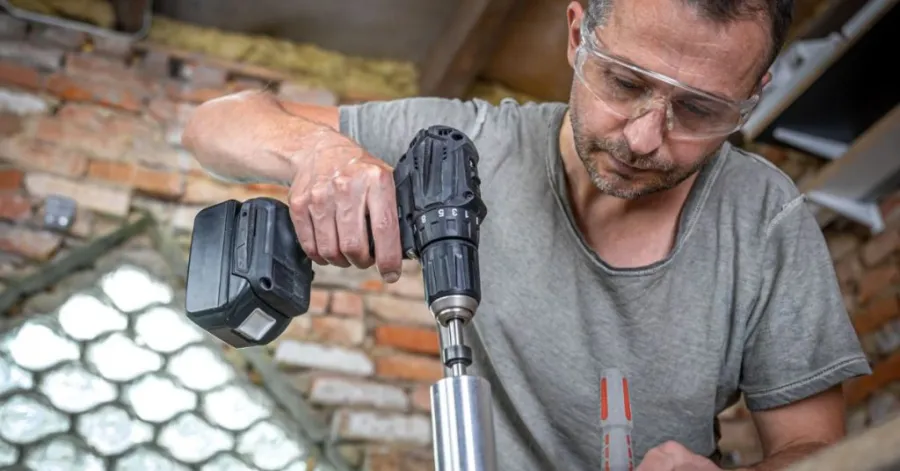
Metalboring kræver præcision, ensartethed og udstyr for at opnå professionelle resultater. Derfor har magnetiske boremaskiner vundet udbredt tillid inden for byggeri, fabrikation, fremstilling og tungt industriarbejde. Hvis du spørger, hvad en magnetisk boremaskine Denne guide vil fortælle dig alt om det i et letforståeligt sprog. Du vil lære, hvordan en magnetboremaskine fungerer, dens vigtigste komponenter og typer, almindelige anvendelser og fordelene ved at bruge en. Artiklen beskriver yderligere magnetboremaskiner med borepresser og forklarer, hvordan du vælger den bedste magnetboremaskine til dine projektbehov, så du kan træffe et informeret købsbeslutning.
Indholdsfortegnelse
Hvad er en magnetisk boremaskine?
Hvis du arbejder med tungmetaller eller stålkonstruktioner, har du måske hørt om magnetiske øvelser. Disse er effektive værktøjer designet til at gøre boring sikrere, hurtigere og mere præcis end de fleste konventionelle boreteknikker. Til at begynde med er det nødvendigt at forstå, hvad en magnetisk boremaskine er, for at vælge det rigtige værktøj til brug i industrielle eller byggeprojekter.
I denne del vil du få indsigt i, hvorfor det kaldes en magnetisk boremaskine, hvordan hovedkomponenterne i dette værktøj interagerer, og hvor det er bredt anvendt i forskellige brancher. Dette vil give dig en forståelse af, hvad en magnetisk boremaskine er, og hvorfor den er blevet et uundværligt værktøj for professionelle.
Anbefalet til dit projekt
Definition af en magnetisk boremaskine?
Magnetboremaskinen, også kendt som en magnetboremaskine eller en magnetisk baseboremaskine, er et bærbart boreværktøj, der bruges til at lave præcise huller i en metaloverflade. Den har en stærk magnetisk base, i modsætning til den normale håndholdte boremaskine, som har et stærkt greb om maskinen på stål eller andre jernholdige metaller. Denne kraftige klemme holder boret på plads under arbejdet, og brugerne kan lave rene og præcise huller med mindre indsats. Anvendelsen af magnetiske boremaskiner i mange industrier skyldes øget sikkerhed, minimering af bevægelse under boring og ensartede resultater. At vide, hvad en magnetisk boremaskine er, kan hjælpe brugerne med at erkende, at det er blandt de mest effektive boreværktøjer, der er egnede til tungmetalboring.
Grundlæggende komponenter i en magnetisk boremaskine
En magnetboremaskine er et boreværktøj, der har en række nøglekomponenter, der samarbejder for at opnå præcis boring. Maskinen er fastgjort til en metaloverflade med en magnetisk base, og elmotoren giver maskinen den nødvendige kraft til at skære gennem stål. Skæreværktøjet, f.eks. en ringformet skærer eller et bor, er fast anbragt i akselen, så det kører jævnt. De fleste magnetboremaskiner har også et fremføringshåndtag til at styre boringen, et kølesystem til at undertrykke varme og sikkerhedsforanstaltninger såsom stropper eller overbelastningsbeskyttelse. Alle elementerne bidrager til forbedringen af ydeevnen, og fordelene ved en magnetboremaskine er indlysende for de professionelle, der kræver præcision og effektivitet.
Industrier hvor magnetiske boremaskiner almindeligvis anvendes
Magnetiske boremaskiner anvendes almindeligvis i industrier, hvor der skal bores stærke og præcise huller i metalkonstruktioner. De bruges af byggefirmaer til at installere stålkonstruktioner og af fabrikationsværksteder til at producere præcise huller i metaldele. De er også udbredte inden for skibsbygning, jernbanereparation, brobygning, olie- og gasprojekter og tunge produktionsanlæg. Vedligeholdelsesteams har normalt bærbare magnetiske boremaskiner som en del af deres reparationsarbejde i utilgængelige områder, hvor brugen af konventionelle boreværktøjer ikke er let. Det er meget lettere at forstå, hvad en magnetisk boremaskine bruges til, når man tænker på, at mange industrier bruger denne allround, pålidelige boreløsning dagligt.
Hvordan fungerer en magnetisk boremaskine?
A magnetisk boremaskine er designet til at bore huller i metal sikkert og hurtigt. Det er ikke en almindelig boremaskine, da den er fastgjort til en stærk magnetisk base, der forbliver fastgjort til en ståloverflade, når skæreværktøjet drejer. Denne type design minimerer bevægelse, forbedrer præcisionen og gør det muligt for brugeren at arbejde på vandrette, lodrette eller overliggende overflader uden tøven. Svaret på spørgsmålet om, hvordan en magnetisk boremaskine fungerer, vil få dig til at forstå, hvorfor dette værktøj er så populært inden for byggeri, fremstilling og tunge industrielle projekter.
Hver komponent i maskinen udfører en bestemt opgave, såsom at holde boret fast og skære pæne huller gennem massivt metal. Afsnittene nedenfor uddyber, hvordan hver komponent bidrager til pålidelig boreydelse.
Sådan holder den magnetiske base boremaskinen fast fastgjort til metal
En af de vigtigste komponenter i en magnetisk boremaskine er den magnetiske base. Den har en stærk elektromagnet, der, når den tændes, producerer et stærkt magnetfelt. Denne kraft gør, at boremaskinen sidder godt fast på stål eller andre jernholdige metaloverflader, og maskinen holdes på plads under brug. For at opnå den højeste holdekraft skal magneten være ren, glat og uden rust, maling, olie eller snavs. Det magnetiske greb kan være stærkt nok til at forhindre glidning og minimere vibrationer, hvilket muliggør sikker og præcis boring. Dette er en af de vigtigste egenskaber ved magnetiske boremaskiner, der gør dem pålidelige i forbindelse med udfordrende metalbearbejdningsopgaver.
Hvordan elmotoren driver skæreværktøjet
Elmotoren leverer det nødvendige drejningsmoment til at dreje skæreværktøjet med den korrekte hastighed. Efter at den magnetiske base holder maskinen, overføres motorkraften til gearkassen og derefter til spindlen, som driver ringfræseren eller borehovedet. De fleste magnetiske boremaskiner har variabel hastighedskontrol, der giver brugeren mulighed for at justere borehastigheden baseret på materialet og fræserstørrelsen. Når der skæres med den rigtige hastighed, forbedres skæreeffektiviteten, varmeudviklingen minimeres, og skæreværktøjets levetid forlænges. Den nemme kraftoverførsel bidrager også til renere huller og giver brugerne større kontrol under boring.
Hvordan den ringformede skærer skaber rene og præcise huller
En ringformet boremaskine er ikke bare som et typisk spiralbor. Den skærer ikke midt i hullet, men snarere langs kanten af hullet. Dette design bruger mindre strøm, genererer mindre varme, og boringen foregår meget hurtigere. En boremaskine afsætter en solid metalkerne, kendt som en slug, når den passerer gennem metallet. Når hullet er færdigt, skubber pilotstiften automatisk slug'en ud. En af de mest effektive skæreteknikker er denne, der skaber rene, præcise huller med minimalt værktøjsslid, hvilket fremhæver en af de stærkeste fordele ved at bruge en magnetisk boremaskine i professionel metalfremstilling og byggeprojekter.
Trin-for-trin-proces til sikker brug af en magnetisk boremaskine
Korrekt brug af en magnetisk boremaskine er ikke kun sikker, men gør den også præcis. Start med at placere boremaskinen på en glat, flad ståloverflade, hvor hullet skal bores. Tænd for den magnetiske base, og sørg for, at maskinen er fastgjort ordentligt, og tænd derefter motoren. Det næste trin er at installere den passende ringformede fræser og sikre, at den sidder godt fast. Tænd motoren, og nedsænk gradvist fræseren i metallet med et jævnt tryk. Fortsæt med at bore, indtil fræseren trænger helt ind i materialet, og slyngen er fjernet. Til sidst skal du slukke for motoren og den magnetiske base, og derefter forsigtigt fjerne boremaskinen. Ved at følge disse trin vil processen med, hvordan en magnetisk boremaskine fungerer, være lettere at forstå, og brugerne vil være i stand til at bruge værktøjet sikkert og effektivt.
Hoveddele af en magnetisk boremaskine
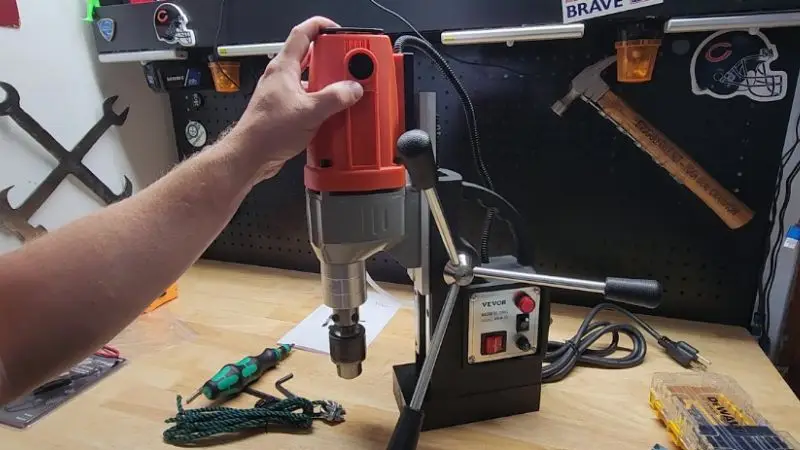
En magnetisk boremaskine består af forskellige vigtige dele, der arbejder sammen for at give sikker, præcis og effektiv boring. Alle disse dele spiller specifikke roller, der bidrager til maskinens jævne bevægelse på en metaloverflade. Kendskab til disse dele forenkler også betjening, vedligeholdelse og fejlfinding af boremaskinen, hvis det skulle blive nødvendigt.
Forudsat at du allerede ved, hvad en magnetboremaskine er, og hvordan den fungerer, er det næste, du skal vide, om dens nøglekomponenter. De følgende afsnit uddyber årsagerne til brugen af hver komponent på en enkel måde, så du er bedre rustet til at forstå, hvordan maskinen leverer pålidelig boreydelse.
Magnetisk base holder boremaskinen sikkert på plads
Den magnetiske base er maskinens base og den egenskab, der adskiller en magnetisk boremaskine fra en almindelig boremaskine. Den har en stærk elektromagnet, der fastgør boremaskinen til stål og andre jernholdige metaloverflader. Denne høje holdekraft opretholder boremaskinens stabilitet under boring, hvilket reducerer bevægelsen og forbedrer nøjagtigheden. Den magnetiske base bruges bedst på rene og flade metaloverflader, der ikke er rustne, malede eller olierede. Sikkerheden forbedres også af et sikkert greb, fordi boremaskinen ikke glider under brug, og derfor kan den bruges til at bore vandret, lodret og over hovedet.
Elmotoren leverer borekraften
Elmotoren producerer kraften til at dreje skæreværktøjet. Den giver en uafbrudt ydeevne, og boremaskinen kan nemt skære gennem forskellige typer metal. Magnetiske boremaskiner kan leveres med motorer med én hastighed eller variabel hastighed, afhængigt af modellen, for at give mere kontrol. Indstilling af den korrekte motorhastighed hjælper med at forbedre skærekvaliteten og minimere varme- og værktøjsslid. Den højtydende motor muliggør også hurtigere boring, og dermed er maskinen mere produktiv i industri-, bygge- og fabrikationsarbejde, hvor præcision og effektivitet er afgørende.
Gearkassen overfører kraft til skæreværktøjet
Gearkassen er forbindelsen mellem elmotoren og spindlen og regulerer den måde, hvorpå kraften overføres til skæreværktøjet. Den ændrer hastigheden og drejningsmomentet, så boret kan bruges effektivt på tværs af forskellige metaltykkelser. Højere drejningsmoment er fordelagtigt ved boring af større huller, hvorimod højere hastigheder er mere effektive ved mindre borehuller. En effektiv gearkasse sikrer en jævn kraftoverførsel, minimerer belastningen på motoren og forbedrer den samlede boreydelse. Dette element hjælper også med at forlænge maskinens levetid ved at sikre, at motoren og skæreværktøjet fungerer under passende forhold.
Arbor holder skæreværktøjet sikkert
Dobben, også kendt som værktøjsholderen, er den sektion, der sikkert rummer den ringformede skærer eller borehovedet under drift. Den holder skæreværktøjet i den korrekte position, hvorved huller bores med præcision og jævnhed. De fleste dobber er designet, så det er nemt at skifte skærer, og de spilder ikke tid på at skifte værktøj. Andre har også en pilotstift, som hjælper med at styre skæreren, kølevæskestrømmen og udstøde metalstykket, når boringen er færdig. En korrekt installeret dobber forbedrer skærepræcisionen og bidrager til de samlede fordele ved en magnetisk boremaskine.
Fremføringshåndtaget styrer borebevægelsen
Fremføringshåndtaget gør det muligt for operatøren at skubbe skæreværktøjet ned og op med kontrolleret tryk. Brugere kan nemt bevæge skæret ind i metallet ved at dreje håndtaget uden megen kraft. Kontrolleret fremføring hjælper med at producere rene huller, minimere vibrationer og reducere unødvendigt slid på skæret. Magnetborene har tre fremføringshåndtag, som nemt kan placeres på de fleste magnetbor. Korrekt brug af fremføringshåndtaget giver operatøren større kontrol og forbedrer borenøjagtigheden og sikkerheden.
Køle- og smøresystem reducerer varme
Køle- og smøresystemet sikrer, at skæreværktøjet ikke overopheder under boring. Friktion genererer varme og kan forringe skæreydelsen og værktøjets levetid, når skæret roterer gennem metallet. Kølevæsken eller skærevæsken ledes til skæreområdet for at køle det, forbedre smøringen og fjerne metalspåner. Denne type system hjælper med at skabe glattere huller, beskytter ringfræseren mod overdreven slitage og forbedrer den samlede boreeffektivitet. Den korrekte køling er især vigtig, når man borer tungt stål eller flere huller i ét projekt.
Sikkerhedskæden giver ekstra beskyttelse under drift
En anden sikkerhedsfunktion er sikkerhedskæden, som giver ekstra beskyttelse ved brug af en magnetisk boremaskine. Den omslutter stålkonstruktionen og fastgøres til boremaskinen, inden arbejdet påbegyndes. Hvis den magnetiske base tabes på grund af strømsvigt eller ubalance i overfladen, vil maskinen ikke vælte takket være sikkerhedskæden. Denne lavteknologiske maskine kan spare operatøren og andre medarbejdere omkring ham/hende risikoen for alvorlige ulykker. Den almindelige sikkerhedspraksis med sikkerhedskæden er at bruge den ved boring på en lodret bjælke eller ved arbejde i høje højder.
Kontrolpanel gør boremaskinen nem at betjene
De kontakter og betjeningselementer, der kræves for at betjene magnetboremaskinen sikkert, er placeret på kontrolpanelet. Det har typisk uafhængige knapper til at tænde eller slukke den magnetiske base og motoren, så operatøren kan placere maskinen og derefter begynde skæreprocessen. Der findes også sofistikerede modeller med hastighedskontrol, overbelastningsbeskyttelse og indikatorlamper til at overvåge maskinens ydeevne. Boremaskinen kan være nemmere at bruge med et veldesignet kontrolpanel, der hjælper med at forhindre betjeningsfejl. Kendskab til disse betjeningselementer gør det muligt for brugerne at arbejde med større sikkerhed og tryghed under forskellige boreforhold.
Typer af magnetiske boremaskiner
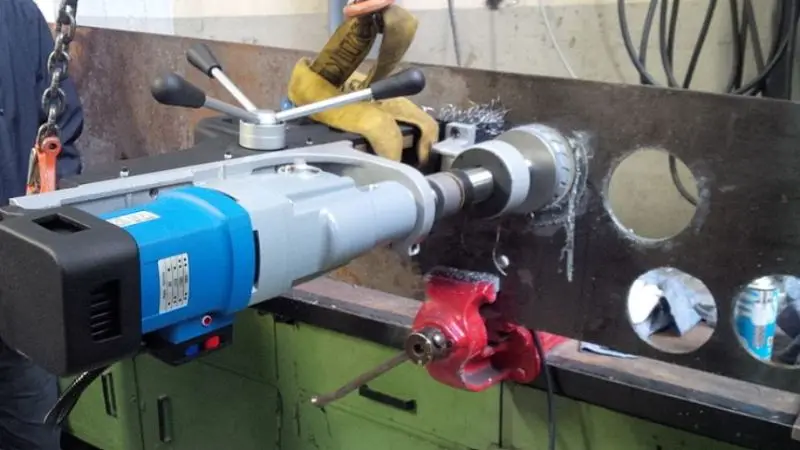
Der findes forskellige typer magnetboremaskiner, der passer til kravene i en række forskellige brancher og arbejdsforhold. Selvom de alle tjener det samme underliggende formål, trækker typerne på forskellige strømkilder og tilbyder forskellige fordele. Den passende model at vælge afhænger af arbejdsstedet, den tilgængelige strøm og den type metal, du skal bore i.
Når man skal lære at vælge den bedste magnetboremaskine, er det vigtigt at være opmærksom på typerne. Afsnittene nedenfor diskuterer de mest populære typer magnetboremaskiner og deres bedste placering.
Elektrisk magnetisk boremaskine til dagligt industriarbejde
Den mest populære type elektrisk magnetisk boremaskine bruges, da den giver ensartet ydeevne over et bredt boreområde. Den kører på en standard strømforsyning og leverer konstant hastighed og borekraft til bygge-, fabrikations- og vedligeholdelsesopgaver. Sådanne boremaskiner fås i forskellige motorstørrelser for at imødekomme både lette og tunge arbejdsbelastninger. De fleste modeller har også variable hastighedsindstillinger for større kontrol ved boring i forskellige materialer. Deres brugervenlighed, gode ydeevne og brede tilgængelighed gør de elektriske magnetiske boremaskiner til et foretrukket valg for professionelle, der kræver den rigtige og effektive boring i deres daglige aktiviteter.
Pneumatisk magnetisk boremaskine til farlige arbejdsmiljøer
En pneumatisk magnetboremaskine er et elektrisk, frit værktøj, der betjenes med trykluft. Den anvendes primært i forbindelse med elektriske gnister, der kan udgøre en sikkerhedsrisiko, herunder olieraffinaderier, kemiske anlæg, gasanlæg og minedrift. Da den ikke er afhængig af elektrisk strøm, minimerer den risikoen for antændelse i farlige områder. Pneumatiske boremaskiner er også kendetegnet ved deres lange levetid og evne til at fungere kontinuerligt i tunge industrielle miljøer. De kræver en luftkompressor, men den er en pålidelig ydeevne og et godt valg i et arbejdsmiljø med høje sikkerhedsstandarder.
Hydraulisk magnetisk boremaskine til krævende applikationer
En hydraulisk magnetboremaskine bruger hydraulisk tryk til at levere borekraft og kan bruges i industrielt arbejde, der kræver høje krav. Disse bor genererer et højt drejningsmoment, og derfor kan de nemt trænge ind i tykt stål og andre hårde materialer. De anvendes normalt i konstruktionen af skibe, broer, jernbanereparationer og i store produktionsanlæg, hvor der er behov for tunge maskiner. Hydrauliske magnetboremaskiner er også effektive i våde forhold, da de ikke kræver brug af elektriske motorer. Deres kraft, stabilitet og pålidelighed er ideelle til kraftig boring, hvor maksimal ydeevne er påkrævet.
Batteridrevet magnetisk boremaskine til bærbar og fleksibel boring
Den batteridrevne magnetboremaskine leveres med et genopladeligt batteri, der giver brugeren mere frihed til at bruge værktøjet uden strømledninger. Denne type er især anvendelig til byggepladser, udendørsprojekter og fjerntliggende steder, hvor stikkontakter ikke er let tilgængelige. Nylige fremskridt inden for batteriteknologi giver tilstrækkelig strøm til det meste borearbejde, samtidig med at den forbliver bærbar. De lette og praktiske batteridrevne modeller er nemme at bære og installere og bidrager til produktiviteten i marken. Bekvemmeligheden ved at bruge en magnetboremaskine kombineret med dens fordele gør den til en levedygtig mulighed for mange professionelle, især til mobil boring.
Wrap Up
En magnetboremaskine er blandt de mest stabile redskaber, der bruges til at bore præcise huller i metal uden at gå på kompromis med sikkerhed og effektivitet. Da du ved, hvad en magnetboremaskine bruges til, og du kender delene i en magnetboremaskine, hvordan den fungerer, og de typer magnetbor, der findes, kan du se, hvorfor dette er et så almindeligt anvendt værktøj i mange brancher. Som amatørfabrikant eller professionel fabrikator er valget af den rigtige model baseret på din arbejdsbyrde, det anvendte materiale og miljøet. At vide, hvordan du vælger den mest passende magnetboremaskine, vil hjælpe dig med at investere i en maskine, der giver dig længere levetid, rent arbejde og øget produktivitet i alle dine boreaktiviteter.
Ofte stillede spørgsmål
Hvad bruges en magnetisk boremaskine til?
En magnetisk boremaskine bruges hovedsageligt til at bore præcise huller i stål og andre jernholdige metaller. Den er meget anvendt inden for byggeri, fremstilling, skibsbygning, jernbanevedligeholdelse og industriel fremstilling.
Hvad er mekanismen til at fastgøre en magnetisk boremaskine til metal?
Boremaskinen bruger en kraftig elektromagnetisk base, der genererer en stærk magnetisk kraft. Dette holder maskinen fast på rene ståloverflader, mens der bores, for at være mere præcis og sikker.
Hvad er forskellen på en magnetisk boremaskine og en borepresse?
En magnetboremaskine er et bærbart værktøj til boring i metaloverflader, hvorimod en borepresse er et fast værktøj, der primært bruges i et værksted.
Er det muligt at anvende en magnetisk boremaskine på ikke-magnetiske metaller?
Nej. Den magnetiske base kræver jernholdige metaller som stål for at have et solidt greb. I tilfælde af aluminium eller rustfrit stål er flere fastspændingssystemer normalt nødvendige.
Hvad er den bedste magnetiske boremaskine?
Tag højde for motoreffekten, borekraften, magnetens holdekraft, hastighedsindstillingerne, bærbarheden og opgavekravene. At vide, hvordan man vælger den optimale magnetboremaskine, vil hjælpe dig med at vælge den rigtige model.