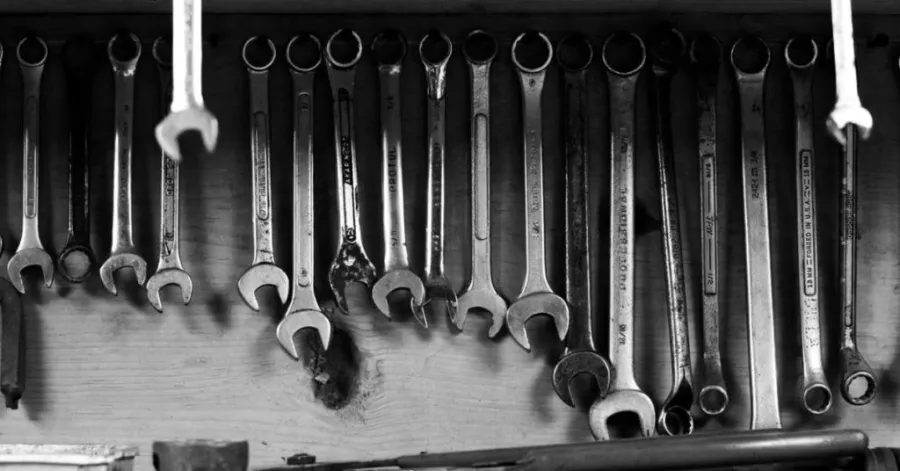
Der findes adskillige topnøgler, du skal bruge til dit projekt og til at reparere ting. De kan strammes og løsnes hurtigt og nemt, hvilket gør møtrikker og bolte nemmere at arbejde med. Hvert værktøj har unikke egenskaber, der gør det muligt at arbejde hurtigere og mere sikkert. Brug af de rigtige topnøgler vil forhindre bolte i at blive beskadiget og spare energi. Forståelse af typerne af topnøgler kan have en betydelig indflydelse på din evne til at udføre dit arbejde uden at ødelægge værktøj eller fastgørelseselementer.
Der findes også forskellige typer nøgler, såsom skralde-, fleksnøgle-, moment- og gennemgående nøgler, der har forskellige fordele. Du kan træffe bedre valg og holde dit værktøj sikkert, når du ved, hvordan de adskiller sig. Du finder information om de mest almindelige typer topnøgler, deres anvendelser, og hvilken der fungerer bedst for dig. Disse oplysninger vil hjælpe dig med at arbejde mere effektivt og sikkert, uanset om du er nybegynder eller ekspert.
Forklarede de vigtigste typer topnøgler og deres anvendelser

Der findes forskellige typer topnøgler, der hver især er beregnet til specifikke arbejds- og/eller arbejdsmiljøer. Skraldenøgler, topnøgler med fleksibelt hoved og topnøgler med fast hoved fås i en række hastigheder. Præcisionsarbejde og brugen af lange bolte er, hvor momentnøgler og gennemgående nøgler kommer i spil. Moment- og gennemgående topnøgler er bedst egnede til præcisionsapplikationer eller til håndtering af lange bolte.
Skraldenøgle
Dette er den mest almindelige type. Den bruges til at dreje en bolt eller møtrik uden at fjerne værktøjet fra møtrikken eller bolten. Denne begyndervenlige topnøgle giver dig mulighed for at arbejde hurtigt. Kun håndtaget bevæges frem og tilbage. Dette sparer tid og kræfter. Med en skraldenøgle er dette ekstra trin ikke nødvendigt. Du skubber blot håndtaget i én retning for at rotere fastgørelseselementet, og skubber det derefter tilbage i den anden retning uden at gribe fat i fastgørelseselementet og skifte position. Denne konstante bevægelse gør det muligt at udføre opgaver meget hurtigere, især når der er mange fastgørelseselementer at håndtere. En skraldenøgle vil gøre dette lettere, da bevægelsen er jævn frem og tilbage. Da mindre ompositionering er nødvendig, oplever dine hænder mindre træthed. Dette vil gøre værktøjet særligt nyttigt til projekter, der kræver fastgørelse af mange bolte eller involverer en lang reparationssession.
Topnøgle med fleksibelt hoved
A bøjehovedfatning En skruenøgle bruges til at komme til bolte i akavede vinkler. Hovedet roterer for at muliggøre arbejde i trange rum. Dette er mere praktisk end en fasthovednøgle. Fleksible topnøgler giver adgang til møtrikker og bolte på svært tilgængelige steder. Under en stor del af reparationsarbejdet kan noget andet komme i vejen for direkte adgang til et fastgørelseselement: dele, ledninger, rør eller andre komponenter. Dette er den bedste topnøgletype til bilreparation. Det kan være svært at placere en fasthovednøgle helt rigtigt. Fleksibletnøglen er løsningen på dette problem, fordi den kan bøjes for at passe til den ønskede vinkel. Dette vil hjælpe dig med at få adgang til plads bag forhindringer uden at forskyde omgivende komponenter. Hvis der ikke er et fleksibelt hoveddesign, skal du muligvis bruge ekstra tid på at finde den korrekte vinkel, gøre plads til at nå et fastgørelseselement eller skille dele ad for at gøre det muligt.
Topnøgle med fast hoved
En topnøgle med fast hoved er en topnøgle, hvis hoved ikke roterer. Dette værktøj giver en kraftfuld og pålidelig kraft. Topnøgletyper til mekanikere med masser af plads til at bevæge håndtaget. I tilfælde, hvor møtrikker og bolte er svære at dreje, skal brugerne anvende betydelig kraft for at stramme eller løsne dem. Designet med fast hoved giver direkte kraftoverførsel fra håndtaget til topstykket uden bevægelige dele. Dette hjælper med at generere mere drejningsmoment og minimere energitab, hvilket gør det muligt at dreje vanskelige fastgørelseselementer med lethed. Topnøglen med fast hoved forbliver låst på plads under brug. Hovedet drejer ikke eller ændrer position, hvilket giver brugeren mulighed for at opretholde en stabil kontakt med fastgørelseselementet. Dette er især fordelagtigt, når man har med stramme bolte at gøre, der kræver præcis kraftpåføring. Det slingrefri design sikrer, at nøglen er stabil og pålidelig under drift, hvilket fremmer sikkerhed og effektivitet.
Topnøgle med T-greb
Topnøgle med håndtag bruges til hastighed og kontrol. T-formen giver et godt greb. Dette er et godt værktøj til let arbejde og korte opgaver. Det vandrette håndtag giver brugeren mulighed for at holde værktøjet i 1 eller 2 hænder, hvilket giver større kontrol under drift. T-håndtagsdesignet gør det muligt for brugerne at drive mere effektivt med mindre anstrengelse. Håndtaget er placeret i begge retninger af skaftet, hvilket giver ekstra gearing. Dette betyder mindre stramning eller løsning af fastgørelseselementer og bolte end det ville kræve for et værktøj med mindre håndtag. Øget gearing kræver mindre fysisk anstrengelse og gør mange opgaver hurtigere og lettere at udføre. Denne type topnøgle og dens anvendelse er især fordelagtig til fastgørelseselementer, der kræver adskillige omdrejninger. Brugere kan nemt dreje håndtaget for at indsætte eller fjerne en bolt, når den er løsnet.
Topnøgle med hurtighåndtag
En topnøgle med hurtighåndtag ligner et håndsving. Enheden drejer håndtaget for hurtigt at dreje fastgørelseselementer. Brug dette værktøj til nemt at løsne eller stramme bolte. Hvad er de forskellige typer topnøgler? Et almindeligt problem ved at bruge en almindelig nøgle er, at du kun drejer en halv omgang ad gangen og derefter er nødt til at bevæge din hånd. Dette kan forsinke opgaverne, især med lange bolte eller mange fastgørelseselementer. Et hurtighåndtag er tilgængeligt for at muliggøre kontinuerlig rotation af topnøglen. Det gør det muligt at afslutte arbejdet hurtigere. Denne funktion er især nyttig for mekanikere, vedligeholdelsesfolk og gør-det-selv-folk, der ofte arbejder med møtrikker og bolte. Topnøglen er også nyttig til hurtighåndtaget og hjælper med at fremskynde processen med løse fastgørelseselementer. Brug et hurtighåndtag til at fjerne mange bolte.
Momentnøgle med topnøgletilbehør
En momentnøgle bruges, når du skal anvende en specifik mængde moment. Dette værktøj hjælper dig med at forhindre over- eller underspænding af bolte. Denne type topnøgle er nyttig for mekanikere, der arbejder på motorer. Bolte og møtrikker skal ofte spændes til bestemte værdier i mange projekter. En løs bolt kan miste sit greb over tid, hvilket udgør en sikkerhedsrisiko. Den kan løsne gevind, revne dele eller forårsage slid på dele for tidligt, hvis den er for stram. Momentnøglen anvender den rette mængde kraft på møtrikken eller bolten, hvilket reducerer risikoen for fejl og hjælper med at garantere en sikker pasform. Brug af en momentnøgle kan gøre udstyr og køretøjer mere sikre at betjene og give brugeren dette præcisionsniveau. Hvis en person ved, at fastgørelseselementer er korrekt fastgjort, vil de føle sig trygge og i fred.
Gennemgående topnøgle
En gennemgående topnøgle giver dig mulighed for at arbejde med lange bolte eller gevindstænger. Topnøglen har et hul i midten. Du kan skubbe værktøjet over bolten og dreje den uden at stoppe. Med en standard topnøgle begrænser topnøgledybden, hvor meget af bolten der kan være indeni. Hvis bolten er længere end topnøglen, fungerer værktøjet muligvis ikke korrekt. En gennemgående topnøgle eliminerer dette problem ved at lade boltens gevinddel strække sig gennem midten af topnøglen og nøglen. Du bør lære om disse topnøgletyper som nybegynder. At kende de rigtige topnøgletyper hjælper dig med at vælge det bedste værktøj til dit projekt.
Forklaring af typer af topnøgledrev: Valg af den rigtige pasform
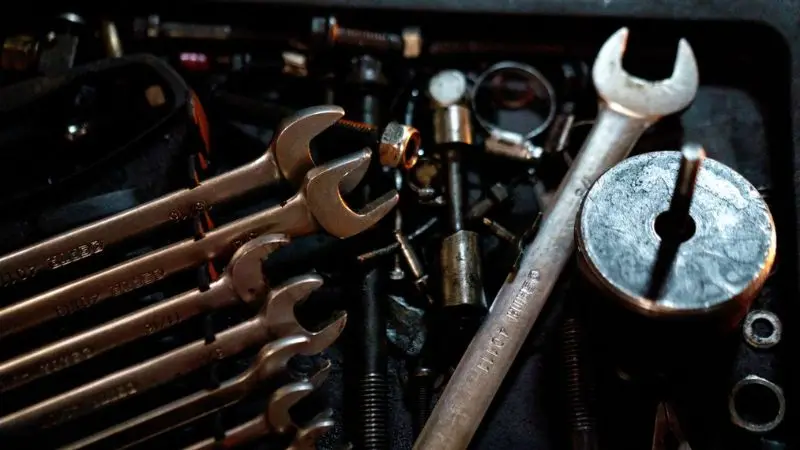
Størrelsen på topnøgledrevene bestemmer styrken, kontrollen og anvendelsen af dine værktøjer. Mindre drev, såsom 1/4-tommer og 1/2-tommer, er bedst til lette opgaver, mens større drev (3/4-tommer og større) leverer kraft til tunge opgaver. Valg af den rigtige drevstørrelse vil skåne fastgørelseselementer, øge effektiviteten og resultere i en sikrere og mere effektiv ydeevne i ethvert projekt. I denne guide kan du nemt finde ud af, hvor mange typer topnøgler der findes.
Topnøgler med 1/4-tommer fatning
Brug en 1/4″ topnøgle til små fastgørelseselementer. Disse er mindre værktøjer, der passer i små områder. De bruges ofte i elektronik, cykler eller små motorer. Til denne størrelse er unbrako-topnøgler meget lette og nemme at håndtere. Når du arbejder med skrøbelige komponenter, opnår du god kontrol. 1/4″ topnøglen giver også forbedret kontrol og præcision. Den er designet til lavt til gennemsnitligt drejningsmoment og kan bruges til at foretage små justeringer med større nøjagtighed. Denne kontrol er nødvendig, når man arbejder med sarte dele, hvor enhver fejl kan beskadige dem. Fra at skrue en skrue i en gadget til at samle en lille mekanisk komponent, kan værktøjet hjælpe med at garantere nøjagtighed.
Topnøgler med 3/8-tommer fatning
De fleste værksteder har topnøgler med 3/8 tommer indfatning. Denne størrelse giver en god balance mellem styrke og er den bedste type topnøgle til bilreparationer. Disse kan bruges til de fleste bilreparationer og hjemmeprojekter, der kræver en unbrako-topnøgle. Den kan bruges til at arbejde på biler, reparere husholdningsapparater og udføre andre generelle gør-det-selv-projekter. Mange andre fastgørelseselementer kræver mellemstørrelsen, hvilket sparer brugeren besværet med at skifte værktøj til mellemstore opgaver. Denne kvalitet gør den til en brugbar mulighed for både nye og erfarne brugere, der ønsker et enkelt værktøj, de kan bruge regelmæssigt. Mange vælger denne størrelse, da den passer til de fleste topnøgler.
Topnøgler med 1/2-tommer fatning
Til større bolte og møtrikker skal du bruge topnøgler med 1/2″ indfatning. Disse værktøjer giver dig ekstra kraft. Du arbejder ofte med dem ved hjælp af unbrakonøgler på biler, lastbiler og tunge maskiner. Denne indfatningsstørrelse vil hjælpe dig med at løsne en fastsiddende fastgørelsesanordning, og mekanikere bruger denne type topnøgleStørre fastgørelseselementer, som dem der findes i lastbiler, SUV'er og erhvervskøretøjer, er stærkere og vanskeligere at stramme. Topnøglen med 1/2″-drev er lavet specielt til disse typer situationer. Den giver brugerne den kraft, de har brug for til at servicere hjulmøtrikker, affjedringskomponenter, motorkomponenter og andre tunge mekaniske systemer. Værktøjet giver også bedre holdbarhed og styrke. Det er typisk fremstillet af holdbare materialer af høj kvalitet for at modstå gentagen, kraftig brug, hvilket er afgørende for opgaver, der kræver betydelig indsats.
Topnøgler med 3/4 tommer og større drev
Til meget store bolte skal du bruge topnøgler med 3/4 tommer eller større. Disse er robuste og tunge værktøjer. De bruges på industrimaskiner eller store køretøjer. Disse er topnøgler med unbrako-topstykker, der kan modstå et højt drejningsmoment. Fordelen ved en topnøgle med 3/4 tommer eller større er, at den leverer et enormt drejningsmoment. Disse er designet til at modstå højere drejekræfter end de mindre topnøglestørrelser. Dette er afgørende for store fastgørelseselementer, der spændes med betydelig kraft. Denne indsats ville belaste, hvis ikke ødelægge, mindre værktøjer, men en topnøgle med stort fatningsmoment vil nemt klare jobbet. Brug det korrekte fatningsmoment til opgaven. Den forkerte størrelse kan ødelægge dine unbrako-topstykker eller fastgørelseselementet.
Sådan vælger du den rigtige drevstørrelse
Vælg den passende størrelse topnøgle for at bevare topnøglernes og unbrakoernes gode stand. Denne mulighed gør det muligt at arbejde hurtigere og mere sikkert. Hvis du er bekendt med de forskellige typer topnøgler og deres anvendelser, ved du, at du kan tackle ethvert projekt med selvtillid. Ved hjælp af denne vejledning kan du beslutte dig for at vælge et passende topnøglesystem.
- 1/4-tommers drevstørrelse: Velegnet til små opgaver, som elektronik, cykler og fine reparationer.
- 3/8″ Drevstørrelse: Fantastisk til vedligeholdelse af dine køretøjer, reparationer i hjemmet og generelt gør-det-selv-arbejde.
- 1/2″ tommer drevstørrelse: Fantastisk til større opgaver såsom tunge fastgørelseselementer, lastbiler og SUV'er, der kræver mere moment.
- 3/4″ drevstørrelse og større: Til tunge industrielle, bygge- og professionelle applikationer.
Typer af topnøgletopper til enhver anvendelse
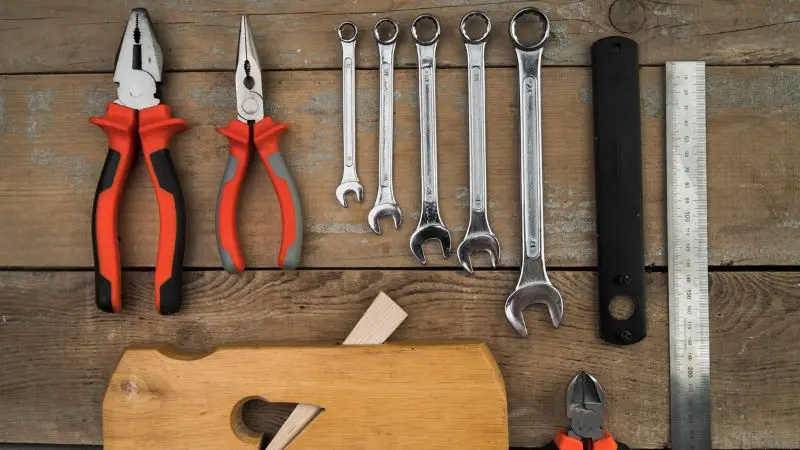
Der findes forskellige typer topnøgler, der hver især er nødvendige til forskellige opgaver og arbejdsforhold. Hver af standard-, dybe-, slag-, universalled- og tændrørstoptyperne tilbyder sine egne fordele for at forbedre adgang, holdbarhed og ydeevne. Kendskab til disse topnøgletyper kan hjælpe dig med at vælge det rigtige værktøj til hver anvendelse, hvilket gør reparationer sikrere, nemmere og mere effektive.
Standard (lavvandede) stikkontakter
Standardtoppe er også kendt som lavvandede toppe, fordi de passer til de fleste bolte og møtrikker. Disse toppe er effektive til fastgørelseselementer, der er tæt på overfladen. En almindelig type topnøgle er standardtopnøglen, så den er inkluderet i de fleste sæt. Hvor mange typer topnøgler findes der? De er nogle gange lettere at klikke på en fastgørelseselement og tage af efter brug end standardtoppe. Dette giver brugeren mulighed for at udføre gentagne opgaver meget hurtigere, især i værksteder eller arbejdsmiljøer, såsom bilreparation, maskinbygning eller vedligeholdelse af hjemmet. Denne hastighedsfordel kan være meget nyttig, når man monterer eller fjerner adskillige bolte efter hinanden. Hold dig til standardtoppe til hurtige reparationer og enkle opgaver. Standardtoppe er også mere stabile og kontrollerede i mange scenarier. De er også kortere og føles derfor mere solide og direkte, når de rammes, rammes igen eller skubbes.
Dybe sokler
Dybe toppe bruges til at fjerne bolte, der er placeret under overfladen. Dybe toppe bruges til ekstra længde. Disse toppe bruges til at fjerne møtrikker fra lange bolte. Dybe toppe er blandt de fineste typer toppe til bilreparation. En af de største fordele er dens alsidighed til forskellige projekter. Brug af dybe toppe til vedligeholdelse af køretøjer er ikke den eneste anvendelse; det samme gælder for reparationer i hjemmet, vedligeholdelse af maskiner, VVS og møbelmontering. Dybe stikkontakter giver en praktisk løsning, når der er behov for lange, dybe bolte eller forsænkede fastgørelseselementer. De er gode at have i enhver topnøglesamling. Når man har med rustne eller stramt monterede bolte at gøre, er et sikkert greb særligt vigtigt.
Slagstik
Slagtoppe kan håndtere store kræfter. Du bruger dem med elværktøj såsom slagnøgler. Toppene er robuste og har tykke vægge. Revner og brud forårsaget af slagtoppe undgås. Hvad er de forskellige typer topnøgler? Du finder slagtoppe blandt de forskellige topnøgletyper til krævende applikationer. Disse toppe er lavet af robust materiale og kan håndtere høje strømstød og drejningsmoment. Den kraft, et elværktøj udøver, påføres objektet i hurtige, intense impulser. Slagtoppe kan dog modstå og absorbere sådan en belastning, hvorimod almindelige toppe revner eller knækker. Dette er især nyttigt til rustne, fastsiddende og overspændte fastgørelseselementer.
Universalkoblingsmuffer
Universalledtoppe bøjer og vrider sig. De bruges til at få adgang til bolte i akavede vinkler. Topnøglerne i disse gør det nemt at arbejde i trange områder. En topnøgle med fleksible topnøgler er en af de bedste typer, da den giver større fleksibilitet. Fjernelse eller adskillelse af andre værktøjer reduceres også med universalledtoppe. Hvis det ikke var der, skulle brugeren muligvis brække de omkringliggende komponenter ud for at få adgang til en enkelt bolt. Dette kan være meget tidskrævende og arbejdskrævende. En universalledtoppe giver brugeren nem adgang til fastgørelseselementet, hvilket sparer tid og undgår ekstra indsats. Leddet fungerer i flere forskellige planer, hvilket gør det muligt for brugerne at justere vinklen, mens de arbejder. Dette kan være særligt nyttigt, hvis du ikke kan se præcis, hvor en bolt er placeret, eller hvis du har brug for at arbejde ved at føle på et skjult område.
Tændrørsstik
Tændrørstoppe bruges i motorer til at passe til tændrørene. De bruges til reparation af biler og plæneklippere. Disse typer toppe har en gummiindsats for at beskytte tændrøret. Et almindeligt eksempel på en motortop er en tændrørstop. Det er vigtigt at vide, hvilke typer topnøgler og toppe der findes. Med denne viden kan du træffe de rigtige produktvalg for at udføre opgaverne. Tændrøret holdes sikkert på plads af tændrørstoppen under afmontering og isætning. Dette minimerer risikoen for at tabe tændrøret inde i motorområdet, hvilket kan være svært og tidskrævende at få fat i. Det er muligvis ikke muligt at nå disse områder med en standardtop. Tændrørstoppe har større dybde og en smallere diameter, der passer ind i et motorrum og gør det muligt at isætte tændrøret uden problemer.
Sådan vælger du den rigtige type topnøgle til jobbet
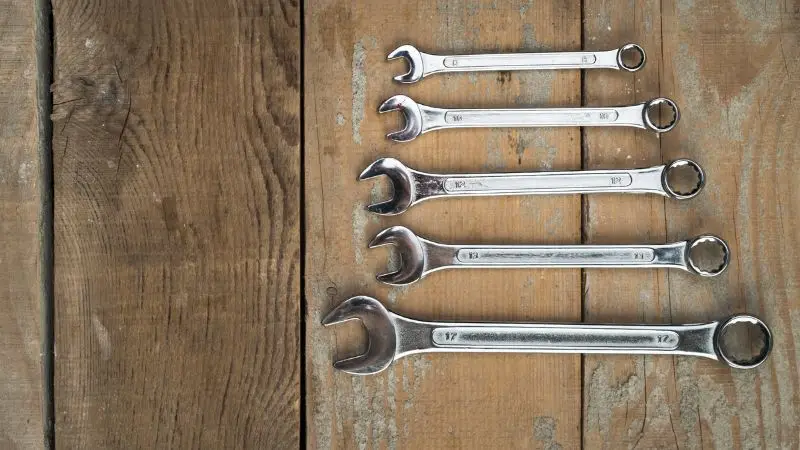
Valget af topnøgletype afhænger af anvendelsen, størrelsen på skruetrækkeren, adgangen til arbejdsområdet og kvaliteten. Når du bruger en topnøgle, er det vigtigt at matche opgaven til nøglen for at maksimere effektiviteten, beskytte fastgørelseselementer og forhindre skader. Når du kender disse faktorer, vil du være i stand til at vælge den bedste topnøgle og udføre projekter mere sikkert og effektivt.
Overvej ansøgningen
Overvej først, hvad du skal arbejde med. Værktøjet skal passe til opgaven. Når det kommer til bilreparation, kan du have brug for de bedste topnøgler til bilreparation for at håndtere genstridige bolte. Hvis det er en elektronikapplikation, skal du bruge mindre værktøjer. Der kræves forskellige tilgange til forskellige opgaver. Korrekt brug af en topnøgle til den aktuelle opgave vil hjælpe dig med at undgå fejl. Funktionen forbedrer også kvaliteten og nøjagtigheden af det producerede arbejde. Hvis den rigtige topnøgle bruges til det rigtige job, vil den være mere præcis og sikker. Dette er især afgørende i opgaver som bilreparation, vedligeholdelse af udstyr og byggeri, hvor korrekt tilspænding er afgørende for sikkerhed og effektivitet. Det rigtige værktøj gør det nemt at undgå over- eller underspændte bolte.
Evaluer krav til drevstørrelse
Drevstørrelsen er vigtig. Små drevstørrelser til trange pladsforhold og små dele. Større drevstørrelser giver ekstra kraft. Vælg de rigtige drev til dit projekt. En forklaring af topnøgletyper vil hjælpe dig med at holde dine værktøjer og fastgørelseselementer sikre med dette valg. Hvis brugeren vælger den forkerte størrelse drev, kan det bøje, glide eller endda knække under brug. Dette kan resultere i personskade eller beskadigelse af udstyret.
1/4-tommers drevstørrelse: Bedst brugt til små enheder og lette opgaver.
3/8″ Drevstørrelse: Perfekt til regelmæssig brug og vedligeholdelse i husholdningen.
1/2″ Drevstørrelse: Til biler og lastbiler.
Drevstørrelse 3/4″: Til tunge industrielle applikationer.
Tænk over tilgængelighed og begrænsninger på arbejdspladsen
Inspicer arbejdsområdet før arbejde. Fleksible værktøjer er nødvendige i trange rum. Topnøgler med fleksibelt hoved eller universalkobling giver dig adgang til svært tilgængelige bolte. Et værktøj med fast hoved er velegnet, hvis du har masser af plads. Det er bedre at vælge de rigtige typer topnøgler som nybegynder. Denne funktion giver lettere adgang til svært tilgængelige områder. Normalt installeres bolte og møtrikker ikke i et åbent område under brug. De kan være skjult i maskiner, under biler, bag paneler eller dybt inde i udstyr. Brugere kan vælge et utilgængeligt værktøj, hvis de ikke tager hensyn til tilgængeligheden. Før en opgave påbegyndes, er det afgørende at teste, hvordan man bruger en topnøgle i arbejdsområdet.
Vælg baseret på momentkrav
Nogle opgaver kræver ekstra styrke. En topnøgle er nødvendig for at tunge bolte kan have et højt moment. Der kræves mindre kraft til lette opgaver. Der er ingen skade, hvis det rigtige værktøj anvendes – beskyttelse af værktøj og fastgørelseselement. Den samme funktion kan også forbedre effektiviteten ved arbejde i trange rum. I bilreparationsindustrien har motorområder for eksempel en tendens til at være ret rodede med slanger, ledninger, metalkomponenter osv. I disse situationer kan en konventionel stikkontakt En skruenøgle passer muligvis ikke. Brugeren kan vælge en universalkoblings-topnøgle eller en tynd skralde, der kan passe rundt om forhindringer, når pladsen er begrænset. Dette gør arbejdet hurtigere og nemmere at kontrollere. Design med fokus på tilgængelighed kan nogle gange gøre det muligt for en bruger at finde et værktøj, der kan få adgang til fastgørelseselementet uden yderligere trin, hvilket gør arbejdet lettere.
Overvej byggekvalitet og holdbarhed
Tjek for robuste materialer. Kromvanadiumstålpladen er mere holdbar. Brud forårsages af dårlig byggekvalitet. Med tiden vil holdbare topnøgler spare dig penge – takket være deres bedre ydeevne og levetid. Du udfører opgaver hurtigere og mere sikkert, når du ved, hvordan du bruger en topnøgle og identificerer, hvilke typer topnøgler der bruges til hvilke opgaver. Træf informerede beslutninger for alle projekter. Du er blevet introduceret til de mest almindelige typer topnøgler og toppe. Der er flere anvendelser til hvert værktøj. Brug af det rigtige værktøj til jobbet vil sikre din sikkerhed og hjælpe dig med at få arbejdet hurtigt udført.
- Tjek din værktøjskasse og hvad du har brug for.
- Vedligehold eller moderniser udstyr for at øge effektiviteten.
Få ekspert- eller erfaren gør-det-selv-rådgivning. Man kan altid få mere og blive bedre.
Wrap Up
Der findes en række forskellige topnøgler, der hver især bruges til et specifikt formål. Der findes forskellige typer nøgler til mekaniske og gør-det-selv-opgaver, hver med sin egen anvendelse. Hver nøgle tjener et specifikt formål inden for mekanisk og gør-det-selv-arbejde, lige fra skralde- og fleksnøgler til moment- og gennemgående nøgler. At kende forskellene kan hjælpe dig med at vælge den rigtige nøgle til den rigtige opgave. Drevstørrelser er også vigtige, da de dikterer mængden af kraft og kontrol, du har. Hvor mange typer topnøgler findes der? Der findes forskellige typer topnøgler, herunder dybe, slag- og universaltopnøgler, der åbner op for muligheder i trange og udfordrende situationer. Kort sagt er det en fordel for både nybegyndere og professionelle brugere at forstå de forskellige typer topnøgler, da det gør dem i stand til at arbejde med større præcision og selvtillid.
Ofte stillede spørgsmål
Hvad er forskellen på en skralde- og en topnøgle med fast hoved?
En skraldenøgle er en nøgle, der gør det muligt at dreje bolte uden at løfte nøglen. Håndtaget skubbes og trækkes. En nøgle med et fast hoved forbliver stabil. Den skal tages af og nulstilles efter hver omgang.
Kan man bruge slagtoppe på en almindelig skralde?
Ja, du kan bruge slagtoppe med en almindelig skralde. Slagtoppe har tykkere vægge. Disse kan modstå større stød. Yderligere styrke er tilgængelig, men værktøjet kan føles tungere.
Hvordan ved du hvilken drevstørrelse du skal bruge?
Kontroller størrelsen på bolten eller møtrikken. 1/4-tommer-tilslutningen bruges til små bolte. Mellemstore bolte kræver en 3/8″-tilslutning. En 1/2″ eller større tilslutning er nødvendig til store bolte.
Hvorfor er der en gummiprop i tændrørsfatningen?
Tændrørsfatninger har gummiindlæg, der beskytter tændrøret. Indlægget holder tændrøret på plads. Der opstår ingen revner eller afskalning under montering eller afmontering.