Hvis du følger de rigtige trin til at skære en betonplade, vil det være nemmere. Tag sikkerhedsforanstaltninger, og indstil din arbejdsplads, før du begynder. Det er meget vigtigt at få den rigtige timing, når du skærer en betonplade; ellers kan der opstå uønskede revner, hvis den skæres for tidligt eller for sent. Brug enten en håndsav eller en håndholdt sav Til skæring af en betonplade; en diamantklinge giver de bedste resultater. Snit i en betonplade afhænger også af dybden og afstanden mellem snittene, da disse hjælper med at forhindre revner og sikre lige linjer ved savning. Savningsprocessen i betonplader er den mest effektive måde at skære en betonplade på, når du overholder sikkerhedsforanstaltningerne og omhyggeligt planlægger hvert trin.
Denne guide vil hjælpe dig med at forstå betydningen af savskæring, forskellige måder at skære på, det nødvendige udstyr og den trinvise fremgangsmåde til at udføre arbejdet sikkert og effektivt. Hvis du lige er startet eller arbejder med din første betonkonstruktion, vil disse tips hjælpe dig med at få dit projekt til at se godt ud.
Indholdsfortegnelse
Hvorfor er det vigtigt at save en betonplade?
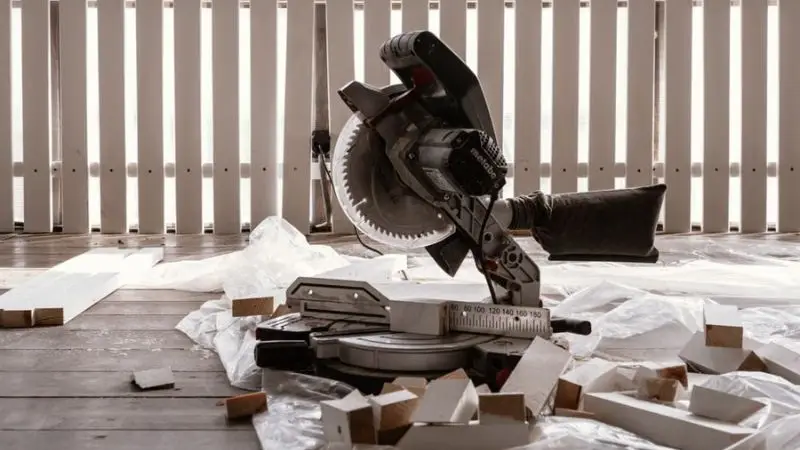
Forebygger revner i beton
Du vil gerne have, at din betonplade holder i mange år. Hvis du skærer i beton på det rigtige tidspunkt, kan du være med til at kontrollere revnens placering. Når beton skæres, vil samlingerne dirigere revnen i lige linjer. Dette vil hjælpe med at bevare din plades styrke og udseende. Hvis du ikke gør dette, vil bivirkningerne være revner, der kan opstå tilfældige steder, hvilket reducerer kvaliteten af dit projekt. Tag altid sikkerhedsforanstaltninger, før du skærer i betonplader, for at sikre sikkerheden og bevare arbejdet. Savning af ekspansionsfuger i en betonplade, med snit lavet for at efterlade et defineret mellemrum, hvor revner kan opstå. Betonen brækker ikke i tilfældige retninger; den følger snarere snittenes linjer. Dette sikrer, at revner forbliver pæne, kontrollerede og langt mindre synlige. Som et resultat forbliver pladen mere kraftfuld og mere professionel. Det er især nyttigt på store betonoverflader, såsom indkørsler, fortove, terrasser, garagegulve, lagergulve og meget mere.
Anbefalet til dit projekt
Skaber rene og lige snit
Rene linjer er nødvendige for et rent udseende. Du kan få præcise snit efter at have savet beton med det rigtige værktøj. Disse snit vil se professionelle ud og gøre din plade mere brugervenlig. Med de rigtige forholdsregler vil du ikke stå tilbage med ujævne kanter og klumpede overflader. Hvornår skal man save en betonplade? En lige savet betonlinje er også nyttig, hvis du overvejer at tilføje nye sektioner i fremtiden eller forbinde to plader. Ved at bruge den rigtige betonsav og en diamantklinge af høj kvalitet kan du lave snit langs en markeret linje med meget større præcision. Saven skærer glat og lige i stedet for ru eller ujævne kanter. Denne nøjagtighed er især kritisk for projekter, hvor betonen skal klæbe til eksisterende strukturer eller binde til nye sektioner. Brug kridt til at markere en skærelinje før skæring. Dette vil hjælpe dig med at holde dig på sporet og høste maksimalt udbytte.
Gør fjernelse af beton lettere
Nogle gange er det nødvendigt at skære en sektion fra en plade. Betonskæring er en måde at skære betonplader op i mindre stykker. Dette gør det meget nemmere at fjerne gammel beton, når man bruger løfte-og-transport-metoden. Ved at skære betonen i sektioner sparer du tid og energi. For at undgå skader skal du bruge sikkerhedsudstyr og følge forholdsreglerne under denne proces. Når du forsøger at skære en hel betonplade uden savsnit, er det sandsynligt, at betonen brister i flere retninger. Store stykker kan være svære at samle op, flytte og bortskaffe. Tunge nedrivningsværktøjer kan bruges til at arbejde ekstra timer blot for at skære pladen i mindre stykker. Dette øger arbejdsbyrden, genererer mere støv og gør arbejdet betydeligt mere anstrengende.
Forbedrer sikkerheden på arbejdspladsen
Det rette og bedste tidspunkt at save beton på holder alles sikkerhed oppe. Der er mindre fare for flyvende fragmenter og skarpe genstande. Du kan beskytte dine øjne, hænder og lunger mod støv og spåner ved at tage alle nødvendige forholdsregler. Et rent arbejdsområde reducerer også snublefare. Du bør altid kontrollere dit værktøj og bære det passende sikkerhedsudstyr, før du saver betonplader.
Husk:
-
- Brug handsker, beskyttelsesbriller, maske og beskyttelsesbriller.
-
- Hold et rent arbejdsområde.
-
- Skynd dig ikke med arbejdet, tag dig god tid, og følg hvert trin.
Forskellige metoder til at skære betonplader
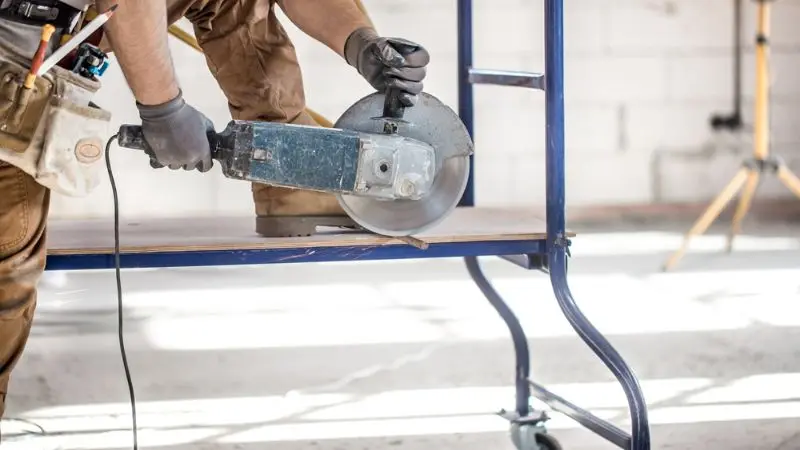
Der findes forskellige måder at skære betonplader på, som hver især er egnet til forskellige projektkrav og -forhold. Støv kan minimeres, og snittene er glatte, når de skæres vådt; når vand ikke er tilgængeligt, er tør savning ideel. Tidlig start savskæring bruges til at forhindre revner i frisk beton, og diamantklinge-savskæring bruges til at give præcise, langvarige snit i hård beton. Den rigtige metode forbedrer skæreeffektiviteten, sikkerheden og projektkvaliteten.
Vådsavskæring
Vand bruges til at skære i klingen, hvilket reducerer støv i en proces kaldet vådsavskæring. En vådsav kan hjælpe dig med at lave renere og sikrere snit og dermed undgå at skade dit helbred. Klingen overopheder ikke, fordi der er vand til stede. Denne metode er velegnet til store opgaver. Du indånder ikke skadeligt støv. Glattere kanter opnås også, når du skærer i beton. Hvor dybt skal du skære en betonplade? En fordel ved vådsavskæring er, at det reducerer støv betydeligt. En betydelig mængde fint støv kan genereres under tørbetonskæring og spredes i hele arbejdsområdet. Dette støv kan gøre det svært at se skærelinjen og kan forårsage ubehag ved vejrtrækning. Vådsavskæringsprocessen bruger vand til at opfange det meste støv, før det bliver luftbårent. Arbejdsområdet forbliver renere, og der er mindre støv omkring nærliggende mennesker, udstyr og bygninger.
Tør savskæring
Savskæringsmetoden, der ikke kræver vand, er tør savskæring. Du er afhængig af savens kraft og kvalitet. Denne metode bruges til små job eller områder, hvor der ikke er vand tilgængeligt. Der kan være støv i luften, så det er nødvendigt at bære en maske. Der skal være pauser, så klingen kan køle af. Tør savskæring giver fleksibilitet i trange områder. Hvordan saver man en betonplade med en sav? I områder, hvor vand kan være et problem, er tør savskæring også et levedygtigt alternativ. I en bygning, et lager, en fabrik eller en garage kan vand f.eks. udgøre en trussel mod gulvet, elektrisk udstyr eller omgivende materialer. Tør skæring eliminerer stående vand i arbejdsområdet, hvilket letter arbejdet i tørre miljøer. Savskæringsfunktionen er en tør skæremetode, der er hurtig, bekvem og pålidelig til skæring af betonplader.
Tidlig savskæring
Tidlig savskæring er det udtryk, der bruges til at beskrive skæring af beton tidligt efter den er blevet støbt. En speciel sav til brug med et specielt blad. Denne teknik kan hjælpe med at forhindre revner. Arbejdet kan udføres hurtigt. Tidlig savskæring er mest effektiv til at undgå tilfældige revner. Tilfældige revner kan undgås ved at bruge det bedste tidspunkt at save beton på – trykket fra ny beton, der krymper, når den tørrer og hærder, forårsager revner. Når ny beton tørrer og hærder, krymper den naturligt og forårsager dermed revner. Denne sammentrækning lægger pres på pladen, og hvis der ikke er planlagte kontrolfuger, kan der dannes revner i områder, som ingeniøren ikke havde forudset. Disse samlinger dannes ved tidlig savskæring. I den efterfølgende hærdningsperiode sker enhver naturlig bevægelse langs skærelinjerne snarere end på tværs af pladens overflade.
Diamantklinge savskæring
Diamantklingesavskæring er en metode, der anvender klinger med diamantspidser. Præcise snit og holdbarhed. Dette er en god metode til vanskelige betonpladerDiamanter kan bruges på vådsave eller tørsave. Diamantklingeskæring er den bedste mulighed for et professionelt projekt. Ved at forstå hver skæremetode kan du forbedre dine skærefærdigheder. Når det kommer til at skære i beton, kan du træffe bedre valg og opnå renere resultater.
-
- Vådsavskæring: Ideel til store opgaver. Minimerer støvudledning og sikrer glatte, rene snit.
-
- Tør savskæring: Bedst egnet til små emner. Den er ikke vandkrævende og fleksibel.
-
- Tidlig savskæring: Ideel til frisk beton. Tidlige kontrolfuger hjælper med at kontrollere revner.
-
- Diamantklinge savskæring: Bedst til hård beton. Den tilbyder præcise snit og en lang levetid på klingerne.
Valg af den rigtige betonsav og sikkerhedsudstyr
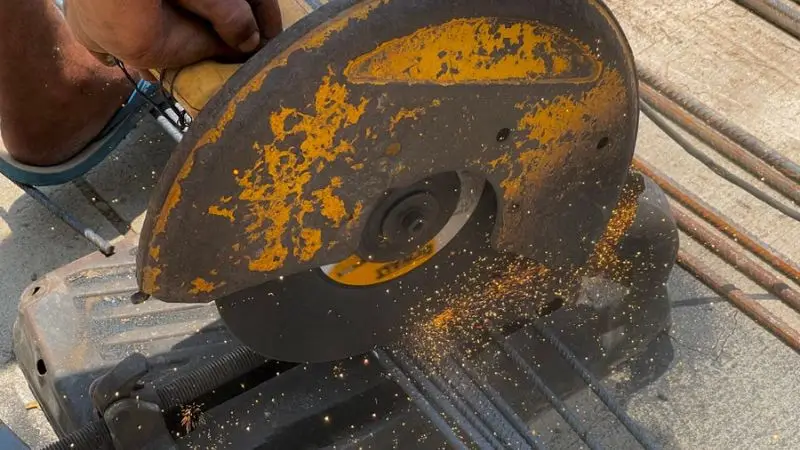
Disse værktøjer, betonsave og sikkerhedsudstyr, er vigtige for at sikre sikker og effektiv skæring. Savene er håndholdte, håndholdte og diamantsave, hvor sidstnævnte giver rene, langvarige snit, og de to andre er egnede til henholdsvis store plader og svært tilgængelige områder. Brug af korrekt beskyttelsesudstyr, god ventilation og sikkerhedspraksis vil minimere støveksponering og skader under arbejdet.
Gå bag betonsave
Du arbejder på et stort projekt, og betonsaven er en walk-behind-sav. Dette skæreværktøj bruges til at lave lige snit på store plader. Saven skubbes på linjen. Med walk-behind-saven har du kontrol og et stabilt flow. Hvor dybt skal du skære en betonplade? Skæredybden kan ændres for hvert snit. Sikkerhedsudstyr, såsom handsker og støvmaske, er påkrævet. Forbedret ventilation hjælper med at kontrollere støv og opretholde ren luft. Når skæring af beton, praktiserer du sikkerhedsforanstaltninger for at sikre, at du og andre forbliver sikre. Betonsave, der kan gå bagved, er bedst til at skære gennem tykke betonplader. De har kraftfulde motorer og større klinger og skærer dybere end mange håndholdte save. De kan bruges til tunge opgaver såsom vejvedligeholdelse, industrigulve, landingsbaner i lufthavne, brodæk og store kommercielle byggeprojekter.
Håndholdte betonsave
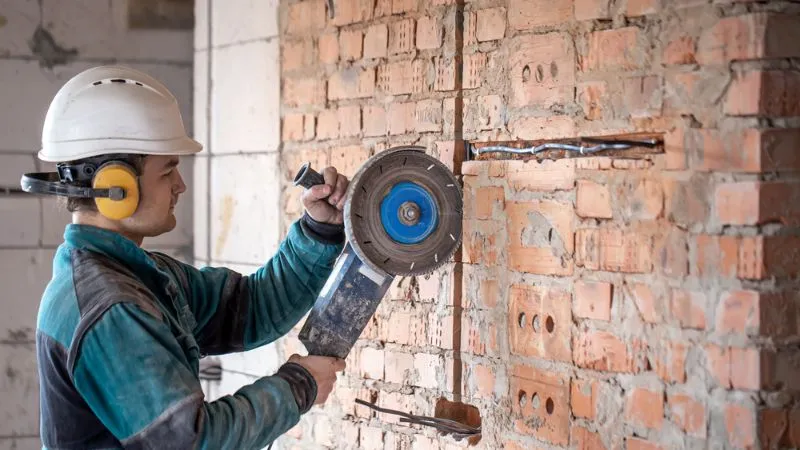
Til mindre job eller begrænsede områder, en mindre betonsav vil være tilstrækkeligt. Personen, der holder saven, fører den langs linjen. Dette skæreværktøj giver adgang til hjørner og kanter. Bær sikkerhedsudstyr, såsom en maske og beskyttelsesbriller. Personligt beskyttelsesudstyr (PPE) bruges til at forhindre støv i at trænge ind i lungerne. Når man arbejder med støv, er ventilation afgørende for at opretholde et "sikkert" arbejdsområde. Der følges korrekte sikkerhedsforanstaltninger for at forhindre ulykker. Hvornår skal man save en betonplade? Når man saver på akavede steder, vil en håndsav hjælpe med at sikre præcision. Dette er især nyttigt ved ombygning af bygninger, reparation af fortove eller arbejde omkring rør, forsyningsledninger og fundamenter. Håndholdte betonsave er også konstrueret til at skære igennem en række hårde materialer. De kan bruges med den rigtige diamantklinge til at skære beton, armeret beton, asfalt, mursten, sten og murværk.
Diamant savklinger
Diamantsavklinger bruges til at skære gennem hård beton. Disse klinger bruges på både håndholdte og gående betonsave. Diamantsaven har en længere levetid og leverer rene snit. Du vælger de rigtige klinger til dine værktøjer. Diamantsaven fungerer bedst. Du kontrollerer klingen regelmæssigt for at forhindre skader.
-
- Gå-bag-betonsav: Ideel til at skære store betonplader og er normalt udstyret med en diamantsavklinge for at producere glatte, dybe og præcise snit.
-
- Håndholdt betonsav: Ideel til skæring i små områder eller trange rum, med en diamantsavklinge til præcis og effektiv skæring.
Sikkerhedsudstyr du har brug for
Sikkerhedsudstyr skal bæres, når du bruger en betonsav. Handsker, beskyttelsesbriller og støvmaske er nødvendige. Beskyttelsestøj bæres for at beskytte huden. Personligt beskyttelsesudstyr (PPE) bruges til at holde dig sikker. Dit arbejdsområde holdes ryddet, og du kontrollerer støv ved hjælp af ventilation. Du overholder sikkerhedsretningslinjer og sikkerhedsprocedurer for at holde dig sikker. Før du begynder arbejdet, inspicerer du dit personlige beskyttelsesudstyr. Hvor dybt skal du save en betonplade? Som en betonsav skærer gennem en plade, slynger den små stykker af beton, sten og støv ud i atmosfæren. De er så små, at de nemt kan komme i øjnene og forårsage irritation eller alvorlig skade. Sikkerhedsbriller giver en beskyttende barriere, så du kan fortsætte arbejdet og stadig se, hvad der foregår.
Trin-for-trin guide til savning af en betonplade
Hvis du kan følge en trin-for-trin metode, kan du sikkert og præcist skære en betonplade med en savDet første skridt er at markere skærelinjen, vælge den passende sav og diamantklinge og etablere et rent og sikkert arbejdsområde. Skær forsigtigt og langsomt, og fuldfør opgaven ved at rydde op i området og lægge værktøjerne væk. Med omhyggelig planlægning og tålmodighed er rene, sikre og professionelle snit garanteret.
Planlæg og marker skærelinjen
Det første trin er at designe et betonskæringsprojekt. Brug et bånd til at vælge den passende placering. Brug kridt eller en tusch til at markere en linje. Dette er en trin-for-trin vejledning, der holder dig på sporet og på lige fod. Kontroller linjerne, før du går videre til næste trin. Hvordan skærer man en betonplade med en sav? Ved at planlægge skærelinjen kan spildt arbejde minimeres. Et forkert udført snit kan resultere i fjernelse af for meget beton eller beskadigelse af et område, der ikke skal skæres. At rette disse fejl kan koste mange penge og tage meget tid. Forskæringslinjen vil hjælpe med at forhindre unødvendige fejl og vil kun give mulighed for at skære den planlagte del af betonen. Skærelinjen er planlagt og markeret, hvilket yderligere forbedrer sikkerheden. Arbejderne ved, hvor de skal skære, før de starter saven.
Vælg den rigtige sav og klinge
Vælg den bedst egnede sav til opgaven. Til store plader skal du bruge en gå-bag-sav, og til små områder skal du bruge en lille sav. Vælg en diamantklinge for at opnå de bedste resultater. Denne trinvise vejledning foreslår, at du inspicerer din klinge for eventuelle skader, før du begynder. Brug de rigtige værktøjer til at opnå et glat snit i beton. Den første fordel ved at vælge den rigtige sav og det bedste tidspunkt at skære i beton er en øget skæreydelse. Der findes forskellige typer save til forskellige betonskæringsopgaver. En gå-bag-sav betonsav Fungerer fantastisk til at skære store, plane overflader, såsom indkørsler, veje, lagergulve og parkeringspladser. En håndsav med betonsavskiver er bedre egnet til mindre opgaver, trange rum, hjørner og arbejde nær vægge. At vælge den rigtige sav kan betyde forskellen mellem en problemfri og en udfordrende oplevelse.
Forbered arbejdsområdet
Fjern alt affald eller vægge. Brug sikkerhedsudstyr (handsker, beskyttelsesbriller, støvmaske). Sørg for god ventilation. Denne trinvise vejledning minder dig om at have vand ved hånden, når du bruger vådskæringsmetoden. Et rent arbejdsområde sikrer din sikkerhed, når du skærer i beton. Fordelene ved at forberede arbejdsområdet omfatter et mere sikkert arbejdsområde. Betonskæring udføres med kraftigt udstyr, roterende klinger, flyvende affald, støv og støj. Når arbejdsområdet er rodet med værktøj, materialer eller andre genstande, kan arbejdere snuble, falde eller opleve nedsat mobilitet, mens de bevæger saven. Fjern alle unødvendige genstande for at gøre det til et mere sikkert arbejdsområde for operatøren, så den kan foretage et præcist snit.
Lav savsnittet
Bevar kontrollen over saven, og hold dig til den linje, du har markeret. Lad saven gøre sit arbejde – skub den ikke! Tag et langsomt snit for et lige snit. For dybere snit, lav flere overkørsler i stedet for et enkelt dybt overløb. En trin-for-trin procedure, der sikrer, at du undgår fejl og opnår en glat finish. Den præcise skæring af saven forbedrer også sikkerheden. Hvor dybt skal du save en betonplade? Brug det korrekte personlige værneudstyr: sikkerhedsbriller, høreværn, handsker, robuste arbejdssko og støvmaske eller åndedrætsværn efter behov, før du betjener saven. Brug en sav med gåbeskyttet hånd til at føre den forsigtigt (eller hold saven fast med begge hænder). God balance og kontrol minimerer risikoen for ulykker under skæring.
Rengøring efter skæring
Støvsug støvet og fjern eventuelle støvkaniner. Kig efter skarpe kanter i området. Opbevar værktøj et sikkert sted. Ved at holde arbejdsområdet rent, er det næste projekt sikkert. Denne trinvise procedure gør betonskæring fra start til slut enkelt. Når der skæres i beton, efterlader det knuste betonstykker, skarpe kanter og støv, der kan udgøre en faldfare. Det øger risikoen for ulykker, hvis disse materialer efterlades på jorden. Når skæringen er færdig, og alt snavs er ryddet op, er arbejdsområdet mere sikkert for dem, der arbejder omkring det. Når du skærer i beton, skal du huske på, at tålmodighed og omhyggelig planlægning giver de bedste resultater.
Bedste timing og tips til at save en betonplade
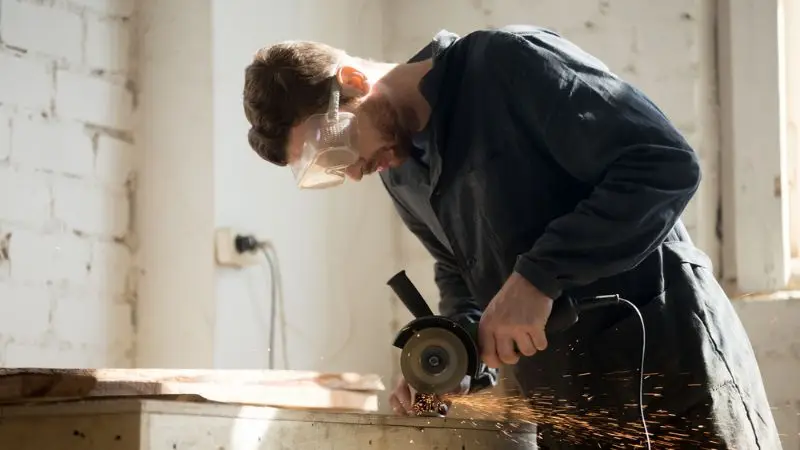
Når det kommer til at save en betonfliseAt kende det ideelle tidspunkt at gøre det på kan hjælpe med at undgå uønskede revner og sikre rene og holdbare snit. De fleste plader vil være brugbare inden for 6-18 timer efter støbning, men tjek altid vejr- og betonforholdene først. De rigtige værktøjer, kendskab til ingredienserne og bevidsthed om almindelige timingfejl vil gøre dit arbejde mere sikkert og succesfuldt.
Hvor længe skal man vente efter at have støbt beton
Der er nogle ventetider før betonskæring. Frisk beton har lav styrke og er blød. Pas på ikke at skære for tidligt, da kanterne kan smuldre. Revner kan opstå af sig selv, hvis ventetiden er for lang. De generelle retningslinjer foreslår at vente 6-18 timer efter støbning. Det vil variere afhængigt af vejret, blandingen og tykkelsen af din plade. Tørringen fremskyndes i varmt vejr. Den er mindre aktiv i koldt vejr. Før du begynder arbejdet, skal du altid inspicere din beton. Det bedste tidspunkt at save beton afhænger af flere faktorer, herunder betonblandingen, vejrforhold, pladetykkelse og skæreteknik. I mange typiske byggearbejder begynder entreprenører at save cirka 4 til 12 timer efter, at betonen er støbt. Hensigten er at reducere den, efter at betonen har opnået tilstrækkelig styrke til at modstå savens skærekræfter, men før der dannes naturlige svindrevner.
Tegn på, at betonen er klar til skæring
Der er nogle tegn, du kan se efter, der fortæller dig, hvornår din plade er klar. Tryk din finger ned i overfladen. Den er endnu ikke støbt i beton. Hvis du ser et svagt mærke, kan du begynde. Overfladen er hverken klæbrig eller våd; dette er vigtigt at bemærke. Hvordan skærer man en betonplade med en sav? Savbladet bør ikke danne støv; det bør danne mudder. Alternativt kan et værktøj bruges til at banke på pladen. Hvis den er fast og har en ring, er den klar.
-
- Lille fingeraftryksmærke: Hvis du let kan trykke ned i betonen og efterlade et "fingeraftryk" uden et dybt aftryk, burde det være okay til savning.
-
- Ingen klæbrig eller våd overflade: betonoverflade er hverken klæbrig eller våd, så den er hård nok til at skære.
Når betonen er klar til savning, vil den producere tørt betonstøv i stedet for vådt mudder.
Fejl, der skal undgås, når du timinger snittet
Du ønsker ikke at begå almindelige fejl. Undgå at hælde beton for hurtigt. Hvis du skærer for hurtigt, vil det forringe pladens kvalitet. Hvis du ikke venter længe nok, kan det resultere i revner på tilfældige steder. Gæt ikke hvornår. Hold altid øje med og overhold skiltningen. Det er bedre at gå efter det halve glas end det hele. Brug altid passende værktøj og sikkerhedsudstyr. Når du planlægger, er det sikkert at skære en betonplade – vælg de rigtige værktøjer og saveprocessen til betonpladen. Sørg for at skære korrekt.
-
- Tegn dine linjer, så du kan se dem.
-
- Brug en diamantklinge til glatte snit.
-
- Må ikke betjenes uden sikkerhedsudstyr!
-
- Undersøg pladen og test den inden skæring.
Husk, øvelse og tålmodighed gør mester. Læs eller se videoer om avanceret skæring for at få flere oplysninger. Hvis du gør det og forbliver positiv, kan du lære at skære beton godt!
Wrap Up
Savning af en betonplade er et afgørende trin i forberedelsen af betonoverfladen, der sikrer, at overfladen er stærk, holdbar og æstetisk tiltalende. Med den rigtige sav, en diamantklinge af høj kvalitet og sikkerhedsudstyr kan du udføre opgaven sikkert og præcist. Det vigtigste af disse er det optimale tidspunkt for savning i beton: Hvis processen startes for tidligt eller for sent, vil der dannes revner. Skæringstypen (våd, tør, tidlig eller diamantklinge) vil også spille en rolle for at opnå bedre resultater. Brug en skarp kniv, når du skærer; lav lige, forsigtige snit. Når skæringen er færdig, skal arbejdsområdet rengøres for at sikre sikkerhed og klarhed til næste operation. Betonskæring er ikke en vanskelig opgave for selv en nybegynder at udføre, hvis de er tålmodige, forberedte og anvender den rigtige teknik. Ved at følge ovenstående retningslinjer vil du være med til at sikre, at din betonplade holder i mange år og fungerer korrekt.
Ofte stillede spørgsmål
Hvor dybt skal man skære en betonplade?
En fjerdedel til en tredjedel af pladens tykkelse bør være den snitstørrelse, der skal skæres. En snitdybde på 1-1.5 cm anbefales til en 4 cm plade. Dette hjælper med at minimere revner og bevare pladens styrke.
Er det muligt at bruge en almindelig savklinge til at skære i beton?
En diamantklinge er nødvendig for at skåret betonAlmindelige klinger har tendens til at slides hurtigt og giver muligvis ikke et rent snit. Diamantslebne klinger er holdbare og giver glatte, lige snit.
Hvilket sikkerhedsudstyr skal bruges, når man bruger en sav?
Handsker, beskyttelsesbriller og støvmaske skal bæres. Du passer på dine hænder, øjne og lunger og holder dem væk fra støv og snavs. Sikkerhedsudstyr giver sikkerhed under arbejdet.
Er det muligt at skære beton i vådt vejr?
Kraftig regn og våde forhold bør undgås ved skæring i beton. saven kan glide på våde overflader, hvilket resulterer i ujævne snit. De bedste resultater opnås, mens man venter på tørre forhold.
Hvilken metode bruger du til at forhindre savklingen i at blive overophedet?
Brug vand til at køle klingen ned under skæring. Vandkøling hjælper med at forhindre overophedning af køretøjet og reducerer støvdannelse. Hold pauser, når du bruger en tør sav, for at lade klingen køle af.